There Is a Frequency That the Wealthiest Families Have Used for Generations and Most People Will Never Know It Exists
>>> Open the Door <<<

Waking up with a plan can set the tone for your entire day. A simple morning routine built around your phone helps you move from sleep to action without extra thinking. This guide shows how a few smart apps and quick steps can save time and cut morning stress.
Your phone can be the central tool for waking, planning, and fueling your day. With a focused setup, you can automate the alarm, preview your tasks, and choose a quick, healthy routine in minutes. You don’t need a fancy system to start, just a few proven steps.
Here’s the core idea: pick a few morning tasks that matter most to you, and assemble them into a predictable sequence. Use reminders, a short workout, and a light breakfast plan that can be completed before you head out the door. Keep it practical, and your smartphone becomes your reliable everyday coach.
Set Up Your Phone for a Smoother Morning
A calmer morning starts with a thoughtful phone setup. By choosing gentle wake options, organizing essential apps, and activating simple automations, you can glide from sleep to action with less friction. This section covers practical steps to make your smartphone a reliable morning coach rather than a source of morning chaos.
She Pressed Play on a Strange Audio Track and Within Days Her Financial Reality Started Shifting in Ways She Could Not Explain
>>> See How It Works <<<

Choose the Right Alarm and Wake-Up Apps
Gentle alarms avoid the jolt of a loud buzz and set a kinder tone for waking. Look for sunrise simulations that gradually brighten the screen or room, which can help your body shift from sleep to wakefulness more naturally. If you’re sensitive to sounds, select options that pair soft tones with increasing volume over a few minutes. Using an alarm that integrates a quick morning routine makes the transition smoother.
Consider stacking multiple alarms for different goals to create a predictable routine. For example:
- Alarm 1: Wake up
- Alarm 2: Drink a glass of water
- Alarm 3: Light stretch or short mobility circuit
Pair each alarm with a tiny, defined action. A two-minute stretching sequence or a one-minute hydration reminder can become automatic when triggered by the alarm. If you want gentle inspiration, try apps that blend a sunrise effect with soothing audio, such as those highlighted in recent app lists. For more options, you can explore Sunrise Alarm style apps like Gentle Wakeup or similar tools on major platforms. External references to popular sunrise alarm options can be found here and here.
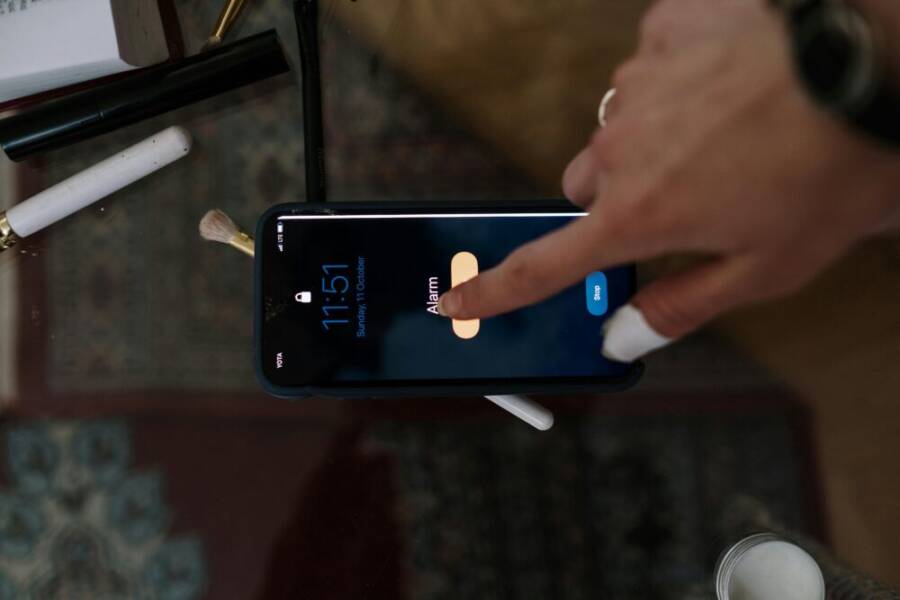
Image suggestion: A calm morning scene with a phone showing a sunrise alarm screen. Photo by cottonbro studio: Close-up of a person touching a smartphone alarm screen with makeup items nearby. Photo credit: Photo by cottonbro studio
Organize Morning Apps for Fast Access
Set up a single, easily reachable folder or dock that holds 4 to 6 core apps. Prioritize apps that support a quick, daily routine:
- Alarm
- Calendar
- Weather
- Notes
- Meditation or breathing app
- Quick workouts or a short timer
Keep notifications to a minimum during the first hour. Disable nonessential alerts so you aren’t pulled into messages or social media before your routine is complete. A focused cluster of apps speeds up your morning and reduces decision fatigue.
What If the Only Thing Between You and the Life You Deserve Is a Hidden Wealth Code Waiting to Be Activated
>>> Open the Door <<<

If you want a quick workflow, place the daily check-ins you rely on in one place. Tap once to open the folder, then swipe through to check your schedule, weather, and a short wellness activity. The fewer taps you need, the easier it is to start your day with momentum. For inspiration on efficient morning layouts, see user-tested app arrangements and sets of essential tools.
External links for further ideas on app organization and sunrise routines can be helpful here and here.
Enable Gentle Focus with Do Not Disturb and Automations
Do Not Disturb or Focus modes shield you from interruptions while you start your day. A simple automation can activate a sunrise routine, a weather check, and your first movement cue with a single tap. The goal is a straightforward flow that supports consistency, not complexity.
Create one or two automations that feel almost automatic. For example:
- A sunrise automation that gradually brightens your screen and lowers notifications
- A quick one-tap routine that opens Calendar, Weather, and a 2-minute breathing exercise
- A reminder to log water intake or complete a short stretch
Keep automations lightweight. Avoid multi-step sequences that require too much setup each morning. The idea is to reduce friction, so your morning becomes a repeatable, easy-to-follow process.
If you’re curious about ready-made solutions, several sunrise-style automation apps and focus modes are discussed in reliable guides and app roundups. These references can help you tailor a routine that fits your pace and goals. Helpful articles and app recommendations can be found here and here.
External links for recommended focus modes and simple automations can be found here and here.
Images may be used to illustrate calming morning setups or app layouts.
Design a Morning Sequence That Feels Easy and Productive
A morning sequence that feels effortless starts with a few intentional steps you can repeat every day. The goal is to move from waking to action with minimal friction, using your smartphone as a supportive coach rather than a distraction. By pairing calm rituals, quick planning, and light movement with simple logging, you create momentum that lasts all day. Below are practical subsections you can drop into your article, each focused on a specific phase of a morning routine that stays affordable in time and effort.
Start with a Calm Wake Up Ritual
Begin your morning with a brief, soothing ritual that happens within the first five minutes after you wake. A calm start helps your brain shift from dreaming to doing without the harsh jolt of screens or loud alarms. A short breathing exercise paired with gentle stretching can set the tone for a productive day.
- Breathing pattern: Inhale for 4 counts, hold for 4, exhale for 6. Repeat for two minutes. This slows your heart rate, activates your parasympathetic system just enough to feel alert, not anxious.
- Gentle stretch: Do a simple mobility circuit that requires no equipment. Think neck circles, shoulder rolls, hip hinges, and a waist twist. Each move for about 20–30 seconds, total about five minutes.
- Phone role: Use your phone to guide the routine with a timer or a short audio cue. Pick a calm soundtrack or a guided breathing cue that starts automatically when you rise. Avoid heavy screen use in these first minutes; keep the phone physically away from eye level and aim for minimal interaction.
- Practical tip: Stack the ritual with a small habit you already do, such as reaching for a glass of water. The moment you wake, a quick reminder can cue this action, making it automatic over time.
To support this calm start, consider apps that specialize in guided breath and light movement. For example, voice-guided breathing apps or gentle soundscapes can ease you into your day without pulling you into a social feed. If you want options that are widely recognized, explore Calm for guided breathing and stretching routines, or Breathwrk for breathwork sessions. You can learn more about these kinds of tools through trusted app roundups and reviews. Links to reliable sources and app recommendations can be found here and here.
External links for calm wake up ideas and guided routines:
- https://play.google.com/store/apps/details/Calm_medite_durma_e_relaxe?id=com.calm.android&hl=en
- https://www.breathwrk.com/
In practice, the key is to keep the ritual short, predictable, and phone-assisted but not phone-dominated. The moment you step away from heavy screen time, you preserve cognitive resources for the day ahead. A practical example is to set a two-minute breathing cue and a five-minute stretch timer, both triggered by the alarm. This combination makes the routine feel almost automatic.
Check the Day Ahead with Your Calendar
A quick glance at your calendar anchors your momentum. The idea is to scan the day, identify a top three tasks, and set the tone for a focused morning. This step should take no more than five minutes and can be done in the same window as your wake up routine if you streamline your tools.
- Quick scan: Open your calendar and look for meetings, deadlines, and blocks of deep work. Note any conflicts or travel time that might affect your morning pace.
- Top 3 tasks: Pick three outcomes you want to achieve before the day ends. These should be concrete, not vague. For example, “finish draft of article,” “complete 20-minute workout,” and “respond to four messages.”
- Sync with reminders: Connect calendar events to reminders so you receive timely prompts. This creates a predictable day and reduces the cognitive load of decision making.
- Simple flow: Create a one-click sequence that opens your calendar, shows today’s agenda, and highlights your top three tasks. A single screen should give you a clear snapshot of the day.
To maximize usefulness, you can link your calendar to reminders and to-do lists. When you confirm the top three tasks, the next steps become obvious, and you’re less likely to drift into low-value activities. If you’re seeking guidance on how to set this up, there are practical tutorials and product roundups that walk you through the process. For additional ideas on syncing calendars with reminders, check trusted guides and app recommendations here and here.
Beyond planning, the calendar check-in signals that you treat the morning as a living schedule, not a mental tension. It’s reassuring to know what’s coming and where your energy is best spent. A quick workflow example: open Calendar, review the day, confirm three priorities, and set a one-tap reminder for each priority. This minimizes back-and-forth and keeps you moving with purpose.
If you want a deeper reference on top morning planning tools, consider checking out reputable guides and reviews that compare calendar features, reminder capabilities, and ease of use. External sources and curated lists can help you tailor a setup that fits your style. You can find more insights here and here.
Incorporating a calendar glance into your routine helps align actions with priorities. The combination of a calm wake up ritual and a purposeful day review creates a strong foundation for a smooth, productive morning.
Include Light Movement and Mindfulness
Movement in the morning boosts alertness and supports steady energy levels through the day. You don’t need a long session; even five minutes of movement can yield noticeable benefits. Pair movement with a mindfulness moment to clear mental clutter and set intentions.
- Five-minute stretch: Focus on dynamic moves that wake up major muscle groups. Include light lunges, hip circles, arm stretches, and a few gentle twists. Keep the pace steady and breathe through each movement.
- Short walk: If you have a few extra minutes, step outside for a brisk five-minute walk. Fresh air and natural light help regulate your circadian rhythm and sharpen focus.
- Quick mindfulness: Try a one-minute grounding practice. Sit with upright posture, feel your feet on the ground, and name three things you observe in the environment. This practice reduces reactivity and strengthens attention.
- Logging outcomes: Use a notes app to log how you felt after movement and what you accomplished. A simple line for each day can act as accountability and track progress over time.
- Phone integration: Start a timer, track duration, and jot quick notes directly in your notes app. This keeps the routine compact and easy to repeat.
The benefits of light morning movement extend beyond physical health. Regular, brief activity stimulates mood, memory, and cognitive clarity. A tiny movement habit compounds into better daily performance. If you want more structure, you can adopt a short mobility routine or a guided stretch program. Look for well-reviewed options that fit a five-minute window and don’t require special equipment. For inspiration, you can explore articles and roundups that highlight effective short routines and their impact on daytime productivity. Links to reputable sources and apps are available here and here.
External links for mindful movement practices and quick stretch routines:
- https://www.nytimes.com/wirecutter/reviews/best-meditation-apps/
- https://breathlessexpeditions.com/the-best-breathwork-apps-this-year/
Logging your outcomes can feel small in the moment, but it creates a concrete record of progress. A simple note like, “GPU workstation ready, five-minute stretch complete, and top three tasks identified,” reinforces consistency. If you want a more structured approach, you can use a daily template in your notes app. For example, a simple entry could be:
- Date
- Movement completed (yes/no)
- Mindfulness duration
- Top 3 tasks
- Quick reflection (one sentence)
This kind of journaling helps you stay honest about what actually happens in the morning and where you can improve. To find inspiration on effective morning tracking, explore guides and user experiences that emphasize practical, lightweight journaling methods. You can read more about this at reliable publication and app roundups linked here and here.
As you design your morning sequence, keep it flexible enough to adapt to days with extra demands. The right balance of calm, clarity, and movement makes the routine feel easy while still delivering real productivity. By treating your smartphone as a tool for guidance and accountability, you set a baseline that you can repeat with confidence.
Boost Morning Momentum with Phone Tools
Your smartphone can be a powerful ally in building a steady, low-stress morning. By turning quick actions into templates, reminders, and gentle nudges, you create momentum that lasts all day. This section shows practical, ready-to-use ideas you can drop into your routine right away, with simple steps for both iPhone and Android users. Keep in mind, a few smart tools done consistently beat a perfect plan done rarely.
Create Shortcuts and Templates
Templates save you time and keep your morning predictable. The idea is simple: you press one button or say a short command, and a mini routine unfolds. Two quick templates you can start with are a 10 minute wake up flow and a 15 minute quick workout. You can tailor them to your pace and space.
- 10 minute wake up flow:
- 0:00–1:00: Gentle alarm with a sunrise screen and a soft chime.
- 1:00–4:00: Hydration cue and a 2 minute breath exercise.
- 4:00–7:00: Light mobility sequence (neck, shoulders, hips).
- 7:00–10:00: Quick plan glance in a notes app and set top 3 tasks for the day.
- 15 minute quick workout:
- 0:00–1:00: Brief warm up with a timer.
- 1:00–6:00: Circuit of 3 moves (squat to chair, incline pushups, standing hip hinge) with 45 seconds on, 15 seconds off.
- 6:00–12:00: Core finisher (plank or dead bug) and a short cool down.
- 12:00–15:00: Hydration, quick stretch, and jot down today’s top three priorities.
Save these as templates so you can run them daily without reconfiguring. On iPhone, use the Shortcuts app to create automations that start with your alarm and run a sequence of actions (open a timer, show your task list, and play a guided routine). On Android, Tasker or Bixby Routines can perform a similar flow with one tap. As you grow more confident, you can expand templates to include a weather check, calendar glance, or a 3-minute journaling prompt.
- How to save templates:
- iPhone: Create a Shortcut with a trigger (Alarm or Siri phrase) and add actions like “Open App,” “Set Quick Timer,” and “Show Result.” Save as a named template for daily reuse.
- Android: Build a Routine in the companion app or a Tasker profile that launches at wake up. Attach actions such as launching a notes template, starting a workout timer, and opening your calendar.
If you want ready-made inspiration, you can explore real-world examples of morning shortcuts and routines through community posts and roundups. For example, you can check channels that discuss simple Apple Shortcuts for mornings or user-shared routines on Android. These sources offer practical ideas you can adapt to your setup.
There Is a Frequency That the Wealthiest Families Have Used for Generations and Most People Will Never Know It Exists
>>> Open the Door <<<
External links for template ideas and example routines:
- The iPhone Shortcut That Runs My Morning
- Morning routine with Apple Shortcuts
Using templates makes mornings hands-off yet intentional. They reduce decision fatigue and help you start with a calm, productive rhythm. A single tap or voice cue does the heavy lifting, and you gain a sense of control that carries into the day.
Use Habit Tracking and Micro-Goals
Tiny wins add up. A lightweight log helps you see progress without taking too much time. Use a notes app or a simple habit-tracking tool to capture one line each morning. The key is to make logging effortless and to define the next small step for the day.
- Simple log pattern:
- Movement completed: yes/no
- Water intake: 1 glass / 0 glasses
- Top 3 tasks: list three concrete outcomes
- Quick reflection: one sentence
- Micro-goals to set daily:
- Hydration target: drink one glass within 60 minutes of waking
- Movement target: complete a 5 minute mobility routine
- Focus target: finish one 25 minute block of deep work
A minimal notes approach works well for most people. You can also use a lightweight habit app that stays out of the way. Look for apps that require only a glance to log, a single tap to update, and simple streak visuals. The purpose is to make progress visible, not to create a separate chore.
- How to maintain momentum:
- Keep the log brief: one line is enough.
- Emphasize tiny wins: celebrate small progress, not perfection.
- Define clear next steps: each entry should point to the next action for the day.
If you’re seeking practical, human-friendly guidance, there are short roundups and user experiences on habit tracking that explain how to set up lightweight logs and micro-goals. You’ll find reliable resources and app recommendations in curated lists.
External links for lightweight habit tracking and micro-goals:
- Lightweight habit tracking apps
- Simple notes-based habit logs
- Quick habit templates for mornings
The habit log acts as a gentle accountability mechanism. Over days and weeks, you’ll notice patterns—what works, what stalls, and how your mornings shift when tiny tasks become automatic. The goal is not to perfect the day but to shave off friction so you can start with confidence.
Smart Nudges for a Consistent Routine
Smart nudges guide you toward consistency without nagging. The right reminders feel supportive, not pushy, and help you preserve momentum. The trick is to time prompts to match your pace, keeping them brief and actionable.
- Gentle reminders to start a task:
- “Time to hydrate and stretch” prompts you to drink water and do a quick mobility drill.
- “Check calendar for today’s priorities” nudges you to review your top tasks.
- Positive streaks:
- Daily check-ins that celebrate a streak number (e.g., “3-day streak of movement”).
- Visual cues like a growing badge on your home screen can provide a sense of achievement.
- Timing and pace:
- Schedule reminders to arrive within 5–15 minutes of waking, depending on your routine.
- If mornings are busy, set a single, empowering prompt just after the alarm to keep you on track.
To adjust nudges, customize notification timing to your personal pace. If you wake slowly, place reminders a bit later in the morning. If you have a pushy schedule, keep them tight and focused on immediate actions. The goal is to strike a balance between helpful and distracting.
- Practical setup tips:
- Use Do Not Disturb or Focus modes to ensure reminders land without competing with other alerts.
- Create one-tap routines that open your calendar, weather, and a micro-mitness prompt, so the first actions are obvious.
- Turn on streaks for consistent habits, but avoid overloading notifications with too many prompts.
If you’re curious about established strategies for reminders and nudges, reliable guides and app roundups can provide useful context. You’ll see how different platforms handle notifications, the best times to trigger reminders, and how to design prompts that feel like a coach rather than a critic.
External links for reminders, nudges, and habit streaks:
- iPhone and Android reminders and notification strategies
- Best habit nudges and streak features
As you implement these nudges, keep the experience simple and friendly. A well-timed reminder should feel like a coach offering a helpful nudge, not a boss reminding you what you forgot. When done right, smart nudges help you maintain a reliable rhythm even on days when motivation dips.
By combining templates, lightweight habit tracking, and friendly nudges, your smartphone becomes a steady partner in building a morning routine that sticks. The result is a more confident start, clearer focus, and a day that unfolds with less friction.
Keep It Safe, Private, and Efficient
A strong morning routine relies on your phone not just being a tool, but a trusted ally. You want quick access to the right features while keeping your data protected and your battery ready for a busy day. In this section, we’ll cover practical steps to safeguard privacy, preserve battery life, and prevent morning distractions from spiraling into a full-screen event.
Protect Privacy and Data on Your Phone
Your privacy should stay top of mind as you start the day. Review app permissions, limit data shared with each app, and keep sensitive information tucked away in a secure notes area. Start with a quick triage of permissions:
- Audit each essential app: check what access it has to cameras, mic, location, contacts, and files.
- Limit data sharing: turn off unnecessary data collection for non-critical apps.
- Secure notes for sensitive info: store passwords, codes, or private notes in a locked, encrypted notes section.
Two reliable reference points can guide you through this process: first, learn how to manage app permissions for privacy and security on trusted resources, and second, review platform-specific permission guidance to avoid overexposure. For a detailed overview of permission practices on Android, see the Android permissions guide. On iPhone, a clear path to privacy controls is available in the iOS privacy settings overview. External resources for best practices include:
- https://www.cisa.gov/resources-tools/training/manage-application-permissions-privacy-and-security
- https://developer.android.com/guide/topics/permissions/overview
Practical tip: set a daily 2-minute privacy check as part of your wake up routine. This habit reduces risk and builds confidence that your morning data stays private.
Preserve Battery While You Wake Up
A gentle power plan helps you avoid scrambling for a charger mid-morning. A small, smart approach to charging and display settings keeps your phone ready when you need it most.
- Charging strategy: aim for a quick top-off if you’re running low, then keep the phone plugged only while you’re getting ready. If you have a longer morning, consider leaving the device on a trickle charge for a steady start.
- Battery saver: enable battery saver during peak wake up activity or when you notice your battery dipping, especially if you rely on multiple apps to kickstart your day.
- Screen brightness: reduce brightness during the first hour. Dim the display to a comfortable level; you’ll save power and reduce eye strain as you read quick notes or glance at the day’s agenda.
A practical example: set your alarm to trigger a sunrise screen and gentle chime, then automatically enable a lighter wallpaper and a 30–40% brightness cap for the first hour. If you want extra efficiency, consider curating a small set of essential morning apps that run in the background with minimal energy use. For more ideas on battery friendly setups, consult reputable guides and product roundups that focus on device efficiency and wake-time performance.
External links for further reading on privacy and power management:
- https://www.cisa.gov/resources-tools/training/manage-application-permissions-privacy-and-security
- https://developer.android.com/guide/topics/permissions/overview
Don’t Let the Morning Turn into a Screen Fling
Morning is for clarity, not endless scrolling. A simple rule keeps you grounded: keep social apps read only or off for the first 30–60 minutes. This reduces interruptions and helps you transition into the day with intention.
- Read-only mode: disable interactive features in your social apps during your wake up window. You can still view messages, but composing or replying is blocked.
- App limits: set a hard cap on how long you’ll spend on entertainment apps in the morning. A quick timer helps keep you on track.
- Alternatives: replace scrolling with a brief, productive action like journaling, a quick breathing exercise, or a 5-minute mobility routine.
If you’re unsure how to implement these steps on your device, many guides walk you through turning off or restricting apps at wake time. For practical tips on managing social app permissions and behavior, you can explore community discussions and official help centers. External references provide additional context and setup ideas:
- https://www.facebook.com/groups/1666690563549133/posts/4036346139916885/
A practical reminder: keep your phone physically away from eye level during this early window. A brief, focused kickoff helps you preserve attention for the tasks that matter. When you’re ready to reintroduce your phone to the routine, do it with a clear purpose—checking only what supports your top priorities for the day.
Putting these practices into your morning routine helps you start with calm, control, and less likelihood of drift. You’ll gain more time for movement, planning, and reflection before the day’s demands pull you in every direction.
Fine-Tune and Adapt Your Routine Over Time
Your morning routine isn’t a fixed script. It evolves as your days shift, as your priorities change, and as you learn what actually saves you time. This section helps you tune the routine so it stays practical, reliable, and aligned with real life. Think of it as the seasoning that keeps your morning flavorful rather than bland. You’ll learn how to track results, make seasonal or schedule tweaks, and ensure accessibility stays at the core.
 Photo by cottonbro studio
Track What Works and What Slows You Down
A small log is worth its weight in time saved. Track which parts of your routine actually shave minutes off your morning and which steps cause delays. Use this data to adjust how long each task should take and the order you do them in.
- What to track:
- Start time vs finish time for each major step
- Tasks that consistently slip or feel rushed
- Energy levels after different activities (movement, mindfulness, planning)
- The moment you reach a smooth, repeatable flow
- How to use the data:
- Reorder tasks to minimize transitions. Put high-focus tasks when you feel most alert.
- Shorten or extend steps based on actual duration. If a 5-minute stretch reliably takes 8, adjust to 8 or split it into two shorter movements.
- Keep a once-a-week review to spot patterns and refine templates.
- Quick example:
- Alarm triggers a two-minute breathing cue, then a five-minute mobility sequence. If you consistently skip the mobility, swap it with a shorter stretch or move it earlier in the routine when energy is higher.
To deepen your approach, explore practical guides that cover how to track routine effectiveness and convert insights into action. For ideas on structure and measurement, consider resources like How to Track the Effectiveness Of A New Routine and related discussions, which offer concrete steps and templates. You can read more here: https://lifeskillsadvocate.com/blog/how-to-track-the-effectiveness-of-a-new-routine/
If you want a broader view of optimizing a morning sequence with evidence and psychology, check out guides that compare different routines and how people implement them in real life. These perspectives can help you validate what you’re actually measuring and why it matters. Learn more through curated discussions here: https://medium.com/change-your-mind/i-built-the-scientifically-perfect-morning-routine-78decde1be00
Key takeaway: the best tweak is the smallest change that sticks. A one-minute logging habit or a minor reorder can compound into big gains over weeks.
Seasonal or Schedule Tweaks
Life isn’t the same year round. School terms, work cycles, travel days, and weather shifts all demand small adjustments to your routine. The goal is to keep the routine resilient without turning it into a chore.
- What to adjust:
- Alarm times when your schedule shifts (earlier on busy days, gentler on lighter days)
- Task order to align with fresh energy windows (move movement before heavy planning if you feel sluggish)
- The length of the routine during travel or holidays (shorter on days with tight timelines)
- Practical tweaks:
- Create a “seasonal” template that captures your go-to adjustments. For example, during weekdays you might insert a 5-minute movement block before planning, while on weekends you might swap the order to start with mindfulness.
- Use travel-friendly versions of tasks, like a 2-minute hydration cue and a 3-minute planning glance, so you stay consistent on the road.
- Adjust reminders to reflect new realities, not to nag. If you’re starting later, shift reminders correspondingly rather than adding more prompts.
- A sample seasonal switch:
- Weekdays in busy seasons: wake at 6:30, quick hydration, 5-minute mobility, 3-minute weather check, 5-minute plan review.
- Weekends or lighter weeks: wake at 7:15, longer mindful moment, longer planning session, 5-minute walk outside if weather allows.
Seasonal tweaks keep your routine trustworthy, not fragile. They help you stay on track when life throws curveballs. For broader guidance on adapting routines to changing schedules, you can read practical strategies and real-world examples that emphasize sustainable adjustments over time: https://findyourgoodspace.com/blog/how-to-create-a-morning-routine-and-thrive
In practice, you want to maintain a single source of truth for your routine. A shared template with adaptable fields makes updates easy. If you keep everything in a notes app or a dedicated shortcut, you can swap in new timings and tasks with a couple of taps.
Accessibility and Inclusivity in Your Routines
A morning routine should fit you, not exclude you. Design inclusively so it works for different abilities, ages, and living situations. The right settings ensure text is legible, controls are easy to reach, and the flow remains comfortable for everyone in your home.
- Accessibility basics:
- Larger text and high contrast themes for readability
- Screen reader compatibility for key steps
- Simple, consistent navigation that doesn’t rely on precise tapping
- How to adapt:
- Offer alternatives for each task. If a stretch is hard, substitute a gentle chair movement or a seated mobility option.
- Provide multi-sensory cues. Use light, sound, and vibration to signal transitions, so you aren’t reliant on a single sense.
- Keep a low-vision or hearing-friendly version of your templates. Include clear labels, large buttons, and straightforward wording.
- Practical options:
- Text scaling: enable larger fonts in system accessibility settings to improve legibility.
- Color contrast: choose a color scheme that maintains legibility in direct sunlight and low-light conditions.
- Assistive tech: leverage built-in features like screen readers or audio prompts during the wake up flow.
- Implementation tip:
- Build your morning routine around a core sequence and then provide simple alternatives for each step. For example, if a movement cue relies on a visual timer, add an audible timer as a fallback.
If you’re looking for specific guidance on accessibility features across devices, reputable roundups and guides can help tailor a setup that respects different abilities. They cover practical steps to enable larger text, screen readers, and color contrast in popular platforms. For reference, see resources like the Android permissions and iOS privacy guidelines, which include accessibility considerations, and general best practices from privacy and accessibility communities. External resources for inclusive design and accessibility best practices can be found here: https://developer.android.com/guide/topics/ui/accessibility and https://www.apple.com/accessibility/
Bringing accessibility into your routine ensures everyone in your household can participate. It also makes your own daily workflow more robust. A well designed routine respects needs and keeps the day moving forward.
By periodically reviewing trackable data, embracing seasonal tweaks, and centering inclusivity, your morning routine stays practical, gentle, and effective. Your smartphone remains a helpful ally, adapting with you as days change and priorities shift. The key is consistency with flexibility, so your mornings stay smooth no matter what life throws your way.
Conclusion
A morning routine built around your phone is a practical, repeatable system that saves time and reduces stress. Start with a few core steps: gentle wake up, a quick planning check, light movement, and a simple logging habit, then expand as you feel comfortable. Keep the phone as a helper, not a hurdle, using short templates and gentle nudges to guide you. I invite you to share tweaks that work for you and to test small changes one by one to build lasting momentum.
There Is a Frequency That the Wealthiest Families Have Used for Generations and Most People Will Never Know It Exists
>>> Open the Door <<<