He Was Drowning in Bills and Burnout Until a Simple Daily Ritual Rewired His Brain for Wealth in Less Than a Week
>>> Start Your Shift Today <<<

Busy days make it hard to fit movement in, but small stretches can add up. Your phone can guide you through simple moves in under a minute, without slowing you down. This guide shows how to turn short breaks into powerful reset moments.
He Was Drowning in Bills and Burnout Until a Simple Daily Ritual Rewired His Brain for Wealth in Less Than a Week
>>> Start Your Shift Today <<<
You’ll learn quick, practical stretches that target neck, shoulders, and back, plus tips for staying consistent. We’ll show you how to set up gentle reminders and choose routines that fit your schedule. The idea is to keep movement simple, friendly, and effective.
By using your smartphone as a personal stretch coach, you’ll move more, feel better, and stay productive. The routines are easy to follow, with clear steps and quick performance checks. Get ready to turn every break into a productive, refreshing pause.
Why Using Your Phone for Quick Stretch Breaks Works
Short movement breaks powered by your smartphone can reset your body and sharpen your focus in minutes. By guiding tiny, frequent stretches through reminders, timers, and simple motion tracking, you create a reliable rhythm that protects your posture and boosts energy without breaking your flow. This section explains why these micro-breaks matter and how to make them work for you every workday.
She Pressed Play on a Strange Audio Track and Within Days Her Financial Reality Started Shifting in Ways She Could Not Explain
>>> See How It Works <<<

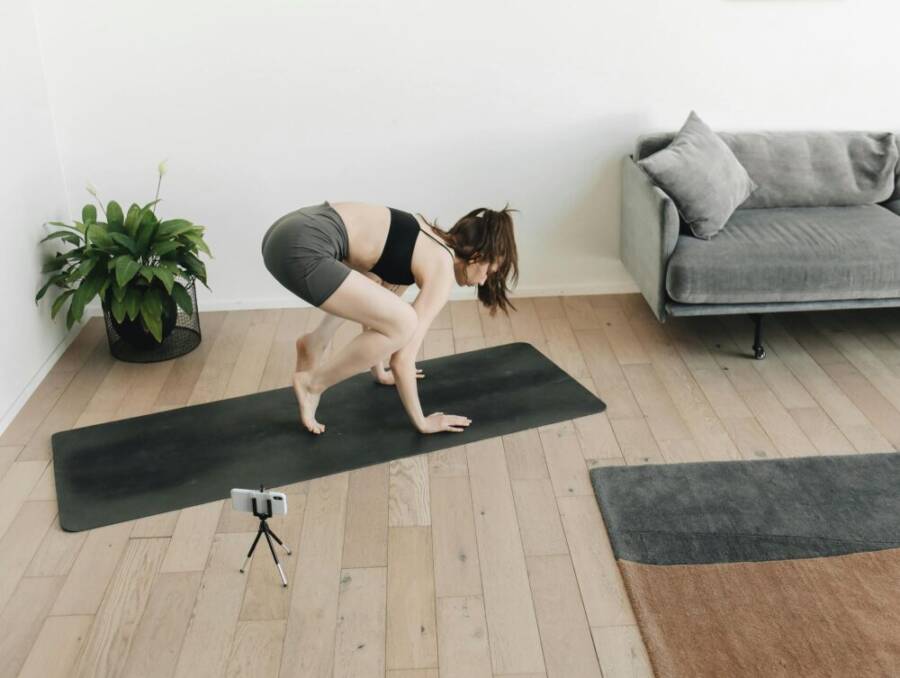
 Photo by Polina Tankilevitch
Boost Productivity and Reduce Strain
Tiny moves carry big benefits when done regularly. A quick neck release after a long screen stare can ease stiffness, making it easier to read, write, and think clearly. Shoulder circles every hour reduce tension built from typing and video calls, helping you breathe more freely and stay present in tasks. When you move in small, intentional steps, you refresh your brain just enough to refocus without breaking your momentum. Think of these micro-breaks as micro-reboots for your body and mind.
Concrete examples you can try today:
- In 60 seconds, roll your shoulders back, then forward, while sipping water.
- Tilt your head from side to side to release the upper neck muscles.
- Stand, take three slow breaths, and stretch your arms overhead to open the chest.
- Do a gentle twist at the desk to loosen the spine and hips.
The payoff shows up as steadier work sessions, fewer errors from fatigue, and a calmer posture at the end of the day. Regular tiny movements also help reduce the risk of neck tension and eye strain, especially if you spend hours in front of a screen. For more on how movement supports productivity, see educational resources on workplace wellness and ergonomic practices.
Phone Features That Help You Move
Your phone is more than a timer. It can guide you through movement with practical features you can use right away:
- Reminders that nudge you to stretch at set intervals, so you don’t rely on memory alone.
- Quick timers that fit a one-minute routine between meetings or tasks.
- Voice prompts that guide you through a sequence without looking at the screen.
- Simple motion tracking that counts repetitions and checks your form, giving gentle feedback.
To get started, try a simple routine that you can repeat every work hour:
- 60-second neck and shoulder loosening sequence, guided by a reminder.
- 2-minute chest and hip opener when you have a brief break.
- 30-second wrist and finger stretches to counter keyboard fatigue.
Practical tips you can apply now:
- Set a repeating reminder for mid-morning, after lunch, and late afternoon.
- Use a brief voice cue like “start stretch now” to keep your hands free.
- Pick a short routine and keep it visible, so you know exactly what to do during the break.
- Track progress with a simple counter or habit streak to stay motivated.
If you want more inspiration, a few credible reads discuss how desk stretches relieve neck and shoulder pain and improve circulation during the day.
- Benefits of Stretching at Work | Improving Posture
- Desk Stretches: Quick Relief for Neck and Shoulder Pain
- Boost Workplace Wellness: The Benefits of Stretching During Work Hours
Common Barriers and How to Beat Them
Busy days, forgetfulness, or a crowded calendar can derail even a simple stretch plan. The key is to keep the setup ultra-lean and the routine ultra-simple.
- Barrier: I’m too busy.
Fix: Use two 60-second blocks that fit between tasks. Save a 2-minute sequence for lunch or a quick coffee break. - Barrier: I forget.
Fix: Program a 9 a.m., 1 p.m., and 4 p.m. reminder with a short audible cue. - Barrier: I don’t know what to do.
Fix: Start with a fixed three-move sequence and add one new move every week.
A straightforward setup plan can turn this into a habit:
- Pick a reliable time window (e.g., the hour after starting work).
- Create a single, repeatable one-minute routine.
- Enable reminders and a gentle voice cue.
- Track consistency and adjust as needed.
If you want a quick reference, try this one-minute routine: shoulder rolls, neck tilt, and a full-body reach overhead. It’s enough to break stiffness without pulling you away from work for long. With the right cues, your phone becomes a dependable coach that helps you move more with less effort.
Sources and practical guides on stretching in the workplace can offer additional ideas for expanding your routine as you get more comfortable.
- Benefits of Stretching at Work | Improving Posture
- Desk Stretches: Quick Relief for Neck and Shoulder Pain
- Boost Workplace Wellness: The Benefits of Stretching During Work Hours
Set Up Your Phone for Easy Stretch Breaks
Your phone can be a discreet but powerful ally for regular movement. The right reminders, a simple plan, and easy cue systems keep breaks consistent without disrupting your work flow. Below you’ll find practical guidance to set up reminders, choose a short stretch routine, and use timers and voice prompts so you can move confidently even when your hands are busy.
Choosing the Right Reminders
Reminders are only useful if they prompt action at the right times. Start by pairing three kinds of alerts: vibrations, sounds, and visual prompts. Each type serves a purpose and you can mix and match to suit your environment.
- Vibrations: A subtle buzz is perfect for open offices or shared spaces where sound would be disruptive. Set a short, gentle vibration every 30 to 60 minutes to nudge you toward a quick stretch without drawing attention.
- Sounds: A soft chime or gentle alert tone signals a break without startling you. If you share a workspace, keep the volume low and use a distinct sound to avoid confusion with missed calls or notifications.
- Visual alerts: A banner or lock-screen reminder is useful when you’re in a task that requires focus away from the phone. A quick glance can remind you to stand, roll your shoulders, or stretch your wrists.
Think about your daily rhythm and tailor reminders to fit it. For a typical workday, try:
- Morning check-in: a brief neck and shoulder release after logging in.
- Mid-morning reset: a 60-second wrap-up of posture before diving into a meeting.
- Post-lunch refresh: a longer 2-minute opener that expands the chest and hips.
- Late-afternoon reboot: a quick wrist and finger stretch to counter typing fatigue.
If you want to explore broader options, consider apps built to encourage movement during the workday. For instance, Stand Up! The Work Break Timer offers flexible intervals that you can customize to your schedule. It’s a straightforward way to avoid the “out of sight, out of mind” trap with routine prompts. Learn more about this type of tool and how it fits into a daily rhythm in the app store description and reviews. You can also check a general guide on activity and break apps that help you move at work for inspiration and setup ideas.
Links to explore:
- Stand Up! The Work Break Timer — Apple App Store
- Activity and break apps to help you move at work
Picking a Simple Stretch Plan
Keep the plan lean and repeatable. A five minute routine with 4–6 moves is perfect for a desk worker. The goal is to cover the major areas without requiring a gym or special equipment.
A reliable 5 minute plan:
- Neck and shoulder release (60 seconds): Tilt the head side to side, then roll the shoulders up and back in a slow circle.
- Mid back opener (60 seconds): Interlace fingers behind your back and gently straighten the arms to open the chest.
- Hip and spine twist (60 seconds): Sit tall, twist to one side with a gentle reach toward the back of the chair, then switch.
- Wrist and forearm stretch (60 seconds): Extend one arm, palm up, and gently pull back on the fingers; switch sides.
- 90-second full-body reach: Stand, feet shoulder-width apart, reach arms overhead, and hinge at the hips to loosen the lower back.
These moves are designed to be performed at a desk or just beyond it. They require minimal space and no equipment, so you can do them between tasks, on a conference call, or while waiting for a file to load. To keep motivation high, rotate in one new move every week. That keeps the routine fresh without complicating your schedule.
If you’re after a ready-made structure, look for programs that break down the plan into small, repeatable blocks. For example, a 5-minute, fixed sequence that you can run every hour helps you build a steady habit. You can also pair the routine with prompts that cue a specific move, so you know what to do during each break without thinking about it.
Practical notes:
- Choose moves that address your most common areas of tension, like the neck, upper back, hips, and wrists.
- Keep the tempo slow and controlled to prevent dizziness or strain.
- Use a small, visible cue card on your monitor or desk to remind you of the sequence.
If you want additional ideas, Moova provides guided mobility breaks that fit busy schedules. It offers a library of short routines and scheduling features to help you stay consistent. This can be a good supplement once you’re comfortable with the basics.
Additional resources:
- Moova: Stretching & Mobility Breaks For Busy People
- Desk Stretches: Quick Relief for Neck and Shoulder Pain
Using Timers, Alerts, and Voice Prompts
The best setup combines timers with hands-free cues. This lets you cue movements without staring at the screen, keeping your eyes on your work and your attention on your body.
Tips for effective cues:
- Timers with quick start: Use a one-minute timer to guide short sequences. The timer acts as a metronome, keeping you moving and preventing overlong holds.
- Voice prompts: Enable spoken reminders like “start stretch now” or “time for a back opener.” A brief voice cue lets you begin the move without looking at the phone.
- Hands-free operation: Prefer voice or gesture prompts that you can trigger with a simple command or a nod. This reduces interruptions and keeps you productive.
- Repetition tracking: Some apps show how often you’ve completed your stretch, which helps you stay motivated. A simple counter or streak works well for accountability.
A practical option is to combine a fixed hourly cue with a short routine. For example, every hour on the hour, you receive a 60-second prompt to perform a neck and shoulder loosening sequence. If you want a longer break, plan a 2-minute chest and hip opener during a mid-morning or post-lunch window.
Hands-free prompts work best when you keep a simple script. For instance:
- “Start stretch now” to begin a 60-second sequence.
- “Next move in 20 seconds” to prepare for the next exercise.
- “Done” when you finish, so the timer resets for the next cycle.
To add depth, explore apps designed for movement reminders. Stand Up! and other break reminder apps can be configured for quick, repeatable sessions throughout the day. You can also reference resources that discuss how to set up reminders on iPhone and Android for wellness and stretch breaks. These guides help tailor your reminders to your device and preference.
Links to consider:
- Stand Up! The Work Break Timer — Apple App Store
- Activity and break apps to help you move at work
- Moova: Stretching & Mobility Breaks For Busy People
Handy tips for seamless use:
- Place a one-minute routine in your default fast-access area so you can activate it with a single tap.
- Use a security-friendly reminder approach. If privacy matters in your environment, avoid cues that reveal when you’re stretching.
- Sync reminders with your calendar for a predictable rhythm that fits meetings and deadlines.
- Test your setup for a few days to ensure the alerts feel helpful, not distracting.
With these tools, your phone becomes a discreet coach that nudges you toward healthier habits without pulling you away from your work. When you combine thoughtful reminders with a simple stretch plan and reliable cues, you build a routine that sticks.
Sources and practical guides on workplace movement can offer additional ideas for expanding your routine as you get more comfortable:
- Benefits of Stretching at Work | Improving Posture
- Desk Stretches: Quick Relief for Neck and Shoulder Pain
- Boost Workplace Wellness: The Benefits of Stretching During Work Hours
Links:
- Stand Up! The Work Break Timer — Apple App Store
- Activity and break apps to help you move at work
- Moova: Stretching & Mobility Breaks For Busy People
60-Second Stretch Routines You Can Do Anywhere
A quick stretch break can reset your posture and renew your focus in less than a minute. These routines are designed to be done anywhere, with minimal space and no equipment. Use your phone as a gentle guide to keep you on track, and weave them into your day without slowing you down. Ready for a brisk reset between tasks, meetings, or errands? These moves are simple, effective, and easy to remember.
Neck, Shoulders, and Chest Helpers
Tension often stores up in the neck, shoulders, and chest from long hours on a screen or hunching over a phone. Try these straightforward moves to release upper body strain in under a minute.
There Is a Frequency That the Wealthiest Families Have Used for Generations and Most People Will Never Know It Exists
>>> Open the Door <<<

- Neck tilts: Sit or stand tall. Gently tilt your head toward your shoulder, hold for a breath, then switch sides. Move slowly and breath deeply to encourage relaxation.
- Shoulder rolls: Lift your shoulders toward your ears, roll them back, and then drop them down. Repeat 6–8 times, then switch directions. This looseness helps ease the stiffness that builds from typing and video calls.
- Chest opener: Clasp your hands behind your back and straighten your arms. Lift your hands slightly while you widen your chest and take a deep breath. This simple stretch helps counteract the tightness from slouched posture.
If you want a quick reference for these moves, you can explore desk-friendly neck and shoulder stretches that fit into a busy day. For additional ideas, see 5 simple neck and shoulder stretches you can do at your desk. For broader context on desk-based mobility, check out 5 simple neck and shoulder stretches you can do at the desk. These resources echo the same core idea: small, consistent actions pay off.
Recommended quick routine (60 seconds):
- Neck tilt to each side (15 seconds per side).
- Shoulder rolls (forward then backward, 15 seconds total).
- Chest opener with hands behind the back (20 seconds).
A smartphone can guide you through this sequence with a brief cue and a countdown, so you don’t have to memorize the timing. For a related read on quick desk moves, see the desk stretches resources linked above.
Helpful resources:
- 5 Simple Neck and Shoulder Stretches You Can Do at Your Desk
- 5-Minute Stretching Routine for Desk Workers
Back, Hips, and Posture Stretches
Your spine and hips deserve attention even during short work breaks. A gentle sequence can improve posture, reduce low back discomfort, and help you sit tall again.
- Cat-cow (seated or on all fours): Alternate between arching and rounding the back with a smooth rhythm. Let your breath guide the movement to ease tension along the spine.
- Seated twist: Sit upright, place one hand on the opposite knee, and gently rotate your torso to look over your shoulder. Hold briefly, then switch sides. This helps release stiffness in the mid back and improves rotational mobility.
- Hip opener: Sit or stand with feet wide, gently hinge at the hips to lean forward and open the hips. You can add a slight twist to each side to deepen the stretch without strain.
This short routine supports better posture, especially if you spend the day in a chair. A quick app-based reminder can prompt these moves at regular intervals, turning your stretches into a habit rather than a task. If you’d like a broader set of options, you can review resources that discuss easy desk stretches for the back and hips. These guides emphasize slow, controlled movements and listening to your body.
Practical example you can try today:
- 60 seconds of cat-cow flow, followed by a seated spinal twist (30 seconds per side).
- Finish with a two-arm hip opener by standing with your feet apart and rotating your torso toward each leg.
For more inspiration, see gentle desk mobility routines and back-friendly stretches you can implement in minutes, such as the 3 easy desk stretches in 60 seconds resource. These references reinforce that small, intentional movement can make a big difference over the course of a day.
External reads to consider:
- 3 Easy Desk Stretches You Can Do in 60 Seconds
- 5 Simple Neck and Shoulder Stretches You Can Do at the Desk
Wrist, Hands, and Quick Mobility
Repetitive finger motions, typing, and scrolling can leave your hands stiff and sore. A short mobility sequence helps keep hands comfortable and joints healthy during long work sessions.
- Wrist circles: Extend one arm, circle the wrist first in one direction, then the other. Keep the movements slow and controlled.
- Finger stretches: Extend fingers wide, then relax them. You can gently pull back on each finger to stretch the joints and forearms.
- Gentle hand massage: Use the opposite thumb to massage the palm and the base of each finger. This can ease tension from grip tightness and repetitive tasks.
If you’re curious about desk-friendly hand and wrist mobility, you’ll find solid guidance in 60-second wrist and forearm stretches. You can also explore simple neck and shoulder routines that pair well with wrist work to cover the whole upper body in a single minute.
Quick 60-second sequence you can perform anywhere:
- 20 seconds of wrist circles in each direction
- 20 seconds of finger pulls and massage
- 20 seconds of hand shake and relaxed splaying of the fingers
Smartphone prompts make this easy. A quick reminder can cue the sequence when you’re between tasks or on a conference call. For a broader set of mobility ideas, consider the 5 simple neck and shoulder stretches you can do at the desk, which complements hand and wrist work.
External references for wrist and hand mobility:
- 3 Easy Desk Stretches You Can Do in 60 Seconds
- 5 Simple Neck and Shoulder Stretches You Can Do at the Desk
A few notes on integration:
- Keep the moves gentle and pain-free.
- Breathe consistently through each stretch.
- Use a quiet cue to avoid interrupting teammates or calls.
By incorporating these three micro-sequences—neck and shoulders, back and hips, wrists and hands—you cover the major spots that accumulate tension during a typical day. A smartphone can be your ally, delivering short prompts and timing so you can move confidently, even when your hands are full. For more ideas on keeping movement simple in a busy workflow, check out the related quick-stretch guides and the resources listed above.
Stay Consistent and Safe With Short Phone Breaks
Tiny movement breaks powered by a smartphone are easy to fit into a busy day. The trick is turning these micro-breaks into a reliable, low-effort habit. The more you pair stretches with familiar tasks, the more naturally movement becomes part of your workflow. With clear cues, quick rewards, and a simple tracking method, you can stay consistent without disrupting productivity. Think of it as pairing your breaks with the rhythm of your day, like habit stacking, where a new habit attaches to an existing routine.
Make It a Routine, Not a Chore
The key to consistency is pairing stretches with tasks you already perform. This creates predictable cues that your brain automatically recognizes. Start by linking a 60 to 90 second stretch to a well-established moment in your day, such as the first coffee sip, after you log in, or when you finish a meeting. Over time, these stretches become automatic, reducing the mental effort required to start.
Useful cues to pair with stretches:
- After you sit down at your desk in the morning, perform a quick neck and shoulder release.
- Between email batches, run a two-move chest opener and a wrist stretch.
- When you close a file or end a call, do a light spine twist to reset your posture.
Rewards that sustain momentum are small but effective. Try simple micro-rewards like a sip of water, a five-second stretch check-in with yourself, or a tiny stretch trophy (a sticker or note on your workspace). Small rewards reinforce the habit without derailing your day.
Practical approach:
- Choose a three-move starter sequence you perform every time. Add one new move every week to keep the routine fresh.
- Use habit stacking examples to inspire your pairing strategy. See resources on habit stacking to learn proven patterns for attaching new moves to existing routines.
Examples: “after I finish a task, I stretch for 60 seconds” or “before I start the next meeting, I do a quick shoulder roll and neck tilt.”
Learn more about habit stacking:- Habit Stacking: A Simple Way To Build Consistent Routines | Lifeskills Advocate
- What Is Habit Stacking? How To Do It | Cleveland Clinic
- 11 Habit Stacking Examples for Forming New Routines | OnePeloton
Tips to stay on track:
- Keep a visible reminder near your keyboard or on your phone home screen.
- Use a quick voice cue like “start stretch now” so you can move without looking at the screen.
- Commit to a fixed small window, such as after every meeting or after every hour, to normalize the breaks.
Want more structure? A ready-made five-minute plan with 4–6 moves can be a solid anchor. Rotate in one new move each week to keep things interesting without complicating your day. This approach mirrors habit stacking, where a new habit attaches to something you already do consistently, making it easier to maintain over time.
External references on habit stacking for quick motivation:
- Habit Stacking: A Simple Way To Build Consistent Routines
- What Is Habit Stacking? How To Do It
- 11 Habit Stacking Examples for Forming New Routines
Safety First: When to Stop
Short breaks are beneficial, but they must be safe. Stop immediately if you notice any warning signs. The moment you feel pain or dizziness, abort the movement and reassess your form. If pain or persistent discomfort continues after a break, seek professional medical advice.
Signs to stop right away:
- Sharp or worsening pain during a stretch
- Numbness or tingling that lasts beyond a few seconds
- Dizziness, faintness, or blurred vision
- Chest pain, intense shortness of breath, or severe headaches
- Any movement causing joint instability or instability in balance
When to seek professional advice:
- If you have a chronic condition, previous injuries, or recent surgery that affects movement
- If you experience recurring pain during stretches or after daily activity
- If you notice persistent stiffness, weakness, or limited range of motion that interferes with work or daily tasks
Practical safety tips:
- Start with gentle ranges of motion and increase gradually as your body adapts.
- Focus on smooth, controlled movements rather than deep stretches.
- Maintain proper breath; exhale during the stretch to reduce tension.
- If you’re unsure about a move, pause and consult a fitness or medical professional before continuing.
If you want trusted reading on safe desk stretches and why listening to your body matters, consider reputable sources that discuss workplace ergonomics and safe movement guidelines.
Track Your Progress and Adjust
A simple log makes it easy to see what’s working and what isn’t. Track sessions, how each move felt, and any changes in comfort or energy. A lightweight approach beats a bulky system every time. Use a notebook, a note app, or a dedicated habit-tracking feature in your favorite timer app.
What to log:
- Date and time of the stretch
- Moves performed and duration
- How your body felt before and after (0–10 scale for comfort)
- Any notes on posture or mood changes
- A small adjustment you want to try next time
Simple ways to count and visualize progress:
- A daily tally of completed sessions
- A weekly summary showing total minutes moved
- A color-coded mood chart to spot patterns, such as improved focus after breaks
Tools and ideas to support tracking:
- A one-tap session counter on your phone
- Short notes after each break to capture impressions
- A calendar view to visualize consistency across weeks
If you want ready-made options, explore apps that track movement reminders and provide basic analytics. These tools help you see your habit as a series of small, achievable milestones rather than a vague goal. Regular review keeps your plan aligned with how you feel and what your day demands.
For extra inspiration on building consistent routines through small actions, look into habit-stacking resources that emphasize pairing new behaviors with existing ones. Examples include habit-stacking guides from reputable sources, such as Cleveland Clinic and OnePeloton, which offer practical ideas for making new habits stick.
Additionally, consider a simple review ritual every Sunday:
- Reflect on the past week: which cues worked, which moves felt best
- Set a tiny adjustment for the next week
- Schedule reminders that align with your upcoming tasks
By keeping the tracking light and purposeful, you’ll see steady improvement without pressure. Your phone can be a quiet coach, helping you maintain momentum while you stay productive. If you want to expand beyond basics, you can explore broader mobility programs that fit busy schedules and adapt as you grow more confident.
External resources to support tracking and adjustment:
- Habit Stacking: A Simple Way To Build Consistent Routines
- What Is Habit Stacking? How To Do It
- 11 Habit Stacking Examples for Forming New Routines
Incorporate these practices into your day, and your short phone breaks become a dependable part of your workflow. The result is a more comfortable posture, steadier energy, and a calmer, more focused you throughout the workday.
Conclusion
Small, deliberate stretches guided by your smartphone can reset posture and sharpen focus in minutes. Remember to keep reminders simple, choose a lean five minute plan, and track a few easy metrics to stay motivated. Make consistency the goal, not perfection, and let a single, repeatable routine become a daily habit. Try a 5 minute phone guided stretch today and share your results or questions in the comments.
He Was Drowning in Bills and Burnout Until a Simple Daily Ritual Rewired His Brain for Wealth in Less Than a Week
>>> Start Your Shift Today <<<