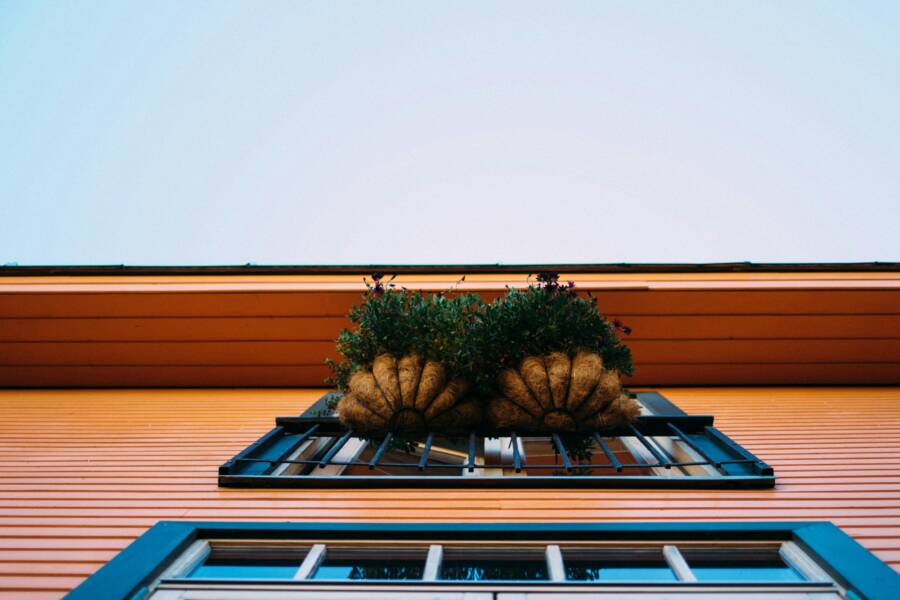
A small planter box can brighten a balcony, porch, or garden bed without breaking the bank. With a few affordable supplies from Home Depot, you can craft a sturdy planter that fits your space and plant choices. This guide walks you through a straightforward build, from planning to the final flourish. You’ll end up with a durable box you can reuse year after year.
A well made planter box looks simple, but it’s a useful project. It keeps soil contained, improves drainage, and makes plant care easier. By choosing common materials found at a home improvement store, you can tailor the size, wood type, and finish to your needs. No special tools or fancy lumber are required, just a plan and a little time.
Why a DIY planter box makes sense
- Cost savings: Building your own is typically cheaper than buying a ready made option of similar size.
- Custom fit: Measure your space and design a box that matches it exactly.
- Personal touch: Choose wood that looks right on your porch or deck and finish it to suit your style.
- Learning by doing: You pick the materials, the joints, and the drainage system.
Plan and design: choosing the right size and materials Plan for a box that suits your space and plant choices. A common starter size is about 24 inches long, 12 inches wide, and 8 inches tall. This is wide enough for a few herbs or a small flowering plant and still light on weight. If you want something larger, scale up in increments of 6 inches. The important thing is to leave enough space for roots and to have good drainage.
Wood is the main decision. Cedar is a popular choice because it resists rot and weathers well. Untreated pine is affordable, but it may warp if exposed to a lot of moisture unless you seal it properly. If you choose pine, consider using exterior grade boards and a water sealant or stain. Regardless of wood type, plan for a bottom that allows drainage, so excess moisture can escape.
Inside the box you’ll want a liner or barrier to protect the wood from soil moisture and to keep soil from washing out. Landscape fabric works well because it lets water pass through while keeping the soil in place. For extra drainage, think about adding a thin layer of gravel or a perforated bottom panel. Just ensure there is a path for water to escape and roots to stay healthy.
Supplies you’ll find at Home Depot
- Lumber: Cedar boards are a solid choice; pine boards labeled exterior grade work too.
- Fasteners: Weather resistant deck screws or exterior wood screws in a size 2 inch to 2.5 inch work well.
- Bottom support: A thin plywood sheet or slats for the interior bottom plus a small gap for drainage.
- Barrier: Landscape fabric to line the interior.
- Finishes: Exterior stain or sealant to protect the wood, plus sandpaper for smoothing rough edges.
- Drainage: A sheet of hardware cloth or perforated plastic bottom panels help keep soil from falling out.
- Soil and plants: Ready mix potting soil and your chosen plants or herbs.
- Optional: Corner brackets for extra stability and a paintbrush or roller for the finish.
Step by step: build your planter box
- Plan the cuts: For a 24x12x8 box, you’ll cut two pieces for the long sides at 24 inches, and two shorter pieces at 12 inches for the ends. The bottom needs to be cut to fit inside the frame, so you’ll trim it to 24 by 12 inches, minus any overhang you want.
- Sand the edges: Smooth all cut edges to prevent splinters. Wipe away dust with a damp cloth.
- Assemble the frame: Position the two longer boards with the ends crossing the shorter boards to form a rectangle. Pre drill pilot holes to avoid splitting the wood. Use exterior screws to fasten corners, adding a dab of wood glue at each joint for extra strength.
- Add the bottom: Place a bottom panel inside the frame. If you’re using slats, space them evenly and secure with screws. Leave a small gap along one side to help with drainage or add a perforated strip under the bottom if you want extra airflow.
- Install the barrier and drainage: Line the interior with landscape fabric, cutting it to fit. If you add hardware cloth for drainage, lay it on the bottom and trim to size before placing the fabric on top.
- Finish the wood: Lightly sand the entire exterior, then apply your chosen exterior stain or sealant. This protects the wood from moisture and sun. Let it dry fully according to the product directions.
- Move to its home: Place the planter on a flat surface. If you’re placing it on a wooden deck, use rubber pads or feet to protect the wood below.
- Fill and plant: Start with a layer of gravel or coarse sand for drainage, then add landscape fabric and a loading of high quality potting soil. Fill to about an inch below the top edge to leave room for plants. Plant and water gently.
Tips to keep your planter box sturdy
- Use thicker lumber if your box is large or if it will hold heavy plants. Heavier planters stay steadier in wind.
- When fastening, avoid overtightening screws; this can split the wood. Tighten just enough to hold the pieces firmly.
- Check the finished piece for rough spots. A quick sanding touch up after staining helps prevent splinters.
- Elevate the box off the ground slightly so water can drain freely. Small feet or a pallet base work well.
Placement and care: getting the most from your planter Where you place your planter matters. Most herbs and vegetables like sun, while shade lovers will thrive in cooler spots. A south or west facing wall often provides good light for many herbs and leafy greens. If sunlight is scarce, consider choosing compact varieties or herbs that tolerate partial shade.
Irrigation is essential. A box with wood sides can dry out quickly, especially on warm afternoons. Water deeply rather than frequently, letting the soil absorb moisture. A watering can or a hose with a gentle spray head works well. Check the soil a few inches deep to know when to water again. If you see soil pulling away from the edges, that’s a sign it needs moisture.
Drainage is your ally. The fabric liner and bottom drainage path prevent water from pooling at the wood, which reduces rot risks. If you notice damp wood, consider adding more airflow or a lightweight mulch on the surface to shield the wood from direct sun and rain.
Maintenance that pays off
- Re seal or re stain every year or two, depending on exposure. A fresh coat keeps wood looking good and extends its life.
- Rinse the interior occasionally to remove soil buildup. This helps prevent pests and fungal growth.
- Inspect for wear after winter or heavy rain. Tighten any loose screws and replace damaged parts promptly.
- Refresh the soil every season. Nutrient depleted soil can stress plants and make them less productive.
Budget and time: a practical view A small starter planter box can cost under 50 dollars if you choose basic pine and a simple finish. A cedar version with better rot resistance might run closer to 75 to 120 dollars, depending on box size and finish. You’ll also allocate a modest portion for soil, fertilizer, and plants. If you add a more complex bottom drainage system or a sturdier frame, the price climbs accordingly.
A practical timeline
- Planning and shopping: 1 hour
- Cutting and assembly: 1 to 2 hours
- Finishing and drying: 2 to 4 hours, depending on weather and the number of coats
- Filling and planting: 30 to 60 minutes
Total project time: about one half day to a full day. If you pace it, you can complete the build in a weekend.
Design variations worth trying
- Slim planter: A narrow 18 by 6 inch box makes a good herb planter on a balcony railing.
- Tall planter: Add legs to raise the box and create a small seating height for easy harvesting.
- Raised bed style: Build two or three boxes in a row for a compact container garden.
- Trellis integration: Attach a lattice panel on one side for climbing plants, such as beans or pole tomatoes.
- Color accents: Stain the exterior in a color that matches your home or deck furniture to blend in or stand out.
A few practical examples from Home Depot
- Cedar 24 in x 12 in planter kit: simple panels joined into a box with basic hardware. Add a bottom with fabric to protect the wood.
- Exterior grade pine lumber: cut to size and finished with a weatherproof stain for a budget friendly option.
- Landscape fabric: a light weight layer that helps keep soil in place while letting water pass through.
- Hardware cloth: a 1/4 inch mesh can be used under the bottom to promote drainage and prevent soil loss.
Common mistakes to avoid
- Skipping drainage: Plants need air and water to move through the soil. A box without drainage will lead to waterlogged roots.
- Over sealing: Too much finish can seal the wood too tightly, trapping moisture. Use a breathable finish and recoat as recommended.
- Too little soil: A box that is under filled makes plants unstable and reduces root growth.
- Ignoring weight: A filled planter can be heavy. Plan for how you will move it if needed, especially on balconies.
A final nudge for your DIY journey Building a planter box from Home Depot supplies is a small project with big impact. It teaches you how to measure, cut, and assemble while giving you a tangible reward in the form of fresh herbs, flowers, or compact vegetables. By choosing rot resistant wood, lining the interior, and finishing with a protective sealant, your planter can withstand the seasons and keep looking good.
Conclusion A simple planter box is a smart addition to any outdoor space. It blends practicality with personal style, offering a place to grow herbs, flowers, or small vegetables. By selecting the right materials, planning a size that fits your space, and following a straightforward build process, you gain a durable container that serves you for years. Start with a plan, pick up the essentials at Home Depot, and watch your garden grow. If you share a photo of your finished box, I’d love to see how you styled it and what you chose to plant.