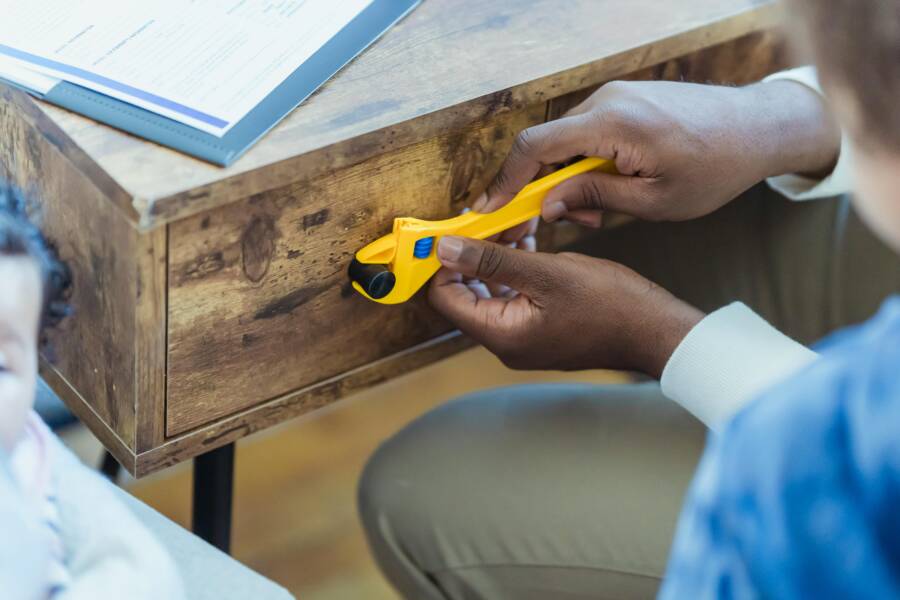
A leaky faucet, a broken drawer, or a stubborn light switch can push you to shop fast. In situations like that, choosing between Home Depot and Amazon matters as much as the tool you pick. This guide compares the two powerhouses side by side so you can decide where to shop for your next home repair item. You’ll get practical guidance on product range, price, delivery, services, and returns, with ideas you can apply on your next project.
Home improvement buyers want reliability, clear product information, and quick access to what they need. Both retailers deliver in different ways. One brings the knowledge of an old school hardware store with a wide network of brick and mortar locations. The other offers an enormous online catalog with fast shipping and a robust review system. Understanding their strengths helps you save time, cut costs, and finish projects faster.
Product range and availability you can trust
When you start a repair project, you want options. Home Depot shines with a substantial in-stock selection of tools, fasteners, plumbing and electrical supplies, paint, and seasonally oriented gear. In-store displays and clearly labeled aisles make it easy to compare brands and sizes. For many DIYers, the tactile experience matters. You can pick up a part, test a handle, or test shade under real lighting and ask a store associate for quick guidance.
Amazon, by contrast, offers breadth that reaches beyond any single physical store. The online catalog often includes brands you won’t find in a single local location. Amazon excels at rare parts, specialty hardware, and items available from multiple sellers. If you need a hard-to-find fastener or a bulk quantity of a niche item, Amazon often has options from various sellers, sometimes with competitive prices. The key is to read product pages and reviews closely because quality and fit can vary across marketplace items.
For most common home repairs, both channels cover the basics. For choices that benefit from hands-on inspection or expert advice, Home Depot has the edge. For specialty parts or a wider range of brands you can’t get locally, Amazon provides a compelling alternative.
Pricing, promotions, and value
Price is a major factor, but it’s not the whole story. Amazon frequently prices items aggressively thanks to its vast marketplace and competition among sellers. The result can be lower sticker prices on many popular items, especially standard hardware and consumables. Prime members often see faster shipping and occasional bundle deals that save money over time. If speed matters, those Prime benefits can tilt the balance in Amazon’s favor.
Home Depot runs frequent sales and clearances, with promotions tied to seasons, pro-only deals, and the value you get from in-store expertise. Members of the Home Depot ecosystem, including contractor-oriented programs, may have access to additional savings or services. Even when list prices are similar, you might find value in in-store pickups, discounts on bulk purchases, or the convenience of combining a project visit with a purchase.
A practical approach is to compare total costs, not just the unit price. If you’re buying multiple items for a project, the savings from in-store pickups or bulk purchases at Home Depot can add up. If you need a single item quickly and reliably, Amazon Prime may offer faster delivery at a lower upfront price.
Delivery, pickup options, and speed
Delivery speed and convenience can reshape how you plan a project. Amazon Prime delivers a wide array of items rapidly in many regions. For urgent repairs, fast shipping reduces downtime and puts you back on track sooner. The online checkout experience emphasizes clear product descriptions, customer reviews, and predicted delivery dates.
Home Depot emphasizes options that fit real-world work styles. You can buy online and pick up in store the same day in many locations. For larger items that won’t fit in a car or SUV, Home Depot offers delivery and in-store assembly services in some markets. If you regularly visit a nearby store, you can streamline your purchases by using stock checks, curbside pickup, or same-day delivery for eligible orders.
A practical tip: use store pickup for fast turnarounds on commonly used items like fasteners, paint supplies, or electrical fittings. For bulk or heavy tools, schedule delivery to the job site to avoid a second trip.
In-store experience vs online shopping experience
A strong in-store experience matters for quick decisions and expert tips. Home Depot trained staff can help you match tools to tasks, confirm compatibility of parts, and explain installation steps. If you’re tackling a DIY project and need quick guidance, this face-to-face support is a big advantage.
Online shopping shines on guidance and reviews. Amazon product pages provide detailed specs, questions and answers, and a large number of user reviews. This helps you gauge real-world performance before you buy. Packaging quality also matters; Amazon’s packaging often emphasizes protection for fragile items, while Home Depot emphasizes item organization and clearly labeled aisles in the store.
Keep in mind that both channels have strengths. If you value personal help and seeing items up close, Home Depot is a strong pick. If you want a broad selection and the convenience of reading multiple reviews before deciding, Amazon is hard to beat.
Services and warranties that support your project
Beyond the product itself, services can determine the best choice for your repair needs. Home Depot offers practical options like Tool Rental, which can save money on specialty equipment you might use briefly. They also provide installation services and project planning assistance that can help you complete tasks correctly and efficiently.
Amazon broadens access to warranties and protection plans for many items through its platform. You may find manufacturer-backed warranties available at the point of sale, along with options to add protection plans from third parties. The strength of Amazon in this area comes from the sheer variety of products and the ease of coordinating returns when things go wrong.
For many repair projects, the combination of rental tools and local, hands-on guidance from a hardware store can speed up work. For others, the reliability and convenience of online ordering with clear warranty options makes Amazon a strong fit.
Returns, customer support, and peace of mind
A smooth return process matters when you’re unsure about a fit or compatibility. Home Depot and Amazon both aim to make returns straightforward, but the experience differs. In-store purchases at Home Depot are often easiest to return in person with a receipt. For online or delivery purchases, you typically follow the retailer’s standard return process, including return shipping if applicable.
Amazon’s return system is well known for simplicity and broad coverage. If you shop on Amazon, you’ll likely find generous return windows on many items, with easy label printing and pickup options in some cases. The flip side is the potential for mixed results when buying from third-party sellers; it’s wise to check seller ratings and product condition before buying.
Customer support quality can swing the decision as well. In-person, quick answers from a store associate can save a lot of time. For online support, both platforms provide chat, phone, and email support, with Amazon often excelling in rapid response for common orders and Home Depot offering a pace that matches typical hardware store expectations.
When to choose Home Depot and when to choose Amazon
A practical decision framework helps you pick the right path for each project. If you want immediate guidance, hands-on testing, and the ability to walk out with exact parts in hand, head to a nearby Home Depot. If your project requires rare parts, heavy online research, or very fast delivery to a location far from your local store, Amazon becomes appealing.
For routine maintenance tasks around the house, Home Depot provides dependable stock, skilled staff, and in-person pickup. For specialized equipment, bulk orders, or items not readily available in your area, Amazon offers breadth and convenience. If your project involves a mix of standard components and high-end or hard-to-find items, you may benefit from using both: buy the common items from the store and supplement with Amazon for the hard-to-find or time-sensitive pieces.
Quick tips to maximize value from each retailer
- Make a stock list before you shop. Note parts, sizes, and quantities you’ll need so you can compare easily.
- Check local stock at Home Depot first if you want same-day pickup for common items.
- Read product pages and reviews on Amazon carefully. Prioritize items with high ratings and solid feedback from buyers who performed similar tasks.
- Use dealer or product pages to confirm compatibility, especially with fittings, adapters, and electrical components.
- Consider rentals for specialized tools. If you seldom use them, renting from Home Depot can save money and space.
- Watch for promotions. Time your purchases around sales events, seasonal offers, or promotions exclusive to each retailer.
A concise side by side snapshot
| Aspect | Home Depot | Amazon |
|---|---|---|
| Product range | Strong in standard hardware, tools, and home improvement essentials; good in-store support | Broad catalog, including rare or niche items; wide seller network |
| In-store experience | Hands-on help from staff; easy to inspect items | Strong online guidance; reliance on reviews and Q&A |
| Delivery and pickup | In-store pickup and local delivery available; practical for large items | Fast shipping, sometimes same-day in select areas; convenient for small items |
| Rentals and services | Tool Rental program; installation services | Warranty options via manufacturers and third parties; fewer in-person services |
| Returns | In-store returns straightforward; policy aligned with in-store purchases | Simple online returns; check third-party seller terms |
Conclusion: choose the right path for your project
For most homeowners, the smartest approach is to use both retailers strategically. When you need immediate access to tested products and direct help, Home Depot remains a reliable partner. For hard to find parts, fast delivery, or when you want a broad array of options, Amazon offers unmatched breadth and convenience. The best choice depends on your project, location, and how you value in-person guidance versus online flexibility.
If you’re planning a DIY weekend, start with a quick list, scan stock at the nearest Home Depot, and reserve items for pickup if possible. For specialized pieces or urgent shipments, place an order on Amazon and track delivery closely. Remember that part of smart shopping is knowing when a hybrid plan serves you best.
Whichever path you choose, you’ll finish repairs with confidence when you approach the job with clear goals, the right parts, and a plan for how you’ll execute each step. Happy fixing, and may your projects stay on track from start to finish.