She Pressed Play on a Strange Audio Track and Within Days Her Financial Reality Started Shifting in Ways She Could Not Explain
>>> See How It Works <<<

If you’ve just installed a new app and your phone keeps shutting down, you’re not alone. It’s frustrating and worrisome, especially when you’re trying to get things done. This guide walks you through quick, safe checks you can do right away, so you don’t have to guess what went wrong.
We’ll cover both Android and iOS in plain language, with steps you can follow one by one. First, you’ll learn simple fixes that stop random shutdowns fast and don’t demand any risky tinkering. If the problem persists, there are deeper checks that help you separate software trouble from hardware limits like battery health or overheating. The goal is to protect your data and keep your device running smoothly.
In short, you’ll discover practical steps to address random shutdowns after a new app installation, understand when to back up data, and know where to turn if the issue might be hardware related. You’ll also pick up power management tips to reduce battery drain and keep your device performing reliably. By the end, you’ll have a clear, safe plan to get back to normal without needless guesswork. This guide uses straightforward language and real world steps that work for most smartphones, including common models on Android and iOS.
Understanding Why Random Shutdowns Happen After Installing a New App
Your smartphone starts shutting down out of nowhere right after you add a new app. This issue hits both Android and iOS users hard. It often stems from the app pushing your device beyond its limits. Think of it like overloading a car engine; it stalls to avoid damage. Common triggers include poor app code, excess power use, or heat buildup. Spotting these patterns helps you act fast. Let’s break down the main causes and how apps work with your phone’s systems.
He Was Drowning in Bills and Burnout Until a Simple Daily Ritual Rewired His Brain for Wealth in Less Than a Week
>>> Start Your Shift Today <<<

Common Culprits Behind the Shutdowns
New apps can trigger shutdowns through simple flaws. A buggy or incompatible app crashes the system when it fails to match your OS version. For instance, a game built for newer Android models might force restarts on older ones.
Battery drain stands out next. Some apps have loops that suck power nonstop. Picture a flashlight app that forgets to turn off; your battery drops quick, prompting a protective shutdown even at 40% charge. Check forums like Google’s Android support where users report this exact problem.
Overheating from heavy tasks seals the deal. Resource-hungry apps, say a video editor, max out the processor. Your smartphone heats up like a laptop during a render, then powers off to cool down.
Background processes linger too long. A camera app snapping shots in the background chews memory without pause. This ties up RAM and strains storage.
Low storage or memory rounds it out. Apps hoard data fast. When space runs dry, the OS kills power to prevent total freeze. Uninstall recent downloads to test. These issues affect most devices, but quick checks reveal the offender.
How New Apps Interact With Your Device
Apps ask for permissions right away, like access to your camera or location. On iOS, you approve these in pop-ups; Android lists them in settings. Grant too much, and the app runs wild.
They also work in the background. A fitness tracker pings your GPS every few minutes to log steps. This constant activity pulls power from the battery. iOS limits this with Low Power Mode, which pauses non-essential tasks. Android uses Adaptive Battery to learn and restrict heavy users.
Power use ramps up with demands. Streaming apps fetch data non-stop, heating components. Both OSes fight back: iOS has Background App Refresh you toggle off; Android offers battery optimization per app.
Keep things smooth with updates. Developers patch bugs that cause drain or conflicts. Go to your app store, check for pending installs, and review usage stats in settings. Tools like these keep rogue apps in check, so your smartphone stays on task without surprise blackouts. Sites such as Asurion’s tech tips explain more on power hogs.
Quick, Safe First Steps to Stop Random Shutdowns
Start here to halt those unexpected shutdowns without advanced tools or risks. These steps target the new app you installed and basic issues like heat or outdated software. They work on most Android and iOS devices. Follow them in order, and test your smartphone after each one. You will see quick results in many cases.
Uninstall the Suspect App
Remove the new app first. It often causes the trouble through bugs or high power use.
On Android:
Open the Google Play Store app. Tap your profile icon at the top right. Select Manage apps & devices > Manage. Choose the app and tap Uninstall. For detailed steps, check Google’s official guide.
On iOS:
Touch and hold the app icon on your home screen until it jiggles. Tap Remove App > Delete App > Delete to confirm. See Apple’s support page for visuals.
Restart your phone after uninstalling. Use it for 30 minutes and watch for shutdowns. If they stop, reinstall apps one at a time to find the bad one. This simple move fixes most cases fast.
Reboot into Safe Mode on Android and Test
Safe Mode on Android loads only core software. It hides third-party apps, so you can test if one causes shutdowns.
Press and hold the power button until the power menu appears. Long-press Power off or Restart (wording varies by device). Tap Reboot to safe mode when prompted. Your phone restarts with “Safe mode” at the bottom.
Use it normally for an hour. No shutdowns? A third-party app is the culprit. Exit Safe Mode by restarting. Then uninstall recent apps one by one: Go to Settings > Apps, select an app, and tap Uninstall. Test after each removal. For device-specific steps, visit Android Authority’s guide. iOS lacks this feature, so skip to other steps.
Check for Overheating and Power Drain
Phones shut down when they get too hot. This protects the battery and parts from damage, much like a car engine cuts off to avoid meltdown. New apps often spike heat through constant background tasks or heavy graphics.
Cool things down with these tips:
- Lower screen brightness in quick settings.
- Force-close resource-heavy apps via recent apps menu.
- Turn off Bluetooth, Wi-Fi, or location if unused.
- Remove any case to let heat escape.
Check battery use too: On Android, go to Settings > Battery; on iOS, Settings > Battery. Spot apps draining power fast and restrict them. Place your smartphone in a cooler spot away from sun. These changes cut drain and prevent auto-shutdowns right away.
Update System and Apps
Outdated software hides bugs that trigger shutdowns. Updates patch these issues and improve stability for new apps.
Quick steps:
Android: Swipe down for quick settings, tap the gear icon. Go to System > System update. For apps, open Play Store > profile > Manage apps & devices > Updates available.
iOS: Tap Settings > General > Software Update. App updates happen in the App Store under your profile.
He Was Drowning in Bills and Burnout Until a Simple Daily Ritual Rewired His Brain for Wealth in Less Than a Week
>>> Start Your Shift Today <<<
Install any waiting updates, then restart. Enable auto-updates in store settings to stay current. Your device runs smoother, and shutdowns drop. Test for a day to confirm.
Deeper Troubleshooting If the Problem Persists
Quick fixes like uninstalling the app or updating software often solve random shutdowns. If your phone still powers off, look deeper. Battery wear, full storage, unchecked permissions, or heat from habits might be at play. These steps help you pinpoint the cause on Android or iOS. Test after each change.

Photo by Vlad
Inspect Battery Health and Settings
Worn batteries trigger shutdowns even at mid-charge levels. Check health first to rule this out.
On iOS: Go to Settings > Battery > Battery Health & Charging. Look for Maximum Capacity. Below 80% means replacement time. Apple details this in their battery support guide.
There Is a Frequency That the Wealthiest Families Have Used for Generations and Most People Will Never Know It Exists
>>> Open the Door <<<

On Android: Paths vary by brand. Samsung users tap Settings > Device care > Battery. Pixels head to Settings > Battery > Battery health (newer models). Others use dialer code ##4636## or apps. Aim for 85% or higher.
Enable Battery Saver mode (Settings > Battery) to curb drain. Tweak power settings to restrict background use. If health sits low after two years of use, visit a service center. Your smartphone runs stable with a fresh battery. (92 words)
Check Storage and Background Processes
Low storage forces shutdowns as the system struggles. Background apps worsen it by hogging space and resources.
Free up room with these steps:
- Android: Tap Settings > Storage. Delete old files, clear app caches (Apps > See all apps > Storage > Clear cache).
- iOS: Go to Settings > General > iPhone Storage. Offload unused apps or delete large files.
Spot background hogs in Battery settings. Close them via recent apps overview. Limit startups on Android (Settings > Apps > Special access > Battery optimization). Full storage chokes performance, so keep 20% free. Your device stays responsive without surprise power-offs. (98 words)
Review App Permissions and Background Activity
Apps with loose permissions run wild in the background. This drains power and invites shutdowns.
Manage on Android: Open Settings > Apps > [App name] > Permissions. Deny extras like location if unneeded. Restrict background via Battery > App optimization > Restricted.
On iOS: Tap Settings > Privacy & Security for categories like Camera. Per app, go to Settings > [App name] and toggle off Background App Refresh.
Revoke access for the new app first. Test for stability. Google’s permissions help covers details. Tight controls stop excess activity, so your smartphone avoids overload. (87 words)
Manage Device Cooling and Usage Patterns
Heat builds from prolonged tasks, leading to protective shutdowns. Smart habits keep temperatures in check.
Place your phone in a cool room (below 95°F or 35°C). Avoid direct sun or hot cars. After gaming or video edits, let it rest 10-15 minutes. Skip heavy use while charging; it doubles heat.
Lower demands: Dim the screen, disable vibrations. Remove thick cases during tasks. Samsung’s cooling tips apply broadly. Consistent patterns prevent spikes, keeping your smartphone cool and on. (92 words)
When to Seek Hardware Help
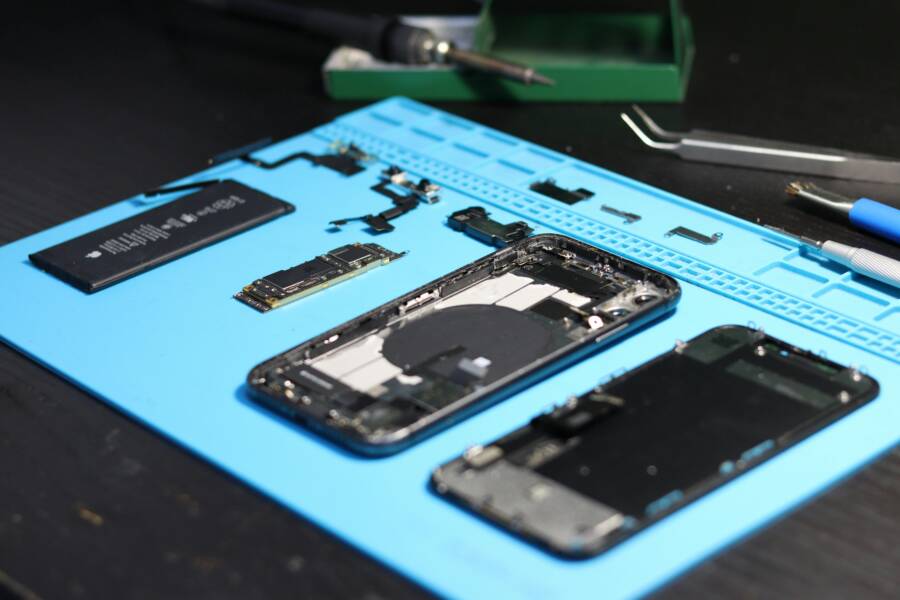
If a new app seems to trigger shutdowns or abnormal behavior on your phone, it can be tempting to blame software alone. In some cases the issue hides in hardware like a aging battery, swollen connectors, or cooling problems. This section helps you spot the moments when professional hardware support is the right move, so you protect your data and your device without chasing ghosts.

Photo by Harry Tucker
Signs of Battery or Connector Problems
Watch for clear signals that the battery or a connector is failing. Rapid power drain that worsens over the day, shutdowns at various battery levels, or the phone swelling are red flags. Charging problems such as very slow charging or failing to hold a charge point to an issue inside. Intermittent power, where the device turns off during normal use, often signals a loose battery connection. If you notice any of these, plan a hands-on inspection or service appointment. For context, Apple and Android battery guidance discuss how aging and wear affect performance and reliability. Useful references: iPhone battery and performance, Prepare your iPhone or iPad for service.
How to Back Up Data Before Repair
Before any repair, back up photos, documents, and app data so you don’t lose anything, even if a repair requires resetting the device. For iPhone users, use iCloud or a computer backup via iTunes/Finder. On Android, back up to Google Drive or a local computer, then consider exporting important documents. Verify that your backups are complete by checking a few file previews or performing a quick restore test on a second device. Also review official guidance on preparing your device for service to ensure you don’t miss any critical steps. See guidance on backing up iPhone and Android phones.
Conclusion
Fixing random shutdowns after installing a new app comes down to careful checks and safe steps. Start by removing the suspect app, then test your device with Safe Mode if you’re on Android. Keep an eye on heat, battery health, and storage, and make sure both system and app software are up to date. These actions resolve most issues without risking data loss or hardware damage. Your smartphone should return to normal performance once the offending app is found, or once settings are adjusted to curb power drain and heat.
If the problem persists, consider deeper hardware checks like battery health or charging connectors, and back up your data before any repair. A calm, systematic approach protects your information and helps you decide when to seek professional help. You’ll finish with a device that runs reliably and a clear plan for the next app you install.
Printable checklist
- Uninstall the new app and reboot
- Boot into Safe Mode on Android and test
- Check for overheating and reduce power drain
- Update OS and apps
- Verify battery health and storage levels
- Review app permissions and background activity
- Back up data before any repair or reset
- Seek hardware help if issues persist
If you’ve faced this issue, share what worked for you or ask questions below. Your experience helps others troubleshoot faster.
Thousands of People Were Struggling With Money Until They Discovered This One Ancient Secret Hidden in Sound
>>> Unlock It Now <<<
