There Is a Frequency That the Wealthiest Families Have Used for Generations and Most People Will Never Know It Exists
>>> Open the Door <<<

Has your phone suddenly shut down right after a system update, leaving you staring at a reboot loop or a frozen screen? It’s incredibly frustrating when your device dies in the middle of a call, a map, or a streaming session, especially when you just updated for better security and performance. In this guide you’ll find practical, at home steps to stabilize your phone again without losing data.
Random shutdowns after updates usually come from a few clear culprits. A minor software glitch or a conflict with a recently installed app can trigger power cycles, while limited storage or overheating can push the device to shut down to protect itself. You’ll also see cases where the update didn’t install cleanly, leaving system components in an inconsistent state. The good news is most fixes are quick to try and don’t require advanced tech skills.
This post walks you through a straightforward, step by step approach that works for both Android and iOS devices. You’ll learn how to identify the likely cause and implement targeted fixes you can perform in minutes, from checking storage to reinstalling essential updates. By following these steps you’ll regain reliability and confidence in your phone, with a focus on preserving your data and everyday workflows.
Common Causes Behind Random Shutdowns After Updates
When your phone shuts down at random after a system update, it can feel mysterious. Yet most issues fall into a few common categories. Understanding these causes helps you pick the right fix quickly. Below, two critical areas to check are explored in detail, with practical steps you can take right away.
There Is a Frequency That the Wealthiest Families Have Used for Generations and Most People Will Never Know It Exists
>>> Open the Door <<<
Software Bugs and App Conflicts
New system files are meant to improve performance and security, but they can clash with older apps or misbehave in certain scenarios. If a background service or a recently updated app isn’t aligning with the new code, you might see abrupt shutdowns or reboot loops. This often shows up when an app relies on deprecated permissions or legacy data handling that the update changes behind the scenes.
- Check the latest app updates: Open your app store and review any updates released right after the system patch. If several apps were updated near the same time as the OS, one of them could be the culprit.
- Look for known conflicts: Some apps may report compatibility issues on their support pages or forums after a major update. If you notice a shutdown pattern tied to a specific app, test by temporarily disabling it or reverting to a previous version when possible.
- Manage background tasks: Updates can reconfigure how apps run in the background. Go to settings and review which apps have elevated background activity or battery optimization exceptions. Restrict or adjust as needed to reduce crashes.
- Consider a clean reinstall: If a problematic app isn’t obvious, uninstalling it and reinstalling fresh can clear corrupted data that trips the new system files.
- System integrity check: Ensure the latest security and bug fixes are installed. Sometimes a follow-up patch is released to address newly discovered conflicts.
For context on how app behavior can ripple through updates, see how manufacturers address battery and performance quirks after patches. If you want to explore related issues, this Android Police piece on update-related battery drain provides context on how software behavior changes after a patch. Link to article
Battery Drain and Overheating Triggers
Updates often kick off more background work as the system reindexes data, recalibrates caches, and reoptimizes apps. Even with a high battery level, that extra activity can cause your device to heat up and shut down to protect itself. Over time, constant reprocessing can lead to faster wear on the battery and thermal throttling, which manifests as unexpected power-offs.
- Increased background tasks: OS maintenance, app optimization, and index rebuilding run behind the scenes after an update. This surge can drain the battery faster than you expect, especially if you use the phone heavily during setup or after a patch.
- Thermal buildup: When the processor works harder in short bursts, heat can accumulate quickly. If the device gets too hot, it will shut down to prevent damage, even if the battery gauge looks healthy.
- Battery health awareness: A battery nearing the end of its life may struggle to handle spikes in demand post-update. If you notice rapid temperature rise alongside quicker shutdowns, it could signal aging cells needing replacement.
- Background network activity: System updates can trigger periodic checks with cloud services, causing radios to stay active longer. This can contribute to heat buildup and sudden restarts in some devices.
- Visual and feature changes: New UI elements or animations can tax the GPU more than expected. If a phone cools down after disabling or reducing motion, you might confirm overheating as the cause.
If you want a practical path to address this, start by monitoring temperature with a quick check of your battery health and running a lightweight diffs audit for apps that launched recently. For a broader view of update related battery behavior, you can read about common drains after patches in this Android Police report. Link to article
What this means for your smartphone routine
- Track when the shutdowns occur: Note if they happen during heavy use, charging, or after a specific app launch.
- Triage apps and updates: Prioritize rolling back or updating apps that were touched around the same time as the patch.
- Maintain healthy battery practices: Keep firmware and apps up to date, avoid charging in extreme heat, and consider a battery health check if problems persist.
Quick Fixes to Stop Shutdowns Fast
If your phone is randomly shutting down after a system update, there’s a practical path to bring stability in minutes. These quick fixes focus on isolating the problem, freeing up resources, and confirming that the device is running cleanly again. The goal is to get your everyday workflows back on track without risking data loss. Below you’ll find two targeted approaches you can apply right away.
Boot into Safe Mode or Restart Properly
Booting into Safe Mode on Android helps you determine whether a third party app is causing the shutdowns. In Safe Mode, the device runs only the pre-installed apps, which makes it easier to spot troublesome software. If the problem disappears in Safe Mode, a rogue app is the likely culprit. On iPhone, a full restart can resolve temporary glitches that may trigger a reboot loop after an update.
- Android safe mode (exact button combos):
- Pixel phones: Press and hold the Power button, then on the screen tap Power off. When prompted, choose Safe Mode to restart. This disables third-party apps temporarily.
- Samsung Galaxy devices: Press and hold the Power button, then tap and hold Power off until the Safe mode prompt appears, then confirm. Safe mode will disable third-party apps.
- Other Android devices generally use a variation of: Power button > press and hold > Reboot to Safe Mode or similar prompt.
- If your device boots into Safe Mode, test with a few apps launched one after another to see if the shutdown recurs.
- iPhone restart (quick reset if the device is unresponsive):
- iPhone with Face ID or newer models: Quick press the Volume Up button, quick press the Volume Down button, then press and hold the side button until the Apple logo appears.
- iPhone with Home Button: Press and hold the Power button and the Home button until the Apple logo shows.
Why this helps: Safe Mode isolates third-party apps and services, letting you confirm whether the update itself or a conflicting app is to blame. If the shutdowns stop in Safe Mode, you can proceed to identify suspect apps by disabling them one by one or uninstalling the most recently updated ones. If the issue persists in Safe Mode, the problem may be deeper in the system or caused by the updated components themselves.
- For Android, see guidance on finding problem apps by rebooting to Safe Mode on Google Pixel devices.
- Pixel Safe Mode instructions: https://support.google.com/pixelphone/answer/2852139?hl=en
- For Galaxy devices, Samsung offers a straightforward Safe Mode guide:
- Power on your Galaxy phone or tablet in Safe mode: https://www.samsung.com/us/support/answer/ANS10003495/
If you want a quick reference on forcing a restart for iOS devices, Apple’s restart guidance is a solid resource:
- Restart your iPhone: https://support.apple.com/en-us/118259
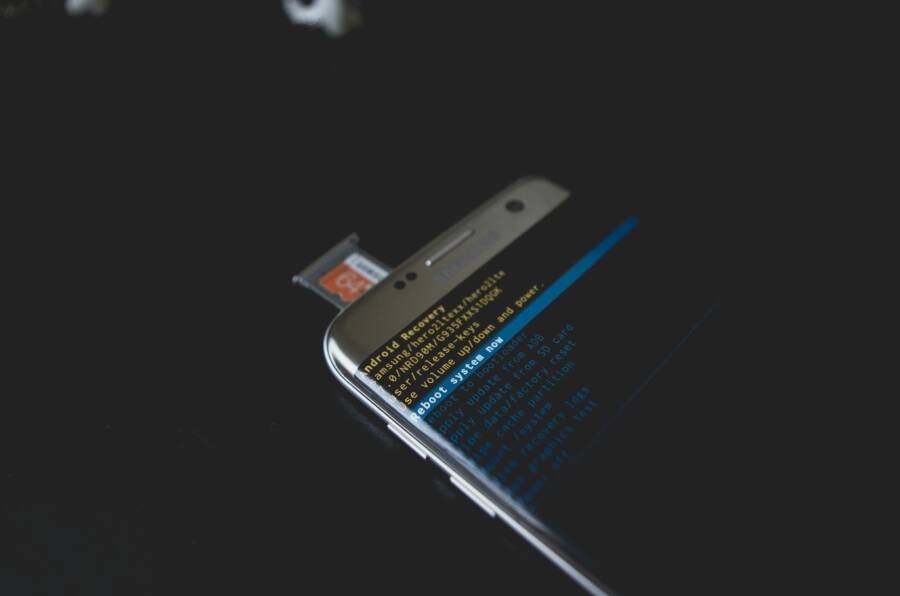
Images can help illustrate the process. The image below demonstrates entering Android recovery mode, which is a common path for clearing stubborn issues.
 Photo by Kelvin Valerio
What to do next:
- If Safe Mode fixes the shutdowns, start by updating or reinstalling the problematic apps.
- If the problem persists, move to the next fix: clearing cache and freeing space.
Clear Cache and Free Up Space
A cluttered phone can misbehave after an update. Clearing cached data and reclaiming storage helps the system reorganize resources and run more smoothly. On Android, you can wipe the cache partition from recovery mode. On both platforms, removing junk files and unused apps reduces thermal load and fragmentation that can trigger restarts.
- Android cache wipe via recovery mode:
- Power off the device.
- Enter Recovery Mode (common methods include Power + Volume Up, or Power + Volume Down plus a specific button depending on the device).
- Use the volume keys to navigate to “Wipe cache partition” and select with the Power button.
- Reboot the device normally.
- This process clears temporary system caches that may have been corrupted during the update.
- Free up space and remove unnecessary apps on both platforms:
- Delete large, unused apps and media you don’t need.
- Move photos and videos to cloud storage or a computer.
- Clear app caches for apps that store a lot of data in the background (especially social media and messaging apps).
- A lighter device tends to stay cooler and more stable after updates.
Why this matters: Cache and junk files can bloat the system after a patch, causing longer load times, higher CPU usage, and unexpected shutdowns. Freeing space also helps keep the OS responsive and reduces thermal strain.
- If you’d like to learn more about update-related battery behavior and related issues, Android Police has helpful context on how software patches can affect power and performance: https://www.androidpolice.com/google-pixel-phones-hit-with-battery-drain-may-2025-update/
Tips to keep momentum after this fix:
- Aim to keep a healthy buffer of storage. A practical target is at least 10–15% free space for smooth operation.
- Regularly review newly installed apps after big updates. If a recent install coincides with the issue, consider removing it temporarily.
- Monitor device temperature during heavy use after updates. Short spikes can be normal, but persistent heat suggests a need to reset or optimize.
In short, these quick steps can stabilize your smartphone quickly and avoid more intrusive fixes. If the issue remains unresolved after Safe Mode and cache clearing, you’ll know to escalate to a factory reset only after backing up data, or to seek professional support. Either way, you’ve got a clear plan to restore reliability while preserving your important information.
Fix Battery and Heat Problems That Cause Shutoffs
After a system update, thermal and power issues are a common roadblock. Overheating can trigger thermal throttling or sudden shutdowns, while accelerated battery drain can leave you with a dead device at critical moments. In this section, you’ll learn practical strategies to cool your phone, reduce heat, and optimize settings so the device stays reliable again.
Cool Down Your Phone and Optimize Settings
Heat is the silent culprit behind many post-update shutdowns. The moment the processor works harder than usual, temperatures rise, and safety protections can shut the device down to prevent damage. Start with these steps to bring temperatures down and keep performance steady.
- Give it a break: If your phone feels warm, stop using it for 15 to 30 minutes in a cool, shaded space. Excessive activity during a patch can push temperatures past safe limits.
- Turn off idle features: Disable Bluetooth, location services, background data syncing, and other features you don’t need right now. These pull power and generate heat even when you’re not actively using the device.
- Reduce motion and animations: Simple UI changes can lower GPU workload. In iOS, reduce motion and intensity of effects; on Android, disable or limit motion transitions where possible.
- Check battery health: A failing battery can overheat during spikes in demand. If your device shows rapid temperature rises or quick percentage drops, run a battery health check or consult a service center.
- Keep software up to date: Sometimes a quick follow-up patch fixes heat issues introduced by a major update. Check for and install any released fixes.
- Manage background tasks: After an update, OS maintenance tasks may run in the background. Use your settings to limit apps with heavy background activity or battery optimization exceptions.
Why these steps work: Reducing workload and heat sources lowers the risk of protective shutdowns and helps the system stabilize faster after patches. A cooler device is less likely to throttle performance or shut down unexpectedly.
If you want to dive deeper into how updates influence power behavior, this Android Police piece explains how patches can affect battery life and performance on Pixel devices. https://www.androidpolice.com/google-pixel-phones-hit-with-battery-drain-may-2025-update/
- When you’re in a pinch, a quick restart can also clear transient heat. On iPhone, a simple restart resets temporary processes that may have spiked heat during the update. For Android, Safe Mode can help you verify if a third-party app is driving the heat or crashes.
To keep momentum, monitor temperature during typical daily use after applying these steps. If you notice heat spikes while gaming or streaming, consider temporarily lowering the screen brightness and limiting background activity until the device stabilizes.
Practical tips to maintain a cooler phone after updates:
- Maintain at least 10–15% free storage space to give the system room to manage caches and background tasks.
- Schedule updates during cooler parts of the day when possible.
- Use a breathable case or remove a bulky case temporarily if it traps heat during heavy use.
- Avoid charging while gaming or streaming heavy content, especially in hot environments.
For those dealing with persistent heat on iPhone after updates, see guidance about overheating and battery drain after updates from reputable sources. For example, iPhone overheating after update articles offer structured steps to address thermal issues post patch. https://www.imyfone.com/iphone-issues/iphone-overheating-after-update/
If you want a broader view on update related battery behavior and troubleshooting, consider resources from iOS-focused communities and repair guides. A quick search can reveal how other users have managed heat and power spikes after a patch.
He Was Drowning in Bills and Burnout Until a Simple Daily Ritual Rewired His Brain for Wealth in Less Than a Week
>>> Start Your Shift Today <<<

What you should do next
- If heat nails the device during light tasks, re-check after applying the above steps and make a note of which activity caused the spike.
- If cooling the device and limiting background tasks helps, plan longer term adjustments to keep the device cool after future updates.
- If heat persists despite these fixes, move to a deeper cleanup of caches and storage to free up resources.
External references and further reading
- Learn more about update related battery behavior and related issues from Android Police: https://www.androidpolice.com/google-pixel-phones-hit-with-battery-drain-may-2025-update/
- iPhone overheating after update guidance can be found in specialist articles that address post-patch thermal issues. https://www.imyfone.com/iphone-issues/iphone-overheating-after-update/
If you’re still seeing shutdowns after trying these cooling and setting adjustments, the next steps involve clearing caches and freeing up space to reduce resource pressure. This helps the system reallocate tasks more efficiently and avoids thermal spikes during data reindexing and app reoptimization.
Advanced Steps for Stubborn Shutdown Issues
When the quick fixes don’t quite stick, you need a deeper, precise approach. This section walks you through advanced steps that target root causes without risking your data. Think of it as the next layer of care for your smartphone after a system update. The goal is to stabilize power behavior, reduce heat, and restore predictable performance so you can get back to your daily routines with confidence.
Install Latest Patches and Reset Schedules
System updates often roll out incremental fixes after the initial patch. Missing these follow-up updates can leave underlying problems unresolved. Start by ensuring your device is on the latest software baseline and that power and update schedules are configured to minimize conflicts.
- Check for the newest patch: go to Settings > System or Software Update and install any follow-up fixes. On Android, this might be under Settings > About phone > Software updates; on iPhone, Settings > General > Software Update. If you’re unsure where to look, see Apple’s guide for updating iPhone or Google’s Android update help.
- Verify automatic updates: enable automatic updates so critical fixes install without you having to chase them. For iOS, in Settings you can enable Automatic Updates; for Android, automatic updates are typically available in the same area as the system update itself.
- Reset power-related schedules: ensure any battery saver or performance modes default to balanced or adaptive rather than aggressive presets. On some devices you can schedule when power saving kicks in, or set app-specific battery optimizations to off for trusted apps.
- Review app compatibility after patches: if a particular app started causing issues after the patch, check its latest update notes or support page. Sometimes the app needs its own update to stay compatible with the OS changes.
Why this helps: follow-up patches address edge cases uncovered by the broader update. Keeping the device aligned with the latest fixes reduces the chance of repeat shutdowns and helps the system rebalance power management routines. If you want more context on how updates can affect battery and performance, you can read a detailed analysis from Android Police and similar outlets that track post-patch behavior. Android Police battery drain after update
Practical next steps you can take now:
- Confirm your smartphone is running the latest Android or iOS version.
- Enable automatic updates where possible to receive ongoing stability improvements.
- After applying patches, monitor how the device behaves during typical daily tasks and adjust power settings if you notice renewed heat or resets.
Helpful links and resources:
- Update guidance for iPhone: Update iOS on iPhone
- Apple official battery optimization guidance: Use Low Power Mode to save battery life on your iPhone or iPad
- Android battery life tips from Google: Get the most life from your Android device’s battery
Notes for mobile users to keep in mind:
- If you run a lot of apps in the background, a patch may highlight inefficiencies. A quick audit of background processes can prevent recurring shocks to the power system.
- For iPhone users, Adaptive Power helps extend life automatically, but it’s good to verify it’s enabled on supported models. Apple Adaptive Power guide shows how these features work and when they apply.
- Always back up critical data before performing deeper system changes, especially if you’re planning a factory reset as a last resort.
If you’re curious about how other users manage post-update power quirks, consider exploring discussions in reputable tech communities and platform-specific guides. For example, a common topic is balancing performance with battery life after patches. See the related coverage in Android and iOS troubleshooting resources linked above.
Factory Reset: Backup and Wipe Clean
If advanced checks don’t resolve the shutdown pattern, a factory reset can clear stubborn conflicts that survive updates. This step is effective when the problem originates from corrupted system files, odd settings, or rogue app data that regular clearing hasn’t touched. The key is to back up first and then perform a clean wipe so you can restore essential data afterward.
- Prepare a robust backup:
- Android: Use Google Backup to save app data, settings, and files. You can also copy important media to a computer or cloud storage. The official Google support page on backing up and restoring data is a reliable starting point. Back up or restore data on your Android device
- iOS: Use iCloud or a computer to back up contacts, photos, apps, and settings. Apple’s guidance covers both iCloud backups and local backups, ensuring you can restore with minimal friction. Restore your iPhone, iPad, or iPod touch from a backup
- Execute the reset (Android):
- Navigate to Settings > System > Reset > Factory data reset.
- Confirm and allow the device to erase all data and return to factory settings.
- After the reset, set the device up as new or restore selectively from your backup to minimize reintroducing the issue.
- Execute the reset (iPhone):
- Go to Settings > General > Transfer or Reset iPhone > Erase All Content and Settings.
- If you want to preserve apps or data, you can choose to reset only settings or network configurations first, but full erase is the surest path to a clean slate.
- Restore your data from iCloud or a computer during the setup flow.
Why this approach works: a factory reset removes lingering corrupted files and deep configuration errors that typical cache clears cannot reach. It also provides a known good baseline to rebuild from. If you decide to proceed, plan the reset during a time when you won’t need the phone for a while, and ensure the device has a reliable power source during the process.
Step-by-step backup and reset resources:
- Android backup guidance: Reset your Android device to factory settings
- Android backup and data transfer overview: Back up or restore data on your Android device
- iPhone backup and restore essentials: Restore your iPhone, iPad, or iPod touch from a backup
- iPhone factory reset instructions: How to factory reset your iPhone, iPad, or iPod touch
What to expect after a factory reset:
There Is a Frequency That the Wealthiest Families Have Used for Generations and Most People Will Never Know It Exists
>>> Open the Door <<<
- A clean OS state with no third-party app data to skew results.
- An opportunity to reintroduce apps gradually, testing stability as you go.
- A higher likelihood of long-term reliability if the issue traced back to a corrupted setup rather than a hardware fault.
A quick note on backups: if you’re unsure what to restore after a reset, start with essential data first—contacts, photos, and documents. Bring back apps gradually and test after each installation. This cautious approach helps you identify the exact trigger if the issue reappears.
External references and further reading:
- Apple backup and restoration options: Restore all content to iPhone from a backup
- Android factory reset guidance: Reset your Android device to factory settings
- iPhone reset settings guide: Reset iPhone settings to their defaults
If you’re carrying out a factory reset, plan for a careful reintroduction of software and data. When done correctly, this step can restore stability and give you a reliable smartphone experience once more, with your essential tools intact.
When to Visit a Repair Shop
If your smartphone is acting up after a system update, you may wonder whether the issue is worth a professional look. In many cases you can fix problems at home, but certain signs point to a repair shop as the smart next step. Below are clear indicators, what to expect from a shop, and how to prepare so you get the right service without losing data or time.
Key situations that warrant a visit
- The device won’t power on or stays stuck in a boot loop after updates. When a restart fails repeatedly, a technician can determine if the problem is software corruption or a hardware fault.
- Frequent unexpected shutdowns persist after you have tried safe mode and cache clears. If power issues survive basic troubleshooting, there may be a deeper problem with the battery, charging port, or power management circuitry.
- The battery drains rapidly and overheats during light use. While software tweaks help some users, a failing battery or faulty thermal sensors usually requires a physical inspection and possible replacement.
- Post-update glitches seem tied to hardware components. If you notice screen flicker, touch sensitivity changes, or speaker and mic issues after patches, a repair shop can run diagnostics to isolate the culprit.
- You’ve tried self-help fixes without data loss protection. If steps like backups, resets, or follow-up patches don’t restore stability, professional tools can safely assess and repair.
When in doubt, many shops offer a diagnostic check that costs little or nothing and can save you a larger bill later. For context on common post-update issues and how experts approach them, repair-focused guides provide practical insights into deciding when shop time is the right call. For example, guides on how to troubleshoot random restarts and related symptoms can help you compare results before you commit to service. See related guidance at repair resources such as Owl Repair and NSYS Group’s diagnostic perspectives.
- Android and iPhone repair guidance you can trust: read about how professionals approach post-update battery and power issues. Why Phones Randomly Shut Off & How to Fix It – Guide for Repairers
- When you suspect hardware problems, a quick hardware vs software check sets expectations before you visit: If your iOS device restarts unexpectedly, Apple Support provides a structured checklist
What a repair shop can diagnose
- Battery health and charging circuitry. A technician can test for degraded cells or faulty connectors that cause sudden power loss.
- Thermal management path. Excess heat after updates can indicate a failing sensor or poor heat dissipation hardware.
- Core firmware and boot components. If the OS patch left system files in an inconsistent state, professionals have tools to reflash or repair those components safely.
- Peripheral and input components. Screen, sensors, speakers, and microphones can fail independently of software and may trigger reboot cycles or shutdowns.
- App-data conflicts at a deeper level. Some issues look like hardware faults but stem from corrupted app data that only a service environment can clean up properly.
Understanding these capabilities helps you frame expectations. A shop typically won’t just “reinstall” updates; they perform targeted diagnostics to avoid data loss and confirm the root cause.
Preparing before you go
- Back up your data. A factory reset at the shop is usually a last resort, not a standard diagnostic step. Use cloud backups or a computer to preserve contacts, photos, and documents.
- Document symptoms. Note when shutdowns occur, which apps are active, and how the device behaves after updates. Screenshots or a short log can speed up the diagnosis.
- Gather essential details. Bring your model, OS version, recent app updates, and any error messages. Mention if the problem happens during charging or in specific apps.
- Check warranty and service options. If your device is still under warranty or covered by an extended plan, ask about authorized repair paths and costs up front.
- Ask about data protection. Confirm whether data will be preserved or if a full reset is necessary for the fix.
A concise, honest briefing helps the technician reproduce the issue quickly and avoid unnecessary steps. If you’re uncertain about the repair scope, request a diagnostic invoice that outlines potential costs before any repair work begins.
Choosing the right shop
- Look for manufacturer-certified or authorized service centers when possible. They carry genuine parts and access to official diagnostics.
- Read recent reviews and confirm turnaround times. A shop with a track record of transparent pricing and clear estimates saves you surprises.
- Inquire about parts and warranty. Ask if they use original components and whether repairs come with a warranty on labor and parts.
- Compare diagnostic fees with repair costs. Some shops credit diagnostic fees toward the repair if you proceed with service.
- Consider mobile or on-site options. If you have a busy schedule, a shop that offers pickup and drop-off can save time and effort.
If you want to compare guidance from reputable sources, you’ll find standard maintenance and repair considerations echoed across industry resources. For additional reading on common shutdown causes and professional troubleshooting methods, see the suggested articles in the links below.
- Apple support guidance on restarting and hardware checks: If your iOS device restarts or shuts down unexpectedly
- Android Help on restarting and crashing: Fix an Android device that’s restarting or crashing
Practical tips for a smooth repair experience
- Bring a current backup and a minimal data footprint. If the repair requires a full reset, you can restore from backup and minimize data loss.
- Ask for a written estimate and diagnostic report. A clear breakdown helps you decide whether to proceed.
- Request a time frame. If you rely on the device daily, set expectations for how long the diagnosis and repair may take.
- Confirm post-repair testing. A quick run-through of calls, navigation, and common apps verifies the fix before you leave.
- Keep software up to date after the repair. Install the latest patches to prevent reoccurrence of update-related issues.
By knowing when to head to a repair shop, you protect your data, save time, and ensure you get a durable fix. If the issue is rooted in hardware, a professional assessment is often the safest route to restore reliable performance for your everyday tasks. For further context on how updates can interact with hardware and software, you can explore related posts from reputable tech outlets that cover post-patch behavior and recovery steps. For example, reliable sources discuss post-update power behavior and how to address it in practice. Android Police on update-related battery behavior
Conclusion
If your device still shuts down after a system update, follow these fixes in order to pinpoint the culprit and restore stability. Start with a simple reboot, then test in Safe Mode to rule out rogue apps. If the problem persists, clear caches and free up space to reduce resource pressure.
Next, install any follow up patches from the manufacturer. Keep your battery healthy by checking wear and replacing the unit if needed. Ensure you have ample storage, remove unnecessary apps, and monitor for heat during use. A factory reset remains a last resort, always preceded by a complete backup so you can restore essential data.
Backing up data before any major change is essential. It protects your information and speeds up recovery if you need to wipe and reconfigure. After you reintroduce apps, add them gradually and test performance after each step. That approach makes it easier to spot a trigger if the issue reappears.
If you reach a stable state, keep your smartphone refreshed with future updates and mindful maintenance. Regular backups, timely patching, and prudent app management prevent most power and thermal quirks. Share your fix in the comments to help others handle similar post update quirks.
He Was Drowning in Bills and Burnout Until a Simple Daily Ritual Rewired His Brain for Wealth in Less Than a Week
>>> Start Your Shift Today <<<