She Pressed Play on a Strange Audio Track and Within Days Her Financial Reality Started Shifting in Ways She Could Not Explain
>>> See How It Works <<<

When your smartphone hotspot shows as connected but refuses to load any data, you have a frustrating device failure on your hands. This annoying issue happens because your phone establishes a local Wi-Fi handshake with your computer or tablet, but the cellular data bridge fails to pass traffic through to the internet.
Resolving this problem requires checking your cellular carrier settings, resetting your network configurations, and disabling power saving modes that choke background data. Read on to find out how you can restore a stable internet connection on your phone in just a few minutes.
Why Your Mobile Hotspot Shows Connected But Lacks Internet
When your smartphone connects to a hotspot but fails to load web pages, the issue often stems from background configuration errors. Your devices establish a local network link successfully, but packets stop moving past the phone itself.
IP Address Conflicts Between Devices
Two devices trying to use the same IP address on a local network can block data traffic completely. Routers and host smartphones assign unique numeric identifiers to every connected gadget through a protocol called DHCP. Sometimes, a previously assigned address lingers in the cache of your laptop or tablet after a disconnect. When that same address gets assigned to a different client, the network stack crashes. Packets collide because the router cannot determine where to deliver incoming data.
He Was Drowning in Bills and Burnout Until a Simple Daily Ritual Rewired His Brain for Wealth in Less Than a Week
>>> Start Your Shift Today <<<

Fixing this problem takes just a few moments of manual network adjustment.
Turn off the hotspot on your smartphone.
Disconnect the affected client device from the wireless network.
Restart both the smartphone and the client device to clear temporary memory.
Turn the hotspot back on and reconnect the client to force a fresh IP assignment.
Cellular Data Restrictions and Carrier Limits
Carrier hotspot caps or weak cellular signals can cause the offline status even when the Wi-Fi icon looks completely normal. Mobile operators often monitor tethering traffic separately from standard phone usage. Once you exceed your monthly allowance, carriers throttle connection speeds down to unusable rates or block data entirely.
Poor reception creates a similar illusion of connectivity. Your smartphone maintains a strong local radio link with your laptop, but the cellular modem fails to reach the nearest cell tower.
Check your carrier app to verify your remaining hotspot data balance. Move closer to a window or an open area if your signal indicator shows fewer than two bars. Resetting your Access Point Name settings in your phone menu often restores the cellular bridge and gets your data flowing again.
How to Fix a Connected But Offline Hotspot on Your Smartphone
When your smartphone hotspot shows an active connection but refuses to load web pages, fixing the issue usually comes down to clearing stuck network processes. A smartphone creates a local bridge between cellular data and nearby Wi-Fi clients, yet software glitches can freeze this traffic.
What If the Only Thing Between You and the Life You Deserve Is a Hidden Wealth Code Waiting to Be Activated
>>> Open the Door <<<

Restarting Both Devices to Clear Temporary Glitches
Power cycling both your smartphone and the connected client clears out corrupted cache files and forces a clean network state. Temporary glitches often lock up the routing tables on your phone, so a simple reboot wipes the slate clean.
Turn off your smartphone and shut down the client device completely.
Wait for about thirty seconds so all residual power drains from the internal memory.
Power on your smartphone first and wait until it establishes a stable cellular signal.
Turn on your client device and attempt to load a webpage.
Toggling Airplane Mode to Reset Network Hardware
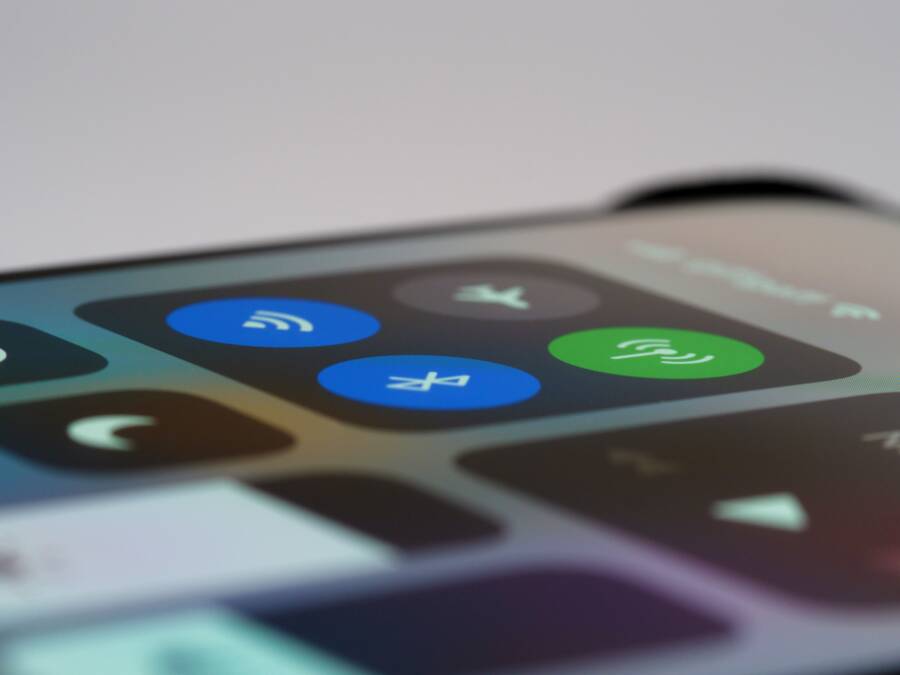
Toggling airplane mode forces the internal radios on your smartphone to completely disconnect and restart without requiring a full system reboot. This action drops the stuck cellular data session and re-establishes a fresh handshake with nearby cell towers.
Activate airplane mode from your quick settings menu, wait ten seconds, and turn it off again. This quick pause resets both the Wi-Fi adapter and the cellular modem at the same time. After the radios reconnect, your smartphone can successfully push internet traffic through the active tethering session.
Forgetting and Reconnecting to the Wi-Fi Network
Clearing out corrupted network profiles on your client device removes outdated configuration data that causes offline states. Your laptop or tablet might cling to broken connection parameters from an old session.
Thousands of People Were Struggling With Money Until They Discovered This One Ancient Secret Hidden in Sound
>>> Unlock It Now <<<

Open the Wi-Fi settings on your computer or tablet and find the name of your smartphone hotspot. Select the option to forget or delete that network from your saved lists. Scan for nearby wireless networks again, select your smartphone, and enter the password fresh. This forces the devices to negotiate a brand new connection profile from scratch.
Advanced Troubleshooting Steps for Stubborn Connection Issues
Stubborn connection failures require deeper intervention when basic reboots and simple toggles fail to resolve the problem. Your smartphone might broadcast an active hotspot signal while internal routing tables block outbound web traffic entirely. Resolving these persistent glitches involves adjusting radio frequencies and clearing corrupted network configurations on your devices.
Switching Between Two Gigahertz and Five Gigahertz Bands
Frequency compatibility affects connection stability because your smartphone and client device must negotiate a shared radio channel. Most modern smartphones allow you to toggle between a 2.4 GHz band and a 5 GHz band for hotspot broadcasting. The 2.4 GHz frequency offers greater range and better wall penetration, but it suffers from severe interference in crowded areas. Meanwhile, the 5 GHz frequency delivers much faster data rates with less congestion, yet older laptops and tablets often fail to detect or maintain a stable link on this band.
If your client device connects to the hotspot but stays offline, switching the broadcast frequency usually clears the communication barrier.
Open the hotspot settings menu on your smartphone and locate the AP band or frequency option.
Switch from 5 GHz to 2.4 GHz if your client device is older or sits several feet away from your phone.
Switch to 5 GHz if you experience severe lag or interference in a crowded public space.
Save the changes, turn off the hotspot, and reconnect your client device to apply the new radio profile.
Resetting Network Settings on Your Device
Clearing all saved Bluetooth and Wi-Fi configurations removes hidden corruption that blocks your hotspot traffic. Your smartphone stores intricate routing tables, paired accessory data, and preferred network priorities in a dedicated system partition. Over time, corrupted cache files inside this partition can crash the tethering bridge, leaving your connected laptop or tablet stranded without internet access.
Performing a network settings reset wipes out these damaged files and restores factory default parameters for all wireless communications.
Open the settings menu on your smartphone and navigate to the system or general management tab.
Select the option to reset network settings or reset Wi-Fi, mobile, and Bluetooth.
Confirm your choice by entering your device PIN, keeping in mind that this action also erases all previously saved home Wi-Fi passwords and Bluetooth accessories.
Restart your smartphone immediately after the reset finishes.
Turn on your hotspot and pair your client device again using a fresh connection profile.
Frequently Asked Questions About Hotspot Problems
Users often run into peculiar hurdles when trying to share their smartphone data connection with other electronics. Troubleshooting these connectivity snags requires looking at both client-side limitations and mobile carrier restrictions. Here are answers to the most common questions about smartphone tethering errors.
Why Does My Laptop Say No Internet When Connected to My Hotspot?
Client-side network glitches often mimic cellular data failures when a computer connects to a smartphone. Your laptop might establish a local Wi-Fi handshake successfully yet fail to route web traffic.
Saved network profiles on your laptop hold outdated IP parameters from previous connection sessions.
Power saving utilities on your computer routinely suspend network adapters to conserve battery life.
Security software or active virtual private networks block incoming packets from an external tethered gateway.
Clearing these local obstacles usually restores normal web browsing without requiring any changes to your mobile carrier settings.
Does Using a Hotspot Consume Extra Cellular Data?
Tethering consumes standard mobile data directly from your monthly cellular allowance. Carriers track bytes identically whether you load a webpage on your smartphone or on a connected laptop.
Mobile operators apply the exact same data rates to tethered traffic as they do to on-device browsing.
Background updates on a connected computer consume massive amounts of data in a very short time.
Video streaming and large file downloads drain your cellular pool much faster on a desktop screen than on a smartphone display.
Monitoring your connected devices prevents unexpected overage charges on your monthly phone bill.
Conclusion
Fixing a hotspot that shows connected but stays offline comes down to isolating where the data stream breaks. Network configuration resets and simple device reboots usually clear out the stuck packets causing the failure.
Start with basic power cycles and APN checks before moving to advanced band adjustments. Keeping your smartphone software updated also prevents these tethering glitches from returning.
Thousands of People Were Struggling With Money Until They Discovered This One Ancient Secret Hidden in Sound
>>> Unlock It Now <<<