There Is a Frequency That the Wealthiest Families Have Used for Generations and Most People Will Never Know It Exists
>>> Open the Door <<<

Optimizing your Facebook Reels starts with the right phone settings. This guide cuts through the noise and shows you simple tweaks that improve video quality, sound, and how fast Reels load on your smartphone.
Tiny choices add up. A blurry clip or choppy frames can kill a great idea, and loud background noise hides your message. With the right smartphone settings, you get clean audio, steadier footage, and smoother playback, even when you’re recording on the go.
You’ll learn how to pick the right resolution and frame rate, how to capture crisp audio, and how to keep your phone fast and ready for spontaneous shoots. Practical steps you can try today will help you shoot and edit Reels like a pro, without complicated gear or endless setup.
Optimize your phone video settings for Facebook Reels
When you shoot for Facebook Reels, the right phone settings can make your clips look sharper, sound clearer, and perform better as viewers scroll. This section covers practical choices you can make on any modern smartphone to boost clarity, stability, and overall quality. Start with a solid baseline, then test and adjust based on your device’s performance.
What If the Only Thing Between You and the Life You Deserve Is a Hidden Wealth Code Waiting to Be Activated
>>> Open the Door <<<

Choose the right resolution and frame rate
Resolution and frame rate determine how crisp your video looks and how smooth the motion appears. A standard choice that works well across devices is 1080p at 30fps. If your phone supports higher frame rates, 60fps can deliver noticeably smoother motion for fast action, but it uses more storage and drains the battery quicker. For older or lower-end phones, 720p at 30fps or 1080p at 30fps still looks good on most screens and saves battery life.
Practical steps:
- Start with 1080p at 30fps to gauge performance.
- If your device handles it with no overheating or lag, you can experiment with 60fps for dynamic scenes.
- For limited storage or poor battery life, drop to 720p at 30fps; the difference in perceived quality is often minimal for vertical mobile viewing.
- Test short clips at different settings and compare playback quality in the Facebook app before investing in longer takes.
Note: Facebook Reels guidelines typically recommend 1080p as a preferred resolution, with a frame rate range that supports 24fps up to 60fps. If you need authoritative details on recommended formats, check Meta’s guidance on Reels requirements. For quick reference, see the official guidance and community discussions linked here: https://www.facebook.com/business/help/1197310377458196
Set the ideal aspect ratio and orientation
Reels is designed for vertical viewing, so 9:16 should be your default. Lock orientation to prevent accidental sideways clips during shooting or quick picks from your camera roll. If you want a different look for a specific style or cross-posting, 1:1 or 4:5 can work, but you may encounter letterboxing or cropping on some feeds.
Tips to keep everything in frame:
- Frame your subject within the safe area that won’t be cropped when Reels auto-crops for different devices.
- Keep important details away from the edges so you don’t lose them to cropping during edits or when viewers view in different modes.
- Use a tripod or stabilizer if you plan to shoot in 9:16 for extended clips to maintain consistent framing.
Where it helps to experiment: 9:16 is the standard for Reels, but 1:1 or 4:5 can be effective for gallery-style posts or close-up storytelling. For more on recommended aspect ratios, you can explore Meta’s official resources as well as creator forums with practical examples. Link: https://www.facebook.com/business/help/1197310377458196
Enable stabilization and motion features
Electronic image stabilization (EIS) helps smooth out minor shakes in handheld video. Some phones also offer optical image stabilization (OIS) for lens-based steadiness. Turn on stabilization in your camera app settings or within your device’s system camera options if available.
When to use extra hardware:
- For moving subjects or walking shoots, a small tripod or handheld gimbal can dramatically improve sharpness and reduce blur.
- If you’re filming in dim light, stabilization helps avoid micro jitters that make footage feel off even when exposure is decent.
- For action, test EIS first; if you notice slight warping or cropping, try a fixed mount instead.
Where to find stabilization controls varies by device, but you’ll typically locate them in the camera app under “Stabilization” or in the system camera settings. If you want more stability, pairing this with careful framing yields noticeably sharper reels. For additional context on stabilization practices, you can review Meta’s guidelines and user discussions linked here: https://www.facebook.com/business/help/1197310377458196
Consider HDR and lighting basics
HDR can improve dynamic range by balancing bright highlights and darker shadows. If your phone supports HDR video, enable it in the camera settings when you expect scenes with bright windows or strong backlight. Pair HDR with good lighting to maximize detail and reduce noise.
Practical lighting tips:
- Shoot in natural light when possible, facing toward the light source to illuminate faces and subjects evenly.
- If natural light is limited, a small ring light or a portable LED panel can provide soft, even illumination.
- Avoid harsh backlight from behind the subject, which can cause the subject to appear dark or silhouetted.
A quick rule of thumb: HDR helps with contrast, but you should test how it renders on Reels, as each platform compresses video differently. If you notice banding or unusual colors, switch to standard dynamic range for a cleaner result. Want a quick sanity check? Try a scene with both HDR on and HDR off and compare the results on your phone before posting.
For additional background on HDR in mobile video and practical lighting setups, see credible tutorials and product pages that discuss HDR capabilities in modern smartphones and how lighting affects video quality. Helpful references and community discussions are available here: https://www.facebook.com/business/help/1197310377458196
This section provides a concise, practical approach to optimizing your phone video settings for Facebook Reels. Try these settings on your next shoot and adjust based on performance and your creative goals.
She Pressed Play on a Strange Audio Track and Within Days Her Financial Reality Started Shifting in Ways She Could Not Explain
>>> See How It Works <<<

Improve audio quality for Facebook Reels
Great audio can make the difference between a scroll and a stop. This section focuses on practical, no-fuss ways to capture clear sound for Facebook Reels on your smartphone. You’ll learn when to use the built in mic versus an external option, how to cut background noise, and how to keep audio in sync with your video and captions. Implementing these tips will help your Reels feel more professional without slowing your workflow.
Choose the right microphone and position
Your choice of microphone and how you position it can dramatically affect clarity, especially during speech sections. Here’s how to pick quickly and stay practical on the go.
- When to use the phone’s built in mic vs an external mic: Use the built in mic for quick, casual clips or when you’re in a very quiet environment and you’re moving around a lot. External mics shine for talking parts, voiceovers, or when you need to reduce ambient noise. A simple lavalier or small shotgun mic can deliver noticeably crisper dialogue and a more consistent level, especially in busy spaces.
- Placement basics that matter: Keep the mic close to your mouth for best intelligibility, ideally within 6–12 inches. Avoid pointing the mic at your hands or anything that could rub or chatter. If you’re using a lavalier, clip it to your collar or a hoodie so it remains in front of your mouth without catching on clothing.
- Wind and environment: Outdoors, use a windscreen and shield the mic from direct airflow to minimize wind noise. Indoors, choose a room with minimal hard reflections (soft furnishings help) and avoid placing the mic near noisy appliances.
Practical tip: external mics can significantly improve clarity for talking parts, especially when you’re moving or recording in a less controlled environment. If you’re curious about specific hardware options, many creators share recommendations in forums and product pages. For example, one popular option highlighted by creators is a compact external mic that pairs with smartphones. See a commonly discussed option here: https://www.amazon.com/-/he/VM39/dp/B0FFG2Z8B6
- Quick setup checklist:
- Attach the mic and test a short clip.
- Speak at a normal conversational tone and note any clipping.
- Adjust distance so your voice sits clearly in the middle of the mix.
- Do a quick playback check in the Facebook app to confirm intelligibility.
If you’re unsure which route to take, browse quick community reviews and setup tips from other creators to see how they place mics in typical Reels shoots. For example, threads discussing the best external mics for smartphones include practical user experiences on Reddit: https://www.reddit.com/r/Filmmakers/comments/aqc9mx/best_external_microphone_for_smartphone/
- Quick example setup:
- You’re filming a talking head segment in a small room. Use a compact lavalier about 8 inches from your mouth, directed toward your chin. Turn on your phone’s wind reduction if outdoors, and keep the mic plugged into the phone or connected via a small adapter. Record a 10-second clip, then listen for any hiss or room echo and adjust location or padding if needed.
Cut background noise and balance levels
Background noise can ruin even a great message. The goal is to keep a clean, consistent vocal level so listeners don’t have to strain.
- Quiet spaces first: Shoot in a room with soft surfaces to dampen echo. If you can’t, add soft materials like a blanket over a chair or a small rug to absorb sound reflections.
- Wind reduction when outdoors: If you must shoot outside, use a windscreen on your mic and shield the mic from direct airflow. A simple hooded cover can make a big difference.
- Check audio levels in your recording app: Most apps show a level meter. Aim for peaks around -6 dB to -3 dB during speaking moments. If you see frequent peaking, back off slightly or reduce mic gain if your device allows it.
- Keep voice steady: A consistent speaking pace and stable distance from the mic yield easier listening. Practice delivering lines with a measured tempo, then record a brief test to verify consistency.
- Address room noise in post if needed: A light noise reduction in editing can help without making the voice sound hollow. Use transparent filters that don’t degrade voice clarity.
Practical tip: lighting and sound accessories often go hand in hand. A small portable mic setup in a quiet corner of a room can dramatically improve overall audio without forcing you into a studio. If you’re evaluating an external mic option, you can explore products linked here: https://www.amazon.com/-/he/VM39/dp/B0FFG2Z8B6
- Process to balance levels in-app:
- Record a short calibration clip speaking at your normal volume.
- Watch the level meters and adjust the mic gain if possible.
- Record a 20–30 second test to confirm even levels across words and sentences.
- If there are consistent dips, consider moving closer to the mic slightly or speaking more slowly.
- Quick check for consistency:
- Read a short paragraph aloud, then listen for any abrupt changes in volume. If you notice it, re-record or adjust your mic distance to bring dynamics back to a stable range.
- Accessibility and audience clarity: strong audio supports captions, as viewers often watch without sound. Clean audio helps captions align better with spoken words, improving overall comprehension and engagement.
- When to upgrade your setup: if you frequently create Reels in noisy environments or need professional voiceover, a dedicated smartphone-friendly mic, along with a small portable recorder, can deliver reliable results. A widely discussed option in creator communities is a compact external mic that pairs with smartphones for improved clarity and background noise reduction. See more details here: https://www.reddit.com/r/Filmmakers/comments/aqc9mx/best_external_microphone_for_smartphone/
- Quick post-production tips:
- Normalize audio to a consistent level across clips.
- Apply a light high-pass filter to remove low-frequency rumble.
- Use a gentle compressor to even out dynamics if your editing tool supports it.
Sync audio with video and captions
Lip sync and timing accuracy make the difference between convincing reels and distracting mismatches. This subsection covers practical steps to ensure your audio aligns with video and to maximize accessibility through captions.
- Check lip sync and adjust timing: when you notice slight misalignment between lips and voice, adjust the audio track to re-sync. Most mobile editing apps let you nudge audio by small increments. Small adjustments can fix perceptible misalignment without re-recording.
- Add captions or text overlays: captions help viewers who watch with sound off. They also aid in clarity when voice is soft or when there is competing noise. Keep captions concise and in sync with spoken words.
- Use clear visual cues for timing: if you’re speaking a sentence that ends with a gesture, make sure the captions appear in time with the spoken words for natural flow.
- Accessibility benefits: captions improve viewer engagement, especially in noisy environments or in places where sound is restricted.
- Practical workflow tips:
- Record a brief, clear spoken line and a matching caption block.
- In your editor, align the caption timestamps with the corresponding audio peaks.
- Review on mobile to ensure readability on small screens and across devices.
- Quick test: watch the Reel with sound off and verify that captions convey the message without needing the audio. Then play with sound on to confirm the timing feels natural. If you notice any lip-sync drift, adjust the audio track by a few frames until it matches closely.
- Tools and resources: many creators rely on mobile apps that support audio syncing, captioning, and easy drag-and-drop alignment. When you want to explore external insights and user experiences, you can see discussions and guides that address lip-sync fixes and caption workflows in mobile contexts: https://www.reddit.com/r/Filmmakers/comments/aqc9mx/best_external_microphone_for_smartphone/ and additional community guidance on captioning and timing at community posts found in similar threads.
- Captioning strategies:
- Use short, readable lines that fit within each screen view.
- Place captions near the bottom but away from action zones in the frame to avoid obscuring important visuals.
- Consider adding a subtle background behind text to improve readability in bright environments.
- Quick starter checklist for syncing and captions:
- Check lip sync for the main dialogue.
- Add captions with one sentence per line.
- Sync each caption with the corresponding audio segment.
- Preview in a few different lighting scenarios to confirm readability.
By following these steps, you’ll produce Reels with clearer audio, accurate lip-sync, and captions that boost accessibility and engagement. For additional reference on audio setups and practical tips, you can explore related discussions and product recommendations linked here: https://www.amazon.com/-/he/VM39/dp/B0FFG2Z8B6
This section provides a concise, practical approach to improving audio quality for Facebook Reels. Try these steps on your next shoot and adjust based on your environment and creative goals.
Keep your phone fast and ready for longer Reels
When you’re chasing that perfect Reel, you need your phone to perform reliably for longer shoots. This section covers practical, bite sized steps to keep your device responsive, avoid slowdowns, and extend the window you can shoot without interruptions. Think of it as a quick maintenance routine you can run before and during longer recording sessions. You’ll reduce lag, preserve storage for fresh clips, and keep audio and video syncing tight as you move from scene to scene.
Manage battery life and performance
Long recording sessions demand smart power management, but keep in mind that some battery saving features can dull performance. Start by enabling a power saving mode if you’re planning back to back takes, yet watch for any noticeable slowdowns in processing or camera responsiveness. If you notice lag or stutter, toggle power saving off to regain peak performance for that take.
- Turn off unnecessary features when you don’t need them. Bluetooth, background refresh, and location services can quietly drain power and introduce processing load.
- Keep the screen brightness at a comfortable level. A bright screen sips more energy, while a dimmer setting reduces battery drain without sacrificing visibility in most lighting conditions.
- Monitor temperature. Extended recording can heat the device, which can throttle performance. If it starts to heat up, pause for a moment to cool or switch to a lower resolution or frame rate.
- Practice a simple pre shoot routine: enable power saving if you’ll be recording outdoors in warm weather, turn off nonessential radios, and set brightness so you don’t waste energy.
If you want a deeper dive into how power saving interacts with video recording on Android devices, you can review official guidance and community discussions about battery life and performance here: https://support.google.com/android/answer/7664692?hl=en
For broader context on battery friendly practices in mobile video, you’ll find practical discussions about how other creators balance power and quality in real world shoots here: https://www.reddit.com/r/techsupport/comments/1l3um76/how_do_you_conserve_battery_life_while_recording/
When you’re in the field, consider a lightweight portable power bank. It keeps your smartphone running through long sessions without forcing a break to recharge.
Free up storage and control data
Video files eat space quickly, especially when you shoot at higher resolutions and frame rates. Before you start, check available space and clear room for fresh clips. During shoots, delete unused takes or move larger files to cloud storage or a local external drive if you’re using a compatible setup.
Thousands of People Were Struggling With Money Until They Discovered This One Ancient Secret Hidden in Sound
>>> Unlock It Now <<<

- Do a quick cleanup routine between takes: review recent clips, save only the best moments, and delete the rest.
- Move large files off the device as soon as you can. Cloud storage works well when you have a steady connection, while a microSD card can be a fast local option on many phones.
- Prioritize essential footage. If you’re in a time crunch, aim to preserve 2–3 strong takes per scene and avoid piling up raw material you won’t use.
- Maintain an organized library. Rename files with concise, consistent naming so you can locate them later during editing.
A practical reminder: video files create a quick buildup of storage consumption. Keeping a routine of quick checks and cleanups helps you avoid unexpected pauses during a shoot. For reference on managing smartphone storage while recording, see this link: https://support.google.com/android/answer/7664692?hl=en
If you want to see how creators manage space when filming long sessions, you can explore community tips here: https://www.reddit.com/r/techsupport/comments/1l3um76/how_do_you_conserve_battery_life_while_recording/
Quick quick cleanup routine you can use mid shoot:
- Pause recording, review the last minute of footage, and delete any redundant takes.
- Move the best clips to cloud storage or a dedicated drive.
- Clear cache from your camera app if you notice slow playback.
- Check remaining space and adjust future shot planning accordingly.
Limit background apps and optimize performance
Keeping only essential apps running helps your phone stay responsive during reels. Close apps you’re not using and keep your device updated. A small, steady workflow reduces the chance of stuttering, lag, or sudden background activity that steals CPU cycles.
- Close background apps before you start recording. This reduces RAM usage and keeps your camera app from competing for resources.
- Update apps regularly. App updates often include performance and compatibility improvements that help with steady recording.
- Use a simple, repeatable shoot checklist to keep your phone running smoothly during shoots.
A straightforward checklist you can print or save on your phone:
- Confirm background apps are closed or minimized.
- Pause automatic downloads and syncing during recording.
- Ensure the camera and recording app are the active foreground tasks.
- Check for app updates and install if available.
- Reboot the device if you notice persistent slowdowns.
If you want further practical guidance on keeping a phone fast during long sessions, you can explore related discussions about managing device performance in mobile video creation: https://www.reddit.com/r/Filmmakers/comments/aqc9mx/best_external_microphone_for_smartphone/
A tip from experienced creators: a quick firmware or OS update can improve efficiency and stability, so schedule regular checks. You can stay in the loop with official guidance and user notes on performance optimization here: https://www.facebook.com/business/help/1197310377458196
- Quick startup and maintenance plan:
- Before filming, close nonessential apps and disable auto updates.
- Keep the device updated to the latest stable OS version.
- Keep a reusable camera profile for Reels with settings locked in.
- Recheck storage and battery before each long session.
This section helps you keep your smartphone ready for longer Reels by managing power, storage, and performance. Try these practices on your next shoot and adjust to your device and creative goals.
—
Notes: In this section, we’ve integrated concise, actionable steps for maintaining device performance during longer Reels sessions. The recommendations steer you toward practical, real world workflows, with emphasis on battery management, storage hygiene, and background app control. The included external links provide additional context and community perspectives to reinforce best practices.
Shooting workflow and editing tips for crisp Reels
Crafting crisp Reels on a phone is a blend of planning, steady hands, and smart edits. This section offers a concise, repeatable workflow that helps you go from idea to publishable clip fast. You’ll learn how to outline a short sequence, keep lighting cohesive, edit on the device, and finish with a strong cover image and overlays. This approach keeps your editing clean and your audience engaged, without slowing you down.
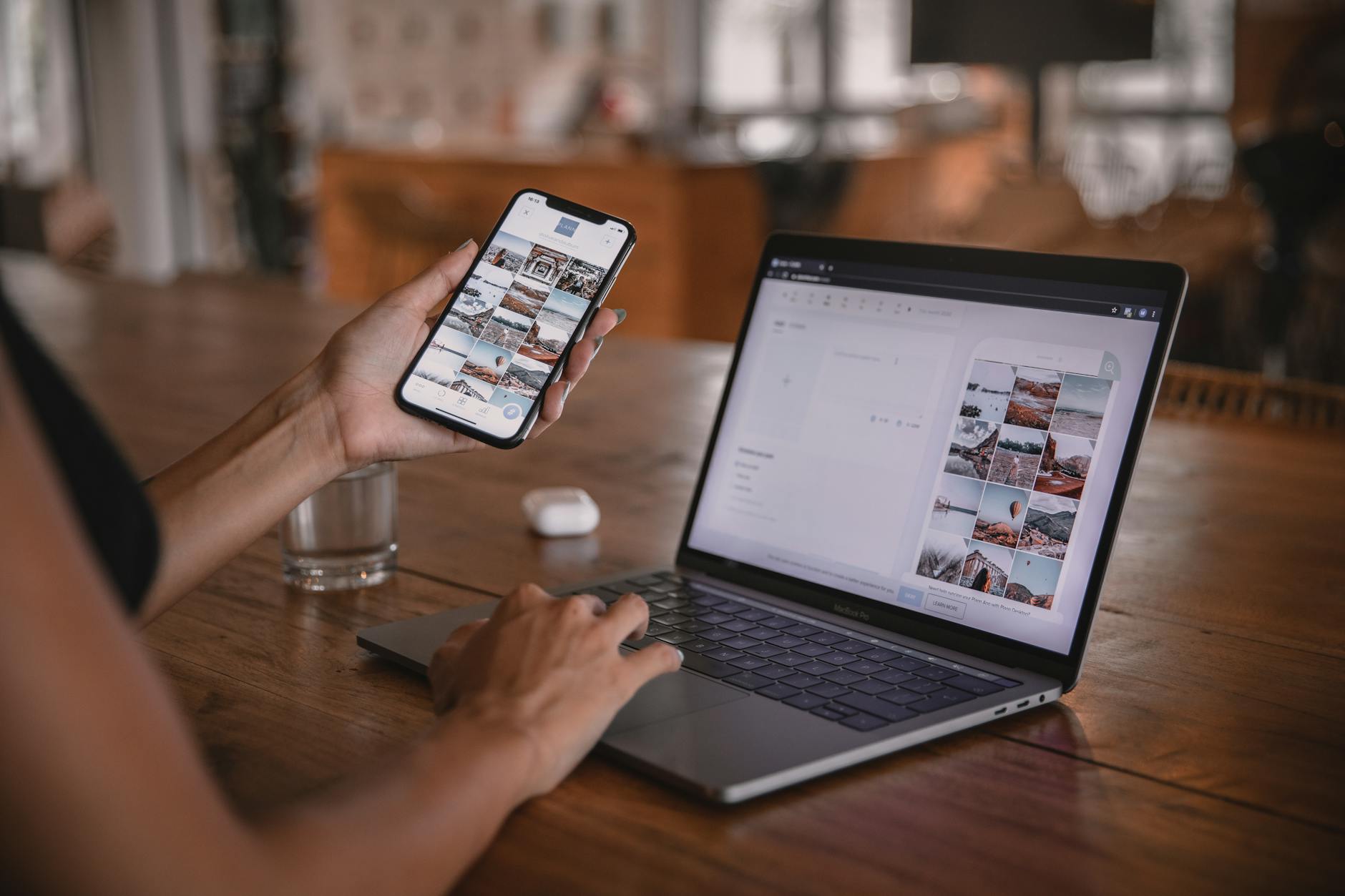 Photo by Plann
Plan, shoot, and light for consistency
Before you press record, outline a simple story or sequence. A tight plan helps you stay on message and finish each reel quickly. Decide the core message, the order of shots, and the exact moments where you’ll add on-screen text or captions. When you shoot, keep lighting and background consistent across clips. Use the same window light or a small, stable lighting setup so your tones remain uniform from one reel to the next.
- Create a one- or two-sentence story beat for each clip.
- Lock in a background and light source. If natural light, shoot at the same time of day for similar color and shadow.
- Use a simple, uncluttered background to keep focus on you and your message.
- Maintain a steady frame by using a tripod or a small gimbal for longer takes.
A practical approach is to test a quick two-shot sequence in your chosen setup and compare the results in the Facebook Reels editor. Consistency in lighting, color, and background will make your feed feel cohesive. For additional tips on lighting and background setup, you can explore community discussions and guides from creators here: https://www.facebook.com/business/help/1197310377458196
Photo by Plann
Easy on device editing and captions
Editing on your phone should be quick and intuitive. Use the Reels editor to trim clips, adjust speed, and add captions. Short captions streamline accessibility and boost viewer retention, especially for viewers who watch without sound or scroll quickly.
- Trim to remove dead space and keep pacing tight.
- Use speed changes sparingly to emphasize key moments.
- Add captions directly in the editor. Keep lines brief and aligned with spoken words.
- Review on mobile with sound off and then with sound on to confirm readability and timing.
A fast, clear workflow helps you publish more often. If you want extra reading on caption workflows and on-device editing practices, check out community resources and guides linked here: https://www.reddit.com/r/Filmmakers/comments/aqc9mx/best_external_microphone_for_smartphone/
Photo by Plann for reference
Choose a strong cover image and add overlays
A compelling cover image is your first hook. Pick a frame that clearly represents the video and is visually clean at a thumbnail size. Simple text overlays can highlight the reel’s value and help people decide to watch.
- Select a clean, high-contrast frame as the cover.
- Add a short, bold title or keyword overlay that matches the reel content.
- Keep overlays off essential action areas to avoid obscuring important details.
- Test how the cover looks in dark and light modes to ensure readability.
A strong cover image improves click-through and sets expectations for the video. For guidance on crafting effective covers and overlays, see creator discussions and Meta resources here: https://www.facebook.com/business/help/1197310377458196
Photo by Plann for context
This section offers a practical, ready-to-use framework for shooting and editing crisp Reels on your phone. Implement these steps to tighten your workflow and keep your content visually cohesive as you publish more often.
Privacy, permissions, and best practices to grow reach
In this section, you’ll learn how to protect viewer trust while expanding your reach on Facebook Reels. The focus is practical steps you can implement quickly: grant only necessary permissions, manage who sees your content, and follow smart posting habits that respect privacy and foster engagement. Use these guidelines to keep your workflow smooth on a smartphone while building a credible, accessible presence.
Manage app permissions and privacy settings
Guarding privacy begins with limiting the permissions you grant during recording. Only allow what is essential for capturing your video and sound, such as the camera and microphone. Pause or revoke permissions you don’t actively need, and review them in your phone’s settings to stay in control.
- Grant purposeful permissions: camera, microphone, and storage are usually the minimum. If an app asks for location or contacts, say no unless you truly need those features for the reel.
- Review permissions regularly: go to your device’s app settings, verify what is allowed, and adjust as your shooting needs change.
- Check Reels privacy controls: you can control who can view your reels and who can share them. Limiting visibility early helps prevent unwanted distribution and keeps your content aligned with your goals. For detailed guidance on audience choices, visit Facebook’s help pages that discuss changing who can see reels and setting a default audience. Change who can see my reels on Facebook and Set a default audience for your reels
- Practical tip: whenever you switch phones or apps, revisit permissions. A quick audit ensures you’re not exposing data you don’t need.
- Quick image to illustrate privacy controls and a reminder to review permissions:
- Photo: Close-up of smartphone screen showing a privacy policy update agreement.
- Credit: Photo by Rahul Shah, https://www.pexels.com/@-rahulshah-
Keeping privacy settings tight helps build trust with your audience. It also reduces the risk of unintended sharing or data access that could derail a great reel.
Posting for reach with smart practices
Growing reach isn’t about loud, constant posting. It’s about consistent, thoughtful optimization that respects your audience and platform norms. Use practical, easy-to-implement steps that align with how people scroll on mobile devices.
- Cap the content with clear hooks: the first 2–3 seconds should promise value, whether it’s a tip, a reveal, or a question your viewers want answered.
- Craft captions and hashtags that matter: short, descriptive captions paired with 3–5 relevant hashtags can boost discoverability without appearing spammy. Include a mix of broad and niche tags to reach both broad and targeted audiences.
- Timing matters, not just frequency: post when your audience is most active. If you’re unsure, test different times for a few weeks and compare engagement metrics in the Reels insights.
- Engage promptly after posting: reply to comments, welcome new followers, and use the audience’s questions as ideas for future reels. Quick, warm interactions boost visibility through ongoing engagement.
- Captioning and accessibility: captions expand your reach to viewers who watch without sound. Keep captions concise and in sync with spoken words.
- Use a strong cover image: pick a frame with high contrast and clear subject. A compelling cover encourages more taps without the viewer needing to read a caption first.
- Cross-promotion without oversharing: mention related reels in a natural way and link to your other content when it fits the story. This keeps your feed cohesive and helps followers stay engaged.
- Quick-start checklist for better reach:
- Write a tight hook in the first 2 seconds.
- Keep captions under 2 lines per message and align with audio.
- Post at least 3–4 reels per week to stay visible.
- Monitor performance and adapt topics based on what resonates.
- Respond to comments within the first few hours of posting to boost early engagement.
- Real-world reference: Facebook’s own resources provide guidance on audience settings and privacy controls that affect reach. For a direct walkthrough, see the official help pages linked above.
- Extra insight: community discussions online often highlight how small changes in posting times or caption lengths can yield outsized results. You can explore conversations on forums and creator groups to see what’s working for others, including practical tips and tested routines. Example discussions and resources are available here: Change who can see my reels on Facebook and Set a default audience for your reels
- Practical example: imagine you run a local food series. A reel posted on a weekday afternoon with a caption like “Top 3 bites in 60 seconds” plus three precise hashtags can attract local viewers who are likely to engage quickly. Then you respond to comments within a few hours to sustain momentum.
- Quick reference action plan:
- Define a posting window that aligns with when your audience is online.
- Use 1–2 clear calls to action in captions, such as inviting comments or saving the reel.
- Track performance weekly and adjust topics, length, and posting cadence accordingly.
- External resources for optimization: exploring Facebook help pages and creator communities can reveal tested tactics for reach and engagement. Learn more about audience controls and privacy from official resources linked earlier.
Images are included where they add value, such as showing a privacy settings screen or a visually engaging cover frame, to break up blocks and guide the reader.
- Photo example:
- Photo: Close-up of smartphone screen showing a privacy policy update agreement.
- Credit: Photo by Rahul Shah, https://www.pexels.com/@-rahulshah-
This approach helps you grow reach responsibly. It also keeps your workflow efficient so you can publish consistently without compromising privacy or quality.
This section provides a concise, practical framework for privacy, permissions, and posting strategies. Apply these steps to your next Reel to protect viewers and grow your audience in a thoughtful, principled way.
Conclusion
Getting the best results from Facebook Reels starts with your phone settings. When you choose the right resolution, frame rate, aspect ratio, and sound setup, your videos look cleaner, sound clearer, and load more reliably on every smartphone. These tweaks also set you up for growth by making your content easier to watch, easier to caption, and easier to share.
Focus on reliable, repeatable steps you can apply every time you shoot. The right settings empower your storytelling and keep you in control of quality as you post more often. With solid basics in place, you can explore small experiments later while maintaining a professional standard across all your Reels.
- Optimize video: 1080p at 30fps as a baseline, test 60fps for fast action
- Stabilize footage with a stable mount or built in stabilization
- Good lighting and clean audio with a compact microphone when needed
- Keep captions synced with audio to boost accessibility
- Post consistently and analyze what works for your audience
Remember, the goal is clear, engaging content that travels well across feeds. Your next reel can start with the same trusted phone settings and still feel fresh. Stay curious, test new ideas, and watch your reach grow. Your smartphone is a powerful tool when you use it with intention.
There Is a Frequency That the Wealthiest Families Have Used for Generations and Most People Will Never Know It Exists
>>> Open the Door <<<