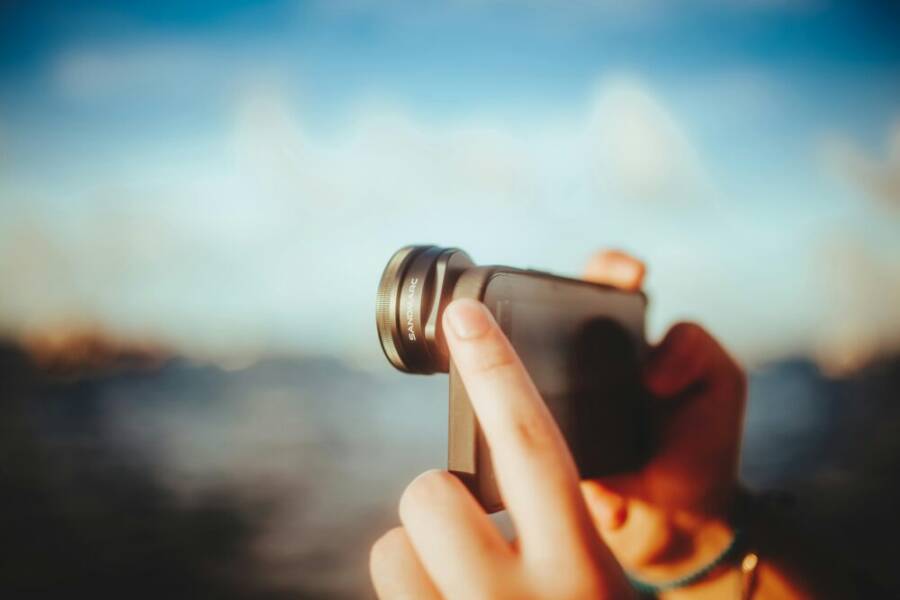
Unlock new creative options for everyday photography with a simple phone lens kit. If you want sharper landscapes, tighter portraits, or dramatic close ups, a smart lens kit can transform what your phone can do. In 2025, better glass, slimmer designs, and broader compatibility make these kits more versatile than ever.
This post shares practical picks you can trust, plus a clear guide to choose based on your style and budget. You’ll learn what to look for in lenses, how to match them to your phone, and what setups fit real life on the go. Expect straightforward buying guidance and quick tips to level up your shots with minimal effort.
You’ll find gear recommendations, shopping tips, and easy usage ideas that work for beginners and seasoned shooters alike. We’ll keep the language simple and the explanations direct, so you can start shooting better photos tonight.
What makes a great phone lens kit for mobile photography
A great phone lens kit should feel like a natural extension of your phone, not an add-on you dread to carry. It should open up new perspectives while staying simple to use. In this section, you’ll learn the essential features to prioritize and how to choose between clip-on and modular systems. Think of it as your quick guide to buying, testing, and using a kit that helps you capture better images on the go.
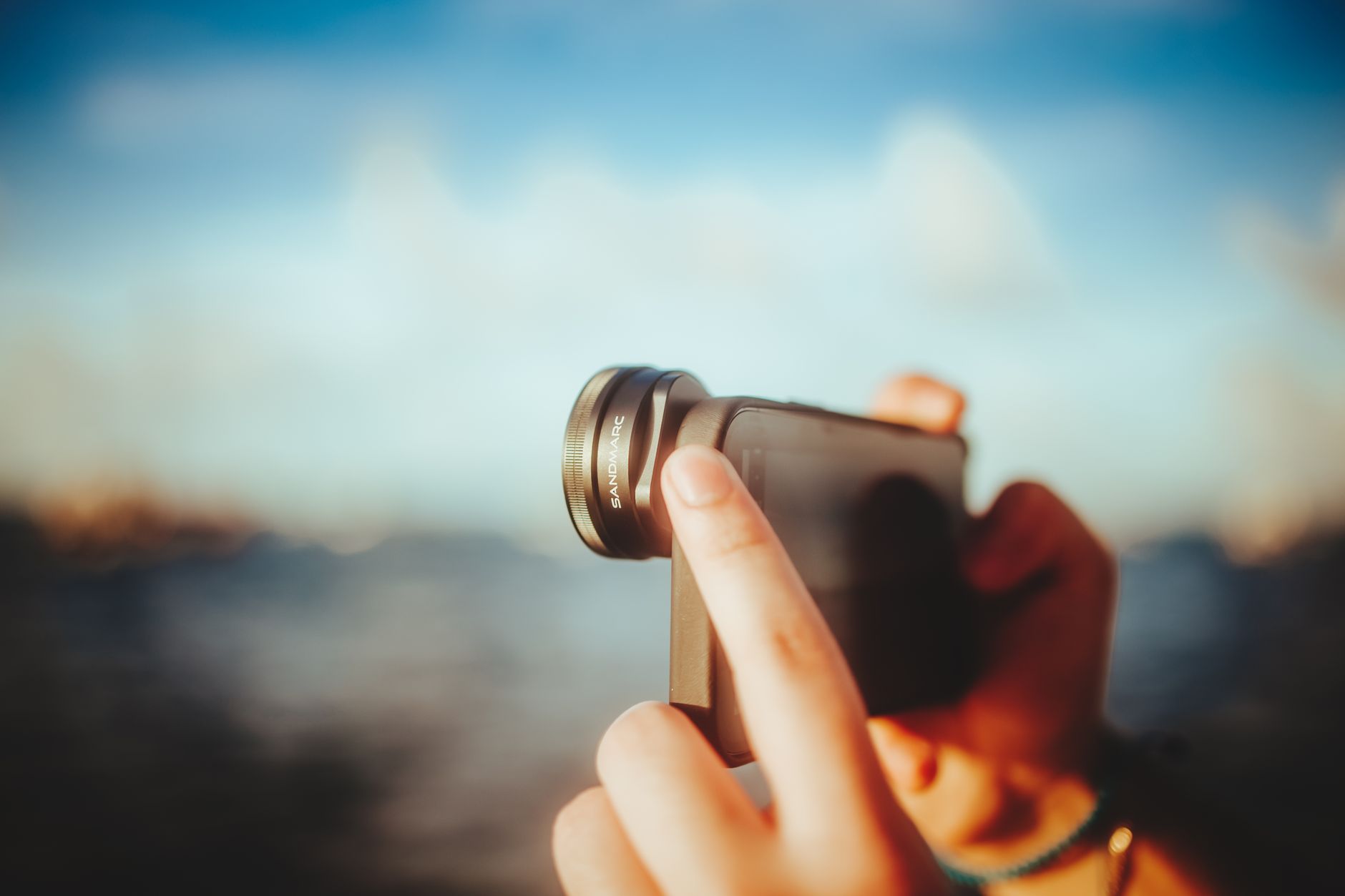
Photo by Matheus Bertelli
Key features to look for
A solid phone lens kit brings a mix of glass quality, durability, and practical design. Here are 5 to 7 must-have features that readers should check before buying:
- Lens glass quality and coatings: Look for multi-coated optics that minimize ghosting, flare, and reflections. Higher quality glass boosts sharpness from edge to edge and reduces color fringing, especially in backlit scenes. A well-made kit keeps images clean and vibrant, not washed out.
- Coatings to reduce ghosting, distortion, and edge softening: Modern coatings help preserve contrast when you shoot toward the sun or bright lights. They also limit distortion in ultra-wide lenses and keep edges sharp when you crop later.
- Focal lengths covered: A versatile kit should include macro (for tiny details), wide or ultra-wide (for landscapes and architecture), and a tele or zoom option (for distant subjects). A well-rounded set simplifies tripod-free shooting in different contexts.
- Compatibility with phone cameras and cases: Check that the attachment system fits your model and case, or that you can use a slim, case-friendly design. Some kits require removal of a case, while others work with most shells.
- Attachment system and stability: Quick, secure attachment matters. A reliable mount stays put during handheld shooting and video, reducing micro-movements that blur footage. A stable mount makes panning and moving shots smoother.
- Light transmission and color fidelity: Good lenses avoid color cast. Look for coatings and glass that preserve accurate colors, especially in mixed lighting.
- Build quality and durability: Metal housings with snug-fitting caps protect the glass when you’re on the move. A robust kit lasts longer and keeps your investment safe in backpacks or pockets.
When evaluating a kit, compare a few real-world tests. Check how the edges look in close-ups, how the wide-angle handles perspective without excessive distortion, and how the macro lens captures texture without flatness. If you want to validate options quickly, review roundups from credible outlets that test a broad range of lenses and compare field results. For example, comprehensive guides discuss what to expect from different focal lengths and how to judge image quality across scenes and lighting (link below).
- The best lenses for iPhone and Android phones: Digital Camera World provides curated picks and practical notes that help you separate hype from real value. Read more about how different lenses perform in everyday shooting. https://www.digitalcameraworld.com/buying-guides/best-add-on-lenses-for-iphone-and-android-phones
- The best lenses for iPhone and Android Photography: The Wirecutter’s buying guide delves into what makes a kit worthwhile, including setup and use cases. https://www.nytimes.com/wirecutter/reviews/best-lenses-for-iphone/
A final thought: aim for a kit that feels like a natural accessory rather than a cluttered add-on. If you travel light, a compact, well-balanced set that covers macro, wide, and tele will often outperform a larger collection of single-use lenses.
Clip-on vs modular lens systems
Phone lens systems come in two broad flavors: clip-on and modular. Each has its strengths, and the right choice depends on how you shoot, what you value most, and how much you’re willing to invest.
- Clip-on kits: These are usually lightweight, affordable, and fast to use. They slip over the phone and require little setup, making them ideal for spontaneous shots. They’re great for beginners who want to experiment without committing to a specific phone case or teardown. Clip-ons shine in casual photography, travel days, and quick social content. If you want instant variety with minimal hassle, a clip-on kit is hard to beat.
- Modular or bayonet systems: These units snap onto a dedicated mount or case and allow faster lens swaps with a secure, repeatable alignment. They often deliver higher image quality because the optics can be larger and better protected. Modular systems may require a specific phone case for proper mounting, but they reward you with sharper results, better color control, and more consistent performance across lenses. They’re a favorite among serious photographers who shoot in different environments and want reliable speed during long shoots.
When you compare the two, consider setup time, weight, and whether you plan to carry extra cases. If you shoot mostly on weekends or in controlled environments, a modular system provides a robust, long-term solution. If you’re new to mobile photography or you travel light, a clip-on kit offers immediate flexibility at a lower price point.
For more guidance on the best models and what to expect from each style, explore buying guides that compare clip-on and modular options. You’ll find balanced assessments of ease of use versus image quality, plus real-world scenarios to match your style. https://www.digitalcameraworld.com/buying-guides/best-add-on-lenses-for-iphone-and-android-phones
If you want a deeper dive into clip-on macro options and why they’re loved by mobile photographers, see this practical overview. https://www.travisvermilye.com/best-clip-on-macro-lenses/
In practice, beginners often start with a clip-on kit to learn what kinds of shots they enjoy most. As they grow, many upgrade to a modular system to unlock higher image quality and faster on-the-fly swaps. Your path depends on how much you shoot, where you shoot, and how much you value speed and precision in the moment.
Photo by Matheus Bertelli
Top picks for modern phone photography
Smartphone photography has evolved into a versatile tool for creators, travelers, and everyday shooters. The right lens kit can unlock new perspectives without adding bulk. Below are the standout options you’ll want to consider, from all-around performers to specialized lenses that push your mobile shots further. Each choice is accompanied by practical notes to help you decide what fits your style and budget.
Moment T-Series Lens Kit: the premium all-rounder
Moment’s T-Series is widely regarded as the gold standard for serious mobile photographers. The lenses are built with high-grade materials and hand-polished glass, the kind of quality you usually only see in professional setups. The kit includes a wide, tele, fisheye, and macro lens, giving you a full spectrum of creative possibilities.
- What you get: Wide 18mm, Tele 58mm, Fisheye 14mm, Macro 10x. You can attach these lenses to a dedicated Moment case or a drop-in mount.
- Why it stands out: Superb image sharpness, excellent color rendition, and strong build quality. It also shines in video work thanks to cinema-like anamorphic options.
- Who it’s for: Photographers who want top-tier optics and are willing to invest in a long-term system.
- Considerations: Higher price and a heavier feel compared with budget kits.
For deeper context on this category and comparable options, check out reputable buying guides like Digital Camera World and The Wirecutter’s lens roundups. The best lenses for iPhone and Android phones | The Best Lenses for iPhone and Android Photography
Sandmarc Tele Lens: sharp zoom you can count on
If your camera plan centers on reaching distant subjects, the Sandmarc Tele Lens is a standout. It often delivers crisper tele results than the competition at a comparable price, making it a compelling upgrade for landscapes, events, and wildlife.
- What you get: A dedicated telephoto option that leverages a robust mount. The optics are designed for minimal distortion and strong edge-to-edge sharpness.
- Why it stands out: Excellent zoom performance with a good price-to-quality balance. It pairs well with a modular or clip-on system.
- Who it’s for: Shooters who frequently need distance shots and want reliable performance without breaking the bank.
Guides and test comparisons from established outlets frequently rank Sandmarc highly alongside Moment for overall quality. If you want a broader perspective, see center-stage coverage in leading buying guides and reviews. The best add-on lenses for iPhone and Android phones
Apexel kits: great value for exploratory shooters
Apexel offers budget-friendly options that cover a wide range of lens types without the sticker shock. Their kits are especially appealing for beginners or casual shooters who want to sample multiple looks with minimal investment.
- Popular options: A 10-in-1 kit with four lenses and six filters, plus clip mounts that fit a broad spectrum of phones. The Apexel Micro 5 Series brings macro and micro capabilities into a compact form.
- Why it’s appealing: Affordability, broad compatibility, and simple clip-on use. It’s a low-risk way to try macro, wide, or fisheye looks.
- Who it’s for: Newcomers, travelers on a budget, and anyone curious about trying different styles without committing to a high-end system.
If you’re curious about how budget kits compare in real-world use, there are balanced overviews and practical tests in major buying guides. For example, a deep dive into affordable options and how they stack up against premium brands can be helpful. The best iPhone lenses in 2025
NEEWER lenses: lightweight options with versatility
NEEWER focuses on modular or component-based kits that target specific photography styles. Their lenses are known for low weight and useful focal lengths, making them a smart supplement to a primary kit.
- What to expect: Tele, wide, and macro options with coatings designed to reduce glare. Some builds emphasize dust resistance and portability.
- Why consider it: Great for shooters who want targeted effects without heavyweight gear. They pair well with a broader kit to cover typical on-the-go needs.
- Who it’s for: People who want creative options without adding much bulk to their setup.
For readers who want a broader comparison of clip-on versus modular approaches, it’s worth reviewing buying guides that weigh ease of use against optical quality. Best add-on lenses for iPhone and Android phones
Clip-on vs modular: how to choose for daily use
Your choice