Thousands of People Were Struggling With Money Until They Discovered This One Ancient Secret Hidden in Sound
>>> Unlock It Now <<<

Traders need smartphones that are fast, secure, and reliable. This guide looks at two key contexts you need to cover your bases: crypto trading apps and stock market apps.
If you manage crypto wallets and real time quotes, you want a device that handles heavy apps without lag. The right smartphone keeps charts crisp, alerts timely, and data syncing seamless, even during busy market moments.
Across Android and iOS, the best smartphones for traders combine strong processors, robust security, long battery life, and wide app compatibility. Expect smooth access to Binance, Coinbase, Robinhood, TradingView, and Thinkorswim, plus solid performance for any trading workflow.
Why the right phone matters for crypto traders and stock market apps
For traders, a phone is more than a communication device. It’s a compact trading desk that lives in your pocket. The most capable smartphones handle complex charts, real-time quotes, and secure wallets without missing a beat. A fast processor, ample memory, long battery life, and strong security all pay off when market moves demand immediate action. Think of your phone as the entry point to your financial world, where every swipe and alert counts.
What If the Only Thing Between You and the Life You Deserve Is a Hidden Wealth Code Waiting to Be Activated
>>> Open the Door <<<

Fast processing and smooth multitasking for quick trades
A strong CPU and plenty of RAM let you switch between charts, news, and order screens without lag. When you’re monitoring multiple assets, you want fluid performance so you can act on signals in real time. A modern phone handles intensive tasks like rendering high-resolution charts, running multiple trading apps in parallel, and loading streaming price feeds without freezing. Good app optimization also matters; native apps and well-tuned optimizations reduce background resource use, ensuring smooth transitions between tasks.
- Why it matters in practice: You don’t want a slowdown when you’re placing a rapid order or reacting to a sudden price spike. A phone with responsive performance keeps your workflow steady during busy market moments.
- What to look for: modern multi-core processors, 6GB to 8GB of RAM as a baseline for smoother multitasking, and optimized trading app experiences. If you run heavy analytics or multiple apps, consider devices with 12GB or more of memory.
To see how performance translates to trading environments, look for discussions comparing desktop, mobile, and web platforms and how RAM and processing power affect multitasking under load. For deeper context, this resource explains how ample RAM supports multitasking in trading setups:
Day Trading: Desktop vs Mobile vs Web Platforms Explained
Long battery life for all day trading sessions
Busy market hours demand a phone that can last from opening bell to close without a mid-day recharge. A robust battery reduces the need to carry a charger and lets you stay in sync with fast-moving markets. Fast charging is a big bonus; it minimizes downtime if you do need a quick power up between trades, earnings reports, or after-hours moves.
- Why it matters in practice: Trading apps push notifications, streaming quotes, and real-time charts can drain a battery quickly. A device with endurance keeps you plugged into the market without hunting for outlets.
- What to look for: a high-capacity battery (typically 4,000 mAh and up), efficient processors, and software that moderates background activity during trading spikes. Fast charging capabilities speed up recovery during short breaks.
When evaluating battery claims, it helps to see independent or reputable reports on charging behavior. If you want to dig into how fast charging affects longevity and performance, consider readings from trusted technology outlets and battery researchers. For broader context on mobile charging trends and expectations, this article provides useful perspectives:
Fast charging in smartphones: how fast is quick enough? | Mint
Secure storage for wallets and accounts
Security is non-negotiable when you trade and manage crypto wallets on a handheld device. A phone with a robust hardware root of trust, secure enclaves, and strong biometric options helps protect funds and data. Biometric authentication (fingerprint or face ID) adds a layer of protection for day-to-day access, while hardware-backed security features keep sensitive keys and wallet data isolated from apps and the OS.
- Why it matters in practice: If your device is compromised or misused, your trading accounts and wallets are at risk. A secure hardware environment makes it harder for attackers to access private keys or sensitive information.
- What to look for: devices that include a secure enclave or trusted execution environment, robust app security standards, and support for biometric unlock with fallback options. Also consider how well the trading apps you rely on implement secure authentication flows.
Hardware security isn’t just about hardware, though. The ecosystem matters too—trusted app stores, timely security updates, and app-level protections help keep your data safer. For a broader view on mobile security in trading contexts, you can explore how mobile devices handle investing on the go and the impact of native versus hybrid apps on performance and security. See a practical discussion here:
Investing on Mobile Devices Made Easy
As you pick a phone, prioritize models with strong security histories and reliable upgrade paths. A secure, well-supported device makes it easier to protect both your capital and your trading data.
links to helpful resources
- Mobile performance and trading multitasking:
Day Trading: Desktop vs Mobile vs Web Platforms Explained - Mobile investing on the go:
Investing on Mobile Devices Made Easy - Smartphone trading device selection:
How To Choose a Smartphone for Online Trading - Battery and charging considerations:
Fast charging in smartphones: how fast is quick enough? | Mint
If you’re ready to optimize your trading setup further, the next section covers how to balance performance with portability, including tips on app management and everyday-use habits that keep your phone responsive during market hours.
Core hardware and software features that boost trading on mobile
When you trade on a smartphone, every millisecond and detail matters. The right combination of hardware and software turns a pocket device into a capable trading companion. Below are the core features to prioritize, followed by practical guidance on how they play out in real-world trading on crypto and stock apps. For context, I’ve included trustworthy resources on display quality, security, app support, and connectivity to help you evaluate choices.
Display quality for charts and news
Clear, accurate visuals are essential when you track fast-moving markets. A high-resolution screen with good brightness, true-to-life color accuracy, and a comfortable size makes charts readable at a glance and reduces eye strain during long sessions.
- Resolution and pixel density: A sharp panel helps you read tiny price candles and dense indicators without zooming. Look for at least Full HD on mid-range devices or higher for smoother chart rendering.
- Brightness and contrast: Markets shine in sunlight and cluttered trading rooms. A display that maintains legibility in bright environments prevents squinting and misreads during quick moves.
- Color accuracy: True-to-life color reproduction keeps uptrend and downtrend cues clear. This matters when you rely on color-coded indicators or color-sensitive chart themes.
- Screen size: A larger screen improves the amount of data visible at once. A 6.1 to 6.7 inch range hits a sweet spot for portability and chart readability.
- Practical tip: Test a phone outdoors in bright light and with a few trading apps open. If you can comfortably view multiple charts with news headlines side-by-side, you’ve found a display that supports speed and accuracy.
For deeper context on how displays are evaluated in real devices, reputable testing resources explore how brightness, color accuracy, and adaptive brightness influence everyday use. You can read more about display performance evaluations, which helps you gauge what to expect in live trading scenarios:
Smartphone display performance evaluation
Also consider how current flagship phones rank for display quality. A strong display is a practical foundation for trading dashboards and news feeds:
The best phone displays in 2025
Security and privacy features
Trading on a mobile device demands a layered security approach. Hardware security modules, secure elements, and regular software updates form a sturdy shield for wallets, private keys, and account data.
- Hardware roots and secure enclaves: A dedicated security subsystem isolates sensitive data from the rest of the OS. This separation reduces risk if apps are compromised.
- Secure elements and key protection: A dedicated crypto secure element protects keys and login credentials even if the device is unlocked.
- Regular security updates: Timely patches fix known flaws and defend against emerging threats. Long-term OS support ensures you’re not left with outdated defenses.
- Privacy controls: App permissions, biometric safeguards, and secure authentication flows give you control over how data is shared and stored.
- Practical tip: When you use crypto wallets or trading apps, prefer devices with a strong track record of security updates and a robust hardware root of trust. The ecosystem around the device—trusted app stores and prompt vendor updates—adds another layer of protection.
Beyond hardware, you want a secure software environment. This includes a reliable app store ecosystem, scrutinized apps, and consistent security practices from developers. For a broader view on how mobile security plays into investing, see discussions on mobile devices and secure app behavior:
Investing on Mobile Devices Made Easy
As you decide, prioritize models with a known security history and a clear upgrade path. A secure, well-supported device helps safeguard both your capital and your trading data.
App performance and support for finance apps
The best trading phones run finance apps smoothly today and stay compatible with updates for years. Long-term OS support, strong app store ecosystems, and optimized performance are non negotiable for traders who rely on real-time data.
- Long-term OS updates: You want a device that receives security patches and system improvements for several years. This reduces the risk of OS-related issues and compatibility problems with trading apps.
- App store support: A vibrant app ecosystem means you get timely versions of your favorite platforms like charting tools, wallets, and broker apps.
- Smooth performance: A solid combination of a capable CPU, ample RAM, and optimized app experiences matters. Efficient background management keeps alerts and feeds flowing without stutters.
- Practical tip: If you run multiple trading apps or analytics suites, consider devices with 8GB or more RAM for smoother multitasking. Look for devices with well-optimized trading app experiences and minimal background resource clobbering.
To understand how performance translates to trading, explore comparisons of desktop, mobile, and web platforms and the impact of memory and processing power on multitasking under load. For further reading on RAM and multitasking in trading setups, this resource explains how ample RAM supports multitasking in trading environments:
Day Trading: Desktop vs Mobile vs Web Platforms Explained
- App performance realities: Look for reviews that test real-world trading workflows. A phone may handle games or video, but you want smooth stock charts, real-time quotes, and secure wallet access without hiccups.
If you want a broader sense of selecting a smartphone for online trading, a few guides break down hardware and software considerations to weigh:
How To Choose a Smartphone for Online Trading
Networking and connectivity for fast trades
Fast, reliable connectivity is the heartbeat of mobile trading. You need quick alerts, low latency quotes, and fast order placement even in crowded networks.
- 5G readiness: A robust 5G modem helps reduce latency and keeps streaming quotes and news timely. It also improves the reliability of push notifications when markets move.
- Wi-Fi performance: A strong, stable Wi-Fi connection is essential for late-night analysis, large chart loads, and downloading data sets. A phone that maintains solid throughput on common Wi-Fi networks reduces the risk of missed alerts.
- Network switching intelligence: Modern devices manage transitions between cellular networks and Wi-Fi smoothly. This helps avoid dropped connections if you’re moving between locations or networks.
- Practical tip: For primary trading activity, test both 5G performance in your area and home/office Wi-Fi stability. A phone that handles fast handoffs and maintains steady data streams keeps you in sync with the market.
To see why connectivity quality matters in fast-moving markets, consult resources that compare mobile networking performance in real-world trading scenarios:
Day Trading: Desktop vs Mobile vs Web Platforms Explained
If you rely on crypto trading while traveling, a dependable mix of 5G and strong home networks helps you receive alerts and place orders quickly. For a deeper look at investing on mobile devices and the security considerations around connectivity, explore this overview:
Investing on Mobile Devices Made Easy
Putting it all together, the best phone for crypto traders and stock market apps blends fast performance, robust security, long support, and reliable connectivity. In practice, that means you should look for devices that provide a confident mix of hardware and software features, backed by a proven update cadence and a solid mobile ecosystem.
External resources you can consult as you evaluate devices include practical guides on performance, security, and battery considerations:
- Battery and charging considerations:
Fast charging in smartphones: how fast is quick enough? | Mint - Display and performance evaluation:
The best phone displays in 2025 - Hardware wallets and security choices for crypto:
Ledger Flex – intuitive Gorilla Glass touchscreen signer - Secure elements and how hardware wallets protect keys:
Secure Elements in Trezor Safe devices
As you weigh options, focus on devices with a strong security track record, long software support, and solid performance. A phone that matches these priorities helps you stay in control of your trading day, from alert to execution.
Best phones for traders by ecosystem
Choosing the right phone means choosing a reliable partner for crypto wallets, real-time quotes, and charting on the go. In this section, we break down the best options by ecosystem, focusing on how each device supports trading apps, security, and everyday use during market hours. Each pick balances raw performance with a robust app ecosystem and strong update cadences, so you stay in sync with the markets without interruption.
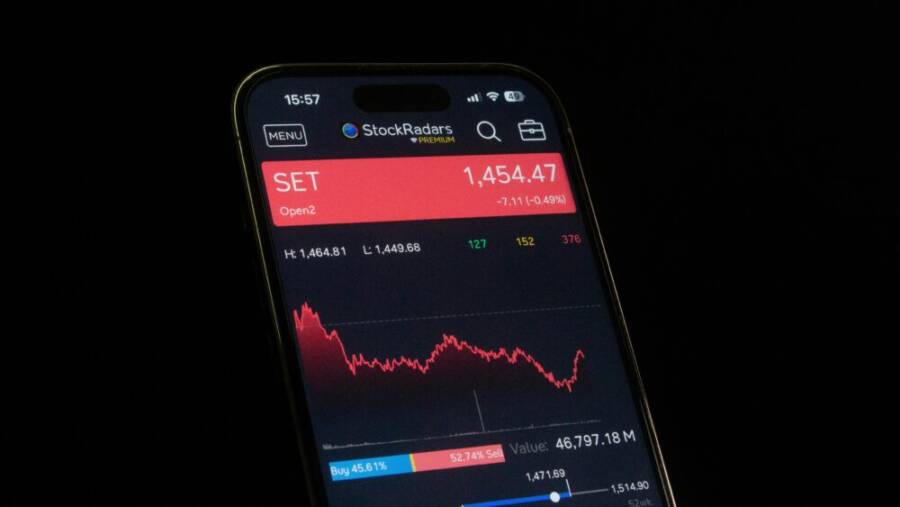
 Photo by StockRadars Co., https://www.pexels.com/@stockradars-co-1851828201
Apple iPhone models suited for crypto traders (iPhone 16 Pro and 17 Pro)
The iPhone lineup remains a top choice for traders who value security, smooth OS updates, and a mature app ecosystem. iPhones benefit from a robust hardware security stack, fast refresh rates, and well-optimized financial apps that power real-time decision making.
- Security and updates: iPhones ship with a secure enclave and a strong update cadence, which helps protect wallets and trading apps from emerging threats. Apple’s extensive ecosystem ensures timely patches for banking and crypto apps, reducing the window of exposure when new vulnerabilities appear.
- App ecosystem and finance apps: The iPhone has broad support from every major broker, wallet, and charting tool. Thinkorswim, Binance, Coinbase, and TradingView all run with polished, consistent experiences on iOS. This consistency matters during fast market moves when you need reliable alerts and quick actions.
- Display and usability: Pro models pair high brightness with color accuracy that makes charts easier to read in varied lighting. ProMotion keeps scrolling and panning silky smooth, which matters when you’re scanning multiple charts or news feeds on the same screen.
- Practical considerations: If you’re deep into crypto security, look for models that support secure authentication options and have strong biometrics. A solid M-series or newer chip provides headroom for multitasking and data-heavy apps without needing to close tabs.
- Real-world tip: For crypto wallets, prioritize devices with trusted app ecosystems and frequent security updates. Regular OS support keeps you protected while you use wallet apps and hardware-backed authentication.
For deeper context on iOS security and app trust, explore how Apple devices address secure enclaves and app sandboxing in trading environments:
Investing on Mobile Devices Made Easy
She Pressed Play on a Strange Audio Track and Within Days Her Financial Reality Started Shifting in Ways She Could Not Explain
>>> See How It Works <<<

If you want to compare iPhone models by performance and display quality, this guide offers practical insights without getting too technical:
The best phone displays in 2025
Leading Android flags for trading apps (Galaxy S25 Ultra and Pixel 9 Pro / 10 Pro)
Android devices offer a wide range of choices with top-tier performance, vibrant displays, and flexible customization. For traders, speed, battery life, and broad app compatibility are decisive.
Thousands of People Were Struggling With Money Until They Discovered This One Ancient Secret Hidden in Sound
>>> Unlock It Now <<<
- Speed and efficiency: Flagship Android phones now pair high-end CPUs with ample RAM, delivering snappy app switching and smooth chart rendering. A device with a fast GPU and optimized system software makes real-time data feel immediate.
- Display quality: A crisp, bright panel helps you read charts and news during long sessions. Look for high resolution, strong color accuracy, and good outdoor visibility.
- Battery life and charging: Heavy trading sessions demand endurance. Prefer phones with large batteries and fast charging to minimize downtime between sessions.
- App compatibility: Android’s open app ecosystem means more flexible wallet options and broker clients, plus powerful charting tools that run in parallel with news apps.
- Practical tip: If you use multiple devices or wearables, choose a phone that plays well with your other tools and cloud accounts. A broad app ecosystem reduces friction across workflows.
For practical perspective on performance and multitasking in trading, consider these resources that compare how desktop, mobile, and web platforms handle real-time data and heavy apps:
Day Trading: Desktop vs Mobile vs Web Platforms Explained
To see how software optimization on Android impacts trading apps, check out expert roundups that compare the latest flagships for business use:
Best Phones for Business 2025: Our Top 10+
Foldables and large screen options for charting (Galaxy Z Fold 6 and similar)
Large screen real estate changes the game for chart heavy workflows. Foldables more than ever blend portability with productivity, giving you multi-app layouts that stay in sync during market hours.
- Charting on a bigger canvas: A tablet-like interior screen lets you view multiple charts side by side, compare indicators, and monitor news without juggling tabs. The external display is handy for quick checks on the go.
- Multitasking without friction: Modern foldables support multiple windows and drag-and-drop across apps. You can keep price feeds in one pane while analyzing a chart in another.
- Durability and use cases: While foldables are great for readability, you’ll want to protect the display and keep the hinge clean. Use a case that provides grip and a subtle kickstand for hands-free chart viewing at a desk.
- Practical tip: If you frequently travel or work across locations, foldables can reduce the need to carry a separate tablet. They pair well with desktop or laptop observers during extended market sessions.
For a broader look at foldables, reference guides comparing foldable models and their strengths for business and finance use:
Best Foldable Smartphone Ultimate Buying Guide 2025
If you want a sense of how larger screens are influencing trading workflows, explore coverage on book-style foldables like Galaxy Z Fold 6 and related devices:
The Best Folding Phones for 2025: Google, OnePlus, Samsung
Specialized crypto phones with built in hardware wallets
For traders who prioritize crypto security above all, niche devices with built-in hardware wallets offer a distinct value proposition. These phones are purpose-built to keep keys isolated and accessible only to trusted apps and dApps.
- Native wallet integration: These devices ship with secure elements and dedicated wallet software that isolates keys from the OS, reducing risk if a trading app is compromised.
- Web3 m-wallet access: Native support for decentralized apps and seed vaults helps you manage crypto accounts with confidence, even when you switch between wallets and exchanges.
- Ecosystem and updates: Crypto-focused phones often rely on a tight, privacy-conscious ecosystem. Expect firmware updates that emphasize wallet security and seamless signing workflows.
- Practical considerations: If you rely on mobile crypto wallets, a built-in hardware wallet can be a meaningful upgrade to protection, though you should still follow best practices like passphrases, backups, and phishing awareness.
Niche devices in this space include hardware wallets integrated into the phone experience, as well as crypto-first smartphones that pair with trusted wallets and signing services. For a look at current options, explore these sources:
- Solana Saga and Solana Mobile, which integrate hardware wallet features into a crypto-focused phone:
Solana Saga Meaning - Native Web3 support and built-in wallet seeds for modern crypto phones:
Solana Mobile | The Web3 Mobile Evolution
If you want more background on crypto-centric phones and how they fit into a broader security strategy, this overview provides context on the Solana-based approach and the hardware wallet concept:
Seeker by Solana Is Live — A Blockchain-First Smartphone
In practice, these devices suit traders who want maximum control of private keys on a device designed with crypto at the core. They shine in scenarios where wallet ownership and seed management are frequent and central to the workflow.
External links offer deeper context on how built-in wallets and secure elements influence mobile crypto security:
- Ledger’s Solana edition and hardware signer features:
The Ledger Flex Solana Edition - Ledger and Solana Mobile joint security features:
Ledger & Solana Mobile Announce Enhanced Security Features
If you’re weighing a crypto-first device against a conventional flagship, consider your wallet practices, security habits, and how often you need native Web3 support. A crypto-focused phone can be a strong fit when you want a streamlined, self-contained security model that reduces the number of moving parts in your trading setup.
What this all means for your buying decision
- For broad trading needs, choose an iPhone or high-end Android flagship with robust security, long support, and excellent app performance.
- If you crave the biggest screen for charts, foldables offer a compelling balance of portability and productivity that fits market hours well.
- If crypto security is paramount, crypto-first devices with built-in hardware wallets can simplify wallet management and signing.
- Regardless of platform, aim for devices with good RAM, solid battery life, and a clear upgrade path to keep pace with evolving trading apps.
To help you refine your choice, you can review practical guides on performance, security, and battery considerations:
- Fast charging and battery efficiency:
Fast charging in smartphones: how fast is quick enough? | Mint - Display quality and readability:
The best phone displays in 2025 - Crypto hardware wallets and security considerations:
Ledger Flex – intuitive Gorilla Glass touchscreen signer
If you want to explore more, the following sources help auditors and traders understand how to weigh mobile devices for investing on the go:
- Day Trading: Desktop vs Mobile vs Web Platforms Explained:
https://www.cybertradinguniversity.com/trading-desktop-vs-mobile-vs-web/?srsltid=AfmBOorqd1mj2YABINjyvphaq8yRHs_W4s-G05ax9MrfLne_5GsA_N-l - Investing on Mobile Devices Made Easy:
https://www.jpmorganchase.com/about/technology/blog/investing-on-mobile-devices-made-easy
By aligning your device choice with your trading style, you’ll build a dependable foundation for crypto wallets, real-time quotes, and chart analysis that stands up to market volatility. The right phone is not just a tool; it’s a trusted partner during every trade.
Practical setup and security tips for reliable trading
If you want trading on the go to be a trusted extension of your desk setup, you need a proven, repeatable process. This section outlines practical steps to set up secure wallets and finance apps on your mobile device, plus how to keep your system safe through regular updates and permission management. Treat your smartphone as a critical part of your trading workflow, not just a communication device.
Set up a secure crypto wallet and finance apps on mobile
A secure wallet is the backbone of crypto trading on a mobile device. Start with a trusted wallet app, back up your recovery phrase safely, and verify where your keys live. Then install finance apps from reputable sources and configure them for strong protection.
- Choose trusted wallets first: pick wallets with strong security tracks records, open reviews, and clear backup guidance. After installation, immediately locate the backup or seed phrase export process and write it down securely offline.
- Back up with care: create multiple, offline backups of your recovery phrase in separate secure locations. Never store seed phrases in plain text on your phone or in cloud notes. If possible, use a hardware wallet for extra protection and to isolate keys from the mobile OS.
- Enable strong access controls: use biometric protection as the primary unlock method, with a robust passcode as a fallback. Consider multi-factor authentication where available, especially for exchange and wallet logins.
- Review app trust and permissions: install only finance and wallet apps from official stores, and verify publisher integrity. After installation, review required permissions and disable anything that seems unnecessary for wallet operation.
- Backup verification and recovery test: periodically test your backups by performing a safe restore on a new device or a secure test environment to ensure you can recover access if the primary device is lost or damaged.
Useful context on wallet backups and safe restoration practices can guide your setup:
- Backing Up and Restoring Your Wallet: Step-by-Step Guide
Beyond wallets, ensure you’re using reputable sources for crypto-related tooling. This helps you avoid scams and ensures you’re using apps that respect security best practices. For a broader view on how crypto-focused devices and integrated wallets impact mobile security, explore expert discussions on investing via mobile devices.
- Practical guidance on investing on mobile devices
If you’re evaluating wallets or hardware-backed options, consider how secure elements protect keys during everyday use. It’s worth noting that hardware-backed wallets can reduce exposure when you sign transactions on the go.
- Ledger’s Solana edition and related security features
To maintain a reliable trading setup, keep your device itself protected as well. Regular backups, verified apps, and cautious installation practices reduce the risk of compromise during volatile sessions.
Keep software updated and manage app permissions
Keeping the operating system and all finance apps updated is one of the simplest yet most effective security measures. Updates fix known vulnerabilities, improve performance, and align app behavior with your device’s security model. At the same time, auditing app permissions ensures apps only access what they truly need.
- Prioritize timely OS updates: install new versions as soon as they’re available. Delaying updates leaves gaps that attackers can exploit. For traders, updated software reduces the chance of unexpected app crashes during critical moments.
- Keep finance apps current: security patches from brokerages and wallet providers close gaps that could expose your funds. Enable automatic updates where possible to avoid missing important fixes.
- Audit permissions regularly: review which apps can access camera, microphone, location, contacts, and storage. Revoke any permission that isn’t essential for the app’s core function. This minimizes data access points attackers could exploit.
- Use trusted app stores and vendors: rely on official channels for app installation and updates. This reduces the risk of spoofed or malicious apps entering your device.
- Manage notification behavior: ensure sensitive alerts are protected behind biometric checks when possible. Restrict background activity for nonessential services to preserve battery and reduce potential attack surface.
If you want broader context on permissions, privacy, and security for mobile apps, these resources provide practical guidance:
- Manage Application Permissions for Privacy and Security
- Mobile app security best practices and ongoing updates
Security is a system, not a single setting. Pair hardware protections with software discipline to build a resilient trading phone. For deeper insights on secure app behavior and mobile security practices in investing, consider reading user-focused guidance from trusted sources that discuss practical protection strategies.
- Investing on Mobile Devices Made Easy
When you combine strong updates with disciplined permission management, you get a smartphone that remains sturdy under pressure. Your trading workflows stay responsive, and your sensitive data stays shielded from common threats.
External resources you can consult as you evaluate devices and practices include guidance on performance, security, and battery considerations:
- Fast charging in smartphones: how fast is quick enough?
- The best phone displays in 2025
- Crypto hardware wallets and security considerations
In short, keep your OS and apps up to date, audit permissions regularly, and stay aligned with trusted security best practices. This approach reduces risk without slowing down your day-to-day trading activities.
Conclusion
Top picks like iPhone Pro models, Galaxy S25 Ultra, Pixel Pro series, foldables, and crypto-focused phones stand out for traders. They deliver fast processors, long battery life, strong security, sharp displays, and reliable 5G connections. These features keep apps like Binance, Coinbase, and TradingView running smooth during market swings.
Pick a smartphone that matches your routine, whether you need a secure enclave for wallets or a big screen for charts. A good fit boosts your edge without extra hassle.
Share your top choice in the comments. Stay ahead in crypto and stocks with the right device today.
What If the Only Thing Between You and the Life You Deserve Is a Hidden Wealth Code Waiting to Be Activated
>>> Open the Door <<<