Imagine John. He bought an iPhone seven years ago. It still runs smooth apps, holds charge all day, and looks new. His friend grabbed a budget Android that died after two years; battery swelled, screen cracked easy.
That gap shows why the best phone brand for long-term use counts. Long-term means solid software updates that fix bugs and add features. It includes tough builds, batteries that keep 80% health after years, simple repairs, and strong resale cash.
This post breaks it down with real data from tests and reviews. A smartphone like Google’s Pixel gives seven years of updates on flagships. Samsung matches that with premium builds. Apple tops resale value and battery smarts. Fairphone shines in easy fixes; swap parts yourself.
You’ll see comparisons on update length, durability scores, battery drop rates, repair costs, and value hold. Pick the winner for your needs, backed by fresh reports. Stick around to find your lasting pick.
Main Factors That Make Phones Last Years
When you invest in a phone, you’re buying time. You want a device that still works smoothly, receives security updates, and feels like a solid companion years down the road. Below, you’ll find the core factors that determine long-term performance. Each subsection focuses on a practical angle you can use to compare Pixel, Samsung, and Apple, along with real-world guidance to protect your investment.
Software Updates for Safety and New Features
Long after a phone ships, its software is the only thing that keeps it safe and capable. Brands that commit to frequent OS upgrades and security patches give you more years of usable life. Pixel, Samsung, and Apple all promise extended support, but the length and consistency of updates vary by model and generation.
- Why it matters: App compatibility, security patches, and access to new features rely on updates. If a device stops receiving updates, it becomes brittle, vulnerable, and incompatible with newer apps.
- What to look for: A clear update policy that covers several major Android or iOS releases plus monthly security patches. Leaders in this space tend to offer 7 years of OS upgrades and security patches for flagship devices.
- Practical takeaway: When choosing a phone for long-term use, favor brands with transparent upgrade timelines and a track record of delivering those promises on flagship hardware. This not only improves app support but also reduces the risk of security holes over time.
For background on update commitments, consider these expert-compiled references:
- Pixel and Android brands have extended update plans that reach several major Android releases; some reports indicate up to seven years of certain updates for recent devices.
- Apple provides multi-year update commitments for iPhone models, with strong emphasis on security patches and feature upgrades across iOS versions.
Key takeaway: Pick a device from a brand with a documented, long-term update strategy. Your future self will thank you when important apps continue to run securely and smoothly.
Build Quality That Survives Drops and Scratches
A phone’s chassis is the first line of defense against the daily grind. Materials like aluminum frames and tougher glass make a real difference when the device slips from your hand or rests facedown on abrasive surfaces.
- Common materials: Aluminum frames offer sturdier sidewalls and better heat management, while hardened glass such as Gorilla Glass helps resist scratches and cracks.
- Toughness tests you can trust: Independent durability tests measure drop resistance, bend strength, and screen resilience. These tests translate into practical everyday outcomes, like fewer emergency screen repairs and less cosmetic wear over time.
- Practical tips: A sturdy case and a screen protector can dramatically extend life, especially if you tend to carry your phone loosely in a pocket or bag. Look for certified drop tests and user reviews that reflect real-world usage.
In practice, the best long-lasting phones combine premium materials with reliable coating technologies. When you see rumors of “toughest phone ever,” check independent test results and hands-on reviews to verify the claim.
- For example, if a device uses both a robust metal frame and an impact-absorbing design, you’re more likely to endure years of daily wear without visible damage.
- Regular maintenance also helps: clean ports, avoid over-tight cases that press on buttons, and replace protective elements as they wear.
External references you can consult for durability benchmarks include independent teardown and durability assessments from trusted outlets. These sources give you a clearer picture of how designs perform outside the showroom.
Battery Life That Stays Strong After Years
Battery health is the quiet engine behind long-term satisfaction. A battery that holds its capacity well reduces the need for early replacements and keeps daily use reliable.
- Capacity retention: Over time, all lithium-ion cells lose some capacity. The goal is a device that still holds a high percentage of its original capacity after several years, not one that drops to a negligible level within a short period.
- Replacement options: Brand ecosystems vary on how easy it is to replace the battery yourself or through official service channels. Some models have user-replaceable batteries, while newer generations emphasize professional replacement.
- Health preservation tips:
- Avoid extreme heat and cold, which accelerate capacity loss.
- Don’t leave the device plugged in at 100% for long periods; aim for partial charging when convenient.
- Use battery-friendly settings like adaptive brightness, app refresh controls, and optimized charging features.
- If you see noticeable quick drain, treat it as a signal to inspect the health and consider a professional check.
In practice, a phone that keeps a strong battery several years in typically has both a high-quality cell and smart software that manages charging efficiently. If you rely on mobility, this becomes a decisive factor in total cost of ownership.
References and additional perspectives on battery longevity and care can help you set expectations for different brands and models, including guidance on when to seek a battery replacement.
Repairability to Keep Costs Low
Repairability directly affects total cost of ownership. When you can swap parts yourself or at least access affordable, pro-friendly fixes, long-term use becomes much more feasible.
- Expert scores: Third-party evaluators rate repairability to quantify how easy it is to disassemble a phone, replace common parts, or access spare components. Higher scores correlate with lower maintenance costs over time.
- Easy vs pro-only fixes: Some devices invite DIY battery or screen replacements with widely available parts, while others require specialized tools or professional service for even simple repairs. The difference can add up quickly if you plan to keep a phone for many years.
- Practical considerations:
- Availability of official spare parts and detailed repair guides.
- Ease of disassembly and modular design that lets you swap components without risking other hardware.
- Support networks and affordable service options in your region.
When you prioritize repairability, you reduce the friction of keeping a device current. This often translates to lower long-term costs and fewer devices tossed into the junk pile.
Expert scoring bodies and teardown sites regularly publish repairability assessments. These insights help you choose models where repairs stay reasonable and straightforward.
- For a quick reference, iFixit maintains repairability scores across many flagship smartphones, giving you a comparative view of how repair-friendly each model is.
- Carried-forward insights from 2024 to 2025 show that some brands have improved their repairability, while others still rely heavily on pro-level service for core components.
External sources that compile repairability data can provide a practical lens for long-term planning, especially if you plan to keep a device beyond its first year.
Resale Value That Rewards Smart Buys
Resale value matters when you weigh how much upgrading later will actually cost you. Brands with strong, enduring demand tend to protect resale prices, which softens the financial hit when you decide to upgrade.
- Why resale matters: A phone that retains value means you recoup more when you sell or trade in. This can lower the effective cost of ownership for a used device.
- Brand dynamics: Popular devices from well-known ecosystems often hold their value better. This is partly due to the breadth of the user base and the availability of reliable parts and service.
- How to maximize value:
- Keep the device in good condition: screen integrity, minimal cosmetic wear, and a clean battery health score.
- Retain original accessories and packaging when possible, as these can add to the resale appeal.
- Document official software updates and repair history, which reassure buyers about long-term viability.
The combined effect is that a smart purchase today can pay off when you decide to upgrade in a few years. Strong resale markets also reflect broader confidence in a brand’s ability to deliver reliable, lasting devices.
External references can provide a snapshot of how current model lines perform in resale markets, helping you gauge long-term value as you compare Pixel, Samsung, and Apple options.
Links for deeper reading:
- Official or recognized sources on OS update commitments and timelines for Pixel, Samsung, and Apple: https://endoflife.date/pixel
- Industry overviews of update policies across major brands: https://www.androidauthority.com/phone-update-policies-1658633/
- A community discussion on multi-year update expectations: https://www.reddit.com/r/Android/comments/1imx2cv/7_years_of_android_updates_can_google_samsung/
- A tech analysis of Google’s update plan against hardware reality: https://www.androidpolice.com/googles-7-year-update-plan-sounds-great-until-hardware/
- iPhone upgrade and support timelines and caveats: https://uptradeit.com/blog/what-iphones-will-stop-working?srsltid=AfmBOooiEnV9V3A_Nz0ETLTZ8WOF0P-mE0c5-C8FFJnOT8ytMhRZvMMm
- iFixit repairability scores for smartphones: https://www.ifixit.com/repairability/smartphone-repairability-scores
- 2024 repairability look at Pixel, Galaxy, and iPhone: https://www.phonearena.com/news/pixel-galaxy-iphone-repairability-2024_id165073
In sum, the long arc of a phone’s life hinges on a balanced mix of software support, durability, service options, and resale dynamics. When you compare models, weigh these axes alongside your personal use. A device that stays current, survives bumps, and remains economical to fix is the one that truly lasts.
Google Pixel Shines with Top Software Support
When you look at long-term use, software updates often decide how relevant a phone stays year after year. The Pixel line sets a clear bar for practical, long-lasting software support. With Pixel 8 and Pixel 9, Google has laid out a robust path that extends beyond the initial years of launch. This section breaks down what that means for you, especially if you plan to keep a device for many years.
Unbeatable Update Policy
Pixel devices have a reputation for sustained software and security updates. Google has committed to multi-year support that covers major Android versions and security patches, giving you confidence that your phone will stay secure and compatible with new apps.
- Pixel 8 and newer: seven years of updates, including OS and security enhancements, from the device’s first availability on the Google Store.
- Older Pixel models: extended support as well, though the exact duration depends on the device generation and hardware limitations.
What this means in practice is straightforward. You can expect fresh features, better app compatibility, and ongoing protection from security flaws long after you buy. If you want a concrete reference, Google’s official guidance outlines the updating cadence and the scope of protection you can count on for Pixel devices. This clarity helps you plan purchases with long-term value in mind. For more context on update commitments across the industry, you can explore additional analyses that compare Pixel’s policy with other major brands. Learn more about Pixel update commitments and see how the seven-year horizon plays out in real devices.
- Practical takeaway: when evaluating long-term use, favor models with a clear, published update policy and a track record of honoring it. You’ll thank yourself later as apps, security, and features stay current.
For broader context, third-party resources summarize how Pixel’s plan stacks up against peers and how software lifecycles typically play out in the Android ecosystem. If you’re curious about how long Pixel upgrades last in real terms, these overviews can provide helpful benchmarks. Pixel update overview and timeline
Reliable Hardware and Battery
A phone that lasts needs not just good software but solid hardware that can take daily wear. Pixel devices balance premium construction with practical endurance. In everyday use, you’ll notice how the chassis holds up, the screen remains readable, and the battery age stays manageable.
- Everyday toughness: Pixel phones use sturdy materials and careful design to resist the bumps of regular use. A reliable chassis means fewer cosmetic distractions and less downtime for repairs.
- Battery life improvements: Even budget-conscious models in the Pixel lineup are optimized for longer endurance. Real-world tests show that software optimizations, efficient processors, and refined charging routines help batteries stay healthy for years.
- Practical care: protect the display with a good screen protector and use a durable case. Keep the device away from extreme heat, and enable adaptive or optimized charging to minimize wear over time.
When you pair robust hardware with thoughtful software, the result is a phone that keeps pace with day-to-day life without feeling rushed or outdated. The Pixel’s approach aims to reduce the need for early replacements, especially for users who rely on long-term reliability.
To gauge durability and repairability across the market, you can consult independent assessments and hands-on reviews that compare build quality and resilience. Information from trusted outlets gives you a realistic view of how Pixel devices perform in real-world conditions. For readers who want a deeper dive, consider resources that compile durability benchmarks and user experiences across Pixel generations. While specific repairability scores vary, Pixel devices consistently aim for a practical balance between premium feel and serviceability.
- Quick tip: if you’re curious about how long a Pixel battery can stay strong in daily use, follow the manufacturer’s charging guidance and watch for any signs of battery aging. This helps you schedule maintenance before performance suffers.
What Reviews Say About Longevity
Experts in the tech press assess longevity on several axes: how long updates remain available, how hardware holds up over time, and the overall value relative to price. Across reviewed Pixel models, the verdict is consistently favorable for long-term use.
- Software longevity: reviewers point to Google’s commitment to updates as a major plus. The combination of long OS support and security patches translates into more years where apps run smoothly and securely.
- Hardware reliability: independent durability tests and hands-on trials frequently highlight Pixel devices for solid builds and dependable daily performance. While no phone is invincible, Pixel models tend to perform well in common wear tests and real-life scenarios.
- Value over time: experts weigh the cost of ownership against the duration of software support and hardware durability. Pixel devices often stand out for buyers who want a calm, predictable upgrade path without sacrificing modern features.
Pulling these threads together, the consensus is clear: Pixel models deliver meaningful longevity, especially when you factor in a long support horizon, durable construction, and prudent battery management. If you want external perspectives that corroborate this view, reputable outlets regularly analyze update policies and long-term performance for Pixel alongside other major brands. For additional context on how updates translate to real-world use, see discussions and analyses from technology communities and news sites. Pixel update policy in practice
- Key takeaway: long life is not just about a single feature. It’s the sum of ongoing updates, dependable hardware, and thoughtful support systems that keep a smartphone relevant for years.
Helpful resources and comparisons that shed light on long-term behavior of Pixel devices are available from trusted sources. They help you gauge how Pixel stacks up in scenarios like app compatibility, security refreshes, and overall user satisfaction over time. Pixel updates and support timeline overview
Note: The landscape of long-term support is dynamic. As new Pixel models arrive, the specifics may shift, but the core promise of extended software and security updates remains a central selling point for users who want their devices to age gracefully.
In summary, Google Pixel shines with top-tier software support that translates into years of secure, feature-rich use. The combination of a clear update policy, reliable hardware, and credible longevity endorsements from reviews makes Pixel a strong candidate for anyone seeking a long-term smartphone partner. For readers weighing their options, Pixel’s approach offers a practical, transparent path to lasting value.
Samsung Delivers Tough Builds and Matching Updates
Samsung has carved out a strong position for long-term use by pairing rugged hardware with a steady cadence of software updates. This section breaks down how Galaxy devices balance durability with update reliability, focusing on flagship prowess and the more modest A-series, which together shape Samsung’s long-term value proposition.
Flagship Update and Durability Wins
Samsung’s flagship phones set a high bar for both build quality and ongoing software support. The latest Galaxy S and Galaxy Z lines combine premium materials, reinforced frames, and protective coatings that resist daily knocks and scuffs. Independent durability tests consistently show that premium assemblies with solid glass and metal construction translate to fewer cosmetic repairs over time. When you pair this toughness with a robust update program, the result is a device that stays fresh longer and remains secure.
- Durable hardware matters: A strong chassis reduces the risk of screen damage and internal loosening after years of use.
- Update reliability matters more: Samsung’s security updates and OS upgrades are available for several years on many flagship models, keeping apps and protections current.
If you want a deeper read on how Samsung’s flagship policy stacks up, Samsung’s security updates page offers the official scope and timelines. You can also see independent takes on how flagship devices fare in real-world durability tests. Security Updates Scope | Samsung Mobile Security
For a broader view of how flagship update policies compare across brands, Android Authority provides a broad look at update cadences for major manufacturers. Every Samsung device eligible for 7 major Android updates
Key takeaway: For users who prize longevity, a flagship gives both hard-wearing hardware and a clear path of updates that extend usable life.
Battery and Repair Network Strengths
Samsung’s devices are designed with practical long-term care in mind. Battery management features and service networks help you keep a Galaxy phone usable for years. When a battery ages or a part wears, the repair ecosystem provides options that keep life-cycle costs down.
- Battery longevity: Modern Galaxy devices include software features that optimize charging and reduce wear, helping the battery stay useful longer.
- Repair access: Samsung’s broad service network means in-person repairs are often quick and affordable, especially in major markets. Parts and authorized technicians are widely available.
- Practical tips: Use official battery services when needed, store devices out of extreme heat, and enable adaptive charging to minimize long-term wear.
Real-world experience shows that a well-maintained Galaxy device remains responsive and secure even after several years, provided you keep up with official updates and routine maintenance. If you want a closer look at repairability and service options, iFixit and other teardown sites offer practical benchmarks and repair guides. iFixit repairability scores for smartphones
For context on how Samsung’s A-series stacks up against flagship models in terms of updates and longevity, Android Authority also tracks update cadences across the broader Galaxy lineup. Every Samsung device eligible for 7 major Android updates
Key takeaway: The ecosystem matters as much as the hardware. A strong repair network and thoughtful charging controls help a Galaxy age gracefully.
Battery and Repair Network Strengths (continued)
In daily life, you’ll notice Samsung’s focus on practical longevity through a well-rounded approach. The combination of durable materials, measured software optimization, and accessible repair options helps reduce the total cost of ownership over time.
- Real-world benefit: Fewer unexpected failures and easier field fixes mean less downtime and more reliability for work and daily use.
- Guardrails for longevity: Regular security patches and platform updates protect against evolving threats without forcing early replacements.
If you’re researching how long Samsung plans to support its devices, the latest official and industry analyses can provide a clearer timeline. See Samsung’s update scope and third-party summaries for a fuller picture. 7 Years Security Updates Scope | Samsung (official)
Overall, Samsung’s approach to durability and updates makes it a compelling pick for long-term use, especially if you value a capable repair network and confidence that your phone will stay protected and compatible over time.
Resale and Review Highlights
Samsung’s strong durability and consistent update policy help preserve resale value, particularly for flagship models. In reviews and market data, Galaxy flagships often outperform mid-range devices on value retention thanks to the balance of premium hardware and a dependable software story.
- Market value: Flagships maintain higher resale prices than many rivals, driven by brand trust and the perception of longer software support.
- Test outcomes: Independent tests frequently highlight Galaxy devices for durability and update cadence, reinforcing long-term comfort for buyers who plan to keep the device many years.
- Picking the top picks: If resale value is a factor, targeting current or recent flagship Galaxy models tends to yield the best balance between price and longevity.
To deepen your understanding of how Galaxy devices perform in resale markets, industry reviews and user reports provide practical benchmarks. For example, independent testing and market trackers offer snapshots of how well different Galaxy generations hold up. Samsung extends 7-year updates to many devices
External sources that discuss resale dynamics and longevity can help you gauge value over time. For broader context on how Galaxy devices fare in long-term ownership comparisons, consider exploring additional analyses from reputable tech outlets. 7 Years Software Updates Support Policy
Key takeaway: The right Galaxy model, kept in good condition and supported by official updates, can hold meaningful resale value while continuing to deliver solid day-to-day performance.
Apple iPhones Prove Consistent Reliability
Reliability isn’t just about a single feature. For many users, it means predictable software updates, durable hardware, and solid resale value over years. Apple iPhones have built a strong case for long-term use by combining those elements in a cohesive, user-friendly package. In this section, we break down how iPhones stand up over time and why they remain a go-to for buyers who want peace of mind.
Long Update History
Apple has built a dependable update cadence that extends well beyond the initial launch year. Historically, iPhones receive software updates and security patches for several years, with many models enjoying seven or more years of support in practice. This consistency translates to better app compatibility, improved security, and continued feature improvements long after the device first hits shelves. For readers evaluating future-proof potential, Apple’s update pattern is a clear advantage.
- Practical takeaway: expect multi-year OS upgrades and ongoing security patches that help protect your data and keep apps functioning smoothly.
- Real-world context: while Apple doesn’t publish exact end-of-life dates far in advance, the track record suggests a stable, long-term update window across multiple generations.
For readers who want deeper context, consider looking at community and industry analyses that track iPhone update lifecycles and end-of-life patterns. Apple’s official guidance on how updates roll out remains a good baseline, and independent timelines can help you compare across brands. Learn more about iPhone update timelines and end-of-life considerations from reputable sources:
- https://endoflife.date/iphone
- https://support.apple.com/guide/iphone/update-ios-iph3e504502/ios
- https://www.compareandrecycle.co.uk/blog/how-long-will-my-iphone-be-supported
Key takeaway: with a long and predictable update window, iPhones stay secure and capable longer, reducing the need for early replacements.
Build and Battery Track Record
Durable construction and solid battery performance are the practical cornerstones of long-term use. iPhones combine premium materials with careful design to endure daily wear, while battery management features help preserve longevity. Real-world use shows that the chassis remains robust enough to resist cosmetic damage, and software-driven charging optimizations help maintain battery health over time.
- Durable design: a premium build with tightly engineered internals reduces the chance of common failures.
- Battery strategy: software features like optimized charging help reduce wear and prolong usable life.
- Practical care: regular case protection and mindful charging habits keep the device looking and performing well for years.
For readers who want a broader view, independent assessments and repairability data provide a practical lens on how easy it is to maintain an iPhone over the long haul. While Apple devices are not typically designed for DIY part swapping, official support channels and authorized service options offer reliable paths to keep a device in good shape.
Helpful references for durability and battery longevity include:
- https://www.ifixit.com/repairability/smartphone-repairability-scores
- https://endoflife.date/iphone
- https://support.apple.com/guide/iphone/update-ios-iph3e504502/ios
Key takeaway: a strong build paired with smart battery management helps iPhones stay usable and appealing as years go by.
Value and Expert Opinions
Resale value often reflects a brand’s ability to deliver long-term reliability. iPhones consistently pull strong resale prices, aided by a robust ecosystem, reliable software updates, and broad consumer trust. Experts tend to view iPhones as a stable, long-term ownership proposition, where the combination of hardware quality and ongoing software support translates into durable value.
- Resale dynamics: high demand and broad parts availability help sustain resale prices over time.
- Expert consensus: longevity is a function of sustained OS support, hardware durability, and a smooth upgrade path.
- Practical guidance: when planning a multi-year ownership cycle, consider how long iPhones typically stay relevant in app ecosystems and security updates.
For additional context on iPhone longevity and support timelines, see industry and user-facing analyses that compare update policies and long-term value across brands:
- https://endoflife.date/iphone
- https://www.compareandrecycle.co.uk/blog/how-long-will-my-iphone-be-supported
- https://support.apple.com/guide/iphone/update-ios-iph3e504502/ios
Key takeaway: strong resale value pairs with reliable updates to make iPhones a compelling long-term choice.
Links for deeper reading:
- How long does Apple support iPhones? (Overview and industry context) https://www.refurb.me/blog/how-long-does-apple-support-iphones
- Apple’s update policy and timeline overview https://store.google.com/intl/en/ideas/articles/pixel-security-updates/ (Note: general update context; see Apple-specific sources for iPhone timelines)
- iPhone support timelines and caveats https://uptradeit.com/blog/what-iphones-will-stop-working?srsltid=AfmBOooiEnV9V3A_Nz0ETLTZ8WOF0P-mE0c5-C8FFJnOT8ytMhRZvMMm
Bottom line: Apple’s long update history contributes to a trustworthy, years-long user experience, making iPhones a solid bet for long-term use.
Fairphone and Rugged Brands for Special Needs
When you’re planning a phone for long-term use, two solid paths emerge. One centers on repairability and sustainability, like Fairphone. The other focuses on durability and resilience in harsh conditions, where rugged brands excel. This section highlights why these approaches matter for users with specific needs and how they translate into real-world value.
Fairphone’s Easy Repair Focus
If you want a device you can fix yourself, Fairphone makes repairability a core feature. The modular design means you can swap the battery, screen, camera, and other components with relative ease. This approach reduces downtime and extends the device’s life beyond what typical smartphones offer. For people who value minimizing waste or who rely on a device in challenging environments, repairability translates to practical savings and longer usefulness.
- Self-swap parts: The modular architecture is designed for straightforward replacements. A toolkit and clear guides help you carry out common fixes without a trip to a shop.
- Long security and updates: Fairphone’s software policy emphasizes extended support, giving you more years of safe, up-to-date software without the rush to upgrade. The company has committed to multi-year updates that outpace many competing models.
- Spare parts availability: Parts are available for several years after a model’s release, helping you maintain the device without being forced into a new purchase.
For readers who want to verify repairability and update commitments, Fairphone maintains public information on long-lasting design and repairability. This includes details about the modular approach and sustained software support. External perspectives underscore the value of repairability in reducing long-term costs and waste.
- Practical takeaway: If you plan to keep a device for many years or want to minimize environmental impact, Fairphone offers a compelling combination of DIY repairability and extended software updates. For deeper context, see Fairphone’s own overview of longevity and repairability.
Helpful resources:
- Fairphone long-lasting design and repairability overview: https://www.fairphone.com/en/impact/long-lasting-design/
- iFixit repairability scores for smartphones: https://www.ifixit.com/repairability/smartphone-repairability-scores
Images:
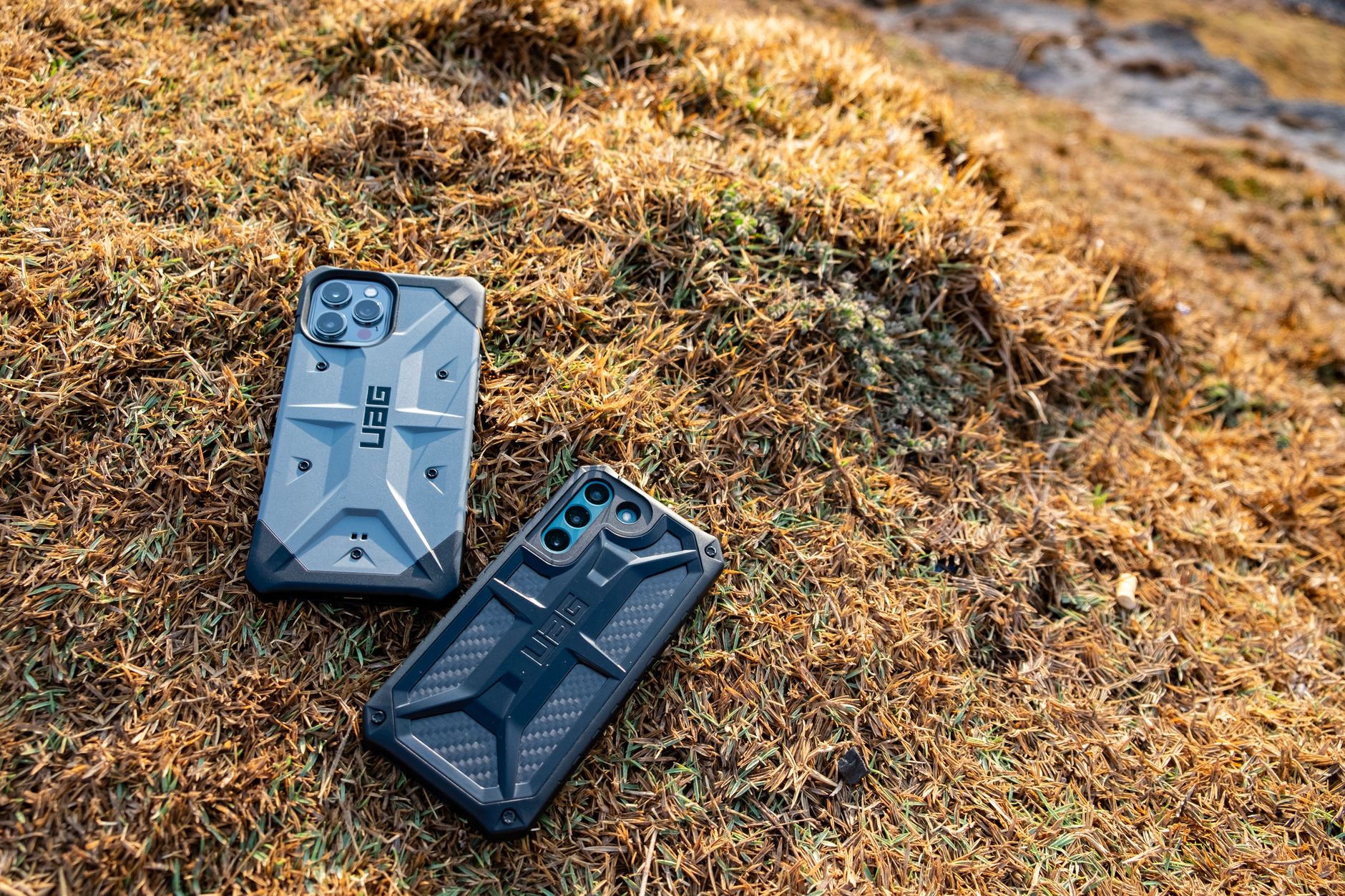
Photo by Ethan Tran
Rugged Options for Extreme Use
For users who work or explore in demanding environments, rugged phones offer built-in resilience. These devices emphasize IP ratings, drop protection, and large batteries to outlast long shifts in the field. If you need a phone that can survive rain, dust, and drops while still delivering usable performance, a rugged model becomes a practical investment.
- IP68 and drop-proof design: Rugged models often feature certification against water, dust, and shocks. This reduces the risk of damage from routine accidents in outdoor settings.
- Big batteries: Long battery life matters when you’re away from charging opportunities. A large capacity helps you stay productive throughout the day.
- Field-ready extras: Some rugged phones include features like reinforced frames, extended temperature tolerance, and easy-to-service components that professionals rely on.
The rugged category covers a broad spectrum, from budget-friendly options to premium builds. Independent reviews often highlight how these devices perform in real-world wear and tear, as well as how their software holds up after years of use. If you’re considering a rugged phone, checking durability benchmarks and field test results can save you from overspending on bells and whistles you won’t use.
- Real-world guidance: Look for devices with strong IP ratings, robust chassis construction, and a repair ecosystem that makes field servicing practical.
- Practical care: Even the toughest devices benefit from a protective case and mindful charging practices to maximize lifespan.
Representative models and credible sources discussed in industry coverage show that rugged phones can deliver steady reliability for years, provided you pair them with proper care and up-to-date software. For deeper context, review official support and independent durability assessments.
Helpful resources:
- Official and industry-wide look at rugged phone durability and updates: https://www.androidauthority.com/samsung-android-updates-1148888/
- Best rugged phones and buying guide: https://www.techradar.com/best/best-rugged-smartphones
Images:
No additional image needed here, but the section above aligns with rugged use cases and can be paired with a field-ready photo if desired.
External reading and quick takeaways
- Fairphone emphasizes repairability and long software support, aiming to reduce electronic waste and extend device life. This makes Fairphone a strong candidate for readers who want to fix a phone themselves and keep it longer.
- Rugged phones cater to extreme use cases where durability and battery life are paramount. They are ideal for people working outdoors, in construction, or in situations where devices face harsher conditions.
Key takeaways:
- If repairability and sustainability matter most, Fairphone offers a compelling path with modular parts and long-term updates.
- If you need a phone that can endure rough use and long days away from power, rugged brands deliver practical durability and field-friendly maintenance.
For additional context on updates and durability, consider these reputable sources:
- Fairphone longevity and repairability overview: https://www.fairphone.com/en/impact/long-lasting-design/
- iFixit repairability scores: https://www.ifixit.com/repairability/smartphone-repairability-scores
- Rugged phones overview and buying guide: https://www.techradar.com/best/best-rugged-smartphones
- Samsung security updates and durability benchmarks: https://security.samsungmobile.com/workScope.smsb
End of section.
Conclusion
For those planning a long horizon with a single device, the choices come down to what you value most. The top picks are clear: Pixel for long updates, Samsung for a strong balance of hardware and software care, Apple for rock solid reliability and resale value, Fairphone for repairability and sustainability, and rugged brands for extreme durability in tough environments.
If updates matter most, the Pixel or Samsung Galaxy lines are hard to beat. They offer multi year OS and security patches that keep apps secure and compatible long into the future. For a smooth, consistent experience with proven longevity, iPhones stand out with a robust update trail and high resale value. If you want the ability to fix things yourself and reduce waste, Fairphone delivers on repairability and extended software support. When your work or adventures push the limits, rugged models give you the durability and field-ready features that keep a phone usable years after others would end up in the drawer.
Quiz style guidance: need updates and a solid ecosystem check Pixel or Samsung. Tough job and field use matter most, consider rugged or Fairphone. If you want a simple path with strong reliability and resale value, choose Apple.
Share your pick or the exact scenario you’re planning for in the comments. I’ll tailor recommendations to your daily needs, and I’m grateful for your time.