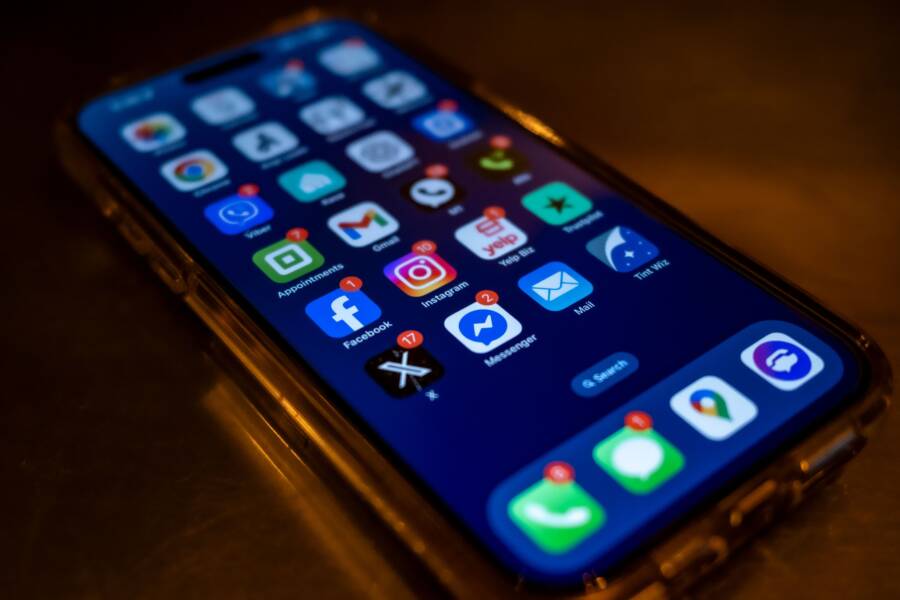
If your phone can’t send WhatsApp call notifications, the cause is usually a simple setting, not a broken app. Notification permissions, battery saver limits, background data restrictions, Do Not Disturb, or a small WhatsApp glitch can stop calls from showing up even when the app still works.
If WhatsApp calls ring in the app but don’t show as notifications, the phone is usually blocking alerts in the background. That happens on Android and iPhone, and a smartphone can hide the problem until a call is missed.
The fixes are straightforward, and most don’t need advanced steps. Next, check the settings that block alerts, then move through the steps that restore call notifications on your phone.
Why your phone is missing WhatsApp call notifications
WhatsApp call alerts usually disappear when the app loses permission to notify, the phone cuts off background activity, or a quiet mode blocks incoming rings. If messages still arrive but calls do not, the problem is often tied to WhatsApp call settings or a notification category on your phone. If all alerts lag behind, the phone itself is probably restricting WhatsApp in the background.
How to tell whether the problem is in WhatsApp or in the phone settings
Start with the pattern. If WhatsApp message notifications work but call notifications do not, the issue is usually inside WhatsApp permissions, notification categories, or call alert settings. If calls fail only when the app is closed or the screen is off, your phone is probably limiting background activity.
A wider problem points to the device, not just WhatsApp. When email, messaging, or other apps also miss alerts, the smartphone may be blocking notifications through battery rules, data limits, or system-wide quiet modes. That is a strong clue that you need to check phone settings first.
A quick test helps. Ask someone to call you on WhatsApp while the app is open, then repeat it after you lock the screen. If the alert appears only when WhatsApp is active, background access is likely restricted.
If call alerts fail but message alerts still work, focus on WhatsApp call permissions and notification channels first.
The most common culprits: permission blocks, battery saver, and silent modes
The usual cause is a simple block somewhere in the notification path. Notification permission issues can stop WhatsApp from showing incoming call banners, sounds, or lock-screen alerts. On some phones, call alerts also sit in a separate notification category, so messages can work while calls stay silent.
Background data restrictions can cause the same problem. If WhatsApp cannot refresh in the background, the call may arrive late or not trigger a visible alert at all. That often happens after a system update or when data saver settings are turned on.
Battery saver or power saving mode is another common cause. These modes often slow down background apps, and a smartphone may delay WhatsApp notifications to save power. The app still works, but the call prompt reaches you too late.
Do Not Disturb and Focus mode can block call notifications without warning. They often mute banners, sounds, and lock-screen alerts, even when WhatsApp is allowed to run.
Muted chats can also mislead people. If a contact or group has muted call alerts inside WhatsApp, you may miss the ring even though the app is active. Check whether the specific chat or contact has custom notification settings before changing more advanced options.
A quick way to scan the most common causes is this:
Permissions: WhatsApp may not be allowed to show call notifications.
Battery saver: background activity may be limited.
Silent modes: Do Not Disturb or Focus mode may block alerts.
Data limits: background data may be restricted.
Muted alerts: the chat or contact may have custom notification settings.
If you work through those items first, you can usually find the block fast and restore WhatsApp call notifications without guesswork.
Start with the fastest WhatsApp notification fixes
The fastest fix is usually inside WhatsApp or your phone’s notification settings. If calls are missing, start there before moving on to deeper system checks. A few toggles can block call alerts while regular messages still come through.
Turn WhatsApp notifications and call alerts back on
Open WhatsApp > Settings > Notifications and check both message alerts and call alerts. On some phones, these sit in separate categories, so one can be on while the other is off. That is why a contact’s message may pop up, yet their call never rings.
Look for settings tied to sound, vibration, lock screen alerts, and popup banners if your phone offers them. If preview banners are off, the call may still come through, but you may never see it in time. Also check whether WhatsApp call notifications are muted for individual chats or contacts.
If your phone uses notification channels, review each one carefully. Some Android devices split WhatsApp alerts into message, group, and call channels, and each channel can be disabled on its own. A quick scan here often fixes the problem in less than a minute.
WhatsApp call alerts can be disabled even when regular message notifications still work.
Check app permissions and background access
Next, open your phone’s app settings for WhatsApp and confirm it has the permissions it needs. Notification permission must be allowed, or incoming alerts may never appear. If you use WhatsApp calling, make sure the microphone permission is on as well, because call features can fail or behave poorly without it.
Then check background access. On Android, look for background activity, battery optimization, or unrestricted battery use. On iPhone, check Background App Refresh if it is available for WhatsApp. These settings matter because a phone that stops WhatsApp from running in the background may also stop it from ringing properly.
If your smartphone keeps saving battery too aggressively, WhatsApp may wake up too late to show the call. That can make alerts arrive after the call has already been missed. For that reason, allowing unrestricted or unoptimized battery use for WhatsApp is often a quick fix.
A simple order helps here:
Allow notifications for WhatsApp.
Allow microphone access if you use voice or video calls.
Enable background activity or refresh.
Turn off battery restrictions for WhatsApp if your phone offers that option.
Make sure Do Not Disturb, Focus mode, and silent mode are not blocking alerts
Even when WhatsApp is set up correctly, your phone can still hide the call. Do Not Disturb, Focus mode, and silent mode can mute banners, sounds, and vibration. In other words, the app works, but the phone keeps the alert from reaching you.
Check the ring volume and notification volume first. Many people turn the volume down for media and forget that call alerts use a separate level on some phones. If the phone is set to silent, WhatsApp may still receive the call, yet it won’t ring or vibrate.
Also review any exceptions. Some phones let you allow alerts from certain contacts or apps while blocking everything else. If WhatsApp or the caller is not on the exception list, the call can be filtered out without any warning.
A quick comparison helps:
If you want the shortest path to a fix, check WhatsApp notifications first, then permissions, then quiet modes. Those three spots cause most missing call alerts on a smartphone, and they are usually easy to correct without advanced steps.
Fix phone settings that stop WhatsApp call notifications from appearing
When WhatsApp call notifications don’t show up, the phone setting is usually the real problem. Battery limits, notification styles, and system updates can all block the alert before it reaches the screen.
Allow background data and stop battery optimization from closing WhatsApp
Aggressive battery saving can pause WhatsApp in the background, then delay or hide call alerts. That happens with battery optimization, adaptive battery, background app refresh, low power mode, and data saver settings.
Check whether WhatsApp is allowed to use data freely in the background. If the phone restricts background data, the app may stay connected too late to ring when a call comes in. On Android, look for settings such as Unrestricted battery use, Allow background data usage, or Don’t optimize for WhatsApp. On iPhone, make sure Background App Refresh is on and that Low Power Mode is off when you want calls to arrive normally.
A few settings are easy to miss:
Battery optimization can close WhatsApp too early.
Adaptive battery may slow it down after a few days of use.
Data saver can block background data on mobile networks.
Low Power Mode can limit refresh and alert delivery.
If WhatsApp can’t stay active in the background, call notifications often arrive late or not at all.
Set notification style, sound, and lock screen alerts correctly
Phone notification settings can hide a call even when WhatsApp is working. Check that WhatsApp is allowed to show banners, play sound, show badges, and appear on the lock screen.
On some phones, call alerts sit in a separate notification category. If that category is set to silent, the app may still receive the call, but the phone won’t show it as a visible alert. Look for options such as Alert, Silent, or Priority, and choose the alerting option for WhatsApp calls.
It also helps to review preview settings. If lock screen previews are disabled, you may not see who is calling until it’s too late. For example, a phone might allow WhatsApp messages but hide incoming call banners because call alerts are turned off inside system notifications.
Check for these settings in your phone menus:
Banners or pop-up alerts
Sounds and vibration
Lock screen notifications
Notification categories for calls
Priority alerts or allow on lock screen
If the call category is silent, switch it back to alert mode. That single change often restores the missed notification.
Update the app and your phone software
Outdated software can break notification handling. WhatsApp updates often include fixes for call alerts, background services, and system permission issues, so update the app first.
If the problem continues, update your phone software too. A device running an older version of Android or iOS can keep outdated notification rules in place, and that can stop WhatsApp calls from appearing on time. After the update, restart the phone and test a WhatsApp call with the screen locked.
Keep this order:
Update WhatsApp.
Restart the phone.
Check for a system update.
Test a call again.
If the phone software was the problem, this usually clears it up fast.
When the problem keeps coming back, try deeper fixes
If WhatsApp call notifications keep failing after the basic settings are right, the problem is usually deeper. A restart, cache reset, reinstall, or a phone-level app conflict can clear the fault when simple notification checks do not.
At this point, the goal is to rule out a stuck app, a damaged local file, or a setting that keeps getting re-applied. These fixes are still simple, but they reach lower into the phone’s software.
Clear cache, restart the phone, and test with a new call
Start with a full restart. It clears temporary glitches, refreshes background services, and can fix a WhatsApp process that got stuck after an update or a long uptime. If the app was hanging in the background, a restart often brings call alerts back.
On Android, clearing the WhatsApp cache can also help when notification data gets stuck. Go to the app settings, clear the cache, then reopen WhatsApp and test again. iPhone users usually skip cache clearing, since iOS does not offer the same option in the same way, so a restart or reinstall is the usual path.
After each fix, test it right away. Ask someone to place a WhatsApp call, or use a second phone if you have one. That quick check tells you whether the notification path is working again, instead of waiting until the next missed call.
A simple order works best:
Restart the phone.
Clear WhatsApp cache on Android, if available.
Open WhatsApp and check call notifications.
Place or receive a test call with the screen locked.
If the call rings after a restart but fails again later, the phone may be reapplying a restrictive setting. That is a clue to keep going with deeper checks.
Reinstall WhatsApp only after backing up your chats
Reinstalling WhatsApp can fix broken app files or damaged settings that no normal toggle will touch. It is a stronger step, so back up your chats first. That protects your message history if the reinstall goes through cleanly.
Use this step when permissions, battery settings, and notification options all look correct, but call alerts still fail. A reinstall can reset the app in a clean state, which is useful when the notification system inside WhatsApp has become unstable.
After reinstalling, sign back in and restore your backup. Then retest incoming calls right away. If the phone is still silent, the issue is probably outside WhatsApp and tied to the device itself.
Before you reinstall, keep these points in mind:
Back up chats in WhatsApp first.
Confirm your account number and login access.
Restore the backup after sign-in.
Test a live call once setup finishes.
A clean reinstall is often the last app-level fix before you move on to phone-specific causes.
Check for device-specific issues after a recent update or custom setting change
If the problem started right after a system update, a new launcher, or a battery app, that change may be the cause. Third-party tools can block notifications without warning, especially on a smartphone that tries to save power or clean memory on its own.
Phone cleaner apps, custom battery managers, and some launchers often shut down background activity. They may also silence notification channels or delay app wake-up time, which stops WhatsApp call alerts from appearing on time. If you installed one recently, disable it for a while and test again.
The same idea applies to a setting you changed yourself. Revert the newest change first, then test a WhatsApp call. That gives you a clean way to find the trigger without changing everything at once.
Use this quick check list:
Turn off any new battery app or cleaner app.
Remove or disable a new launcher, if one was installed.
Revert the last system setting you changed.
Test WhatsApp call notifications after each change.
When a new app or setting changes the phone’s behavior, it can block call alerts even when WhatsApp looks fine.
If the problem only appears on one device after these changes, the device is the clue. A second phone with the same account can help confirm whether the issue is local to that smartphone or tied to WhatsApp itself.
What to do if WhatsApp call notifications still do not work
If WhatsApp call notifications still do not work after the basic fixes, the next step is to check the network, hidden app conflicts, and phone-level reset options. A weak connection, a blocked contact, or a security app can stop alerts just as easily as a bad setting. The good news is that most of these problems are easy to test one by one.
Test your internet connection and switch between Wi-Fi and mobile data
WhatsApp call notifications depend on a stable connection. If the network is weak, filtered, or dropping packets, the call may fail to alert you on time. Test the same call on another network, because that quickly shows whether the problem is tied to Wi-Fi or mobile data.
If WhatsApp works better on mobile data, your Wi-Fi may be the issue. Restart the router, move closer to it, or turn airplane mode on and off to force the phone to reconnect. On the other hand, if mobile data is the problem, check whether data saver, carrier limits, or poor signal are slowing the connection.
A simple switch often tells you what is wrong:
Try WhatsApp calls on Wi-Fi first.
Then test the same call on mobile data.
Restart the router if Wi-Fi is unstable.
Toggle airplane mode to refresh the network link.
When the network is the weak point, the phone may still receive messages, but calls can lag or fail to show a notification. That is why a connection test matters before you change more settings.
Look for blocked contacts, privacy settings, or app conflicts
Blocked contacts can cause confusing behavior, especially if call alerts seem to fail for only one person. Check whether the caller is blocked in WhatsApp or restricted by privacy settings. Some phones also let you silence alerts from certain contacts, which can hide the call without making it obvious.
Security apps can create the same kind of problem. Antivirus tools, phone cleaners, battery managers, and firewalls may stop WhatsApp from running the way it should. On a smartphone, those tools sometimes close background activity or filter network access, and call notifications are the first thing to suffer.
Review any app that controls memory, battery use, or network traffic. If you installed one recently, disable it for a test call. That small change often reveals a hidden conflict fast.
A blocked contact or security app can look like a WhatsApp problem, when the phone is actually filtering the alert.
Know when to contact support or reset the phone settings
If nothing has worked so far, contact WhatsApp support, your phone maker, or your network provider. The issue may be tied to the device model, the carrier, or a broader account problem. That is especially true if call alerts fail across more than one app.
A reset can help, but start with the lightest option. Reset notification settings or all settings first, if your phone offers that choice. This usually restores system defaults without deleting your photos, chats, or files. A full data wipe is different, because it erases personal data and returns the phone to factory condition.
Use the reset options in this order:
Reset WhatsApp or notification settings.
Reset all settings if the first step fails.
Back up the phone before any factory reset.
Restore the backup after setup, then test WhatsApp calls again.
If the problem still remains after that, the phone may need direct support from the manufacturer or carrier. At that point, the issue is no longer a simple notification setting, and a device-specific fix is usually the next step.
Conclusion
Most cases of missing WhatsApp call alerts involve simple permission or battery management issues. Start by checking your notification categories, background data access, and power-saving settings. These areas typically hold the solution for a malfunctioning smartphone.
The most effective fix is usually toggling the app permission or allowing unrestricted battery usage for the app. Once you adjust these core settings, your alerts should function properly again.
Most users resolve this issue in a few minutes by verifying that WhatsApp has full access to system notifications and background resources. If your alerts remain absent, a quick restart or a check for system updates often restores full functionality.