He Was Drowning in Bills and Burnout Until a Simple Daily Ritual Rewired His Brain for Wealth in Less Than a Week
>>> Start Your Shift Today <<<

Almost every smartphone user hits the moment when storage is almost full. It slows everything down and can keep you from saving new memories or important files. This guide breaks down clear steps for both iPhone and Android so you can free space fast.
You’ll learn practical, step by step actions you can take today. From clearing caches to offloading unused apps and moving files to the cloud, these tweaks are quick and repeatable. Think of this as a practical checklist you can use anytime your smartphone starts asking for more room.
By the end you’ll have a leaner device and a plan to keep storage under control. We’ll cover what to delete first, how to optimize photos and apps, and simple habits to prevent space from filling up again. It’s fast, it’s doable, and it works on most smartphones.
Why Your Phone Storage Fills Up So Fast
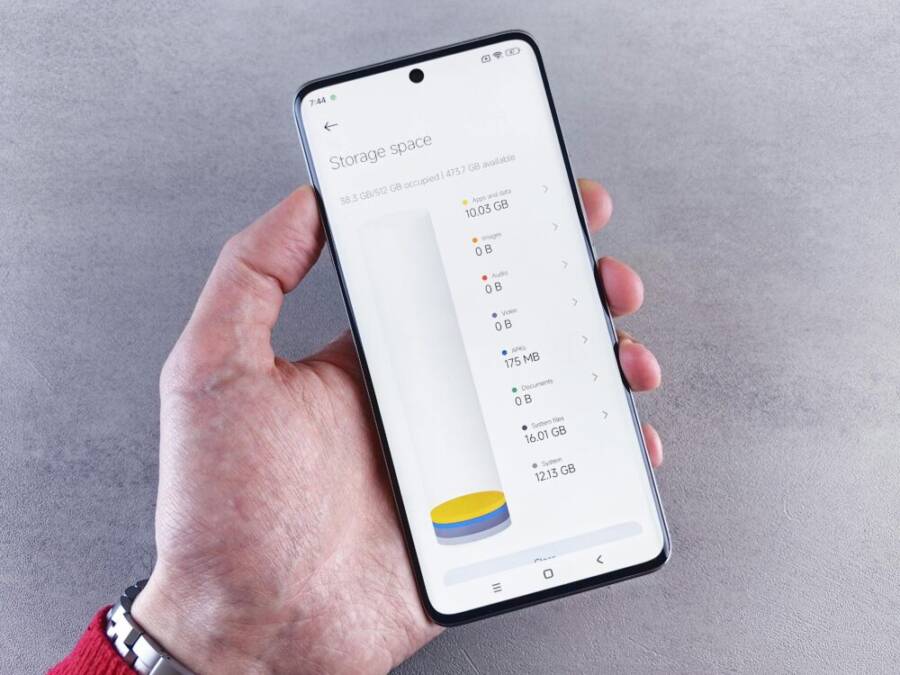
When your phone storage fills up quickly, it can feel like you’re chasing space. Photos stack up, apps stash data in the background, and tiny cached files quietly accumulate until you’re staring at a near full device. This section explains the main culprits in plain terms and gives you quick, practical fixes you can implement today.
She Pressed Play on a Strange Audio Track and Within Days Her Financial Reality Started Shifting in Ways She Could Not Explain
>>> See How It Works <<<

 Photo by Andrey Matveev
Common culprits: photos, apps, and cached data
Photos and videos are the biggest space hog on most phones. A single high‑resolution shot may only be a few megabytes, but a year’s worth adds up fast. If you routinely record 4K video or keep every image you snap on your device, you’ll notice space vanish in weeks rather than months. Quick fixes:
- Enable automatic backups to the cloud and delete local copies you don’t need.
- Use “optimized” photo settings if available, which keeps a smaller version on your phone while the full file stays in the cloud.
- Regularly review albums and remove duplicates or blurry shots.
Apps also contribute a surprising amount. Each app stores its own data, from downloaded content to offlined files and preference caches. The more you install and use, the more data sits on the device. Make it a habit to:
- Periodically review apps you haven’t opened in a while and uninstall them.
- Check app settings for options to limit saved data or auto-downloads.
- Offload unused apps if your phone supports it, so you reclaim space but keep the app ready for use later.
Caches are the quiet space grabbers. Apps store temporary files to speed up performance, but those caches grow over time and can take up big chunks of space. Tidy caches with simple steps:
- Clear cached data for apps that take up a lot of space, especially social media and streaming apps.
- Use built‑in storage tools to see which apps are the biggest cache culprits and clear selectively.
- Consider turning off automatic cache generation for apps that don’t need it.
To keep this section actionable, here are quick steps you can take now:
- Go to your phone’s storage settings and identify the top space‑consuming categories.
- Review camera defaults and reduce photo and video quality where acceptable.
- Schedule a monthly 5‑minute clean to remove unused apps and clear obvious caches.
For more on why caches accumulate, see reliable explanations from tech sources that highlight how cached data adds up over time and why clearing it helps. You can explore practical guidance here: Free Up Space: Essential Tips for Clearing Phone Storage and related discussions on common space culprits.
Impact on performance and everyday use
Almost full storage does more than make you swipe around with frustration. It can slow down the phone, affect how quickly apps launch, and complicate updates or new installations. You’ll notice small, everyday problems that add up:
- Slower app launches as the system struggles to free space for temporary operations.
- Delays when saving new photos or videos because the device needs space for buffers.
- Trouble installing or updating apps and the operating system; updates often require a chunk of free space.
- Occasional sluggishness in everyday tasks, like typing in a message or switching between apps.
Think of storage like a desk. When the desk is tidy, you can find everything quickly. When the desk is cluttered, you waste time moving items around. In a phone, that clutter shows up as lag, longer load times, and failed updates. The good news is most performance issues improve right after you free space.
If you want a deeper read on how storage impacts performance, you can check a few well‑sourced explanations that cover the relationship between free space and app stability. For example, readers often compare experiences across platforms to show that when storage dips below a small threshold, slowdowns become noticeable. You can explore discussions about performance and storage here: Does storage space affect performance?.
Another credible resource explains that updates and certain apps require free space to operate correctly. Without enough room, updates can fail or degrade performance. If you’re curious about how updates influence speed after a storage squeeze, see: Does Full Storage Slow Down Your Phone? Q&A.
If you’re curious about why some updates lead to slower performance even on recent devices, a trusted source discusses overall factors that slow phones after updates, including how storage interacts with system optimization. Learn more here: Why Your Phone Slows Down After Every Update.
The key takeaway: maintaining ample free space helps keep apps responsive and updates trouble‑free. A little regular maintenance now saves you bigger headaches later.
Images provided by Pexels help illustrate the space problem and how a tidy phone looks in practice. Use visuals to reinforce the idea that freeing space is a quick win you can complete in minutes, not hours.
Fast Ways to Free Up Space Right Now
When your device starts to feel crowded, quick wins are your best friend. This section focuses on moving media to the cloud, so your photos and videos stay accessible without chewing up precious storage. You’ll learn practical steps, trusted options, and small checks to make sure your backups are safe before you delete local copies. Think of cloud backup as a safety net that keeps memories intact while you reclaim space on your phone.
Delete unused apps
Start by identifying apps you rarely open and remove them. This is one of the fastest ways to instantly free space while keeping the core apps you rely on.
- Review your app list by size and last used date. Most phones show you a breakdown of storage by app, making it easy to spot the heavy hitters.
- Uninstall apps you haven’t used in weeks or months. If you’re unsure about removing an app, consider offloading instead (if your device supports it). Offloading keeps the app’s data, so you can reinstall without losing progress.
- Revisit problem apps. Some apps store large caches or offline content. If you still need them later, you can re-download and regain access without reconfiguring everything.
A quick, practical check is to go to Settings > Storage on your device and sort by app size. If an app is big but rarely used, that’s a prime candidate for removal. For iPhone users, you can also review storage by going to Settings > General > iPhone Storage and tapping an app to see its data footprint. Android users can use the Files by Google app to identify large apps and quickly free space.
Technical note: removing apps can free up cache, media, and offline data. If you want to preserve a few settings or game progress, offloading provides a compromise between space and convenience. If you want extra guidance, Apple’s support page on removing apps offers clear steps for iPhone users, while Google’s Files by Google tips help Android users locate and delete unused apps with confidence.
Tip: after you free space, open a few key apps to ensure they reinstall cleanly and you’re not left with partial data. A tidy app ecosystem reduces background activity and helps the device run more smoothly.
Clear caches and offline data
Caches are small files that speed up apps and websites but accumulate quickly. Clearing them often yields noticeable space gains, and it can improve responsiveness too.
She Pressed Play on a Strange Audio Track and Within Days Her Financial Reality Started Shifting in Ways She Could Not Explain
>>> See How It Works <<<
- Caches explained. Apps store temporary data to speed up loading times. Over time, these files pile up and take space you could use for new photos, messages, or apps.
- Android versus iPhone. On Android, you can clear caches at the system level or per app. On iPhone, cache clearing is usually done via the app or browser settings, with Safari offering a simple route to clear history and website data.
- Quick actions. Start with the largest culprits: social media apps, browsers, and streaming services. Clearing cache for these can free several hundreds of megabytes.
Practical steps to follow now:
- On Android, go to Settings > Storage > Cached data and clear cache for the biggest offenders. If your device doesn’t show a single cached data card, review apps individually and clear their caches.
- On iPhone, open Settings > Safari (or the browser you use) and clear history and website data. For other apps, check the app’s own settings for cache options.
- Use built‑in storage tools to identify which apps are consuming the most cache, then clear selectively rather than a blanket wipe.
If you want to dig deeper into how caches work and why clearing them helps, see official guidance on clearing caches for iPhone and Android. For iPhone, Apple explains how to clear cache in Safari, while Android’s official article covers clearing cache and cookies on Android devices.
External references you can consult for more context:
- Clear your cache and cookies on iPhone: https://support.apple.com/guide/iphone/clear-your-cache-and-cookies-iphacc5f0202/ios
- How to Clear Cache and Delete Cookies on Your Phone: https://www.android.com/articles/clear-cache-and-cookies/
Move photos and videos to cloud
Your photos and videos are the biggest storage drain for most people. Moving them to the cloud keeps your memories accessible while freeing space on the device.
- Choose trusted cloud options. You want a service that backs up automatically, offers reliable apps, and has solid privacy settings. Popular choices include iCloud for Apple devices and Google Photos or Google One for Android users. If you subscribe to a broader ecosystem, you may already have a cloud you can leverage.
- Back up first, then delete locally. Enable automatic backups so new media is saved to the cloud. Once you confirm the backup is complete, you can delete local duplicates to regain space.
- Optimize storage. Many cloud services provide an option to keep a lightweight version on your device while the full-resolution copy remains in the cloud. Use this setting when you want to preserve high quality yet save space.
- Check before you delete. Make sure backups finished successfully. A quick spot check by viewing several random photos in the cloud app can confirm everything is in place.
Step‑by‑step approach:
- Enable backup in the cloud service you prefer.
- Confirm recent media is in the cloud by checking the most recent items on both the cloud service and the phone.
- Enable “optimized storage” or a similar feature if available.
- Delete local copies of media you’ve confirmed are safely backed up.
- Periodically review settings to ensure new media continues backing up automatically.
Tips for different ecosystems:
- If you’re in the Apple ecosystem, iCloud Photos helps you keep originals in iCloud while keeping smaller previews on the device.
- For Android users, Google Photos often provides seamless backup with Assistive features that help you reclaim space.
Important note: always verify that backups completed before you delete local copies. A short check, like scrolling through the cloud app and confirming a few photos appear, saves you from accidental data loss.
Useful, trusted sources to guide cloud backup decisions include official support pages and established tutorials. You can start with Apple’s guidance on managing iPhone storage and photo backups and Google’s Photos help center for Android users:
- Apple support on iCloud and photo backup guidance: https://support.apple.com/guide/iphone/remove-or-delete-apps-iph248b543ca/ios
- Google Photos help center: https://support.google.com/photos/answer/6115301?hl=en
Delete old downloads and junk files
Old downloads and leftover junk files can quietly steal space. A quick cleanup helps you reclaim gigabytes in minutes.
- Find your Downloads folder. On both iPhone and Android, this is where you’ll discover files you no longer need. It’s common to forget what’s there after a long download spree.
- Remove unneeded files. Go through documents, installers, PDFs, and media you no longer require. If you’re unsure, move items to cloud storage or a computer instead of permanently deleting.
- Don’t forget browser data. Clearing cached browser data, including offline web pages and cookies, can free substantial space. Do this selectively to avoid losing saved passwords and essential offline content.
What to do today:
- Locate the Downloads folder and sort by date or size to see the largest or oldest items first. Delete what you don’t need.
- Check your browser’s data. Clear cached images and files if you’re running low on space, but keep important saved items intact. Some browsers also offer a “do not auto-download” option you can enable to control future clutter.
- If you’re unsure about a file, move it to the cloud or share with a computer for later review.
A quick reminder about browsers: regularly clearing browser data reduces junk, but it’s wise to leave passwords and essential offline data alone. If you want more details, here are a couple of reliable guides:
- Apple support on clearing caches and cookies on iPhone: https://support.apple.com/guide/iphone/clear-your-cache-and-cookies-iphacc5f0202/ios
- Android official guidance on clearing cache and cookies: https://www.android.com/articles/clear-cache-and-cookies/
Key takeaways to keep space under control:
- Prioritize media backups first to unlock the most space.
- Review apps and caches every few weeks to prevent build‑ups.
- Use cloud storage smartly to preserve access to memories without crowding your device.
Smart Long-Term Storage Habits
Keeping storage under control isn’t a one-time task. It’s a set of small, repeatable habits that protect your memories, keep your apps snappy, and reduce the anxiety of inevitable space crunches. In this section, you’ll learn practical routines you can adopt for both iPhone and Android, plus simple checks that prevent clutter from creeping back. Think of these as a long-term plan rather than a one-off reset.
Regular backups to cloud
Regular cloud backups are your safety net. By storing photos, videos, and documents in the cloud, you free up local space without risking data loss. The cloud acts as a secure, searchable archive you can access from any device, anytime.
- Sync options matter. Most platforms offer automatic backups that run in the background. On iPhone, iCloud Photos can automatically upload originals to the cloud while keeping smaller previews on your phone. On Android, Google Photos backs up media automatically and provides options to free up space by removing local copies once backups are confirmed. You can manage these settings so backups happen on Wi-Fi only or while charging.
- Scheduling backups for reliability. Set a regular backup window so new media is captured without you thinking about it. For iPhone users, enable iCloud Photos and review Settings > [your name] > iCloud > Photos to confirm Sync this iPhone. For Android users, open Google Photos, tap your account, and turn on Backup & sync. If you prefer a manual rhythm, choose a weekly backup reminder.
- Verification matters. After setting backups, do a quick spot-check by opening the cloud app and confirming that recent media show up. A quick check saves headaches later.
Why it helps long term: cloud backups keep your device lean and your memories safe. If your phone is lost or damaged, you won’t lose down the line. For further guidance, explore Apple’s guidance on iCloud and photo backup and Google Photos help center, which cover setup and verification steps in detail.
- Apple support on iCloud and photo backup guidance
- Google Photos help center
Automatic cleanup and storage management
Automatic cleanup turns a once-a-month ritual into a steady habit. Modern smartphones include storage management features that offload or optimize content, ensuring you reclaim space without sacrificing access to apps and files you rely on.
- Offload or optimize storage. On iPhone, the system can offload unused apps while keeping their data so you can reinstall without losing progress. On Android, similar options exist to move unused app data or to set up automatic cleanups. These features are designed to reclaim space
Expansion Options and When to Upgrade
When your storage starts to run low, expanding your options is the smart move. You don’t have to choose one path forever; you can mix external storage, cloud plans, and even a device upgrade to fit your needs. This section breaks down practical options and helps you decide when to upgrade. Think of it as a menu you can tailor to how you use your phone, whether you’re photographing every moment or juggling lots of work files on the go.
External storage options for Android
External storage gives you immediate relief without changing your daily habits. Here’s what to know and how to use it effectively.
- microSD cards: A simple way to add gigabytes to your phone. Look for UHS speed ratings that match your device and avoid cards that are too slow for video or high-res photos.
- USB-C drives: Compact and fast, USB-C drives are handy when you’re backing up large batches of files or transferring media to a computer. They work best with phones that support OTG (USB On The Go).
- OTG options: OTG cables let you connect USB drives directly to your Android device. This is convenient for quick transfers without a computer, but you need to verify OTG compatibility on your phone and with the drive.
- How to move files: Use your device’s file manager or a trusted app like Files by Google to move files to the external drive. For large media libraries, move by category (photos, videos, downloads) to keep things organized.
- Compatibility checks: Always check the phone’s official specs for supported external storage formats, the maximum supported microSD size, and whether OTG is enabled. Some brands optimize storage differently, so a quick compatibility check saves headaches.
When you’re ready to set it up, these quick steps help you stay organized:
There Is a Frequency That the Wealthiest Families Have Used for Generations and Most People Will Never Know It Exists
>>> Open the Door <<<

- Insert the microSD card or connect the USB-C
Conclusion
Freeing up storage on your phone is a straightforward process you can tackle in small, repeatable steps. Start with the biggest gains—move photos and videos to the cloud, clear caches, and delete unused apps or old downloads. A few minutes of cleanup now prevents bigger slowdowns later and keeps your smartphone responsive.
Checklist
- Delete unused apps or offload them if available
- Move photos and videos to cloud and enable optimized storage
- Clear caches for the apps that use the most space
- Remove old downloads and browser data
- Consider external storage or a device upgrade if needed
Give these actions a try and share your results or questions in the comments. Your experience helps others handle a crowded phone more quickly and confidently.
There Is a Frequency That the Wealthiest Families Have Used for Generations and Most People Will Never Know It Exists
>>> Open the Door <<<