Thousands of People Were Struggling With Money Until They Discovered This One Ancient Secret Hidden in Sound
>>> Unlock It Now <<<

What to Do If Your Phone Is Lost or Stolen (iPhone & Android)
Have you ever reached for your pocket and found nothing but emptiness where your phone should be? It happens to good people at the worst possible moment, and the moment matters. A swift response helps protect your data, stops fraud in its tracks, and raises your odds of recovery.
What If the Only Thing Between You and the Life You Deserve Is a Hidden Wealth Code Waiting to Be Activated
>>> Open the Door <<<

In this quick guide you’ll learn exactly what to do when a phone goes missing or is stolen. You’ll discover how to track its location, lock it from afar, and limit what a would be thief can see. We’ll cover both iPhone and Android options so you can act fast no matter what you use.
First, act fast. Locate the device if possible, then lock it remotely to prevent access to photos, messages, and apps. If needed, wipe the data to protect your accounts, but only after you’ve tried to recover the device.
Next, contact your carrier. They can block the SIM, help track the device, and issue a replacement if necessary. Don’t forget to change passwords and enable two factor authentication on your accounts to keep online life safe.
She Pressed Play on a Strange Audio Track and Within Days Her Financial Reality Started Shifting in Ways She Could Not Explain
>>> See How It Works <<<

Finally, report the loss. File a police report with the device details and keep an eye on accounts for any suspicious activity. By following these steps, you reduce risk, increase recovery chances, and restore peace of mind for your everyday smartphone use.
Track Your Lost or Stolen Phone Right Away
When a phone goes missing, time is your best ally. Tracking its location, locking it down, and protecting your accounts can prevent data exposure and increase the chances of recovery. Below you’ll find precise steps for both iPhone and Android users. Act quickly, stay calm, and follow the process to minimize risk.
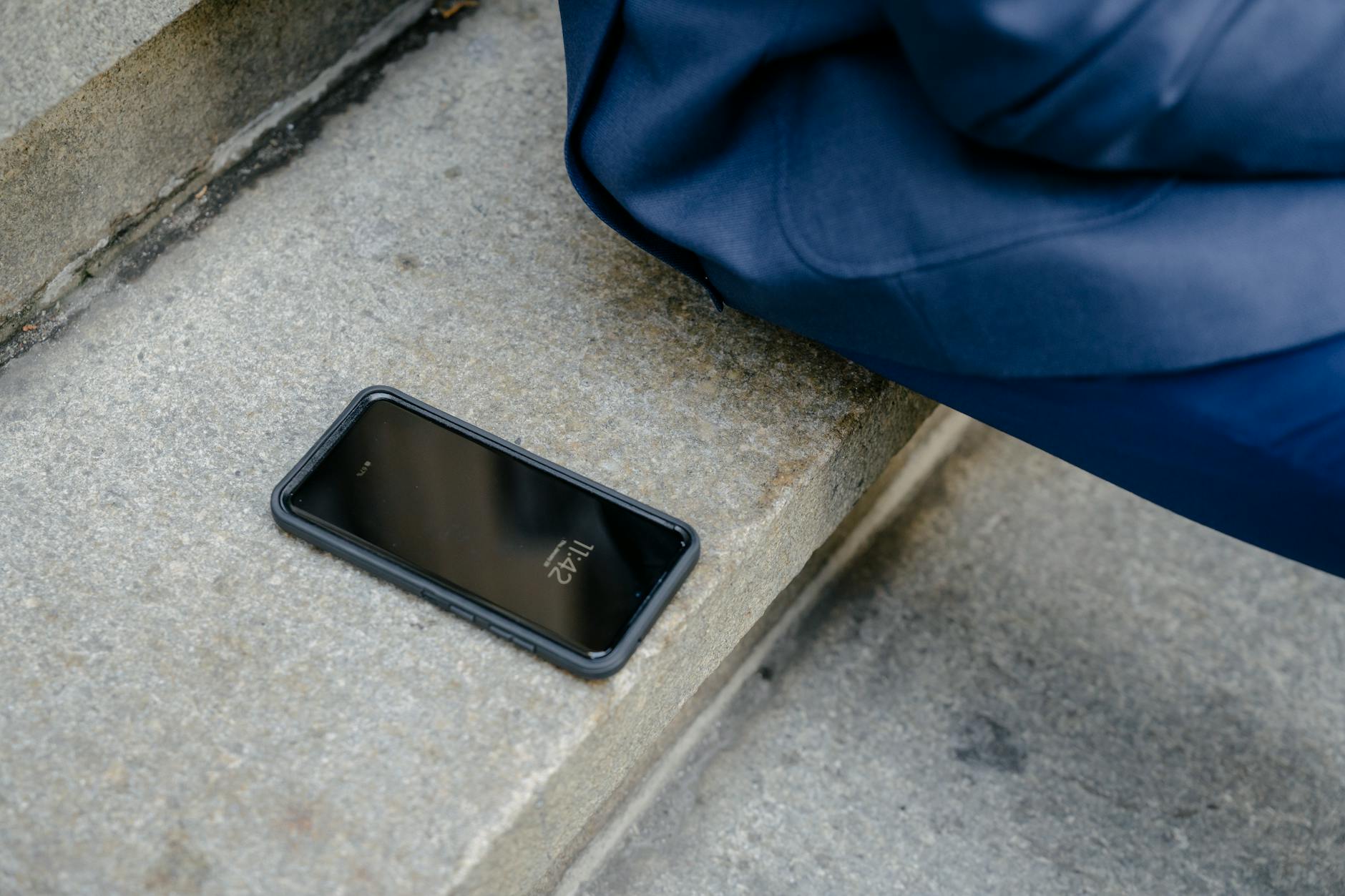 Photo by Barbara Olsen
Steps for iPhone Owners
If you’re using an iPhone, Find My is your fastest route to regaining control. Start from any trusted device and follow these steps to secure your device and improve your odds of recovery.
- Activate Lost Mode immediately. Lost Mode locks the iPhone, displays a custom message with a contact number, and keeps you in control of what a potential finder sees. This is your first line of defense against unauthorized access. If you erase the device later, Lost Mode remains as part of the account’s protections through Activation Lock. You can still track the device after an erase if needed with your Apple ID.
- Track the device location. Use Find My on iCloud.com or another Apple device to see the last known location. Movement updates appear in near real time, which can guide you and authorities on where to focus your search.
- Enable Activation Lock. This feature prevents anyone else from using your iPhone if it’s stolen. Activation Lock is tied to your Apple ID and remains active even after an erase, making it harder for thieves to repurpose the device.
- Keep your contact information visible in Lost Mode. A clear, simple note with a reachable contact method can help a good Samaritan return the device or provide information to authorities.
For more official guidance, Apple provides clear steps on Lost Mode and Activation Lock. If you want to dive deeper, you can read about Activation Lock and how Lost Mode works on Apple’s support pages: Activation Lock for iPhone and iPad and Use Lost Mode in Find Devices on iCloud.com. You’ll find that Lost Mode can be activated from the Find My app or via iCloud, and it includes options to display contact details and track the device’s status. Apple Support: Activation Lock | Apple Support: Use Lost Mode
If you prefer a quick reference, Apple’s guide on finding a lost iPhone or iPad walks you through every available path to locate or secure your device. It’s worth keeping handy for a swift response when time matters. How to find your lost iPhone or iPad
Image and image credit note: The suggested image above showcases a scenario many readers relate to and helps set the tone for immediate action when a smartphone goes missing.
Steps for Android Users
Android users rely on Find My Device to locate, lock, and, if necessary, erase a device. The tool is designed to give you control even when the phone is offline for a period, and Android 15+ brings enhanced location features for greater precision.
- Lock the device with a new PIN. If you spot the device on a map or receive a location update, lock it remotely with a fresh PIN. This prevents unauthorized access and buys you time to decide on next steps.
- Display a message and contact information. The lock screen can show a short message with a return contact method. This is especially helpful if the phone is found by a passerby or a local business.
- Check precise location in Android 15+. Recent Android versions offer improved precision for location data, which can help you share your device’s whereabouts with authorities or trusted contacts.
- Be mindful of biometric access. Some devices in newer Android versions temporarily disable biometric unlocks when the device is locked or after remote actions. This helps prevent biometric bypass while the device is secured.
- Consider a remote erase if recovery seems unlikely. If you cannot recover the phone within a reasonable time, erasing data protects your accounts and personal information. You can do this from Find My Device or Google’s account page.
For official guidance on locating and securing a lost Android device, Google provides detailed steps and tips. These resources cover locking, erasing, playing a sound to locate the device, and sharing location with trusted people. Explore the official support articles to tailor actions to your situation: Find, secure, or erase a lost Android device and Be ready to find a lost Android device. Find, secure, or erase a lost Android device | Be ready to find a lost Android device
If you want a broader view on locating Android devices, Google’s Find Hub offers a centralized way to locate and manage devices, including sharing location with family members. Find Your Phone with Find Hub: Locate Devices & Share
Image and image credit note: The Android-focused guidance emphasizes tools you already have on your phone to regain control, including precise location when available.
Visual tips to improve your response:
- Keep a list of steps you’ll follow if you ever lose a phone. A quick mental checklist reduces panic.
- If you’re traveling, ensure your emergency contacts are up to date in your device profiles.
- After you secure the device, monitor your accounts for unusual activity and change passwords as needed.
External resources mentioned above provide official steps and additional context to help you act quickly and confidently. If you need more specifics about your device model or carrier, those pages offer targeted support and troubleshooting steps.
Lock Your Phone and Erase Data Remotely
Losing a phone means losing more than a device. It can expose photos, messages, and access to your accounts. The quickest way to protect your information is to remotely lock the device and, if necessary, erase data. Acting fast reduces risk and increases the chance you’ll recover your missing smartphone. Below are clear, practical steps for both iPhone and Android users, plus essential safety tips.
iPhone: Lock, Locate, and Preserve Activation Lock
If you own an iPhone, you already have a built in safety net through Find My. Use it to lock the phone, display a message with contact details, and keep Activation Lock engaged so thieves cannot reuse the device.
- Lock immediately with Lost Mode. Lost Mode locks the iPhone, shows a custom message, and preserves your ability to track the device. If you erase later, Activation Lock still protects the device and the Find My status remains tied to your Apple ID. This is your first line of defense against unauthorized access.
- Locate the device. Check the last known location from Find My on iCloud.com or another Apple device. Real time movement updates can guide you toward the device or the point of contact with authorities.
- Preserve Activation Lock. Activation Lock is linked to your Apple ID and stays active even after an erase, making it very difficult for someone else to reactivate the device.
- Display clear return instructions. A simple message with a contact method helps a finder reach you or notify authorities without exposing private data.
For deeper guidance, Apple spells out how to use Lost Mode and Activation Lock. You can read about Activation Lock and Lost Mode on Apple’s support pages, which explain how these features behave in different scenarios. Consider keeping these pages bookmarked for a quick reference. Apple Support: Activation Lock and Use Lost Mode
If you want a quick reference on locating a lost iPhone or iPad, Apple’s official guide walks through all available paths to locate or secure your device. This is useful when time matters. Apple Support: How to find your lost iPhone or iPad
How this helps in practice: Treat Lost Mode as your first response. It buys time, protects data, and increases the odds someone returns the device or authorities can locate it.
Android: Find, Lock, and Decide on Erase
Android users can rely on Find My Device to secure a missing phone whether it’s online or offline. With the latest Android versions, location accuracy and controls are stronger, giving you a reliable way to respond quickly.
- Lock the device with a new PIN or password. If you spot a location update, lock the device remotely to prevent further access. A new PIN prevents unauthorized use while you decide what to do next.
- Display a message with return contact details. The lock screen can show brief instructions for returning the device. This helps if the phone is found by a passerby or a local business.
- Check location accuracy. With Android updates, you may access more precise location data to share with authorities or trusted contacts.
- Be aware of biometric protections. Some devices temporarily disable biometric unlocks after remote actions, adding an extra layer of security while you secure the phone.
- Consider remote erase if recovery looks unlikely. If you cannot recover the phone in a reasonable time, remotely erasing data protects your accounts and personal information.
Google’s official guidance covers locking, erasing, and other protective measures. You can tailor actions to your situation by following these steps on the Google support pages. Find, secure, or erase a lost Android device and Be ready to find a lost Android device
If you want a broader view on locating Android devices, Google’s Find Hub offers centralized tools for locating and managing devices, including location sharing with family members. Find Your Phone with Find Hub
Practical note: Always start with a lock, then decide if a full data wipe is necessary. The goal is to minimize data exposure while keeping options open for recovery.
Quick decision guide: when to erase vs. when to wait
- If the device shows signs of being near you or in a predictable location, prioritize locking and displaying contact instructions. You may still recover the device.
- If the device is likely to be out of reach for an extended period or if sensitive data is at risk, erase data after locking. This protects your accounts and personal information.
- If you suspect your accounts are already compromised, proceed with erasing data and changing passwords. You can often re-secure accounts before restoring access to the device.
Safety tips that apply to both platforms
- Keep your account passwords strong and unique. Enable two factor authentication on essential services.
- Update recovery options in your accounts so you can receive alerts and reset credentials quickly.
- Notify your carrier right away to suspend service or block the SIM if needed.
- Report the loss to local authorities with the device’s details; this helps with recovery and reduces liability risk.
- Monitor your financial statements and online accounts for unusual activity in the days after a loss.
How to integrate these steps into your routine
- Create a short, repeatable checklist you can run from any trusted device. Include locating, locking, messaging, and erasing steps.
- Ensure your devices are set up with Find My for iPhone or Find My Device for Android before you ever need them. This prep saves precious minutes later.
- Keep a backup plan for recovery. If a device is returned, you’ll want to reactivate it smoothly and securely.
External resources provide official steps and additional context to help you act quickly and confidently. If you need more specifics about your device model or carrier, those pages offer targeted guidance and troubleshooting steps.
Report the Loss to Get Help Fast
Losing a phone is stressful, but acting quickly makes a big difference. Reporting the loss to the right people and taking immediate steps protects your data, limits potential fraud, and increases the chance of recovery. Below is a straightforward action plan you can follow the moment you realize the device is missing.
Notify your carrier right away
Your first move should be to contact your wireless carrier. They can suspend service to prevent calls, texts, and data usage that could rack up charges or expose your information. Ask about blocking the SIM to stop unauthorized use and request a temporary or permanent replacement device if you no longer have access to your line. If you use multiple lines or a family plan, report the missing device for all affected accounts to avoid gaps in protection. In many cases, carriers can also assist with device location and help you file a police report when needed.
He Was Drowning in Bills and Burnout Until a Simple Daily Ritual Rewired His Brain for Wealth in Less Than a Week
>>> Start Your Shift Today <<<

Helpful tip: Some carriers offer additional protection plans or insurance that can speed up the replacement process. Check whether you have a claim in process and what documentation is required to file it quickly. For more on carrier-specific steps, see the carrier support pages linked here.
File a police report with essential details
A police report creates an official record of the loss or theft, which can help with investigations and insurance claims. When you file, bring or be ready to provide:
- The device make, model, color, and any distinguishing features
- Serial number, IMEI/MEID, or MAC address if you have it
- Approximate time and location of the loss
- Any suspicious activity you noticed on accounts or statements
Be concise but thorough. If you can provide the device’s International Mobile Equipment Identity (IMEI) or serial number, include that as well. Having these identifiers ready can speed up the process and improve the chances of recovery. Some authorities require you to present the report in person, while others accept online submissions. Check your local police department’s guidelines so you don’t miss any steps.
External resources offer practical guidance on what to include in a report. For example, reputable sources outline the typical fields and documentation needed when reporting a missing device to the police or other authorities. This information helps you prepare and avoid back-and-forth delays. FCC: Protect Your Smart Device
Gather and secure your account information
Before you er, or immediately after, secure your online life. Change passwords for your accounts, starting with critical services like email, banking, and apps with sensitive data. Enable two-factor authentication (2FA) where you can, preferably using a hardware key or an authentication app rather than SMS. Review recovery options and update them if needed so you can regain access quickly if you need to re-login from another device.
Keep a quick reference list of the most important accounts and the new security steps you’ve taken. If you use password managers, ensure they are accessible from another device and that the manager itself is protected with a strong master password.
Check for unauthorized activity and monitor closely
After reporting the loss, stay vigilant. Monitor bank statements, payment apps, and social media accounts for unusual sign-ins or transactions. If you notice anything suspicious, report it to the service provider immediately and consider placing a temporary freeze on your credit if you see signs of identity misuse. Early detection can prevent further damage and reduce the time you spend dealing with repercussions.
Preserve evidence and stay organized
Keep copies of all communications with your carrier and the police. Save confirmation numbers, case IDs, and any notices you receive. If you later locate the device or receive a replacement, document the outcome so you can close the loop with your insurer or carrier. A tidy packet of evidence speeds up claims and future support.
Quick action checklist
- Contact your carrier to suspend service and block the device
- File a police report with key identifiers (IMEI, serial number)
- Change passwords and enable 2FA on critical accounts
- Monitor accounts for unusual activity
- Gather and save all receipts, case numbers, and communications
When to reference official guidance
Every platform has its own recovery path, and following official steps reduces friction if you need to replace or recover your device. For iPhone users, official resources walk you through Lost Mode, Activation Lock, and locating your device. Android users can find step-by-step actions for Find My Device, locking, and data erasure. These trusted guides help you move quickly without second guessing. For direct guidance, consider these references:
- Apple Support: Activation Lock and Use Lost Mode
- How to find your lost iPhone or iPad
- Find, secure, or erase a lost Android device
- Be ready to find a lost Android device
External links are provided to help you tailor actions to your device and situation. They offer official steps and practical tips to keep your data safe and improve recovery odds. Apple Support: Activation Lock | Apple Support: Use Lost Mode | Find, secure, or erase a lost Android device | Be ready to find a lost Android device
If you want a broader view on reporting and protection steps, the FCC provides clear guidance on phone protection and reporting theft. This can be a helpful reference as you navigate the immediate aftermath of a loss. FCC: Protect Your Smart Device
This formal loss reporting forms the backbone of your response. It helps authorities, your carrier, and any insurers move faster, and it sets the stage for recovering your device or replacing it with minimal disruption.
Prevent Phone Theft or Loss Next Time
Losing a phone is stressful, but you can reduce the risk of theft or loss with smart habits and quick preparations. This section lays out practical steps you can take now to harden your devices against theft, speed up recovery, and protect your data if a loss occurs. Think of it as a preflight checklist for your digital life.
 Photo by Pixabay
Build a strong foundation with protections that travel with you
A few durable habits cut the chance of theft and simplify a fast, effective response.
- Lock your device by default. Always use a strong passcode, biometrics, and auto-lock timers. It should be the first line of defense when you set your phone down in public.
- Enable remote controls now. Turn on Find My iPhone or Find My Device and verify you can access them from a trusted computer or another phone. Pre-enable these features so you can act within minutes.
- Keep essential recovery data handy. Note your device’s IMEI, serial number, and account recovery options in a safe place. This helps when you report a loss or file an insurance claim.
- Regular backups matter. Back up photos, messages, and app data to a trusted cloud service or computer. Backups reduce the pain if you must erase the device.
- Register devices with your carrier. Some carriers offer additional protections and easier replacement options when a device goes missing.
Get proactive with in-pocket safety habits
Small daily choices add up to big protection.
- Avoid leaving phones unattended in public. Quick trips to a store or fuel pump are where many thefts happen.
- Use a privacy screen and a secure case. A case can discourage grab-and-go theft and a privacy screen reduces prying eyes in public.
- Set up location sharing with trusted contacts. In a pinch, a family member or friend can help locate the device quickly.
For deeper tactics, organizations emphasize features that locate, lock, or erase devices remotely. These protections are widely recommended by consumer guidance to prevent data exposure and speed recovery.
Strengthen your digital boundaries
Safeguards extend beyond the device itself.
- Two-factor authentication (2FA). Use an authenticator app or hardware key rather than SMS if possible.
- Password hygiene. Keep unique, strong passwords and update them after any security incident.
- Account recovery options. Confirm you can receive reset links or codes on a backup email or trusted number.
- Credit and identity vigilance. Consider a temporary credit freeze if you suspect identity theft, especially after a loss.
Practical precautions for travel and daily life
The right routines reduce exposure in busy places.
- Plan a quick security routine before stepping out. Check the location and number of people around you, then secure your phone in a zipped bag or deep pocket.
- Carry a lightweight wallet with essential details. If your phone is lost, you still have a way to contact people or authorities without exposing sensitive data.
- Know where you keep backups on the go. If you travel, bring a backup battery pack and ensure your cloud backups are up to date.
Quick-read references you can trust
Official guidance helps tailor protections to your device. For quick, practical steps, see these sources:
- How to protect your smartphone from theft or loss on Consumer Reports.
- Tips for preventing device theft from CTIA.
- Practical guidance on safeguarding your data if a phone is lost.
These resources reinforce best practices and give you confidence in your routine. External articles provide actionable steps that you can apply today.
Quick implementation plan
To make this easy, adopt a simple, repeatable routine.
- Tonight: Enable Find My iPhone or Find My Device and set a strong lock screen.
- This week: Back up critical data to the cloud and verify recovery options.
- This month: Review account security, enable 2FA on key services, and check carrier protections.
- Ongoing: Practice a short, 60-second security drill each time you leave your home or office.
Data-informed perspective
Recent data shows theft remains a common risk, with many incidents happening in public spaces and during daylight. By adopting these practices, you reduce opportunities for thieves and improve your chances of rapid recovery if the worst happens. Being prepared makes you less anxious and more in control when your phone goes missing.
External resources you may find useful:
- How to prevent a lost phone from ruining your life
- 5 steps to
Conclusion
When a phone goes missing, act fast to track, lock or erase, and report. Quick steps limit data exposure and boost your chances of recovery. A calm, practiced routine minimizes damage and keeps you in control.
Start with tracking to locate the device and alert trusted contacts. Then lock the phone remotely and consider a data erase if recovery seems unlikely. Reporting the loss to your carrier and local authorities creates an solid paper trail that speeds help and protection for your accounts. Finally, strengthen your defenses by changing passwords and enabling two factor authentication where available.
Backups matter even more after a loss. Regular cloud or computer backups keep memories and work safe if you must erase the device. Protect your accounts with strong, unique passwords and ready recovery options. These steps reduce risk and help you rebound quickly.
Take a quick action today. Review your Find My settings, confirm your IMEI or serial numbers, and ensure your emergency contacts are up to date. Share tips with friends and family so everyone can respond with confidence. A small, prepared routine now pays off when the unexpected happens. Your smartphone world stays safer and more manageable, no matter what.
What If the Only Thing Between You and the Life You Deserve Is a Hidden Wealth Code Waiting to Be Activated
>>> Open the Door <<<