Thousands of People Were Struggling With Money Until They Discovered This One Ancient Secret Hidden in Sound
>>> Unlock It Now <<<

Changing your voicemail greeting can be quick and painless, and a clear message helps callers know when to expect a callback. If you’re wondering how to do it, you’ll only need a few taps on your smartphone to get it done.
In this post you’ll learn step by step how to set or update your voicemail greeting on both iPhone and Android, with simple, carrier friendly instructions. We’ll cover common differences between major carriers and share quick troubleshooting tips so you’re never stuck.
Whether you own a newer model or an older phone, the process stays straightforward. A good greeting sets the right expectations for callers and helps you manage messages more efficiently. You’ll be able to record a friendly, concise note in minutes.
Why customize your voicemail greeting matters
Customizing your voicemail greeting is a small step with a big payoff. A clear, friendly message helps callers understand what to expect, reduces back and forth, and leaves a positive first impression. In today’s busy world, people value quick, concrete information. A tailored greeting signals you respect their time and sets the stage for a smooth you can follow up reliably. Below you’ll find practical reasons and best practices to tune your greeting for both personal and professional life, plus guidance on what to include and common mistakes to avoid.
There Is a Frequency That the Wealthiest Families Have Used for Generations and Most People Will Never Know It Exists
>>> Open the Door <<<

Benefits for personal and professional life
A well crafted greeting shortens the path from call to callback. When you say who you are and when you’ll return calls, callers don’t waste time guessing. That clarity cuts idle back and forth and speeds up replies. A concise message also helps manage expectations. If you’re in a meeting or traveling, the caller will know when to expect a response, which reduces frustration on both sides.
A personalized greeting reflects your availability and reliability. It shows you care about the caller’s needs and you’re accountable for follow ups. For personal life, this means friends and family feel prioritized even when you’re tied up. For professional life, it signals professionalism and consistency, which can boost trust with clients, partners, or prospects. Readers often report fewer missed messages and better response times when greetings are direct and friendly. For inspiration, see how other businesses shape professional greetings with tone, pacing, and structure that work across channels.
To strengthen these benefits, you can reference a few reliable examples from industry leaders. For instance, many professional templates emphasize a brief hello, your name, your availability, what the caller should leave, and when you’ll return the call. This approach has proven effective across many sectors and can be adapted to any voice mail setup. Learn more about practical strategies and templates from reputable sources like HubSpot and other business resources.
- Shorten the exchange: a clear greeting reduces back and forth.
- Set expectations: name, availability, and callback window matter.
- Leave a positive impression: warmth and professionalism count.
- Enable essential info: callers can leave details that speed up resolution.
- Reflect reliability: a steady, dependable tone signals you’re someone who follows through.
In short, a customized greeting is a simple, inexpensive way to improve communication right away. It binds your personal and professional life with a consistent standard that helps you stay organized and present.
What to include in a great greeting
A great voicemail greeting follows a dependable, repeatable structure. Keep it concise, but cover the essentials so callers know exactly what happens next. A typical length of 10 to 30 seconds works best for clarity and retention. Use natural language, avoid jargon, and speak at a comfortable pace.
Here are the essential elements to include, followed by a ready to adapt structure you can record today:
- A short hello and your name
- A brief note about your current availability
- Instructions on what to include in the message
- A clear statement about when you will return calls
A practical structure you can adapt:
- “Hi, you’ve reached [Your Name]. I can’t take your call right now, but I’d like to help.”
- “If you’re calling about [topic], please leave a brief message with your name and a good callback time.”
- “I typically return calls within [time window], or you can reach me at [alternate contact].”
- “Thanks for calling, and I’ll get back to you soon.”
A sample greeting you can model:
- “Hi, this is [Your Name]. I can’t answer at the moment. Please leave your name, number, and a short message about your call. I aim to return calls within the next business day. If this is urgent, you can email me at [email]. Thanks for saving time and I’ll talk to you soon.”
If you want to tailor for a specific audience, you can adjust the tone while keeping the core elements intact. For example, a sales greeting might emphasize quick response times and next steps, while a freelancer might highlight project timelines and preferred contact methods. For reference, you can explore established templates and tips from HubSpot and other reliable sources to tailor your best fit. Related guidance
To help you structure your own greeting, consider these component options:
- Short hello: A friendly, recognizably human greeting.
- Your name: State clearly who you are.
- Availability note: Indicate whether you’re away, in a meeting, or focused on a task.
- What to leave: Request essentials like name, number, purpose of call.
- Callback timing: Mention when you will return the call or best time to reach you.
A quick, practical tip: practice your delivery. A comfortable pace and a warm but professional tone make a big difference in how your message lands. If you’re unsure, listen to a few examples from reputable sources and adapt what fits your style. For more structure and templates, consider checking examples from reputable business resources.
- Examples and templates can be found here: 26 professional voicemail greetings to help you record the perfect one [+ expert tips].
- You can also see practical templates and best practices discussed by small business guides and service providers.
- For polished templates you can adapt quickly, look at professional collections like Shopify and other business resources.
Common mistakes to avoid
A strong greeting also means avoiding common missteps that frustrate callers. The most frequent issues are long winded messages, jokes that don’t land, or too much background noise. Callers do not want sensitive details or overly technical terms. A professional, friendly tone works best, and it helps to test the message regularly to ensure it sounds natural on your device.
Key pitfalls to watch out for include:
- Rambling or unrelated stories that push the caller away from the purpose of the call.
- Overly casual tones or jokes that may not translate well across audiences.
- Background noise that drowns out your message or makes it hard to understand.
- Sensitive or personal information that should not be shared in voicemail.
- A message that’s too technical or hard to follow.
- Inconsistent timing claims, like promising a callback times you cannot meet.
To minimize these issues, practice reading your greeting aloud. Record a short version and a longer one, then compare which one lands more clearly. It helps to listen for natural pauses and the overall rhythm of the message. You’ll notice when parts feel forced or repetitive. If you’re unsure, start with a simple version and expand later as needed.
A few examples of what to avoid include:
- Long monologues that repeat the problem and solution without guiding the caller.
- Unclear directions about where to leave information.
- Jokes that may not land in a business context.
If you want concrete examples of well executed greetings, you can browse professional collections that showcase best practices and common missteps. See sample collections and best practices for professional voicemail greetings from credible resources.
- Helpful guidance and templates can be found in professional resources that curate effective voicemail messages.
- For practical tips and templates you can adapt quickly, look at established lists from business platforms.
Integrating external guidance into your own greeting helps you stay aligned with user expectations and professional standards. Try a quick test with friends or colleagues to gauge readability and tone. With a little practice, you’ll have a clear, dependable greeting that supports faster callbacks and a stronger impression. For additional examples and testing ideas, explore professional resources that discuss common voicemail mistakes and how to avoid them. Watch for common voicemail mistakes
Change your voicemail greeting on iPhone
If you rely on voicemail to connect with friends, family, and clients, a clear greeting matters. On an iPhone, you have options to use Visual Voicemail for quick control or dial-in methods if Visual Voicemail isn’t available. This section covers both paths, with practical steps, timing tips, and quick testing so you know you’ve nailed it.
Using Visual Voicemail on iPhone
Visual Voicemail makes managing your greeting simple. Here’s the quickest path to a custom message:
- Open the Phone app and tap Voicemail.
- Tap Greeting, then choose Custom.
- Tap Record to start, speak your message, then tap Stop.
- Save your new greeting.
Tips to keep in mind:
- Aim for a 10–30 second message. Short, precise greetings are easiest for callers to process.
- Test the greeting by calling your own number from another line. Make sure you can hear the message clearly and that the timing feels natural.
- Visual Voicemail availability depends on your carrier and plan. If it isn’t active, you’ll see a fallback option or be directed to a dial-in method.
For reference, Apple provides official guidance on changing the voicemail greeting and settings for iPhone, including how Visual Voicemail is configured and when it’s supported. If you’d like to verify steps on your specific iOS version, you can review the official support article here: Change your voicemail greeting and settings on iPhone.
What If the Only Thing Between You and the Life You Deserve Is a Hidden Wealth Code Waiting to Be Activated
>>> Open the Door <<<

If you want a quick sanity check with a multimedia guide, a short video walk-through can be handy. A contemporary visualization demonstrates tapping through the steps and confirming the Save action. You’ll also find common notes about carrier requirements, which can help you anticipate any delays or limitations.
Why some readers love Visual Voicemail:
- It consolidates greeting management in one place on the device.
- It lets you customize without calling in or entering keycodes.
- It provides immediate feedback when you save or re-record.
To optimize your experience, consider linking a concise, professional voice to your greeting. If you change carriers or travel abroad, verify whether Visual Voicemail remains supported or if you must switch to a dial-in method for greeting updates. For more context on how other users approach this, you can explore tutorials from reputable sources like Lifewire and official carrier guidance.
Useful resource: official Apple support page on changing voicemail greetings and settings.
When Visual Voicemail is not available on iPhone
If your carrier or plan doesn’t support Visual Voicemail, you can still update your greeting by dialing into your voicemail. The dial-in method works across many networks and mirrors the steps you’d use on a traditional voicemail system.
Here’s how to do it:
- Call your own mobile number or access your voicemail from the keypad by entering your voicemail access number.
- Enter your PIN when prompted.
- Follow the prompts to record and save a new greeting.
Notes to consider:
- Depending on your carrier, you may need to use a standard greeting offered in your plan or within the device settings. Some providers require you to select a default greeting before you can record a personalized message.
- The exact keypad prompts can vary, so listen for one of these cues: “Record a new greeting,” “Record your message after the tone,” or “Press 1 to save.”
- After you complete the process, test the greeting by calling your number or asking a friend to call you. This confirms the updated message is actively playing.
This dial-in option keeps you in control even when Visual Voicemail isn’t part of your service. If you’ve ever had to switch between methods, you know how important it is to have a reliable fallback. Carrier pages often outline the dialing steps and any PIN requirements you’ll encounter, so it’s worth a quick check if you’ve never done this before.
If you want to dig deeper, the Verizon support article on changing the iPhone voicemail greeting offers practical guidance that aligns with this approach. It’s a solid reference for step-by-step prompts that you can follow on almost any iPhone under a standard plan.
Additional guidance you may find useful:
- You’ll often see quick walkthroughs from video tutorials that demonstrate dialing in, entering the PIN, and recording a new greeting. These can be especially helpful if you’re new to voicemail systems.
- When you finalize your dial-in greeting, re-check how it sounds when you place a call to your own number. A clean, confident delivery makes a strong impression.
In short, if Visual Voicemail isn’t working for you, the dial-in method is a reliable alternative. It keeps your calls answered with a polished, clear greeting and reduces the back-and-forth that can happen with poor messages. If you’d like to see a visual reference, check the official support options or a reputable how-to video to guide you through the exact prompts for your carrier.
References you might find helpful:
- Apple support: Change your voicemail greeting and settings on iPhone
- Verizon support: Apple iPhone – Change Voicemail Greeting
Stay ready for the next steps by testing your updated greeting after you finish. A quick call to yourself ensures you hear the message clearly and confirms you’ve set it exactly how you want. And if you want extra ideas for crafting an effective greeting, you can browse professional templates from reputable sources to tailor your tone for personal or professional use. For additional templates and tips, see Lifewire’s guide on changing the iPhone voicemail greeting.
He Was Drowning in Bills and Burnout Until a Simple Daily Ritual Rewired His Brain for Wealth in Less Than a Week
>>> Start Your Shift Today <<<

Change your voicemail greeting on Android phones
Updating your Android voicemail greeting is a quick, practical way to present yourself professionally and save time for both you and the caller. Whether you rely on Visual Voicemail, a carrier app, or a dial-in method, you’ll find a path that fits your device and plan. Below are clear, step by step sections to help you customize your greeting with confidence. And yes, your smartphone always has room for a personal touch that makes your messages easier to handle.
General steps for most Android phones
Most Android devices share a familiar workflow for changing a voicemail greeting. You’ll typically start by accessing voicemail through the Phone app, then follow prompts to record and save a new greeting. Here’s a straightforward path you can apply on many devices:
- Dial into voicemail by holding the 1 key, or open the Phone app and choose Voicemail or Voicemail settings if you see that option.
- Enter your voicemail PIN when prompted to gain access to your mailbox.
- Look for an option labeled Change Greeting, Greeting, or Record Greeting and select it.
- Use the on-screen controls to record your new message. Keep it concise, aiming for about 10 to 30 seconds.
- Save the greeting and exit. If given the option, confirm you want to use the new greeting.
- Test the result by calling your own number from another phone to hear exactly what callers will hear.
If your carrier uses a standard dial-in system rather than in-app recording, you’ll typically identify prompts along these lines: “Record a new greeting,” “Record your message after the tone,” or “Press 1 to save.” This method works across many networks and is a solid fallback when in-app options aren’t available. For a quick sanity check, listen for clarity and pace; you want to avoid rushed or choppy delivery that could confuse callers. If you’re using a Google Voice or equivalent service, you may have slightly different steps, but the core idea stays the same: access greeting settings, record, save, and test.
Quick tip: if you’ve never updated a greeting before, practice speaking at a natural pace and record a short version first. Then try a slightly longer variant and compare how each sounds to a friend or family member. A test run helps you strike the right balance between friendliness and brevity, which keeps callers attentive and engaged.
Helpful reference: for step by step directions specific to Google Voice, you can review the official support article on setting up and changing a voicemail greeting on Android devices. This source walks you through recording greetings, managing multiple options, and selecting the one you want callers to hear. Links to compatible guidance from major carriers and service providers also exist, so it’s worth checking your exact Android version and app configuration if you run into any variances. Set up or change a voicemail greeting – Android
If you’re using a Samsung device in particular, the process is often similar but can include device specific tweaks. For example, Samsung guides frequently cover recording a greeting within the device’s voicemail app or via the Google Voice path, depending on the setup you’ve chosen. If you want to see a device specific angle, that can be a good cross check as you record. A reliable, device-focused walkthrough can be found at Samsung oriented resources and reputable tech outlets.
What to include in your Android greeting
- A brief hello and your name
- A clear note on when you typically return calls
- What to leave (name, contact number, reason for the call)
- A prompt to reach you through an alternative method if urgent
By keeping the message short and actionable, you’ll help callers get to you faster and reduce follow up questions. If you want to model your greeting after proven templates, many professional resources offer ready to adapt scripts you can customize for your tone and audience.
Strategic testing
- Call your own number from another line to verify the greeting plays correctly.
- Listen on speaker and with headphones to ensure the volume is comfortable and the words are clear.
- Try a longer and a shorter version to see which one lands better in real world use.
Helpful link for setup details across Android platforms: Set up or change a voicemail greeting – Android
Using Visual Voicemail or carrier apps on Android
Android offers several pathways to control your greeting beyond the basic dial in. Visual Voicemail gives you a convenient inbox style interface where you can record, review, and manage greetings with taps rather than key prompts. If your device and plan support Visual Voicemail, this is usually the simplest route to a polished greeting and quick updates.
- Visual Voicemail path: Open the Voicemail section in the Phone app, select a greeting option, and record with the built in microphone. Save and test as described above.
- Carrier apps: Some carriers provide an app that handles voicemail and greeting settings. If you see a dedicated Voicemail or Messages app from your carrier, open it and look for Greeting, Record, or Settings. These apps often offer guides, tips, and sometimes transcription of messages.
- Third party Visual Voicemail apps: If your device doesn’t include a Visual Voicemail option out of the box, you can download a compatible app from the Google Play Store. Once installed, you’ll typically find Greeting or Voice Mail Greeting settings inside the app’s Settings area.
Where to find the greeting settings inside the app
- In Visual Voicemail, look for a tab or menu item labeled Voicemail Greeting, Greeting, or similar. Tap it to record a new message.
- In carrier apps, locate the Voicemail section and navigate to Greeting or Record Greeting. Some carriers label features differently, so a quick search within the app’s settings can help.
- For Google Voice users on Android, the Google Voice app provides a separate path to manage greetings via its own interface, which may differ from your carrier’s app. You can often switch between default and custom greetings within the app.
If you need a quick reference for a typical Android path using Visual Voicemail, you can follow a straightforward sequence like this: open the phone app, go to Voicemail, select Greeting, choose Custom, and record. Then save. After saving, test by calling your number from another line to confirm the new greeting lands properly and at the expected length.
A reliable overview of Visual Voicemail setup and usage across Android devices is available in carrier guides and Android support articles. In addition, third party guides offer device specific tips, such as managing multiple greetings, selecting which greeting plays for specific contacts, and adjusting notification settings for new messages. For broader guidance on Android greetings and related tips, you can consult resources from Android Authority and other tech outlets.
- Android Visual Voicemail setup and usage: Android support and carrier app guides
- Samsung specific tips for voicemail greetings
- General Android voicemail troubleshooting and best practices
A practical starting point for many Android users is to explore the Google Voice path for greetings, especially if you’re balancing multiple devices or networks. The official support article on Android voicemail greetings covers steps for recording, saving, and testing, and can help you confirm you’re aligned with current app flows. Set up or change a voicemail greeting – Android
Troubleshooting Android voicemail changes
If your new greeting isn’t saving, the prompts aren’t clear, or the app feels slow, a few practical fixes can restore smooth operation. Start with quick checks and then move to deeper steps if needed.
- Ensure the app and phone are updated: An outdated Visual Voicemail app or system update can disrupt greeting recording. Check for updates in the Google Play Store and install any pending system updates.
- Reboot the device: A simple restart can clear temporary glitches and restore proper greeting saving.
- Confirm the correct greeting is active: Some systems allow multiple greetings. After recording, make sure you select the new greeting as the active one.
- Verify plan features with the carrier: If the feature seems missing or the prompts aren’t working, contact your carrier to confirm that Visual Voicemail or basic voicemail is included in your plan. Some accounts require enabling features before you can record personalized greetings.
- Check for carrier specific instructions: The steps can vary by network. If you’ve tried the standard path without success, check the carrier’s support pages for any unique prompts or required steps.
- Address misrouted prompts: If the system reads prompts wrongly or routes you to the wrong menu, try dialing into voicemail from a different number or using a different app path. Some issues resolve when you switch from Visual Voicemail to the dial-in method and back again.
- Look for conflicting apps: A separate voicemail app may override the default path. If you’ve installed a third party voicemail app, try disabling or uninstalling it to test the standard flow.
- Clear app data (careful): On Android, you can clear the app’s data in Settings, then set up voicemail again. This should be a last resort, as you’ll need to reconfigure your greeting and preferences.
If the feature simply isn’t available on your plan or device, you’ll want to work with your carrier to enable it or find a supported alternative. Carriers often have straightforward steps, but they can differ across networks, so a quick check with support will save time. For a detailed carrier specific guide, reputable sources such as AT&T and Boost Mobile provide step by step paths and tips for overcoming common hurdles. You can also refer to general troubleshooting guides that address the most frequent voicemail changes issues across devices.
- Keep an eye out for updates from your carrier on feature availability
- Use testing with a friend to confirm the greeting plays correctly on calls
- If needed, switch temporarily to a dial in method to ensure you can answer messages while the issue is resolved
A practical troubleshooting resource to consult is a support page that covers common problems with voicemail greetings and how to fix them on Android devices. If you’re unsure where to start, this can guide you through the most common culprits and provide targeted steps to get back to a clean, professional greeting. For broader context on Android voicemail, you can explore general guides that compare Google Voice, carrier apps, and your device’s built in options.
- Troubleshooting guides for Android voicemail greetings
If you want additional context on Android voicemail behavior and practical steps, you can review related tutorials and expert guidance from reputable outlets that cover a range of devices and carriers. Testing remains essential: after you complete any fix, test by calling your number from another line to confirm the greeting is active and clear.
External resources you may find helpful:
- Google Voice support: Set up or change a voicemail greeting – Android
- AT&T support: Set up voicemail on your mobile phone
- Boost Mobile: Visual Voicemail setup and usage
- Samsung voicemail guides and general Android voicemail tips
- Android Authority step by step guides for changing voicemail greetings
By following these steps, you’ll keep your voicemail professional and easy to navigate. A well crafted greeting reflects your attention to detail and helps callers reach you efficiently. If you keep a short, friendly, and informative message, you’ll reduce back and forth and improve response times across your personal and professional life.
Voicemail greeting best practices and quick troubleshooting
A strong voicemail greeting sets the tone for every message. It should be clear, friendly, and easy to understand in a single listen. In this section, you’ll find practical guidance you can apply today, plus ready-to-use templates, quick testing steps, and simple fixes for common issues. Whether you’re on iPhone or Android, these best practices help you present a professional image and minimize back-and-forth with callers.
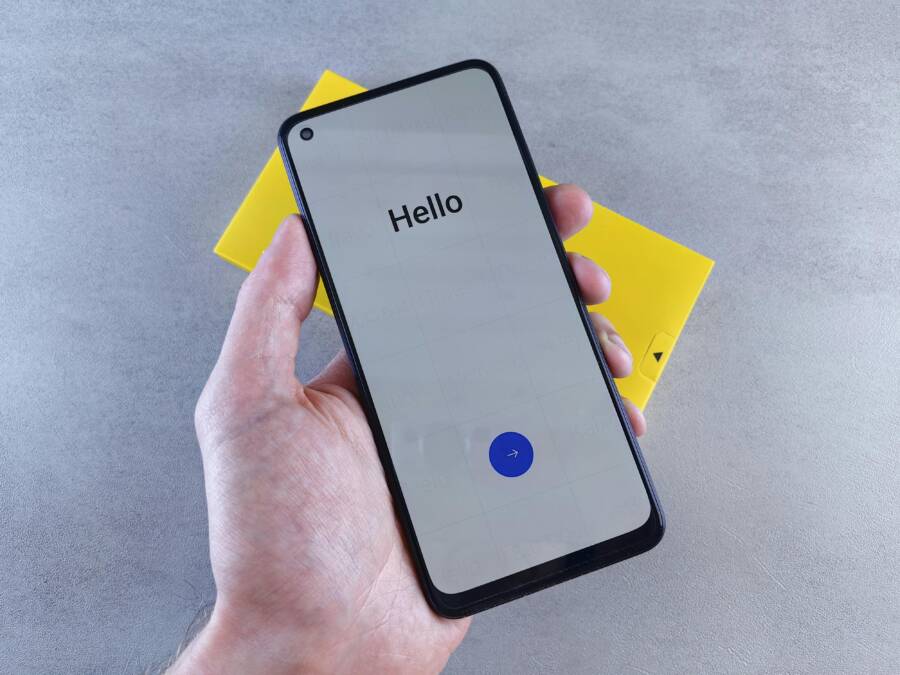
 Photo by Andrey Matveev
Crafting a clear and friendly script
A polished script makes recording easy and keeps your message concise. Use a ready-to-use template and show how to customize it for personal or business use. Below is a fill-in-the-blank example you can adapt in minutes.
- Ready-to-use template
- “Hi, you’ve reached [Your Name] at [Your Company]. I can’t take your call right now. Please leave your name, number, and a brief message about the purpose of your call. I typically return calls within [time window], and you can also reach me at [alternative contact]. Thank you for calling.”
- How to customize for personal use
- Replace [Your Name] with your name.
- If you’re not representing a company, remove the company part and add a personal callback window, like “I’ll return your call within the next business day.”
- Include a preferred contact method if urgent, such as “email me at [email protected].”
- How to customize for business use
- Add your department or role, for example “Hi, this is [Name], [Job Title] at [Company].”
- If you manage multiple lines, note which line they reached and offer the best times to expect a reply.
- Encourage action by providing alternative contact channels, such as a support email or a scheduling link.
- Example script with name and company
- “Hi, you’ve reached Jane Doe with Acme Solutions. I can’t take your call right now. Please leave your name, number, and a brief message about your request for a quick reply. I typically return calls within one business day. If this is urgent, you can reach me at [email protected]. Thanks for calling, and I’ll get back to you soon.”
When you tailor your script, keep it natural. Speak with warmth but in a professional tone. If you’re testing for a specific audience, adjust the language to match their expectations while keeping the core elements: who you are, when you’ll respond, and what the caller should leave.
- Use practical structure: greeting, identification, reason to call, what to leave, callback timing.
- Keep it under 30 seconds. Short messages are easier to understand and remember.
- Practice delivering the script aloud. A calm, steady pace helps listeners absorb key details.
For more templates and professional examples, explore resources like Shopify and other business guides. These collections offer varied scripts you can adapt for tone and audience. A few helpful references:
- Shopify: Business Voicemail Greeting Best Practices + Free Templates
- Nextiva: 21 Best Business Voicemail Greeting Examples With Templates and Tips
- Brightnis: 50 Outstanding Examples of Professional Voicemail Greetings
- Related guidance: “26 professional voicemail greetings to help you record the perfect one” and other practical templates
Tips for tone and pacing
Your tone and pacing are as important as the words themselves. Speak slowly enough to be understood, but not so slowly that the listener loses attention. Aim for a warm but professional demeanor, avoiding slang or overly casual language. Short sentences improve clarity and reduce the chance of mishearing. A confident delivery signals you’re accessible and reliable.
Key considerations:
- Speak clearly at a natural pace. A steady tempo helps listeners catch names and numbers.
- Use a friendly tone with just enough warmth to feel approachable.
- Avoid complex terms or jargon that can confuse callers.
- Keep messages concise. If you’re tempted to add extra details, save them for later messages.
If you want to see real-world examples, you’ll find many templates and best practices from credible outlets. For instance, HubSpot’s guidance on professional greetings provides practical structure you can emulate. When testing, have a friend listen to your recording and provide quick feedback on tone and pace.
Testing, updating, and automation
Testing your greeting ensures callers hear exactly what you intend. After you record, dial your own number from another device to verify the greeting plays correctly, the timing feels natural, and the message is easy to follow. Regular updates keep your greeting relevant for holidays, vacations, or special events. If you find yourself making frequent changes, set up memorized prompts to simplify updates.
- Quick test steps
- Call your number from another phone and listen to the greeting.
- Check length and clarity on speaker and hands-free modes.
- Record a shorter version and a longer one to compare how callers respond.
- Update opportunities
- Holidays and travel: note temporary availability or special handling.
- Special events: mention upcoming conferences, product launches, or service changes.
- Always revert to a standard greeting once the event ends to maintain consistency.
- Memorized prompts for easier changes
- Create a few stock lines you can swap in quickly, such as “I’ll be in a meeting until 2 PM” or “Please leave a callback window of tomorrow morning.”
- Keep a written cue nearby to avoid stumbles during recording.
For reference, credible guides and setup articles outline device-specific paths and best practices for both Apple and Android users. You can verify steps on official support pages or trusted outlets to ensure your process matches your phone and carrier.
- iPhone users can verify steps on Apple’s support pages for changing voicemail greetings.
- Android users can consult Google Voice help or carrier app guides for updating greetings.
- For quick, device-agnostic guidance, Android Authority and similar outlets provide troubleshooting tips that apply across devices.
Common issues and fixes
Even the best greetings run into snags. Here are frequent problems and fast fixes you can apply without tech support.
- Saving errors
- Ensure the app or dial-in path has the latest update installed.
- Reboot the device and try again.
- Confirm you’ve selected the new greeting as active.
- Background noise and unclear voice
- Record in a quiet environment.
- Speak directly into the microphone and avoid echo from a hard surface.
- Use a shorter message to improve clarity.
- Wrong language settings
- Verify your device language matches the preferred voicemail language.
- If prompts appear in an unexpected language, reset the voicemail language in your device settings or carrier app.
- Carrier or app quirks
- Some carriers require enabling Visual Voicemail or a feature in the plan.
- Check carrier support pages for any unique prompts or PIN requirements.
- Misrouted prompts or mixed paths
- If prompts lead you to the wrong menu, try dialing in from a different number or using a different app path.
- Switch between Visual Voicemail and dial-in methods to confirm which works reliably on your network.
- Conflicting apps
- A third party voicemail app can override system settings. Disable or uninstall it to test the standard flow.
- Audio playback issues after saving
- Re-test after adjusting the volume on the device.
- Try a shorter recording to minimize compression artifacts.
If issues persist, contacting your carrier can reveal feature availability or account-specific limitations. For Android users, testing both Google Voice and carrier options helps identify the best path. For iPhone users, confirm whether Visual Voicemail is supported by your plan and region, and keep a fallback dial-in method handy.
- Quick reference guides from major carriers can save time when troubleshooting.
- Testing with a friend is a practical way to confirm the greeting sounds right on real calls.
External resources you may find helpful:
- Set up or change a voicemail greeting – Android
- Apple support: Change your voicemail greeting and settings on iPhone
- Verizon support: Apple iPhone – Change Voicemail Greeting
In practice, a well crafted greeting with a clear promise to respond, tested for clarity, and kept within 10 to 30 seconds will serve you well. Regular updates aligned with your schedule ensure callers always know how to reach you. If you want extra ideas for crafting an effective greeting, browse professional templates and tips from credible sources to tailor your tone for personal or professional use. For additional templates and tips, see Lifewire’s guide on changing the iPhone voicemail greeting.
- Practical templates and tips can be found in credible business resources
- Professional collections offer ready-to-adapt scripts for different audiences
References and further exploration
- Apple support: Change your voicemail greeting and settings on iPhone
- Verizon support: Apple iPhone – Change Voicemail Greeting
- Set up or change a voicemail greeting – Android
- Set up or change a voicemail greeting – Android (Google Voice path)
To keep your voicemail fresh and relevant, schedule a quick quarterly check. A 60-second review can reveal opportunities to shorten the script, adjust the callback window, or add an alternative contact method that improves response times. By staying proactive, you’ll ensure every caller lands the right impression from the moment they reach your voicemail.
Conclusion
A clear voicemail greeting sets expectations and speeds up callbacks, whether you’re reachable on an iPhone or an Android smartphone. On iPhone, use Visual Voicemail to record a custom greeting or dial in if Visual Voicemail isn’t available; on Android, you can record via the Phone app, a Visual Voicemail path, or a carrier app. The main steps are simple: access voicemail, choose Change or Greeting, record a concise message, save, and test by calling your own number. A strong greeting should be brief, friendly, and include when you typically return calls and how to reach you if urgent. Test it now, and review and update it regularly to keep it aligned with your schedule and audience. What tweaks would make your message resonate more with your callers, and when will you schedule your next quick review?
He Was Drowning in Bills and Burnout Until a Simple Daily Ritual Rewired His Brain for Wealth in Less Than a Week
>>> Start Your Shift Today <<<