He Was Drowning in Bills and Burnout Until a Simple Daily Ritual Rewired His Brain for Wealth in Less Than a Week
>>> Start Your Shift Today <<<

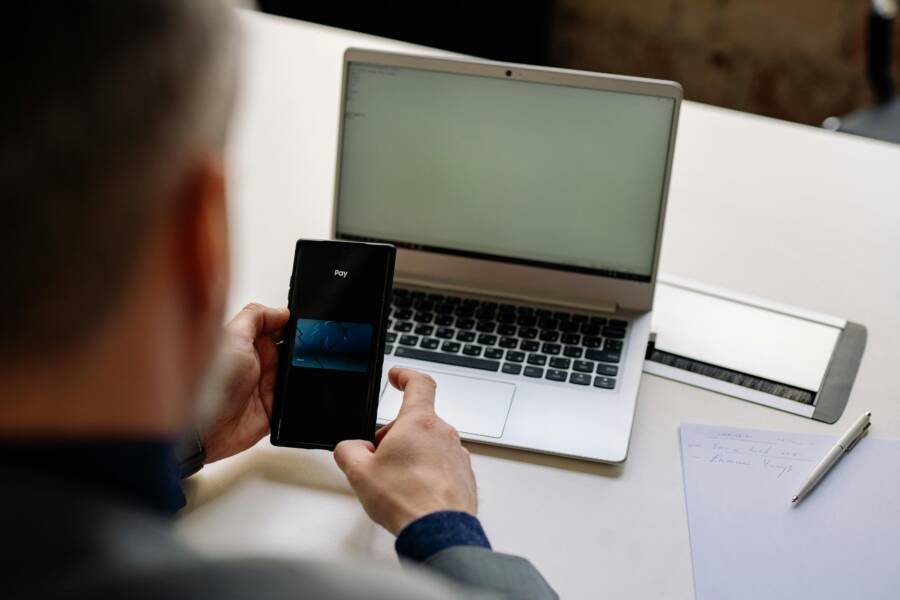
Tap to pay technology lets you complete purchases with a quick motion instead of digging for your wallet. It is a convenient way to pay, but you must remain cautious about how your financial data stays protected on your device.
Setting up your digital wallet correctly is the primary defense against unauthorized access to your funds. When you use your smartphone for payments, you want a balance of speed and high-level security.
Follow these steps to configure your device and shield your personal information from potential threats.
Understanding How Tap to Pay Keeps Your Data Private
Using your smartphone for purchases is a common habit today. Many people worry about the security of their financial information during these brief transactions. You can rest easy knowing that modern payment systems prioritize your privacy through sophisticated hardware and software protections. By moving away from plastic cards and using a device-based approach, you significantly reduce your exposure to common theft methods.
What If the Only Thing Between You and the Life You Deserve Is a Hidden Wealth Code Waiting to Be Activated
>>> Open the Door <<<

Why Digital Wallets Are Often Safer Than Plastic Cards
A physical credit card contains static information on a magnetic stripe or a simple EMV chip. If a thief steals your card or uses a skimmer at a gas pump, they gain immediate access to your account details. A digital wallet on your smartphone works differently because it adds layers of protection that plastic simply cannot provide.
You must unlock your phone to initiate any payment. Most devices require biometric authentication, such as a fingerprint scan or facial recognition, before they transmit any signal. Even if someone finds your phone, they cannot access your payment information without your biological credentials.
Physical cards are easy to lose or duplicate. Your smartphone, however, remains in your possession during the entire process. You do not need to hand over your device to a cashier or leave it exposed on a terminal. This isolation keeps your physical account details hidden from view while you pay.
The Role of Tokenization in Every Transaction
The true power of mobile payments lies in a process called tokenization. When you add a card to your digital wallet, the bank does not store the actual card number on your phone. Instead, the system assigns a unique digital token to that specific device.
Each time you tap your smartphone at a terminal, the device generates a one-time code for that single transaction. This code acts as a temporary key for the purchase. The merchant receives this code, which they forward to the payment network for approval.
The system is secure for several reasons:
- The temporary code is useless to hackers because it expires the moment the transaction finishes.
- Your actual credit card number never travels across the airwaves during the payment.
- A thief who intercepts the transmitted data gains no information they could use to make future purchases.
Because every tap creates a fresh, distinct identifier, your account stays protected against data breaches at retail stores. Even if a merchant suffers a database leak, the information stolen is merely an old, expired token. Your real financial details remain safely locked within your bank records and never touch the payment terminal.
Steps to Securely Set Up Apple Pay on Your Device
Setting up your mobile payment service requires focus on your security settings. You should treat this process like a traditional banking registration. The system relies on clear protocols to verify that you own the cards you add. Once the setup completes, your smartphone acts as a secure container for your financial credentials.
Adding Your First Card to the Wallet App
You start the process by opening the Wallet app on your iPhone. Tap the plus icon in the top right corner to initiate the card addition. You can use your camera to scan the card or enter the details manually. After you provide the card number, expiration date, and security code, the app connects to your bank.
The bank then reviews your request to confirm the card is valid. They will often send a verification code to your email or as a text message. You must enter this specific confirmation code into the Wallet app to finish the registration. This step is mandatory because it proves you have access to the contact information tied to your bank account. Without this confirmation, the system won’t activate your card for store payments.
Verifying Your Identity for Maximum Protection
Sometimes the bank requires more than a simple text code. They might ask you to call their customer service department or sign in to your official banking app. This happens when the bank needs extra assurance that the person adding the card is the actual account holder. These additional steps prevent unauthorized users from adding your credit card to their own smartphone.
An app notification provides the most convenient way to handle this request. If your bank offers this feature, the system directs you to your mobile banking app where you can approve the new card addition with a single tap. This method is highly secure because it happens within a private, authenticated environment. If a phone call is necessary, the representative will confirm your identity through standard security questions. This added layer of verification keeps your financial profile safe from fraud. Following these instructions turns your mobile device into a protected payment tool that guards your data against potential theft.
How to Properly Configure Google Pay for Android Users
Setting up your payment profile on an Android device involves a few precise steps. When you take the time to configure these settings correctly, your smartphone becomes a highly secure tool for daily transactions. You should prioritize these configurations immediately after adding your first card to the Google Wallet app.
Thousands of People Were Struggling With Money Until They Discovered This One Ancient Secret Hidden in Sound
>>> Unlock It Now <<<

Linking Financial Accounts With Security Settings
You must first open the Google Wallet app to start the account linking process. Tap the add to wallet button and select your preferred payment card. Your bank will perform a quick verification check to confirm you are the legitimate owner of that account. This often involves a code sent to your phone or email. Once the bank verifies the card, it remains linked to your profile and ready for use at any store that accepts tap payments.
Security settings are the most important part of this configuration. The payment service requires a screen lock on your smartphone to function correctly. This means your device must be protected by a PIN, pattern, password, or biometric scan. Without a screen lock, you cannot complete a payment because the app denies access to your financial tokens.
You should choose a strong method to lock your phone. Biometric authentication like a fingerprint scan is popular because it provides fast access while keeping your data private. If you prefer a PIN, select one that isn’t easy for others to guess. The Android system enforces these rules to ensure only you can trigger a payment. If you ever disable your screen lock, the app automatically removes all your saved cards to protect your information.
Ensuring Your Smartphone Software Stays Secure
Maintaining a secure payment environment relies on regular software maintenance. Your device manufacturer and Google release monthly security patches to fix vulnerabilities in the operating system. You should install these updates as soon as they become available. These small downloads contain fixes that prevent hackers from finding backdoors into your device.
Think of your security updates as a digital lock for your front door. If you don’t update your software, that lock can become worn or ineffective over time. Modern threats constantly change, and these patches update your phone defenses to recognize and stop new attack patterns. An outdated device is much more vulnerable to malware that could compromise your payment credentials.
You can check for updates in your phone settings menu. Look for the system update section and tap check for updates to see if your manufacturer has released new software. Turning on automatic updates is a smart way to stay protected without needing to remember the manual process. A well-maintained smartphone keeps your financial transactions private and prevents unauthorized parties from accessing your data. Your diligence in keeping the software current is a primary layer of protection for every purchase you make.
Best Practices for Everyday Usage and Safety
Owning a smartphone involves more than keeping the screen clean. Since your device holds your payment credentials, you must treat its physical and digital security with the same care as your wallet. Simple habits throughout your day provide the most effective defense against unauthorized activity.
What to Do if Your Smartphone Goes Missing
Losing your phone is stressful, but you can prevent financial loss by acting fast. Modern operating systems include remote tools designed to lock or wipe your device from any web browser. You should familiarize yourself with these settings before a crisis happens.
If your smartphone disappears, visit the official device recovery website immediately. For Apple users, this is the Find My service on iCloud. Android users should head to the Find My Device portal. Once you log in with your account credentials, you can trigger these protections:
- Remote Lock: This command prevents anyone from accessing your apps or payment data without your passcode. It effectively renders your device useless to a thief.
- Lost Mode: You can display a custom message on the screen with a contact number. This helps a good Samaritan return your property while keeping your data under a digital lock.
- Remote Wipe: If you believe the phone is permanently gone, select this option to erase all personal information. This factory reset removes your payment tokens and banking app access, ensuring your financial profile stays safe.
Check that you have these features enabled in your phone settings today. A quick verification step now saves you from a massive headache if you misplace your device tomorrow.
Avoiding Phishing and Common Digital Scams
Criminals often target smartphone users with deceptive messages that look like official bank alerts. These messages usually claim there is a problem with your payment profile. They might ask you to click a link to “verify” your identity or update your wallet information.
Real banks do not ask for your password or full payment credentials through a text message or an email link. You should treat any message creating a false sense of urgency with extreme suspicion. Scammers want you to act fast without thinking, so they use phrases like “your account is suspended” or “unauthorized access detected.”
He Was Drowning in Bills and Burnout Until a Simple Daily Ritual Rewired His Brain for Wealth in Less Than a Week
>>> Start Your Shift Today <<<
Follow these rules to stay safe:
- Never click links in unsolicited emails or texts regarding your digital wallet.
- Navigate directly to your banking app or the official website if you receive an alert.
- Report suspicious messages as spam or junk through your messaging app.
- Verify the sender’s address carefully, as scammers often use slightly altered domain names.
Your bank will communicate through secure channels within their official app. By relying on those verified paths rather than links in random texts, you protect your personal data from clever social engineering tactics. Staying alert turns your smartphone into a fortified payment tool that resists common online threats.
Conclusion
Your smartphone provides a high level of security by using tokenization and biometric authentication for every purchase. These features ensure that your actual financial details remain hidden from merchants and potential thieves.
You now possess the knowledge to configure your device for maximum safety. By following these setup steps, you can enjoy a fast and protected shopping experience every time you tap to pay.
Thousands of People Were Struggling With Money Until They Discovered This One Ancient Secret Hidden in Sound
>>> Unlock It Now <<<