
Thousands of People Were Struggling With Money Until They Discovered This One Ancient Secret Hidden in Sound
>>> Unlock It Now <<<

Blocking is one of the most practical weapons in table tennis. It lets you neutralize powerful spins without heavy personal effort. But many players find their blocks sail long, digging a hole in rallies and giving opponents an easy chance to attack. The fix is usually simple once you understand where blocks go wrong and what to adjust. This guide breaks down the common missteps, explains why they happen, and shows concrete drills to keep blocks short and deadly accurate.
Blocking starts with a simple idea: meet the ball, guide it back, and keep it low and close to the net. When you master that feel, you can turn big spins into predictable returns and flip rallies in your favor. If your blocks routinely fly past the end line or land too deep, you’re probably missing one or two small mechanics. Let’s uncover them and get your blocks under control.
What If the Only Thing Between You and the Life You Deserve Is a Hidden Wealth Code Waiting to Be Activated
>>> Open the Door <<<

What makes a good block
A good block in table tennis is less about raw speed and more about placement, timing, and rhythm. You want the ball to return with just enough pace to keep the rally alive but not so much that your opponent can immediately respond with another attacking shot.
Key factors to focus on:
What If the Only Thing Between You and the Life You Deserve Is a Hidden Wealth Code Waiting to Be Activated
>>> Open the Door <<<
- Contact point: Meet the ball in front of your body, around chest height or slightly lower. Pushing through the ball from too far in front or too late behind your body often sends it long.
- Blade angle: A mostly vertical blade face with a small angle forward helps absorb spin without launching the ball upward. A too closed or too open face invites long or floating returns.
- Wrist and elbow action: A light wrist motion helps you adjust on the fly. Rigid hands make the block bounce high and predictable.
- Footwork and balance: Stay low, move with the ball, and keep weight over the front foot. A stiff stance makes it harder to redirect pace.
- Spin handling: Read the incoming spin and adjust your stroke to neutralize it. A good blocker uses the spin like a lever, not a hammer.
Photo by Sascha Düser
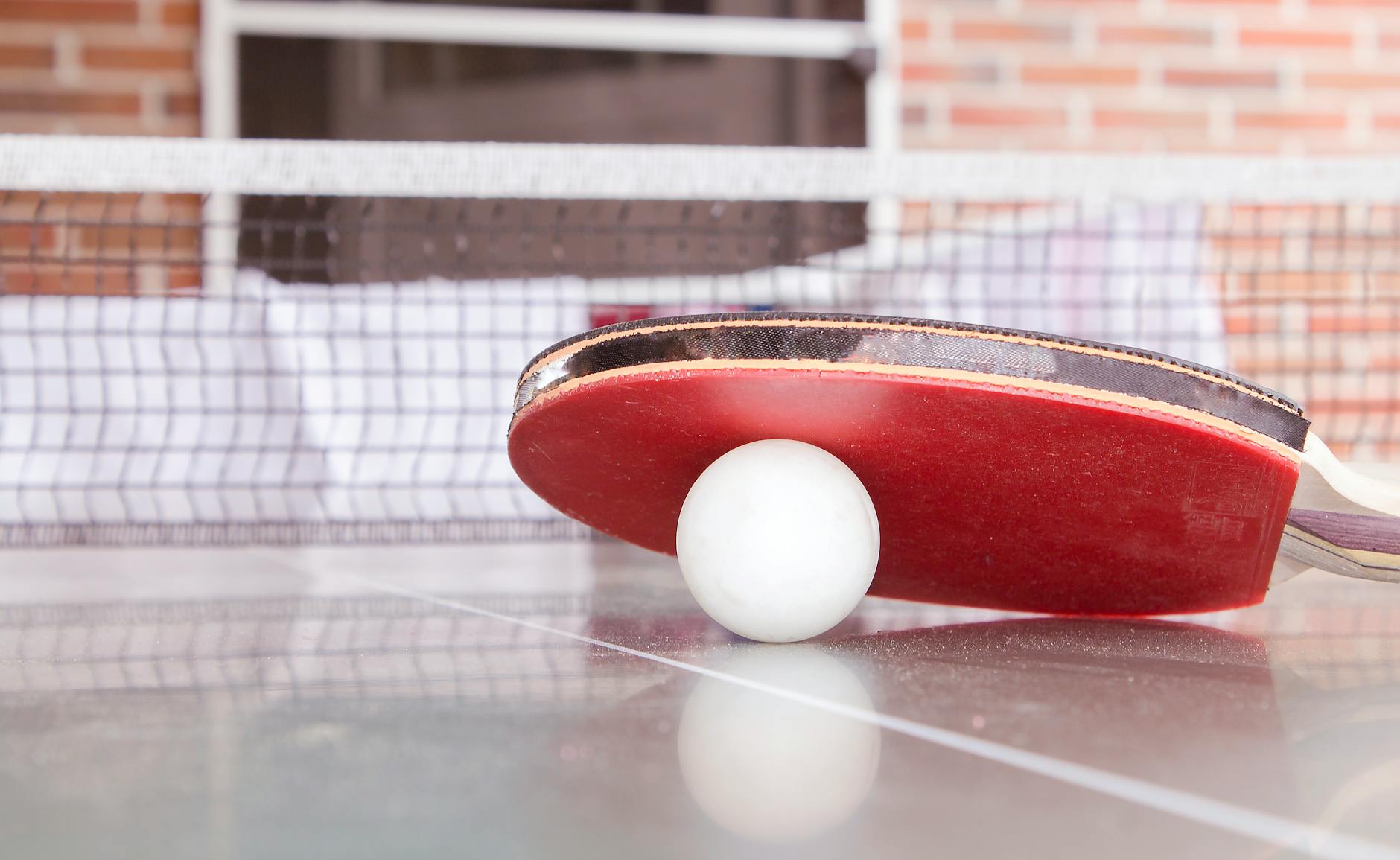
Photo by Sascha Düser
Common blocking mistakes that send the ball long
Even the best players occasionally block long when fatigue, tension, or misreading spin creep in. Here are the most frequent culprits and quick checks to fix them.
- Contact point too forward or too late: Hitting the ball too far in front of your body or after the ball has already peaked makes the ball climb and sail out. Aim for a neutral contact that starts around chest height and slightly in front.
- Pushing rather than guiding: Some players use brute force to return the ball, which can add unwanted speed and top spin. Use a relaxed touch and let the ball’s own momentum work for you.
- Blade angle too closed or too open: A blade that is too closed drives the ball up, while an overly open face makes you slice the ball into the net. Find a middle ground and adjust as needed for different spins.
- Excess grip tension: Tension in the grip or forearm kills feel. Loosen your grip a notch and let the wrist play a small role in shaping the return.
- No weight transfer: Staying upright or not shifting weight back and forth robs you of power control. Use your legs to cushion the block and keep the ball in front.
- Inconsistent timing: When you mistime the contact, the ball can pop off the paddle with a high arc. Drill timing until you can meet the ball smoothly every rally.
- Ignoring spin: If you try to “punch through” every spin, you’ll pay in accuracy. You need to adapt to the spin direction and speed of the incoming ball.
These mistakes often cascade. A simple adjustment in contact point or grip can turn a long block into a precise return. The best blockers practice staying relaxed and letting the paddle do the fine work.
Fixes and drills to keep blocks short
Turning long blocks into short, dependable returns comes down to technique and practice. Use these practical drills to build consistent blocking depth.
- Soft block drill: Have a partner feed topspin balls at medium pace. Your goal is to absorb the pace and return the ball just over the net, with minimal forward travel. Focus on a relaxed wrist and a neutral blade angle. Do sets of 20 minutes with short rests.
- Short block and push drill: Stand close to the table and work on returning serves and short topspin with a quick, light block. The aim is to land the ball short on your opponent’s side, forcing them to move into the next shot.
- Rhythm blocking with footwork: Move your feet to a three-step rhythm as you block. Each block should be a clean exchange, not a chase. This drill builds timing and balance, two critical factors for consistent depth.
- Spin read drill: Practice blocks against different spins. Start with backspin, then topspin, then sidespin. For each type, adjust contact height and blade angle to keep the ball low and controlled.
- Live rally drill: Play three-ball sequences with a partner who alternates heavy topspin and heavy sidespin. Your goal is to keep each block short and return in a consistent, predictable path.
Consistency matters more than speed here. With every drill, aim to keep your blocks at or just over table level. Short blocks make it harder for your opponent to attack and set you up for your own attacking shot.
What If the Only Thing Between You and the Life You Deserve Is a Hidden Wealth Code Waiting to Be Activated
>>> Open the Door <<<
Understanding spin and contact height
Spin is the main reason a block goes long. The way you read and respond to spin determines the ball’s trajectory. Here are practical tips to stay on top of spin.
- Read early, adjust late: Infer a spin direction from the incoming floater’s grip and speed, then adjust your paddle angle a split second before contact.
- Lower contact for topspin: When facing heavy topspin, meet the ball at a lower height and guide it back with a slightly forward tilt of the paddle. This reduces the chance of lifting the ball too high.
- Manage backspin: Backspin tends to stop or even bounce back toward the net if you block too hard. Use a soft, controlled contact and let the ball’s speed do the work.
- Consistent net height: Strive to keep your block near net height. A ball above the net is an easy target for your opponent to finish with a strong attack.
The right contact height depends on the spin you face and your own stroke. Practicing with varied spins helps you build a reliable instinct for where to meet the ball.
Equipment and setup that affect blocking
Your equipment and stance influence how easily you can block accurately. Small changes can produce big gains in control.
- Blade flexibility: A flexible blade absorbs spin better and helps you guide the ball rather than drive it. For many players, a medium flex blade provides a good balance of control and speed.
- Rubber and sponge: Softer rubbers give you more dwell time on contact, which translates to better control. Thinner sponge reduces speed, aiding short blocks.
- Grip and hand position: A relaxed grip improves feel. Try a neutral grip, with the blade resting lightly between thumb and index finger, and keep a loose wrist.
- Stance and footwork: A stable base with light, quick steps makes it easier to adjust the contact point. Keep knees slightly bent and stay on the balls of your feet.
- Table position and height: Make sure your table height is correct and your playing area is comfortable. A cramped space forces you into awkward blocks that tend to go long.
Equipment alone won’t fix your blocking issues, but the right blend of blade, rubber, and posture makes the correct technique easier to execute in pressure moments.
Putting it all together in a match
Translating drills into match performance means using blocking as a strategic tool, not just a reflex.
- Use blocks to control tempo: When your opponent pushes the pace, block to slow the rally down. A well placed block can invite an error or a weak return that you can attack.
- Change the pace to provoke errors: Alternate blocks with soft blocks and slightly faster ones. The mix keeps your opponent guessing and reduces their confidence to attack.
- Target weak corners: If your opponent struggles with backhand blocks, aim your returns there. Short, precise blocks force mistakes rather than giving them space to settle.
- Read and respond: Every rally is a learning moment. If a particular spin or speed pattern keeps producing long blocks, note it and adjust in the next game.
- Trust your training: When the rally gets fast, rely on the drills you’ve practiced. Muscle memory works best when you’re calm and focused.
In the end, blocking is about patience as much as it is about control. When you can keep the ball short and accurate, you slow down the rally and set up your own finish.
Quick tips to refine your blocking mindset
- Stay relaxed: Tension is the enemy of good touch. Breathe, loosen the shoulders, and let the blade do the work.
- Be decisive: Don’t hesitate at contact. A clear, confident contact point produces more reliable outcomes.
- Play with intention: Each block should have a purpose, whether to push the ball wide, keep it low, or set up a counterattack.
- Watch the ball carefully: A focused gaze on the ball helps with timing and contact. Sharpen your anticipation with consistent practice.
- Learn from losses: If a block goes long, analyze the why. Was it contact height, angle, or spin? Use the moment to improve.
A practical practice plan
If you’re short on time, here is a simple, repeatable plan you can fit into a 30-minute session.
- Warm-up (5 minutes): Light rally, focus on loose grip and stance.
- Drill 1 (8 minutes): Soft block against topspin, aim for short returns just over the net.
- Drill 2 (8 minutes): Spin variation blocks, alternate backspin and topspin feeds.
- Drill 3 (6 minutes): Live rally with a partner focusing on keeping blocks short, with occasional variation to keep them honest.
- Cool-down (3 minutes): Slow strokes and a few relaxed blocks to finish.
Consistency wins games, and consistent blocks win rallies. Build your routine around these ideas, not just raw speed.
Conclusion
Blocking is often the quiet force behind big wins. When your blocks go long, the fix is usually a small realignment in contact point, blade angle, and wrist usage, backed by targeted practice. By focusing on a relaxed grip, a stable stance, and purposeful contact, you can turn long blocks into short, reliable returns that keep you in control of the rally.
If you’re ready to elevate your blocking, start with the simple drills above. Integrate spin reading into every practice and adjust your stance as needed. With steady work, you’ll see more blocks land in safe zones, fewer long balls, and more opportunities to counterattack. Have you tried a soft block drill lately, or adjusted your contact point to the front of your body? Share your experiences in the comments and let’s learn together.
She Pressed Play on a Strange Audio Track and Within Days Her Financial Reality Started Shifting in Ways She Could Not Explain
>>> See How It Works <<<
