She Pressed Play on a Strange Audio Track and Within Days Her Financial Reality Started Shifting in Ways She Could Not Explain
>>> See How It Works <<<

Blocking is the backbone of a solid table tennis game. It keeps you in rallies, paves the way for counterattacks, and trains your hands to read spins and speeds in real time. This guide lays out ten practical drills you can mix into your training routine to boost consistency, improve reflexes, and sharpen your blocking technique. Each drill is designed to be straightforward, so you can run them at home or in a club with minimal equipment.
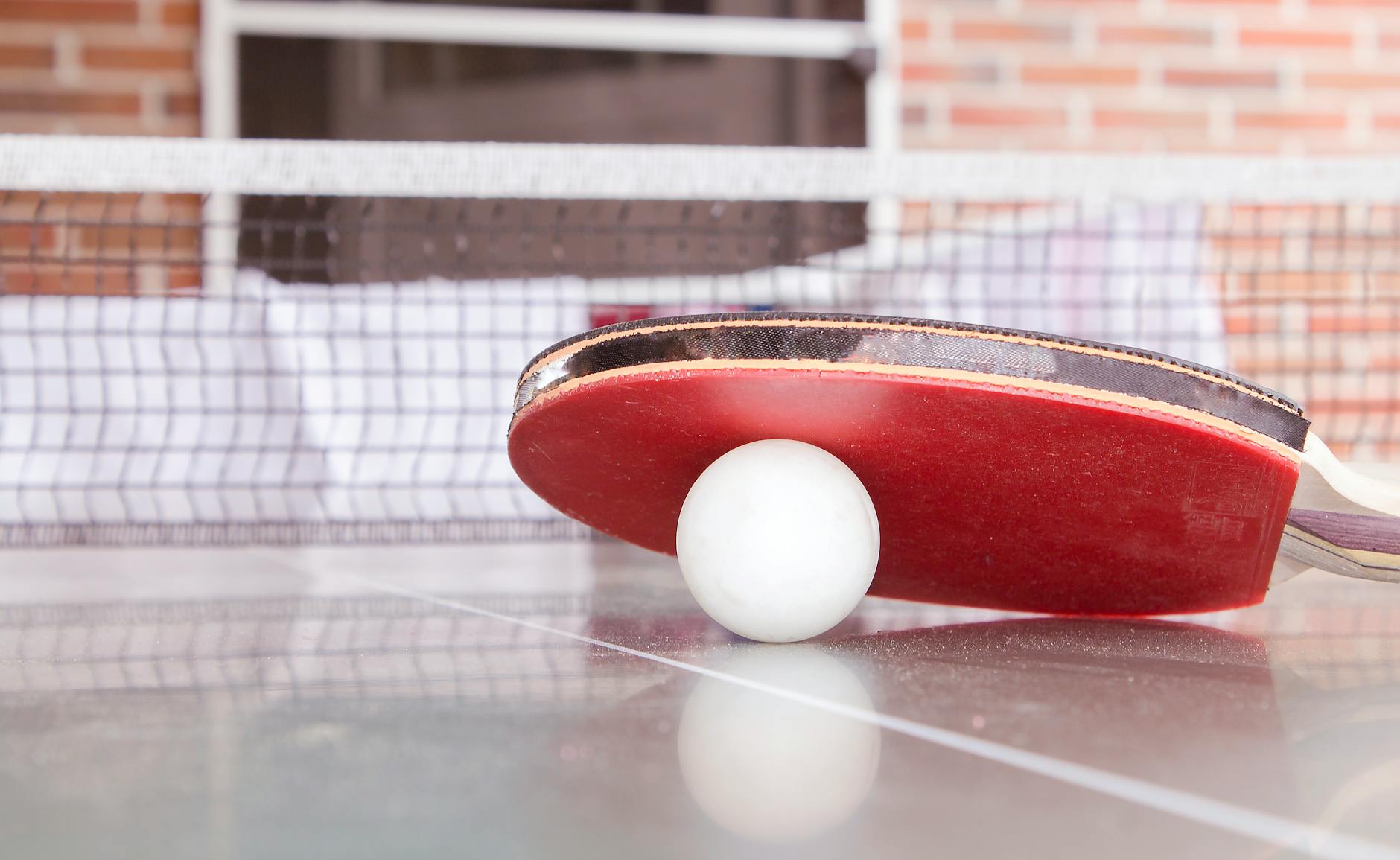 Photo by Sascha Düser
Ten Blocking Drills to Sharpen Your Reflexes
Drill 1: Quick Footwork for Fast Returns
Fast blocks start with the feet. Stand in a relaxed ready position with knees slightly bent and weight on the balls of your feet. Shuffle from side to side as a feeder hits chips to your backhand and forehand. The goal is to keep your paddle up and ready, move without crossing your feet, and land each block with minimal wasted motion. Practice 60 seconds at a time, 6 sets, with 15 seconds rest. Focus on a smooth weight transfer from heel to toe and a compact backswing.
Key takeaways: stay light on your feet, keep the paddle in front, and absorb pace with minimal arm movement.
He Was Drowning in Bills and Burnout Until a Simple Daily Ritual Rewired His Brain for Wealth in Less Than a Week
>>> Start Your Shift Today <<<

Drill 2: Shadow Blocking for Precision
Shadow blocking means practicing without a ball while imagining the bounce and spin. Stand in your ready stance and rotate your shoulders as if you are receiving backspin, sidespin, and fast flat balls. Keep your racket face square to the imaginary ball path and return to the ready position after each block. This drill builds muscular memory for a clean block and reduces late racket openings that invite every counterattack.
What to watch for: avoid overextending the elbow; keep wrists relaxed; picture the ball path as you would in a real rally.
Drill 3: Blocking Against Varied Spins
A good blocker handles different spins with a calm, patient stroke. Have a partner feed backspin, topspin, and sidespin balls to your block angle. Start with slow feeds to master the feel, then increase speed gradually. Your aim is to keep the ball short and controlled, with a soft, compact contact that redirects pace rather than resisting it. After each ball, reset quickly to the ready position.
Tips: adjust the paddle angle slightly for each spin; don’t chase the ball with a big loop of motion.
He Was Drowning in Bills and Burnout Until a Simple Daily Ritual Rewired His Brain for Wealth in Less Than a Week
>>> Start Your Shift Today <<<
Drill 4: Multi-Ball Blocking for Consistency
Use multiple balls fed rapidly from a basket or trainer. The feeder picks a target zone on your table and pushes balls to your forehand and backhand blocks in quick succession. Your objective is to keep the paddle in the same plane, keep your blocks stable, and minimize movement between shots. This drill builds stamina and steady rhythm under pressure.
Progress marker: how many blocks you can land in a 30 second window without breaking form.
Drill 5: Wall Block for Precision and Feel
A wall can be a reliable partner for repetitive blocking. Stand 2 to 3 feet from a wall and receive balls from a slow feeder or bounce the ball off the wall yourself. The goal is to return each shot with a quiet, crisp block that lands in a small zone on the wall or a target mat. This drill is great for refining touch and ensuring you can replay consistent blocks when you are tired.
Variation: mark a target area with tape and aim for the center each time.
Drill 6: Forehand and Backhand Transitions
Blocking is not just about the stroke; it’s about how quickly you switch between forehand and backhand. Have a partner feed alternate backspin to your backhand and topspin to your forehand, forcing you to switch grips and angles smoothly. Focus on a compact transfer of weight and a minimal shoulder rotation to pivot your racket into the correct blocking angle.
What to improve: faster transition, less head movement, and cleaner contact on both sides.
Drill 7: Backhand Emphasis Under Pressure
Backhand blocks often feel awkward for beginners. Set up a drill where every ball is aimed to your backhand side. Start at a comfortable pace and increase speed as your confidence grows. The goal is to build a reliable backhand block that can handle heavy shots without widening the stance or over reaching.
Bonus: record yourself to check paddle alignment and height at contact.
Thousands of People Were Struggling With Money Until They Discovered This One Ancient Secret Hidden in Sound
>>> Unlock It Now <<<

Drill 8: Short Block Control
Short blocks keep the ball low and force the opponent into awkward replies. Practice by receiving serves or light topspin with just enough speed to keep the ball tight to the net. Keep the paddle close to the table, with a slight forward tilt, and use a small, deliberate contact. The key is to control depth over raw speed.
Practical tip: imagine a tiny target in front of you and aim for it every time.
Drill 9: Blocking Rally Drill
Create a mini rally with a partner where both players block to keep the ball short and manageable. Each player alternates blocking and then stepping back for an aggressive reset. This drill trains you to stay calm during exchanges and to avoid over swinging when pressure rises. The ending should feel like a real point where you survive the tempo and keep the rally going.
How to measure progress: note how many consecutive blocks you land before a forced error.
Drill 10: Serve Return Block Pattern
A strong block starts with how you handle the receive. Practice returning serves with a blocking style rather than pushing the ball and losing tempo. Start with simple serves to your forehand and backhand blocks, then move to mixed spins and speeds. The aim is to return the ball with a clear path to your next shot, not to win the rally from the first block.
Take it to the table: after every block, picture your next shot and set up your next position.
How to Structure a 30 Minute Blocking Session
- Warm up (5 minutes): light jog, shoulder circles, and gentle racket swings.
- Drills 1 3 5 (9 minutes): rotate between footwork, wall work, and multi-ball blocks.
- Drills 2 4 6 (9 minutes): add shadow blocking, quick transitions, and short blocks.
- Drills 7 9 10 (7 minutes): build backhand emphasis, rally patterns, and serve returns.
- Cool down (0.5 minutes): stretch shoulders, wrists, and upper back.
If you keep the sessions consistent, you’ll notice improvements in how quickly you get into position, how clean your contact feels, and how reliably you can return varied shots.
The Science Behind Blocking Improvements
Blocking is about timing, balance, and touch. When you practice with a variety of spins and speeds, your brain learns to predict ball trajectory and adjust the racket angle in a fraction of a second. Regular drills build muscle memory for the exact contact point, reducing the chances of early or late contact. A steady rhythm makes it easier to stay in rallies and creates more opportunities to counterattack.
Keep your eyes on the ball until contact. Stay relaxed in the wrist and elbow. A controlled, compact stroke often beats brute force in blocking.
Equipment and Setup Tips
- Use a standard table tennis racket with a comfortable grip.
- If you train alone, a ball machine or multi-ball basket increases practice efficiency.
- A simple wall or a practice partner is enough to get solid results.
- Consider a light training blade for quicker reflex work and faster contact.
Remember, the goal is consistency over speed. Speed will come naturally as your control improves.
Common Blocking Mistakes to Avoid
- Over swinging on blocks, which reduces control.
- Lifting the elbow too high, causing contact above the sweet spot.
- Standing too upright, which slows your reaction time.
- Blocking with too much wrist action, which reduces stability.
- Rushing the contact after a provoked return.
Reviewing your technique regularly helps catch these mistakes early. Film yourself and compare with a clean blocking style.
Progress Tracking and Next Steps
- Keep a simple log of drills completed and your subjective effort level.
- Track how many blocks land in a target zone during the short block drill.
- Note your transition times between forehand and backhand blocks.
- After 4 weeks, reassess with a set of practice partners to gauge real rally performance.
If you see gradual gains in consistency, rhythm, and the ability to handle different spins, you’re on the right track.
Final Thoughts
Blocking is not glamorous, but it wins points and builds a solid foundation for any player. Ten focused drills, practiced with intention, can transform your blocking from tentative to reliable. Keep your practice varied, stay patient with your progress, and celebrate small wins along the way. A steady block can open the door to more aggressive plays and smarter point management.
If you’re looking for a practical, repeatable routine, start with Drills 1, 4, and 7 this week. Add Drills 2 and 5 next week, then weave in the serve return pattern from Drill 10. Your blocking should become smoother, your footwork more efficient, and your overall game more balanced.
Would you like a printable checklist to guide your next practice session? I can tailor one to your equipment and space, so you can track improvements quickly and stay motivated.
Photo by Sascha Düser
She Pressed Play on a Strange Audio Track and Within Days Her Financial Reality Started Shifting in Ways She Could Not Explain
>>> See How It Works <<<