She Pressed Play on a Strange Audio Track and Within Days Her Financial Reality Started Shifting in Ways She Could Not Explain
>>> See How It Works <<<

Why does your phone feel louder than a crowded room when many apps ping at once. The culprit is often overlapping sounds from different apps. You want calm alerts, not a chaotic chorus.
In this guide you’ll learn what causes overlapping notification sounds, why some apps fight for your attention, and how to tame the noise with simple tweaks. We’ll cover both Android and iPhone so you can apply practical changes no matter what you use.
Small changes add up to a calmer phone experience. You’ll find a practical, step by step plan you can start today, with smart tweaks you can implement right away. This guide is designed to be clear, actionable, and easy to follow so you can regain focus without missing important alerts.
Why Notification Sounds Overlap Happens
Overlapping notification sounds are the harmless sounding alarms that collide in your ears. It happens when multiple apps or devices try to alert you at nearly the same moment. The result is a chaotic chorus instead of a clear signal. Understanding why this occurs helps you fix it without missing important alerts. In this section, you’ll learn how sounds pile up across phones, wearables, and other connected devices so you can silence the noise without tuning out the need to stay informed.
He Was Drowning in Bills and Burnout Until a Simple Daily Ritual Rewired His Brain for Wealth in Less Than a Week
>>> Start Your Shift Today <<<

What overlapping sounds look like in everyday use
Imagine you’re grabbing a cup of coffee and your phone pings with a new message while a calendar alert goes off at the same time. You glance at the screen and see two notifications vying for your attention. Seconds later, your smartwatch adds a third chime, and if you’re near a tablet or computer, they light up with their own tones. The effect is a rapid-fire sequence that feels louder than it actually is.
This is more than just a nuisance. It can be distracting when you’re trying to focus, driving, or working on a task that needs your full attention. The experience is a mix of surprise, annoyance, and fatigue from constant interruption. Even when you know all the alerts are potentially important, the sheer volume of sounds makes it hard to pick out the one that matters most. A common scenario is two apps sending alerts within a few seconds of each other, or your phone and smartwatch both signaling at the same moment. Another frequent pattern is a notification arriving on multiple devices at once, such as a calendar reminder pinging on your phone and a laptop loud enough to startle you.
To keep this from happening, you want to recognize the pattern early. If you notice that certain apps consistently trade blows for attention, you’re dealing with overlapping sounds that can be tamed. The fix often isn’t a full reset but a targeted approach to how alerts are delivered and prioritized. For practical steps, see the sections below on how Android and iPhone handle sounds differently and how to spot the culprits quickly.
- Overlap often starts with timing: alerts arrive within a few seconds of each other.
- Multiple devices amplify the issue: watches, tablets, and PCs each have their own notification channels.
- The emotional impact matters: the same alert repeated across devices can feel louder than the actual volume would suggest.
If you’re curious about real-world examples and how others have mitigated these issues, you can explore guides from Android and Apple support that address prioritizing or silencing certain sounds without missing critical notifications. For Android, you’ll find discussions about sounds being overridden or prioritized by other alerts, which is a common root cause of overlap. For Apple users, Focus modes and device-wide notification settings can play a big role in preventing simultaneous sounds on iPhone and Apple Watch. For reference, see resources on prioritizing media sounds and silencing nonessential alerts across devices.
- Example: You get a Slack message at 9:01, a calendar reminder at 9:01:15, and a WhatsApp ping at 9:01:20. If your smartwatch mirrors all three, you’ll hear three distinct tones in a short span.
- Example: A tablet in your kitchen taps in with a bake timer right as a reminder from your phone surfaces. The two sounds can feel like one loud buzz rather than two separate signals.
Further reading on how overlapping sounds occur on Android and iPhone helps explain the mechanics behind these moments, including how apps sometimes override each other or how media playback and alert tones collide. You can consult specific support articles that discuss notification sound behavior and how to adjust it for calmer, more predictable alerts.
For Android users, some discussions focus on how app notification sounds can be overridden or deprioritized by system sounds. This is a common factor in overlap, especially on devices with aggressive notification channels. If you want to see how Google addresses this scenario, look for threads about app notification sounds being overridden. For iPhone users, Focus modes and the way notifications are routed to Apple Watch or iPhone can create similar overlaps, especially when multiple devices are signed into the same account. Apple’s guides cover how to manage Focus and silencing rules so alerts don’t compete across devices. Learn more about prioritizing or silencing notifications on Android and iPhone as you plan your own no-sound strategy.
- Android nuance: some notifications can override media sounds or compete for priority. This can create moments where two alerts feel synchronized even when they aren’t meant to be.
- Apple nuance: Focus modes let you quiet certain alerts while letting others through, but if multiple devices are set to alert at the same time, overlap can still occur.
For a practical next step, consider how you personally experience these overlaps today. Do you notice certain apps consistently waking you up with the same alert? Do you often hear a smartwatch tone at the same moment as your phone? These patterns point you toward targeted changes rather than a full reset.
If you want concrete examples from official guidance, see the Android and Apple resources linked in the section below. They provide practical steps to minimize overlap by adjusting app-specific settings, enabling quiet times, and configuring cross-device behavior.
- Practical takeaway: start by identifying the most frequent overlap moments and then map those to the devices involved. This mapping makes it easier to decide which setting to adjust first.
Next, we’ll compare how Android and iPhone handle sounds in practice, so you know what to expect on your device and where to look first when things get loud.
External resources for deeper reading:
- Android: App notification sounds overridden and related threads
- Android: Prioritizing media sounds over other notifications
- iPhone: Focus modes and cross-device notification behavior
App notification sounds overridden on Android
Notification sounds are overriding the media sounds. How to prioritise media sounds over other
I have weird echoing/overlapping audio, how do I fix it
- Apple: Focus and notification settings guide
- Apple: Background Sounds and audio routing across devices
- Apple: Change notification settings on iPhone
Allow or silence notifications for a Focus on iPhone
Use Background Sounds to help with sleep, focus, and more
Change notification settings on iPhone
How to control simultaneous notifications on Apple devices
How Android and iPhone handle sounds differently
Android and iPhone give you different levers to control when, where, and how alerts sound. On Android, you often manage per-app notification channels, which determine the priority, sound, vibration, and quiet hours for each app. This means a single app can be configured to ring loudly while another stays quiet, but if several apps fire at once, you can still hear overlap unless you adjust timing or priority. Practical steps include setting quiet hours, muting specific apps, or using Do Not Disturb rules to pause nonessential alerts during focused work.
iPhone users have a slightly different landscape. Focus modes on iPhone let you create profiles that suppress or permit notifications based on activity, time, or location. You can tailor which apps are allowed to break through during a Focus, and you can enable Focus across devices like Apple Watch and Mac. The catch is that if Focus rules aren’t synced or if multiple devices aren’t aligned, overlap can still happen. The key is to configure Focus to cover the devices you actively use in tandem and to ensure your critical apps are allowed through when needed.
- Per-app controls: Android gives granular control via notification channels, while iPhone uses a broader approach through Focus settings and notification grouping.
- Time-based quiet modes: Do Not Disturb on Android and Focus on iOS both offer time-bound quiet periods, but the behavior may differ across devices.
- Cross-device overlap: A smartwatch, tablet, and computer can each produce sounds. Syncing focus rules or explicitly allowing critical apps on all devices reduces simultaneous alerts.
Practical takeaway: expect some differences in how each platform handles sounds, but both offer practical ways to silence the noise without silencing important alerts. Start with the most frequently triggering apps and devices, then align focus or quiet modes across the ecosystem so you don’t get hit by a double or triple ping.
External reading for comparison:
- Android notification management and quiet hours
- iPhone Focus across devices and how to keep it in sync
How to spot the pattern and decide what to fix
A simple, repeatable process helps you identify when overlapping occurs and who is responsible. Use this quick checklist to map out the root cause and decide where to apply changes. The goal is to fix with targeted tweaks rather than a complete reset.
Checklist to identify overlapping patterns:
- Track timing for each alert: note the time each notification arrives and which device it comes from.
- Identify the main culprits: which apps fire most often in close succession? Which devices consistently chime together?
- Check cross-device behavior: do you hear the same alert on your phone and watch at once, or on tablet and computer?
- Review priority settings: are there apps with high-priority sounds that you don’t need at all times? Are quiet hours enabled during the times you work?
- Test with a controlled scenario: set a reminder for a future time and observe which devices alert first and how quickly others follow.
Once you identify the pattern, you’ll know where to apply fixes. The common levers are per-app sound settings, enabling or disabling certain alerts, and adjusting cross-device behavior through Focus or Do Not Disturb rules.
What to fix first
- Target high-frequency culprits: start with the apps that trigger most often in the same window.
- Align devices where you work: if you often use your phone and watch at the same time, enable focused rules on both.
- Use quiet times strategically: apply a short, predictable quiet window during deep work or meetings.
- Consider prioritization rather than wholesale muting: mute nonessential alerts while keeping critical ones active.
If you want a practical, step-by-step plan, begin with a quick audit of your last 24 hours of alerts. Note timing, devices, and apps. Then apply focused changes to the top two or three culprits. This approach yields noticeable relief without sacrificing important notifications.
Referring to official guidance can help you implement this approach precisely. For Android, start with per-app settings and quiet hours; for iPhone, focus modes and cross-device syncing are your first targets. The goal is to reduce overlaps in a targeted way, not to remove alerts you rely on.
External resources for pattern spotting:
- Android: Notification management and quiet hours
- iPhone: Focus mode setup and cross-device syncing
- Cross-device notification strategies
Android: App notification sounds overridden
Android: Prioritising media sounds over other alerts
iPhone: Allow or silence notifications for a Focus on iPhone
iPhone: Change notification settings on iPhone
Core System Settings to Stop Overlaps
Overlaps in notification sounds happen when several alerts collide across devices. The core idea is to route, delay, or mute nonessential alerts while still delivering what you need in a timely way. By using system settings like Do Not Disturb, Focus, per app controls, and quiet hours, you can create a predictable rhythm for alerts. This section covers practical, repeatable steps you can apply today to reduce overlap without missing critical notices.
Turn on Do Not Disturb or Focus Modes when needed
Do Not Disturb on Android and Focus on iPhone are the quickest ways to stop the chorus of alerts during important moments. Start by scheduling quiet times so your phone automatically switches to a quiet state during work, sleep, or study. On Android, you can set Modes and Do Not Disturb to activate at specific times or when you start certain activities, like presentations or meetings. On iPhone, Focus modes let you create profiles that suppress or permit notifications based on time or location, and you can enable Focus across devices.
How to implement quickly:
He Was Drowning in Bills and Burnout Until a Simple Daily Ritual Rewired His Brain for Wealth in Less Than a Week
>>> Start Your Shift Today <<<
- Android: Go to Settings > Sound > Do Not Disturb > Schedules. Create a daily window for focused work, with exceptions for calls from favorites or specific apps you still need. You can also swipe down to Quick Settings and toggle DND on or off in a moment.
- iPhone: Open Settings > Focus, create a new Focus, and select apps that are allowed to break through. Enable the Focus across your iPhone, Apple Watch, and Mac for seamless quiet during the same period.
- Quick tips: Use separate profiles for work, sleep, and study. For sleep, set a longer quiet window and allow your alarm through so you don’t miss waking times.
Extra ideas to maximize result:
- Reserve a brief pre-sleep wind-down window where nonessential apps are muted.
- During work, keep notifications for calendar and messenger apps that you rely on most, but quiet everything else.
- Use vibration or banners for essential alerts if you don’t want total silence.
For further reading on setup details, see guidance on Android’s Mode and Do Not Disturb and Apple’s Focus configuration. You’ll find step-by-step instructions and best practices that help you align devices and avoid cross-device overlap.
- Android guidance on timing and toggling DND: https://support.google.com/android/answer/9069335?hl=en
- iPhone Focus and cross-device behavior: https://support.apple.com/guide/iphone/allow-or-silence-notifications-for-a-focus-iph21d43af5b/ios
Image
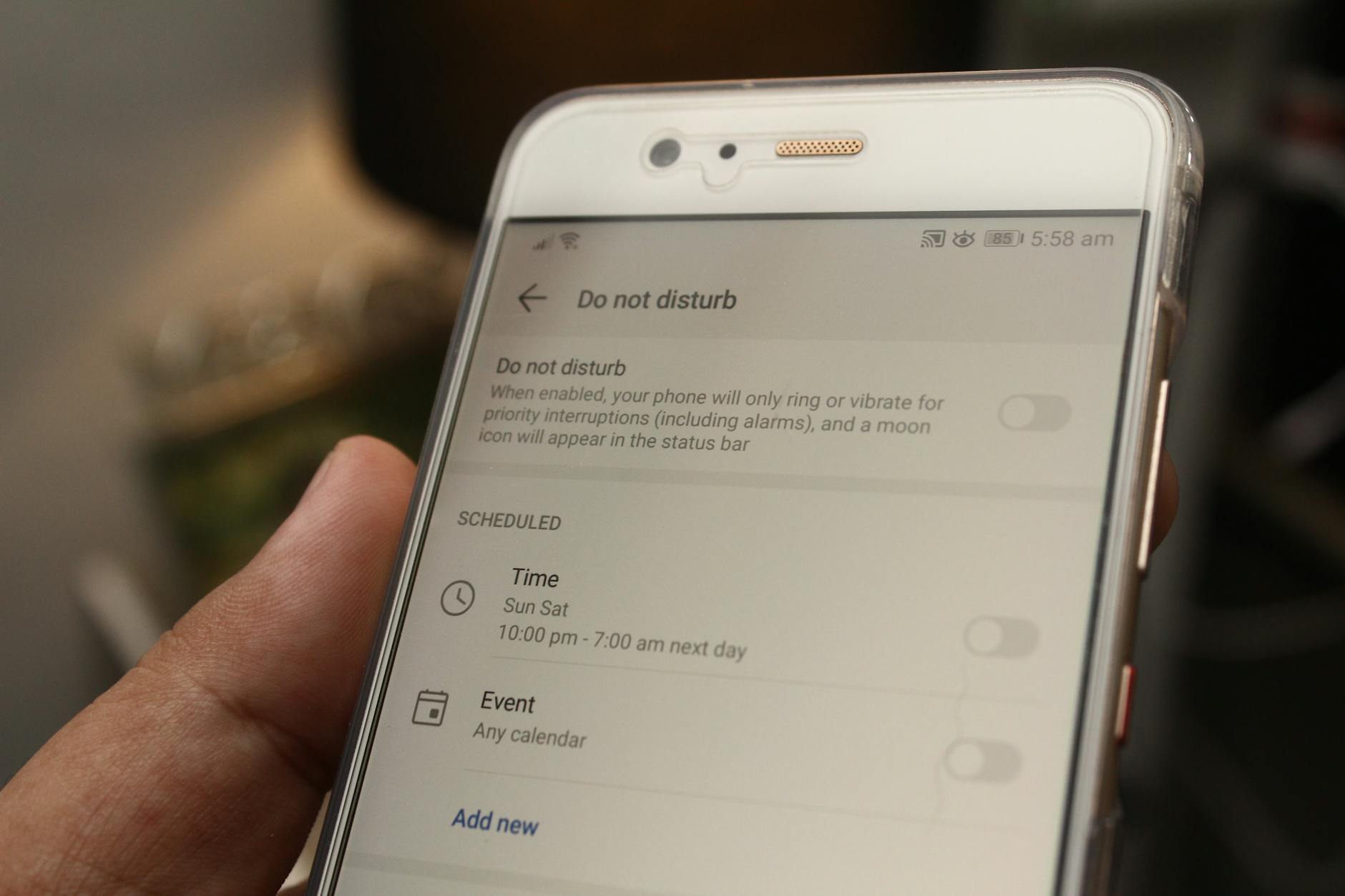 Photo by Daniel Moises Magulado
Mute or customize per app alerts
If certain apps ping far more than others, mute their sounds while preserving their banners or vibrations for quick acknowledgment. Per-app controls reduce the risk of missing important messages while keeping noise to a minimum. Use this approach for low priority alerts while keeping high priority ones audible.
How to tailor per app:
- Android: Open Settings > Apps & notifications > See all apps > [App name] > Notifications. Choose the channel you want to mute or adjust the sound, vibration, and notification behavior. If an app uses multiple channels, mute only the low priority ones while leaving high priority channels sounding as needed.
- iPhone: Go to Settings > Notifications > [App name]. Use the sounds toggle to turn off or change the alert sound for that app. If the app supports banners, consider enabling banners for quick acknowledgment even when sounds are muted.
- When to keep vibration or banners: Keep vibration for critical apps like messages or calendar reminders. Use banners to allow you to glance at a notification without hearing a tone.
Practical tips:
- Build a short list of essential apps (messaging, calendar, alarms) and ensure they remain audible or vibrate.
- For less urgent apps (news, games), prefer silent alerts with banners or activity badges.
- Periodically review app behavior after OS updates, as notification handling can change.
If you want to see official steps from Apple and Google, follow the links for per-app control guidance. These pages explain how to prioritize or silence without losing access to critical updates.
- Android per-app notification channels and sounds: https://developer.android.com/develop/ui/views/notifications/channels
- Android app muting guide: https://en.androidguias.com/mute-notifications-from-any-app-on-android/
- iPhone per-app sound customization discussion: https://discussions.apple.com/thread/256179100
- iPhone per-app notification sound changes: https://anhome.tech/blog/tech-tips/how-to-change-the-notification-sound-for-a-specific-app-on-your-iphone-running-ios-17/
Image (No image needed here unless you add one later)
Set quiet hours and auto-silence rules
Quiet hours and auto-silence rules let you automate when alerts reach you. This is especially helpful when multiple devices are in use at the same time. The pattern is simple: designate blocks of time for focus, then rely on the system to enforce them across the ecosystem.
Step-by-step setup:
- Android: In Settings, enable Do Not Disturb, then add a schedule. Include exceptions for calls/messages from VIP contacts or essential apps. You can set different schedules for weekdays and weekends.
- iPhone: In Focus settings, create a daily or weekly schedule and tie it to a timer or location. Allow only essential apps during these periods and ensure Focus is enabled on all devices you use regularly.
- Cross-device coherence: If you use a smartwatch or tablet, enable the same Focus or DND profile so devices stay in sync. This reduces the chance that a notification pings on one device while others stay quiet.
Why this matters:
- It ensures predictable quiet periods during work, sleep, or study.
- It helps avoid the “double ping” across devices when several gadgets are active.
- It creates a routine that your brain learns to expect, reducing stress from unexpected alerts.
For deeper guidance, check Android’s official DND scheduling page and Apple’s Focus across devices resources. They provide exact steps and naming conventions you’ll recognize.
- Android DND scheduling guide: https://support.google.com/android/answer/9069335?hl=en
- Android scheduling specifics for Pixel users: https://support.google.com/pixelphone/answer/6111295?hl=en
- iPhone Focus across devices: https://support.apple.com/en-is/guide/iphone/iph21d43af5b/ios
- iPhone change notification settings: https://support.apple.com/guide/iphone/change-notification-settings-iph7c3d96bab/16.0/ios/16.0
Image (No image needed here unless you add one later)
What you gain with quiet hours:
- Peace during focused tasks and rest periods.
- Reduced cognitive load from constant sound cues.
- A straightforward way to manage different devices in your day.
Putting it all together The goal is to reduce overlap while preserving important alerts. Start by creating one focused period using Do Not Disturb or Focus, then mute only the least essential apps. If you work across devices, align the same quiet hours on all devices so you’re not hit by multiple pings at once. With time, these adjustments become second nature and you’ll notice a calmer notification experience.
External resources for quick reference:
- Android: Limit interruptions with Modes & Do Not Disturb on Android
- iPhone: Change notification settings on iPhone
- Cross-device syncing for Focus on iPhone
Remember to tailor each setting to your daily rhythms. A little upfront setup yields a lot of quiet time later.
Fine Tune Apps and Alerts
Calm, predictable notifications make your smartphone life easier. In this section, you’ll learn practical ways to tune apps and alerts so they inform without shouting. Whether you’re on Android, iPhone, or juggling multiple devices, these steps help you reduce noise while staying on top of what truly matters.
Disable sounds for low priority apps
Turn off the audible ding for apps you rarely need to hear. Start with a quick audit of your most active notification sources and identify low priority channels. The goal is to keep essential alerts audible while cutting the rest.
- How to approach:
- Android: Open Settings > Apps & notifications > See all apps. Select the app, then go to Notifications and mute the low-priority channels or disable sound entirely for that app. If an app uses multiple channels, you can mute only the nonessential ones while preserving alarms or messages that you rely on. This targeted approach prevents overloading your ears without throwing away important updates.
- iPhone: Open Settings > Notifications > [App name]. Turn off sounds for that app or customize the alert style to still show banners. If banners are enabled, you can glance at the notification without a tone, which keeps you in the loop without the noise.
- Quick test to ensure you didn’t miss anything important:
- After muting a few low priority apps, ask a trusted friend or colleague to send you a test message and a calendar reminder. Confirm you hear the reminder but don’t hear the less important app pings. Adjust if needed.
- Practical tip: Keep essential apps audible—messaging, calendar, and alarm apps—while moving news, games, or social apps to silent banners or badges. If you want help with per-app instructions, see the official guidance on per-app controls from Android and iPhone.
Supportive reading:
- Android per-app notification channels and sounds detail how to tailor each app’s alerts.
- Change notification settings on iPhone shows how to disable or customize sounds for individual apps.
- Practical reminder: always review after OS updates, as notification handling can shift.
External references:
- Android per-app notification channels and sounds: https://developer.android.com/develop/ui/views/notifications/channels
- Android app muting guidance: https://en.androidguias.com/mute-notifications-from-any-app-on-android/
- Change notification settings on iPhone: https://support.apple.com/guide/iphone/change-notification-settings-iph7c3d96bab/16.0/ios/16.0
Prefer banners and vibrations instead of sounds
Not every alert needs a tone. Visual banners and haptic feedback can keep you informed without blasting your ears. Distinguish between banners, alerts, and sounds to tailor how each app communicates.
There Is a Frequency That the Wealthiest Families Have Used for Generations and Most People Will Never Know It Exists
>>> Open the Door <<<

- What to choose:
- Banners: Quick, non-intrusive confirmations that appear on the screen for a moment. They’re ideal for non-urgent messages and remind you to check the app without interrupting your current task.
- Vibrations: Use device vibration for important updates when you can’t glance at the screen. It’s especially useful for messages from close contacts or calendar reminders during meetings.
- Sounds: Reserve sounds for high-priority alerts that require immediate attention, such as critical messages or alarms.
- How to set this up:
- Android: In the app’s notification settings, switch some channels to “Vibrate” or “Silent,” and enable banners where available. If your device supports notification badges, keep them to signal new activity without a tone.
- iPhone: Use Focus and per-app notification settings to allow banners while keeping sounds off for nonurgent apps. When possible, rely on the status bar banner and vibration to reduce noise.
- Real-world approach:
- Assign banners to social apps, news apps, and games.
- Use vibrations for messaging and calendars.
- Keep urgent communications audible, especially for people you rely on at work or home.
Why this matters:
- You get a visually obvious cue without an audio cue.
- It reduces cognitive load from a chorus of sounds.
- It makes urgent alerts stand out when they truly matter.
External resources for banners and focus behavior:
- How to manage notification grouping on iPhone to reduce noise: https://www.howtogeek.com/805354/how-to-manage-notification-grouping-on-iphone/
- Change iPhone sounds and vibrations guidance: https://support.apple.com/guide/iphone/change-sounds-and-vibrations-iph07c867f28/16.0/ios/16.0
- Android control notifications and interruption settings: https://support.google.com/android/answer/9079661?hl=en
Group notifications and manage alert style
Grouping related alerts into a single stream can dramatically reduce the number of distinct sounds you hear at once. When you combine related messages and set a single alert style for the group, you create a calmer, more predictable notification rhythm.
- How to group:
- iPhone: Enable notification grouping to consolidate alerts by app or thread. You can also disable app-level grouping if you prefer a clean lock screen.
- Android: Many apps offer “channels” or “categories.” Group less critical channels under a quiet category while keeping important channels audible. If available, use the system grouping feature to reduce duplication across devices.
- Choose one tone or silent group:
- Select a single tone for all nonessential alerts that you want to hear, or switch those groups to silent with only banners or badges visible.
- For truly nonurgent alerts, keep them silent with banners or vibration so they don’t disrupt your flow.
- Practical impact:
- Fewer distinct sounds means easier prioritization.
- You can still monitor activity in real time through banners or glanceable badges.
- Quick check:
- Simulate a busy moment by sending a few nonurgent alerts from multiple apps. Confirm they consolidate into a single notification stream or display as banners rather than multiple sounds.
Supportive reading:
- How to Manage Notification Grouping on iPhone provides a clear path to clean up the lock screen clutter.
- MacRumors guide on disabling app notification grouping in iOS helps you tailor grouping behavior to your liking.
External references:
- How to Manage Notification Grouping on iPhone: https://www.howtogeek.com/805354/how-to-manage-notification-grouping-on-iphone/
- How to Disable App Notification Grouping in iOS: https://macrumors.com/how-to/disable-app-notification-grouping-ios
- Control notifications on Android: https://support.google.com/android/answer/9079661?hl=en
How to apply this in practice:
- Start with messaging and calendar alerts. Group them so a single alert covers the thread rather than multiple separate sounds.
- For apps you check often, keep banners and badges visible rather than repetitive tones.
- Periodically review grouped alerts after OS updates, because the way groups render can shift with new features.
Putting it into practice
- Map your typical alert moments across the devices you use most. Note which apps cause the most overlap and which devices chime together.
- Apply one targeted change at a time. For example, group messaging alerts on your iPhone and mute nonurgent app channels on Android.
- Test thoroughly with real-world scenarios. A controlled test helps you hear the difference and adjust quickly.
External resources for pattern spotting and grouping:
- How to Manage Notification Grouping on iPhone: https://www.howtogeek.com/805354/how-to-manage-notification-grouping-on-iphone/
- Disable app notification grouping on iOS: https://macrumors.com/how-to/disable-app-notification-grouping-ios
- Android control and grouping basics: https://support.google.com/android/answer/9079661?hl=en
By fine tuning app sounds, banners, and grouping, you create a calmer notification environment. The goal is simple: stay informed without being overwhelmed. As you apply these steps, you’ll notice fewer unexpected pings and a clearer sense of focus across your daily smartphone use. For ongoing guidance, keep an eye on official support resources for Android and iPhone, and tailor settings to your personal workflow.
Automation and Smart Techniques
Automation and smart routines make it easier to keep your alerts predictable without losing important messages. In this section, you’ll discover practical ways to set up automatic toggles, rules, and beginner-friendly apps that help you silence precisely when you need it. Whether you’re on Android or iPhone, these tactics help you create a calmer smartphone environment while staying in the loop for critical updates. Think of it as building a smart assistant that filters noise instead of shouting over it.
Use Focus Modes on iOS and DND schedules on Android
Setting up automatic toggles based on location, time, or activity is a cornerstone of a quiet, productive day. On iPhone, Focus modes let you create profiles such as Work, Sleep, or Personal. Each Focus can specify which apps and contacts can break through, and you can automate when these modes turn on or off. For example, a Work Focus can silence nonessential apps during your core hours, while still allowing calendar alerts and urgent messages from teammates. The key is to keep the Focus in sync with your actual rhythm so you don’t miss what matters.
On Android devices, Do Not Disturb (DND) can be scheduled by time, location, or activity. You can set quiet periods for meetings, focus blocks, or bedtime, and you can allow exceptions for calls from favorites or high-priority apps. The beauty of Android’s DND is its flexibility: you can create multiple rules that trigger under different circumstances and tailor them to your routine. The result is a phone that respects your agenda rather than hijacking it with every ping.
Quick setup examples you can adapt:
- Work hours plan (iOS): Create a Work Focus from 9:00 a.m. to 5:00 p.m. with exceptions for your calendar and Slack or Teams. Allow calls from Favorites. Enable syncing so your iPhone and Apple Watch stay in harmony.
- Workouts plan (Android): Schedule a fitness DND from 6:00 a.m. to 7:00 a.m. and 6:30 p.m. to 7:15 p.m. Permit alarms and a single health app to alert you about workout goals. Add a location-based trigger if you walk into the gym and want different rules there.
Why this approach works: the brain recognizes consistent quiet windows and learns to expect fewer interruptions. It reduces cognitive load while still delivering critical alerts when you truly need them. If you want step-by-step references, see guidance on scheduling Focus on iPhone and Android DND schedules, like the guides that walk through automating these modes across devices. For deeper reading, you can explore How to Schedule and Automate Focus Modes and related how-to content.
- Learn more about Focus scheduling: https://macrumors.com/how-to/schedule-focus-modes
- Android DND scheduling basics: https://support.google.com/android/answer/9069335?hl=en
- How to automate Focus with time and location: https://www.howtogeek.com/835513/how-to-automate-your-iphone-based-on-time-activity-or-location/
Image
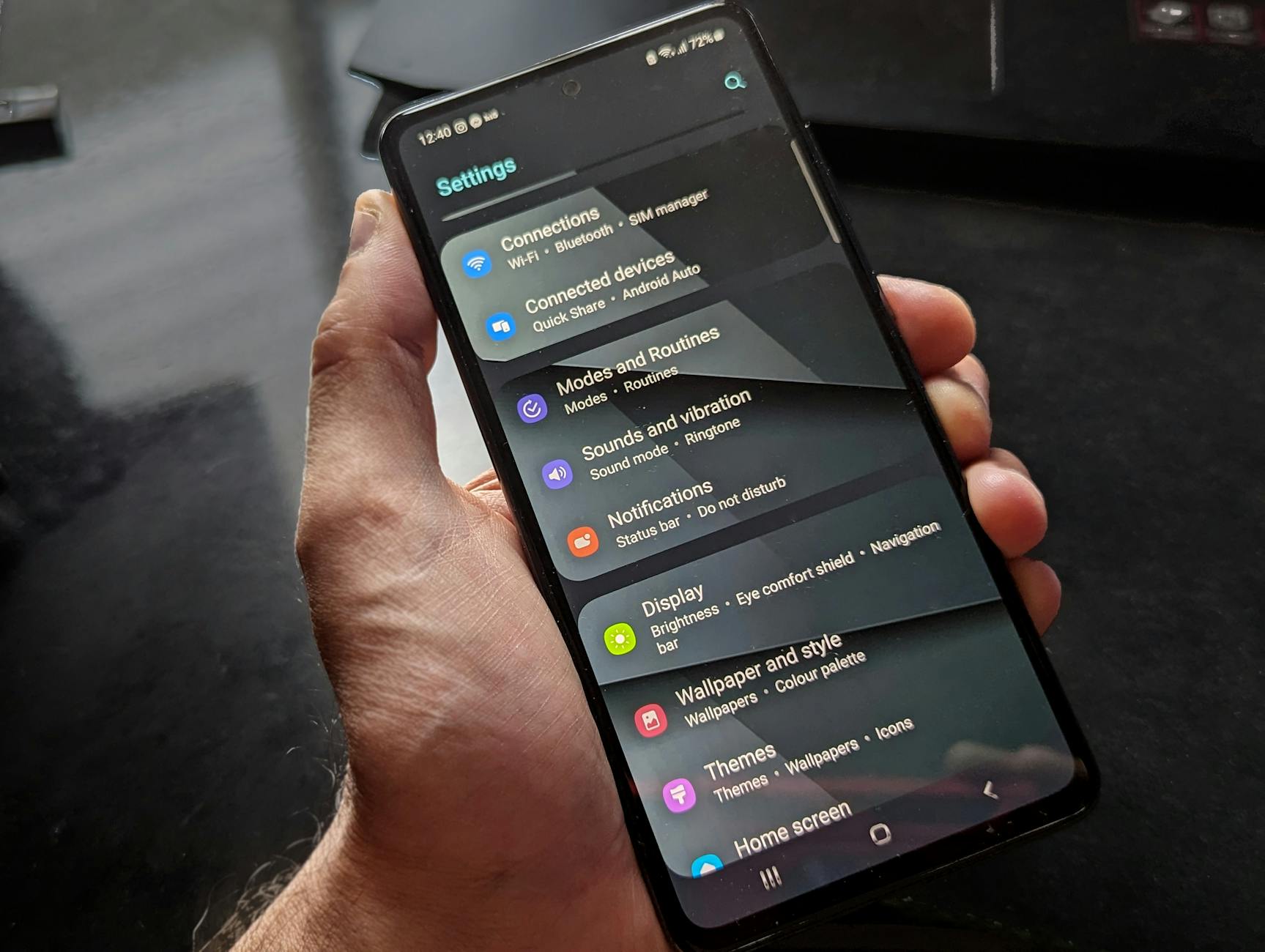 Photo by Watford London Media
To keep things moving smoothly, test your automations with real-world scenarios. Try a typical workday and a workout routine, then adjust which apps are allowed through during those windows. When done right, you’ll notice fewer simultaneous notifications and a clearer signal from the alerts that truly matter.
External links for quick reference:
- Schedule Focus Modes on iPhone: https://macrumors.com/how-to/schedule-focus-modes
- Automate Focus on iPhone: https://www.howtogeek.com/835513/how-to-automate-your-iphone-based-on-time-activity-or-location/
- Android DND scheduling: https://support.google.com/android/answer/9069335?hl=en
Set rules to switch to silent during meetings or sleep
A simple, copyable rule set makes it easy to keep important alerts from competing for your attention during meetings or when you sleep. The goal is a predictable, repeatable workflow that minimizes surprises while preserving access to critical information.
Proposed 2–3 step rule set you can copy:
- Step 1: Create a dedicated Focus or DND profile for meetings and sleep. Name it clearly, such as “Meetings” or “Sleep.”
- Step 2: Schedule the profile to turn on automatically during your meeting times or bedtime window. For Android, choose a time range; for iOS, set a Focus with a timed or location-based trigger.
- Step 3: Define exceptions for critical alerts. Allow calls or messages from key people and ensure calendar alerts remain audible.
Testing the rule is essential. After setting it up, run a quick test during a typical meeting or sleep period. Confirm you still receive reminders for an upcoming event and that nonessential apps stay silent. If you’re missing something important, adjust the exception list or widen the time window slightly. This approach keeps your focus intact without risking missed notifications.
External resources for this setup:
- Schedule Focus Modes on iPhone: https://macrumors.com/how-to/schedule-focus-modes
- How to automate Focus on iPhone: https://www.howtogeek.com/835513/how-to-automate-your-iphone-based-on-time-activity-or-location/
- Android DND help: https://support.google.com/android/answer/9069335?hl=en
Image
Photo by Daniel Moises Magulado
Remember to test repeatedly. Even small timing misalignments can let a meeting ping slip through or silence a calendar alert you rely on. Adjust gradually and keep a simple rulebook so you can replicate it on days when you travel or work from home.
Explore automation apps to silence at specific times
If you’re just starting out, beginner-friendly automation apps can help you set up silent windows without writing a line of code. Look for tools that offer presets for Do Not Disturb, Focus, or scheduled silence, then add your own tweaks as you gain confidence. Safety checks are a must here; you want automation that silences noncritical alerts but still flags truly urgent items.
Beginner-friendly options to start with:
- Shortcuts (iPhone): Use the Shortcuts app to create a scheduled automation that toggles Focus or DND, with clear app-based exceptions. This is a gentle way to dip your toes into automation without third-party complexity.
- Tasker or MacroDroid (Android): These apps provide guided flows for enabling DND at specific times or locations. They’re great for hands-on control once you’re comfortable with a few terms and triggers.
- IFTTT or Pushcut style tools: For cross-platform routines, these services let you string triggers like location, time, and event status to one or more actions.
Important safety checks to avoid missing critical alerts:
- Keep essential app alerts enabled during focus windows. Make a quick list of must-have alerts like calendar, messages from trusted contacts, and alarm apps.
- Regularly test the automation after OS updates. Notification handling can shift with new builds.
- Add visible reminders to your routine. Banners or badges can help you see new activity without full sound.
If you want concrete paths from existing guides, the links below point to beginner-friendly automation discussions and step-by-step instructions you can follow.
- The 5 Best Free Automation Apps: https://www.xray.tech/post/5-best-free-automation-apps
- Scheduled Shortcuts for iPhone: https://pushcut.io/guides/scheduled
- Automate on Android Community flows: https://llamalab.com/automate/community/flows/44443
Image (No image needed here unless you add one later)
Practical note: starting with one simple automation keeps things manageable. As you grow more comfortable, you can layer in cross-device triggers so your entire ecosystem follows a single quiet rhythm.
External reading for beginner automation:
- How to automate Focus on iPhone with Time and Location: https://www.howtogeek.com/835513/how-to-automate-your-iphone-based-on-time-activity-or-location/
- Android DND modes and automation basics: https://www.androidcentral.com/keep-your-phone-ringing-school-automatic-dnd-rules
This section shows how to implement focused, predictable silence across devices. The aim is to keep critical alerts visible while reducing the noise that drains attention. If you follow these steps and test carefully, you’ll gain meaningful quiet time without missing the messages that matter. For ongoing guidance, keep an eye on official support resources for Android and iPhone, and tailor settings to your daily workflow.
Troubleshooting and Best Practices
Taming notification noise takes a methodical approach. This section offers practical, repeatable steps to diagnose overlapping sounds and apply proven best practices. You’ll learn how to verify updates, test the setup with real alerts, consider wearables and multi-device syncing, and know when it’s time to reset to default. Think of this as a playbook you can follow on any smartphone, with actions you can perform today to restore calm and keep critical alerts in sight.
Check for updates and verify settings after updates
Software updates can shuffle how alerts are delivered. A minor change in a system or app can reset or alter notification priorities, tones, or grouping, leaving you with unexpected overlaps. After an update, re check your core preferences and re apply your favorite arrangements quickly rather than starting from scratch.
What to do now:
- Confirm the update completed successfully on your device and all linked accessories. If your smartwatch or tablet updated, review their notification rules too.
- Revisit per-app notification settings: verify which channels or alert types are active, what sound is assigned, and whether banners or vibrations remain appropriate.
- Reapply focus or DND schedules: if you use Android Do Not Disturb or iPhone Focus, re enable and align them across devices so there’s a single quiet rhythm during work or sleep.
- Quick sanity test: trigger a few common alerts (calendar, messaging, alarm) and confirm they appear in the intended order and without unwanted double pings.
Why this matters: updates can reset channels, change defaults, or alter cross-device behavior. Reconnecting your preferred settings ensures you don’t slide back into a loud, chaotic mode.
Useful references:
- Change notification settings on iPhone for post update sanity checks
- Control notifications on Android and examine Do Not Disturb behavior
Explore how to tailor iPhone and Android settings to maintain consistency after updates and reduce cross-device overlap.
Test the setup with real notifications
The best way to know your tweaks work is to run a real-world test. Simulate a typical busy moment with multiple apps, your watch, and a computer if available. Use this straightforward checklist to evaluate how well the system handles alerts without overwhelming your ears.
Test plan:
- Generate alerts from 3–5 frequent apps in quick succession (for example, calendar, chat, and a task app).
- Include a wearable: ensure your smartwatch mirrors or respects the same prioritization rules.
- If you use a computer or tablet, trigger a notification on those devices as well to see if sounds overlap.
- Observe the order and audibility: which alert comes through first, which gets delayed, and which get silenced by your Focus or DND rules.
Checklist for evaluation:
- Are high-priority alerts audible when needed?
- Do nonessential apps emit a banner or silent notification instead of a tone?
- Does the smartwatch or tablet cause a simultaneous ping, or do they respect the master quiet window?
- Is there any surprise overlap during the test, and which device caused it?
A realistic test helps you fine tune without guessing. If a particular app continues to clash with others, isolate it and adjust its channels or behavior first.
Helpful resources for practical testing:
- How to prevent overlapping sounds on multiple notifications
- How to change notification sounds on Android devices
When you’re satisfied with the test, lock in the successful combination and keep a quick reference note for future OS updates.
Consider wearables and multi device sync
Wearables like smartwatches and tablets often become the source of extra alerts. If left unmanaged, they can mirror every notification from your phone and contribute to the chorus. The key is to mute or adjust them without missing important alerts.
What to consider:
- Synchronization strategy: decide whether to mirror alerts across devices or to deliver core alerts only on the phone. If you rely on a watch for quick glances, keep those essential alerts through while silencing less critical ones.
- Cross-device settings: align Focus or DND across your phone, watch, and tablet so they follow a single quiet rhythm.
- Notification routing: some devices route notifications differently. If a message appears on your iPhone but not on your watch, you may need to adjust app-specific settings or the watch’s notification rules.
Practical guidance:
- On a smartwatch, limit audible alerts to critical apps (messages from loved ones, calendar reminders) and keep everything else as banners or haptics.
- For tablets and laptops, prefer banners and badges over full tones when you’re working in a focused mode.
- Periodically review app behavior after OS updates, since routing and grouping can shift with new builds.
External references:
- Apple Watch notification settings and how to keep sounds controlled
- How to sync or manage notifications across Apple devices
Incorporating wearables thoughtfully helps you avoid the built-in echo chamber that can form when multiple devices rally at once. Your goal is a cohesive ecosystem where the loudest signal is the one you truly need to hear.
When to reset to default and start over
If nothing else works, a clean slate can help. A safe restart plan minimizes risk and preserves essential alerts while giving you a fresh baseline to re build from.
Safe restart plan:
- Step 1: Reset core notification preferences to a known baseline on your phone. Start with do not disturb or focus off, then re enable with minimal rules.
- Step 2: Re enable essential alerts first. Turn on sounds for high priority apps such as messages, calendar, and alarms.
- Step 3: Reintroduce lower priority apps one by one. Test after each addition to ensure no overlap creeps back.
- Step 4: Re align devices. Turn on Focus or DND and synchronize across phone, watch, and tablet so you have a single quiet rhythm.
Reapplying essential alerts after a reset:
- Re enable critical channels for high-priority apps.
- Keep banners or vibration for nonessential apps to avoid noise while staying informed.
- Schedule a brief trial period where you test a typical day and tweak as needed.
A reset should feel like a reset, not a regression. With careful reapplication of just the basics first, you maintain control while reducing risk.
External resources for reset guidance:
- Change notification settings on iPhone
- Control notifications on Android
- Resetting app preferences on Android to fix defaults and notifications
If you need more detailed, version-specific guidance, consult official support pages for your device’s OS. A careful reset followed by a disciplined reconfiguration often yields the most reliable long term results.
Putting it all together Troubleshooting and best practices for stopping notification sounds from overlapping come down to discipline and repeatable steps. Start with a quick check after updates, then test with real notifications. Bring wearables into the loop with careful cross-device rules, and if necessary, reset to a clean baseline and re build your essential alerts. Use these strategies as a core part of your daily smartphone routine, and you’ll regain focus without missing critical updates. For ongoing guidance, keep an eye on official resources for Android and iPhone and apply the exact steps that fit your setup.
Conclusion
Taming overlapping notification sounds is a practical, ongoing process. Start with a quick audit to spot the main culprits and adjust settings one by one. Gradual changes beat a big reset, and you’ll feel calmer as your smartphone learns your focus rhythm. Aligning Do Not Disturb or Focus across devices makes a real difference, especially when wearables are part of the mix. With deliberate tweaks, you preserve the alerts that matter while trimming the noise.
Key steps to remember
- Identify high frequency culprits and mute low priority channels.
- Use per app controls, banners, and vibration to cut noise without missing critical updates.
- Sync quiet windows across devices so the chorus doesn’t surge on one device alone.
- Test with real alerts and adjust as OS updates change behavior.
7 day plan to test and refine
- Day 1: Do a quick audit of last 24 hours to spot overlapping moments and key apps.
- Day 2: Mute or tweak sounds for two low priority apps you rarely need audible.
- Day 3: Group messaging and calendar alerts on your iPhone or Android device.
- Day 4: Set a simple Do Not Disturb or Focus window during a typical work block.
- Day 5: Extend the quiet window to evenings and ensure essential apps stay audible.
- Day 6: Include wearables in the test. Check if your watch mirrors or respects the new rules.
- Day 7: Review results, adjust one more top culprit, and lock in the settings.
Simple follow up
- Keep a short note of the changes you made and why.
- Re test during a busy moment to confirm improvements.
- Revisit after OS updates to fine tune again.
If you’ve tried these steps, share your results or ask questions in the comments. What set of tweaks gave you the clearest signal from alerts that truly matter?
What If the Only Thing Between You and the Life You Deserve Is a Hidden Wealth Code Waiting to Be Activated
>>> Open the Door <<<
