He Was Drowning in Bills and Burnout Until a Simple Daily Ritual Rewired His Brain for Wealth in Less Than a Week
>>> Start Your Shift Today <<<

Imagine waking to a glowing phone screen at 3 a.m. and realizing every app wants your attention. The quick light, the ping, the soft buzz can steal sleep and drain battery in seconds. If you’ve ever felt pulled between your devices and real life, you’re not alone.
Notifications splash the screen even when your phone is locked. Each alert pulls in data, lights up the display, and nudges you to check your feed. The pattern repeats across most smartphones, and the effect is the same: more interruptions, less focus, shorter battery life.
This guide lays out practical steps you can take now to reduce those interruptions on both Android and iPhone. You’ll learn how to silence non essential alerts, fine tune notification priorities, and use screens and lock settings to protect quiet hours. The goal is simple: fewer lights, more control, better sleep, and a phone that serves you rather than the other way around.
We’ll walk through quick setups, handy toggles, and smart habits that fit real life. You’ll keep the apps that matter while cutting the noise from games, promos, and social channels. By the end, your smartphone will feel calmer, more reliable, and easier to use during the day. Let’s get started.
There Is a Frequency That the Wealthiest Families Have Used for Generations and Most People Will Never Know It Exists
>>> Open the Door <<<

Why Your Phone Screen Wakes Up for Every Notification
Notifications are built to grab your attention, and modern phones are tuned to respond instantly. Your device uses a mix of app signals and system features to decide when to wake the screen. The result is a cascade of glow and ping the moment a message arrives, even if you weren’t expecting it. If you’ve ever wondered why certain alerts feel urgent while others barely register, you’re about to get clarity. This section explains the core mechanics behind waking the display and how it ties into your everyday usage.
Notifications That Force the Screen On
When an app sends a “high priority” alert, the system often wakes the display to ensure you don’t miss it. That priority flag signals urgency, so messages from trusted sources surface immediately. WhatsApp, for example, can push chat messages with a level of importance that brings the screen to life, especially if the contact is marked as important or the message arrives while the phone is locked. Email apps may also use a high priority setting for new messages from VIP addresses or accounts that you’ve flagged as critical. The behavior can feel relentless, but it’s designed to prevent missed information.
On both Android and iPhone, the system is wired to light up the screen for important events, from direct messages to calendar alerts and emergency notifications. The outcome is a consistently bright wake when something demands your attention. If you want to regain control, start by reviewing notification settings in each app and the operating system’s own alert rules. For practical steps on managing how alerts appear, see Apple’s guidance on notifications and how to tailor them to your routine. You can read more here: https://support.apple.com/en-us/108781. For Android users, the built-in control center and notification settings let you decide which apps can wake the screen and when. Learn more about Android notification control here: https://support.google.com/android/answer/9079661?hl=en. These references help you map out which apps push the most aggressive alerts and where to pause them.
As a next step, identify the few apps that truly need immediate visibility and push the rest into a lower priority. A quick audit now saves hours of interrupted focus later.
Always-On Display and Wake Gestures
Many phones offer Always-On Display (AOD) or a similar feature that keeps essential information visible while the screen is technically off. On Android devices, AOD can show time, battery level, and selected widgets. iPhones approach this a bit differently with Raise to Wake and Tap to Wake, which wake the Lock Screen when you lift the device or touch the screen. These features are convenient, but they also mean the screen can come on more often, sometimes more than you expect, especially if you frequently pick up the phone or have notifications arriving in the background.
Raise to Wake on iPhone works by sensing motion rather than requiring a button press. You can configure this under Display & Brightness, and it integrates with the general notification system so alerts appear the moment you pick up the device. On Android, Always-On Display and Raise to Wake-like gestures can be adjusted or disabled to reduce wake events when you don’t need them. For a practical walkthrough on how to tailor these features, Apple’s official guide explains how Raise to Wake works and how to manage it: https://support.apple.com/en-us/108325. If you’re curious about how to enable or optimize wake gestures on Android, you can check resources like the Raise to Wake overview: https://www.youtube.com/watch?v=AIRVfZYZ6lA and related Android tutorials: https://www.youtube.com/watch?v=-d8SUBINF0w. For device-specific adjustments, Samsung’s guidance on controlling notifications from the Lock screen is a solid reference: https://www.samsung.com/us/support/answer/ANS10002524/.
In practice, the goal is to strike a balance: keep the screen ready for genuinely urgent alerts, but reduce wake events for low-priority apps. If you adjust AOD and wake gestures thoughtfully, you’ll notice fewer unintended lights while still catching the notifications that matter.
Disable Screen Wake-Ups on Android Phones Step by Step
If you want to reclaim quiet moments, turning off screen wake for non essential notifications is a smart move. This section provides practical, step by step guidance you can put to work today. You’ll keep the notifications that truly matter while cutting down the glow that disrupts focus and drains battery. Think of your phone as a tool that serves you, not the other way around.
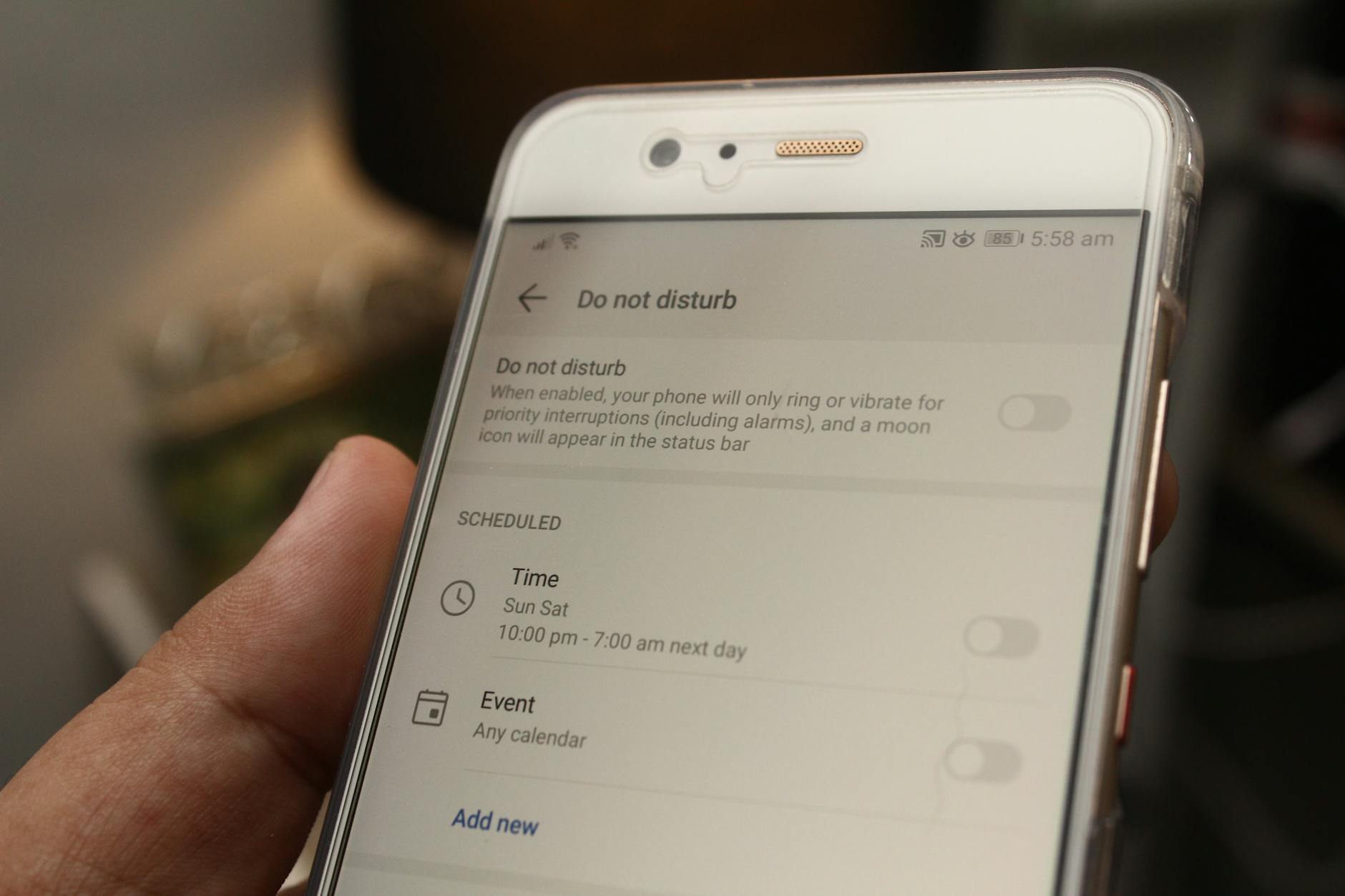
Photo by Daniel Moises Magulado
Customize Notifications Per App
Android lets you control which apps can wake the screen and how loudly they shout for attention. Start by auditing each app’s notification settings and dialging back the wake behavior for low-priority alerts. This approach keeps essential messages, like calls or urgent reminders, while quieting social media prompts, promotional alerts, and game nudges.
To make changes, follow these steps:
- Go to Settings > Apps.
- Tap the app you want to adjust.
- Open Notifications.
- Set the app’s importance to Low or Off for screen wake.
- Repeat for other apps you rarely need awake.
A quick audit now pays off later by reducing missed moments and unnecessary wake events. If you want a deeper dive on per-app controls, see How-To Geek’s guide on stopping Android notifications from turning on the screen. It walks through practical toggles and explains why some apps seem to demand your screen. Read more here: https://www.howtogeek.com/724003/how-to-stop-android-notifications-from-turning-on-the-screen/.
For reference, Android’s core notification controls also explain how to stop wake behavior at the system level. You can learn more about controlling Android notifications here: https://support.google.com/android/answer/9079661?hl=en. By applying these settings you’ll notice fewer unexpected wakes, without losing access to the apps you rely on.
Key takeaway: assign most apps a low urgency, or disable wake for non essential services. Your daily focus improves as the number of glows drops.
Set Up Do Not Disturb Mode
Do Not Disturb (DND) is your friend when you need sustained concentration or a proper night’s sleep. It mutes all non critical alerts and gives you control over what still rings through. A well configured DND is a reliable shield against wake-ups during work, study, or family time.
Begin with these steps:
- Open Settings > Sound & notification > Do Not Disturb.
- Turn on DND and customize its behavior:
- Allow exceptions for calls from favorites or specific contacts.
- Permit alarms to bypass the setting.
- Create a schedule to auto enable DND during your bedtime or focus hours.
If you want precise guidance on setting exceptions for calls, you can reference a detailed walkthrough from The Intelligence site on Do Not Disturb exceptions on Android: https://theintelligence.com/40215/android-do-not-disturb-exceptions/. For a manufacturer perspective, Samsung’s guidance on Do Not Disturb for Galaxy devices is a solid resource: https://www.samsung.com/us/support/answer/ANS10002889/. Asurion also offers practical tips for configuring DND modes on Android, including scheduling and exceptions: https://www.asurion.com/connect/tech-tips/set-up-do-not-disturb-android/.
A word of caution: set your schedule around real needs. If you have important calls or messages at night, keep a narrow exception list. The goal is quiet, not total silence.
Schedule Night Quiet Hours
A consistent night routine helps you recover mentally and physically. Schedule DND to automatically enable when you usually sleep, and turn it off when you wake. This simple habit cuts down on wake events while preserving access to urgent alerts.
Tips to implement:
Thousands of People Were Struggling With Money Until They Discovered This One Ancient Secret Hidden in Sound
>>> Unlock It Now <<<

- Choose a bedtime window that matches your real sleep pattern.
- Include a morning wake time in your schedule to ensure you’re not surprised by daylight.
- Keep a few trusted contacts in the allowed list for emergencies.
If you’re curious about practical scheduling, Android systems offer robust options to automate DND. In many devices, you’ll find this under Do Not Disturb settings, with easy toggles for automatic activation and duration.
Turn Off Always On Display
Always On Display (AOD) keeps essential info visible while the screen is technically off. It’s helpful for quick glances but can also contribute to wake events if notifications arrive during idle moments. Turning it off reduces the likelihood of lights flickering on when you don’t want them.
To disable AOD on most Android devices:
- Open Settings > Display > Always On Display and switch it to Off.
- If you have a Samsung Galaxy, variations exist. Samsung’s guide covers turning off AOD and customizing its behavior if needed: https://www.asurion.com/connect/tech-tips/turn-off-always-on-display-android/.
On other Android devices you may see names like Ambient Display or Active Display in the same area. The goal remains the same: reduce constant light from the screen when you don’t need it. If you ever want to re enable AOD, you can revisit the same menu and adjust to fit your routine.
What this means for you: fewer screen lights at rest, better battery life, and a calmer morning start. AOD is convenient, but it should serve you, not wake you unnecessarily.
This section covered practical steps to minimize screen wake on Android by adjusting per app notifications, enabling Do Not Disturb with thoughtful exceptions, scheduling quiet hours, and turning off Always On Display. The goal is a smartphone that supports your life, not one that steals your attention. If you’d like, I can add a quick checklist you can print or keep on your desk to guide you through these settings.
Easy Ways to Stop iPhone Screen from Lighting Up
If your iPhone keeps lighting up for every app notification, you’re not imagining it. The screen glow can disrupt sleep, drain battery, and pull your attention away from what matters. The good news is that you don’t have to mute every alert. With a few precise tweaks, you can preserve important notices while cutting down on the constant glow. Below are practical, straightforward methods you can apply today to regain control over your device’s wake cycles and keep your nights peaceful.
He Was Drowning in Bills and Burnout Until a Simple Daily Ritual Rewired His Brain for Wealth in Less Than a Week
>>> Start Your Shift Today <<<
Adjust App Notification Settings
Fine tuning per app is the first line of defense. By limiting which apps can wake the screen and how they alert you, you prevent non essential notifications from flashing at you. Start by reviewing each app’s notification options and dialing back the wake behavior for low priority alerts. This keeps critical messages intact while quieting social prompts, promos, and minor updates.
- Go to Settings > Notifications > App.
- For each app, toggle Allow Notifications off or set Banners to Off.
- Lock Screen previews: Never to avoid preview flashes.
Regularly audit your most noisy apps and adjust their priority. This habit pays off in steadier mornings and longer battery life. For more granular guidance on iPhone notification controls, Apple’s official guidance is a solid reference: Stop, mute, and change message notifications on iPhone. You can read more here: https://support.apple.com/guide/iphone/stop-mute-and-change-notifications-iph62faab6a4/ios. If you want a broader look at per-app controls and how they map to Wake behavior, Apple’s Change notification settings on iPhone article is also helpful: https://support.apple.com/guide/iphone/change-notification-settings-iph7c3d96bab/ios.
Use Focus Modes for Quiet Times
Focus modes let you silence interruptions during designated times without losing the ability to receive essential alerts. Treat Focus like a smarter Do Not Disturb. Set up Sleep Focus for nighttime peace or Work Focus for deep work hours, then schedule them to activate automatically. You’ll still get alarms and calls from important people, but the routine alerts fade into the background during quiet periods.
- Create a Sleep Focus schedule that aligns with your sleep window.
- Add exceptions for trusted contacts or apps that must alert you.
- Link Focus modes to Do Not Disturb behavior so the screen doesn’t wake for non critical alerts.
Using Focus Modes turns your iPhone into a more considerate companion. For a guided tour, Apple’s Focus settings overview provides step by step setup and best practices: Allow or silence notifications for a Focus on iPhone. See https://support.apple.com/en-qa/guide/iphone/iph21d43af5b/17.0/ios/17.0. For broader inspiration on automating Focus modes, MacRumors covers scheduling and automation ideas: https://macrumors.com/how-to/schedule-focus-modes. A practical overview of Focus features and real world usage can also be found here: https://www.popsci.com/diy/how-to-sleep-focus-mode-iphone/.
Switch Off Raise to Wake
Raise to Wake is handy but it can wake the screen too often, especially when you just pick up your device or brush past a notification. Turning this off reduces accidental wakeups and helps you keep nights calmer. If you still want quick access, consider Tap to Wake as a deliberate alternative where available.
- Go to Settings > Display & Brightness.
- Turn Raise to Wake Off.
- If your device supports Tap to Wake, enable it only if you find it reliable for your routine.
Disabling Raise to Wake can noticeably reduce the number of times the screen lights up when you don’t intend to check your phone. Apple’s official guide explains how to use Raise to Wake and how to adjust it: Use Raise to Wake on your iPhone. Read more at https://support.apple.com/en-us/108325. If you’re curious about how this works on other devices or in different setups, iPhone guides and how-to resources provide practical comparisons: https://support.apple.com/guide/iphone/view-and-respond-to-notifications-iph6534c01bc/ios and https://support.apple.com/en-us/120681 for app-specific notification control.
Extra Tips to Keep Your Screen Dark and Battery Full
Keeping your screen dark and your battery healthy is about smart, targeted tweaks rather than sweeping changes. In this section, you’ll learn two focused approaches: how to identify which apps drain your battery the most and how to curb background activity that wakes the screen unnecessarily. Think of it as tuning a piano: a few precise adjustments can yield a much more harmonious, long-lasting performance from your device.
Monitor Battery Usage by App
A quick audit of battery usage reveals which apps sip power the most and wake the screen more than they should. Start by checking per-app battery data, then restrict or adjust those top drainers to preserve overall life. On iPhone, you can view battery usage by app in Settings > Battery, then tap View All Battery Usage to see percentages over the last several days. For Android, many devices offer detailed battery stats under Settings > Battery. A practical approach is to set high-drain apps to lower priorities or limit background activity. For deeper guidance, see Apple’s battery usage guide and Android battery controls: https://support.apple.com/en-us/102432 and https://support.google.com/android/answer/9079661?hl=en.
- Identify the top power users such as games, video apps, and heavy messaging apps.
- Restrict wake behavior and background activity for those apps.
- Revisit the audit weekly to catch new drainers early.
Smartphone weariness often hides in small apps. By keeping a watchful eye on battery usage, you’ll interrupt fewer tasks that wake the screen and drain power. This tidy habit translates into longer daily use and more reliable performance.
 Photo by Tima Miroshnichenko
Limit Background App Activity
Background activity is a silent battery killer. Limiting it on both platforms reduces wake events and data use while keeping essential updates intact. On Android, audit each app’s notification and background settings, turning off wake for low-priority apps. On iPhone, use Background App Refresh settings and Focus modes to control what runs in the background. For deeper reading, check resources on background data and app refresh controls: https://www.wikihow.com/Restrict-Background-Data-on-iPhone-or-iPad and https://www.asurion.com/connect/tech-tips/conserve-phone-data-by-turning-off-the-background-refresh/.
- Android: Settings > Apps > [App] > Notifications or Battery to restrict wake and background activity.
- iPhone: Settings > General > Background App Refresh; turn off or limit for non essential apps.
- Use Do Not Disturb or Focus modes to quarantine non urgent background work during focus times.
A practical takeaway is to let only critical apps refresh in the background, especially when you’re offline or data is precious. This habit helps preserve battery and reduces random screen lights, letting you enjoy longer screen-free periods between charges. For more context, Apple’s and Android’s official guidance on background activity can be a good reference: https://support.apple.com/en-us/102432 and https://www.asurion.com/connect/tech-tips/conserve-phone-data-by-turning-off-the-background-refresh/.
- Quick-start checklist:
- Identify top drainers with a quick battery audit.
- Disable background refresh for non essential apps.
- Schedule quiet hours to reduce wake events during sleep or focused work.
This targeted approach trims the noise while keeping the apps you rely on within reach, helping you extend battery life and enjoy calmer screen sessions.
Conclusion
Taking control of notifications reduces screen wake ups, extends battery life, and cuts mental clutter across both Android and iPhone. On Android, try per app wake controls, Do Not Disturb with smart exceptions, scheduled quiet hours, and turning off Always On Display. On iPhone, tune per app alerts, use Focus modes for quiet times, and switch off Raise to Wake when needed. The result is a calmer smartphone that supports your day, not the other way around.
Try one fix today. Pick an app that wakes your screen the most and set its priority to Low or Off for wake. You should notice fewer glows and longer battery between charges.
If you see different results or have a tip that worked for you, share it in the comments or pass this along to a friend. Your real-world tweaks can help others reclaim time and focus.
He Was Drowning in Bills and Burnout Until a Simple Daily Ritual Rewired His Brain for Wealth in Less Than a Week
>>> Start Your Shift Today <<<