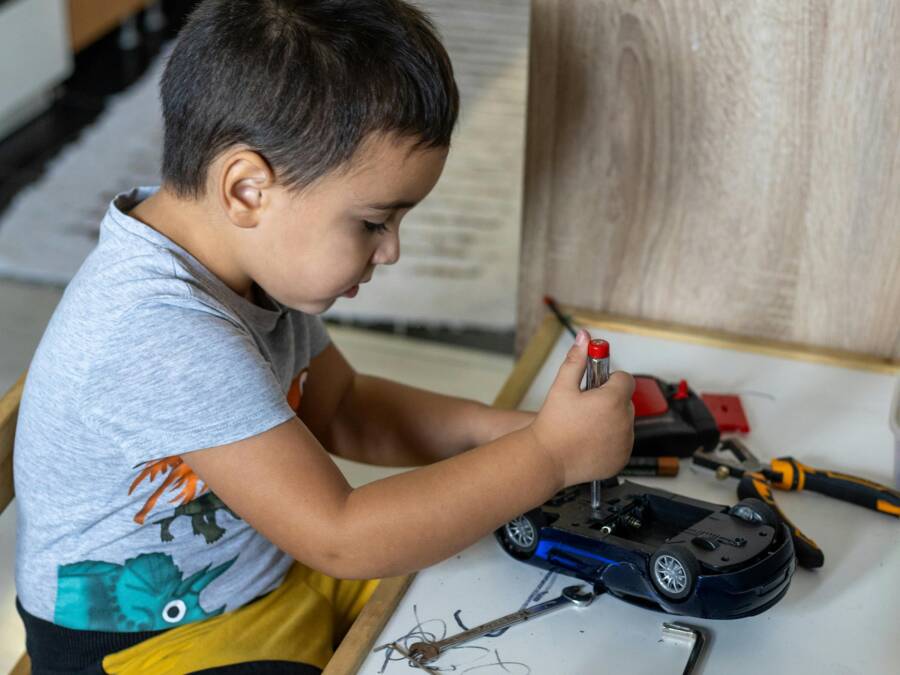
If you have a DIY project in mind, you don’t need a full workshop to begin. You just need a plan, a few reliable tools, and a place to work. Home Depot is more than a store. It’s a launchpad for beginners who want to learn by doing. This guide will show you how to start from zero, pick the right tools, and grow your toolkit with confidence.
Many people put off projects because they don’t know where to start. The trick is simple: define your goal, buy what you need for that goal, and learn as you go. You’ll gain momentum and gradually build a collection that suits your style and space. Let’s map out a practical path from your first purchase to real, tangible results.
Why Home Depot Is Your Best First Stop
Home Depot makes it easy to start small and scale up. You’ll find:
- A broad selection of tools in one place, from hand tools to power tools
- Clear information on tool features, sizes, and uses
- Budget-friendly options and bundles designed for beginners
- Helpful staff who can point you to the right aisle for your project
- Flexible buying options, including in-store pickup and online ordering
Here’s a simple approach: identify the project you want to tackle first, then walk the store with that goal in mind. If you’re unsure, start in the tool aisle with a short list of basics. You can always add specialized tools later as you gain experience.

Photo by Ono Kosuki
Plan Your Starter Toolkit Before You Shop
A focused plan saves time and money. Begin by outlining a single project you want to complete in the next two weeks. Then list the tools that will make that project possible. This is not the moment to buy every gadget you see. Prioritize.
- Set a tight budget for your first toolkit. Aim for tools you can actually use on your project rather than fancy toys.
- Choose quality within your budget. A dependable drill you can rely on is worth more than two cheap ones that break.
- Think about future projects. Pick tools that fit a few different tasks, not just one.
A practical way to proceed is to outline three small projects you want to try. For each project, note the core tools you’ll need. If you’re unsure, ask a store associate or search Home Depot online for starter kits that bundle essential tools.
The Core Set: Hand Tools You’ll Use Every Day
Hand tools are the backbone of any toolkit. They’re affordable, reliable, and require no power source. Start with these basics:
- Tape measure and carpenter pencil for accurate marks
- Hammer with a comfortable grip
- Screwdrivers (flat and Phillips) with magnetic tips
- Adjustable wrench and pliers
- Combination square for precise lines
- Utility knife with extra blades
- Level for straight, even surfaces
- Handsaw for small cuts or quick work
- Chalk line for marking long, straight lines
- Clamps to hold pieces while you work
Having these ready lets you tackle most small projects without a power tool. They also teach you patience and measurement discipline, which pay off as you advance.
Power Tools for Beginners: What to Buy First
Power tools speed things up, but you don’t need every model at once. Start with a small, reliable set and add pieces as tasks demand.
- Drill/Driver: A cordless model with a reasonable battery life makes sense. It handles drilling and driving screws. Look for a comfortable grip and a set of bits to cover common sizes.
- Circular Saw or Jigsaw: If you plan to cut wood, invest in a basic circular saw or a jigsaw. A straightforward blade change and good safety guards matter most.
- Oscillating Tool: Great for trim work and quick material removal on small projects.
- Sander: A palm sander helps finish surfaces quickly. It’s a good companion for shelves and furniture pieces.
Cordless tools are popular for beginners due to their portability. If you’re on a tight budget, consider a starter kit that includes a drill, a few batteries, and a charger. You’ll have enough power to finish your first project without hunting for spare parts.
Safety notes: always wear eye protection and hearing protection when using power tools. A dust mask is smart for sanding tasks, especially indoors.
Safety Gear and a Simple Workspace
A safe workspace keeps you productive. Start with a small, well-lit area and a sturdy work surface. Add these basics:
- Safety glasses or goggles
- Ear protection for louder tools
- Dust mask or respirator for sanding and finishing
- Work gloves for grip and protection
- A stable bench or table and a dedicated space for clamps
Keep your tools organized in labeled boxes or bins. A tidy space reduces mistakes and helps you find what you need quickly.
How to Buy Smart at Home Depot
Smart shopping means getting the most from each dollar. Use these tactics to maximize value:
- Check for bundles and kits. Starter tool kits often include the essentials at a lower price than buying items separately.
- Compare brands within your budget. Some brands offer better warranties or easier-to-use designs without a big price jump.
- Look for seasonal promotions. Holidays and clearance events are good times to buy.
- Use the Home Depot app or website to compare prices, read reviews, and locate items in-store.
- Consider rental options for occasional use. If you only need a tool for one project, renting may be smarter than buying.
Before you buy, write down the exact dimensions, sizes, and features you need. This keeps you from overpaying for tools you won’t use.
Learn by Doing: Simple Projects to Build Confidence
The best way to learn is by doing. Start with small projects that require a mix of hand and power tools. Each completed project adds to your confidence and helps you refine your toolkit.
- Build a basic wall shelf: measure, cut a plank, sand the edges, drill pilot holes, drive screws, and mount it.
- Create a simple plant stand: cut legs, add a top board, sand, finish with a sealant.
- Assemble a wooden toolbox or caddy: practice mitered corners and fasten with screws.
- Craft a bird feeder or small planter box: learn about stability and weatherproofing.
Each project teaches measurement, marking, cutting, joining, and finishing. Don’t rush. Clean up between steps and check your work often.
Maintenance and Tool Care Essentials
Tools last longer when you care for them. A little maintenance goes a long way.
- Clean after use: wipe dust off, remove debris, and store where moisture won’t collect.
- Sharpen blades and replace worn parts as soon as performance drops.
- Keep batteries charged and stored at moderate temperatures if you’re using cordless tools.
- Protect blades and bits with caps or cases to prevent rust.
- Inspect cords for cuts and replace damaged ones. A frayed cord is a safety risk.
Storing tools properly helps you find them quickly later. Use labeled trunks or wall racks and group items by function.
Upgrading as You Grow: When to Take the Next Step
As you complete more projects, you’ll spot gaps in your toolkit. Use this simple guide to decide when to upgrade:
- Your current tools don’t perform as needed on common tasks
- You frequently redo the same type of project and want cleaner finishes
- You want more efficiency or less manual effort during work
- You’re expanding into new materials or techniques
Upgrade gradually. Keep the old items for backup or for friends who want to start a project too. This approach avoids waste and keeps your setup practical.
Budget-Friendly Project Ideas to Practice
If you’re unsure what to build next, here are projects that fit a starter toolkit and don’t demand heavy equipment or expensive materials.
- Floating shelf: a small project that teaches mounting, measuring, and finishing
- Garden planter box: relies on basic cuts, screws, and a sealant finish
- Simple bookend set: quick carpentry practice with straight lines and joints
- Wall-mounted coat rack: combine woodworking with finishing and hardware installation
Each project reinforces essential skills while producing something useful you can be proud of.
Planning for the Long Run: A Practical Roadmap
Starting from zero doesn’t require a grand plan. It requires a few clear steps and a willingness to learn by doing.
- Decide on a primary project you want to complete this month
- Build a starter toolkit around that project
- Buy smart, using bundles and promotions to maximize value
- Practice regularly, choosing tasks that stretch your skills but stay within reach
- Maintain your tools and expand your set as you gain confidence
With patience and consistent practice, you’ll notice progress quickly. The first shelf you hang becomes proof that your toolkit pays off.
A Simple Path to Confidence and Independence
The idea is simple: build the tools you need to solve real problems in your home. Home Depot makes this possible by offering a wide range of options, clear information, and helpful staff. Start small, stay focused on one or two projects, and let your experience drive the rest.
As you gain confidence, you’ll notice a natural shift. You’ll spend less time debating which tool to buy and more time getting the job done. The first steps may feel small, but they set you on a steady path toward bigger, more ambitious projects.
Final Thoughts
Starting from zero is not about amassing tools quickly. It’s about building a practical, repeatable process that helps you complete projects and learn along the way. With a clear goal, a smart starter toolkit from Home Depot, and a plan to keep improving, you’ll turn any space into a workshop of your own.
Remember to keep safety at the top of your list. Respect your tools, follow manufacturer instructions, and work at a comfortable pace. Your skills will grow, and your home will thank you for it.
What project will you tackle first with your starter toolkit? Share your plan and the tool you’re most excited to use.