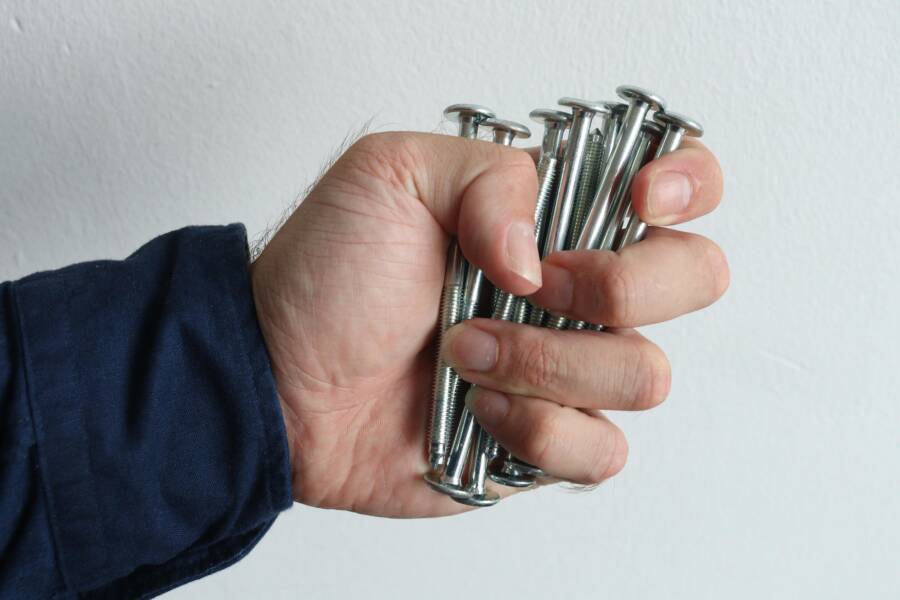
Buying fasteners can feel like navigating a maze. The wrong screw or nail shows up easy, but a weak joint or rusted hardware is costly in time and material. This guide helps you decide what to pick at Home Depot with clear steps, practical examples, and simple checks you can use in-store. Whether you’re hanging shelves, building a deck, or repairing outdoor furniture, you’ll walk away with the right fasteners and the confidence to use them.
Understanding the basics helps you make fast, accurate choices. Screws and nails are not interchangeable. Screws hold by their threads and the grip they create with wood. Nails rely on a wide shank and a tight fit to shear and compress. The wood type, exposure to elements, and the load a joint must bear all influence the choice. Knowing these basics makes the aisle less intimidating and the project more reliable.
Understand the material you’re working with. Softwoods like pine and cedar bite differently than hardwoods such as oak. Plywood behaves differently from solid lumber. For outdoor work, pressure treated lumber demands fasteners that resist moisture and chemicals. Diy projects inside the home often need different coatings and corrosion protection than exterior or wet areas.
Match your project type and environment
Decks, fences, and exterior structures face rain, humidity, and temperature shifts. For these jobs, you want fasteners that resist corrosion and maintain their grip outdoors. Interior projects commonly require clean finishes and less corrosion protection.
- Exterior projects: Look for fasteners with corrosion resistance. Zinc coating, galvanized steel, or stainless steel are common choices. For high humidity or salt air, stainless steel is the strongest option.
- Interior projects: For trim and cabinet work, you can prioritize a clean finish. Choose nails or screws with a cosmetic head and a finish that hides when painted or stained.
When the job involves moisture or chemicals, you should pick fasteners rated for exterior use or pressure treated wood. Choosing the right coating now avoids future rust or staining on the wood, which keeps the project looking good longer.
How to pick screws
Screws come in many shapes, but the core decisions are the same across brands. Here’s a straightforward way to decide.
- Size and length: The length should be at least twice the thickness of the piece you’re joining. For example, if you’re attaching a 3/4 inch thick piece, a 1 1/2 inch screw is a sensible starting point. If you’re joining thin furring strips, a shorter screw is often best to avoid poking through the other side.
- Gauge (thickness): A higher gauge number means a finer screw. For general carpentry, a #8 to #10 screw works well. For heavier loads, go with #12 or larger. Don’t overdo it; larger screws can split thinner wood.
- Thread style: Wood screws have deeper, coarser threads that bite into the wood. For softwood and plywood, standard wood screws are usually fine. For hardwood, you may want a screw with extra grip or a coated thread that reduces friction.
- Head type: Flat heads sit flush when driven with a countersink bit. Phillips and star drive heads give good torque. Self-tapping screws reduce the need for a pilot hole in metal or hard surfaces but aren’t always ideal for wood.
- Coatings: Exterior decks and outdoor furniture benefit from zinc galvanized or stainless coatings. For interior moisture areas, a basic galvanized coating may suffice if moisture is low. If you’re concerned about rust or staining, choose stainless steel.
- Special purpose screws: Deck screws are designed to resist corrosion and have sharp points for easy entry. Cabinet screws have a smaller head and a smooth shank to minimize splitting and keep a neat finish.
Examples to guide your selection:
- A simple shelf bracket in a dry interior: a #8 or #9 wood screw, 1 to 1 1/4 inches long, zinc coated.
- Building a raised garden bed with pressure treated lumber: 2 1/2 inch deck screws, stainless or coated to resist moisture.
- Attaching exterior trim to pine: 1 1/4 to 1 1/2 inch wood screws with a corrosion resistant coating.
How to pick nails
Nails are simple in concept but come in several useful forms. The right nail depends on the joint, the wood, and the appearance you want after finish work.
- Common nails: These are versatile for framing and structural work. They’re thick, strong, and good for rough assemblies where fasteners will be hidden behind plaster or siding.
- Finish nails: Designed to disappear in wood with a small head that can be filled and painted. They are perfect for trim, moldings, and narrow gaps.
- Construction and sinker nails: These nails are made to drive easily and hold firmly in thick wood. They balance strength and ease of use in many framing tasks.
- Roofing nails: For roofing, you want a large head and a sharp point. They secure shingles and resist wind uplift.
- Nail diameter and length: Thick nails offer more strength, but they can split thin boards. Shorter nails reduce splitting risk in delicate wood. For interior trim, finish nails around 2 to 3 inches work well; for framing, common nails in the 8d to 16d range are common.
- Material and coating: Zinc coated nails resist rust in damp spaces. Stainless or hot dipped coatings add longevity for outdoor or moisture-prone areas.
Special cases through Home Depot
Exterior versus interior is not the only factor. Inside the store you’ll find options tailored to specific materials and surfaces.
- Pressure treated lumber: Use corrosion resistant screws or nails. The chemicals in treated lumber can corrode plain steel quickly, so look for hot-dipped zinc or stainless steel.
- Concrete and masonry: For masonry walls, you will often need masonry screws with a masonry bit or lead anchors. Do not rely on standard wood screws for masonry without a proper anchor.
- Composite materials: Some boards are blends with binding resins. They need fasteners designed for composites to prevent mushroom heads and avoid staining.
- Hardwood installations: Hardwoods require sharper nails and sometimes special screws to avoid splitting. Look for a pilot hole in critical spots and consider predrilling.
Read labels and packaging to confirm suitability. Home Depot packages often include guidance on the wood type, the thickness they’re suited for, and indoor versus outdoor use. When in doubt, ask for the store associate. They can point you to the right product family and show you current stock.
Reading the packaging and labels
- Size notation: Nails use a penny system like 8d for eight penny. Screws use a gauge and length such as 8 x 1 1/4 inch.
- Material and coating: Look for stainless steel or galvanized impressed on the pack. If you see “PT” or pressure treated, that is a sign of compatibility with treated lumber.
- End-use icons: Exterior, interior, or masonry might be shown as icons or a short label.
- Packaging quantity: For larger projects, buy in boxes or bundles for better price per fastener. Keep a few extra for mistakes.
Practical buying tips at Home Depot
- Start with a kit: Many stores offer starter kits that include a mix of common screws and nails. They are a good way to stock a basic set for future projects.
- Consider your project scope: If you are working on a single project, buying exactly what you need can prevent waste. For frequent projects, a larger pack can save money over time.
- Compare brands and coatings: Some brands use stronger coatings or tighter tolerances that improve grip. If you expect heavy use or outdoor exposure, choose a reputable brand with corrosion resistance.
- Stock up on a few finishes: A small box of finish nails for trim and a box of deck screws cover most outdoor finishes. You can reserve the rest for future jobs.
- Keep traceable notes: If you often forget what size works on which project, jot down the screw and nail sizes in a project notebook or app.
A quick decision workflow for the aisle
- Step 1: Identify the wood type and exposure (interior wood, pressure treated, or hardwood; interior trim or structural framing).
- Step 2: Choose the fastener type (screw or nail) based on the joint and load.
- Step 3: Pick the coating based on moisture and corrosion risk.
- Step 4: Confirm size by thickness, length, and diameter.
- Step 5: Read the label for recommended uses and ensure it fits your project.
- Step 6: Buy a small test quantity first to verify fit before purchasing more.
Common project scenarios and the quick picks
- Hanging a heavy shelf on drywall with studs: Use a wood screw long enough to reach the stud, about 1 3/4 to 2 inches, with a corrosion resistant coating. Pre-drill if needed, and consider using wall anchors for extra grip.
- Building a small shed from softwood: Choose deck or wood screws with a length around 2 inches and a coating suitable for outdoor use. Pair with appropriate wood glue for extra hold.
- Attaching trim to painted interior walls: Finish nails provide a tidy look with minimal visible head. Select 2 to 3 inch nails for moderate trim and ensure the wood is not prone to cracking.
- Fastening composite decking boards: Use screws designed specifically for composites. They resist staining and provide a clean surface for finishing.
- Sealing a railing in a windy location: Stainless steel screws offer the best corrosion resistance and hold over time in harsh conditions.
Common mistakes to avoid in the store
- Using plain nails for exterior projects on treated lumber. The chemicals in treated wood can corrode ordinary steel fasteners.
- Skipping predrilling on hardwoods. Hardwoods split easily without a pilot hole, especially near edges.
- Mixing fastener types in a single joint. A nail in a screw joint can fail if the wood shifts or expands and contracts.
- Choosing too short a length. A screw or nail that doesn’t bite enough into the substrate may loosen over time.
- Failing to consider load direction. Screws resist pullout well, while nails handle shear better. The wrong orientation weakens joints.
Final thoughts
Choosing the right screw or nail is more than a quick guess. It is about matching the fastener to the material, the environment, and the load the joint must carry. Home Depot stocks a broad range of options and dependable brands, with clear labeling to guide your choice. A little planning in the aisle saves time and yields stronger, longer lasting results.
If you’re unsure, ask for help. A quick conversation with a store associate can confirm your choice and point you to compatible accessories like pilot bits, anchors, or wood glue. Bring a sketch or measurements if you have them. People who come prepared finish faster and walk away with confidence.
In the end, the right fasteners protect your work and your investment. They prevent wobble, keep joints tight, and resist the wear of daily life. With a practical approach and the right coating, you’ll turn a simple purchase into a sturdy, lasting project.
Takeaway reminders
- Start with environment and material. Exterior needs corrosion protection; interior can call for cleaner finishes.
- Size and length matter. A longer screw or thicker nail gives more grip but risk of splitting increases.
- Coatings protect. Zinc, galvanized, and stainless steel offer different levels of protection.
- Read labels. Packaging tells you where the fasteners fit and how to use them correctly.
- Ask for help. A store associate can point you to the right family of products and current stock.
By following these steps, you can navigate Home Depot with ease and choose fasteners that deliver real results. Every project deserves a solid base. With the right screws and nails, you’ll see it in how well the finished piece holds up and how clean it looks once you paint or stain.
Are you planning a project this weekend? Share your target materials and the surface you’ll attach, and I can help you map out the exact fasteners to grab in store.