Thousands of People Were Struggling With Money Until They Discovered This One Ancient Secret Hidden in Sound
>>> Unlock It Now <<<

Starting with a TikTok account is simpler than you might think, and you can do it all from your phone. This guide shows you how to go from installing the app to posting your first video, with easy steps you can follow today. No computer needed, just your smartphone and a plan.
If you’re new to TikTok, this intro helps you set up a solid mobile foundation. You’ll learn the essential setup steps, how to optimize your profile, and basic safety habits to protect your account as you grow. By the end, you’ll be ready to create and share confidently from your pocket.
Think of this as a practical, beginner friendly roadmap for a TikTok account on phone. We’ll cover quick tips for choosing a username, configuring privacy, and planning your first post so you start on the right foot. You’ll have clear, actionable steps to get from download to first video in minutes.
Start a TikTok Account on Your Phone
Ready to get started with TikTok? This section guides you through the essential first steps, from finding the official app to getting connected and ready to post. You’ll learn where to download, how to check space and permissions, and how to make your first login smooth on a smartphone. The goal is a fast, frictionless setup so you can focus on your first video.
He Was Drowning in Bills and Burnout Until a Simple Daily Ritual Rewired His Brain for Wealth in Less Than a Week
>>> Start Your Shift Today <<<

Download and Install TikTok from the App Store or Google Play
Finding the official TikTok app is straightforward. On your iPhone or Android phone, open your device’s app store and search for “TikTok.” Look for the app published by TikTok Ltd or the official developer listing to avoid duplicates or spoof apps.
- For iPhone users: open the App Store, type “TikTok” in the search bar, and tap the result that shows the official TikTok download page. If you’re unsure, verify the developer name and read a couple of recent reviews to confirm you’re grabbing the right app.
- For Android users: open Google Play, search for “TikTok,” and select the official listing. The store page will show the app’s size, rating, and required permissions.
Before you tap Install, a quick readiness check makes the setup smoother.
- Check storage space: ensure you have enough free space for the app and a few sample videos. If space is tight, offload unused apps or delete large videos temporarily.
- Ensure a stable internet connection: a strong Wi-Fi or cellular signal prevents partial downloads and future update issues.
- Review permissions: TikTok needs camera, microphone, storage, and sometimes notifications. You can grant these during setup or adjust later in your device settings.
If the app doesn’t install or updates are needed, repeat the download process or update your OS to the latest version for compatibility. After installation, open TikTok to begin the onboarding flow. If you’re using an iPhone or Android phone, you can jump straight into creating an account once the app loads.
For quick reference, you can also start directly from the official download pages:
- TikTok on Android (Google Play): https://play.google.com/store/apps/details?id=com.zhiliaoapp.musically&hl=en_US
- TikTok on Android alternative listing: https://play.google.com/store/apps/details?id=com.ss.android.ugc.trill&hl=en_US
- TikTok on iOS (App Store): https://apps.apple.com/us/app/tiktok-videos-shop-live/id835599320
- Official download page: https://www.tiktok.com/download/en
Once TikTok is installed, take a moment to confirm the app launches correctly and that you’re connected to the internet. A quick check of permissions helps prevent surprises later on. If you’re using education or work devices, you may need to grant permissions from the device settings after the first launch.
Create Your TikTok Account Using a Phone Number or Email
You have two straightforward signup paths—the choice depends on what you’re comfortable sharing and how you want to manage security. The most common options are a phone number with SMS verification or an email address. You can switch to linking a social account later if you prefer.
- Phone number path: enter your mobile number, receive a verification code via SMS, and enter that code in the app. This route is fast and easy if you want immediate access.
- Email path: provide a valid email address, create a password, and verify the email if required. This option can be better if you want to keep your primary phone number private.
As you craft your username, keep a few practical tips in mind. Choose something memorable, easy to spell, and unique. A clean handle helps people recognize you quickly and reduces misreads in comments or messages. Avoid highly personal information in your username, and don’t reuse passwords from other sites. If you already have an online presence, consider a handle that aligns with your other profiles for consistency.
Optional sign in with existing social accounts can streamline setup. If you sign in later with Facebook, Google, or another service, you’ll reuse an established account rather than starting from scratch. This option is helpful if you want to keep everything centralized or if you’re migrating from another platform.
As you progress, you’ll see a few prompts about personalization, interests, and content topics. It’s fine to skip or keep it light at this stage. The goal is a clean start that lets you begin exploring and posting on your terms.
To keep the flow simple, follow these steps in order:
There Is a Frequency That the Wealthiest Families Have Used for Generations and Most People Will Never Know It Exists
>>> Open the Door <<<

- Open TikTok and choose either phone number or email signup.
- Enter the required information and complete verification (SMS or email).
- Create a username and confirm your password if prompted.
- Choose your preferred privacy settings and continue.
If you need a quick reference for the signup process, you can view the official guidance on the TikTok support pages. While you’re at it, you may want to check how account security features work so you can protect your profile from the start.
Verify Your Account and Sign In Smoothly
Verification and login setup are the next key steps to secure access and keep your account convenient. A couple of smart choices early on save time later and reduce the chance of lockouts or password drama.
- Verification: complete the code entry for either SMS or email verification. If you miss a code, use the resend option and check that you’re receiving messages on the right number or inbox.
- Password: set a strong, memorable password. A password manager can help you keep track without risking simple reuse.
- Stay signed in: on a personal device, enable the stay-signed-in option if you share the device with trusted people, or if you want quick access for posting.
- Two-factor authentication (2FA): if available, enable 2FA for added protection. This extra layer helps protect your account from unauthorized access.
Plain language, short sentences, and clear steps keep the process straightforward. For example, after you sign in, you might see a welcome screen with prompts to customize your profile. You can skip some prompts and return later to complete your profile details.
A few best practices to keep login details secure:
- Use a password you don’t use elsewhere.
- Don’t store login details in plain text on your device.
- If you share a device, consider a separate profile for your TikTok activity.
If you’re new to TikTok, the sign-in flow is designed to be forgiving. You can always revisit settings to adjust privacy, notifications, and linked accounts as you become more comfortable with the platform. The important part is that you’re now ready to post and explore.
For further reading, the official TikTok resources cover account verification, security best practices, and how to recover a compromised account. You can consult these pages to deepen your understanding and ensure you’re applying the latest guidance.
This section is designed to be completed quickly on a smartphone and to set you up for a smooth journey into TikTok creation. The next sections will help you configure your profile, explore essential privacy settings, and plan your first post with confidence. If you want a quick refresher on the steps above, you can revisit the download links and the signup guidance as you proceed.
Set Up and Secure Your TikTok Account
Getting your TikTok account up and running on your phone is just the start. Security should come next, so you can create with confidence. This section covers essential security settings, privacy options for your comfort level, and practical tips for managing notifications and data on a mobile device. Follow the steps to protect your account while you learn the platform.
Enable Important Security Settings
Two-factor authentication (2FA) and strong passwords are your first lines of defense. Enabling 2FA adds a second check when someone tries to sign in, which helps prevent unauthorized access. Pair this with a unique, hard-to-guess password to keep your account safer.
Key steps to lock things down:
- Turn on two-factor authentication on your account. This adds a verification step during sign-in and reduces the risk of someone guessing or stealing your password. For guidance, see official TikTok resources on 2FA: start with the Account Safety page and the two-factor setup article.
- Create a strong password. Use a mix of letters, numbers, and symbols. Avoid common phrases and personal details. Consider a password manager to keep track of complex codes.
- Keep recovery options up to date. Update your email and phone number so you can recover access if you forget your password or lose your device.
- Do not share codes or passwords. Treat verification codes like a key to your house. If someone asks for them, say no and secure your account.
A quick post-signup checklist you can follow:
- Enable 2FA if available.
- Use a strong, unique password.
- Verify your recovery email or phone number.
- Review devices connected to your account and sign out of unused ones.
- Save backup codes in a safe place.
If you want additional official guidance, check the TikTok support pages on account safety and 2FA. These resources provide step-by-step instructions and reflect the latest app updates. For more context, you can also review a dedicated 2-step verification guide from TikTok’s official help center.
External support links for quick reference:
- Account safety and 2-step verification guidance: https://support.tiktok.com/en/safety-hc/account-and-user-safety/account-safety
- How to enable two factor authentication: https://www.tiktok.com/discover/how-to-enable-two-factor-author
Set Privacy Preferences for Your Comfort Level
Privacy on TikTok is personal. You can choose a private account to learn and experiment in a controlled space, then open up as you gain confidence. Understanding who can duet, stitch, and comment helps you control your interactions and growth pace.
What to decide and why:
- Private vs public account. A private account means you approve each follow and limit who sees your content. A public account helps you reach a broader audience but invites more scrutiny. For beginners who want to learn before going public, starting private is a smart move.
- Who can duet or stitch. Limiting these features to friends or followers reduces the chance of unwanted responses and helps you maintain a positive learning environment.
- Who can comment. If you’re still testing ideas, you might restrict comments to followers or turn off comments entirely on new posts. As you grow more comfortable, you can open up gradually.
A simple beginner’s privacy roadmap:
- Start with a private account and allow followers you approve to see your videos.
- Disable duets and stitches until you’re ready for collaboration or exposure.
- Limit comments to followers or review comments before they appear.
- Revisit privacy settings after posting your first few videos to decide if you want to go public.
If you want more depth, explore TikTok’s privacy and safety settings directly in the app. You’ll find toggles for account visibility, interactions, and data controls that align with your comfort level. Remember, privacy choices can be changed anytime as you grow more comfortable with the platform.
Practical tip: think of privacy like training wheels. You can ride with them on while you learn and remove them when you’re ready for the open road.
Manage Notifications and Data Safety on Mobile
Notifications keep you in the loop, but they can overwhelm a phone if not managed. A few smart adjustments keep you productive while safeguarding your data.
What to optimize on your smartphone:
- Push notifications. Customize alerts for likes, comments, follows, and new messages. Consider turning off nonessential alerts to avoid constant interruptions.
- Data sharing. Review what TikTok can access on your device. Limit data sharing to what is necessary for the app to function, and disable anything you don’t need.
- App permissions. Regularly check permissions such as camera, microphone, and location. Deny access when it isn’t essential for your activities.
- Device security. Keep your phone’s OS updated and enable a screen lock. If you share your device, consider a separate account for TikTok to protect your other apps and data.
A practical starter setup:
- Enable essential notifications only (new followers, comments you approve, and direct messages).
- Review permissions and revoke anything not needed after setup.
- Turn on automatic app updates when connected to Wi-Fi to keep the app secure without interrupting you with repeated prompts.
- Use a recovery method for your device (PIN, fingerprint, or face ID) to make sign in quick and secure.
For readers seeking extra reassurance, official TikTok resources offer guidance on privacy settings and data safety. Integrating these tips with your device’s own security features helps you maintain a safer mobile experience while you explore new content.
External resources for further reading:
- Account safety overview and 2-step verification guidance: https://support.tiktok.com/en/safety-hc/account-and-user-safety/account-safety
- Settings and privacy guidance from TikTok: https://www.tiktok.com/discover/how-to-enable-two-factor-author
- Additional security practices for creators and brands: https://business.tiktokshop.com/us/blog/detail/10023252
This section keeps your TikTok setup practical and secure while you begin exploring. The next sections will help you tailor your profile, refine your privacy approach, and plan your first post with confidence. If you need a quick refresher on security steps, revisit the official guidance linked above.
Make Your Profile Ready for Discovery
Your profile is your first impression on TikTok. When someone lands on your page, they should instantly understand who you are, what you publish, and why they should follow. This section focuses on three practical steps to make your profile discoverable and memorable: choosing a clear username, writing a concise keyword rich bio, and presenting a welcoming profile photo with a strategic link. Each piece works together to boost recognition across platforms and improve searchability inside TikTok.
Choose a Clear User Name and Consistent Brand
Your username is the shorthand people use to tag you, mention you, and find you again. A clean, memorable handle that matches your content focus makes discovery easier and reduces misreads in comments or messages. Aim for consistency across your social profiles so fans can connect you wherever they hang out online.
- Brainstorm options that reflect your niche and style. For example, if you post quick tips on mobile photography, consider usernames like @PhotoTipsOnTheGo or @PocketPhotoTips.
- Check for readability. Avoid underscores if they obscure your handle or slow down recognition. If you need a separator, a simple underscore or dot is fine but keep it minimal.
- Keep it unique. If your preferred name is taken, add a small modifier that stays true to your brand, such as a location, a year, or a simple keyword swap.
- Align with other platforms. When possible, use the same username across Instagram, YouTube, or a personal website to strengthen your brand.
Practical examples you can adapt:
- For a travel and photography focus: @TrailLensTips
- For quick TikTok tutorials: @TikTokTipsOnTheGo
- For foodie micro-videos: @BiteSizeCafeTips
If you’re unsure about the best option, run a quick mental test: would a friend recognize you from the handle in a sentence? If not, refine it. For more ideas, you can explore expert guidance on profile optimization and how a strong username improves visibility. Learn more about profile optimization.
Image suggestion: a clean smartphone screen showing a TikTok profile with a clear handle and bio.
Photo by Solen Feyissa on Pexels: 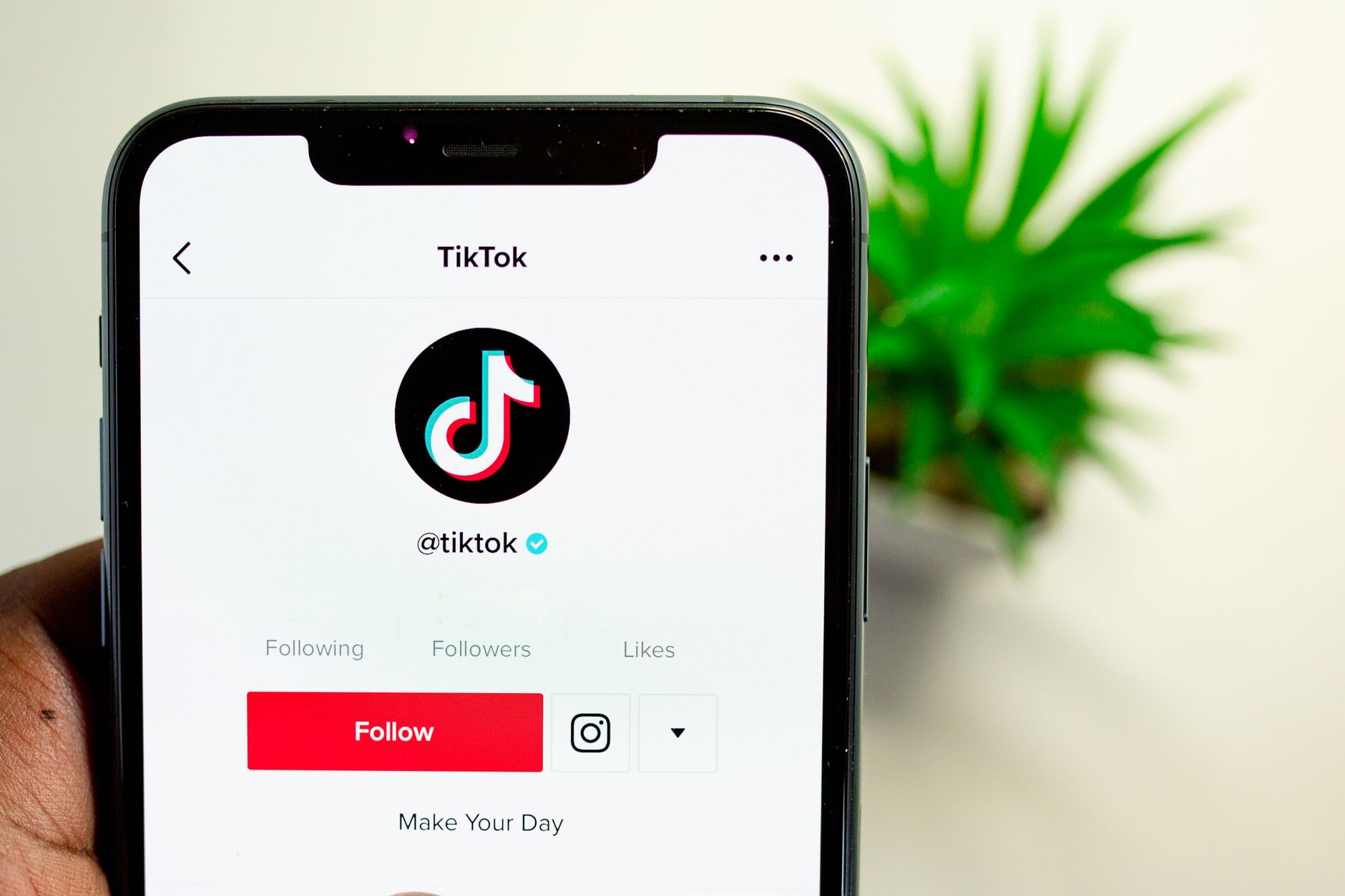
Credit: Photo by Solen Feyissa
Write a Short, Keyword Rich Bio
Your bio tells visitors what you post and why they should follow. A concise, keyword rich bio helps you appear in searches and gives readers a quick sense of your value. Keep it to one or two sentences and end with a clear call to action.
He Was Drowning in Bills and Burnout Until a Simple Daily Ritual Rewired His Brain for Wealth in Less Than a Week
>>> Start Your Shift Today <<<
- Start with a niche descriptor. For example, “Daily quick tips for mobile photography” or “Bite sized TikTok tutorials on the go.”
- Incorporate 1–2 keywords. Choose terms that people might search when looking for content like yours.
- Include a CTA. Direct viewers to follow, watch your best videos, or visit a link.
Simple bio template:
- “Mobile photography tips in under 60 seconds. New tutorials every day. Follow for quick, actionable ideas.”
- “TikTok tips and micro-tlicks for creators. Watch, learn, and grow. Follow for daily insights.”
If you’re rebuilding from another platform, it helps to keep your bio aligned with your username for consistency. A strong bio paired with your username makes you easier to discover and remember. For inspiration and tested formats, check guidance from profile optimization resources. How to optimize your TikTok profile.
Add a Welcoming Profile Photo and Optional Link
A friendly, clear profile photo signals trust and professionalism at a glance. Use a headshot or a clean brand logo that looks good at small sizes. Avoid busy images or group photos that blur in the small circle TikTok uses.
Tips for the perfect profile image:
- Choose a high quality photo. Clear, well lit, and centered faces perform best.
- Keep it simple. A plain background or a simple logo is easier to recognize on mobile screens.
- Ensure it matches your brand. If your content is playful, a bright, approachable portrait can work; if it’s corporate, a clean logo may be better.
Optional link in bio:
- If you have a landing page, portfolio, or other social profiles, add a link in your bio to guide visitors. This can drive traffic to your primary hub and help fans find more of your content.
- If you’re not ready to link out, you can leave the link field blank for now and focus on posting quality content. You can add the link later as your profile grows.
A practical approach is to keep your visuals consistent with your brand tone. When your profile photo and bio align, visitors feel confident they’ve found the right creator. For additional insights on creating a compelling visual bio, see guidance on visually optimizing your TikTok bio. How to visually optimize your Instagram/TikTok bio.
If you want a concrete example, picture a creator who posts bite-sized travel tips. Their profile photo is a bright headshot, the username is @TrailLensTips, and the bio reads “Mobile travel tips in under 60 seconds. New videos daily. Follow for quick routes and gear tips.”
Image suggestion: a clean, friendly profile photo sample on a mobile screen.
Photo by Solen Feyissa on Pexels:
Credit: Photo by Solen Feyissa
If you’d like, I can tailor these subsections to align even more closely with your current article tone and target keywords. I can also weave in additional examples or pivot toward a region-specific focus to match your audience.
Create Your First TikTok Right on Your Phone
You can launch your first TikTok directly from your smartphone in minutes. In this section, you’ll learn how to explore the built-in camera tools, add music and captions on the fly, and publish with a caption that helps people find your video. The goal is to keep your final clip short, clear, and engaging while making the posting process feel effortless.
Explore Camera Tools, Filters, and Quick Edits
Your first video starts with the phone camera inside TikTok. Use simple controls to shape your shot, then add quick edits to polish the result. Start by opening the camera within the app and selecting the settings you need for a smooth recording session.
- Speed and timers: try slowing down or speeding up certain parts of your clip to emphasize a point, then use the timer to hands-free record. A shorter take often keeps viewers hooked, especially on mobile where attention spans are short.
- Simple effects: experiment with basic filters and transitions. You don’t need fancy edits to make a good impression; clean, subtle effects can enhance your message without distracting from it.
- Practical tip: aim for clips under 15 seconds for most topics. Short, punchy videos perform better in the feed and are easier to produce consistently on the go.
If you want a deeper look at the camera controls in TikTok, the official Camera Tools guide covers every step from selecting a length to applying effects. For more practical editing ideas, see a straightforward tutorial on trimming, filters, and effects. You can also explore how Effects work in the camera screen to preview your look before recording. Camera tools · Effects
When you’re ready to edit after recording, you can trim the clip, adjust the volume, and add transitions quickly. A simple approach to quick edits keeps the workflow fast and smile-friendly, so you’re ready to publish sooner rather than later. If you’re after more advanced editing techniques, a practical guide to trimming, transitions, and audio can help you level up without slowing down your process. How to Edit TikTok Videos
Add Music, Text, and Captions on the Fly
Music sets the mood and helps your video feel polished. TikTok lets you preview friendly tracks and sync text overlays so your message lands clearly. Use captions to improve accessibility and boost engagement with viewers who watch without sound.
- Music choice: pick upbeat, unobtrusive tunes that match your topic. Keep volume balanced so your narration remains clear.
- Overlay text: add short, bold text to highlight key points. Place captions on the lower third to avoid covering important visuals.
- Captions for accessibility: auto captions are helpful, but you can edit them for accuracy. Clear captions ensure your message reaches a wider audience.
A straightforward approach for text and captions is to place a single headline on the opening frame, then use compact bullet-like lines to reinforce the idea. For a quick example, a video about smartphone photography might show the caption, “Quick mobile tips in 15 seconds,” followed by two on-screen lines like “Capture, Edit, Share.” For extra guidance, you can explore a practical overview of editing tools and captioning strategies. How to Edit TikTok Videos: Trimming, Effects & More
To keep scanning easy on the screen, limit on-screen text to 1–2 concise lines per section. This helps viewers absorb your point while you speak or demonstrate. If you want to deepen your understanding of how effects and text work together, the official Effects guide is a solid reference. Effects
Publish Your First Video with a Clear Caption
A strong caption guides viewers to what to expect and invites engagement. Use a simple formula that blends a keyword, a call to action, and relevant hashtags. Pair your caption with a reliable posting time to maximize reach based on your audience habits.
- Caption formula: [Keyword] + [Clear benefit or takeaway] + [CTA] + [Hashtags]
- Example: “Pocket photography tips in under 60 seconds. Watch now and follow for daily quick tips. #MobilePhotography #TikTokTips”
- Timing: post when your audience is most active. If you’re just starting out, test a few times in the first week and note the engagement patterns. Regular posting at consistent times helps your content appear in followers’ feeds more reliably.
A practical caption approach keeps things simple and scannable. Include 1–2 targeted hashtags to help TikTok categorize your video without overwhelming the caption. Scheduling posts from a connected account or using built-in reminders can help you stay consistent even on busy days. For a quick reference on crafting captions that improve discovery, consider guidelines from established resources. How to optimize your TikTok profile
If you’re curious about timing strategies, many creators see higher engagement in the early evening or mid-afternoon on weekdays. Use your analytics over time to tailor posting windows to your audience. You can also check the official guidance on posting and timing for fresh insights. Camera tools
Another practical tip is to maintain a consistent theme. When your captions routinely reflect your niche, viewers know what to expect and are more likely to follow. Don’t overcomplicate the caption with jargon; keep it friendly and direct so newcomers can join in quickly. For more tips on captioning and discovery, see resources focused on profile and content optimization. How to visually optimize your Instagram/TikTok bio
This section provides a concise path to posting your first TikTok with a strong caption and a plan for timing. The next sections will cover how to refine your profile for discovery and how to ensure your settings support your current goals. If you want quick reminders on the posting process, revisit the camera tools and effects pages linked above.
Build a Simple Posting Plan and Growth Tips
A clear posting plan is the backbone of steady growth on TikTok. This section gives you a practical, easy-to-follow approach that fits a phone-based workflow. You’ll learn how to draft a lightweight plan, keep content varied, and implement quick growth tactics without overwhelming your schedule. Think of it as a repeatable system you can start today and iterate over time.
Define Your Niche and Content Ideas
A focused niche makes it easier for viewers to recognize you and for TikTok’s algorithm to surface your videos to the right people. Start by listing what you know well and what you genuinely enjoy creating on a phone. The goal is to generate topics you can turn into quick, mobile-friendly videos.
Prompts to brainstorm topics that fit a phone-based workflow:
- Quick tips from your daily routine: “3 camera tricks I use on my phone to improve photos in 60 seconds.”
- Behind the scenes of your process: “What I do in the first 5 minutes after picking up my phone to film.”
- Short how-tos that capitalize on micro-skills: “One-handed editing hacks using built-in tools.”
- Personal stories tied to tips: “A mistake I made early on and how a phone-friendly fix saved me time.”
- Niche recaps and updates: “Weekly roundup of the best battery saving tricks for on-the-go filming.”
Encourage unique angles that fit your strengths and interests. If you’re naturally funny, lean into lighthearted, brisk videos with relatable captions. If you’re detail-oriented, share checklists, step-by-step workflows, and quick demos. The aim is to create content you can produce on a smartphone without heavy equipment.
To validate ideas, test: film a 15 to 30 second version, post it, and note what resonates. You can adapt successful formats into a simple template you use across topics. For reference, browse a few beginner-friendly content idea sources to spark ideas and ensure you’re aligned with current trends. For example, content ideas for beginners and niche guidance can be helpful starting points: Content Creation Ideas for Beginners and The Best TikTok Niches: Faceless Options to Go Viral in 2025.
If you want to expand your options, explore concise niche ideas that fit a phone-first workflow. Look for niches that reward short, repeatable formats and clear takeaways. A practical approach is to map each idea to a 15-second or 60-second frame, ensuring you can deliver value quickly on a single phone screen. For more curated suggestions, check out beginner guides and niche roundups such as TikTok Guide for Beginners to Get More Views and Top TikTok Niches to Explore and Grow.
Transitioning from ideas to a plan is simple: pick 3 core themes, create a content bank of 9 to 12 quick ideas, and reuse formats with small twists. This keeps production manageable and helps you stay consistent, which signals reliability to viewers and the platform.
Create a 7 Day Posting Plan
A compact weekly plan builds momentum without burning you out. The goal is to publish consistently, while keeping each video fresh enough to keep viewers engaged. Use a simple template you can copy week after week, then swap in new angles as you grow.
A practical template for your first week:
- Day 1: Tip or how-to in under 30 seconds. Show a single, actionable takeaway.
- Day 2: Behind the scenes. Show your phone setup or a quick workflow tip.
- Day 3: Quick FAQ addressing a common question in your niche.
- Day 4: Common mistake and fix. Demonstrate the correction in real time.
- Day 5: Mini case study or success snippet related to your topic.
- Day 6: Quick reaction to a trending but relevant concept without copying.
- Day 7: Summary and glance at next week’s topics; invite feedback.
Tips to boost variety while keeping it simple on a phone:
- Alternate formats: tips, how-tos, behind the scenes, quick reviews, and micro-stories.
- Use a consistent opening line: a brief hook that signals what the video will teach.
- End with a clear CTA: encourage viewers to follow, save, or try the tip themselves.
- Keep a steady pace: aim for concise clips, preferably under 60 seconds.
Fill your week with easy-to-produce ideas that don’t require fancy gear. A well-balanced mix of instructional content and personality-driven clips helps you test what resonates with your audience. If you’d like a ready-made week you can copy, adapt the following starter lineup:
- 15-second tip, 1) 30-second tutorial, 2) behind the scenes, 3) quick demo, 4) mini-taqt, 5) trend adaptation with a unique twist, 6) Q&A answer, 7) weekly wrap. You can adjust the timing as you observe engagement patterns. For more inspiration, consider starting points from beginner guides that emphasize practical posting plans like TikTok Guide for Beginners to Get More Views and Content Creation Ideas for Beginners.
If you want to see additional perspectives on posting plans, the following resources offer fresh angles on niche selection and posting cadences: The Best TikTok Niches: Faceless Options to Go Viral and How to Find Your Niche as a Beginner Content Creator.
Operational tips for a phone-first workflow:
- Batch plan content in a notes app or simple spreadsheet on your phone.
- Keep a small idea bank on your home screen for quick drafts.
- Use templates for captions and hooks to speed up creation.
- Schedule reminders to post at consistent times.
Engage with Comments and Track Progress
Engagement and metrics are your compass. Responding to comments builds a community, and tracking growth helps you adjust your plan without overhauling your entire approach. You can manage this entirely from your phone, keeping your workflow lean and efficient.
How to respond to comments without copying ideas:
- Acknowledge the question or compliment and add a quick tip related to your video.
- Ask a clarifying question to encourage deeper engagement.
- Share a tiny, useful follow-up tip in a subsequent video to keep the conversation going.
Balance trends with originality. You can participate in trends by adding your own twist instead of copying others. For example, if a trend involves a specific sound, adapt it to fit your niche and voice. This approach helps you stay relevant without losing your unique angle. Look to trend resources for inspiration but avoid direct replication that can hurt long-term growth.
Measuring growth with simple metrics:
- Views: track the average and identify videos that perform well.
- Followers: monitor follower count changes after posting a new video.
- Engagement rate: compute roughly by adding likes, comments, and shares, then dividing by total views.
- Posting consistency: note how often you publish and how consistently your audience responds.
Keep the approach practical on a phone:
- Use built-in analytics to compare a few recent videos.
- Keep a simple log of top-performing formats and topics.
- Re-test ideas that worked before, tweaking hook length or caption clarity.
A lightweight routine to stay on track:
- Daily: skim comments, like a few thoughtful remarks, and respond to questions.
- Weekly: identify your best performing video and extract a new idea from it.
- Monthly: review trends and adjust your seven-day plan accordingly.
If you want deeper guidance on engagement tactics and growth benchmarks, explore official resources on account safety and content guidance. Quick reference pages include 2FA, profile optimization, and privacy settings to keep your account secure while you grow. For practical ideas on engagement strategies, see The Best TikTok Niches and How to Find Your Niche as a Beginner.
This section gives you a practical, phone-friendly framework to post consistently and grow without overwhelm. The next sections will help you refine your posting plan further, optimize your profile for discovery, and set up a growth mindset that keeps you progressing week after week. If you want to revisit any part of your plan, a quick skim of the linked resources can offer fresh ideas.
Conclusion
Starting a TikTok account with only a smartphone is doable and effective. You’ve seen how to install the app, sign up, secure your settings, and plan your first post with a simple, repeatable system. A phone is enough to begin, and small, steady steps build real progress over time. Focus on a clear profile, a brief niche, and consistent posting to gain momentum, and your audience will grow.
Take action today: download TikTok, complete your profile, and publish your first short video using a 15 to 60 second format. Stay consistent and learn from the results you see in the first week. If you run into questions or want to share your early results, drop a comment or reach out with your progress.
She Pressed Play on a Strange Audio Track and Within Days Her Financial Reality Started Shifting in Ways She Could Not Explain
>>> See How It Works <<<
