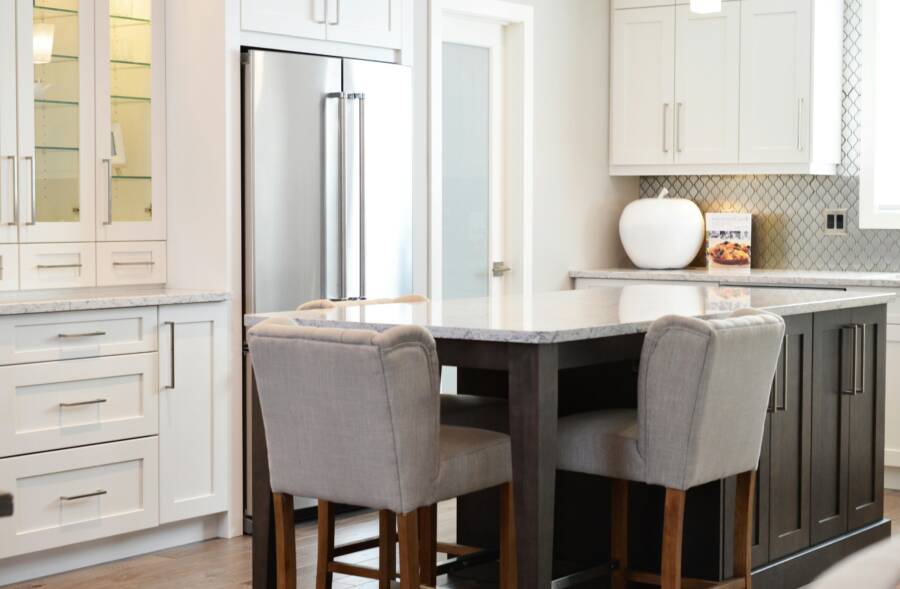
Choosing new cabinets is a big step in any kitchen or bath remodel. Home Depot offers two clear paths: Ready to Assemble (RTA) cabinets and custom cabinet options through its design centers. Each path has its own strengths, tradeoffs, and real-world limits. This guide breaks down what you’ll get with each choice, so you can pick the route that fits your budget, timeline, and style.
What are Ready to Assemble Cabinets
Ready to Assemble cabinets come in flat packs or boxed kits. They arrive with the boxes, panels, doors, and hardware you need to assemble at home or in a shop. The process is straightforward for many DIYers and handy pros. RTA lines from Home Depot typically emphasize standard sizes, modular layouts, and simple hardware that speeds up setup.
What to expect with RTA
- Assembly and installation can be done by the homeowner or a local contractor.
- Stock materials are common across many units, so matching sinks, appliances, or existing trim is easier.
- Finish choices tend to be practical and consistent, designed for efficient production.
- Returns and exchanges are generally straightforward through the store, but customization is limited.
RTA cabinets are well suited for projects with a tight budget or a tight schedule. If you’re comfortable with basic assembly and you don’t need highly specific dimensions or unique finishes, RTA can deliver a fresh look quickly.
Pros:
- Lower upfront cost per foot of cabinet space.
- Quick delivery for many standard layouts.
- Flexibility to reconfigure or expand over time.
Cons:
- Fitting irregular spaces can require improvisation or extra filler pieces.
- Limited customization in size, color, or interior options.
- Assembly adds an extra step that can extend the project timeline if you’re waiting on help.
What Custom Cabinets at Home Depot Mean
When you hear “custom cabinets” in a Home Depot setting, think of a structured, designer-led process. A design consultant works with you to capture measurements, discuss style and finishes, and map out the exact layout you want. These cabinets are built to order, with a broader palette of materials, finishes, and hardware. The result is a kitchen or bath that slots into unusual spaces and supports a higher level of personalization.
What to expect with custom cabinet projects
- In-depth measurement and space planning, often with a 3D rendering.
- A wider range of materials, including solid wood options and premium veneers.
- Numerous door styles, finishes, hardware choices, and interior organizers.
- Professional delivery and installation, with a warranty that covers both product and workmanship.
Custom cabinets are typically chosen for projects that demand precise dimensions, unique shapes, or higher-end finishes. They provide a seamless look and can better accommodate nonstandard room shapes or sightlines.
Pros:
- True customization for size, style, and function.
- Stronger integration with nonstandard spaces and architectural details.
- Enhanced finish options and hardware to suit a refined design.
Cons:
- Higher overall cost compared with RTA.
- Longer lead times due to manufacturing and installation scheduling.
- Greater reliance on professional installers and project coordination.
Cost and Lead Time: A Practical Reality Check
Cost and timing often determine which path you choose. Home Depot’s RTA cabinets tend to be the budget-friendly option with shorter lead times. They are ideal when you want a clean update without the bells and whistles. Custom cabinet projects require time for design, material selection, and fabrication, followed by installation. The investment reflects the custom nature of the product and the added services.
Key considerations
- Budget alignment: If you’re watching every dollar, RTA can deliver a fresh look at a lower price point.
- Timeline reality: RTA often arrives faster, especially for straightforward layouts. Custom orders require scheduling design, production, delivery, and installation, which can stretch weeks or months.
- Space and finish realities: If your space has odd dimensions or you want a particular finish or material, custom cabinets help you achieve the exact outcome you envision.
A practical approach is to map out your must-haves first. If you can work within standard sizes, plain finishes, and ready-made configurations, RTA gives you speed and savings. If your project demands a precise fit, bespoke look, or premium materials, custom cabinetry may be worth the wait and cost.
Materials, Quality, and Craftsmanship
The choice between RTA and custom often hinges on the materials and how they’re assembled. In Home Depot’s RTA line, cabinets are designed for efficient manufacturing and shipment. The core often relies on medium density fiberboard (MDF) or particleboard with laminated or veneer faces. Drawer boxes, hinges, and drawer slides vary by line, but many systems provide reliable everyday use.
Custom cabinets offer a broader materials menu. You can choose from solid wood frames, higher-grade plywood boxes, deeper cabinetry interiors, and a wider variety of veneers and paints. Finishes can range from classic to contemporary, with attention to grain direction, color matching, and hardware compatibility. The result is a cabinet system that can mirror high-end kitchens or replicate a specific architectural style.
Quality also means fit. RTA components are precise where standard dimensions apply. Custom cabinets aim for a flawless integration with walls, ceilings, and appliances. If your home has slight irregularities or distinctive features, custom cabinetry can create a look that feels built to the space rather than adapted to it.
Installation, Warranty, and Service
Installation is a practical part of the equation. RTA cabinets often come with mounting hardware and simple assembly steps. You can install them yourself or hire a local pro. Some homeowners pair RTA with professional help for a faster, cleaner finish while still paying less than full custom pricing.
Custom cabinet projects typically include professional installation as part of the package. This integrated service helps ensure alignment with plumbing and electrical elements, accurate leveling, and a unified finish across all doors and drawers. Warranty coverage for custom projects frequently extends to both materials and workmanship, giving extra peace of mind for larger investments.
Service and support matter. With RTA, you’ll have access to store staff and online resources for setup tips, part replacements, and returns. For custom orders, you’ll work with a dedicated design consultant and a project manager who coordinates production lead times, delivery windows, and installer schedules. If something goes wrong, you’ll have a single point of contact to address issues quickly.
Customization Options: How Far Do You Want to go?
RTA cabinets offer dependable styles and sizes that fit many homes. You can mix and match basic configurations, choose from a handful of door styles, and select standard hardware. Some lines allow modest adjustments through add-on accessories like different drawer configurations or interior organizers, but the scope remains within predefined options.
Custom cabinets open the door to real customization. You can tailor:
- Dimensions to match awkward walls or alcoves.
- Door styles and frame profiles to match architectural details.
- Finishes from warm stains to modern paints with custom sheen levels.
- Interior options such as pullouts, dividers, spice racks, and roll-out trays.
- Hardware finishes and hinge systems for a precise feel.
If you value a kitchen that looks designed for your home rather than a one-size-fits-all solution, custom cabinetry can deliver a stronger sense of cohesion and long-term satisfaction.
A Decision Framework: Which Path Is Right for You?
Use this quick framework to guide your choice.
- Budget first: If cost is the primary concern and you’re comfortable with standard sizes and finishes, RTA offers solid value.
- Timeline pressure: For a faster update, RTA can get you from purchase to installation sooner.
- Space realities: If your layout includes odd angles, nonstandard widths, or niche storage needs, custom cabinets provide a cleaner fit.
- Aesthetic goals: If you want a specific color, wood type, or hardware combination, plan for custom options.
- DIY willingness: If you enjoy hands-on projects, RTA can be a satisfying DIY path. If you prefer a hands-off experience with a guaranteed result, custom is the safer route.
Having a clear list of priorities helps you weigh the tradeoffs between speed and specificity.
Planning Your Home Depot Kitchen: A Step by Step
Whether you choose RTA or custom, a smooth planning process makes a big difference.
- Start with measurements: Record wall lengths, doorways, and any obstructions. Note ceiling height and appliance openings.
- Pick a style direction: Modern, shaker, traditional, or something mixed. Gather a few Pinterest or magazine clippings to convey your vision.
- Visit the design center: Talk through layout options, finishes, and hardware. Ask to see samples and 3D renderings.
- Check availability and delivery: Confirm lead times for each path. Understand what’s included in the price and what might require extra.
- Review installation options: Decide whether to hire Home Depot installation services or use a licensed local pro for custom work.
- Confirm warranty details: Read the terms on both materials and labor. Ask about coverage for wear and accidental damage.
- Plan for accessories: Think about pull-out drawers, corner units, lighting, and plumbing considerations.
- Finalize and schedule: Lock in a date range for delivery and installation. Leave buffer time for any revisions.
A well-documented plan lowers surprises and keeps the project on track.
Real-World Scenarios: When to Choose Each Path
- Small condo kitchen with standard dimensions: RTA cabinets can deliver a refreshed look quickly, with a modest budget and simple installation.
- Old home with thick walls and irregular layouts: Custom cabinets help achieve a precise fit and cohesive appearance with the rest of the space.
- High-traffic kitchen in a rental property: RTA cabinets may provide the best balance of cost and resilience for a frequent turnover.
- Luxury residence aiming for a seamless design: Custom cabinetry offers the materials, finishes, and hardware to create a cohesive, high-end look.
- Space that requires unusual features: Custom allows you to incorporate built-in towel bars, specialized spice racks, or hidden storage solutions that standard lines can’t match.
In each case, the right choice aligns with the room’s demands, the homeowner’s skills, and the project timeline.
Maintenance, Longevity, and Care
Maintenance follows the materials and construction method. RTA cabinets typically require standard care like wiping with a damp cloth and avoiding harsh cleansers. Hardware may need occasional tightening, and you might replace hinge plates or drawer slides if wear occurs.
Custom cabinets, using higher grade materials, can offer longer life with careful maintenance. It helps to use coasters or heat mats for hot cookware and to follow manufacturer guidelines for finishes. If you keep up with routine care, your investment can stay looking good and functioning well for many years.
Final Takeaways
- Ready to Assemble cabinets offer speed and value with straightforward installation. They work best when your space is standard and your budget is tight.
- Custom cabinets deliver precision and choice. They shine in spaces with unusual dimensions or when you want a specific look and feel, but they require more time and money.
- Home Depot supports both paths with varying levels of service. A design center consultation can clarify which option matches your needs, and a professional installer can ensure the result meets expectations.
If you want a reliable starting point, a design center visit is worth it. You’ll walk away with a clear sense of costs, timelines, and the style that fits your home.
Conclusion
Choosing between Ready to Assemble and custom cabinets at Home Depot comes down to fit, finish, and how you want to work. RTA cabinets bring immediate updates at a lower price and with flexible installation options. Custom cabinetry offers a tailored solution that can transform a space with precise measurements and premium materials. Assess your space, budget, and tolerance for a longer process, then lean on the design team to translate your vision into a practical plan. Either path can deliver a refreshed, functional kitchen or bath that you’ll enjoy for years to come.
If you’re ready to start, book a design appointment at your local Home Depot and bring along your rough measurements and a few style ideas. You may find the best path is a hybrid approach—mixing ready to assemble elements with a couple of custom touches for nonstandard areas. Share your experiences in the comments and tell us which route you chose for your project.