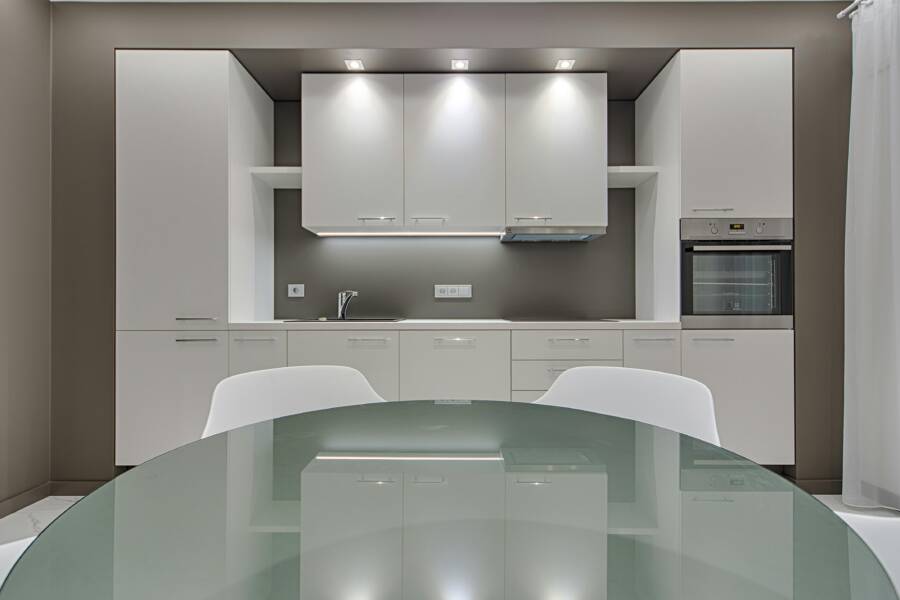
Choosing new cabinets for a kitchen can feel overwhelming. This guide breaks down Home Depot options so you can compare stock, semi-custom, and ready-to-assemble cabinets with confidence. It covers materials, finishes, and practical planning tips to help you move from idea to installation smoothly. You’ll learn what each option fits best, how framed versus frameless styles differ, and where Home Depot can help every step of the way.
Understanding the options early on saves time and money. With clear choices and helpful tools, you can design a space that looks great and stays within budget. Let’s start with the basics and then dive into what to consider for your room.
What Kitchen Cabinet Options Does Home Depot Offer?
Home Depot stocks a range of cabinet lines that fall into three main categories: stock cabinets, semi-custom cabinets, and ready-to-assemble (RTA) options. Each category has a distinct mix of styles, materials, and price points. You’ll also see two frame styles in most lines: framed and frameless. Framed cabinets use a face frame to support doors and drawers, while frameless cabinets rely on a continuous box for a sleeker, modern look. Online tools and in-store experts both help you compare options, visualize layouts, and confirm measurements before you buy.
Stock cabinets are the most budget friendly and quickest to get. They’re designed to fit commonly used kitchen dimensions and come in standard sizes. Semi-custom cabinets offer more flexibility in finishes, door styles, and sizing while still being produced in standard lines. Ready-to-assemble cabinets provide the most control over cost and installation timing. They arrive in flat boxes and require assembly and installation, which can be done by a confident DIYer or a professional.
In-store and online tools make this process easier. For many shoppers, starting with a clear idea of layout, then testing finishes on computer palettes helps you avoid backtracking. Typical timelines vary by category: stock cabinets can ship fast, semi-custom orders take a bit longer, and RTA kits can be ready sooner, depending on stock and delivery options. Prices span a broad range, reflecting differences in material quality, build depth, and hardware. Knowing your budget helps you narrow to the lines that fit your space.
Stock vs Semi-Custom Cabinets
When comparing stock and semi-custom cabinets, the key differences show up in sizing, finish options, and lead times. Stock cabinets come in standard widths and heights and carry limited door styles and finishes. They are ideal for straightforward kitchens, quick updates, or tight timelines. Semi-custom cabinets give you more room to tailor details. You can choose from a wider mix of door styles, finishes, and interior options; this helps you achieve a cohesive look even with a nonstandard layout. Lead times are longer than stock but shorter than full custom, making semi-custom a practical middle ground for many projects.
A simple decision guide can help you choose:
- If time is tight and you’re aiming for a clean, traditional look, start with stock. It’s predictable and often the most budget friendly.
- If you want a cohesive look that matches specific countertops or backsplashes and you have a flexible timeline, consider semi-custom. It gives more control without the delays of custom cabinetry.
- If you have unusual room shapes, an unusual island, or a very specific design vision, plan for semi-custom or RTA with customization. The goal is to reduce gaps between your dream and your budget.
Framed vs Frameless Cabinets
Framed cabinets use a sturdy face frame that the doors attach to. This construction offers reliable support for heavy drawers and tall cabinets. It can also feel more traditional and sturdy in a kitchen with classic details. Frameless cabinets, often called European style, use a full, uninterrupted cabinet box. The doors hang directly on the box with concealed hinges, producing a more contemporary look and a higher proportion of accessible interior space.
In Home Depot offerings, framed options are common in many stock and semi-custom lines. They pair well with traditional or transitional designs and often provide solid value, especially in larger configurations. Frameless options show up with a modern aesthetic and can create a lighter, more open feel in smaller kitchens. Doors and drawers may glide with soft-close hardware as a standard or optional upgrade.
Choosing the Right Cabinet Type for Your Space
The best cabinet type for your space balances function, style, and budget. Start by measuring and imagining how you use the room daily. Do you need more storage for heavy pots and pans, or is organization the main goal? Are you aiming for a warm, timeless look or a sleek, minimal vibe? Your answers guide which line fits best and how much customization you need.
Materials and Construction
Common cabinet materials you’ll encounter include wood, plywood, and MDF. Here’s how to assess quality without getting overwhelmed:
- Box material: Plywood boxes are durable and stable; particleboard or low-grade MDF can be lighter and cheaper but may show wear sooner in high-traffic areas.
- Face frame vs frameless: Face frames add rigidity and a traditional feel; frameless boxes maximize interior space and deliver a modern look.
- Doors and drawers: Look for solid wood or high-quality plywood doors rather than cheap composite veneers for longevity. Soft-close hinges and full-extension slides are signs of thoughtful hardware.
- Finishes: Painted, stained, or laminate finishes each carry maintenance needs. Matte and semi-gloss finishes typically resist fingerprints better in a busy kitchen.
Door Styles and Finishes
Home Depot cabinets come in a variety of door profiles. Popular options include:
- Shaker: A clean, simple profile that fits many styles from traditional to modern.
- Flat panel: Sleek and minimal, good for contemporary spaces.
- Raised panel: A more traditional look with visible depth and detail.
Finishes cover paints, stains, and laminates. Matching to countertops and backsplashes helps unify the space. For example, lighter doors can balance dark countertops, while warm wood tones pair well with beige or white backsplashes. Hardware matters too; consider knobs and pulls in finishes that complement cabinet color and cabinet hardware style for a cohesive look.
Planning, Measuring, and Budgeting
A solid plan keeps the project moving smoothly. Start by mapping your space, then match cabinet lines to the layout. Think about how many drawers you want in the base cabinets, how tall your pantry needs to be, and where to place corner units. This planning phase is where you save time during ordering and installation.
Measuring for Cabinets
A clear measuring checklist avoids common mistakes. Use these steps to build an accurate plan:
- Sketch the area: Draw walls and openings. Label windows, doors, and appliances that affect cabinet placement.
- Measure width: Take three measurements for every run—left, center, and right. Use the smallest number to avoid overhangs or misfits.
- Measure height: From the floor to the ceiling along each wall, noting any variances.
- Measure depth: Standard cabinet depth is typically 24 inches with a 12 inch countertop overhang, but confirm based on your chosen line.
- Account for soffits and plumbing: Note any vents, pipes, or electrical outlets that might affect cabinet placement.
- Record details: Write measurements on a simple plan or use the Home Depot measurement guides available in-store or online.
Budgeting for Different Cabinet Lines
A straightforward budgeting approach helps you compare lines without guesswork:
- Base line: Start with stock cabinets for a cost effective, quick update.
- Mid range: Add semi-custom options for more style choices and better fit for odd spaces.
- Upgrades: Include features like full-extension drawers, soft-close hardware, and glass doors if you want a premium feel.
- Add-ons: Include interior organizers, pullouts, and dividers to maximize storage.
- Installation: Decide if you will install yourself or hire professionals. Professional installation adds to the overall cost but can prevent mistakes and ensure a perfect fit.
Where Home Depot Can Help
Home Depot offers a mix of in-person and online support to keep decisions moving. You’ll find trained associates ready to answer questions, plus digital tools that let you visualize a kitchen layout, compare finishes, and estimate materials. If you want hands-on help, the in-store kitchen planning desks are a good place to start.
In-Store vs Online Tools
Key tools include:
- Cabinet visualizers: See how doors, finishes, and hardware look in your space.
- Measurement guides: Step-by-step sheets to help you collect accurate room data.
- Staff assistance: Knowledgeable associates can suggest lines that fit your space and budget and help you compare options side by side.
Installation and Ready-to-Assemble Options
If you prefer DIY or a hybrid approach, RTA cabinets are a strong option. They ship flat and require assembly, but they can offer substantial cost savings. Home Depot often provides guidance on assembly and may connect you with installation professionals if you’d rather not tackle the job yourself.
For many homeowners, a professional install ensures a precise fit and a smoother finish. If you choose an installation service, you’ll want to confirm the scope of work, the timeline, and any warranty coverage. Some lines include basic installation support, while others pair with third party pros to deliver a full project experience.
Conclusion
Putting together a new kitchen starts with understanding the cabinet options at Home Depot. Stock cabinets provide speed and savings, semi-custom lines offer more style and fit options, and ready-to-assemble kits can balance cost with control. Whether you lean toward framed or frameless designs, the right choice depends on space, lifestyle, and priorities.
Begin with a careful measurement and a clear plan. Compare door styles, finishes, and hardware across lines, then use Home Depot tools to visualize the result. With the help of in-store experts and online resources, you can price out each option and assemble a realistic project timeline. Start with your measurements, then let the planning tools guide you toward a kitchen that works as well as it looks.
Take the first step by mapping your space and identifying your must-haves. Next, browse cabinet lines that fit your style and budget, and test finishes against your countertop choices. Home Depot resources—from visualization tools to professional installation options—are there to smooth the process and help you finish on time and on budget.
If you’re ready to move forward, gather measurements and set a realistic budget. Then explore the stock, semi-custom, and RTA lines that fit your plan. With careful planning and the right support, you’ll create a kitchen that feels tailored to you without the complexity of a full custom project.