What If the Only Thing Between You and the Life You Deserve Is a Hidden Wealth Code Waiting to Be Activated
>>> Open the Door <<<

Ever felt unsure who can see what on a shared phone when YouTube is just a tap away? A simple PIN lock can put your viewing habits, favorites, and suggested videos out of sight, giving you peace of mind at home or on the go. This guide shows you how to add a PIN lock to YouTube on both Android and iPhone with clear, practical steps.
If you share a device with kids or other family members, privacy is a real concern. A quick PIN keeps your account secure without changing how you watch. You’ll learn the exact settings paths, plus practical tips to avoid common snags and keep the process smooth. The goal is a quick setup that fits into real life, not a tech fortress that breaks your rhythm.
This article covers two reliable approaches. First, built in security options on your phone may offer a way to lock the app itself. Second, YouTube specific controls or companion features can provide extra protection. We’ll keep explanations straightforward and include real world examples so you can follow along without frustration.
By the end, you’ll know how to protect YouTube with a PIN on both major platforms. You’ll have a simple, step by step method you can repeat anytime, plus quick reminders to test the lock and adjust if needed. This small change can save you from accidental taps and keep your viewing habits private.
She Pressed Play on a Strange Audio Track and Within Days Her Financial Reality Started Shifting in Ways She Could Not Explain
>>> See How It Works <<<

Lock YouTube on Android with a PIN: Step-by-Step Guide
Unlocking a quick way to protect YouTube on a shared Android device can save you from accidental taps and keep your viewing habits private. This section covers practical, proven methods to pin YouTube or lock the app with a PIN. You’ll learn a built-in option that’s fast to set up, plus a reliable third party lock if you want extra protection. Each approach includes simple steps you can follow today.

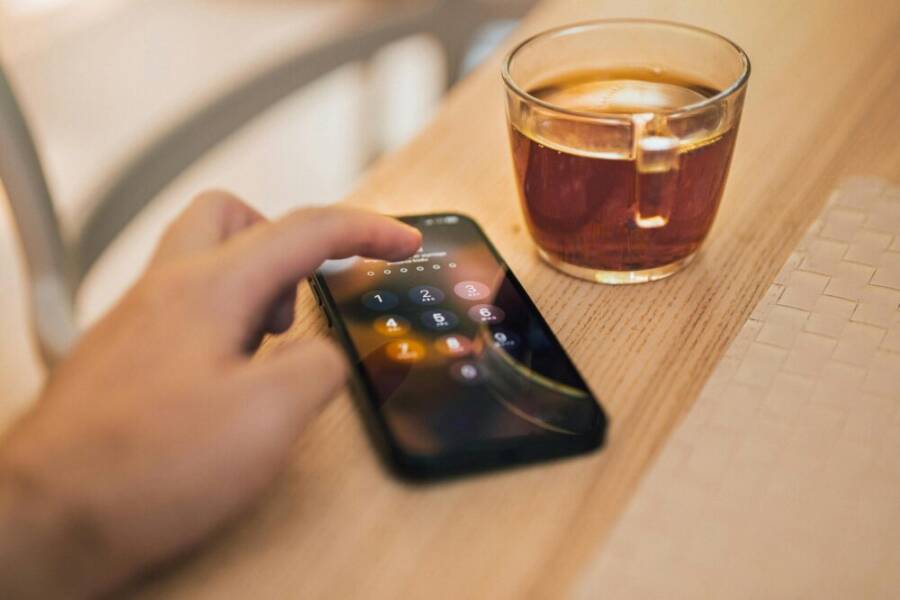
Photo by Jakub Zerdzicki
Use Screen Pinning to lock YouTube to a single app
Screen Pinning is a native Android feature designed to lock the device to one app. It’s fast, reliable, and ideal for quick handoffs on shared devices. When pinned, you can’t switch apps unless you unpin, which makes it useful in emergencies or when you just need to lend someone a short video.
- What it does for you: Keeps YouTube front and center, preventing access to other apps or settings. It’s a straightforward way to share a phone without exposing your entire device.
- Quick note on prompts: Depending on your device, you may be prompted for your PIN, password, or biometric at unpin. This adds a layer of protection while still letting you regain control.
Steps to enable Pin to App and pin YouTube:
- Open Settings > Security or Security & location > App pinning (or similar path on your device).
- Turn on Pin to screen or Pin app. You might see a prompt about accessibility or screen overlay; allow it if prompted.
- Open YouTube and navigate to the video you want ready for sharing.
- Pin YouTube: tap the Overview button (the square multitask icon), then swipe up and select the pin icon, or follow your device’s on-screen instructions to pin the app.
- To unpin: press and hold your device’s back and recent buttons together or use the on-screen prompts provided by your phone. You’ll be asked to enter your PIN, pattern, or use biometrics.
When you need to share the device again, you can unpin quickly. If you forget your PIN, rely on the device’s security settings to recover access. For many users, this method is highly dependable for regular use and quick reacquisition of control in urgent moments.
If you want a deeper dive into the official process, check Google’s guidance on pinning and unpinning screens: https://support.google.com/android/answer/9455138?hl=en.
He Was Drowning in Bills and Burnout Until a Simple Daily Ritual Rewired His Brain for Wealth in Less Than a Week
>>> Start Your Shift Today <<<

Set up a third party app lock with a PIN
A reputable third party app lock can add another layer of protection beyond Screen Pinning. This approach is useful when you want to lock down YouTube with a PIN even if you’re using a different launcher or a heavily customized device.
What to do:
- Install a trusted app lock from the Google Play Store. Look for apps with solid reviews and consistent update history.
- Create a strong PIN, passcode, or pattern during setup.
- In the app, select YouTube as the locked app. Some locks offer a cover screen or fake options to deter casual observers.
- Test the lock: open YouTube from a fresh screen and confirm you’re prompted for the PIN before YouTube loads.
Keep in mind potential downsides:
- Battery life: some locks run in the background and can use more battery.
- Performance: a few apps may slow down slightly when locking or unlocking.
- Privacy: choose a reputable app with good permissions, and read user reviews to ensure it doesn’t request excessive data.
Tips for choosing a reputable app:
- Check the developer’s credibility and recent updates.
- Read several recent reviews for reliability and support.
- Verify permissions requested align with the lock’s function.
For a solid starting point, explore well-reviewed lock apps and read user feedback before committing to one. If you want to compare options, these guides can help you evaluate the best fit for your device.
What to do if Screen Pinning is unavailable or not working
Not every device supports Screen Pinning, or you may encounter hiccups. Here are reliable alternatives to keep YouTube protected when Pin to App isn’t an option.
- Enable a device level lock first: set a strong PIN, password, or biometric lock on the device. This ensures the phone itself is secured, even if the screen pin fails.
- Try a different app lock: if the built-in option isn’t functioning, a reputable third party lock can provide consistent protection for YouTube.
- Update the OS: ensure your Android version is current. Updates include bug fixes and improved security features.
- Quick checklists to try:
- reboot the device, then re-enable the lock option
- confirm app permissions for the lock app
- test the lock in a new user or guest profile
- ensure YouTube has the latest version installed
- Important reminder: back up and securely store PINs or recovery options. If you lose access, you’ll need a trusted method to restore control.
If you’d like more details on troubleshooting Screen Pinning, see additional guidance from Android support and expert blogs. For general app pinning guidance, this resource offers practical steps: https://www.asurion.com/connect/tech-tips/app-pinning-android/.
If you want to compare different approaches side by side, consider reviewing a few reputable sources for best practices and step-by-step comparisons: https://www.manageengine.com/mobile-device-management/mdm-screen-pinning-android-devices.html.
—
This section provides practical, no-nonsense ways to keep YouTube private on Android. Whether you choose Screen Pinning for speed or a third party lock for more control, you can implement a PIN protection today. In the next section, we’ll cover how this setup translates to iPhone users and address any cross-platform considerations.
Lock YouTube on iPhone with a PIN: Simple Steps
If you share your iPhone with family or friends, YouTube can tempt clicks you’d rather keep private. A PIN tied to Screen Time or Guided Access gives you quick, reliable control without changing how you watch. Below are two practical routes and guidance on choosing between them, with clear steps you can follow today.
Use Screen Time to require a PIN for YouTube
Screen Time lets you enforce a passcode that governs access to apps. By pairing a time limit with the Screen Time passcode, you can require a PIN to extend video time or to bypass restrictions, effectively locking YouTube behind a quick, repeatable authorization. This method works well for families using Family Sharing and for anyone who wants a simple, integrated solution.
- What you’ll achieve: A PIN-protected path to use or extend YouTube, plus a straightforward way to block or limit the app without removing it from the device.
- When to use it: You want flexible limits across multiple apps, want to guard other apps in addition to YouTube, or need a built-in solution that doesn’t require third party software.
Step-by-step setup
- Open the Settings app and tap Screen Time.
- If you’ve never used Screen Time, choose Turn On Screen Time and then set a Screen Time Passcode. This becomes your PIN for adjustments.
- For family sharing, tap the family member’s name and enable restrictions from their device so the controls travel with the account.
- Tap App Limits and choose Add Limit. Select YouTube from the app list, set a minimal daily limit (for example 1–5 minutes) and confirm.
- Ensure you’ve enabled Block at End of Limit or select Ask For More Time. When the limit is reached, only the Screen Time passcode can grant additional time, effectively requiring a PIN to continue.
- Optional: Use Content & Privacy Restrictions to tighten controls, such as restricting app installation or changing privacy settings. You can still access YouTube on a permitted basis if you approve the extension with your PIN.
- Test the flow by trying to use YouTube beyond the limit or opening the app after a limit is reached. You should be prompted to enter the Screen Time passcode.
Key considerations
- Family sharing: Set up Screen Time on the organizer’s device to manage permissions for children. This keeps YouTube access under central control while preserving a smooth shared-device experience.
- Device passcodes: Use a distinct Screen Time passcode. Do not reuse your device unlock code for Screen Time to avoid confusion or accidental unlocks.
- Recovery options: Keep a record of your Screen Time passcode in a safe place. If you forget it, you’ll need to go through account recovery steps, which can be time consuming.
Useful resources
What If the Only Thing Between You and the Life You Deserve Is a Hidden Wealth Code Waiting to Be Activated
>>> Open the Door <<<
- Apple’s guide to locking or hiding apps, including passcode protection for locked apps: https://support.apple.com/guide/iphone/lock-or-hide-or-an-app-iph00f208d05/ios
- How to manage Screen Time for family devices: https://support.apple.com/en-us/105121
Use Guided Access to lock the YouTube app
Guided Access locks the device to a single app, perfect for sharing the phone with a guest or giving someone a quick video session without exposing other apps or data. It’s a focused, temporary lock that’s easy to enable and exit.
- What you’ll gain: A clean, single-task experience. When Guided Access is active, YouTube is the only accessible app.
- When to use it: You’re handing the phone to a guest, a child for a short video, or you want a quick, distraction-free viewing session.
How to enable Guided Access for YouTube
- Open Settings > Accessibility > Guided Access and turn it on.
- Tap Passcode Settings to create a passcode for exiting Guided Access. You can also enable Face ID or Touch ID as an exit option on supported devices.
- Open YouTube and triple-click the Side button or Home button (depending on your iPhone model) to start Guided Access.
- Circle any areas you want to disable on the screen, if needed, and then tap Start.
- To exit, triple-click the Side or Home button again and enter your Guided Access passcode or use Face ID/Touch ID.
Tips and practical uses
- Scenarios where it shines: lending the device to a friend, giving a kid a quick video, or using a kiosk-style setup where you want the user to stay within YouTube.
- Exits are quick, but you’ll need the exit passcode or biometric to leave Guided Access. This makes it harder for others to switch away from YouTube unintentionally.
Guided Access is a solid option when you want a quick, temporary, app-wide lock without changing broader device settings. It doesn’t affect other apps, which can be a benefit if you frequently switch between tasks on a shared device.
Choosing Screen Time versus Guided Access for different needs
Here is a practical way to decide which method fits your situation best.
- Setup simplicity: Screen Time requires a few steps and works across multiple apps. Guided Access is a one-app lock, fast to enable after the initial setup.
- Flexibility: Screen Time offers long-term, configurable limits for several apps and can adapt as your needs change. Guided Access locks you into YouTube for a single session.
- Impact on other features: Screen Time changes apply across the device and can influence other apps and settings. Guided Access isolates the lock to one app, with minimal impact on the rest of the system.
When to pick Screen Time
- You want a scalable approach that covers more than one app.
- You share the device with children or other adults and need a consistent policy.
- You want a simple recovery path that doesn’t require new tools.
When to pick Guided Access
- You need a quick, temporary lock for a guest or short-term use.
- You don’t want to manage limits across the day or across multiple apps.
- You want a distraction-free YouTube session without risk of accessing other apps.
Additional tips for a smooth experience
- Test both methods after setting them up to confirm they behave as expected.
- Keep your passcodes separate and secure; avoid sharing them casually.
- Stay aware of app updates that might change how Screen Time or Guided Access behaves.
Cross-platform considerations
- If you also use Android devices, you can apply a similar mindset with Android’s Screen Pinning or third party locks, and explore a consistent approach for family devices.
- For iPhone users, the built-in options work well with a clean, integrated experience and minimal third party dependencies.
External resources to help you refine your approach
- How to lock or hide an app on iPhone with a passcode: https://support.apple.com/guide/iphone/lock-or-hide-an-app-iph00f208d05/ios
- Manage Screen Time and permissions for family devices: https://support.apple.com/en-us/105121
By following these steps, you’ll have a straightforward, reliable PIN-based protection for YouTube on your iPhone. The right choice depends on whether you want a quick, one-app lock or a broader, configurable scheme that applies to multiple apps. If you’re ready to test, start with Screen Time for a flexible approach, then consider Guided Access for rapid, temporary sessions.
Tips, Troubleshooting, and Best Practices
You’ve set up a PIN lock on YouTube, but the real value comes from keeping it strong, up to date, and easy to manage for guests or family. This section offers practical tips, quick fixes, and sensible alternatives to match your daily use.
 Photo by indra projects
PIN security and privacy tips
A strong PIN is your first line of defense. Use at least four digits and avoid obvious patterns like 1234 or 0000. Don’t share the PIN with anyone, even family, to prevent accidental leakage of your viewing history. Create a memorable but non obvious link for yourself, then change it every few months to stay ahead of shoulder-surfers.
Keep PINs separate from passwords. Use different codes for app locks, device unlocks, and accounts. If you must store a PIN, use a secure password manager or a physical safe, not notes in the phone. For extra guidance, review trusted resources on PIN best practices from security experts.
Keeping your device updated and managing permissions
OS updates close security gaps and improve reliability. Check for updates regularly and apply them promptly to keep your locks functioning smoothly. Review app permissions for YouTube and related services, turning off anything you don’t need, such as location or camera access if not essential.
Enable safety features when available, like biometric unlocks or two factor authentication for your Google or Apple account. Regular updates help prevent pin prompts from lagging or misfiring, especially after app or OS changes.
Alternatives for family use and guests
If privacy remains a concern for younger users or guests, consider these alternatives:
- YouTube Kids: a kid-friendly environment with parental controls and approved content. It protects your main account while letting younger viewers enjoy videos.
- Guest profiles or multi-user setups: on devices that support them, use a guest mode so visitors don’t access your apps or data.
A quick comparison helps choose the right approach. YouTube Kids emphasizes age-appropriate content and controls, while guest profiles isolate the device session from your personal data. Both options let you keep your primary account secure while still sharing the device when needed.
What to do if you forget the PIN
Forgetfulness happens. Here’s a straightforward recovery path:
- Android with a third party lock: use the app’s recovery options or reinstall if allowed. Some apps provide pattern-based resets via your linked account.
- Screen Pinning: you’ll use the device unlock PIN to unpin; there’s typically no separate reset.
- iPhone Screen Time: use the Screen Time passcode reset flow via Settings, or use your Apple ID to recover access if you’re locked out.
- Guided Access on iPhone: exit with your Guided Access passcode or biometric, then set a new exit method.
After regaining access, update or replace the PIN and store the new information securely. Quick testing after reset confirms everything works as intended.
External resources to help refine your approach:
- YouTube Kids parental controls guide
- Apple Screen Time passcode recovery
- Android app lock reset guidance
- PIN best practices from security experts
If you’re ready to test this on a real device, start with the built-in options (Screen Time on iPhone, Screen Pinning on Android) and add a trusted third party lock only if you need extra layers of protection. This balanced approach keeps YouTube private while remaining simple to manage for everyone who uses the device.
Conclusion
Locking YouTube on a smartphone with a PIN is a practical step that keeps private viewing private, whether you are on Android or iPhone. The methods covered—Screen Pinning, third party app locks, Screen Time, and Guided Access—offer a simple path to quick protection without heavy setup. A PIN adds a clear barrier against guests or family members who might bump into your viewing history or personal suggestions.
Summary and next steps Two concise options fit most setups: use built in locks for a clean, low friction experience, or add a trusted third party lock for extra assurance. Whichever route you choose, test it after setup and keep recovery details in a safe place. If you run into questions or want to share how these methods work on your device, drop a comment below and join the discussion. Try it now and see how a small PIN can save your privacy.
Thousands of People Were Struggling With Money Until They Discovered This One Ancient Secret Hidden in Sound
>>> Unlock It Now <<<
