He Was Drowning in Bills and Burnout Until a Simple Daily Ritual Rewired His Brain for Wealth in Less Than a Week
>>> Start Your Shift Today <<<

A lot of people don’t realize your phone can count steps and track activity without any extra gadget. With a few taps you can see how active you are each day, right from your pocket or bag. This guide explains how to use phone steps data to stay on top of your health.
Counting steps means converting movement into a simple measure of activity. It helps you set daily goals, notice patterns, and add a little accountability to your routine. When you track activity, you can see how close you are to your targets and adjust your day accordingly.
In this post you’ll learn practical setup tips, how to choose the right app, and ways to improve accuracy. We’ll cover common privacy concerns and what to watch for in permissions and data sharing. By the end you’ll know how to count steps and use activity tracking to feel more energized.
You’ll also get quick, actionable steps you can try today. Simple changes add up, from a short walk after meals to reminders that nudge you toward movement. Let’s make your phone a helpful ally in your health journey.
What If the Only Thing Between You and the Life You Deserve Is a Hidden Wealth Code Waiting to Be Activated
>>> Open the Door <<<

How your phone counts steps and activity
Your phone tracks movement using a mix of sensors and software that together turn everyday motion into meaningful activity data. It sits in your pocket or bag, quietly logging how you move, how fast you’re going, and how long you stay active. This section breaks down the core sensors, what counts as activity, and why results can vary across devices. Think of your smartphone as a small but capable coach that measures activity without you lifting a finger.
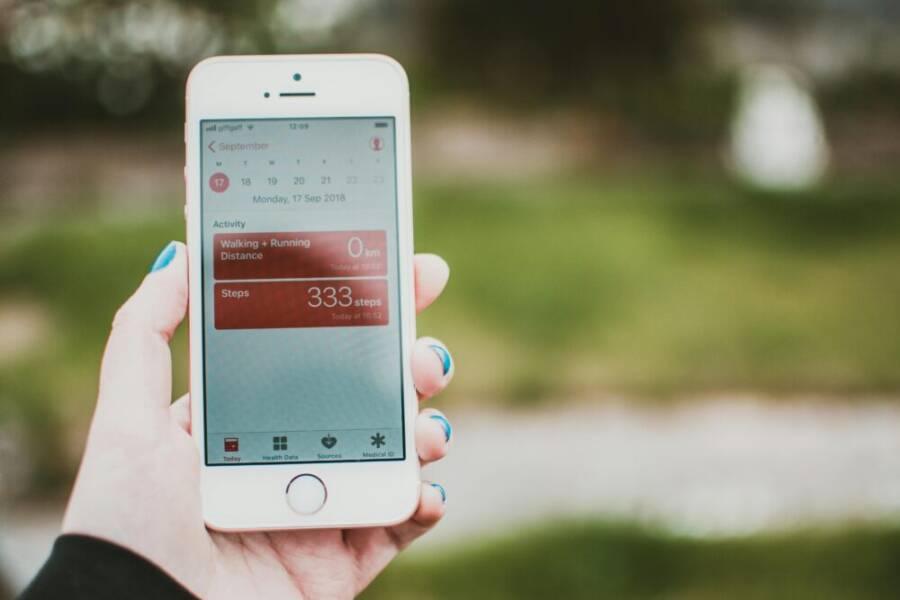
 Photo by Lisa from Pexels
What sensors count steps
- Accelerometer: The main sensor that detects movement by measuring acceleration on three axes (x, y, z). It recognizes walking as a repeated pattern of forward motion with small, regular accelerations.
- Gyroscope: Measures rotation and orientation changes. It helps distinguish turning or shaking from forward walking, improving step counting when you move in circles or on uneven terrain.
- Magnetometer: Detects magnetic direction. While not a step detector on its own, it helps stabilize activity data when you’re moving in different directions.
- Barometer (where available): Tracks changes in air pressure to infer elevation changes. This can add context for activities like climbing stairs, making activity totals feel more accurate.
- Software algorithms: The raw sensor data is filtered and translated into steps and activity by the phone’s health app and motion software. The app looks for consistent patterns that match walking or running, then counts those movements as steps.
How these sensors work in plain language
- Walking: You produce a regular wobble as your body moves forward. The accelerometer catches that repeating pattern, and the software translates it into steps.
- Standing still: There’s little to no acceleration, so steps drop to zero or near zero.
- Different speeds: Faster movement creates stronger accelerations and tighter patterns, which the algorithms map to more vigorous activity like jogging or running.
For those who want a deeper dive, see how sensors like the accelerometer and gyroscope work together in modern smartphones. You’ll also find practical explanations of sensor types and how they contribute to pedometer accuracy on Android and iOS platforms.
- Android sensor overview: https://source.android.com/docs/core/interaction/sensors/sensor-types
- General sensor insights: https://talkdev.com/featured/all-you-need-to-know-about-sensors-in-smartphones
What counts as activity
Beyond steps, smartphones track several related measures to paint a fuller picture of activity:
- Active minutes: The time you spend moving at a light, moderate, or vigorous pace. Short bursts add up fast.
- Distance: An estimate derived from stride length and step frequency, giving you a sense of how far you’ve moved.
- Calories burned: A rough estimate combining movement with weight, height, and age data from your profile.
- Intensity levels: Some apps categorize effort as light, moderate, or vigorous.
Concrete examples help make this practical. A 10 minute brisk walk might count as moderate activity and contribute several hundred steps, while a 2 mile run adds more active minutes, higher calorie burn, and a longer distance. These numbers aren’t perfect, but they’re surprisingly useful for spotting trends and staying motivated.
To learn more about how sensors contribute to activity tracking, check out this overview of smartphone sensing and pedometer technology.
- How smartphones count steps: https://dev.to/grenishrai/how-smartwatches-and-smartphones-count-your-steps-the-technology-behind-pedometers-514p
Why counts differ from phone to phone
There are a few reasons why one device may report higher or lower numbers than another:
- Model differences: Hardware quality and sensor sensitivity vary by manufacturer and model.
- How you carry the phone: In a loose pocket, a bag, or a hand, the way the phone moves changes the captured data.
- Sensor sensitivity and software tuning: Some phones log more aggressively, others are stricter to reduce false positives.
A quick way to compare devices is to perform a simple test. Walk at a steady pace for about 5 minutes with each phone, ideally in similar clothing and pockets. Note the step count and active minutes for each device. You’ll likely see small differences, but the overall trend should be similar. If you want to explore more about why counts vary, here are credible sources explaining sensor behavior and pedometer estimation:
- Sensor types and how accelerometers work: https://dev.to/grenishrai/how-smartwatches-and-smartphones-count-your-steps-the-technology-behind-pedometers-514p
- Smartphone sensors explained: https://talkdev.com/featured/all-you-need-to-know-about-sensors-in-smartphones
Additional reading on tracking evolution and sensor data can give you a broader sense of how measurement approaches have evolved over time.
- Tracking the evolution of smartphone sensing: https://pmc.ncbi.nlm.nih.gov/articles/PMC4570352/
If you’re curious about how to optimize accuracy for your own phone, start with a short, controlled walk and compare results across devices you own. Small adjustments in how you carry the phone and the activity you choose can noticeably influence counts.
End with a simple reminder: the goal isn’t perfect numbers, but reliable trends that help you stay active.
Getting started: set up step counting on iPhone and Android
Setting up step counting is a quick win for staying on top of your activity. Whether you use iPhone, Android, or both, your phone can become a reliable, permissioned coach that tracks movement and translates it into actionable insights. In this section, you’ll learn how to enable the built-in health features on each platform, grant the right permissions, and calibrate for better accuracy. We’ll also touch on syncing data between devices so you have a connected view of your activity across platforms.
Enable the built in health app
To start counting steps on iPhone, open the Health app and ensure your data sources are active. On an iPhone or iPad, you’ll typically begin by setting up your Health profile and enabling motion and fitness data so the app can read steps from your device. A straightforward path is: open the Health app, tap the Summary tab (or your profile in newer versions), then confirm that Motion & Fitness access is enabled for the Health app. This permission is essential for accurate step counts and activity data to populate across the Health ecosystem. For quick reference, Apple’s official guide walks you through enabling and configuring Health on iOS devices. You can read more here: Use the Health app on your iPhone or iPad. https://support.apple.com/en-us/104997
If you’re using Android and want to mirror the idea of a Health center, Google Fit serves a similar role. It collects steps, minutes of activity, and more from your phone. The setup is typically fast: install Google Fit, sign in with your Google account, and grant the app access to sensors and activity data. If you prefer a guided setup, there are practicality-focused guides that walk you through turning on step tracking and granting the necessary permissions. For a hands-on walkthrough, check out: How do I turn on step tracking for iPhones using the Health app. https://support.omadahealth.com/hc/en-us/articles/115015679907-How-do-I-turn-on-step-tracking-for-iPhones-using-the-Health-app
Note on syncing data: when you use multiple devices or apps, data can sync via cloud accounts or device-to-device sharing. Health data from iPhone can often be viewed in compatible apps on Android, and vice versa, but the experience varies by app and platform. If you rely on both ecosystems, consider enabling data sharing between your Health app and the fitness apps you prefer, and verify the data sources each app uses.
Grant permissions and calibrate stride
Permissions matter because sensors and health data live behind layers of privacy controls. Without motion and fitness access, the step counter won’t record accurately, and you might see gaps in your daily activity. On iPhone, you’ll typically grant motion and fitness permissions during the initial setup or when prompted by the Health app. On Android, you’ll see similar prompts for activity recognition and sensor access in Google Fit or your preferred tracking app. Granting these permissions ensures the app can read steps, calories, and active minutes in the background, even when you’re not actively interacting with the phone.
Calibrating stride length is the fastest way to improve accuracy. Stride length is the distance you cover per step, and it influences distance and active minutes data. Here’s how to fine-tune it:
- Find your current stride length: A simple method is to measure your typical walking distance per step during a known distance walk. For example, walk 20 meters and count steps, or use a known track distance.
- Enter stride length in the app: In Health or Google Fit, locate the profile or settings area where you can input your height and stride length. Most apps use a default value, but you can tailor it for better distance estimates.
- Update as your pace changes: If you find you’ve changed your walking speed—say you’ve started using faster runs or longer strides after a fitness push—revisit the stride length. A longer stride means the same number of steps covers more distance, and vice versa.
Why this matters: stride length directly impacts distance and calories estimates. Accurate stride helps you compare days meaningfully, especially when your goals include distance targets or cardio sessions. If you’re unsure about your stride, start with a conservative estimate and adjust after a few days of data, watching for anomalies.
If you want more guidance on enabling step tracking on iPhones and the related privacy considerations, you can consult the official Health setup resources linked above. You’ll find practical steps that align with modern iOS versions and clear explanations of permissions and data sharing.
How to wear or carry your phone for best results
Where you carry your phone changes what the sensors read. A pocket near the hip tends to yield stable data, while a loose bag may bounce and introduce extra movement. Here are practical guidelines to maximize accuracy across common scenarios:
- In a pocket: Keep the phone in a secure, stable pocket—prefer a front pocket on your dominant side for consistent readings. A snug fit minimizes jiggle, which helps the accelerometer read steady patterns.
- In hand: If you carry your phone in your hand during walks, try to keep a relaxed grip and a natural arm swing. This reduces artificial movement that can confuse the algorithm.
- On an armband: For workouts, an armband provides consistent placement at chest or upper arm level. It offers reliable data when you’re moving vigorously or on varied terrains.
- In a bag: A bag or backpack can still track steps, but you may see lower counts if the phone sits still for long periods or moves with the bag rather than your body. In this case, frequent movement of the bag can be misread as steps, so look for activity-based metrics like active minutes to confirm trends.
- While cycling or taking stairs: If you cycle or climb stairs, avoid over-reliance on step counts alone. Use distance, elevation, and calories as corroborating metrics for a complete view of activity.
To minimize missed steps, keep the phone consistently positioned during your common activities. If you notice discrepancies, test with a quick walking 5-minute routine while keeping the phone in the same place, then compare results across your devices. For broader context on how placement affects accuracy, you can explore sensor explanations and practical pedometer tips in the linked resources.
Maximizing accuracy and solving common issues
When you rely on your phone to count steps and track activity, accuracy matters. You want clear trends, not noisy data. This section covers practical steps to maximize precision, troubleshoot common counting problems, and know when phone data is enough versus when a wearable might be a better fit.
Calibrate stride length and test
Calibrating stride length is the fastest way to improve how your distance and calorie estimates look. A few minutes of testing now can save days of guesswork later.
He Was Drowning in Bills and Burnout Until a Simple Daily Ritual Rewired His Brain for Wealth in Less Than a Week
>>> Start Your Shift Today <<<
- Plan a short test: Choose a flat, measured path (a straight 20 to 30 meter stretch works well). Walk at a comfortable, steady pace for 2 to 3 minutes, then finish with a brief jog for 20 to 30 seconds. This gives the app a mix of walking and faster movement to learn from.
- Record the result: Note the total steps and the distance shown in your health app after the test. If your app estimates the distance, compare that to the actual measured distance. Write down both numbers.
- Adjust settings: Open your Health or Google Fit settings and locate stride length or distance preferences. Start with a conservative estimate based on your height and typical walking pace. If the distance is consistently over or under by more than 10%, tweak the stride length in small increments (about 2–5 centimeters per adjustment).
- Re-test and confirm: Repeat the test after each adjustment. Aim for a close match between real distance and app distance. If you’re unsure, use a midrange stride length and test for a few days to see if trends stabilize.
- Quick tips: A longer stride increases distance and calories per step, while a shorter stride reduces them. If you frequently change pace, re-calibrate every few weeks or after a major change in activity.
Why it matters: stride length directly influences distance and calories estimates. A precise value lets you compare days more meaningfully and aligns your targets with real activity. If you’re unsure about your stride, start with a conservative estimate and refine after a few days of data. For further guidance, see practical discussions on stride length in real-world user experiences and expert threads.
- Stride length is too long: a common issue discussed in Google Fit communities and support threads. See how users adjust when measurements don’t align with reality. https://support.google.com/fit/thread/104915145/stride-length-is-too-long?hl=en
- Real-world user insights on Google Fit inaccuracies: https://www.reddit.com/r/GoogleFit/comments/xhvsek/can_anyone_help_me_resolve_google_fits_inaccurate/
- How to estimate and improve stride length: https://www.verywellfit.com/set-pedometer-better-accuracy-3432895
If you want a quick rule of thumb, start with a stride length equal to your height in inches multiplied by 0.413 for women or 0.415 for men, then adjust after a week of data. The goal is accurate distance rather than perfect step counts.
How to wear or carry your phone for best results
Placement matters more than you might think. The phone should read your movement as if you are moving with your own body, not with an accessory that shakes or swings.
- In a pocket: Use a snug front pocket on your non-dominant side when possible. A secure pocket minimizes jiggle and helps the accelerometer pick up consistent patterns.
- In hand: If you hold your phone, keep a relaxed grip and allow a natural arm swing. Avoid tense grips that add artificial movement.
- On an armband: An armband at chest or upper arm level provides stable data during workouts and on varied terrain.
- In a bag: Bags can muddy data since the bag’s movement may not reflect your steps. Look at active minutes and distance for corroboration if you must wear the phone in a bag.
- While cycling or stairs: For these activities, don’t rely on steps alone. Use distance, elevation, and calories to understand your effort.
To minimize missed steps, keep the phone in the same place during your most common activities. If you notice anomalies, run a quick 5-minute test with the device in the usual position and compare results across devices. For extra context on placement and sensor behavior, you can explore related discussions and guides linked in this section.
If you’re curious about how placement affects readings, you’ll find practical explanations and user-tested tips in credible sources that cover sensor behavior and pedometer accuracy.
- Stride length and device calibration discussions: https://support.google.com/fit/thread/104915145/stride-length-is-too-long?hl=en
- Real-world experiences with counting accuracy: https://www.reddit.com/r/GoogleFit/comments/xhvsek/can_anyone_help_me_resolve_google_fits_inaccurate/
- Improving pedometer accuracy through stride estimation: https://www.verywellfit.com/set-pedometer-better-accuracy-3432895
Keep in mind that the aim is not perfect numbers but reliable trends. Consistency in how you carry the phone and how you move will yield useful, actionable insights over time.
Tackle common counting problems
Even with careful setup, you’ll encounter some recurring issues. Here’s how to fix them quickly and keep data trustworthy.
- Phone in pocket that sits loosely: The device may register extra movement. Fix: switch to a snug front pocket or use a belt pouch. If you must carry in a bag, check that the bag’s motion isn’t being mistaken for steps; compare steps to active minutes to confirm activity.
- Oversensitive counting from arm movement: Swinging arms or shaking can create false steps. Fix: keep the phone closer to your torso, or switch to a wrist-worn wearable for those activities where arm motion is high.
- Inconsistent counts during different speeds: The same pace can produce different results on different days. Fix: calibrate stride length and redo a 5-minute test at slow, moderate, and brisk speeds. Use the average to smooth daily fluctuations.
- Data gaps after permissions changes: If you revoke or misconfigure permissions, data may stop syncing. Fix: regrant Motion & Fitness or Activity Recognition permissions and verify the app can read steps in the background.
- Switching devices: When you move between a phone and a newer model, expect some variation. Fix: run a short calibration test on the new device and adjust stride length accordingly.
In practice, the simplest check is a controlled walk test with both devices side by side. If you see a big discrepancy, adjust stride length and re-run the test. The goal is similar results across devices, not exact identical numbers.
For further reading on common Google Fit accuracy issues and user strategies, see the linked discussions and guides.
- Google Fit stride length discussions: https://support.google.com/fit/thread/104915145/stride-length-is-too-long?hl=en
- Community guidance on Google Fit accuracy: https://www.reddit.com/r/GoogleFit/comments/xhvsek/can_anyone_help_me_resolve_google_fits_inaccurate/
- Methods to improve pedometer accuracy: https://www.verywellfit.com/set-pedometer-better-accuracy-3432895
When to rely on phone data and what not to track
Phone data provides a clear, daily trend view and is excellent for big-picture health tracking. Use it to spot patterns, stay motivated, and compare days over time. However, there are limits you should respect.
- Best use cases for phone data: Daily step counts, active minutes, distance estimates, and trend analysis. It’s ideal for routine monitoring, habit formation, and identifying long-term changes.
- When phone data shines: Low-cost, low-effort tracking; cross-day comparisons; quick checks on activity levels without wearing a device.
- When to consider a wearable: For workouts with rapid changes in movement, high-intensity interval training, or activities with minimal leg movement (like cycling or weight training), a wearable can provide more consistent step counts and richer data such as heart rate, pace, and cadence.
- What not to track with a phone: Very small, rapid movements or isolated movements that aren’t representative of overall activity. If your goal includes precise lap counts or structured workouts, wearable data may be more reliable.
- Privacy and data sharing: If you’re concerned about privacy, review app permissions and limit data sharing. You can keep sensitive data local on the device or opt out of cloud syncing for certain metrics.
Think of phone data as your daily mood board for activity. It tells you how active you are on average and where you might move more, but it may not be precise for every workout. For most people, phone data is enough for daily trend tracking and motivation. If you’re planning serious training or need exact metrics for specific workouts, consider pairing phone data with a wearable for a fuller picture.
If you want to explore how different devices handle tracking in practice, the linked sources offer varied perspectives from user experiences and expert guidance.
- Stride length issues and device calibration: https://support.google.com/fit/thread/104915145/stride-length-is-too-long?hl=en
- User insights on Google Fit tracking accuracy: https://www.reddit.com/r/GoogleFit/comments/xhvsek/can_anyone_help_me_resolve_google_fits_inaccurate/
- Improving pedometer accuracy with better stride estimates: https://www.verywellfit.com/set-pedometer-better-accuracy-3432895
With these best practices, you’ll keep your activity data reliable and easy to act on. The aim is steady improvement over time, not perfect numbers on any given day.
Using built in tools and apps to stay motivated
Your phone already acts as a built in coach. By using the right tools and apps, you can turn daily movement into clear, actionable motivation. This section shows how to tap Apple Health and Google Fit basics, pick beginner friendly fitness apps, set up goals and reminders, and manage privacy. Think of these tools as your personal accountability system that fits in your pocket.
Apple Health and Google Fit basics
Apple Health and Google Fit are central hubs for your daily activity. They collect data from your phone sensors and compatible apps to give you a unified view of movement, workouts, and trends.
- Metrics tracked: steps, active minutes, distance, calories burned, and sometimes elevation. Apple Health often presents a concise view of activity rings and daily totals, while Google Fit highlights “Move” minutes and active time.
- Viewing them: you can open the Health app on iPhone and tap Summary to see today’s steps, distances, and active minutes. For a deeper dive, you can open the Health app’s Activity section to drill into specific days and metrics. On Android, Google Fit shows a timeline of daily activity and a summary card for each day.
- Example screens you might see: a day view with three rings or bars showing steps, distance, and active minutes; a list of workouts with duration and calories; a trend chart that spans the week or month.
For quick reference, Apple’s official guide walks you through seeing your activity summary in the Fitness app on iPhone. It helps you understand the three rings and how to view daily details. You can read more here: See your activity summary in Fitness on iPhone. https://support.apple.com/guide/iphone/see-your-activity-summary-iph4c34a8a95/ios
If you prefer Google Fit, the setup is straightforward and reliable. Google Fit collects steps and minutes of activity from your phone, and you can adjust what data you share with connected apps. A practical overview of Health data management on Apple devices is here, which helps you understand data sources and privacy controls: Manage Health data on your iPhone, iPad, or Apple Watch. https://support.apple.com/en-us/108779
Besides the official guides, you may find dedicated dashboards useful. For Apple Health focused dashboards that consolidate steps, distance, flights, weight, and BMI in one view, check: Dashboard for Apple Health App. https://apps.apple.com/us/app/dashboard-for-apple-health-app/id963634595
If you want to see how conversations around past workouts and data summaries unfold, you can explore these discussions: How do I view past workout summaries, and… https://discussions.apple.com/thread/7012315 and Viewing steps in Health app from past days/weeks, etc. https://discussions.apple.com/thread/6629472
Choosing the right fitness apps
The built in health hubs are strong, but the right third party apps can boost motivation and clarity. When choosing apps, aim for simplicity, privacy, and clear feedback.
- Criteria to consider:
- Ease of use: A clean interface that shows today’s steps, calories, and minutes at a glance.
- Data privacy: Look for transparent data policies and options to limit sharing.
- Data export: The ability to export or view your data in a familiar format helps you compare days easily.
- Cross platform syncing: If you use both iPhone and Android, consider apps that sync across devices or have reliable cloud syncing.
- Fitness coverage: Some apps track workouts beyond walking, like floor climbs or cycling, which broadens your view of activity.
- Quick beginner recommendations:
- A simple daily view for quick checks each morning.
- A weekly digest that highlights trends and small wins.
- A straightforward reminder system to nudge you toward movement.
- Practical tip: start with one core app to collect data and a second one for light coaching or prompts. This keeps things simple while you get used to tracking.
As you test apps, compare how they display daily progress. A good app should make it obvious how close you are to your goals, and it should be easy to review a week’s worth of data at a glance. If you want to see a practical example of an Apple Health focused dashboard, check the Dashboard for Apple Health App link above.
Set goals, reminders, and reviews
Clear goals and timely reminders turn data into progress. Here is a practical blueprint to set daily targets, keep yourself on track, and review progress without overcomplicating things.
- Daily steps goals: Start with a realistic number that matches your current activity level. If you typically walk 3,000–5,000 steps, aim for a small increase to 5,000. As weeks pass, raise the target gradually.
- Reminders: Use gentle nudges to move more. Short, specific prompts work best, like “take a 5 minute walk after lunch” or “stand up every hour.” Set reminders at consistent times to build rhythm.
- Weekly reviews: Look at your totals for the week, identify days with dips, and plan small adjustments. A simple approach is to note two days where you can add a 10 minute walk and a brief stretch session.
- Build gradually: Avoid big jumps. Incremental improvements create sustainable momentum and reduce burnout or frustration.
- Quick-start example: Set a 5,000 daily step goal, add three reminders (mid-morning, post-lunch, and early evening), and review progress each Sunday. If you see consistent underachievement on weekdays, adjust your reminders or walking windows accordingly.
If you want practical guidance on stride and distance accuracy, Apple Health and Google Fit profiles let you tweak stride length and revisit the results after a few days. For a concise primer on calibrating stride length, the Google Fit community threads linked earlier can be a helpful starting point.
He Was Drowning in Bills and Burnout Until a Simple Daily Ritual Rewired His Brain for Wealth in Less Than a Week
>>> Start Your Shift Today <<<
Privacy and data sharing basics
Privacy matters more than ever when you share health data across apps and clouds. A few simple steps can keep your information safer while still giving you value from the data you collect.
- Privacy settings: Review which apps have access to motion and fitness data. On iPhone, this is managed in the Health app and iOS privacy controls. On Android, it’s in Google Fit or the app’s own permission settings.
- Who can see your data: Most apps let you choose if data is private to you, shared with friends, or stored in the cloud. Opt for local storage when possible if you’re comfortable with that level of privacy.
- Adjusting sharing options: If you use multiple apps, verify what data each one can read and write. Turn off data sharing for metrics you don’t want publicly accessible.
- Cross-platform considerations: When syncing between iPhone and Android, pay attention to what gets shared through cloud services. Some data may flow between devices, while other items stay within a single app.
- Practical tip: regularly review app permissions and remove access you no longer need. This keeps your data under your control while you still enjoy the benefits of tracking.
Apple’s guidance on managing Health data and privacy is a good baseline for understanding how to protect yourself. You can read more here: Manage Health data on your iPhone, iPad, or Apple Watch. https://support.apple.com/en-us/108779
To keep this practical, use one or two trusted apps and limit cloud syncing for sensitive metrics. If you ever feel unsure about a data sharing setting, back up your data and start with stricter privacy first, then loosen slowly as you gain confidence.
Get ready to put these tools into action. With the built in health hubs, simple reminders, and a careful approach to privacy, your phone becomes a steady motivator rather than a noisy timer. Remember, the goal is consistent, meaningful progress, not chasing perfect numbers. And if you want to explore more about how these tools work in practice, the linked resources provide credible, user-tested insights and guidance.
Conclusion
Using your smartphone to count steps and track activity is an inexpensive and effective way to stay active. Start by enabling the built in health features, calibrate your stride, and pick a consistent way to carry the device so data stays reliable. Set a simple daily goal, add one or two reminders, and review your week to spot small wins and adjust as needed; over time, your smartphone becomes a steady coach that highlights real progress. Try it today, and see how a modest step toward more movement can boost energy, mood, and overall health.
He Was Drowning in Bills and Burnout Until a Simple Daily Ritual Rewired His Brain for Wealth in Less Than a Week
>>> Start Your Shift Today <<<