There Is a Frequency That the Wealthiest Families Have Used for Generations and Most People Will Never Know It Exists
>>> Open the Door <<<

Ever wish your laptop could spill a little more room onto a compact device you already carry? Your smartphone can become that extra screen, turning small workspaces into scalable setups without buying new gear.
This guide walks you through practical steps to turn your phone into a second display, with quick checks for compatibility, connection options, and reliable apps. You’ll learn how to set up mirroring or extended desktop, optimize performance, and troubleshoot common hiccups along the way.
If you frequently juggle docs, references, or chat apps while you work, a second screen can boost productivity and keep your main window uncluttered. This introduction covers what to expect, from choosing the right connection method to fine tuning display settings, so you can start working more efficiently today.
What you’ll gain: a clear, step by step path to a flexible dual screen on the devices you already own, plus practical tips to keep your workflow smooth. By the end, you’ll know how to pick the best setup for your laptop and phone, and how to switch between tasks with minimal fuss.
There Is a Frequency That the Wealthiest Families Have Used for Generations and Most People Will Never Know It Exists
>>> Open the Door <<<
Why Use Your Phone as a Second Screen for Your Laptop
A second screen on your laptop can dramatically change how you work. Your phone is already in your pocket, always within reach, and it can become a flexible extension of your desktop. This section explains why this setup makes sense, what it unlocks in your workflow, and how to think about it before you start.
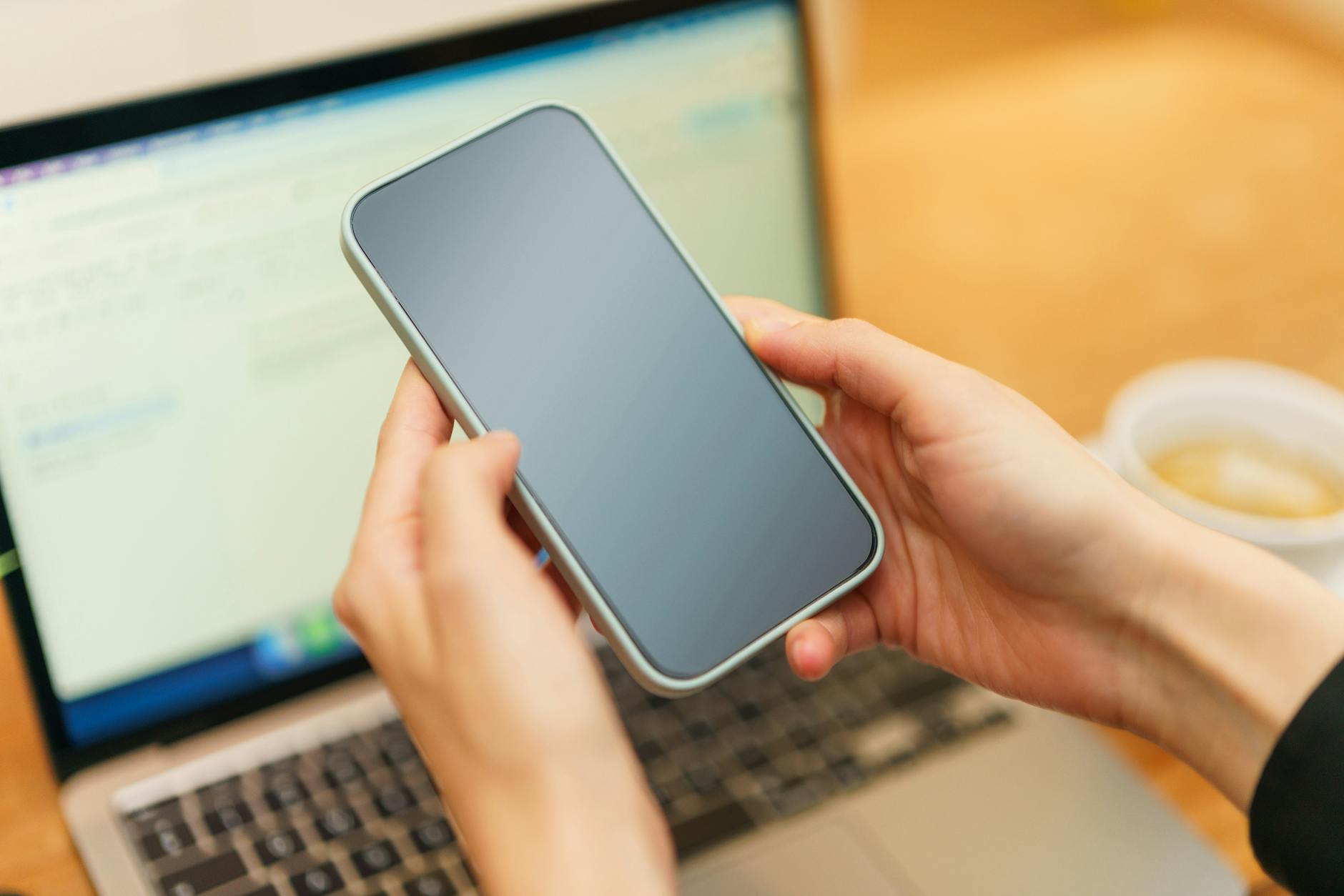 Photo by Jakub Zerdzicki
Boost productivity with a second screen
Having a phone as a second screen keeps reference material, chat messages, and dashboards within view while you focus on the main task. Imagine writing a report and keeping your notes, outline, or source URLs open on the phone screen. You can skim through research, copy key quotes, or jot quick ideas without breaking your concentration. A messenger or collaboration app can stay open on the phone for rapid replies, so you don’t have to switch windows or lose momentum.
There’s real value in a dedicated space for secondary tasks. For instance, you could run a project dashboard on the phone while drafting the executive summary on your laptop. Or keep a calendar and to-do list visible to avoid missing deadlines while you draft a longer document. The result is a smoother flow, fewer context switches, and a cleaner primary workspace. If you want to explore options, you can check guides on why many people choose a phone as a second monitor to boost multitasking and organize a more efficient setup. For practical guidance, see resources like ONext and other reviews that describe the practical benefits and user experiences of a phone-based second screen. Why Use Your Phone as a Second Monitor? – ONext
- Key takeaway: treat your phone as a fast, always-available reference rail that reduces back-and-forth between programs.
Common use cases for a phone as a second screen
A second display shines when you keep essential tasks within reach. Here are practical, fast-win scenarios:
- Referencing documents: Open the latest draft, guidelines, or source PDFs on your phone while you edit on the laptop. This keeps you from toggling back and forth between apps.
- Monitoring emails and chats: Let your inbox or team chat stay visible on the phone so you can respond with a quick message while you type on the laptop.
- Controlling media and calls: Use the phone to manage music playback, mute/unmute a video call, or answer a call without interrupting your work on the main screen.
- Viewing calendars and to do lists: A running to-do list or meeting schedule on the phone helps you plan the next steps without scrolling away from your primary document.
These workflows prioritize speed and simplicity. You don’t need fancy gear to start; a basic wired or wireless connection often suffices. If you’re curious about various approaches, you can review different setups and why people choose them, including USB and wireless options. For more practical examples and setup ideas, see guides like “How to Use Phone as Second Monitor” and related resources. How to Use Phone as Second Monitor: USB & Wireless …
What to expect when extending your display
Extending your display with a phone is convenient, but it comes with variations. Set realistic expectations so you don’t overpromise on the experience.
- Latency: You may notice a slight delay between actions on the laptop and what appears on the phone. This lag is usually small, but it matters for fast-paced tasks like coding or gaming. If latency becomes an issue, prioritize a direct USB connection or a low-latency wireless option.
- Brightness and color: The phone screen can be dimmer or less color-accurate than a dedicated monitor. This is mostly a concern for design work or photo editing. For text and reference material, the phone’s display is typically more than enough.
- Battery impact: Using the phone as a second screen consumes more battery. If you’re on the go, consider plugging in or using power-saving modes to keep both devices ready.
- App differences: Not every app behaves the same when used as a second display. Some tools handle extended desktop well, while others may introduce minor quirks. Results vary by device, OS version, and the app you pick.
To keep things smooth, start with a simple setup and test what you actually need on the second screen. If you notice lag, try lowering the display resolution on the phone or using a wired connection to reduce wireless interference. You can also search for device-specific tips and reviews to tailor the setup to your hardware. For more guidance on performance and practical expectations, see resources that cover the broader topic of portable display extensions. Portable Monitor Guide: Boost Your Mobile Productivity
- Takeaway: start small, measure your comfort with latency, and choose the setup that keeps you productive without overwhelming the main screen.
If you want deeper insights or alternative perspectives, you can explore a range of guides and user experiences that compare methods and share tips on minimizing lag and maximizing the smoothness of the extended display. For example, Duet’s guidance on using devices as a second display offers a comprehensive look at cross-platform compatibility. Duet – Use Your Devices As A Second Display
- Practical tip: a simple, reliable setup often beats a flashy one. Focus on what reduces interruptions and keeps you in the flow.
In the next sections, you’ll find concrete steps to get started, common use scenarios you can adopt right away, and practical expectations so your dual-screen experience stays productive and enjoyable.
How to connect your phone to your laptop
Connecting your phone to your laptop can turn a small screen into a practical third workspace. Whether you want a wired setup for reliability or a wireless option for quick, flexible setup, this section breaks down the most effective methods and when to use them. You’ll find simple, actionable steps and real‑world tips to keep latency low and performance steady.
Wired connection basics (USB-C or USB)
A wired link delivers the most consistent performance. Expect lower latency, fewer drops, and stable frame rates, which matters if you’re extending a display for productivity tasks rather than gaming. Here’s a straightforward setup you can follow.
- Benefits at a glance
- Low latency for real-time tasks like typing while you reference notes.
- Stable performance with fewer interference issues compared to Wi‑Fi.
- No need to worry about battery drain on your phone when you’re near a power source.
- Quick steps to get started
- Install companion software on both devices. Look for apps that explicitly support USB‑based second screens.
- Connect your phone to your laptop with a compatible USB cable (USB‑C to USB‑C or USB‑A to USB‑C, depending on ports).
- Grant required permissions on both devices. You may see prompts to enable USB debugging or allow device access.
- Open the second-screen app on your laptop and select your phone as the display extension.
- Adjust the display settings as needed, such
Apps and setup to turn your phone into a second screen
Turning your phone into a second display is a practical way to expand your workspace without buying a new monitor. The right app choice depends on your devices, the kind of tasks you run, and how you value reliability versus features. In this section, you’ll find popular Android and cross‑platform options, quick setup steps, and what each app excels at.
Popular Android and cross platform options
Android users and anyone who wants cross‑device compatibility have solid options that cover wired and wireless setups. Here are reliable choices you can start with.
- SpaceDesk: A widely used, cost‑effective option for extending or mirroring a Windows desktop to an Android phone or tablet. It supports both wireless and wired connections and tends to be forgiving on older hardware. Basic setup is straightforward: install SpaceDesk on your PC, install the corresponding app on your phone, and connect over the same network. If you want a quick, no‑frills extension, SpaceDesk is worth trying first. For practical setup steps, see consumer guidance that walks you through the PC side and phone side details. How to Set Up Spacedesk on Your PC: Step-by-Step Instructions
- Duet Display: A cross‑platform favorite that works with Windows, macOS, iOS, and Android. Duet emphasizes smooth performance and a responsive experience, with options to extend or mirror your desktop and to use your devices as a shared keyboard and mouse. It’s not free, but many users find the extra reliability and polish worth the cost. Start by installing Duet on your computer and the companion app on your phone or tablet, then follow the on‑screen prompts to connect. Learn more about its capabilities and cross‑device support here. Duet – Use Your Devices As A Second Display, Drawing …
- Splashtop Wired XDisplay: A solid wired solution that turns phones or tablets into a high‑performance extra monitor. It uses a USB connection to minimize latency and can work across Windows and macOS. The setup involves installing the XDisplay agent on your computer, installing the XDisplay app on your phone, and connecting via USB. If you prefer a tethered, low‑latency experience, this is a reliable choice. See the official product page for downloads and instructions. Turn your Tablet into a Monitor: Splashtop Wired XDisplay
- Other cross‑platform options: There are several other solutions that offer USB or wireless modes and vary in latency, cost, and feature sets. For those exploring alternatives, it’s helpful to review how different apps approach extended desktop versus mirroring, driver installation, and peripheral support. A broad overview can point you to the right match for your hardware and OS version.
Tip for getting started: pick one option and run a focused test for a few hours. Use it for lightweight tasks first—reading, reference tabs, and messaging—before committing to long writing sessions or multitasking chores that rely on precision or speed.
iPhone and iPad options for second screen with laptops
If you own an iPhone or iPad, you have strong native and third‑party pathways to connect with a laptop. Here’s how it breaks down by platform and what to expect in terms of capabilities and limits.
- Mac users: Sidecar is the built‑in way to turn an iPad into a second display. Sidecar can extend or mirror your Mac desktop, and it works best when both devices share an Apple ID and are on supported macOS and iPadOS versions. For a smooth experience, connect the iPad via USB when possible to keep it charged and reduce wireless dropouts. If you want to explore more advanced tablet‑as‑a‑display workflows, you can also consider Universal Control for keyboard and pointer sharing. Learn the details here. Use an iPad as a second display for a Mac
- Windows users: If you’re on Windows, you can connect iPhone or iPad using third‑party apps. Apps like Duet Display and Splashtop Worm provide cross‑platform support, letting you extend or mirror your Windows desktop to an iPhone or iPad. Expect a mix of performance and occasional quirks depending on your device, OS version, and app. Always check the latest compatibility notes on the chosen app’s site before purchasing or installing. For trusted guidance on iPad as a secondary display with a Mac, Sidecar is the Apple native option, while Windows setups will rely on third‑party solutions. Use your iPad as a second display for your Mac
- Compatibility notes and limits: Sidecar requires compatible hardware and software, and it may introduce some latency or require periodic re‑authentication. Third‑party apps vary in how well they handle keyboard and mouse input across devices, and some features like touch input or Apple Pencil support may be restricted depending on the app and platform. If you run into issues, rechecking cable connections, updating to the latest OS, and testing with a clean user profile can help.
If you want a broader view of iPhone as a second monitor on Windows or Mac, you can explore guides that compare popular apps and outline the trade‑offs. For example, LetsView provides another route for iPhone as a display in mixed environments. How to Use iPhone as Second Monitor for Windows & Mac
What to consider when choosing an option
- Latency and responsiveness: Wired connections typically offer the lowest latency, which matters for typing tolerance and cursor movement.
- Display quality: Look for apps that advertise retina or high‑DPI support if you need sharp text and precise visuals.
- Setup complexity: Some solutions are plug‑and‑play, while others require driver installations or network configuration.
- Battery and heat: Wireless use can drain the phone quickly, so plan for occasional charging or a powered setup.
If you want more perspectives on specific setups, you’ll find practical comparisons across sources that detail different apps, their strengths, and real‑world performance. For example, a guide that contrasts spaceDesk, Duet Display, and similar tools can be especially helpful as you decide which path to take. Turn Android Device Into a Wireless Monitor for Windows
Fine tuning display and input
Once you have a second screen in place, the real work begins: making the display comfortable and responsive enough for long sessions. The goal is to reduce eye strain, maintain readability, and ensure you can interact across devices without fighting with settings.
- Resolution and scaling: Start with a comfortable scale on the phone. If text looks too tiny, raise the scale on the laptop side, or lower the phone’s resolution if the app allows. The balance is between crisp text and usable touch targets.
- Touch input: Many apps support touch to interact with the secondary display. If you use touch, ensure the orientation and touch calibration feel natural. Some apps may map touch differently on certain devices, so test a few gestures (scroll, pinch to zoom, drag) to adapt.
- Keyboard and mouse across devices: Cross‑device input can be a major productivity boost. If your app supports it, use the phone as a touch panel and keep a physical keyboard and mouse handy for precise edits on the main screen. In some cases, you can “share” the keyboard and mouse across devices for seamless control.
- Screen orientation: For reading long documents or coding, landscape is usually the easiest on the eyes. Place reference materials on the phone in portrait mode if that suits the information you’re viewing or copying.
- Color and brightness: If you’re doing color‑accurate work, be mindful of any color shifts between the phone and your laptop screen. It’s normal for a phone to display warmer tones; consider a quick color calibration check if accuracy matters.
Practical tip: set up a quick test project that uses the second screen for references and the main screen for the primary task. This helps you calibrate latency, input comfort, and readability in a real workflow. If you encounter glare or reflectivity, adjust tilt or lighting to keep the secondary display easy to read.
To wrap up, choose a dependable app, configure it with the simplest settings that work, and then fine tune as you go. If you want a quick validation of performance and practical tips, check out guides and user experiences across trusted sources. Portable Monitor Guide: Boost Your Mobile Productivity
If you’re curious about real‑world results or want additional viewpoints, exploring a few user reviews can help you refine your setup. A common takeaway is that a straightforward, reliable configuration that minimizes setup friction often beats a feature‑rich option that incurs lag or instability. Duet – Use Your Devices As A Second Display, Drawing …
He Was Drowning in Bills and Burnout Until a Simple Daily Ritual Rewired His Brain for Wealth in Less Than a Week
>>> Start Your Shift Today <<<

Real world workflows, tips, and troubleshooting
Using a phone as a second screen isn’t just a neat trick. It can become a practical part of your daily workflow when you show you the right ways to arrange apps, keep things fast, and handle problems without derailment. In this section, you’ll learn real world setups that work, quick fixes for common hiccups, and smart practices to protect your privacy and battery life while you stay productive.
Productivity workflows that shine with a second screen
2–3 concrete workflows you can start using today. Each setup uses clearly defined panes, keyboard shortcuts, and fast access to reference materials, so you stay focused.
- Writing and research workflow
- What you do: Keep your draft on the laptop while the phone shows research notes, quotes, or source PDFs.
- How to arrange: On the laptop, place your word processor in the primary window. On the phone, keep a reading pane with open source PDFs or a notes app. Pin a minimal reference page to the phone so you can glance and copy quotes without losing your place.
- Shortcuts and flow: Use a simple keyboard shortcut to toggle between reference pane and main document. When you need a quote, copy from the phone and paste on the laptop with one paste action. This reduces back-and-forth clicking and helps maintain momentum.
- Quick access to references: Create a dedicated folder or a notes document on the phone for quick quotes or citations. If you’re using a web reference, keep a small list of URLs on the phone and copy them as you write. This keeps your main document clean and focused.
- Research and outline workflow
- What you do: Build and adjust your outline while you validate facts in real time.
- How to arrange: Put your outline on the laptop and open a reference hub on the phone. The reference hub can be a notes app with key findings, page numbers, and links. Arrange the phone in a portrait orientation to maximize the amount of text you can read at a glance.
- Shortcuts and flow: Use cross-device input when supported. If the app allows, map a keyboard shortcut on the laptop to switch to the phone pane, so you can skim references without moving your hands from the keyboard.
- Quick access to references: Keep the most important sources pinned on the phone. You can also save timestamps or quotes in a dedicated notes section to speed up your writing process.
- Coding and design workflow
- What you do: Use the laptop for heavy coding and the phone as a live reference for API docs, design specs, or a running checklist.
- How to arrange: Laptop shows your IDE and terminal, phone shows API docs or design tokens. For design work, keep a lightweight style guide in view on the phone while you implement components on the laptop.
- Shortcuts and flow: If the app supports extended desktop, use a global hotkey to jump to the phone pane. Keep a small color palette or typography guide on the phone so you can check values without switching windows.
- Quick access to references: A running checklist on the phone helps you verify each step as you code, reducing errors and rework.
- Design review and feedback loop
- What you do: Review visuals and copy in parallel. Keep a live comments thread on the phone while you iterate on the main screen.
- How to arrange: Phone shows the latest proofs or mockups, laptop shows your working files. Use the phone to capture quick feedback notes and link them to the project file on the laptop.
- Shortcuts and flow: A quick tap to copy feedback into your task manager on the laptop speeds up your review cycle.
- Quick access to references: Store color specs, font stacks, and spacing rules on the phone for instant cross-checking.
Tip: when you pick a workflow, start with a light task first. Use it for 15–20 minutes to see if the arrangement feels natural. Then scale up to longer sessions. A reliable setup often wins over a feature rich option that introduces lag. For a broader outlook on practical setups and user experiences, check guides like the ones describing why people choose a phone as a second monitor to boost multitasking. For example, insights from ONext discuss how this approach can improve workflow, organization, and portability. Why Use Your Phone as a Second Monitor? – ONext
Takeaway: treat your phone as a fast, always accessible reference rail. It keeps your main workspace uncluttered and your attention on the task at hand.
Common problems and quick fixes
Latency, drops, app crashes, and audio issues can derail a session. Here’s a practical, three step checklist you can apply whenever the second screen starts misbehaving.
- Step 1: Check connections and power
- If you’re using a wired connection, swap cables or try a different USB port to rule out a faulty lead.
- For wireless setups, ensure both devices are on the same network and that the network isn’t congested. If possible, switch to a 5 GHz network to reduce interference.
- Make sure both devices stay charged or plugged in during heavy use. A sudden battery drop can trigger performance dips.
- Step 2: Update and refresh
- Update the second screen app on both devices and install any available OS updates. App performance often depends on the latest compatibility fixes.
- Restart the apps and, if needed, reboot both devices. A fresh start clears temporary glitches that cause freezing or lag.
- If the problem persists, test with a different second screen app to determine whether the issue is app specific or systemic.
- Step 3: Calibrate and optimize
- On the phone, adjust resolution and touch sensitivity to match how you use the display. Lowering the resolution can reduce lag on older hardware.
- In the laptop’s display settings, set the second screen to an appropriate scale that keeps text readable and input comfortable.
- Disable any background tasks or performance heavy apps that could be consuming resources during the second screen session.
If latency becomes a recurring problem, try a direct USB connection or a low latency wireless option. Real world results vary by device and OS version, so it helps to test a couple of configurations. For additional perspectives, view guides comparing different solutions and how they handle cross platform input, including cross‑device performance reviews. A useful overview discusses how cross‑device setups can improve efficiency and reliability. Duet – Use Your Devices As A Second Display
You can also find troubleshooting threads and practical tips from users who have faced similar issues. For example, threads about second screen stability on forums can offer real world fixes that work across devices. SubDisplay keeps stopping / Second Screen freezing
Quick reminder for on the go: keep a small checklist in your notes app so you can run through these steps without losing your place. A calm, methodical approach beats chasing a perfect solution every time.
Privacy, security, and battery life
Using your phone as a second screen means you share screen content with a device that sits in reach. It’s smart to tighten privacy, secure data, and manage power. Here are practical tips you can apply right away.
- Muting notifications and selective sharing
- Turn off non essential notifications on the second screen to reduce interruptions. If you must stay reachable, mute only the apps that aren’t part of your current task.
- Consider enabling do not disturb during focused work blocks. This helps maintain a steady workflow without constant alerts.
- Review app permissions and disable access to sensitive data on the second screen when possible. This helps prevent accidental data exposure if the phone is left unattended.
- Limiting sensitive content on the second screen
- Keep personal messages or sensitive documents out of view. Use a separate work profile or a dedicated app container for your second screen tasks if your platform supports it.
- When sharing the desk space with collaborators, ensure that anything visible on the second screen is work related and appropriate to share in a public setting.
- Battery and power saving tips
- Use power saver modes on the phone during long sessions. This reduces background activity and preserves battery for critical moments.
- If you’re on the go, connect the phone to a charger or use a portable battery so both devices stay powered without sacrificing performance.
- Lower the phone’s brightness to a comfortable level. It reduces battery drain and makes long sessions easier on the eyes.
- Practical setup tips
- If you’re handling color sensitive tasks, be mindful of display differences. Phones often have warmer tones than laptops, which can affect color judgment.
- Periodically verify that the sound from the phone isn’t leaking into the room if you’re recording or in a quiet environment.
For more on privacy and screen sharing, you can explore guides that discuss how to use your devices securely while extending your display. A common takeaway is to keep the second screen isolated from sensitive content when in public or shared spaces. How to Use Your iPhone as a Second Display for Windows or Mac
To maximize battery life, it helps to plan your session with a simple workflow in mind. Start with a clear boundary between what appears on the phone and what stays on the laptop. When you keep tasks aligned, you avoid unnecessary screen time and keep your devices ready for the next activity.
External resources can provide deeper comparisons and recommendations on privacy friendly practices for multi device setups. For example, a guide that reviews mixed environment workflows and balance of reliability and privacy may help you decide which app best fits your needs. How to Use Tablet as Monitor for PC & Phone
In the end, a thoughtful mix of notification management, data separation, and mindful power use keeps your second screen productive without compromising privacy or battery life. If you want to explore more perspectives on this topic, you can review user experiences and expert guidance that cover practical setups and safe practices. How to Use Your Phone as a Second Monitor: USB & Wireless Methods
Keep it simple with setup and maintenance
Setting up a phone as a second screen shouldn’t complicate your day. The goal is fast gains with reliable results. In this section, you’ll find straight‑shooting guidance for a clean start and easy upkeep. Think of it as a checklist you can reuse as your needs evolve.
Quick, reliable startup paths
When you want a hassle free start, pick one straightforward method and test it for a couple of hours. A simple wired USB connection often delivers the most dependable experience with low latency. If you prefer wireless, choose a reputable app that emphasizes stability and easy pairing. Start by installing the chosen app on both devices, connect, and confirm the phone shows up as an extra display. Keep the initial setup lean: main tasks on the laptop, references on the phone, and minimal extra configuration.
For those who value cross‑platform compatibility, a popular option is a cross‑device app that works on Android and iOS, plus Windows or macOS. It provides both extend and mirror modes, so you can adapt as your workflow shifts. If you want a concrete starting point, review a practical guide that walks you through USB and wireless setups step by step. How to Use Phone as Second Monitor: USB & Wireless …
What to configure first for comfort
After you have a working link, tune the display so long sessions feel natural. Begin with the basics:
- Resolution and scale: Find a comfortable text size on the phone while keeping the laptop readable. Adjust scale on the laptop if needed.
- Orientation: Landscape is usually best for documents and code, while portrait on the phone can suit references or long quotes.
- Input flow: If the app supports touch, test gestures like scrolling and tapping. If you have a keyboard and mouse, set up cross‑device input for precise editing.
- Color and brightness: A quick check of color balance helps if you do any design work. Phones often show warmer tones than laptops.
A practical tip is to run a small, real task first. Open a document on the laptop and keep an open reference on the phone. This helps you confirm readability, latency, and input comfort before you commit to longer sessions. For tested approaches, see guides that compare common apps and their behavior across devices. Duet – Use Your Devices As A Second Display
Maintenance habits that keep it smooth
Once your setup is in place, a little regular care goes a long way. These routines keep latency low, reduce glitches, and extend battery life.
- Clear, simple workflows: Keep only essential references on the second screen. A cluttered phone pane can slow you down and increase mistakes.
- Regular updates: Update the second screen app on both devices and install OS updates when available. Updates fix bugs and improve compatibility.
- Minimal background load: Close heavy apps on the laptop when you run a second screen, and limit background tasks on the phone during work sessions.
- Power management: If you depend on the phone for long work blocks, use a charger or power bank. Dim the screen slightly to save energy without sacrificing readability.
If you run into trouble, a quick restart of the app or devices often clears the issue. If you must, try a different app to determine whether the problem sits with the software or the hardware. For broader comparisons and practical tips on staying productive with cross device setups, you can explore guides like LetsView and related reviews. How to Use Android as Second Monitor for Windows & Mac
Thousands of People Were Struggling With Money Until They Discovered This One Ancient Secret Hidden in Sound
>>> Unlock It Now <<<

Safe, lightweight privacy and energy practices
A second screen helps with focus, but it also raises privacy and power considerations. Protect sensitive data and extend battery life with straightforward steps.
- Notifications: Mute non essential alerts on the second screen. Use Do Not Disturb during deep work blocks to stay in flow.
- Data visibility: If you share your desk, keep personal content off the second screen. Work profiles or containers help keep work content separate.
- Battery discipline: Use the phone’s power saving mode for long sessions. When possible, charge both devices to prevent interruptions.
- Sound management: Be mindful of ambient noise when your phone is close to you, especially if you’re recording or on a call.
A quick reference is to keep a small, practical checklist in your notes app. It helps you stay consistent without missing steps. For broader privacy considerations in multi device setups, you can look at guides that compare different apps and their privacy practices. How to Use Your iPhone as a Second Display for Windows or Mac
Example setup you can copy today
- Laptop: keep your primary work window in view.
- Phone: run a reference pane with PDFs, notes, or a chat thread.
- Connection: USB if you need reliability; a well supported wireless option if you favor flexibility.
- Shortcuts: map a keyboard command on the laptop to switch focus to the phone pane if supported by your app.
- Routine: start with a 15 minute test session, then expand if the feel is right.
This approach keeps you productive without chasing a fancy feature set. If you want a quick comparison of common tools, a practical overview covers SpaceDesk, Duet Display, and other popular options. [How to Use Android as a Second Monitor](https://www. letsview.com/use-android-as-second-monitor.html)
By keeping setup simple and routines steady, you’ll gain a reliable second screen that enhances focus rather than adds friction. If you want more perspectives on practical setups and user experiences, you can explore guides that discuss how to balance reliability with features. Turn Android Device Into a Wireless Monitor for Windows
Conclusion
Using your smartphone as a second screen can reliably expand your workspace without extra gear. Start with a simple wired or wireless setup and test basic tasks like reference viewing, note taking, and quick replies. A well chosen app and a calm workflow keep you productive without adding friction. Give this a try today and share your results in the comments so others can learn from your setup.
5 minute setup checklist
- Pick a single method (wired USB or a trusted wireless app) and install it on both devices
- Connect the phone to the laptop and allow any required permissions
- Set the phone as an extended display and adjust basic resolution and orientation
- Open a document on the laptop and a reference pane on the phone
- Test a simple task and note any lag or readability issues
She Pressed Play on a Strange Audio Track and Within Days Her Financial Reality Started Shifting in Ways She Could Not Explain
>>> See How It Works <<<
