What If the Only Thing Between You and the Life You Deserve Is a Hidden Wealth Code Waiting to Be Activated
>>> Open the Door <<<

Losing a phone is stressful, but the right tracking apps can turn a frantic moment into a quick recovery. This guide shows how tools like Find My, Find My Device, and Life360 help you locate a missing device, lock it down, and protect your data as you search. If you’re wondering how to bounce back fast, you’ll find practical steps you can follow right away.
You’ll learn how each app works, what it can do when a phone goes missing, and how to combine them for greater coverage. We cover how to start tracking, send a lost message, and remotely secure your data so a thief can’t access personal information. This is about clarity, speed, and safety when you need it most.
By the end, you’ll have a straightforward plan to regain access and stay safe. Expect simple, actionable steps you can apply whether you’re at home or away, with practical tips for a quick recovery. This primer emphasizes real world use, easy setup, and reliable results for your lost phone scenario.
Why tracking apps help you find a lost phone
Losing a phone is stressful, but the right tracking tools can turn a frantic moment into a quick recovery. Real time location, remote controls, and protective privacy features give you a clear path back to your device. This section explains how these apps work in practice and why they make a difference when a phone goes missing.
He Was Drowning in Bills and Burnout Until a Simple Daily Ritual Rewired His Brain for Wealth in Less Than a Week
>>> Start Your Shift Today <<<

Real time location and remote control
Tracking apps center on live location to help you locate your device fast. The core idea is simple: your phone is a beacon that you can ping from a trusted account. When you open the Find My or Find My Device app, you get a live map that shows where the phone is now, not where it was minutes or hours ago. This map updates as the phone moves, so you can track it in real time and adjust your steps accordingly.
Alongside live mapping, remote control actions give you practical tools to secure the device while you pursue recovery. A few critical features you should know:
- Play a sound: Even if the phone is silenced, you can trigger a loud alert to help you locate it in a home, office, or crowded area. The sound is designed to cut through background noise, making it easier to find the device without invading someone else’s space.
- Lock the device: If you worry about privacy, you can lock the phone remotely. A lock screen appears, and you can add a temporary passcode. This prevents others from accessing your data while you continue the search.
- Display a message: Some apps let you show a custom message on the lock screen. Include a contact method or instructions for how to return the device, which can speed up the recovery.
- Erase or secure data: If the device remains out of reach and you fear data exposure, you can remotely wipe sensitive information or enable a secure boot, depending on the platform. This should be a last resort, but it’s crucial for protecting personal information.
A simple scenario helps illustrate how these tools work in everyday life. Imagine you realize your phone is missing after a meeting at a coffee shop. You open the tracking app on another device, see the map pin near a street corner, and start moving toward that location. You tap “Play Sound” to cause the phone to ring from inside a bag you saw on a nearby bench. The device is located, but someone picked it up and started walking away. You immediately lock the device to prevent access and display a message offering a return contact. If the phone vanishes into a crowded area, you can use the remote wipe feature for sensitive photos or passwords. In minutes, you have a clear plan and a high chance of recovery without exposing your data.
In addition to these actions, it helps to understand how the map data is obtained. On iPhone, Find My uses location data from the device alongside location sharing with trusted family or friends if you enable it. On Android, Find My Device works with Google’s services to show location, play sounds, and secure the device. For a broader sense of how these tools integrate into your daily life, see official guidance from Apple and Google on locating devices and using Find My features. You can start here: Apple’s guide on setting up Find My on all your devices and locating a device, and Google’s guidance on locating, locking, and erasing a lost Android device. These sources explain the exact steps and options you’ll see in the apps.
- Apple: Set up Find My on all your devices, Locate a device in Find My on iPhone
- Google: Find, lock, erase a lost Android device, Find My Device overview
For more context about the effectiveness of live location and remote actions, consider these basics:
- Real time location is most reliable when the phone is powered on and has a data connection or recent location data cached.
- Remote lock and wipe are safety nets; combine them with physical recovery steps to increase your chances of a safe return.
- Privacy settings matter. Decide in advance which features you’re comfortable enabling with family or close friends.
If you want to explore the official capabilities in depth, the Apple and Google resources linked above provide step-by-step actions and screenshots that map to the scenarios you’re likely to encounter. They also cover device types beyond phones, such as tablets or laptops, which broadens the protection you have across your digital life.
Further reading on how each platform handles lost devices can help you decide if you want to enable location sharing with family members or trusted contacts. The practical takeaway is simple: enable live location sharing, keep a trusted recovery plan, and know how to trigger the essential remote actions when you need them.
Choosing the right app for your device
When you pick a tracking app, you’re choosing a balance of coverage, ease of use, and privacy. Here’s how to compare built in options with third party solutions, and what to consider for a smooth setup.
- Built in options vs third party apps: Native features tend to be most tightly integrated with the device and may offer faster, more reliable location data. Third party apps often add extra layers like cross-platform support, family sharing, or additional privacy controls. If your ecosystem is Apple, you’ll naturally lean toward Find My. If you’re in the Android camp, Find My Device is a strong baseline. Third party options can supplement these with broader cross-device coverage or family-location features.
- Platform compatibility: The first question is which devices you own now and may own in the near future. If you own both iPhone and Android devices, you might look for apps that work across platforms or rely on the built in options on each device. For cross-platform families, third party solutions can simplify setup and sharing across devices.
- Family sharing and trusted circles: Family sharing or a trusted circle makes sense if you want a shared view of locations rather than only your own device. This can help a partner or a parent stay informed while you search, and it reduces the time spent coordinating.
- Ease of use: The best tracking tool is the one you actually use. Simple, clear interfaces and straightforward onboarding mean you’ll act quickly when needed. If setup feels heavy, you’re less likely to use it in a pinch.
- Privacy and data control: Look for apps that clearly explain what data is collected, how it’s used, and how long it’s stored. A transparent privacy policy, easy opt-out options, and robust security measures should be non negotiable.
- Examples to consider: built in options on iPhone and Android, plus popular third party options. For iPhone, the Find My app is the default path to locate devices and share their location with family. For Android users, Google’s Find My Device covers basic location, lock, and erase. Third party options like Life360 offer family location sharing and additional safety features that may fit larger households or groups.
In practice, many households use a combination. For example, you might rely on Find My for iPhone devices and Find My Device for Android phones, while adding Life360 for a broader family location view and extra safety features. This approach ensures you have solid coverage even if one service is temporarily unavailable.
When evaluating privacy, think about who has access to your location data and how you’ll manage that access. If you only need to locate your own device, a built in option can be the simplest and most private choice. If you want to locate family members as well, a trusted circle from a third party can streamline the process and minimize back-and-forth. The key is to set expectations and controls up front so you’re never scrambling when a phone goes missing.
If you’re new to these tools, start with the built in options on your device. They’re typically the easiest to set up and use, then expand to third party apps if you need more features or cross platform support. The goal is to create a reliable, quick response plan that protects your data while you recover your phone.
For readers exploring these options, here are official guides to help you decide and set up quickly:
- Apple: Set up Find My on all your devices
- Google: Find, lock, erase a lost Android device
Life360 and other third party apps add a family safety layer that can be useful for households with multiple devices. If privacy concerns arise, review what data is shared and with whom, and adjust settings to fit your comfort level. A well chosen app not only helps you find a lost phone, it also gives you peace of mind knowing you have a clear, practical plan in place.
To sum up, the right app choice hinges on your devices, your family makeup, and your privacy preferences. Start with built in options for speed and simplicity, then consider third party solutions if you need broader cross platform support or extra features. The goal is a seamless, quick way to recover your phone while keeping your data safe.
He Was Drowning in Bills and Burnout Until a Simple Daily Ritual Rewired His Brain for Wealth in Less Than a Week
>>> Start Your Shift Today <<<
External resources for deeper reading:
- Apple Find My overview and setup: https://support.apple.com/guide/icloud/set-up-find-my-mmfc0f0c67/icloud
- Apple Locate a device in Find My on iPhone: https://support.apple.com/guide/iphone/locate-a-device-iph09b087eda/ios
- Google Find My Device: https://blog.google/products/android/android-find-my-device/
- Google Find My Device official page: https://www.google.com/android/find/about
- Google support on find, secure, or erase a lost Android device: https://support.google.com/android/answer/6160491?hl=en
Links are included to provide straightforward steps and official guidance, helping you make informed choices and set up quickly.
How to use tracking apps on iPhone and Android
Losing a phone is stressful, but the right tracking tools can turn a frantic moment into a quick recovery. This section explains how to use the built in options on each platform and the popular Life360 app to locate a missing device, lock it down, and protect your data. You’ll find practical, step by step guidance you can follow right away, whether you’re at home or out and about. For every method, the goal is clear: connect to your device, act fast, and keep your information safe.
Using Find My on iPhone
If you’re using an iPhone, Find My is the fastest way to locate a lost device. Start with your trusted Apple ID and a quick check on another device or a computer.
- Sign in to iCloud: Open a browser and go to iCloud.com or use the Find My app on another Apple device. Enter your Apple ID and password to access your devices.
- Open Find My: In the app or on iCloud.com, select Find My to view a map with your missing iPhone listed.
- Select the lost device: Tap your iPhone from the list to reveal its location on the map. If the device is online, you’ll see its real time position; if it’s offline, you’ll see the last known location.
- View location: The map shows where the phone is now or was most recently online. If you share location with a family member, they may help you confirm the device’s whereabouts.
- Choose actions:
- Play Sound: Trigger a loud tune to help you locate it in a home or building, even if the phone is silenced.
- Mark as Lost: Enable Lost Mode, add a contact number or message, and lock the device remotely with a passcode.
- Erase iPhone: As a last resort, erase all data to protect personal information. Remember that after erasing, Find My will stop tracking the device.
- Offline finding: If the phone is offline, Find My can still help by marking the device as lost and queuing a remote action when it reconnects to the network. This feature increases the chance of recovery once the device comes back online.
For official guidance and step by step visuals, Apple provides detailed instructions on locating a device and using Find My across devices. This is particularly helpful if you have multiple Apple devices or family members who can assist. Learn more from Apple’s resources on Find My setup and locating a device.
- Apple Find My setup and location guide (support.apple.com)
If you want to see how the service behaves in real scenarios, Apple also covers how to locate a device or use Lost Mode when a theft or misplacement occurs. This can be a practical reference if you’re worried about privacy while you attempt recovery.
- Apple guidance on locating a device and Lost Mode (support.apple.com)
Using Google Find My Device on Android
For Android users, Google’s Find My Device keeps things straightforward with a familiar dashboard and quick actions.
- Sign in with your Google account on the lost device: Ensure the device is linked to a Google account you can access from another device.
- Open Find My Device: Go to the Find My Device page or install the Find My Device app on another Android device.
- View location: The map shows where the phone is currently located if it’s online. You can zoom in and track movement in real time.
- Actions you can take:
- Play sound: Ring the phone to locate it, even if the ringer is off.
- Secure device: Lock the device remotely and set a new passcode. You can also add a message with contact instructions on the lock screen.
- Erase: If the device is lost for good and you fear data exposure, erase all data remotely. This should be a last resort.
For more comprehensive guidance, Google provides official steps on how to locate, lock, and erase a lost Android device. These resources walk you through signing in on a separate device and using the Find My Device tools effectively.
- Find, secure, or erase a lost Android device (support.google.com)
- Be ready to find a lost Android device (support.google.com)
- I need to find my other android phone (google support thread)
If you’re using a mix of devices, the cross platform approach can simplify recovery. For example, you might use Find My Device for Android phones and rely on Find My for iPhone devices, while keeping a careful eye on privacy settings.
Using Life360 for family safety
Life360 adds a family safety layer by sharing location among trusted circles. It can be a powerful addition when you have multiple devices or you want a shared view of where loved ones are.
- Set up a circle: Create a private circle for your family or group. Invite members you trust to join the circle.
- Share location: Members can choose to share their real time location with the circle. You can customize who sees what to protect privacy while staying informed.
- Use alerts: Set location-based alerts, such as when someone arrives at or leaves a place. You can also enable battery alerts to know when a device is running low.
- When a phone goes missing: Life360 is most useful for preventing a loss in the first place or coordinating a quick team response. If a device is not in your immediate reach, circle members can help confirm a location or provide a contact point. Privacy is essential here; discuss boundaries and what data is shared, with whom, and for how long.
Life360 shines in households with several devices or family members who want a shared map. It’s a practical safety net when you want visibility beyond just your own device, but it must be used with clear expectations around privacy.
If you’re evaluating Life360, pair it with built in tools for fast action. Life360 gives you a broad view and quick alerts, while Find My and Find My Device provide precise control over a single device when you actually locate it.
Links for further reading and setup can guide you through creating circles, sharing locations, and enabling alerts. Consider these official resources to deepen understanding of how Life360 can fit into your lost phone recovery plan.
There Is a Frequency That the Wealthiest Families Have Used for Generations and Most People Will Never Know It Exists
>>> Open the Door <<<

- Life360 official setup and safety features (Life360 website)
Putting it all together, your best approach often combines tools. Use Find My on iPhone to quickly locate and lock a device, complement with Find My Device on Android for cross platform coverage, and add Life360 to keep a broader safety net for family members and future incidents. The important part is having a clear plan and knowing which actions to take first. A quick start now beats scrambling later, and privacy controls should be set up in advance so you know exactly who can see what.
External readings to help you decide and set up quickly:
- Apple Find My overview and setup
- Apple Locate a device in Find My on iPhone
- Google Find My Device
- Google Find My Device official page
- Google support on find, secure, or erase a lost Android device
These links offer official guidance and practical steps you can follow in minutes, not hours, making it easier to protect your data while you search.
External links are provided to support practical setup and decision making, helping you choose the right mix of tools for your devices and family. If you’re looking for deeper guidance, consult the official articles referenced above for the exact steps and screenshots that map to real world scenarios.
Safety, privacy, and best practices
When you use tracking apps to find a lost phone, you want to recover quickly without compromising your personal data. This section covers how to protect information while you search and how to manage privacy for families. You’ll find practical steps you can apply right away, plus reliable resources to deepen your understanding.
Protecting your data while the phone is lost
Act quickly but calmly to shield your data. Start by securing access to your accounts and device, then decide if remote actions are necessary. Here are concrete steps you can take:
- Lock the device remotely: Use Find My or Find My Device to lock the screen and set a new passcode. This prevents any immediate access to sensitive apps and information.
- Display a recovery message: If you must leave instructions or a contact method on the lock screen, keep it simple and safe. Avoid sharing sensitive data in the message.
- Change important passwords: After you lock the device, update passwords for your key accounts (email, banking, and social apps). This reduces the risk if the phone ends up in the wrong hands.
- Consider a remote wipe as a last resort: If recovery seems unlikely and data exposure is a real risk, erase all data remotely. Remember this will remove your phone from the live tracking view, so use it only when necessary.
- Report theft to the carrier and local authorities: Contact your mobile carrier to suspend service or switch to a new device line. If the device was stolen, file a report with local law enforcement; it strengthens your case for recovery or insurance claims.
- Preserve incident evidence: Don’t try to retrieve the phone yourself in a dangerous area. Let law enforcement handle the confrontation and provide updates to your security team if you have one.
Practical note: real time location data is most useful when the device is powered and connected. If the phone goes offline, you can still queue actions for when it reconnects. This approach keeps your options open without delaying essential privacy protections. For additional guidance on data protection during a loss, see official guidance from Apple and Google that explains how to locate, lock, and erase devices when needed. Useful official resources include Apple’s Find My setup and location guidance and Google’s Find My Device information.
- Apple Find My setup and location guide
- Google Find My Device overview
These resources help you translate the steps above into exact in-app actions and screens you’ll see during an incident.
Key privacy takeaway: you decide who can see location data and for how long. If you’re sharing with family, set clear boundaries and use privacy settings to limit who can view your device’s location. Pairing these protections with a quick recovery plan reduces risk and accelerates the return.
Privacy tips for families
When multiple devices and family members are involved, privacy needs careful handling. The goal is to stay informed without exposing sensitive data to the wrong people. Keep these practices in mind:
- Limit who can see location: Use strict controls to determine which family members or trusted circles can view each device’s location. Start with the minimum necessary access and expand only if needed.
- Review app permissions: Regularly audit which apps have location access and adjust permissions. Turn off location sharing on devices that aren’t actively being used for tracking.
- Remove access when the phone is recovered: Once you locate the device or no longer need live tracking, revoke location sharing for those who don’t need ongoing visibility.
- Teach basic safety steps: Share a simple plan with family members so everyone knows what to do if a phone goes missing. A coordinated response speeds recovery and reduces panic.
For deeper understanding, explore how to protect data after losing a device and steps to secure accounts. Trusted sources provide practical, user-friendly guidance for staying safe while you search. If you want a broader safety net, Life360 offers family location sharing that complements Find My and Find My Device, though you should review what data is shared and with whom.
External references and setup guidance:
- Life360 official setup and safety features: Life360 official setup and safety features
These references help you build a practical, privacy-conscious recovery plan that fits your family’s needs. By setting clear boundaries and using built in protections first, you keep control without complicating the process.
In short, the safest path combines built in device protections with thoughtful family privacy settings. Start with the minimum necessary sharing, enable essential remote actions, and only expand access when you truly need to coordinate a recovery. A well planned approach reduces risk and speeds up getting your phone back.
External resources for deeper reading:
- Apple Find My overview and setup
- Apple Locate a device in Find My on iPhone
- Google Find My Device
- Google Find My Device official page
- Google support on find, secure, or erase a lost Android device
These official guides provide step by step instructions and screenshots that map to real-world scenarios and help you tailor your approach to your devices and family.
What to do if tracking apps cannot locate your phone
Losing a phone can feel overwhelming, especially when tracking apps fail to show a live location. In this section, you’ll learn practical steps to take next. You’ll also get guidance on coordinating with your carrier and local authorities, plus tips to prevent a repeat incident in the future. The goal is to shift from panic to a clear, actionable plan.
Contacting your carrier and authorities
When a tracking app can’t locate the device, your next move should be to involve your wireless carrier and, if needed, law enforcement. Acting quickly helps protect your data and increases your chances of recovery.
- What to share with your carrier
- Your account details and the device’s information: make, model, color, and the last known location if you have it from the tracking app.
- The device’s IMEI or MEID and SIM serial number if you know them. These identifiers help the carrier flag the device and stop service misuse.
- A police report number if you have one. This supports urgency and can help with insurance claims.
- Time and place of the loss, plus any suspected theft details. Keep a concise timeline ready.
- When to file a police report
- If a theft is suspected, or if the phone was taken in a public or risky area.
- If you notice fraudulent charges or persistent unauthorized access to accounts linked to the device.
- When you want to pursue insurance or a replacement through your plan.
- What to give the police
- The device’s IMEI/MEID, serial number, model, color, and carrier.
- The approximate time and location of the loss, plus any suspicious behavior or witnesses.
- Any screen shots from the tracking app showing last known location or activity.
- Safety tips for meeting in person if you recover the phone
- Meet in public, well-lit places with cameras, such as a cafe or police station lobby.
- Bring a friend or family member for support and to witness the handover.
- Do not confront a potential finder alone. If the device seems risky, let authorities handle the exchange.
- Verify the device belongs to you by checking the SIM status, recent apps, and personal data before accepting it.
To help you engage quickly, carriers and authorities have official guidelines for reporting and blocking a lost device. The Federal Communications Commission offers safety resources for protecting your phone and information, while the DHgate guide provides a practical outline for filing a police report with device identifiers. Consider starting with these references as you prepare to contact the right people.
- Protect Your Smart Device (FCC): https://fcc.gov/protect-your-phone
- How to File a Police Report for a Stolen Phone Effectively: https://smart.dhgate.com/step-by-step-guide-how-to-file-a-police-report-for-a-stolen-phone-effectively/
- Practical tip: keep your notes ready. A short log with dates, times, and messages from the carrier or authorities helps you stay organized and can speed up the process.
If you’re dealing with multiple accounts or devices, your carrier can place a block on the device so it cannot be used on their network. This does not erase data, but it prevents unauthorized charges and usage while you pursue recovery. Pair this with a police report to improve your chances of a successful claim and return.
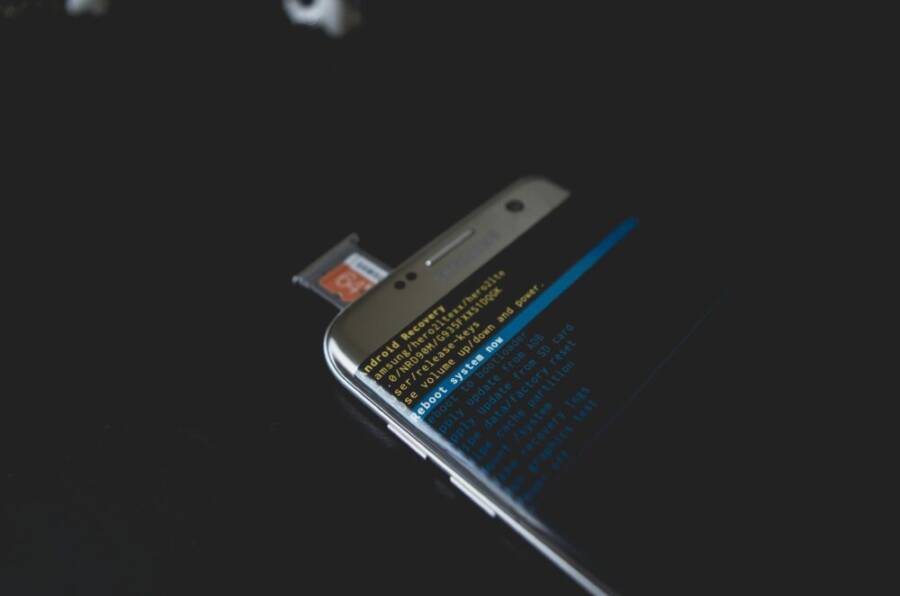
Image
 Photo by Kelvin Valerio
Alternative recovery options and prevention
If locating the device through built in features and carrier actions falls short, there are additional steps you can take to recover or protect your information and prevent future losses.
- Check recent locations tied to other accounts
- Sign in to associated services and review recent sign-in activity and location history. Sometimes a different account or app may have cached data that helps pinpoint where the phone was last active.
- Look for login alerts and device activity there. If you see unusual activity, change passwords and enable two factor authentication.
- Use backup devices and quick access methods
- If you have a secondary phone or a trusted computer, check those devices for any alerts or notifications that could reveal the phone’s location or status.
- Use any wearable devices tied to your account to help receive location updates or alerts.
- Set up ongoing device protection plans for the future
- Consider a protection plan that includes device replacement options, extended support, or theft recovery services.
- Review insurance terms to understand coverage for lost or stolen devices and the process for filing a claim.
- Enable comprehensive privacy settings so you can quickly limit data exposure if a device goes missing again.
- Strengthen your account security now
- Change passwords for key services (email, banking, cloud storage) after any recovery attempt.
- Enable two factor authentication on all accounts that support it.
- Review permission settings for any apps that have access to location data and sensitive information.
- Consider Life360 for a broader safety net
- Life360 can provide a broader family safety layer by sharing location with trusted circles. Use it to stay coordinated with family members, especially if more than one device is involved.
- Review what data is shared and with whom. Set boundaries upfront to protect privacy while maintaining a useful safety net.
For more on how Life360 can complement built in tools, and tips for setting up circles and alerts, explore the Life360 resources. If you want official guidance on cross platform recovery steps, Apple and Google provide step by step workflows for their devices, and third party tools can fill in gaps for families with multiple devices.
- Life360 official setup and safety features: Life360 official setup and safety features
If you ever wonder about a cross platform approach, a practical pattern is to use Find My for iPhone and Find My Device for Android, with Life360 offering a shared view for the family. This combination often covers both fast, device specific actions and broader coordination when a phone goes missing.
External readings to help you decide and set up quickly:
- Apple Find My overview and setup
- Apple Locate a device in Find My on iPhone
- Google Find My Device
- Google Find My Device official page
- Google support on find, secure, or erase a lost Android device
These resources provide straightforward steps and visuals to map your recovery plan to real world scenarios.
Images
Photo by Kelvin Valerio
By combining carrier involvement, police guidance, and smart prevention tactics, you build a robust plan. The goal is to recover quickly while keeping your data safe. If tracking apps fail, you still have reliable routes to pursue a safe return.
Conclusion
Tracking apps provide a calm, practical path back to your lost phone. Use Find My on iPhone and Find My Device on Android for fast, device specific actions, then add Life360 for a broader family safety net. When you act, keep privacy and safety in mind and stay focused on locating the device first and securing data second. A quick, well‑planned response beats a frantic, scattered approach. Now is the time to put your recovery plan in place and bookmark the steps for future incidents.
Practical checklist to bookmark
- Confirm you have Find My and Find My Device enabled on all devices
- Add Life360 as a supplemental safety net for family tracking
- Keep a recent backup of essential data and update passwords after recovery
- If the phone goes offline, queue actions and monitor the map for updates
- Contact your carrier and, if needed, authorities with a clear incident timeline
Stay safe and steady as you follow the steps. A clear plan helps you recover quickly while protecting your data.
He Was Drowning in Bills and Burnout Until a Simple Daily Ritual Rewired His Brain for Wealth in Less Than a Week
>>> Start Your Shift Today <<<