What If the Only Thing Between You and the Life You Deserve Is a Hidden Wealth Code Waiting to Be Activated
>>> Open the Door <<<

You’ve shared your phone with a friend or family member before. They hand it back, and you wonder if they saw your recent searches. Incognito or private browsing keeps those traces off your device.
This mode stops your phone’s browser from saving history, cookies, or login details. It works the same on Android with Chrome or iOS with Safari. Close the tabs, and the data vanishes from your phone.
People turn to it for quick privacy on a shared smartphone. It hides activity from others who pick up your device later. But it won’t block websites, ads, or your internet provider from tracking you online.
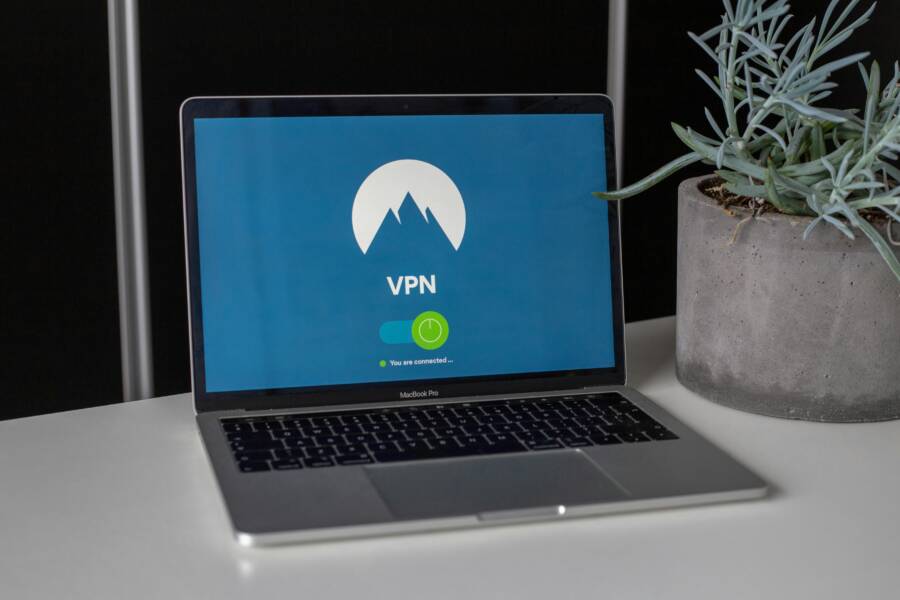
In this guide, you’ll get exact steps to start incognito on Android and iOS. We’ll bust common myths, like thinking it makes you fully anonymous. Plus, grab tips to boost real protection, such as locking tabs or pairing with a VPN. Stick around to browse smarter and safer.
He Was Drowning in Bills and Burnout Until a Simple Daily Ritual Rewired His Brain for Wealth in Less Than a Week
>>> Start Your Shift Today <<<

What Private Browsing Really Protects and What It Misses
Private browsing on your phone offers real protection for everyday use. It clears traces from your device after you close tabs. Yet it leaves gaps that trackers exploit. Let’s break down what it covers and skips so you know its true power.
Key Things Private Mode Hides on Your Phone
Private mode keeps your activity off your smartphone. It targets data that browsers store locally.
First, it blocks browsing history. Open Chrome incognito on Android or Safari private on iOS. Visit sites like news pages or shopping apps. Close the session, and those visits won’t appear in your history list. Your roommate grabs your phone later? No sign of your late-night reads.
Next, cookies stay temporary. Cookies track logins and preferences. In private mode, they delete when you exit. Picture this: You check prices on an online store without saving a session cookie. Ads won’t follow you back to normal browsing on that smartphone.
Search data and form inputs vanish too. Type queries into Google or fill out a quick form. Private mode skips saving them. On your iPhone, Safari private won’t log that embarrassing symptom search. Android Chrome acts the same.
Finally, cache clears out. Cache speeds up sites with stored images and files. Private mode dumps it at close. Reload a video site next time? It fetches fresh data, no old thumbnails lingering.
For details, check Google’s guide on Chrome Incognito. These steps make your phone feel clean after shared use.
Big Limits: Tracking That Still Happens
Private mode protects your device, not your online trail. Trackers see plenty.
Your IP address gives away location. It’s like a return address on mail. Sites and your carrier spot it right away. Private browsing doesn’t mask it. Browse from home Wi-Fi? They know the network.
Digital fingerprints profile you too. Browsers share details like screen size, fonts, and plugins. Combine that with your phone model, and sites ID you across sessions. It’s a unique sketch no mode erases.
If you’re logged in, accounts link everything. Gmail open in incognito? Google ties visits to you. Same for Facebook or Amazon logins. Private mode forgets local data, but servers remember.
Network logs capture it all. Your ISP or employer logs traffic. School Wi-Fi? Admins see domains visited. Private mode hides nothing from them.
ExpressVPN explains these gaps well in their incognito overview. Use a VPN to hide IP and more on your smartphone.
Top Myths About Phone Private Browsing
Myths make private mode seem like a shield. Reality shows cracks. Here are common ones:
- Myth: It stops Google from tracking you.
False. Google sees searches and sites if logged in. Even guest mode shares data via IP and fingerprints. - Myth: Employers or schools can’t see your activity.
Wrong. Network admins log traffic. Private mode only clears your phone, not router records. - Myth: You’re fully anonymous online.
No way. Sites, ads, and providers track via IP and profiles. It’s private from device users, not the web. - Myth: No one knows what sites you visit.
Not true. Close tabs, sure. But your data plan or Wi-Fi provider logs destinations.
Don’t fall for these. Pair private mode with tools like VPNs for better cover on shared smartphones.
Enable Incognito Mode on Android Phones Step by Step
When you hand your phone to someone else, you want to keep sensitive searches and logins out of sight. Incognito or private browsing on Android helps you do just that by not saving your history, cookies, or form data after you close the session. Below you’ll find clear, step-by-step instructions for three popular Android browsers. Each subsection highlights the key actions and what to expect from the on-screen indicators.
Chrome Incognito on Android
Chrome’s incognito mode is easy to access and recognizable by its dark theme. Here’s how to start a private session in Chrome on Android and what to look for to confirm you’re in incognito.
- Open Chrome on your Android device.
- Tap the three-dot menu in the upper-right corner to open the browser menu.
- Choose New Incognito Tab from the menu. A new tab opens with a dark theme and a message indicating you’re now browsing privately.
- Look for the incognito icon in the tab row or the top of the screen; it’s typically a small figure inside a hat, and the interface shifts to a dark color scheme to signal private mode.
- To end incognito, close all incognito tabs or exit Chrome. Data from this session won’t be saved to your device once you close the tabs.
For reference, see the official Chrome help guide on browsing in incognito mode on Android: Browse in Incognito mode – Android – Google Chrome Help
Firefox and Samsung Internet Private Tabs
Firefox and Samsung Internet both offer private or private tab modes with extras like tracker blocking and optional PINs for quick access. Here’s how to start a private session on each, plus tips to make the most of the extra features.
- Firefox for Android
- Open Firefox on your device.
- Tap the tab icon at the bottom or top, then switch to the Private Browsing tab. If you’re using a newer version, tap the mask icon on the start page or select Private mode from the tab screen.
- In Private Browsing, your history, cookies, and cached data are not saved after you close the session.
- Optional: Enable tracker blocking in Firefox settings for additional privacy. You can also set up a PIN or biometric lock to secure your Firefox private sessions if your device supports it.
- Samsung Internet
- Open Samsung Internet.
- Tap the tabs icon, then select Private to switch to private mode. You can also tap the three-line menu and choose Private tab.
- Private tabs block history, cookies, and search data from being saved after you close them.
- Extra features to explore: tracker protection, and the ability to set a PIN for quick access to Private mode.
For more detailed guidance, check Mozilla’s help article on private browsing for Firefox on Android: Private Browsing on Firefox for Android – Mozilla Support
She Pressed Play on a Strange Audio Track and Within Days Her Financial Reality Started Shifting in Ways She Could Not Explain
>>> See How It Works <<<

Edge InPrivate for Android Users
Edge’s InPrivate mode keeps your browsing data out of your device after you close the session. It’s accessible from a bottom menu in most builds, making it handy when you want a quick privacy switch without leaving your current tab.
- Open Microsoft Edge on Android.
- Tap the bottom menu (the bar with icons like Home, Discover, and More).
- Select the InPrivate tab option to start a private session. The interface will show an InPrivate label to confirm you’re in private mode.
- When you’re done, close the InPrivate tabs to return to your regular browsing session. Your history and cookies from this session won’t be saved on the device.
If you’d like, you can read more about private browsing options across different browsers to compare features and limits.
Switch to Private Browsing on iPhone and iOS Easily
Private browsing on iPhone and iOS is a handy way to keep casual browsing out of your device history. It’s not a guarantee of total anonymity, but it can prevent local traces when you share a device or want to test something quickly without saving data. In this section, we’ll walk through how to use Safari private mode on iPhone and how to handle private or incognito tabs in Chrome and Firefox on iOS. The goal is to give you clear, practical steps you can follow right away.
Safari Private Mode on iPhone
Safari’s Private Browsing mode on iPhone is designed to stop the browser from saving history, search records, and login details. It also packs in extra protections against certain trackers, which helps when you’re sharing a phone or just want a quick privacy layer for a single session.
- Access the private mode quickly by tapping the Tabs icon in the bottom right corner, then selecting the Private option.
- When Private Browsing is active, the address bar appears dark to signal you’re in a private session.
- Start a private session by tapping the plus icon to open a new private tab. You can switch between private and regular tabs as needed.
- To end private browsing, close all Private tabs or switch back to Regular mode. Your data from this session won’t be saved on the device.
Apple’s official guidance covers how to turn Private Browsing on or off and what protections it provides, including how it reduces tracking by known trackers and how it affects AutoFill data. You can review the steps here: Turn Private Browsing on or off on your iPhone and see more about browsing privately in Safari across iOS versions: Browse the web privately in Safari on iPhone
If you want a quick, visual reminder, Safari private mode is the simplest way to keep casual browsing separate from your main history. It’s particularly useful when you’re using a shared device or testing things that you don’t want saved locally.
Key takeaways:
- Private Browsing in Safari prevents local history, search data, and login details from being saved.
- The private tab is indicated by a dark address bar and a private tab badge.
- It does not hide your activity from the network or your apps; it only affects local device data.
Chrome and Firefox on iOS
On iPhone and iPad, Chrome and Firefox offer their own incognito or private modes. These features work similarly to Safari but have their own on-device indicators and options. Here’s how to get started with each, plus a quick note on what the private mode means for you.
Chrome on iPhone or iPad
- Open Chrome and tap the three-dot menu at the bottom right (or top right on some layouts).
- Choose New Incognito Tab to open a private session. The incognito tab shows an icon to signal you’re in private mode, and the interface shifts to a dark theme.
- You can switch between Incognito and regular tabs by tapping the tab switch control and selecting the desired tab type.
- To end the session, close all Incognito tabs. Chrome’s incognito mode prevents local data from being saved, but it does not hide your activity from websites, your network, or your ISP.
- For a quick refresher on Chrome’s Incognito on iOS, see Google’s official guidance: Browse in Incognito mode – iPhone & iPad
Practical tip: if you regularly switch between private and regular browsing, use the Incognito tab switcher to keep things tidy. A swipe gesture can help you move between active modes without digging through menus.
Firefox on iOS
- Open Firefox on your device. Tap the tab icon and then switch to Private Browsing. In newer versions, you’ll see a mask icon or Private mode option on the tab screen.
- In Private Browsing, history, cookies, and cached data aren’t saved after you close the session.
- Optional: enable tracker blocking in Firefox settings for extra privacy. You can also set a PIN or biometric lock to restrict access to private sessions if your device supports it.
- Learn more about Firefox private browsing on iOS here: About private browsing in Firefox for iOS – Mozilla Support
If you’re curious about Firefox’s privacy features on iOS, the Mozilla support pages offer detailed guidance on how private browsing works and how to adjust security settings.
Edge InPrivate on iOS (brief note)
- Edge’s InPrivate mode is available on iOS as well. It operates similarly to private modes in other browsers by not saving history or cookies after the session ends. If you’re evaluating privacy options across browsers, consider trying Edge InPrivate as part of a broader comparison.
Why choose private or incognito modes on iOS
- They’re ideal for short-term privacy when sharing a device or testing something that you don’t want saved locally.
- They reduce local traces like history and cookies, making it easier to use a shared device without impacting your primary profile.
- They do not mask your activity from websites, your network, or your provider. For stronger steps, pairing a private mode with a reputable VPN can provide a broader layer of privacy.
Common questions you might have
- Does private browsing hide my IP? No. It hides local data on the device but not your IP address. A VPN can help hide IP information from the sites you visit.
- Can I stay signed in while using private mode? Private mode typically doesn’t carry over signed-in sessions. If you sign in while in private mode, the site may still remember you on that session, but local data won’t be saved after you close the tab.
- Will my employer or ISP see what I’m doing? Private modes do not hide activity from networks or providers. If you need to reduce exposure on a shared network, a VPN is a better option.
For deeper insights into how these modes protect you and where they fall short, you can explore guides from reputable sources on incognito and private browsing. For instance, Chrome’s official help and Mozilla’s private browsing resources provide clear explanations and steps.
- Chrome Incognito: Browse in Incognito mode – iPhone & iPad
- Safari Private Browsing: Browse the web privately in Safari on iPhone
- Firefox Private Browsing on iOS: About private browsing in Firefox for iOS – Mozilla Support
By understanding how these modes work on iPhone and iOS, you can quickly switch to a private session when needed and return to normal browsing with confidence.
Best Practices and Mistakes to Avoid for True Phone Privacy
When you want true privacy on your phone, it’s about more than just private browsing. It’s a layered approach that combines smarter tools, careful habits, and realistic expectations. This section breaks down practical steps you can take and common missteps to avoid so your privacy on a smartphone is stronger and more reliable.
Smart Ways to Boost Private Browsing Safety
Private browsing is a solid first line of defense for everyday use, but it works best when paired with additional protections. Here are practical, deployable tactics you can implement today.
- Use a reputable VPN in combination with your browser. A VPN masks your IP and encrypts traffic, making it harder for networks and some trackers to identify you. This is especially useful on public Wi-Fi or shared networks. For a clear comparison of what a VPN adds to private browsing, see discussions on how incognito mode and VPNs complement each other. Consider trusted providers and configure auto-connect on trusted networks to avoid slipping back into open sessions.
- Add browser extensions with care. On mobile, extensions can extend privacy in meaningful ways, such as blocking trackers and enforcing HTTPS. Keep extensions to a minimum and choose well-known, security-focused options. For a broad look at extensions and their privacy impact, you can explore expert overviews that contrast built-in protections with add-ons.
- Pair private browsing with antivirus and security suites. A strong antivirus on your phone helps block malware and malicious tracking attempts that slip past privacy modes. Look for solutions that offer real-time protection, web filtering, and app scanning, then keep the suite updated. This layered approach gives you practical protection beyond what private mode alone provides.
- Lock down access to private sessions. On many devices you can add biometric or PIN protection to your private browsing apps. This helps prevent casual neighbors or family members from quickly peeking at sensitive activity. If you share a phone often, this is a simple but effective safeguard.
- Be mindful of what you download and what you log in to. Private browsing hides local traces but does not shield you from the sites you visit or services you use. Avoid staying signed in to services that carry sensitive data while in private mode, and clear or review downloaded content after a private session ends.
For more context on what private browsing does and does not protect, see reputable explanations from major providers and privacy-focused guides. These resources help you align expectations with real-world behavior and highlight where VPNs and extensions fit in.
Pitfalls That Ruin Your Privacy Efforts
Private browsing is a powerful tool, but it does not fix every privacy issue. Misuse or misunderstandings can erode the protection you expect. Here are the most common mistakes and how to avoid them.
- Mixing modes across sessions. Switching between private and normal tabs within the same app can create mixed data trails. If you need to test something privately, keep it in a dedicated private session and avoid logging into accounts from that session.
- Relying on downloads as a privacy shield. Downloading files in private mode doesn’t erase the fact you visited the site or downloaded content from your device. Files can still be recoverable or flagged by network logs. Treat downloads as sensitive data and delete them promptly if privacy is a priority.
- Signing into accounts while in private mode. If you log in to services like email or social networks, those sites may still track activity during the session. Private mode mainly wipes local traces; servers retain data linked to your account. If you need to stay signed in for a task, consider using separate profiles or devices for sensitive activities.
- Underestimating network visibility. Private browsing hides only local data on the device. Your IP, traffic patterns, and the network you’re on can still reveal a lot. A VPN helps here, but it’s not a cure-all. Always pair private mode with a trusted VPN on networks you don’t control.
- Forgetting about apps outside the browser. Privacy features in the browser don’t cover all apps on your phone. Some apps may still collect data in the background or via other services. Regularly review app permissions and be mindful of what data you grant to each app.
- Assuming privacy is permanent. Situations change, and privacy tools require ongoing maintenance. Regularly update your privacy settings, review the permissions of installed apps, and stay informed about new threats and defenses.
To deepen your understanding of the practical differences between incognito mode and VPN use, consult trusted explainers that compare these tools and outline when each is most effective. These insights help you decide when to rely on private browsing and when to add a VPN or other protections.
- How Chrome Incognito keeps your browsing private: an accessible overview of what private mode hides and why it matters.
- Incognito mode vs. using a VPN: a concise comparison of what each offers and where they overlap.
- How to browse privately on your phone: a practical guide to building a privacy toolkit for mobile devices.
Remember, true privacy on a smartphone comes from a balanced mix of tools and mindful behavior. Treat private browsing as a component of a broader privacy plan rather than the entire solution. For a concrete, real-world approach, start with a solid VPN, use privacy-focused extensions where appropriate, and keep a tight lid on sensitive activity when using private sessions.
External resources for practical guidance:
- How Chrome Incognito keeps your browsing private
- Incognito mode vs. using a VPN: What’s the Difference
- How to Browse Privately on Your Phone
By applying these best practices and avoiding the common mistakes, you’ll gain a more confident privacy stance on your smartphone without sacrificing usability or convenience.
Conclusion
Private browsing on your smartphone is a useful tool for brief privacy on shared devices, but it isn’t a full shield. It wipes local traces like history and cookies, yet it won’t hide your IP or stop site tracking. Use it as a selective layer, not a blanket solution.
Pair private mode with solid habits and, when possible, a reputable VPN for broader protection. Keep tabs on what you log in to while in private sessions, and consider locking sensitive apps or private browsers with biometrics. The goal is a smarter workflow, not perfect anonymity.
If you want stronger privacy, test a few steps now: switch to private mode before quick lookups on a shared smartphone, enable tab locks where available, and compare results across Chrome, Safari or Firefox to see how each handles data locally. These practical steps keep your main profile cleaner without sacrificing convenience.
He Was Drowning in Bills and Burnout Until a Simple Daily Ritual Rewired His Brain for Wealth in Less Than a Week
>>> Start Your Shift Today <<<
Have you tried combining private browsing with a VPN or a security suite on your phone? Share your experiences in the comments or point to tools you trust. Your feedback helps others see what actually works in real-world use, and it keeps this guide fresh and relevant.
He Was Drowning in Bills and Burnout Until a Simple Daily Ritual Rewired His Brain for Wealth in Less Than a Week
>>> Start Your Shift Today <<<