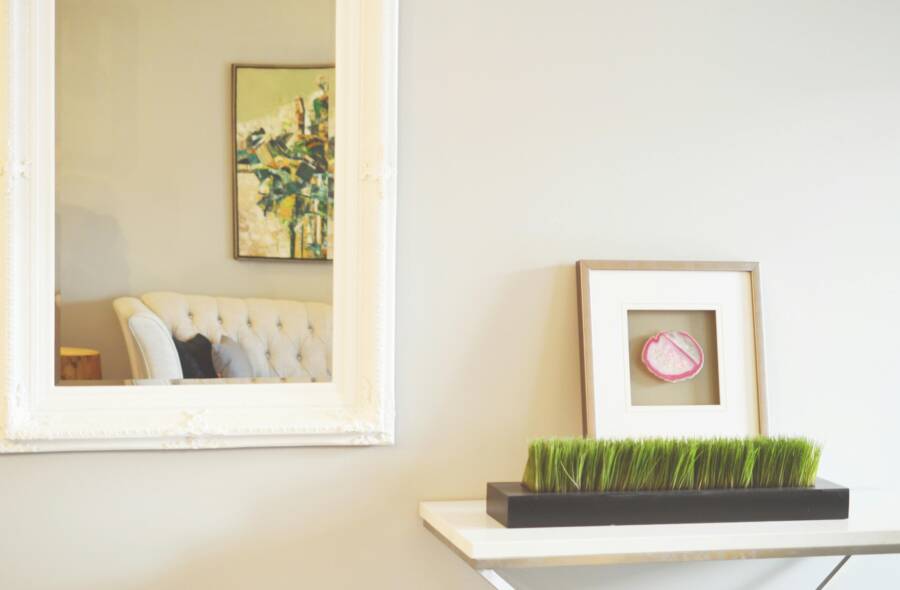
A simple plant can transform a room. It adds color, texture, and life in minutes. Home Depot is a reliable source for high quality greens at friendly prices, with a wide range of sizes and styles. The key is to pick plants that fit your space, then pair them with containers and arrangements that elevate the whole look. This guide shows you how to turn Home Depot finds into polished indoor decor that stays fresh and inviting.
Choose the Right Plants for Indoor Decor
Start by thinking about light, space, and routine. Most homes have a mix of sunny windows, shaded corners, and busy hallways. Pick plants that match those spots so you spend less time chasing water and more time enjoying greenery.
- Assess your light: Bright indirect light is perfect for pothos, philodendron, and monstera cuttings. If a corner is dim, consider snake plant, ZZ plant, or a peace lily which tolerate lower light. The goal is plants that thrive where you actually place them.
- Size matters: In a living room, you might balance a tall plant like a fiddle leaf fig or a rubber plant with smaller accents on a coffee table. For shelves, smaller plants in clusters create a lush look without crowding.
- Favor healthy stock: In store, check leaves for yellowing or brown spots, and look at the root ball. A firm plant with new growth usually means a stronger specimen. If you see roots circling the pot, it may be time to repot soon, but it can still make a good starter.
- Variety for interest: Mix upright plants with trailing varieties like pothos or ivy and add a botanical accent with a small fern or a succulent. Layer different greens, textures, and color tones for depth.
Containers that Complement the Green
The right pot can anchor a plant and tie a room together. At Home Depot you’ll find terracotta, ceramic, resin, and fabric options that suit every style. The trick is to choose containers with good drainage and a look that matches the space.
- Drainage first: Always use pots with drainage holes or a liner that allows water to escape. A clean saucer under the pot protects furniture and floors.
- Material matters: Terracotta warms a sunlit kitchen or entry, while matte ceramic offers a modern vibe in living rooms. Woven baskets or fabric sleeves can soften the look of tall plants or trailing ones.
- Pairing is powerful: A bold pot can highlight a simple plant, while a muted pot makes a dramatic leaf pattern pop. Try one eye catching pot with two or three smaller plants in neutral planters.
- Elevate with stands: Plant stands add height without clutter. A wood or metal stand raises a plant to eye level, creating an instant focal point on a console or beside seating.
Layering Plants for Visual Impact
A well layered arrangement feels curated rather than random. Aim for height, texture, and color variety across a single surface.
- Create height: Place a tall plant at the back of a console, a mid height plant in front, and a trailing plant at the edge that spills over the shelf.
- Mix textures: Combine broad leaves with slender, spiky ones. The contrast keeps the eye moving and adds dimension.
- Use vertical space: Install wall mounted planters or ceiling hooks for trailing vines. If you lack floor space, a mounted display can be a strong design move.
- Round it out with a focal plant: Choose one standout specimen with a distinctive leaf pattern or color. It anchors the whole arrangement.
Color and Texture in Plant Arrangements
Plants are interior color and texture on demand. Use foliage as a soft color palette, then bring in small pops of color with pots, props, or seasonal blooms.
- Variegation adds light: White or cream variegation brightens darker rooms and gives a crisp, modern feel.
- Leaf shape matters: Large leaves read bold in a room, while delicate fronds add airiness. Balance these with compact, dense plants to avoid a top heavy look.
- Accent with blooms: Some Home Depot plants flower seasonally. A few blooms in a mixed group can lift the mood without turning the display into a bouquet shortage.
- Texture brings depth: Mix waxy, glossy leaves with matte finishes. Pair a glossy rubber plant with a fuzzy fern for an unexpected combo.
Lighting and Room Planning
Light guides color retention and growth, so plan placements with care. A thoughtful layout makes maintenance simpler and the decor more lasting.
- Bright rooms: Place dramatic plants like fiddle leaf figs or rubber plants where they get steady light, but not direct sun that can scorch leaves.
- Medium light: Philodendrons and monstera species perform well here. They add sculptural forms that suit shelves and sideboards.
- Low light corners: Choose robust species like snake plant or ZZ plant. They survive with less water and care, making them ideal for busy homes.
- Rotate seasonally: Move plants every few months to balance light exposure. A quick rotate keeps growth even and avoids leaning toward a single window.
Care Essentials for Long-Lasting Greens
Healthy plants look intentional. A simple routine protects their vitality and keeps your space looking fresh.
- Water wisely: Most indoor plants prefer evenly moist soil but not soggy. Check the top inch of soil; if it’s dry, water. If it’s damp, wait a day.
- Soil and repotting: Use a light, well draining mix. Repot every 1 to 2 years or when roots fill the container. A fresh pot helps growth and reduces stress.
- Dust and clean: Wipe leaves gently with a damp cloth to improve light absorption and keep pests at bay.
- Humidity helps: Plants with delicate leaves enjoy a bit of extra humidity. A nearby humidifier or a tray with pebbles and water can help, especially in dry spaces.
- Pest awareness: Check weekly for tiny specks or webs. If you spot pests, act early with a gentle household remedy or an appropriate insecticidal soap.
Seasonal Decor and Themed Touches
Plants shine when you align them with the season. Home Depot stocks seasonal accents that pair well with greens and pots.
- Spring freshness: Bright pots and fresh pothos or peace lilies brighten entryways and bathrooms.
- Summer retreat: Taller plants near seating areas add shade and a calm vibe. Pair with light cotton textiles and wicker baskets.
- Fall warmth: Use terra cotta pots, amber tones, and trailing vines along stair railings to create cozy corners.
- Winter calm: Deep green plants keep rooms feeling grounded. Add a few ceramic accents and soft lighting to complete the look.
- Holiday flair: Tiny succulents or cyclamen can join garlands or wreaths on doors and mantels for a festive touch.
Common Mistakes to Avoid and Quick Fixes
A few missteps are easy to correct and prevent bigger issues later.
- Overwatering is common: If soil stays wet, roots can rot. Check with your finger and adjust your schedule or pot with proper drainage.
- Too little light: Plants stretch toward windows and look pale. Move them to brighter spots or switch to low light varieties.
- Ignoring drainage: Always use a saucer or a liner. Water that drains into the saucer should be removed after a short period.
- Skipping routine care: Regular dusting and pruning keep plants from looking tired. Short, proactive sessions beat long, neglected ones.
- Mixing incompatible plants: Some plants dislike the same conditions. Group by light and water needs to keep care simple.
A Quick Start Guide for Beginners
If you’re starting small, here’s a simple plan you can follow this weekend.
- Pick a spot: Measure a sunny shelf or a corner that needs life.
- Choose a plant family: Start with two easy options, like pothos for color and snake plant for resilience.
- Pick pots: Choose one statement pot and a couple of neutral planters for balance.
- Plan a group: Place a tall plant at the back, a mid sized one in front, and a trailing plant on the edge.
- Set a care rhythm: Water every week or two depending on the plant, check light monthly, and clean leaves every few weeks.
Maintenance Schedule and Quick Wins
A small routine keeps decor looking sharp without taking over your day.
- Weekly: Quick leaf wipe down, check soil moisture, rotate if needed.
- Monthly: Inspect for pests, trim any dead growth, dust shelves and planters.
- Biannual: Reassess your layout, repot if roots show, refresh pots to keep the display feeling new.
- Seasonal refresh: Swap out blooms or add a couple of seasonal accents to keep the look current.
Conclusion
Today’s Home Depot options let you craft a calm, inviting interior with minimal fuss. Start with a couple of sturdy plants in thoughtful containers, then layer in height and texture to build a cohesive display. With a simple care plan, your greens stay vibrant year round, adding warmth and personality to every room. Ready to transform a corner of your home with a small, stylish plant collection? Start this weekend and watch the space come alive.