He Was Drowning in Bills and Burnout Until a Simple Daily Ritual Rewired His Brain for Wealth in Less Than a Week
>>> Start Your Shift Today <<<

An old phone can be a quiet guardian in an emergency. It doesn’t need a perfect signal or a full battery to be useful; it just needs a plan. This guide shows you how to turn a forgotten device into a reliable backup for sudden trouble.
First, we’ll map out a simple setup that works in real life. You’ll learn how to keep an emergency phone ready with offline tools like offline maps and stored messages, so you can navigate without data. We’ll also cover key features like SOS and Find My Device to help you locate a phone quickly if you misplace it or it falls into the wrong hands.
There Is a Frequency That the Wealthiest Families Have Used for Generations and Most People Will Never Know It Exists
>>> Open the Door <<<

Next, we’ll cover the practical steps to prepare the device. Tidy up the storage, update essential apps, and load critical contacts for fast access. We’ll show how to enable offline access to maps and a few trusted apps that work without a constant internet connection. You’ll also learn how to manage power so the phone stays usable when you need it most.
Finally, we’ll walk through everyday scenarios where an old phone becomes a lifesaver. From a sudden outage to a remote hike, you’ll know exactly what to do to keep it functioning as an emergency phone. With a small amount of planning, this backup becomes a dependable safety net for you and your family.
She Pressed Play on a Strange Audio Track and Within Days Her Financial Reality Started Shifting in Ways She Could Not Explain
>>> See How It Works <<<

Reassess and plan: what an old phone can do for emergencies
An old phone can be a reliable backup when plans change or speed matters. By reassessing its role now, you create a compact lifeline that’s ready when you need it most. This section breaks down quick improvements you can make and the key limits to watch. Think of it as a readiness check that turns a forgotten device into a credible emergency tool.
Quick wins you can enable in minutes
- Perform a factory reset to wipe old data and free space.
- Sign in to essential accounts (Apple ID or Google, email, and cloud storage).
- Enable Emergency SOS with trusted contacts.
- Set up emergency contacts in your contacts app and add Watch/Find My features if available.
- Turn on Low Power Mode to stretch battery life.
- Install small offline apps for maps and messaging that work without data.
Tip: Keep the phone charged to at least 40 percent so it’s ready when needed. A simple, well-organized backup can be activated in minutes and stay accessible during a real crisis.
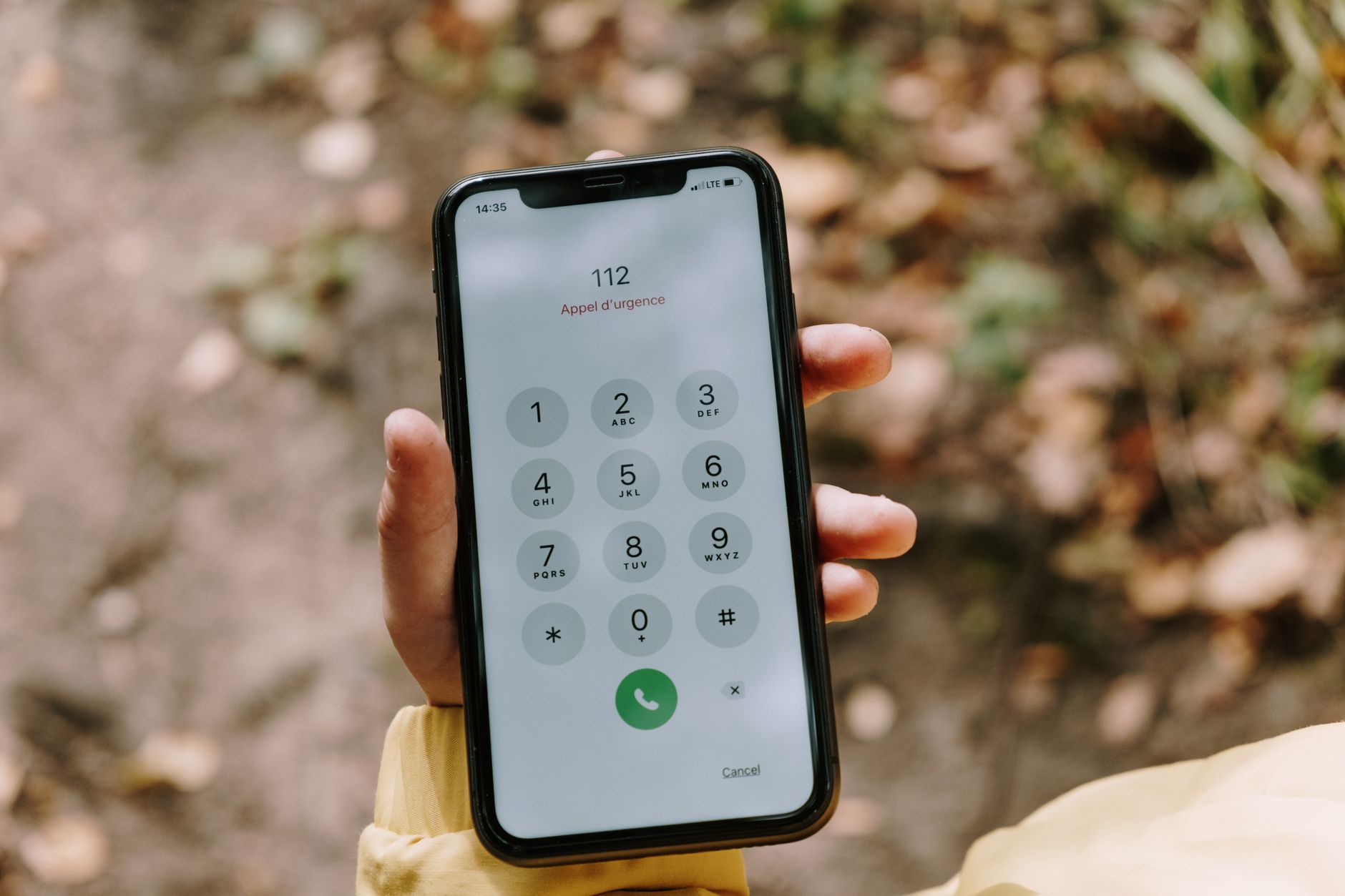 Photo by cottonbro studio
Key limits to know
An old phone can support you in an emergency, but it isn’t a substitute for a primary device. Expect shorter battery life, limited data plans, and spotty coverage in remote areas. Some apps may be outdated or require updates you can’t complete quickly. Use this device as a supplementary tool, not the sole lifeline. Plan for periodic checks and replacements to keep it reliable.
Prepare the device: hardware health and essential software
Before you repurpose an old phone for emergencies, you need a reliable baseline. This section covers how to verify hardware health and set up essential software. A well-tuned device ensures SOS alerts land, offline maps load quickly, and power lasts when you need it most. Think of it as giving your backup phone a quick service.
Check hardware health
Run a quick health check to spot weaknesses before they matter. Start with the battery: if it drains faster than expected or swells, plan for a replacement or keep charging only when needed. Inspect the charging port for debris, corrosion, or loose connections. Check the display for dead pixels, unresponsive touch, or brightness issues. Test the loudspeaker and microphone by making a quick call or using a voice memo. Finally, verify the SIM card is recognized and your network settings are correct. A simple, honest assessment saves you from surprises in a real emergency.
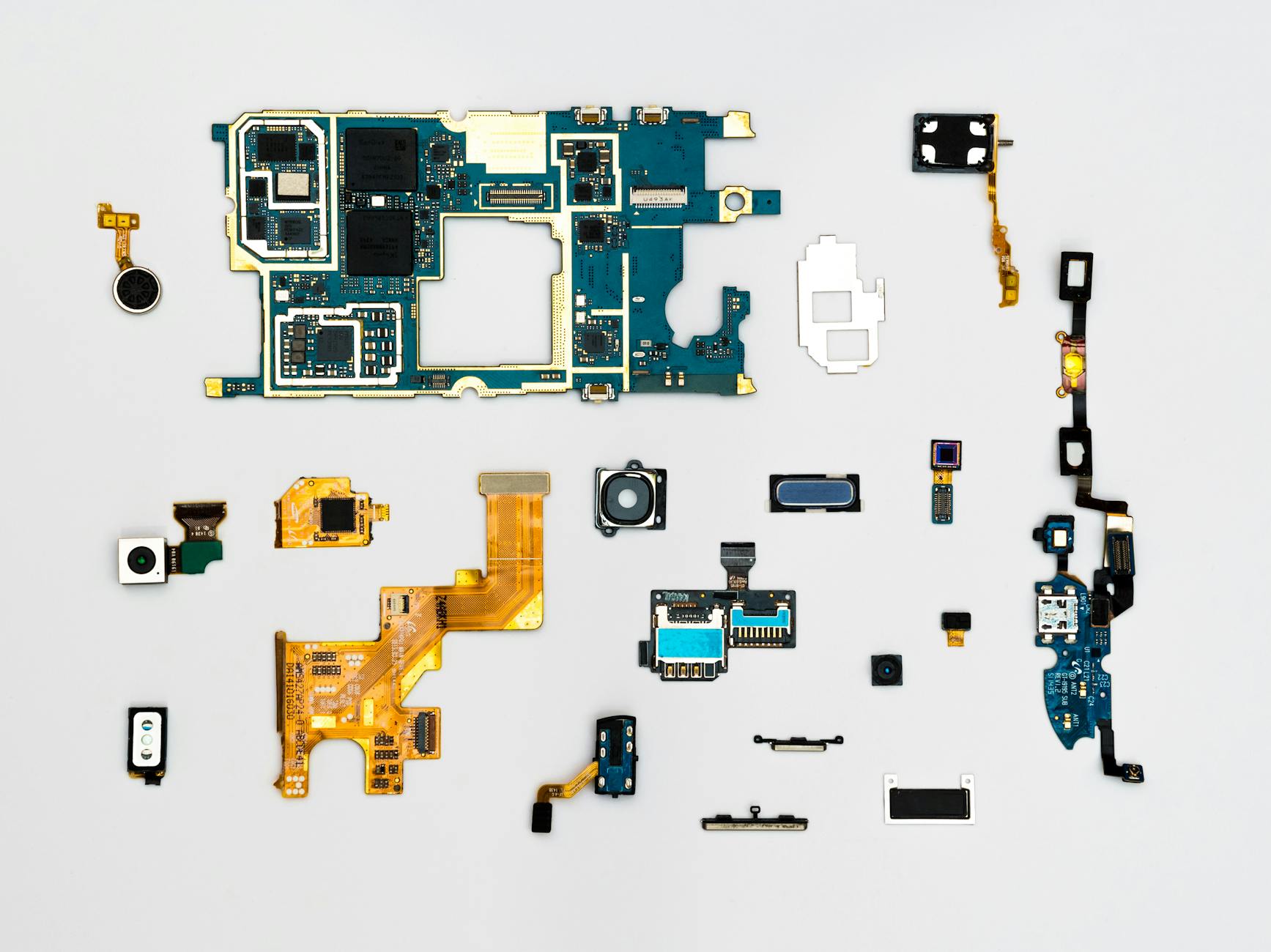 Photo by Dan Cristian Pădureț
Update software and install essential apps
Keep the OS and apps up to date so emergency features work when you need them. Run any available OS updates and enable auto updates for future releases. Then install a few purpose built apps that stay useful offline. For emergencies, consider: an emergency contact card, a medical ID, offline maps, a flashlight, and basic offline messaging. These apps should function without a constant data connection. Regularly review app permissions to protect privacy while staying ready for action. If you want reliable testing references, see guides on running diagnostics on phones and checking battery health.
- Emergency contact card
- Medical ID
- Offline maps
- Flashlight
- Offline messaging
You can also explore trusted resources on offline emergency tools, like how to verify emergency features on Android and iPhone. For deeper guidance, check out these sources: The best emergency apps for iOS and Android, and how to store emergency medical information on your device.
- The best emergency apps for iOS and Android: https://www.digitaltrends.com/phones/the-best-emergency-apps-for-ios-and-android/
- How to store emergency medical information for Android and iOS: https://veroniiiica.com/add-medical-information-for-android-phone/
Store offline resources for offline access
Offline resources ensure you can act even when networks fail. Save offline maps for your most traveled routes and areas you frequent. Compile a compact medical information summary on the device so responders can access it from the lock screen. Prepare a small set of emergency phrases in the languages you might need. Keep a simple guide to basic flashlight use and practical power saving tips on hand. This combination keeps you prepared without relying on real time data.
- Offline maps and navigation
- Medical information (lock screen accessible)
- Emergency phrases (easy to recall)
- Basic flashlight usage
- Power saving tips
If you want practical guidance on storing emergency medical information, you can read about Android and iOS Medical ID implementations. Also consider how to enable the Personal Safety features on Android for quick access during a crisis.
He Was Drowning in Bills and Burnout Until a Simple Daily Ritual Rewired His Brain for Wealth in Less Than a Week
>>> Start Your Shift Today <<<
- How to store emergency medical information on Android and iOS: https://veroniiiica.com/add-medical-information-for-android-phone/
- Get help during an emergency with your Android phone: https://support.google.com/android/answer/9319337?hl=en
Set up emergency features: calls, location, and power
Having a dedicated emergency setup on an old phone can be a real lifeline. It’s about quick access to essential contacts, reliable location tools when data is unavailable, and a clear power plan that keeps the device ready when trouble hits. Below you’ll find practical steps to optimize calls, location features, and power strategies so your backup device stands at the ready when you need it most.
Emergency calling and trusted contacts
Set up a fast, trustworthy way to reach help and keep loved ones in the loop. Start by configuring emergency contacts so they appear on the lock screen and can be reached during a call without unlocking the phone. On iPhone, you can create a Medical ID that first responders can view from the Lock screen, including critical details and emergency contacts. On Android, the Personal Safety features let you save emergency information and share it with responders as needed. For quick reference, see Apple’s guidance on Medical ID setup and Android’s emergency help steps.
- Quick setup ideas: add 3–5 trusted contacts, confirm their phone numbers, and enable Show When Locked.
- Medical ID basics: allergies, conditions, and emergency contacts accessible without unlocking the device.
- Test your setup in a safe environment to confirm reach and accuracy.
For quick how-tos, consider these resources:
- Apple Medical ID setup: https://support.apple.com/en-us/105072
- Android emergency help and Personal Safety: https://support.google.com/android/answer/9319337?hl=en
- Quick tips on emergency contacts for iPhone and Android: https://www.techlicious.com/tip/opt-int-to-share-medical-id-and-emergency-contacts/
Location features and offline navigation
Offline maps and careful location sharing can be life saving when data is scarce. First, save offline map packs for your most traveled routes and areas you frequent. Keep a lightweight map app ready that works without a data connection. If you need to share your location, use cross‑platform options so family or friends can find you whether they use iPhone or Android. Privacy matters here, so disable continuous background location if you don’t need it and review app permissions regularly. For cross‑device sharing guidance, you’ll find solid references from major providers on how to share locations between iPhone and Android.
- Offline navigation tips: download maps for your typical routes, test navigation in flight mode, and keep GPS on for accuracy.
- Location sharing basics: choose trusted contacts and set time-limited sharing where possible.
- Privacy reminders: limit background sharing to essential moments only.
Helpful links for practical steps:
- How to share location between iPhone and Android: https://www.life360.com/learn/how-to-share-location-iphone-android
- Best practices for location sharing and cross‑platform use: https://www.asurion.com/connect/tech-tips/share-location-iphone-android
Power plan for an old device
A clear power strategy keeps your emergency phone usable long enough to get help or reach safety. Start with a simple battery health check and enable Low Power Mode to stretch life during a crisis. Carry a compact, reliable power solution such as a charged power bank and a car charger for quick recharges on the go. If resources allow, consider a small solar charger as a backup for longer outages. Look for practical guides on charging offline and staying powered when electricity is scarce.
- Essentials to have: a charged power bank, car charger, and a backup cable.
- On the move power hacks: enable battery saver, dim the screen, and disable unnecessary radios when appropriate.
- Long-term options: solar charging accessories for extended outages.
For further reading on power backups and keeping devices alive off grid:
- How to charge a phone without electricity: https://www.ecoflow.com/us/blog/how-to-charge-phone-without-electricity
- Portable power and emergency charging guides: https://www.bugoutbagbuilder.com/learning-tutorials/portable-power
With these steps, your old phone becomes a dependable part of your safety plan. You’ll have clear SOS access, reliable offline navigation, and a practical power strategy that keeps you connected when it matters most.
Maintenance and best practices: tests, drills, and security
Keeping an old phone ready as an emergency backup requires regular checks and disciplined habits. This section outlines practical maintenance routines, smart privacy basics, and end‑of‑life care. Treat your backup device like a spare tire: it should be reliable, easy to access, and safely stored until needed. The goal is quick action, not clutter or confusion when time matters.
Regular checks and drills
Plan a monthly quick test routine to stay confident in a pinch. Do a test call to emergency services, send a message to a trusted contact, and confirm the battery holds a charge. Verify that offline maps load without data and that essential apps Open quickly. Keep a small checklist handy and run through it in under 10 minutes. A short, consistent drill reduces panic when it counts.
Security and privacy basics
Lock the screen with a strong PIN or biometric lock. Enable Find My Device or Find My iPhone to locate or secure the phone if misplaced. Consider remote wipe if the device is lost for good. Keep sensitive data off the lock screen and review app permissions regularly. These steps protect your information while letting the phone serve as a trusted backup.
Storage, resets, and end of life
When the backup reaches the end of its life, perform a factory reset to clear personal data. Reuse the device for light tasks or recycle it responsibly through proper programs. Always keep the SIM card safe and consider removing it if you won’t use the device for an extended period. Proper disposal prevents data from slipping into the wrong hands.
Conclusion
A ready backup phone is a quiet safeguard that pays off when plans fail. You’ve learned quick steps to repurpose an old device, from cleaning storage to loading offline maps and SOS tools. The practical payoff is a smartphone that remains useful even without data or power, giving you a fast way to call for help, navigate, and stay informed. Test your setup regularly so your backup is a real lifeline, not a forgotten gadget.
Keep the plan simple and repeatable. Use shortcuts like trusted contacts, medical IDs, and offline resources so you can act fast. A well maintained backup boosts confidence for family hikes, outages, or travel mishaps. If you try one tweak each month, your smartphone becomes a dependable safety net rather than a cluttered relic. Have you tested your emergency plan lately or shared it with someone you trust? Your feedback helps others build smarter backups too.
What If the Only Thing Between You and the Life You Deserve Is a Hidden Wealth Code Waiting to Be Activated
>>> Open the Door <<<
