What If the Only Thing Between You and the Life You Deserve Is a Hidden Wealth Code Waiting to Be Activated
>>> Open the Door <<<

If you’re using a smartphone with a cracked screen, your first concern should be safety and protecting your data. This guide helps you stay safe in the moment, minimize risk, and decide when to repair or replace.
A cracked screen can cut into your fingers, invite moisture and dust inside, and degrade touch accuracy. We’ll cover immediate safety steps, how to protect sensitive information, and practical tips for safer daily use until you fix or replace the device.
By following these steps, you’ll keep using your phone with less risk, safeguard your data, and make a smarter repair decision. This quick baseline sets you up for safer handling, better backups, and a clearer path to recovery.
Assess the crack and secure immediate safety
When a phone screen cracks, safety is the first concern. A damaged pane can splinter and cut skin, while loose shards invite moisture, dust, and further damage. The goal of this section is simple: minimize immediate danger, then set up a safe path to repair or replacement. Treat the cracked area with care, and stay focused on prevention as you continue using the device.
Thousands of People Were Struggling With Money Until They Discovered This One Ancient Secret Hidden in Sound
>>> Unlock It Now <<<

Check for sharp glass and avoid contact
Cracked glass often behaves like tiny, unpredictable blades. A light touch near the crack can send slivers into your skin, especially if pressure concentrates on a pinpoint area. Avoid pressing directly on the crack or applying pressure that could widen the fracture. If you must handle the device, wear thin disposable gloves to reduce the risk of cuts and keep fingers away from loose shards. Never pull fragments that appear loose; they can detach suddenly and cause injury.
A quick safety habit is to handle the phone with clean, dry hands. Moisture or oils can make the glass more slippery and increase the chance of a slip. Keep the device out of reach of pets and kids, who might grab it or bump it and cause a shard to pierce their skin. If you notice any jagged edges that catch on fabric or skin, set the phone down carefully and resume handling with gloves on.
For additional guidance on protecting cracked screens, you can review practical safety tips from reputable guides such as How to Protect a Cracked Phone Screen and other reputable sources. These references emphasize not pressing on the crack, using protective gloves, and avoiding displacement of fragments. Taking these precautions right away helps prevent minor injuries and buys you time to plan repairs. https://www.wikihow.com/Protect-a-Cracked-Phone-Screen
Test screen responsiveness safely
Testing a cracked smartphone screen requires a careful approach. Start with edge gestures to minimize stress on the center of the crack. Lightly run your finger along the outer perimeter to see if the touch response remains consistent without flexing the glass more than necessary. Note any dead zones or areas where touches register inconsistently, and avoid pressing hard near the crack.
As you re-check core functions, limit your testing to minimal pressure. Try unlocking, swiping, and typing with light taps. If you notice the crack shifting, becoming more jagged, or the glass feeling unstable, pause testing immediately. A worsening crack can lead to additional micro-shards or sudden further damage, increasing the risk of injury. If the screen feels unstable at any point, stop and place the device in a safe, stable location until repairs are arranged.
If you want practical, step-by-step tips on evaluating a cracked screen without aggravating it, see resources that walk you through safe handling and cautious testing. These guides emphasize patient, conservative testing and knowing when to stop to protect both your fingers and data. https://www.att.com/tips-tricks/cracked-screen-tips-and-tricks/
Power down and disconnect accessories
Powering down the device and removing all chargers or accessories lowers the risk of short circuits and accidental activation during inspection or transport. Start by turning off the phone completely. If the on-screen power option is unreliable due to the crack, perform a forced shutdown according to your device’s model instructions and then confirm the screen remains unpowered before you touch it further.
Next, unplug any charging cables and detach accessories such as cases, screen protectors, headphones, or external devices. Moisture and metal contacts near the crack can create tiny bridges that increase the chance of shorts or sparks. Place the phone in a safe, dry spot away from children and pets while you arrange repairs. If you have multiple devices, label the cracked one so it doesn’t slip back into daily use by mistake.
To understand why powering down and disconnecting accessories is essential for safety, you can consult reputable safety guides and repair-focused resources. These sources explain how power and accessory connections can interact with damaged glass and why safe storage matters while awaiting service. https://cellularport.com/blog/the-risks-of-using-a-phone-with-a-cracked-screen/
Protect data and plan a safe daily workflow
A cracked phone can still be a useful tool if you protect your data and establish a simple, reliable daily workflow. This section covers practical steps to back up essential information, secure access, and avoid risky behaviors that could expose you to data loss or injuries. By building these routines, you’ll reduce risk and stay productive while you arrange for a repair or replacement.
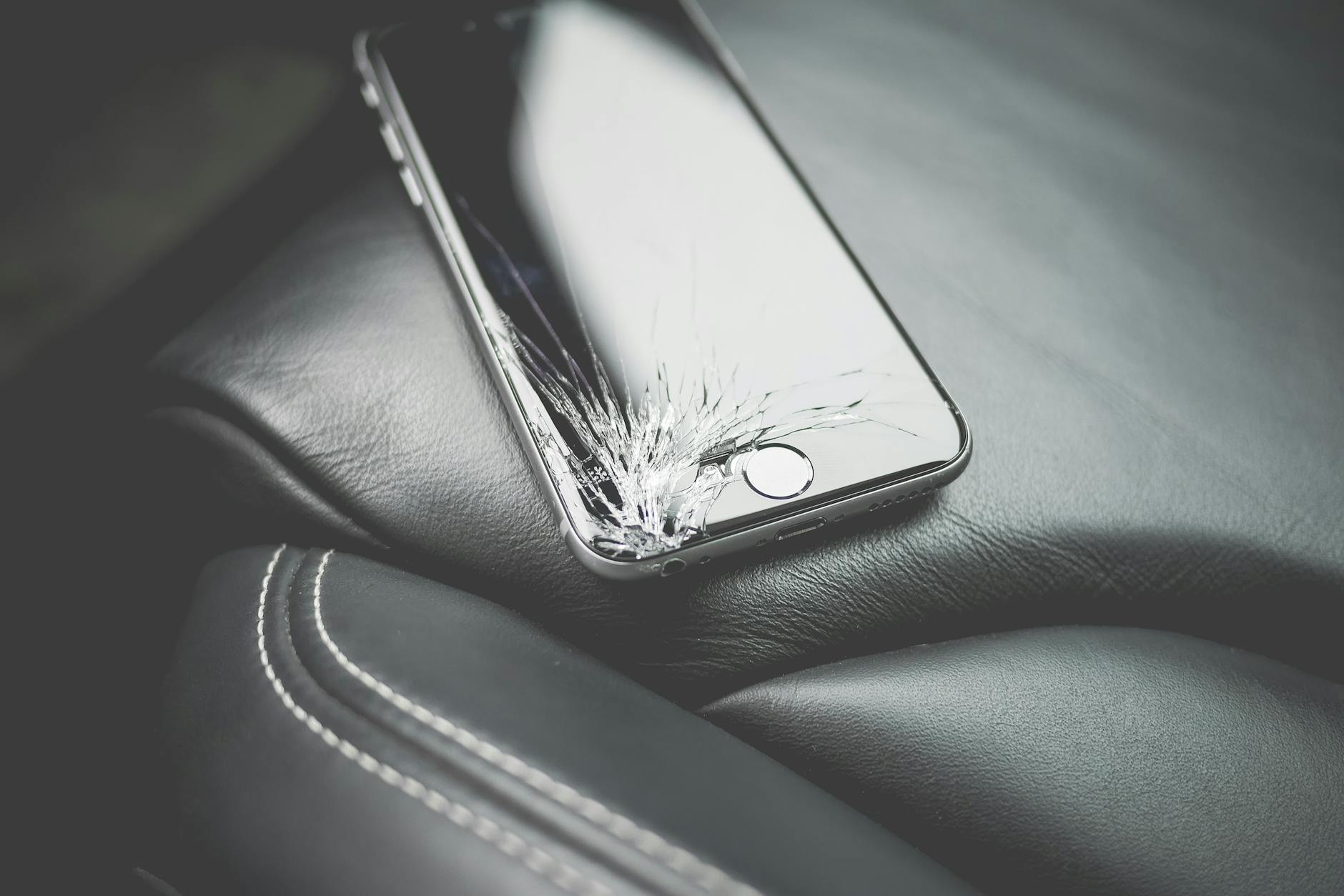 Photo by picjumbo.com
Back up your data now
Backups are your safety net. Start with quick, reliable options that fit your daily rhythm and scale as needed.
- Cloud backups: Use a preferred cloud service to back up photos, contacts, messages, and documents. Automate the process so it runs in the background without you thinking about it. This ensures you won’t lose precious memories or work files if the device fails or gets damaged.
- Computer backups: Regularly copy your important data to a desktop or laptop. Connect your phone and transfer photos, messages, and documents. Consider creating a local encrypted backup for extra protection.
- What to back up: Prioritize photos and videos, contacts, messages, and essential documents. If you rely on apps for work or school, back up app data where possible and note any data that must be restored after a repair.
- Automation is key: Set backups to run automatically. Check the schedule and verify that new items are included. A small weekly review helps you catch anything you missed.
Automating backups reduces the mental load and lowers the chance of forgetting to protect new data. If you’re transitioning from one device to another, look for transfer guides that match your platform, such as Android to Android or iPhone to iPhone, so your routine remains consistent. For more actionable guidance on setting up backups, see the practical guides on backing up Android and iOS data.
- External guide on Android auto backups: https://developer.android.com/identity/data/autobackup
- General back up tips and workflows: https://www.acronis.com/en/blog/posts/how-to-backup-android-phone-to-pc/
- Practical Android lock screen and data protection basics: https://support.google.com/android/answer/9079129?hl=en
Enable security features and lock screen
A strong lock screen is your first line of defense if the device is lost or damaged. It also protects data during daily use when you hand your phone to others or when it sits in a bag or car.
- Choose a strong lock: PIN, password, or biometric. Avoid simple patterns or short codes.
- Disable automatic unlocks: Turn off features that bypass the lock screen when the device is in a trusted state.
- Consider the impact of a cracked screen: A damaged sensor or unreliable display can make unlocking harder, which tempts you to bypass security. A secure lock remains essential to keep data protected if the device is misplaced or broken.
- Practical setup steps: Enable auto-lock after a short period, enable biometric unlock only if it remains reliable, and keep your device’s software updated to ensure security patches apply.
To get a quick sense of how to set or change your screen lock on Android devices, you can review guidance from official support resources. For visual demonstrations, you might find tutorials on how to set up PINs or fingerprints helpful. Learn more here:
- Set screen lock on an Android device: https://support.google.com/android/answer/9079129?hl=en
- How to set up, change and remove screen lock on Android: https://www.asurion.com/connect/tech-tips/how-to-set-up-change-remove-screen-lock-android/
Limit risky apps and behaviors
Cracked glass can be unpredictable, so keeping your daily use within safer boundaries protects both data access and your hands.
- Minimize high-stress activities: Gaming or heavy video editing can strain the screen and worsen a crack. If you must use these apps, do so briefly and with a cautious grip.
- Restrict camera use if the glass is sharp: Take photos only when you can hold the device steadily and avoid squeezing or pressing hard on the screen.
- Avoid bending or twisting the phone: Avoid actions that flex the display, which could shift glass fragments and worsen injuries or data exposure in the micro-risks of the device.
- Safe handling habits: Use a protective case and a screen protector that can help keep the edges from catching on fabric or pockets. Keep the phone away from liquids and extreme temperatures to maintain electronics integrity.
When trying to maximize safety and usability, it helps to review practical safety tips from reputable sources that cover cracked screens and safe handling. For further reading on preventing cracked screens and safer daily use, consider these resources:
- A quick guide to preventing cracked device screens: https://mobileklinik.ca/blog/a-quick-guide-to-preventing-cracked-device-screens/
- Is a cracked phone screen dangerous in practice: https://abqphonerepair.com/info/can-you-still-use-a-phone-with-a-cracked-screen/
If you’re balancing repair timing with daily use, remember that keeping data secure and ensuring you can recover quickly are the real wins. A well-structured backup routine, a robust lock screen, and cautious use habits will carry you through until you reach a repair appointment or a replacement plan.
Additional tip: maintain a repair log. Note when you backed up last, what data was included, and the status of your screen. A simple note helps you stay organized and reduces stress when scheduling service.
- For a broader view on safe daily use and data protection practices, explore related guides and best practices from trusted tech resources. These can provide step-by-step checklists that fit into a busy day.
- Example: https://www.lifewire.com/set-up-android-from-old-phone-11852001
- Example: https://www.acronis.com/en/blog/posts/how-to-backup-android-phone-to-pc/
Images credit: If you use an image here, ensure it aligns with the section and includes a caption noting the photographer.
Make the phone safer to use with a cracked screen
A cracked screen doesn’t have to stop you from using your phone, but it does demand careful handling. With the right protective add-ons and sensible habits, you can reduce the risk of cuts, further damage, and data exposure while you plan a repair. This section gives practical, easy-to-action steps to make your device safer to handle day to day.
Apply a protective screen cover and use a sturdy case
A tempered glass or high-quality plastic screen protector helps keep the cracked glass together and provides a smoother surface for your finger to glide over. The protector acts as a shield that reduces the chance of small shards poking through and minimizes finger injuries if the crack remains exposed. When choosing a case, look for one with textured sides or a grippy back to improve control and limit slips. A well-fitted case can also absorb some impact if you drop the device again.
How to apply a protector quickly and effectively:
- Clean the screen with a microfiber cloth to remove oil and dust.
- If you’re using a liquid or gel adhesive, follow the manufacturer’s cure time exactly.
- Align the protector with the edges and camera notch, then press from the center outward to push out bubbles.
- Check that the edges adhere firmly; if they peel, reseat or replace with a new protector.
If you want a how-to guide, you can review trusted instructions on applying a screen protector. For example, a detailed walkthrough explains steps from cleaning the screen to smoothing out bubbles, ensuring a solid bond. https://www.wikihow.com/Apply-a-Screen-Protector
Use temporary fixes if needed
Temporary fixes can limit exposure to glass and help you keep using the device until you arrange a proper repair. A common, quick-dispense option is clear tape placed over the cracks to hold loose shards in place and reduce direct contact with glass edges. This is strictly a stopgap and should be removed as soon as you can get a proper screen replacement or professional fix.
Key points about temporary fixes:
- They are not a substitute for professional repair.
- Apply gently and avoid pressing on the cracked area.
- Replace or remove the tape if it starts peeling or leaves adhesive residue on the screen.
When to remove a temporary fix: as soon as you can access a repair service or a first-aid assessment is complete. If you notice any sharp edges or the tape lifting, stop using it and seek professional help. For a quick overview on using tape safely, you can consult practical guides that walk through temporary solutions for cracked screens. https://www.docphonefix.com/how-to-safely-repair-a-cracked-phone-screen-at-home
What If the Only Thing Between You and the Life You Deserve Is a Hidden Wealth Code Waiting to Be Activated
>>> Open the Door <<<
Adjust usage patterns to reduce damage
Smarter usage cuts the chance of worsening the crack. Small changes can protect you and extend the phone’s life while you wait for a repair.
Simple habits to adopt:
- Avoid squeezing the phone in tight pockets or between cushions where pressure can stress the glass.
- Don’t use the device with wet hands; moisture can slip and increase the risk of a slip or a short.
- Keep it away from heat sources and extreme cold, which can weaken glass and adhesives.
- Use a protective case and a screen protector to shield edges from everyday trauma.
Balancing safety with daily needs is easier when you keep the device at a comfortable grip and minimize high-impact tasks. If you’re curious about why ignoring a crack can lead to more issues later, credible guides discuss the escalation risks and how to protect yourself and your data. https://www.asurion.com/connect/tech-tips/risks-of-using-a-phone-with-a-cracked-screen/
Additional practical tips include maintaining a repair log to track backups, screen status, and appointment dates. A simple note helps you stay organized and reduces stress when you schedule service. For broader guidance on safe daily use and data protection practices, refer to trusted tech resources that provide checklists you can adapt to a busy day. https://www.lifewire.com/set-up-android-from-old-phone-11852001
Decide between repair or replacement
When your screen is cracked, the choice between repairing and replacing hinges on safety, cost, and how you use your device. A clear framework helps you avoid rushed decisions and keeps you moving forward with confidence. Below you’ll find practical ways to weigh quotes, assess the value of your current phone, and factor in warranties or protection plans. This section is designed to help you decide quickly and accurately, so you can act without unnecessary delay.
Estimate repair costs vs device value
Use a simple framework to decide whether repair makes sense. Start with three figures: the expected repair cost, the current resale value of your device, and the price of a comparable replacement. If the repair cost plus any ancillary fees stays well below half of the phone’s current value, repairing is often the smarter option. If the repair pushes toward or beyond the device’s mid-range resale value, replacement becomes more economical.
Key steps to apply:
- Get at least two written quotes from reputable shops. Match model, screen type, and repair scope to ensure apples-to-apples comparisons.
- Check the device’s current value. For a 2–3 year old model, expect roughly 30–50% of the original price in good condition, though condition and market demand vary by model. Use the data as a guide, not a guarantee.
- Compute a quick bottom line: Repair cost vs. replacement cost plus tax and any carrier reset or data transfer fees.
A practical way to frame the decision is to compare the quoted repair cost to the phone’s current value. If the repair costs more than 60–70% of what the device is worth now, replacement often makes more sense. If the repair is under 40–50% of the current value, repairing typically saves money and reduces downtime.
| Phone Type | Typical repair cost (US) | Typical resale value after 2–3 years | Decision cue |
|---|---|---|---|
| iPhone | $130–$380 | 30–50% of original price | Repair if under 50% value; replace if near or above 60–70% |
| Android | $100–$300 | 20–45% of original price | Similar rule of thumb; consider model demand and maintenance costs |
If you want a precise estimate, use a repair calculator from a trusted shop and compare it with a third‑party resale guide. For quick references, these sources offer price ranges and guidance on when to repair or replace. Links: Swappa’s repair calculator, guidance from independent repair guides, and carrier protection plan options can help you calibrate your decision. https://swappa.com/repair/phone-repair-calculator?srsltid=AfmBOopmoKLd-NyVMkAGepzmqniY_ReMhy1-Z_waMPY-v3j02pqOD2i3
If you’re weighing iPhone vs Android costs, remember newer iPhone screens at Apple stores can be high, but third‑party shops often offer lower prices with varying part quality. For Android devices, costs vary more by model, but third‑party shops frequently provide competitive rates. A quick market snapshot shows typical ranges in the table above, and you can refine the numbers with a couple of local quotes. For model‑specific guidance, reputable guides in the repair space frequently publish updated price bands.
For a broader view of current repair economics, explore sources like the iPhone repair cost guides and Android screen cost comparisons. https://gizmopros.com/android-phone-screen-fixing-cost/
Find reputable repair services
Choosing the right technician matters as much as the price. A trustworthy shop protects your data, uses quality parts, and backs their work with a warranty. Here’s how to pick smartly.
Thousands of People Were Struggling With Money Until They Discovered This One Ancient Secret Hidden in Sound
>>> Unlock It Now <<<
What to look for:
- Transparent quotes: A written itemized estimate that breaks down parts, labor, and tax.
- Parts quality: Ask whether they use original parts, OEM equivalents, or refurbished screens. Higher quality parts usually last longer but come with higher costs.
- Warranty on repairs: Look for at least 90 days to 1 year on labor and parts. A longer warranty often signals confidence in workmanship.
- Reviews and credentials: Check independent review sites and confirm technicians have certifications or affiliations with reputable brands.
- Data handling clarity: Ensure they follow data protection practices and that you can remove personal data before service.
Tips for verifying reputation:
- Read multiple recent reviews across different platforms.
- Ask for before/after photos of the work and parts.
- Inquire about the repair process, including what happens if the screen fails again soon.
Real‑world guidance from repair communities suggests focusing on shops with clear warranties, known part quality, and easy claim processes if something goes wrong. When you’re ready, compare two to three local options and weigh the above criteria. For independent guidance on finding a reliable shop, see consumer‑focused reviews and guides. https://trustpilot.com/categories/phone_repair_service
Consider warranties and insurance
Warranties and protection plans can dramatically shift the economics of repair. A solid warranty on a cracked screen repair protects you if the fix fails or if the screen deteriorates again soon. Insurance or device protection plans add another lever, often including same‑day replacements or repairs.
What typical coverage looks like:
- Manufacturer or retailer warranties: May cover defects but usually exclude accidental damage like cracks. Some plans extend coverage with a service fee or deductible.
- Insurance plans: Monthly or annual premiums can cover accidental damage, sometimes with a deductible per repair. Plans vary by carrier and provider, but many offer rapid replacements if you’re within the policy terms.
- Device protection plans: Some carriers offer plans that include crack repairs with low or zero out‑of‑pocket costs, depending on the model and plan terms.
How to file a claim if needed:
- Confirm coverage: Check your policy or account to confirm you’re enrolled and eligible for coverage.
- Gather required details: Model, IMEI, date of purchase, and incident description. Have any photos of the damage ready if requested.
- Initiate the claim: Use the provider’s online portal or phone line. Expect documentation requirements such as proof of purchase and a deductible.
- Follow through: If approved, choose repair or replacement options offered by the plan and schedule the service.
Useful resources for understanding and filing claims include guides from major carriers and insurers. For example, steps to file with Asurion or major carriers are described in their support pages. https://www.asurion.com/connect/tech-tips/the-simple-guide-to-filing-a-phone-insurance-claim-with-asurion/
Alternative options when the screen is too damaged
When a cracked screen makes daily use risky or impractical, you still have viable ways to stay connected, access data, and keep things moving while you arrange a repair. These alternatives focus on keeping you productive, protecting your information, and reducing the chance of additional injury. Below are practical options you can implement today.
Use another device for calls and messages
If the cracked screen prevents reliable calling or texting, turn to a spare phone, a VoIP app, or your computer to stay connected. A spare device can handle essential calls, messages, and quick communications without risking further damage to the cracked screen. For example, using a VoIP app on a tablet or laptop lets you place calls over Wi-Fi when cellular service is weak or unavailable. If you already have a desktop or laptop handy, you can also text through web or app-based solutions that sync with your phone number.
- Spare phone: Keep a backup device charged and ready for use. Swap SIM cards if needed and ensure it has up-to-date contacts and apps you rely on.
- VoIP apps: Apps like Google Voice or other reputable VoIP services provide reliable texting and calling over the internet. Choose a service you’ve tested and trust.
- Computer messaging: Many messaging platforms let you send and receive messages from your computer, ensuring you stay in touch without touching the damaged screen.
If you want practical alternatives beyond standard SMS, explore reputable VoIP options and how they compare for home or travel use. For more on VoIP choices, see guides like “The All-time Best VoIP App for Businesses” and reputable roundups of top services. https://dialpad.com/blog/best-voip-app/ https:// Forbes.com/advisor/business/software/best-voip-service/
Enable remote control or screen mirroring
When the phone’s display is hard to read or touch, you can view or control it from a computer or another device. Screen mirroring or remote control keeps you productive without bending or poking at the cracked area. Here are reliable approaches and safety notes to consider.
- iPhone mirroring: Use tools that mirror the iPhone screen to a PC or Mac. This lets you type, open apps, and navigate through your phone from a larger, safer display. Be mindful of passwords and secure access when enabling remote control.
- Android mirroring: Many Android devices support screen casting or remote control via desktop apps. Ensure you enable a secure connection and limit permissions to only what you need.
- Safety basics: Always use a strong password and enable two-factor authentication where possible. If you’re mirroring a device that holds sensitive data, restrict access to trusted computers and networks.
Examples of trusted solutions to consider include iMyFone MirrorTo for iPhone, AirDroid Cast for Android, and TeamViewer’s mobile-to-PC features. These tools provide viewing, input, and even recording capabilities from a computer, helping you stay productive during repair. For setup ideas and step-by-step guidance, check out these how-to resources: n/a
- How to mirror or control iPhone with broken screen: https://imyfone.com/mirror-tips/mirror-control-iphone-broken-screen/
- How to view broken Android or iPhone screens on PC: https://airdroid.com/screen-mirror/use-broken-phone-on-pc/
- Transfer your cell phone screen to your PC with TeamViewer: https://www.teamviewer.com/en-us/solutions/use-cases/mobile-screen-to-pc/
Note: When enabling remote access, protect your accounts with strong passwords, disable features that bypass the lock screen, and keep the computer you use free from other sensitive data. If you suspect someone could view your screen, pause until you can secure the connection.
Data transfer and cloud access
Moving critical data to the cloud or another device is essential when the screen becomes unusable. Cloud storage and quick transfers ensure you can reach photos, contacts, documents, and work files without needing to interact with the cracked screen directly.
- Cloud first: Back up photos, videos, contacts, and documents to a trusted cloud service. Automate backups so new content is saved without manual steps.
- Local transfers: Regularly copy important data to a computer or external drive. Encrypt backups for extra protection and keep a simple recovery plan.
- What to back up: Prioritize essential files, work documents, and irreplaceable memories. If you rely on apps that store data locally, note what must be restored after repair.
If you’re unsure how to set up automated backups or want a quick plan, consult guides on backing up Android and iOS data and use a repair calculator to weigh repair vs replacement in light of data access needs. For practical steps, see:
- Android auto backups overview: https://developer.android.com/identity/data/autobackup
- General backup tips and workflows: https://www.acronis.com/en/blog/posts/how-to-backup-android-phone-to-pc/
- Android lock screen and data protection basics: https://support.google.com/android/answer/9079129?hl=en
If you need to move data from a damaged device quickly, you can find updated methods for transferring data from broken devices. For example, guides from AirDroid and Samsung explain how to access or recover data when the screen is not responsive. https://www.airdroid.com/file-transfer/how-to-transfer-data-from-broken-phone/ https://www.samsung.com/uk/support/mobile-devices/i-smashed-my-screen-and-cannot-use-the-touchscreen-is-there-any-way-to-access-my-data/
If the screen still responds to touch in some areas, remote access and cloud-based backups become even more powerful tools. Use them to secure data now, then proceed with a repair plan.
Conclusion
Using a phone with a cracked screen is manageable when you keep safety first, back up your data, and protect access to your information. Start with quick safety steps, then secure your data and adjust daily use until you can repair or replace. A careful plan now saves time, money, and stress later, and it helps you stay productive with your smartphone.
Action checklist
- Prioritize safety: minimize touching the crack, power down, and disconnect accessories.
- Back up data automatically and regularly to cloud and local storage.
- Lock down access: use a strong screen lock and keep software updated.
- Weigh repair vs replacement: compare repair quotes to device value and consider warranties or protection plans.
- Keep a repair log: note backups, screen status, and service dates.
There Is a Frequency That the Wealthiest Families Have Used for Generations and Most People Will Never Know It Exists
>>> Open the Door <<<
