There Is a Frequency That the Wealthiest Families Have Used for Generations and Most People Will Never Know It Exists
>>> Open the Door <<<

Picture this: You’re in the middle of a call or scrolling through photos, and your phone screen goes black. The battery shows plenty of charge left, yet it shuts down without warning. This hits at the worst times and leaves you frustrated.
Many face this issue with their smartphone. It often comes from worn-out batteries that can’t hold steady power, software glitches from buggy apps or updates, or overheating during heavy use. Hardware faults play a role too, but most cases have straightforward fixes.
Don’t worry; you can get your phone back to normal fast. Start with a simple restart to clear temporary glitches. Then check for software updates to patch known bugs.
Next, delete recent or suspicious apps that drain power unevenly. Manage heat by closing background tasks and avoiding direct sun. If needed, inspect for physical damage or boot into safe mode.
Thousands of People Were Struggling With Money Until They Discovered This One Ancient Secret Hidden in Sound
>>> Unlock It Now <<<

These steps resolve the problem for most users. You’ll save time, avoid repair shops, and keep your device running smoothly. Follow along for detailed guides on each fix.
Spot the Common Causes of Random Phone Shutdowns
When your phone turns off unexpectedly, it can feel like a puzzle with pieces that don’t quite fit. The good news is that most shutdowns fall into a few predictable categories. Understanding what’s happening helps you fix the issue faster and keep your device reliable. Below, we break down the three most common culprits and share practical steps you can take right away.
Worn-Out or Faulty Batteries
Batteries wear out over time, and their ability to hold a steady charge declines even if your gauge shows a healthy percentage. You might see 50% on the screen, but the battery can’t supply consistent power, causing the device to shut down suddenly. On iPhones, you can check battery health in Settings > Battery > Battery Health. If the maximum capacity is well below 100% or you notice rapid drain and heat, the battery is the likely culprit and should be replaced. For Android users, battery health varies by device and software, but third-party apps and built-in diagnostics can help you gauge the health and charging cycles. If you’re unsure, a battery check from a professional or a trusted service can confirm if a replacement is needed.
- Signs to watch: quick drains, the phone gets hot quickly, or the device shuts off at only moderate usage.
- Quick checks: look for the battery health indicator in your device settings, and consider a dedicated battery health app if your OS doesn’t offer native insights.
If you’re curious about how to verify battery health across ecosystems, see Apple’s official guidance on battery health and usage insights, and Android battery health resources for a practical assessment approach. For iPhone users, Apple’s support article explains how battery health and usage insights help you understand performance and plan for a replacement when needed. For Android, reputable guides outline how to monitor charging cycles and capacity to avoid unexpected shutdowns.
- Apple battery health reference: https://support.apple.com/en-us/120745
- Android health perspectives: https://www.androidauthority.com/check-battery-health-on-android-3337030/
If you suspect a battery issue, prioritize a professional check. A battery replacement can restore reliable power delivery and stop the shutdowns you’ve been battling.
Software Glitches and Outdated Updates
Software bugs can sneak in with new apps, OS versions, or corrupted files. A buggy app may crash or hog system resources, while an unstable OS build can trigger random shutdowns under load. Recently installed apps or updates are frequent culprits, especially if the problem starts soon after a new install or a system update.
- Common scenarios: a freshly updated OS causes instability, a new app behaves poorly in the background, or a system file becomes corrupted during an update.
- Quick checks: review recently installed apps, test the device in Safe Mode to see if the shutdowns persist, and ensure you’re on the latest stable OS version. If the issue began after an update, you may need to re-install the update or revert to a prior version when possible.
- Longer-term fixes: clear cache for problematic apps, reset network settings if connectivity-related processes seem stuck, and perform a factory reset only after backing up data if other fixes don’t resolve the problem.
You can explore broader guidance on this topic from sources that discuss how software glitches and outdated updates lead to random restarts. Understanding how to spot faulty updates and buggy apps helps you act quickly and avoid repeat issues.
- Why phones random shut off and fixes: https://nsysgroup.com/blog/understanding-random-phone-shutdowns-insights-for-refurbishers-and-repairers/
- Android restart guidance: https://www.wpfastestcache.com/blog/why-your-android-phone-randomly-restarts-and-what-it-means-for-repairs/
- User discussions on updates and shutdowns: https://discussions.apple.com/thread/255947534
If you confirm a software angle, try updating to the latest stable version, uninstall recently added apps, and, if needed, perform a clean reinstall of the OS after backing up your data.
Overheating from Heavy Use
Extreme heat stresses internal components and can cause automatic shutdowns to protect the battery and processor. Prolonged gaming, navigation with maps, or streaming in direct sun can push temperatures to levels that force the device to power down before damage occurs. Even if your screen shows a comfortable charge, heat can derail performance and trigger protective shutdowns.
- How heat triggers shutdowns: the device limits power to core components to prevent damage, and some phones temporarily throttle performance to cool down.
- Common hot scenarios: long gaming sessions, GPS-heavy trips in bright sun, or leaving the device in a hot car or direct sunlight.
- Prevention tips: keep the device out of direct sun, remove bulky cases when charging in hot environments, close background apps that drain CPU, and avoid charging while gaming in high temperatures.
If you need a quick read on heat and how to manage it, there are practical guides on how heat damages a phone and simple steps to prevent it. Keeping your device cool not only helps avoid shutdowns but also protects battery health over time.
- Heat and damage overview: https://www.pullupphonerepair.com/blog-posts/how-heat-damages-your-phone
- Overheating fixes and prevention: https://rockawayhc.com/why-does-my-phone-overheat-and-how-to-fix-it/
- Heat in hot weather and device care: https://www.samsung.com/uk/support/mobile-devices/stop-phone-heating-in-hot-weather/
In hot conditions, small steps can make a big difference. Move to a shaded area, turn on Airplane mode if you don’t need calls, and give the device a cooling break after heavy use.
If you want a quick reference, you can start by checking battery health indicators first, then test for software issues, and finally observe how the phone behaves under heat. Each of these avenues has a straightforward fix, and many users resolve the problem without a repair visit. If you’d like, I can tailor a step-by-step diagnostic checklist for your specific device model and OS version.
Try These Quick Fixes First to Stop Shutdowns
When your phone powers down with battery still showing charge, it can feel like a mystery you must solve quickly. The good news is most shutdowns are fixable with simple, practical steps you can perform at home. This section lays out fast, effective fixes you can try right away. We’ll start with restarting, then move to software improvements, and finally address cache and memory management. Each sub-section includes real-world steps and reputable resources to guide you.
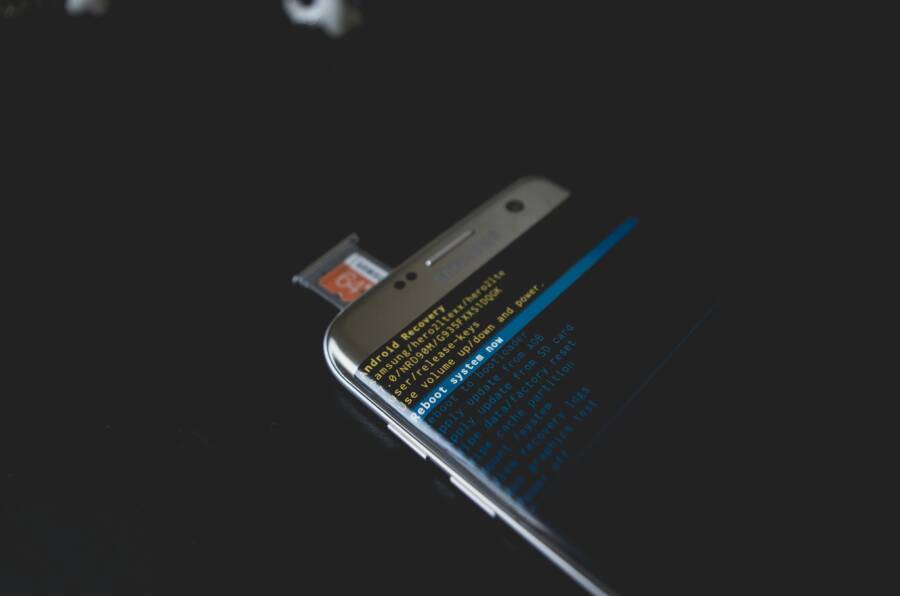
 Photo by Kelvin Valerio
Restart and Force Restart Your Phone
A quick restart can clear temporary glitches that cause a shutdown. It’s the simplest and fastest way to reset the device state without losing data. If a regular reboot doesn’t help, a force restart can clear deeper freezes and unresponsive processes.
- For Samsung Galaxy phones: press and hold the Volume Down + Power buttons together for about 7–10 seconds until the device restarts. If your model uses a different combo, try Volume Up + Power or consult the official Samsung support for your model.
- For Google Pixel phones: press and hold the Power button for about 10 seconds, then tap Restart when prompted. If the device is unresponsive, hold Power and Volume Up together for a hard restart.
- For iPhone: depending on the model, use the appropriate button sequence to force restart. For current models, quickly press and release the volume up button, press and release the volume down button, then press and hold the side button until the Apple logo appears.
If the problem persists after a restart, check for any recently installed apps or updates that could be causing the issue. For a deeper dive into force restarts on different devices, see these guides:
What If the Only Thing Between You and the Life You Deserve Is a Hidden Wealth Code Waiting to Be Activated
>>> Open the Door <<<

- Force restart iPhone: https://support.apple.com/en-am/guide/iphone/iph8903c3ee6/ios
- How to hard reset a frozen phone: https://www.themobilebase.ca/blogs/news/how-to-hard-reset-a-frozen-phone-button-techniques-for-popular-models?srsltid=AfmBOop_3LgkLk9LhIZ_ChAsfSoHegNOiIcebN2U8UG0kamXbdvYDlWp
- Android reset basics: YouTube quick demo (useful if you’re a visual learner): https://www.youtube.com/watch?v=3cguO2aA3Ag
Why this helps: a clean reboot stops background tasks from locking the system in a bad state. It often resolves the issue without touching your data. If you’re new to a force restart, keep a note of the exact button combo for your model so you can act quickly in the future.
Update Your Phone’s Software and Apps
Software updates are more than new features; they fix bugs that can cause random shutdowns. If a bug in the OS or in a stubborn app is triggering these events, updating can restore stability.
- Start with your device’s OS update. Install any pending system updates, as these often include critical fixes for power management and battery handling.
- Update your apps. Outdated or poorly behaving apps can stretch CPU time or create memory leaks that lead to shutdowns.
- Don’t forget the app stores. On Android, update the Play Store app and all installed apps. On iPhone, update the App Store and all installed apps.
If you’re unsure where to begin, here are solid resources to guide you through the process:
- How to update the Play Store & apps on Android: https://support.google.com/googleplay/answer/113412
- Update apps from the App Store on iPhone: https://support.apple.com/guide/iphone/update-apps-iph98709f167/ios
- How to update your smartphone and tablet apps (general guidance): https://www.pcmag.com/how-to/how-to-update-your-smartphone-and-tablet-apps
What to do if an update introduces instability: you can reinstall the problematic update or, if feasible, revert to a prior version. Always back up important data before major OS changes.
Clear Cache and Close Resource-Hogging Apps
A cluttered cache and hungry background apps can drain RAM and push the device into a state where it shuts down to protect the hardware. Clearing cache and trimming background activity gives the system breathing room and helps stabilize power delivery.
- Android users: clear cache per app or use a system-wide cache clearing approach via Settings > Apps > Storage > Clear Cache. This reduces the load from apps that store large temporary files.
- iPhone users: iOS manages cache differently. You can help the system by closing recently used apps and, if needed, performing a broader cache refresh through offloading unused apps or reinstalling apps with data backup in mind.
If you want practical how-to reads to get this done quickly, check these sources:
- How to clear app cache on Android: https://www.youtube.com/watch?v=1fHuYbKlSls
- How to clear cache on iPhone: https://softorino.com/blog/how-to-clear-app-cache
- How to clear cache on iPhone (Swappie guide): https://swappie.com/us/blog/how-to-clear-cache-on-iphone/
Key takeaways: freeing up RAM helps prevent unexpected shutdowns, especially during heavy use. If you notice a particular app consistently consuming CPU or memory, consider alternatives or tighter background restrictions.
Images can make this section easier to scan and follow. For example, use a visual when explaining the restart steps or cache clearing paths to keep readers engaged.
What’s next If you’ve tried these quick fixes and your phone still shuts down with battery left, it’s time to run a targeted diagnostic. Start with a battery health check, then verify software integrity, and finally observe how the device behaves under heat. I can help tailor a step-by-step checklist for your exact model and OS version.
Deep Dive into Battery Checks and Replacements
When your phone acts up with power in the tank yet suddenly shuts off, the culprit is often a battery that’s past its prime or a calibration that’s out of sync. This section focuses on practical ways to verify battery health, correct misreadings, and decide if a replacement is the right move. You’ll find step-by-step actions, quick-check indicators, and reputable sources to back your choices.
Test Your Battery Health Right Now
Assessing battery health gives you a clear picture of whether the shutdowns come from aging power packs or something more stubborn. Start with simple checks, then move to deeper diagnostics if needed.
- iPhone users: navigate to Settings > Battery > Battery Health. Look for Maximum Capacity and Peak Performance Capability. If Maximum Capacity is well below 100 percent or you notice rapid drain and heat, plan for a replacement. For a structured overview, Apple’s battery health guidance explains how usage insights help you decide when to replace. You can also verify general guidance on iPhone battery health from trusted sources like MacRumors and Asurion. See Apple’s official reference for recalibrating and understanding battery health reporting if you notice inconsistent readings.
- Key readouts to watch: Battery Health, Maximum Capacity, and the message about the battery needing service.
- What to do next: if health is poor or you see unusual drain, book service with Apple or an authorized provider.
- Android users: health indicators differ by device and OS skin, but many phones expose battery health data in Settings or via built-in diagnostics. If yours doesn’t show a clear health metric, third‑party apps such as battery monitors can reveal charge cycles, age, and wear level. In cases where readings don’t match behavior (dead at 40% or sudden shutoffs), a professional check is wise. For practical methods to gauge health across ecosystems, see Android-focused guides that discuss charging cycles and wear, along with reputable app recommendations to monitor health.
- Quick signals that point to battery trouble: rapid temperature rise, sudden shutdowns at moderate usage, unexpected battery drain, or inconsistent readings between the gauge and actual performance. If you’re unsure, a professional battery health check can confirm whether a replacement is needed. If you want a quick sanity check, compare your device’s behavior to the typical signs above and use the official health indicators on iPhone or trusted Android diagnostics as a baseline.
- External references to broaden your understanding:
- Apple battery health guidance and usage insights: https://support.apple.com/en-us/120745
- Android battery health perspectives and monitoring: https://www.androidauthority.com/check-battery-health-on-android-3337030/
If you suspect a battery issue after these checks, plan a replacement from an authorized service provider. A fresh battery restores reliable power delivery and stops those unplanned shutoffs.
Thousands of People Were Struggling With Money Until They Discovered This One Ancient Secret Hidden in Sound
>>> Unlock It Now <<<
Calibrate the Battery Meter
Battery readings can drift over time, especially after software updates or long periods of heavy use. Calibration helps the system report a more accurate charge level, reducing the chance of shutdowns caused by misreadings rather than real power loss. A full calibration involves letting the battery drain to zero, then charging to full while keeping the device on until full, and finally using it normally again to re-anchor the gauge.
- Step-by-step for iPhone:
- Use the phone until it dies and remains off.
- Leave it resting for 2–4 hours.
- Charge uninterrupted to 100 percent.
- Use the device normally and monitor whether the reported charge aligns with actual usage.
- If issues persist, recalibration guidance from Apple notes that battery health reporting can recalibrate after system updates. See Apple’s official recalibration article for specifics on iOS 14.5 and later.
- Step-by-step for Android:
- Use the device until battery is fully drained.
- Charge to 100 percent without interruption.
- Repeat the cycle once or twice to normalize readings.
- If readings remain off, check for system or app-level factors that could distort the gauge and consider a factory reset only after backing up data if other fixes fail.
- Why calibration helps: it doesn’t fix battery health, but it aligns the percentage display with actual capacity. This reduces the chance you’ll misinterpret a healthy battery as needing replacement or vice versa. If calibration doesn’t fix the perception issue, you may still be dealing with wear or a software bug.
- Useful references on calibration and health reporting:
- iOS recalibration guidance and battery health reporting notes: https://support.apple.com/en-us/119954
- Guidance on calibration and related discussions: https://www.youtube.com/watch?v=gmJ7-dcAFOo
- Practical iPhone battery calibration tips from article sources: https://yourphoneguyllc.com/blog-list/how-to-calibrate-iphone-battery
- Android-specific calibration ideas from reputable guides and discussions: see Android battery health guidance and user forums. If you notice an ongoing mismatch after calibration, it’s smart to test in Safe Mode to rule out third-party app interference.
Tip: Calibration is a low-risk step you can perform quickly. If the battery itself is worn, calibration won’t fix the underlying problem, but it can buy you time and give you a clearer read on when replacement is truly needed.
Replace the Battery if Needed
If tests show a worn, unreliable, or swollen battery, replacement is the best path. A new battery can restore reliable power delivery, improve charging behavior, and stop random shutdowns. Here’s how to approach replacement with confidence.
- Find authorized services:
- Apple devices: use Apple Authorized Service Providers or Apple Stores. Apple’s service pages guide you through scheduling, sending in, or getting a repair estimate. https://support.apple.com/iphone/repair/battery-replacement
- iPhone replacement options and official repair process: https://support.apple.com/iphone/repair
- Independent shops can provide quality parts, but verify they use genuine or high-quality OEM batteries and offer warranty on labor and parts.
- For Android devices:
- Battery replacement options vary by brand. Authorized service centers provide genuine parts and standardized warranties, but costs and turnaround times differ. Use the store locator on major repair networks to find a nearby option.
- If you’re considering DIY, be mindful of warranty implications and safety. Most modern phones use complex battery assemblies and require specific tools and precautions.
- Costs and warranties:
- In the United States, the typical cost to replace an iPhone battery at an authorized service center ranges from about $79 to $129, depending on model. Newer models often are around $119, with older models sometimes lower. AppleCare+ can reduce out-of-pocket costs for battery replacements.
- Android replacement costs vary by brand and model, but authorized services generally fall in the lower to mid range of typical replacement fees. It helps to ask for a written estimate and compare with any included warranty terms.
- Turnaround times:
- Most replacements take about 1 to 2 hours at authorized centers, though complex diagnostics or mail-in service can take longer. If you’re traveling or have a tight schedule, ask for same-day options when available.
- What to expect during service:
- Certified technicians will use genuine or OEM-grade batteries and perform tests to ensure power delivery is stable after installation.
- You’ll typically receive a warranty on the new battery and the service work. If you have an extended service plan, review the coverage to see if a battery replacement is included.
- Practical steps before replacement:
- Back up data, especially if you’re sending the device in for service.
- Remove sensitive information and log out of accounts if requested by the service provider.
- If the device is under warranty or AppleCare+, confirm the coverage and any out-of-pocket costs in advance.
- Quick reference on costs:
- iPhone battery replacement (authorized service centers, US): typical range $79–$129; newer models at about $119; AppleCare+ can reduce the price.
- Android battery replacement (authorized centers, US): often $50–$100 depending on brand and model.
- External resources for cost awareness:
- iPhone battery replacement overview and service options: https://support.apple.com/iphone/repair/battery-replacement
- iPhone repair and service general guidance: https://support.apple.com/iphone/repair
- iFixit battery replacement costs and considerations: https://www.ifixit.com/Wiki/iPhone_Battery_Replacement
- Google Pixel and Samsung battery replacement services: https://www.ubreakifix.com/repairs/smartphones/google-pixel/services/battery-replacement
If a replacement is your path, you’ll gain a more predictable performance profile and a longer window before the next battery-related fix becomes necessary. A new battery not only reduces the risk of sudden shutdowns but also helps preserve the overall health of the device over time.
External references and practical pricing snapshots from authorized services and reputable outlets provide a realistic view of what to expect in the US market. For a quick snapshot, the latest data shows typical replacement costs and service times across major brands, helping you budget with confidence.
To help you plan ahead, you can compare models and service options with official price guides and trusted repair networks. If you want, I can tailor a personalized replacement plan based on your exact model, age, and budget.
External links integrated for quick reference
- iPhone Battery Replacement (Apple official): https://support.apple.com/iphone/repair/battery-replacement
- iPhone Repair and Service (Apple official): https://support.apple.com/iphone/repair
- iPhone Battery Replacement costs and considerations (iFixit): https://www.ifixit.com/Wiki/iPhone_Battery_Replacement
- Google Pixel battery replacements (uBreakiFix by Asurion): https://www.ubreakifix.com/repairs/smartphones/google-pixel/services/battery-replacement
- Get a sense of overall replacement costs and timelines (real-time data snapshot): the latest average costs on authorized services in the US show iPhone batteries typically around $79–$129 and Android replacements around $50–$100, with service times usually 1–2 hours.
If you’re unsure about the best next move, start with a battery health check and calibration. If the signs point to wear rather than software issues, a replacement at an authorized service center offers the most reliable path back to consistent power.
Advanced Steps and When to Call a Pro
When basic fixes don’t stop your phone from dying with battery still showing a charge, it’s time to escalate. This section covers advanced diagnostics, careful battery handling, and professional thresholds. You’ll learn how to verify whether software, hardware, or calibration is to blame, and when a pro is the smarter path. Think of these steps as the final polish before you decide a repair is unavoidable. Along the way, you’ll see practical tips you can apply to both Android and iPhone devices.
Boot into Safe Mode to Test Apps
Safe Mode is your first serious diagnostic tool. It runs the phone with only core system software and services, temporarily disabling all third-party apps. If the shutdowns stop in Safe Mode, you’ve likely got a misbehaving app or a bad update as the culprit. If the problem persists, the issue more likely points to hardware or the OS itself rather than a rogue app.
- Android equivalents: To enter Safe Mode, power off the device, then power it back on while holding the volume down button until the Home screen or a Safe Mode label appears. In Safe Mode, monitor the device for stability. If it runs normally, start uninstalling recently installed apps one by one, reboot normally after each uninstall to identify the culprit.
- iPhone equivalents: iPhones don’t have a Safe Mode like Android, but you can simulate a similar diagnostic by checking behavior in a clean software state. A practical approach is to reset settings (Settings > General > Reset > Reset All Settings) or perform a controlled rearrangement of apps after backing up. If the shutdowns disappear in a minimized setup, suspect a recently installed app or configuration change.
Why this matters: Safe Mode isolates potential software faults from the baseline system. If you determine a problematic app is the cause, you can remove it permanently or replace it with a lighter alternative. For a deeper understanding of Safe Mode workflows on Android, see official guidance on problem apps and safe-mode testing. You can also review Android safe mode basics and related troubleshooting tips from reputable sources.
- Helpful reference on Android Safe Mode: https://support.google.com/android/answer/7665064?hl=en
- Practical Android Safe Mode walkthroughs: https://digimob.com.au/how-to-boot-android-phone-in-safe-mode-and-disable-safe-mode-a-step-by-step-guide/
If Safe Mode eliminates the shutdowns, you’re likely dealing with software or a rogue app. If not, plan for a broader hardware check or OS reinstall with a data backup in hand.
Factory Reset as Last Resort
A factory reset wipes the device back to its original software state. It’s a powerful reset that can clear stubborn software corruption, problematic caches, and buggy configurations. Treat this as your last resort after you’ve tried safer alternatives, and only after you’ve backed up everything you don’t want to lose.
Before you factory reset:
- Back up your data: photos, messages, notes, and app data. For iPhone, use iCloud or iTunes/Finder backups. For Android, use Google Drive or local backups with your preferred cloud service.
- Prepare for setup: gather login credentials for essential apps and accounts to make restoration smoother.
How to perform the reset:
- Android: Settings > System > Reset > Factory data reset. Confirm and allow the device to wipe all data, then set it up as new or restore from a chosen backup.
- iPhone: Settings > General > Transfer or Reset iPhone > Erase All Content and Settings. After reset, restore from the most recent backup during the setup flow.
What to expect after:
- A clean slate can resolve corrupted system files and misbehaving services that cause shutdowns. If the issue persists after a reset, the problem is more likely hardware related or due to a deeper OS issue that needs vendor-level attention.
Guidance from trusted sources highlights how a factory reset can fix battery-related software problems, especially after a long period of updates and app churn. Be mindful that you’ll lose non-backed data, so plan carefully. For general reset guidance across devices, you can refer to PCMag’s factory reset article and official help guides.
- Factory reset guidance for iPhone and Android: https://www.pcmag.com/how-to/factory-reset-iphone-ipad-android-device
- Backup and restore guidance for iPhone and Android: https://helpdesk.mbts.edu/hc/en-us/articles/30835813238420-Restoring-your-iPhone-or-Android-Phone-from-a-Backup
- Official iPhone reset and restore options: https://support.apple.com/iphone/repair
- Official Android reset instructions: https://www.android.com/intl/en_uk/articles/how-to-reset-android-device/
When to call a pro after a factory reset:
- If the device still shuts down with battery left after a full reset, hardware issues are highly likely. A pro can check the battery, charging circuits, and internal connectors for faults. You’ll want a service tech who can test the battery under load and verify power delivery stability.
Inspect Hardware and Seek Repair
If software angles are ruled out, hardware becomes the next frontier. A combination of user-facing checks and professional diagnostics will determine whether a damaged battery, swollen pack, water exposure, or a faulty charging circuit is to blame.
- Water damage and corrosion: Even small amounts of moisture can corrode connectors and sensors, leading to unreliable power delivery. If your device shows signs of moisture intrusion, stop using it, power it off, and seek professional inspection promptly.
- Drops and impact: A hard hit can loosen internal connections, crack the battery, or misalign the motherboard traces that handle power. A tech with the right tools can re-seat components, test the battery, and ensure the charging path is sound.
- Pro diagnosis steps: A technician will typically check the battery health with calibrated test equipment, inspect the charging port for debris or damage, verify the battery connector seating, and assess signs of heat damage. They may also run a board-level diagnostic to rule out microfaults.
What you should look for when choosing a repair pro:
- Credentials: Look for authorized service centers or manufacturers’ repair partners with clear warranty policies.
- Parts quality: Ask whether they use genuine or high-quality OEM batteries and parts.
- Turnaround and cost: Request a written estimate and compare across a couple of trusted shops. In many cases, quick diagnostics are offered free or for a small fee.
If you’d like to see real-world options in the United States, there are multiple reputable channels offering certified repair services across major cities. For example, uBreakiFix and other authorized centers provide battery replacements and diagnostic services for a wide range of models. When you’re ready, compare options to find a nearby pro who can test power delivery and confirm a battery replacement or other fixes.
- Authorized repair network examples: https://www.ubreakifix.com/repairs/smartphones
- Independent repair options: https://www.cellairis.com/salt-lake-cell-phone-repair
- Local service listings and trusted technicians: https://www.angi.com/companylist/us/ut/salt-lake-city/phone-repair.htm
Signs that you should seek professional help now:
- The device swells or shows visible battery bulges.
- The phone shuts down even when the battery gauge reads high.
- Your charging port shows corrosion, bent connectors, or physical damage.
- You’ve attempted software fixes and recalibration without improvement.
Professional diagnostics give you a clear path back to reliability. A trained technician can confirm whether a battery replacement, motherboard repair, or a more involved component fix is required.
External links and resources for hardware care and repair readiness:
- Battery replacement costs and service options for iPhone: https://support.apple.com/iphone/repair/battery-replacement
- iFixit’s battery replacement costs and considerations: https://www.ifixit.com/Wiki/iPhone_Battery_Replacement
- Google Pixel and Samsung battery replacement services: https://www.ubreakifix.com/repairs/smartphones/google-pixel/services/battery-replacement
In most cases, hardware diagnostics are the surest way to end the guessing. If the battery is swollen or the power path is compromised, replacing the battery or repairing the power circuitry will restore reliable operation and extend the life of your device.
External references and practical cost snapshots
- iPhone battery replacement overview and service options: https://support.apple.com/iphone/repair/battery-replacement
- iPhone repair and service guidance: https://support.apple.com/iphone/repair
- Battery replacement costs and considerations (iFixit): https://www.ifixit.com/Wiki/iPhone_Battery_Replacement
- Pixel and Android battery service options (uBreakiFix): https://www.ubreakifix.com/repairs/smartphones/google-pixel/services/battery-replacement
When to choose repair over replacement: if your device still holds a charge inconsistently or shows intermittent shutdowns after a battery replacement, discuss warranty terms and possible component-level fixes with your tech. A successful repair can deliver stable power and preserve data integrity, offering a longer horizon before the next issue arises.
If you want, I can tailor a targeted diagnostic plan for your exact model and symptoms, so you know what to expect at each step and how to communicate with a repair shop.
Conclusion
Most fixes for a phone that shuts down with battery left can be done at home and end up saving time and money. Start with quick checks to confirm if the issue is software or a worn battery, then move to targeted steps.
Checklist you can follow now:
- Calibrate the battery meter with a full discharge and recharge cycle.
- Update the system and essential apps to the latest stable versions.
- Close or remove power hogging apps and enable Battery Saver when needed.
- Keep the device out of extreme heat or direct sun.
- If the problem persists, test in Safe Mode to rule out rogue apps.
- Consider a professional battery or hardware check if swelling or rapid heat appears.
If you’ve found a step that works, share your experience in the comments so others can try it quickly. This post helps readers compare simple at home remedies before moving to a repair shop. For those who want more, I can tailor a step by step diagnostic plan for your exact model and OS version. If you found this guide useful, please share it with friends who might face the same issue. Your feedback keeps this knowledge hub practical and trustworthy.
He Was Drowning in Bills and Burnout Until a Simple Daily Ritual Rewired His Brain for Wealth in Less Than a Week
>>> Start Your Shift Today <<<
