She Pressed Play on a Strange Audio Track and Within Days Her Financial Reality Started Shifting in Ways She Could Not Explain
>>> See How It Works <<<

A sudden fall, a quick glance from a stranger, and suddenly a lost moment becomes a risky one. It’s a reminder of how fast someone can peek at your photos, messages, or apps when your phone is unlocked. That’s exactly why lock screen security matters, because a small habit now can save you big trouble later.
If you don’t have protection, your personal stuff is exposed the moment you misplace your device. A simple lock screen can keep photos, apps, and messages away from prying eyes. Every smartphone needs this basic protection, and the setup is quick and straightforward.
This guide walks you through easy steps for both Android and iPhone users. We’ll cover turning on a passcode, enabling biometric options like fingerprint or face ID, and choosing sensible lock screen settings. By the end, you’ll know how to keep your data safe with a few taps and avoid common missteps that leave your device vulnerable.
Why Turn On Lock Screen Security Right Now
Lock screen security isn’t just a nice-to-have feature. It’s a first line of defense that protects your personal information the moment your phone leaves your hand. Even a quick glance at a notification on a locked device can reveal sensitive details if you don’t have any protection. Turning on lock screen security is fast, easy, and has a clear, immediate payoff. For many people, it’s the simplest step to reduce risk in everyday life.
What If the Only Thing Between You and the Life You Deserve Is a Hidden Wealth Code Waiting to Be Activated
>>> Open the Door <<<

Immediate protection against casual access
When your phone is locked, strangers can’t open apps, view photos, or read messages with a single tap. A strong lock screen acts like a basic barrier, much like a door with a reliable lock. It prevents prying eyes from casually swiping through your conversations, banking apps, or personal photos. In public spaces, this tiny barrier translates into a big drop in the chance someone will take a closer peek.
- Your most private data stays shielded until you decide to unlock.
- It makes it harder for someone to use your device for quick, opportunistic theft.
- It buys you time to notice and respond if your phone is lost or misplaced.
For context, phone theft is not only a property crime; it also intersects with cybersecurity risks. Stolen devices can become gateways to personal and work data, especially if weak or no lock screen protection exists. A growing body of reporting highlights how theft can evolve into data breaches or identity exposure when devices are compromised. This is why turning on lock screen security right away matters. For an overview of the broader security risks linked to phone theft, see industry discussions on this topic. Help Net Security offers a concise picture of how theft can become a cybersecurity threat.
Reducing risk of data exposure in transit
People often underestimate how quickly lock screen protection pays off. A locked screen means your reminders, notes, and app shortcuts aren’t exposed to anyone who borrows your phone or finds it left unattended. Even without entering a passcode, some devices apply a minimal layer of protection by requiring authentication for sensitive actions, but the default should be a full lock when not in use. The fewer doors open, the smaller the chance a malicious actor has to access private information.
- Even a short moment of exposure can lead to unintentional data sharing.
- Email and messaging apps stay private until you unlock.
- Photos and files stay out of sight from curious bystanders.
For readers who want broader statistics on theft risks and its impact on individual privacy, industry trackers provide perspective on how common these incidents are and the potential consequences. A usable snapshot shows that a portion of smartphone users experience theft or loss, and many of those victims report elevated concerns about data privacy afterwards. While figures vary by source, the takeaway is clear: protection should be a default, not an afterthought. For more context, see this cross-industry reporting on theft and privacy concerns. ZipDo Education and related analyses offer consolidated insights into the scope of the problem.
She Pressed Play on a Strange Audio Track and Within Days Her Financial Reality Started Shifting in Ways She Could Not Explain
>>> See How It Works <<<
How lock screen security protects you on a practical level
Lock screen security helps in two practical ways. First, it blocks immediate access to apps and data. Second, it creates a friction point that signals when a device is missing or unattended. That friction often triggers a response, such as pausing an action, notifying the owner, or locking the device remotely. It also reduces the likelihood that thieves can quickly reset passwords or bypass security through the device itself.
- It deters casual snooping in crowds, public transport, or shared workspaces.
- It reduces risk when your device is left in a vehicle or a bag momentarily unattended.
- It aligns with good security habits without requiring technical expertise.
For travelers and frequent movers, the risk landscape changes with location. Some environments increase the chance of theft or device swapping, making a lock screen an essential safeguard. When considering risk, it’s worth noting how quickly a few seconds can translate into data exposure if the screen is unlocked. A practical view of the threat landscape is captured in ongoing security coverage and risk assessments. For a broader read on how theft translates into data security risks, see coverage from Crisis24. Crisis24 highlights why staying protected matters, especially when you travel or work remotely.
Biometric options and their role in everyday security
Biometric methods, such as fingerprints or facial recognition, offer a quick yet strong layer of protection. They combine convenience with security, letting you unlock faster while keeping strangers from accessing your device. Biometric options are not a substitute for a good passcode, but they greatly reduce friction in daily use. If you ever worry about whether a biometric method is secure enough, remember that you can always pair it with a backup passcode for a layered approach.
- Use biometrics for everyday unlocking and authentication.
- Keep a reliable backup method for scenarios where biometrics fail (wet hands, masks, etc.).
- Regularly review which biometrics are enabled and updated on your device.
For readers weighing the broader security picture, it helps to keep in mind that theft is a real concern in many places. While biometric tech is not foolproof, combining it with a strong passcode creates a practical balance between convenience and protection. If you want a broader sense of the stakes, you can consult current security discussions on how stolen devices can still present data risks. Help Net Security addresses the evolving threat landscape and why locking down devices matters. Help Net Security provides a useful overview.
Quick-start guide to turning on lock screen security
Getting started is quick. The exact steps vary by device and operating system, but the pattern is the same:
- Open your device settings.
- Find the security or privacy section.
- Choose a screen lock option (PIN, password, or pattern) and set a backup method.
- Enable biometric unlock if you want speed plus extra protection.
- Review notifications on the lock screen and decide what to show.
If you’re curious about the broader context of why theft remains a security concern, consider reading recent analyses on global theft trends and the data security implications. For a broad look at the risk landscape, see Crisis24 coverage on the topic. Crisis24 offers practical insights for travelers and everyday users alike.
Takeaways
- A locked screen is the simplest, most effective first step to protect personal data.
- Biometric options boost convenience without sacrificing security when paired with a strong passcode.
- The risk of theft and data exposure is real, and taking a few minutes to secure your device pays off in peace of mind.
- Regularly review and update your lock screen settings as devices and usage evolve.
If you want to explore the scope of theft and its data implications, you can check broader statistics and contextual data from trusted sources. For example, reading about how theft affects device users and the resulting privacy concerns can be enlightening. A concise look at the issue is available through relevant industry coverage. ZipDo Education provides a handy compilation of the latest numbers.
Step-by-Step Guide to Enable Lock Screen on Android Phones
Protecting your personal data starts with a quick, reliable lock screen setup. In this section, you’ll find concise, device‑specific paths to turn on a screen lock, add a biometric option if you want faster access, and fine‑tune timeout settings. Use these steps as a baseline and adjust based on your phone model or Android version. Keeping your lock screen simple and strong reduces the risk of accidental data exposure in everyday moments.
Set Up Screen Lock on Google Pixel or Stock Android
 Photo by Safwan C K
To set up a screen lock on Pixel or stock Android, open the Settings app and go to Security and privacy, then Screen lock. Choose the type you want—PIN, pattern, or password—and confirm it. You can add a fingerprint or face unlock if your device supports it for faster access. It’s wise to enable a backup method in case biometrics fail. Don’t forget to adjust the screen timeout so the phone locks after a sensible period of inactivity. For Pixel users, these steps align with Google’s official guidance, which emphasizes encrypting backups tied to your screen lock and using biometric options as an extra layer. If you want to review official steps, see Google’s support article on setting the screen lock for Pixel phones. https://support.google.com/pixelphone/answer/2819522?hl=en
How to Activate on Samsung Galaxy Devices
Photo by Safwan C K
Samsung Galaxy devices follow a familiar pattern with a few One UI twists. Open Settings, then Lock screen, and choose Screen lock type. You’ll typically see options like PIN, Password, Pattern, and biometric methods such as fingerprint or face recognition. One UI often presents a dedicated Secure Folder option, which lets you separate sensitive files and apps for extra protection. If you rely on facial or fingerprint unlock, register a reliable biometric and set a strong back‑up method. Notifications on the lock screen can be customized to show only what you’re comfortable with. For official instructions, consult Samsung’s guide on how to enable a screen lock on Galaxy devices. https://www.samsung.com/us/support/answer/ANS10001343/
Quick Setup for Other Android Phones Like Xiaomi or OnePlus
 Photo by Alex Khryashchenko
On devices from brands such as Xiaomi or OnePlus, the exact path can vary with the launcher and skin. In general, start in Settings and look for options under Passwords and security or Biometric data. You’ll often find Screen Lock, then choose PIN, Password, or Pattern plus the option to register biometrics. After choosing a method, add a backup code and enable biometric unlock if available. It helps to check for system updates first, as manufacturers occasionally adjust security menus with new releases. If you’re uncertain, refer to the manufacturer’s support article for the precise steps. For broader Android guidance, you can review articles that explain how to set up screen lock across Android devices. https://www.asurion.com/connect/tech-tips/how-to-set-up-change-remove-screen-lock-android/
Takeaways for all devices:
- Use a strong primary lock (PIN or password) and pair it with biometrics when available.
- Enable a backup unlock method in case biometrics don’t work in certain conditions.
- Adjust screen timeout so the device locks promptly after use.
- Review lock screen notifications so only what you’re comfortable sharing is visible.
Images credit: If you want visuals to align with each device, you can add brand‑specific illustrations or real device screenshots from official support pages as you publish.
Easy Steps to Turn On iPhone Lock Screen Security
Protecting your personal information starts with a quick setup on your iPhone. This section covers two practical paths: enabling a passcode with Face ID on newer models and using Touch ID on older ones. Both routes are straightforward and fast, but they offer different ways to balance security and convenience. If you prefer hands-free unlocking, you’ll especially appreciate a well-configured Face ID setup. If you have an older device, Touch ID remains a reliable, tactile option. Below are concise, step-by-step guides so you can get your lock screen protections in place today.
 Photo by Sarah Blocksidge
Add Passcode or Face ID on Newer iPhones
To lock down your iPhone with a strong passcode and Face ID, start in Settings. Go to Face ID and Passcode, then Turn on Passcode. Choose a six-digit code or create a custom alphanumeric password if you want extra protection. Your device will prompt for a passcode during essential moments, like after a restart or when you update software. Face ID adds a quick layer of security by using facial recognition, which you train so it recognizes you reliably.
Face ID training is simple and intuitive. Hold your iPhone at about arm’s length in a comfortable portrait orientation. Follow the on-screen prompts to rotate your head slowly and complete the scanning rings. The system will let you know when the setup is complete. This process creates a secure map of your facial features, making unlocks fast while keeping strangers out. You can still unlock with your passcode if biometrics fail due to lighting, masks, or wet skin.
A few practical reminders: enable a backup unlock method in case Face ID doesn’t work, and review emergency access settings so trusted contacts can reach you when needed. For official guidance on Face ID and passcodes, see Apple’s setup article: Set up Face ID on iPhone. https://support.apple.com/guide/iphone/set-up-face-id-iph6d162927a/ios
Beyond Face ID, setting a passcode remains essential. Apple also provides clear steps to set a passcode on iPhone. https://support.apple.com/guide/iphone/set-a-passcode-iph14a867ae/ios
Key takeaways
- Use a strong passcode as the foundation and add Face ID for speed.
- Train Face ID properly for reliable recognition.
- Keep a backup unlock method in case the biometric option fails.
- Review emergency access and notification settings to balance convenience with privacy.
Touch ID Setup for Older iPhone Models
If your iPhone relies on Touch ID, start in Settings and choose Touch ID and Passcode. You’ll first be asked to enter your current passcode. Then you can add a fingerprint by following the prompts. Tap Add a Fingerprint and place your finger on the Home button as directed. You’ll lift and rest your finger multiple times to capture different parts of your print. This thorough approach makes unlocking quick and accurate.
Compare Touch ID to a regular passcode: biometrics offer convenience, but you still have a fallback option. If your fingerprint isn’t recognized, your passcode remains the reliable path to unlock. It’s a simple risk-reduction strategy: biometrics speed up access while the passcode acts as a solid backup.
If you’re configuring on an older device, it’s wise to update to the latest iOS supported by your model and ensure you have a strong passcode set. Apple’s guide to Touch ID explains setup and usage in detail. https://support.apple.com/en-us/102528
For broader context on setting up and using Touch ID on iPhone, you can check Apple’s touch ID guide as well. https://support.apple.com/en-us/102528
Remember these points
- Add at least one fingerprint and set a robust backup passcode.
- Place your finger in multiple positions during enrollment for better accuracy.
- If your device lacks Face ID, Touch ID remains a highly reliable unlock method.
- Always keep your iPhone updated to ensure the biometric features run smoothly.
Images credit: If you want visuals to align with each device, you can add brand‑specific illustrations or real device screenshots from official support pages as you publish.
She Pressed Play on a Strange Audio Track and Within Days Her Financial Reality Started Shifting in Ways She Could Not Explain
>>> See How It Works <<<
Pick Strong Lock Options and Best Practices
Choosing the right lock method and configuring it correctly can dramatically reduce the chances of someone poking around in your phone’s private data. This section breaks down practical options and disciplined habits that keep your device safer every day. Think of your lock as the first line of defense you can set up in minutes, with lasting benefits.
Choose a Strong Primary Lock
Your primary lock should be hard to guess and resistant to observation. A long, unpredictable PIN or a complex password beats simple patterns every time. Patterns are convenient, but they can be easier to infer from smudges or repeated motions. If you can, use a passcode that combines letters, numbers, and symbols. For many users, a six-digit PIN or a passphrase offers a solid balance of security and usability.
- Prioritize a longer code over a shorter one, even if it takes a moment longer to unlock.
- Avoid common sequences or birthdays that someone could guess.
- Use a backup method that remains accessible in everyday situations.
If you want official guidance on how Pixel and other Android devices emphasize encrypting data tied to your screen lock, check Google’s support article on setting the screen lock for Pixel phones. https://support.google.com/pixelphone/answer/2819522?hl=en
Layer with Biometric Unlock Where Available
Biometrics speed up unlocking and add a security layer. Use fingerprint or face recognition as a quick path to access, but pair it with a strong passcode as a backup. Biometrics are not foolproof, yet they’re a practical everyday option when combined with a robust primary lock.
- Register biometrics that work reliably in your daily environment.
- Always keep a backup unlock method for situations where biometrics fail (wet hands, masks, sunglasses, low light).
- Review which biometric options are enabled after system updates or app changes.
For device-specific setup, Samsung’s guide outlines how to enable fingerprint or face unlock alongside a screen lock. It also covers secure folder options for extra protection. https://www.samsung.com/us/support/answer/ANS10001343/
Add a Trusted Backup Unlock Method
Biometrics can fail or become unavailable. A trusted backup method—PIN, password, or pattern—ensures you’re never locked out. Choose a backup that you can recall easily but others won’t guess. Consider keeping a separate backup code in a secure notes app or password manager that you can access when needed.
- Use a backup that isn’t easy to guess—avoid obvious pads like your birth year.
- Test the backup method after enabling biometrics to ensure you can unlock quickly.
- Don’t rely on a backup method that you might forget during a stressful moment.
For broader Android security context, see articles that cover essential screen lock practices and how to protect data across devices. Asurion’s guidance on screen lock setup for Android devices is a practical companion to this advice. https://www.asurion.com/connect/tech-tips/how-to-set-up-change-remove-screen-lock-android/
Fine-Tune Lock Screen Notifications
What you show on the lock screen matters. Displaying sensitive content exposes you to risk if your phone is lost or seen by others. Review which notifications appear on the lock screen and disable anything that reveals personal information. You can usually control message previews, calendar items, and app alerts individually.
- Keep notifications minimal for sensitive apps like messaging and banking.
- Use quick replies or limited previews if you need some visibility without full content.
- Revisit these settings after major app updates to ensure nothing leaked by default.
If you want a broader security perspective on how notifications can impact privacy, you can explore general mobile security discussions. For example, discussions from cybersecurity outlets cover how notification exposure relates to device risk. Crisis24 provides practical context for travelers and everyday users. https://www.crisis24.com/articles/increasing-rates-of-phone-thefts-worldwide-pose-significant-data-security-risks
Set an Appropriate Screen Timeout
The shorter the idle period before the device locks, the smaller the window for someone to access apps and data. A moderate timeout—neither too short nor too long—reduces risk while keeping daily use convenient. Adjust this setting to lock after a sensible duration of inactivity, such as 30 seconds to 2 minutes depending on your environment.
- In high-traffic or shared spaces, lean toward the shorter end.
- In private settings, you can allow a slightly longer timeout if you value convenience.
- Revisit the timeout after major software updates that might alter behavior.
Regularly Review Security Settings
Your phone and its apps evolve over time. Regular reviews ensure your security stays aligned with how you use the device. Check for new unlock options, changes in biometric performance, or updated default behaviors that affect privacy.
- Confirm the primary lock remains strong.
- Confirm biometrics are still functioning well and backed by a solid passcode.
- Reassess lock screen content exposure after major OS updates.
For a broader view of mobile security settings, you can consult ComputerWorld’s guidance on Android security options. It highlights several settings that often get overlooked but are worth enabling. https://www.computerworld.com/article/1718177/android-settings-security.html
Quick Reference Takeaways
- A strong primary lock plus biometrics offers speed with solid protection.
- Always pair biometrics with a backup unlock method.
- Control what appears on the lock screen to protect privacy.
- Set a sensible screen timeout and review settings periodically.
If you’d like deeper context on how theft risks relate to data exposure, ZipDo Education provides concise statistics and insights that help frame these decisions. https://zipdo.co/phone-theft-statistics/
Practical Considerations for Different Devices
While the core principles stay the same, the path to the right setup can differ by device. The goal is a straightforward, reliable process you can repeat as your phone evolves. Whether you’re using a flagship Android phone or an iPhone, the steps above apply with device-specific nuances. The key is to keep the lock strong, the backups ready, and the lock screen lean.
- For Android users, start with a robust PIN or password and add biometrics if reliable for you.
- For iPhone users, pair a strong passcode with Face ID or Touch ID, then maintain a solid backup method.
- Stay informed about updates from the manufacturer and Apple’s official guidance to ensure your setup remains effective.
Additional context on Android device security and best practices can be found in industry articles and security-focused resources. For example, Android’s official guidance and security-focused discussions offer practical steps and considerations across different brands. https://www.android.com/articles/how-to-secure-android-phone/
Images credits: If you’re adding visuals, brand-specific illustrations or official support screenshots can help readers connect with the steps. Use images from reputable sources that align with each device’s setup process.
Troubleshoot Lock Screen Problems Fast
Lock screen problems can throw a wrench in your day, but most issues are solvable with a few targeted steps. This section helps you diagnose, fix, and prevent common lock screen headaches on both Android and iPhone devices. Think of it as a quick troubleshooting playbook you can run in minutes, not hours. If you ever get stuck, you’ll also know when it’s time to escalate to official support.
Quick diagnostic checklist
When your lock screen stops behaving, start with a simple triage to identify the likely cause. This quick pass helps you decide whether you need a settings tweak, a software update, or a full reset.
- Note what changed recently. A new app, a software update, or a fresh boot can alter lock behavior.
- Check for pattern, PIN, or password correctness. A wrong method is the most common reason you’re locked out.
- Confirm biometric components. If fingerprint or face unlock isn’t recognized, you’ll rely more on the backup passcode.
- Inspect notifications on the lock screen. If sensitive previews are visible, adjust settings to protect privacy.
If unlocking consistently fails after a reset or upgrade, consider official guides from the device maker. For Android devices, Google’s support article on unlocking your Android device provides essential steps and potential erasing options when necessary. https://support.google.com/android/answer/7663172?hl=en
Common Android lock screen issues and fixes
Android devices vary by maker, but most lock screen troubles share the same root causes. Use this quick guide to apply practical fixes fast.
- Fingerprint or face unlock not working: Clean the sensor, re-register biometrics, and ensure you’re using a supported method for your environment. If biometrics fail, switch to a backup PIN, password, or pattern.
- Device responds slowly to unlock: Check for app misbehavior or system updates. A minor cache cleanup and updating to the latest version can restore speed.
- Repeated “try again” prompts after a restart: Sometimes Safe Mode or a factory reset is the last resort. If you’re unable to bypass, consult official steps for device recovery.
- Locked out after a forgotten pattern or password: You may need to erase the device and set it up again. This is a last resort, and data may be lost if you don’t have backups. For detailed guidance, see Google’s support article on erasing and restoring your Android device. https://support.google.com/android/answer/7663172?hl=en
If you’re using a Samsung Galaxy device, you’ll find device-specific recovery paths that cover both typical unlocks and the Safe Mode approach. https://www.samsung.com/us/support/troubleshoot/TSG10001451/
In some cases you might need a more guided path to regain access. For Pixel users, there is a dedicated support article that walks you through common lock screen issues and the option to reset if needed. https://support.google.com/pixelphone/answer/3388218?hl=en
Common iPhone lock screen issues and fixes
iPhone users often face lock screen prompts that feel pointlessly stubborn. Here are reliable fixes that cover the most frequent problems.
- Passcode not accepted after a restart: Ensure you’re typing the current passcode, not a previously used one. If you forgot it, Apple provides steps to reset your passcode on the device, which may erase data if other options fail. https://support.apple.com/en-us/118430
- Face ID or Touch ID not recognizing you: Clean the sensors, re-train biometrics, and verify you’re using a compatible model with the latest iOS version. Always keep a strong passcode as a backup.
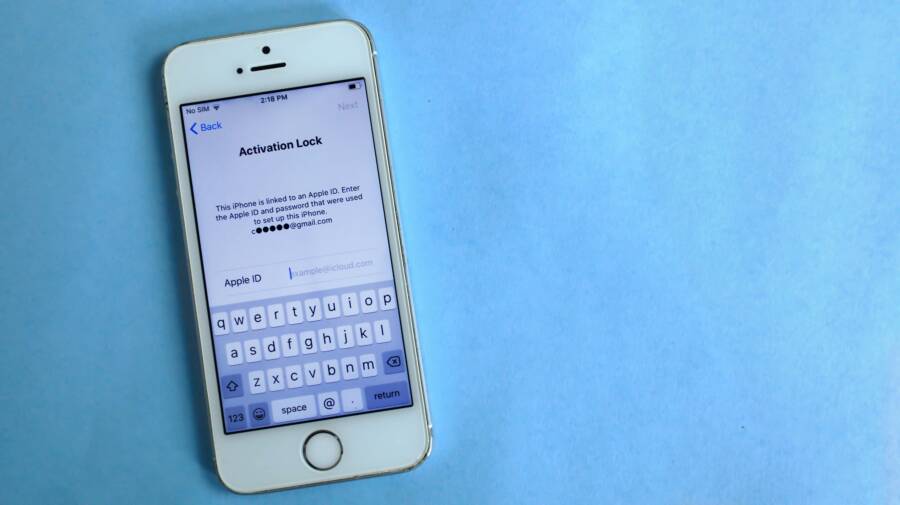
- iPhone disabled after too many attempts: Connect to a computer or use recovery options provided by Apple if your device is stuck in a disabled state. Apple’s guidance covers both supported iOS versions and the necessary steps. https://support.apple.com/en-us/118430
- Lock screen shows incorrect time or no response after updates: A simple restart can fix minor glitches. If the issue persists, check for pending iOS updates and apply them as soon as possible.
Apple’s official resources also explain how to reset a forgotten passcode on iOS 15.2 and later without a computer, a handy option if you don’t have a PC nearby. https://support.apple.com/guide/iphone/set-up-face-id-iph6d162927a/ios
When to reset or erase your device
Sometimes the lock screen problem isn’t a setting you can fix. If you’re completely locked out or the device won’t respond to any unlock method, you may need to restore the device to factory settings.
- Android: A reset can restore access, but data may be lost if you haven’t backed up. If you can’t unlock, you can erase from a trusted account or use device recovery options. For step-by-step actions, Google’s and Samsung’s official guides provide the exact path for your model. https://support.google.com/android/answer/7663172?hl=en https://www.samsung.com/us/support/troubleshoot/TSG10001451/
- iPhone: If all else fails, you may need to erase the device and restore from a backup. Apple’s support pages detail how to reset a passcode and recover data when possible. https://support.apple.com/en-us/118430
Note that erasing should be your last resort. Always try to recover access with backup methods before wiping.
Safe, preventive steps to avoid future lock screen issues
Prevention beats recovery. Implement a few steady habits to keep lock screen problems rare and manageable.
- Keep backups up to date. Regularly back up photos, messages, and app data so a reset doesn’t cost you work or memories.
- Use a robust primary lock with a reliable backup method. A longer PIN or password reduces guessing risk, while biometrics provide convenience.
- Maintain updated software. OS updates often include security improvements that affect lock screen behavior.
- Limit lock screen content. Disable sensitive previews on the lock screen to reduce risk if the device is unattended.
For ongoing guidance on Android security and best practices, you can refer to Android’s official articles on securing your device. https://www.android.com/articles/how-to-secure-android-phone/
Quick-reference recap
- Start with a diagnostic check to identify the root cause.
- Use device-specific fixes for Android and iPhone unlock issues.
- Reserve factory reset as a last resort when you cannot regain access.
- Apply preventive steps to reduce future lock screen problems.
If you want extra context on broader risks around lock screen security, trusted industry readers provide helpful perspectives. Crisis24 discusses how theft can escalate into data exposure, which underscores why keeping your smartphone protected matters. https://www.crisis24.com/articles/increasing-rates-of-phone-thefts-worldwide-pose-significant-data-security-risks
Practical example: applying these steps to real life
Imagine you’re rushing out the door and your Android phone won’t unlock with your fingerprint. You wipe the sensor, re-register your fingerprint, and then test with a backup PIN. The phone unlocks smoothly, saving your day. If you’re traveling, you revisit lock screen content visibility to minimize what appears when the phone is unlocked. These small checks prevent a larger privacy slip in a crowded train or airport.
If you’d like a quick visual guide, Pixel and Samsung provide official step-by-step help pages. Pixel users can start with Google’s support article on lock screen setup, while Samsung users turn to Samsung’s troubleshooting guides. https://support.google.com/pixelphone/answer/3388218?hl=en https://www.samsung.com/us/support/troubleshoot/TSG10001451/
Images and visuals can help readers connect with steps, and you can supplement with brand-specific illustrations or official support screenshots as you publish.
Conclusion
Freeing your smartphone from easy access starts with a simple unlock plan. On Android, recap the steps: open Settings, go to Security or Privacy, choose Screen Lock, and pick a strong PIN or password; add biometrics if you trust the sensor, and set a sensible timeout for automatic lock. On iPhone, enable a strong passcode and pair it with Face ID or Touch ID, then keep a backup unlock method ready. Regularly review what appears on the lock screen and keep software up to date.
Check your device now. A quick audit today can prevent a privacy slip tomorrow. If you share these protections with a friend, you’ll multiply the benefit across your circle.
To build a lasting habit, keep these tips in mind. Update security settings after OS or app updates, and re enroll biometrics if they start misbehaving. Use a long passcode as the foundation, and treat biometrics as a speed boost rather than the sole barrier. Limit lock screen previews so sensitive content stays hidden, especially in public spaces. A monthly quick check helps keep your defense strong.
If this guide helped, tell a friend who could use a simple safeguard. Your small action can make a big difference in everyday privacy.
He Was Drowning in Bills and Burnout Until a Simple Daily Ritual Rewired His Brain for Wealth in Less Than a Week
>>> Start Your Shift Today <<<
