
Seasonal tools can clutter a garage or shed fast if you don’t plan ahead. Clean gear, smart organization, and the right containers turn a messy off-season into a simple setup you can trust. This guide shows you practical steps to store seasonal tools purchased from Home Depot in a way that preserves their condition and makes them easy to grab when the weather changes.
A clean, organized storage area isn’t just neat. It protects tools from rust, dull blades, and misplaced parts. It also cuts down on the time you spend hunting for a rake, shovel, or snow shovel when you need it most. With a few simple changes, your seasonal tools can live in order, ready for the next project or season.
Start with a plan, then put it into action. The goal is a storage system that fits your space, your budget, and your tool collection. Let’s break down the best approach, section by section.
Start with a quick audit
Before you stash anything away, take stock of what you own and what you actually use. A quick audit saves space and money in the long run. Here are smart steps to follow:
- Gather all seasonal tools from closets, corners, and vehicles. Put them on a single work surface so you can see everything at a glance.
- Clean and inspect each item. Wipe off dirt, dry blades, and remove grass or soil that can trap moisture. Look for rust spots, loose handles, or cracked plastic.
- Evaluate function. If a tool is damaged beyond repair, set it aside for disposal or recycling. If it’s still useful, plan for proper storage.
- Decide what you’ll keep, what you’ll donate or discard, and where each category belongs. Clear decisions prevent storage chaos later.
Cleaning and maintenance matters. A quick oiling on metal parts, sharpening of dull blades, and a dry, oil-free surface can extend the life of your tools when they come out of storage next season. If a tool has a removable battery or fuel, remove or follow manufacturer guidance to make storage safer.
Choose the right storage setup for your space
The way you store tools should fit your space, not the other way around. Home Depot shelves, pegboards, and weatherproof containers make it easier to organize by season and function. Consider these practical setups:
- Wall-mounted systems. Pegboard panels, tool rails, and hooks let you hang rakes, shovels, hoes, and brooms. This keeps long tools off the floor and frees up floor space.
- Sturdy shelving. Wide, open shelves hold bins and totes for smaller items like pouches, gloves, and hand tools. Use labeled bins to simplify retrieval.
- Flat-lidded totes with seals. When you need protection against dust and moisture, gasketed plastic totes are a solid choice. They stack neatly and keep contents visible.
- Dry, climate-controlled spots. If your garage or shed is prone to humidity, choose moisture-control strategies. A small dehumidifier, silica gel packs, or moisture-absorbing bags help keep tools dry.
The right system depends on what you own and how you use it. If you have a mix of garden tools and winter gear, a two-zone approach can work well. Keep garden gear on a dedicated wall and winter gear in labeled totes on a high shelf.
[Image: A well-organized storage area with tools on a pegboard and labeled bins] Photo by Erik Mclean
Ethical note: use a single image to illustrate the concept of general tool storage. The photo above helps readers visualize organized spaces without being a direct product ad.
Sort and label by season and function
A clear labeling system makes your storage feel intuitive. It also speeds up the process of finding what you need. Use a simple, durable labeling scheme that’s easy to read at a glance:
- Group tools by season. Have a summer set (lawn care, garden beds) and a winter set (shovels, ice scrapers, snow blowers accessories).
- Break down by function. Put dig tools together, pruning tools together, and maintenance tools together.
- Use color codes or bold labels. Color-coded bins or big, legible tape labels reduce confusion.
- Include essential information on the label. Add the tool name, season, and a quick note such as “drains fuel before storage” for gas-powered gear.
A practical tip: store frequently used items in reachable spots. Seasonal items that you switch out yearly can live on lower shelves or in easy-to-access bins. Reserve higher shelves for items you use less often.
Stock up on quality storage basics
If you’re stocking up this season, pick storage basics that last. Home Depot offers a range of durable options at price points to fit most budgets. Key buys include:
- Weatherproof totes with tight lids to protect contents from moisture.
- Heavy-duty hooks and rails rated for outdoor use.
- Clear plastic totes that let you see contents without opening.
- Label makers or durable weatherproof Sharpies for clear, long-lasting labels.
These essentials smooth the process and cut down on the time spent reorganizing year after year. When you invest in solid containers and organization tools, the payoff comes in faster, simpler setup next season.
Store gas-powered and battery tools safely
Gas and battery tools require special attention to avoid leaks, engi ne starting issues, and safety hazards. Follow best practices to ensure safe storage:
- Drain gasoline from engines if you won’t use tools for an extended period. Alternatively, add a fuel stabilizer if a full drain isn’t practical.
- Run the engine for a couple minutes after adding stabilizer so the treatment circulates through the carburetor.
- Remove batteries from cordless tools and store them in a cool, dry place away from direct heat. Keep terminals clean and in a non-conductive container.
- Store all fuel in approved containers away from living spaces and in a ventilated area away from flames or sparks.
Keeping power tools protected not only extends their life but also reduces the risk of messy fuel odors in your home.
Make accessibility a priority
Storage should be functional, not just neat. A reliable system focuses on easy access and safety:
- Place the most-used items at arm level. Tools you grab often should be within easy reach to avoid bending or climbing.
- Keep heavy items on lower shelves. Lighter bins can be on higher shelves to prevent accidents.
- Create a simple rotating system. Each season, rotate items so the newest gear gets the best access. This reduces the time spent hunting through boxes.
- Maintain clear floor space. A tidy floor makes it easier to move bags and bins around, especially when you’re bringing in bulky season gear.
Safety comes first. Store sharp tools with blade covers or sheaths and secure long-handled tools so they won’t swing or fall.
Maintenance routines for stored tools
Storing tools properly is not a one-time task. A quick maintenance routine helps keep everything in good shape for the next season:
- Check each item annually for rust, cracks, or loose parts. Tighten screws, replace worn grips, and repair as needed.
- Wipe down tools after each use. A thin coat of oil on metal surfaces can slow rust and keep moving parts smooth.
- Inspect storage containers for cracks or leaks. Replace damaged totes and ensure lids seal properly.
- Update labels if you add new tools. Accurate labeling makes future hunts faster and storage more efficient.
A brief routine you can repeat before each season is simple: clean, dry, inspect, and label. It saves time later and keeps your tools looking like new.
Create a simple, repeatable storage checklist
A concise routine makes the process repeatable year after year. Here’s a straightforward checklist you can print and keep near your storage area:
- Gather all seasonal gear from around the house.
- Clean and dry every item completely.
- Inspect for damage; set aside items that need repair or replacement.
- Decide on storage location based on type and frequency of use.
- Label each container or zone; verify access points are clear.
- Add moisture control measures as needed (desiccants, dehumidifier, or extra ventilation).
- Store gas tools with fuel removed or stabilized.
- Schedule a quick check every three months to catch small issues early.
A steady routine reduces chaos and makes seasonal shifts effortless.
A practical example: organizing garden season gear
Imagine spring is near, and your gardening tools need a reset. This practical example shows how to implement the ideas above:
- On a pegboard, hang rakes, shovels, a hoe, and pruning shears in one area.
- On a lower shelf, place labeled bins for gloves, twine, plant ties, and seed packets.
- In a clear tote, store smaller tools like hand pruners, trowels, a hand rake, and replacement blades.
- Put a weatherproof bin for seed packets and plant food on the same shelf, clearly labeled with the season.
- Keep a small dehumidifier nearby if the space tends to get damp, especially in humid climates.
This layout keeps everything visible and easy to grab, reducing the time spent searching for a tool during busy planting days.
Seasonal maintenance tips to extend tool life
Seasonal shifts can be tough on tools. A few proactive habits help extend life and performance:
- After each use, remove soil and wash tools that contact soil or fertilizer.
- Dry tools thoroughly to prevent rust and corrosion.
- Sharpen blades and edges before storage for quicker use when the season starts.
- Replace damaged parts promptly to avoid bigger problems later.
- Store tools in a dry, cool place away from direct sunlight to minimize material fatigue.
By adopting these habits, you’ll get more use out of your Home Depot purchases and keep them ready for action whenever needed.
Final thoughts on smarter storage
Storing seasonal tools is as much about process as it is about space. A thoughtful plan makes it easy to find what you need and keeps gear in good condition. With a mix of wall storage, sturdy totes, and clear labeling, you’ll reduce clutter and protect your investment.
If you’re ready to upgrade, start with a simple audit, pick one efficient storage setup that fits your space, and label everything clearly. Over time, your garage or shed will transform into a well organized workshop that you actually enjoy using.
Conclusion
A well designed storage system for seasonal tools sharpens your workflow and minimizes frustration. Clean, label, and group tools by season and function so you can find what you need in seconds. Maintain a simple routine, protect fuels and batteries, and keep the space dry and safe. With these steps, your Home Depot gear stays ready for use whenever the weather changes. Start small, build gradually, and you’ll see the difference in days you can spend on projects instead of searching for tools. Ready to transform your storage space? Begin with a quick audit today and set up a practical, lasting system that fits your home and your workload.
Image credit and caption
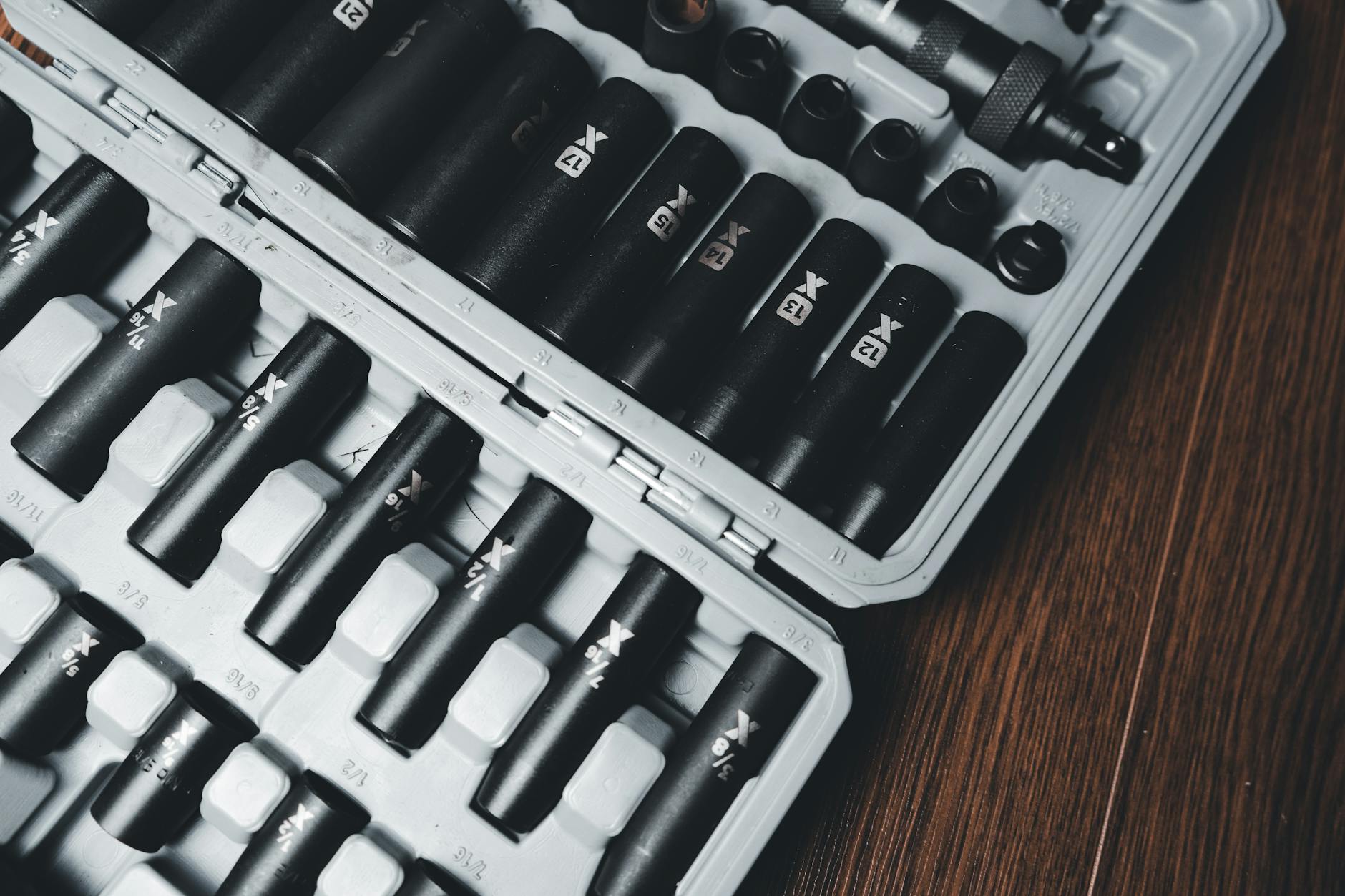
Photo by Erik Mclean, https://www.pexels.com/@introspectivedsgn