What If the Only Thing Between You and the Life You Deserve Is a Hidden Wealth Code Waiting to Be Activated
>>> Open the Door <<<

Are you fed up with your phone buzzing all day and night, pulling your attention every few minutes? The constant pinging can wreck focus, steal sleep, and raise stress levels in surprising ways. You’re not alone, and small changes can make a big difference.
This quick guide helps you quiet the noise without losing the connection you need. You’ll learn practical, real world fixes you can apply today, from simple notification tweaks to smarter how you use apps. The goal is to reclaim time and calm so you can work, relax, and sleep better.
We’ll walk through a step by step approach that starts with a quick audit of what actually drives interruptions. Then you’ll set boundaries that fit your life, not a one size fits all model. You’ll discover how to prioritize alerts, silence non essentials, and schedule focus windows that suit your rhythm.
Along the way you’ll see how a few deliberate habits can dramatically cut interruptions. We’ll cover practical tweaks you can implement on your smartphone right away, plus a few mindset shifts to keep you in control. By the end you’ll know exactly which settings to adjust and how to test their impact.
There Is a Frequency That the Wealthiest Families Have Used for Generations and Most People Will Never Know It Exists
>>> Open the Door <<<

Thousands of People Were Struggling With Money Until They Discovered This One Ancient Secret Hidden in Sound
>>> Unlock It Now <<<

If you’ve ever wished for fewer buzzing moments, this guide is for you. You’ll finish with a clear plan you can follow in under an hour, and a calmer day that helps you stay productive, rested, and present.
Audit Your Notifications to Stop the Buzz
A quick audit can be the most powerful step in reclaiming focus. Start by identifying what actually causes interruptions, then prune or mute the rest. This section walks you through a practical, no-nonsense approach to mapping your alerts, so you can restore calm without missing anything important.
Identify the apps that buzz the most
First, review your notification history to see which apps show up most often. On Android, you can enable and view notification history to spot patterns. This helps you separate important alerts from noise and decide which apps to mute or adjust. If you’re an iPhone user, you can start by checking per-app notification settings and testing which apps tend to wake you up or pull your attention during the day. Once you have a sense of the culprits, list the top five interrupters and plan concrete changes.
Concrete steps to review notifications
- Android: Enable notification history (Settings > Apps & notifications > Notifications > Notification history). Review the past day or two to identify frequent interrupts. You can also use third-party tools that log notifications for easier scanning.
- iPhone: Open Settings > Notifications, then review each app’s history and adjust the alert style. If an app shows up often in Focus modes or is set to banners, consider changing its behavior.
- Track interruptions: Create a simple list of the top five apps that cause most interruptions. For each app, note:
- Typical time of day you receive alerts
- Type of alert (banner, lock screen, badge)
- Whether the content is urgent or informational
- Adjust or mute: For the top offenders, decide whether you need real-time alerts or if batching is better. Options include muting sound, limiting vibration, or changing to badges only.
Examples to guide your decisions
- Family messages and calendar reminders stay fully enabled with sounds, but social media and shopping apps shift to silent or quiet modes.
- Work alerts are allowed during business hours, then silenced outside those hours.
- Nonessential newsletters and promotional apps move to a daily digest or off entirely.
Helpful links to support the review process
- How to check your notification history on Android: https://www.androidpolice.com/check-android-notification-history-guide/
- Turn notifications on or off for a specific app on your iPhone: https://support.apple.com/en-us/120681
- Control notifications on Android: https://support.google.com/android/answer/9079661?hl=en
Photo
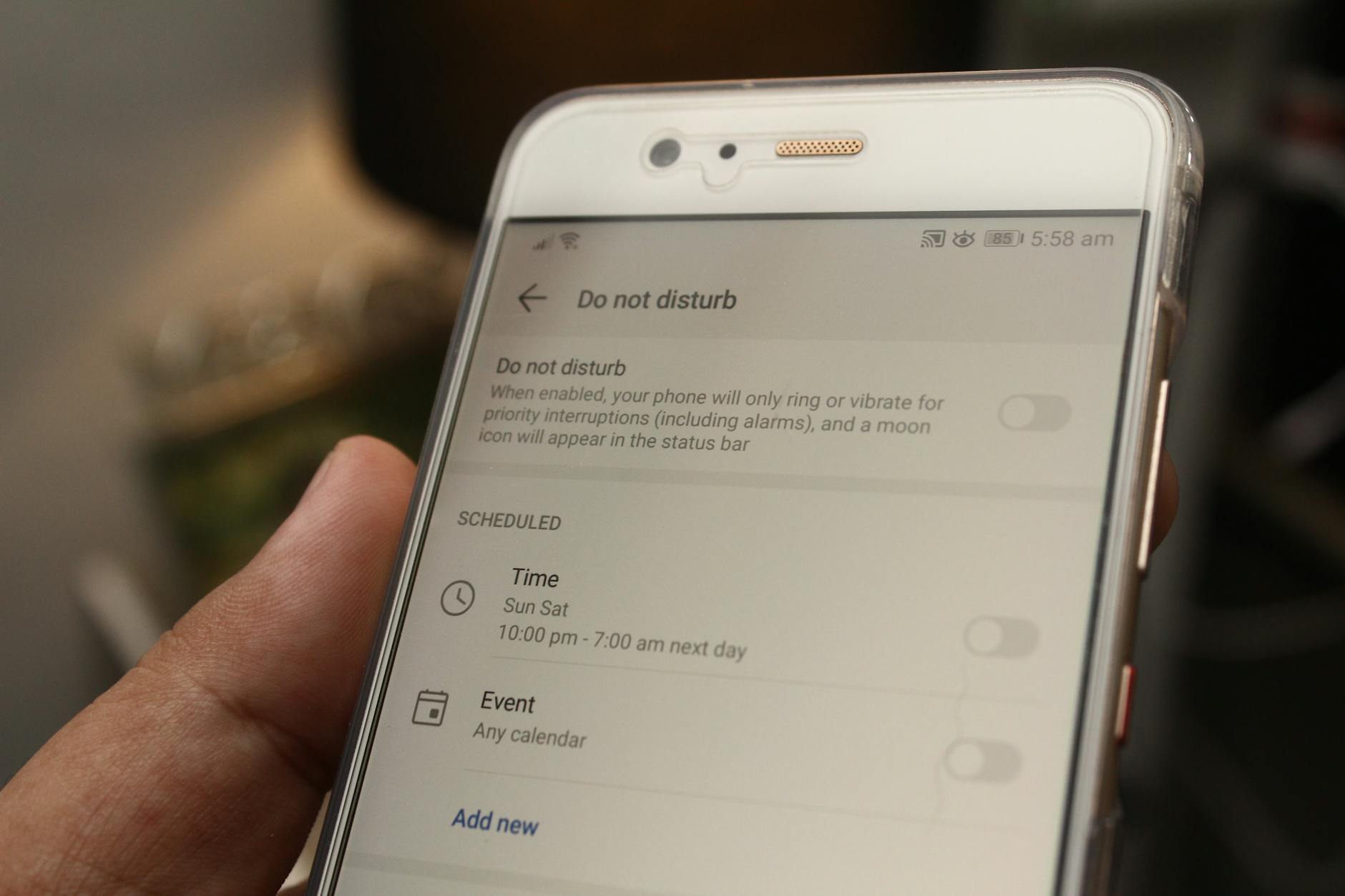
Photo by Daniel Moises Magulado
Separate essential alerts from minor updates
Once you know which apps buzz, categorize alerts by importance. Create simple buckets so you can decide how each alert should behave. Think of it as a triage system for your notifications.
What to categorize
- Essential: Personal messages from family, calendar reminders, alarms, urgent work alerts.
- Useful but non urgent: Appointment confirmations, delivery updates, routine status checks.
- Promotional and light updates: Social media prompts, newsletter summaries, game reminders.
Implementation tips
- For essential alerts, keep sounds or vibrations, and ensure they appear on the lock screen if needed.
- For useful but non-urgent updates, switch to banners or lock screen summaries with no sound.
- For promotional or social updates, mute sounds entirely and limit to daily digests or only when you open the app.
Practical steps to implement this categorization
- Create Focus or Do Not Disturb schedules that reflect your priorities. During focus windows, only allow essential alerts; everything else can wait.
- Use automation where possible. For example, schedule quiet hours at night and during deep work blocks.
- Regularly review category rules as life changes. A family member’s message needs can grow, while old newsletters may no longer matter.
Examples to guide your setup
- Family chat remains audible during work hours but silences outside those hours.
- Calendar reminders continue to ding, but social apps only surface as visual badges during the day.
- Work alerts from co-workers or project management tools stay active in the background with a gentle alert, while promotional emails are muted.
Recommended resources
- How to change notification settings on iPhone for specific apps: https://support.apple.com/guide/iphone/change-notification-settings-iph7c3d96bab/16.0/ios/16.0
- How to check your app notification settings: https://knowledge.theambassadorplatform.com/how-to-check-your-app-notification-settings
Photo
[No image required here]
Differentiate sounds vs vibrations
A simple but powerful shift is to separate what makes noise from what just buzzes. By assigning silent or vibrate alerts for non critical apps and keeping sounds for emergencies, you preserve urgency without waking the whole house or breaking your focus.
Practical steps you can apply now
- Keep essential apps sounding: Messages from family, calendar alarms, and urgent work alerts should have audible alerts.
- Move nonessential apps to silent or vibration: News apps, social media, and game notifications can be muted or set to vibrate only.
- Use vibration patterns to distinguish priority: A strong, steady buzz for urgent alerts and a softer, shorter vibration for less critical ones.
- Test and adjust: After implementing changes, monitor how often you still notice alerts and adjust as needed.
Tips for fast wins
- Turn on silent mode for nonessential apps during focused work periods.
- Use Do Not Disturb with exceptions for key contacts and apps that truly require real-time updates.
- Schedule a nightly review to ensure your setup still matches your needs.
Examples to illustrate the approach
- Android: Set nonessential apps to silent with vibration only, while keeping sounds for essential apps enabled.
- iPhone: Configure critical apps to sound with banner alerts, and mute others entirely or use badges only.
Helpful links for sound and vibration customization
- How to add custom notification sounds for each app on Android: https://www.androidpolice.com/change-notification-sound-android-tutorial/
- Ditch the Default: Customize Your Android Notifications with Fun & Funky Sound: https://lifewire.com/how-to-change-create-android-notification-sounds-4783114
- How to Change Notification Sounds for Each App on Your Android Phone: https://www.makeuseof.com/how-to-customize-notification-sounds-android/
Photo
N/A
If you’d like, I can tailor the next section to include more practical checklists or a quick 15-minute audit routine readers can follow step by step.
Master Do Not Disturb and Focus Modes
To regain control of your day, use Do Not Disturb (DND) and Focus modes as smart filters for notifications. These tools let you silence the non essentials while still letting through the people and apps that matter. When used correctly, they become the backbone of your focus routine and your sleep quality. Below you’ll find practical, platform specific steps and real world setups you can apply today.
Set up Do Not Disturb and Focus on your phone
Start by turning on DND or Focus and decide who or what can break through. The goal is to silence the noise while keeping critical communication available.
- Android:
- Open Settings > Sound & vibration > Do Not Disturb.
- Turn on Do Not Disturb. Under “What can interrupt Do Not Disturb,” choose People and Apps you want to allow. You can add favorites or specific contacts for calls and texts.
- If you use a Google Pixel or a modern Samsung device, you may also find Modes that you can customize for work, sleep, or personal time. For quick access, swipe down to Quick Settings and tap Do Not Disturb to toggle it on or off.
- Practical tip: Create a dedicated exception list for essential contacts, such as family or a key coworker, and keep those channels loud and clear during work hours.
- Learn more: https://support.google.com/android/answer/9069335?hl=en
- iPhone:
- Open Settings > Focus. Tap a preset (Personal, Work, Sleep) or create a custom Focus.
- Under “Allowed Notifications,” add contacts to “People” and apps to “Apps.” Choose who can call or text you during Focus. You can also enable Emergency Bypass for truly urgent calls.
- Schedule the Focus to align with your day, or set automation based on time or location.
- Quick tip: Use Lock Screen and Home Screen options to reduce distractions visually as well as audibly.
- Learn more: https://support.apple.com/guide/iphone/set-up-a-focus-iphd6288a67f/ios
- Quick reference:
- When you enable DND or Focus, you can still receive critical alerts from designated contacts and apps.
- Use a combination of time-based schedules and location-based activations to keep your device quiet when you don’t want interruptions.
Photo
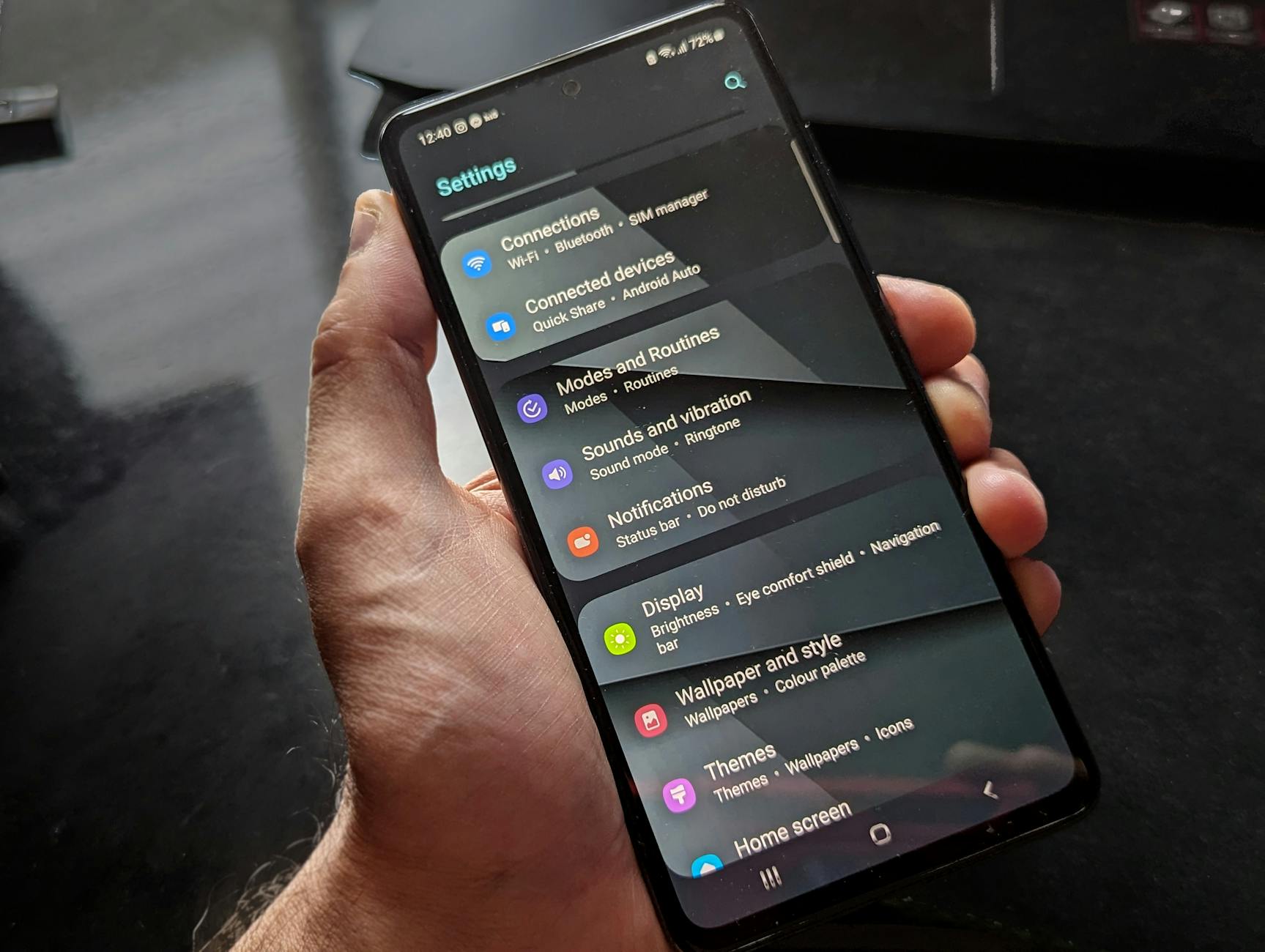
Photo by Watford London Media
Create smart focus profiles for different times
Think of Focus profiles as your daily rituals. Each profile tailors who can reach you and when, so you’re not juggling a dozen settings a day.
Real world examples
- Work Hours: Keep essential work notifications on, mute promotional emails, and allow messages from teammates.
- Sleep: Silence all non critical alerts, except for alarms and a few trusted contacts.
- Family Time: Allow calls from close relatives, keep calendar reminders visible, and mute social media nudges.
How to switch profiles automatically
- iPhone: Use Focus automation to switch profiles by time, location, or app usage. For example, switch to Work Focus at 8 a.m. and to Sleep Focus at 10 p.m.
- Android: Use Modes with Do Not Disturb and set different rules for work, home, and driving. You can automate these modes to turn on and off at specific times or when you arrive at a location.
What to include or exclude in each profile
- Include:
- Essential people (family, key coworkers) for calls or texts.
- Alarms and calendar alerts you must not miss.
- Exclude:
- Non urgent social media and promotional apps.
- News alerts that interrupt focus blocks.
Practical examples
- Work Hours: Allow calls from teammates and calendar reminders; silence social apps and shopping alerts.
- Sleep: Alarms stay active, key family contacts can text silently, but everything else stays quiet.
- Family Time: Close relatives ring through, while work apps and newsletters stay muted.
Helpful resources
- Set up a Focus on iPhone: https://support.apple.com/guide/iphone/set-up-a-focus-iphd6288a67f/ios
- How to schedule Focus modes: https://www.macrumors.com/how-to/schedule-focus-modes/
- Automate focus on iPhone and iPad: https://osxdaily.com/2021/10/01/how-to-schedule-automate-focus-mode-on-iphone-ipad/
Photo
Photo by Daniel Moises Magulado
Schedule quiet hours and automatic rules
Set daily quiet hours and rules that adapt to where you are and what you’re doing. This helps you stay in control without thinking about settings all day.
Daily quiet hours
- Pick a window when you want the phone to be quiet the most, such as during your sleep and early morning routines.
- Use Do Not Disturb to mute non essential alerts during this window while still letting alarms and key contacts through.
Rules based on time, location, or activity
- Time: Activate a Sleep Focus from 10 p.m. to 6 a.m. every night.
- Location: Switch to Work Focus when you arrive at your office.
- Activity: When you start a productivity app, automatically enable a Focus that hides other notifications.
Weekend vs Weekday needs
- Weekdays: Prioritize work communication and calendar reminders.
- Weekends: Shorten the list of allowed alerts to keep the day relaxed, with a longer focus window for leisure or hobbies.
Practical setup tips
- Use automation to reduce manual steps. A quick tap switches you into a focused state, but automation keeps you consistent.
- Regularly review your rules. A change in routine means your Focus settings should adapt too.
- Test each profile for a week. Note what alerts slip through and adjust accordingly.
Recommended resources
- How to schedule and automate Focus Modes on iPhone: https://www.macrumors.com/how-to/schedule-focus-modes/
- Bedtime and Do Not Disturb on Android: https://www.androidpolice.com/android-bedtime-mode-set-up-use/
- Android bedtime or Sleep mode guidance: https://en.androidsis.com/How-to-schedule-do-not-disturb-mode-on-Android-with-automatic-schedules
Photo
N/A
If you’d like, I can tailor the next section to include a quick 15 minute routine readers can follow to set up their first two Focus profiles.
Tune App Settings for Quiet Hours
Quiet hours aren’t about cutting you off from the world. They’re about reclaiming focus, protecting sleep, and making your smartphone work for you instead of the other way around. This section walks you through practical, platform specific steps to tune app behavior during designated times. You’ll learn to silence the non essentials while still receiving the information that truly matters. Think of it as a smart silent mode that respects your rhythm.
What If the Only Thing Between You and the Life You Deserve Is a Hidden Wealth Code Waiting to Be Activated
>>> Open the Door <<<
Turn off non essential banners, sounds, and lock screen previews
Small tweaks here yield big gains. Start by trimming what the phone flashes in your face during the day and night, so you’re not jolted by every ping.
- Android steps and why they help:
- Go to Settings > Notifications and review each app’s alert style. Switch non essential apps to quiet modes such as banners without sound, or disable lock screen previews. This reduces visual and auditory cues that pull your attention away from tasks. The result is clearer focus and fewer mid task interruptions.
- For even tighter control, enable Notification History (where available) to see what you’re still getting and adjust accordingly. This helps you identify unintentional wakeups and prune them quickly.
- If you use a Pixel or a modern Samsung device, explore Modes or schedules that apply a universal rule set during work or sleep periods.
- Quick tip: Keep urgent communication from key contacts intact, but mute the rest. This balances staying reachable with maintaining focus.
- iPhone steps and why they matter:
- Open Settings > Notifications and review each app’s alert style. Disable previews on the lock screen and switch non essential apps to banners with sounds disabled or to badges only. This cuts down on both audible and visual distractions.
- Consider using Focus to tailor how alerts appear during work or sleep windows. You can allow certain apps to surface notifications while keeping others quiet.
- For apps that still need your attention, experiment with banners that disappear quickly or with lock screen summaries to reduce the chance of waking you up or pulling you into a quick check.
Why this works
- Banners and previews create reflexive checking behavior. Reducing them lowers the chance of drifting into your phone for every minor update.
- Lock screen previews can wake you just enough to set off a cascade of scrolling. Turning previews off keeps your sleep and work blocks undisturbed.
- By preserving essential alerts, you stay informed without chaos.
Helpful links
- Change notification settings on iPhone: https://support.apple.com/guide/iphone/change-notification-settings-iph7c3d96bab/ios
- How to check your notification history on Android: https://www.androidpolice.com/check-android-notification-history-guide/
- Limit interruptions with Modes & Do Not Disturb on Android: https://support.google.com/android/answer/9069335?hl=en
Allow critical alerts only
In a world full of notifications, you still need to know when something truly matters. Critical alerts are designed to bypass normal silencing for urgent issues, so you won’t miss something that could impact your health or safety or a dire family update.
- How to flag vital alerts on iPhone:
- Use Focus and per app notification controls to allow only essential alerts during quiet hours. Add trusted people and critical apps to the allow list, and enable Emergency Bypass for truly urgent calls or messages from key contacts. This ensures emergencies cut through while the rest stay quiet.
- If you use a third party for incident management, look for built in critical alert configurations that bypass Do Not Disturb when needed.
- How to handle critical alerts on other platforms:
- Some apps offer their own critical alert options. Pair these with your system level settings to guarantee that the most important messages come through even during a quiet period.
- It’s wise to test the setup during a calm period to confirm that real emergencies break through as intended.
Why this matters
- You stay connected to essential information without the constant buzz of every app. It’s a clean separation between urgent and nice to know.
Helpful links
- iPhone: Allow or silence notifications for a Focus on iPhone: https://support.apple.com/en-au/guide/iphone/iph21d43af5b/16.0/ios/16.0
- iOS critical alerts configuration: https://docs.ilert.com/mobile-app/critical-push-notifications-and-dnd-overrides/ios-critical-alerts-configuration
- Critical push notifications and DND overrides: https://docs.ilert.com/mobile-app/critical-push-notifications-and-dnd-overrides
Disable notifications for social apps during work
Social apps are designed to grab your attention, sometimes breaking your flow when you’re trying to focus. A practical approach is to mute or schedule quiet periods for these apps during work blocks.
- How to mute or schedule on Android:
- Use Modes or Do Not Disturb with a social app exception list, then set the schedule to align with your work hours. This allows you to silence chatter while you still receive messages from key people when you choose.
- If you need more granular control, many Android skins offer per-app notification controls. Turn off sounds and reduce vibration for social apps, or switch to badges only during work.
- How to manage on iPhone:
- In Settings > Focus, create a Work Focus profile that blocks non essential social updates and sets app allowances. You can allow important messages while muting everything else.
- Schedule Work Focus to start automatically at the beginning of your workday, and use automation to switch off when you’re done.
Why this helps
- It reduces midday buzzing and helps you preserve deep work time. You still stay reachable for important updates, but the overall noise level drops significantly.
Practical examples
- Work Hours: Social apps quiet, teammates and calendar alerts still surface as needed.
- After hours: Social apps stay muted, but you might allow family messages to come through for emergencies.
- Weekends: A lighter rule set keeps you connected without the constant pinging.
Helpful links
- Block Notifications From a Specific App on a Schedule: https://us.community.samsung.com/t5/Galaxy-S24/Block-Notifications-From-a-Specific-App-on-a-Schedule-Like-Do/td-p/3110680
- Limit interruptions with Android Modes & Do Not Disturb: https://support.google.com/android/answer/9069335?hl=en
- Set schedules with Screen Time on iPhone: https://support.apple.com/en-au/guide/iphone/iphb0c7313c9/ios
If you’d like, I can tailor this section with a quick, practical 15 minute routine readers can follow to set up their first two Focus profiles.
[Note: The article includes visuals and additional resources to illustrate settings across Android and iPhone platforms. You can consult the linked guides for step by step screenshots and more precise navigation paths.]
Create Habits and Tools to Reduce Buzzing
Reducing buzzing isn’t about cutting you off from everything. It’s about creating easy, repeatable habits and using the right tools so important updates come through without turning your day into a constant scroll. Think of it as building a quiet, productive rhythm for your smartphone use. The goal is clearer focus, steadier sleep, and less stress from non essential alerts. Below are practical subsections you can apply today.
Batch checking and set checking intervals
Instead of reacting to every ping, schedule intentional check-ins. Batch checking helps you stay informed without fragmenting your attention.
- A simple, repeatable schedule: check in the morning, again around midday, and once in the evening. This cadence keeps you connected for tasks that require attention while preventing constant glances.
- Define what each window covers: morning for urgent updates from family and work, midday for status checks, evening for wind-down communications.
- Keep a small on-device reminder: a brief note on your home screen can cue you to the three times, so you don’t drift into constant monitoring.
How to implement in practice
- Create a three-block routine: 1) Morning window (7:00–9:00), 2) Midday window (12:00–1:00), 3) Evening window (8:00–9:00). Within each block, open only the apps that matter for that period.
- Turn off non essential banners during off windows. If you must stay reachable, you can rely on a secondary device for essential alerts only.
- Track results for a week. If you’re still tempted to check outside the windows, tighten the timing or adjust which apps are allowed.
Useful resources
- Learn about task batching to boost focus and reduce interruptions: https://akiflow.com/blog/task-batching-increase-productivity/
- A practical look at batching notifications to reclaim time: https://www.prosocialdesign.org/library/batching-notifications
Smartphone tip: use the three check windows as a built-in habit, not a punishment. Your brain will adapt to the rhythm and you’ll feel more in control.
Use a secondary device or watch for alerts
A dedicated alert channel can keep you informed without turning your phone into a constant buzz machine.
- Use a smartwatch for urgent items: enable critical alerts on the watch while keeping the phone quiet. This lets you see time-sensitive messages without pulling you into your phone.
- Separate device for high priority updates: when the phone is quiet, you still have a channel for emergencies or time-critical updates.
- Keep boundaries clear: set your primary phone to Do Not Disturb during focused blocks, while the wearable surfaces only essential notifications.
Practical setup ideas
- Pair your phone and smartwatch so that only urgent contacts and critical apps surface on the watch during work blocks.
- Configure the watch to mirror a very small subset of alerts, such as calls from a limited list and calendar reminders.
- Test a few days with and without the wearable to see what level of alert you actually need.
Real-world reference
- A commonly used approach is to silence phone notifications when a wearable is connected, then allow a carefully chosen set to appear on the watch. This keeps you connected without the phone’s constant interruptions.
Helpful link
- How to silence notifications on a phone when the watch is connected: https://us.community.samsung.com/t5/Galaxy-Watch/How-to-silent-notifications-on-phone-whenever-watch-is-connected/td-p/3353074
Smartphone tip: a wearable can become your first line of defense for urgent updates, preserving your focus on the bigger tasks.
Create phone free zones and focus sessions
Designated zones and timed focus blocks train your brain to stay in the moment. This is where real concentration happens.
- Phone free zones: designate meals, study sessions, and family time as areas where the phone stays in another room.
- Focus sessions: set short, predictable blocks (25–50 minutes) with a clear start and end. Use a simple ritual to signal the shift into and out of focus.
- Build a routine: pair a focus session with a predictable sequence—set a timer, place the phone out of reach, begin a task, then review results when the timer ends.
Implementation tips
- For meals and study times, physically separate the device from your workspace. A dedicated spot in another room reduces the urge to check.
- Use a basic timer or a digital clock as the cue for start and end. This helps you stay consistent without fiddling with settings.
- Track your progress with a simple log: what you accomplished in each focus block and how it felt afterward.
Examples to illustrate the approach
- During meals, keep the phone in another room and rely on a landline or family message board for urgent communications.
- While studying, disable non essential alerts and set a 40 minute focus window, followed by a 10 minute break.
Helpful resources
- The science of focus and practical habits: https://www.brain.fm/blog/science_of_focus_7_habits_backed_by_research
- A modern take on reducing digital clutter and improving productivity: https://freedom.to/blog/mindful-phone-habits/
Photo
N/A
If you’d like, I can tailor this section with a quick 15 minute routine readers can follow to set up their first two Focus profiles.
Note: The article includes visuals and additional resources to illustrate settings across Android and iPhone platforms. You can consult the linked guides for step by step screenshots and more precise navigation paths.
Maintenance and Quick Troubleshooting
Maintenance doesn’t have to be heavy or complicated. In this section, you’ll find practical checks and safe, quick fixes to reduce unnecessary buzzing while keeping your essential updates intact. The goal is to keep your phone responsive to what actually matters, without turning your day into a constant scan for pings. The guidance here focuses on lightweight routines you can perform in under an hour, then reuse as habits.
Check for app updates and settings drift
Updates can change how notifications behave, even if you didn’t notice the change. A new version might reset a setting, alter a sound, or reintroduce banners you had muted. After every major update, review your per-app notification preferences and any Focus or DND rules that touch those apps. This keeps your system aligned with your current routines, not the defaults that came with the update.
Start with a quick audit after updates:
- Review per-app alerts: Open your notification settings and verify that critical apps still show banners or play sounds when you want them to. Some apps may reset to louder or more intrusive alerts after an update.
- Check Focus or DND rules: Ensure that the apps you use for work or family communication still behave the way you expect during focus blocks. An update can sometimes toggle a rule back to general alerts.
- Look for new notification categories: Some apps add new notification channels. Decide whether the new channel should be enabled, silenced, or batched with other alerts.
- Test one representative app: Pick a top offender or a frequently used app and run a quick test. Send yourself a message or trigger a reminder and confirm the alert is delivered as intended.
Why this matters
- Updates are useful but can be disruptive if they reset preferences. A quick check saves you from weeks of subtle annoyances and sleep disturbances.
What to do if you discover drift
- Reconfigure the app’s alert style to your preferred level (sound, vibration, or silent with visual cues).
- Move nonessential updates to quiet or banners only, then reintroduce sound if an urgent alert is needed.
- Re-run a short test with a live message to confirm everything still lands in the right channel.
Helpful resources
- A guide to per-app iPhone notification settings and how to adjust them after updates: Change notification settings on iPhone
- Android notification controls and how to review or reset preferences after an update: Control notifications on Android
What to test next
- After you finish the checks, run a 15-minute test period during a focused block. Note if anything wakes you or pulls you into the phone unexpectedly and adjust accordingly.
- Keep a small log for a week. Note which apps still disrupt focus and which settings hold steady after updates.
Safe resets and rechecking
If you’re facing persistent buzzing that won’t settle with routine tweaks, a cautious reset can help. The aim isn’t to wipe your phone but to reestablish sane defaults without losing essential information. Here are cautious steps that minimize risk and maximize clarity.
Cautious reset steps
- Reinstall only if necessary: If a single app misbehaves, try reinstalling that app first. This can fix corrupted notification channels or drift without touching system-wide settings.
- Reset notification settings for a single app: Some platforms let you reset just one app’s notification preferences. This restores default behavior without altering other apps.
- Clear notification cache or history: On Android, you can review and clear notification history to start fresh with fewer false triggers.
- Test after each step: After you reset an app, run a short test to verify how it notifies you and whether the change sticks across a couple of interactions.
How to perform a safe reset
- On iPhone, reset per-app settings where available, then reconfigure essential alerts. If issues persist, consider a broader reset only after exhausting targeted options.
- On Android, you can clear an app’s cache and data as a light reset; if problems persist, uninstall and reinstall the app. Always back up important data before a broader reset.
Testing to confirm changes work
- Create a simple test message or reminder and observe the notification behavior. Does it surface where you expect, with the right sound or badge? If not, adjust.
- Use a quick multi-app test: send alerts from one essential app and one nonessential app during a focused window to confirm your rules still work.
Notes on safety and data
- Keep your essential data safe. Backup important messages or reminders before any broader reset.
- If you’re unsure about a reset, consult official guides for your device model to avoid unintended changes.
Helpful resources
- How to reset notification settings on iPhone (official guidance): Apple Support article
- General guidance on Android notification management, including reset options: Google Support
What readers can take away
- Safe resets can remove stubborn notification glitches without wiping your entire device.
- Always recheck after a reset to ensure your focus blocks still protect your attention.
- Keeping a simple log of what you tested helps you fine-tune over time.
External links for deeper dives
- How to manage per-app notifications on iPhone: Turn notifications on or off for a specific app – Apple Support
- Control notifications on Android: Control notifications on Android
If you’d like, I can tailor this section to include a compact 15 minute reset routine readers can follow to confirm their two most important Focus profiles are solid.
Note: The article includes visuals and step-by-step guides to illustrate how to perform resets or tests across Android and iPhone platforms. You can consult the linked guides for precise navigation paths and screenshots.
Would you like the next section to include a quick, actionable checklist that readers can bookmark and reuse whenever their phone starts buzzing again?
Conclusion
Reducing the daily buzz comes from a simple, repeatable routine you can start today. Begin with a quick audit of your most disruptive apps, then apply targeted focus blocks and sensible notification rules on your smartphone. Start small and adjust as you go; the goal is less stress, sharper focus, and better sleep over time.
By choosing essential alerts, batching checks, and using Do Not Disturb or Focus modes, you reclaim control without cutting you off from what matters. You’ll notice clearer days, steadier evenings, and more presence with loved ones. If you keep refining your setup, the benefits compound and your smartphone becomes a tool that serves you, not a constant distraction.
What If the Only Thing Between You and the Life You Deserve Is a Hidden Wealth Code Waiting to Be Activated
>>> Open the Door <<<