What If the Only Thing Between You and the Life You Deserve Is a Hidden Wealth Code Waiting to Be Activated
>>> Open the Door <<<

Scheduling posts from your phone is a simple way to stay consistent, even on busy days. This guide shows you how to plan content on the go and hit peak times without waiting to sit in front of a computer. If you’re juggling multiple accounts, you’ll appreciate how a quick mobile setup can keep your feeds fresh.
Why do this from a phone? It saves time, reduces last minute scrambles, and helps you maintain a steady publishing rhythm. Whether you use an iPhone or an Android device, there are reliable tools that fit into real life, not just a studio setup. You’ll learn practical options, plus tips to stay organized and true to your voice.
We’ll cover popular apps for iPhone and Android, plus simple workflows you can start today. Expect clear steps, real-world examples, and quick checks to ensure your posts go out on schedule. By the end, you’ll have a practical game plan for mobile post scheduling that keeps your content flowing, no matter where you are.
Choose the best mobile scheduling method for your needs
Scheduling posts from your phone can feel like a game of fit and flow. The right method depends on how many networks you manage, how much you value analytics, and whether you prefer a single tool or platform-specific solutions. Below you’ll find practical guidance for three solid paths: in app schedulers from major platforms, standalone mobile schedulers you can trust, and scenarios where a cross platform tool makes sense. Each subsection ends with quick takeaways to help you decide faster.
She Pressed Play on a Strange Audio Track and Within Days Her Financial Reality Started Shifting in Ways She Could Not Explain
>>> See How It Works <<<

In app schedulers from major platforms
Major social networks now offer built in scheduling directly in their mobile apps, which means you can plan content without leaving the platform you’re posting to. Here’s how these options typically work and who benefits most.
- Instagram: The native scheduler supports feed posts, carousels and some media types, often with limitations on advanced features like links in captions or multi account posting. For many creators, the benefit is seamless publishing without third party apps and a straightforward flow from draft to post. If your focus is visual content and quick saves, built‑in scheduling is a solid baseline.
- Facebook: Scheduling from the Facebook app is convenient when you manage a Page or a group. It offers a reliable path to queue up posts ahead of time and publish at optimal times. The integration with insights and reach metrics can help small teams gauge what works, though it may lack some advanced plans found in dedicated tools.
- X (formerly Twitter): The mobile experience for scheduling can vary by account type and region. For individuals who post timely updates, simple threads, or quick promos, the built in scheduler keeps things fast. For deeper analytics or multi account management, you’ll want to look at alternatives.
- LinkedIn: Scheduling from LinkedIn’s app suits professional updates, company posts, and thought leadership content. It allows you to line up posts for the week and maintain a steady cadence with a business focus. If your audience values B2B credibility, native scheduling is a reliable option.
Key limits and practical notes
- Post types vary by platform; some platforms restrict certain media formats or post features when scheduled in app.
- Reach and analytics on native schedulers may be more basic than third party solutions, especially for teams.
- Native scheduling shines for simplicity, speed, and keeping content within one ecosystem.
- Who benefits most? Individual creators who publish 1–2 times per day, small business pages with tight workflows, and teams that want to minimize tool sprawl.
If you want to see what each platform can do at a glance, check the latest support guides and feature lists from the official help centers. For a broader view of how these built in options compare to third party tools, see industry roundups that compare capabilities, limitations and pricing across platforms like Instagram, Facebook, X and LinkedIn scheduling.
Useful resources:
- Instagram scheduling capabilities and limitations
- Facebook Pages scheduling in mobile app
- LinkedIn scheduling workflow and analytics basics
Further reading on platform scheduling
Takeaway: Native scheduling is ideal for quick, on the go posts with minimal setup. It minimizes tool clutter and keeps you focused on content first, audience second.
Standalone mobile schedulers you can trust
If you post across several networks or want richer features, a dedicated scheduling app can save time and reduce friction. Standalone schedulers like Buffer, Hootsuite and Later are popular choices for mobile use. They offer robust workflows, cross posting, and centralized analytics that scale with your needs.
What to expect from these apps
- Free vs paid plans: Most services offer a free tier with limited posts and accounts, plus paid tiers that unlock more networks, advanced analytics, and team collaboration features.
- Cross posting: The biggest value comes from publishing to multiple networks from one screen. You write once, tailor captions if needed, and queue posts across platforms.
- Easy mobile use: Modern schedulers are designed for phones. You’ll find a clean editor, media library access, and quick scheduling at peak times.
- Setup and basics: Typical steps involve creating an account, connecting your social profiles, and setting a posting rhythm. From there you can draft content, upload media, schedule times, and review upcoming posts.
Buffer, Hootsuite and Later each bring a slightly different flavor
- Buffer: Known for its clean interface and straightforward queueing. Strong support for multiple networks and a solid mobile experience. Useful for teams that want a calm, predictable workflow.
- Hootsuite: A more feature rich platform with team management, advanced analytics, and content approval workflows. Great for small to medium teams that publish frequently.
- Later: Strong emphasis on visual planning, especially for Instagram. Excellent media management and a visual content calendar that helps you plan a cohesive feed.
Setup tips
- Start with the free plan to test the interface and basic features.
- Connect all profiles you manage, then map a posting cadence that matches audience activity.
- Use the mobile app’s media library to organize assets and reuse evergreen visuals.
Pro tips for getting the most from standalone schedulers
- Create one set of captions per network to maintain a consistent voice, while allowing small tweaks for platform tone.
- Schedule batches of content for the week and let the tool remind you of upcoming posts so you never miss a window.
- Use the analytics dashboards to spot trends in engagement and adjust your poster times accordingly.
If you want to compare specific features side by side, there are objective reviews that weigh post limits, analytics depth, and collaboration capabilities against price. A concise summary can help you pick a tool that aligns with your publishing velocity and team size.
Useful resources:
- Buffer overview for multi platform posting
- Hootsuite mobile scheduling features and pricing
- Later visual content calendar and Instagram focus
Takeaway: Standalone schedulers are best when you publish across several networks, want richer analytics, or work with a team. They reduce repetitive tasks and help keep a consistent publishing rhythm.
When to choose a cross platform tool
A cross platform tool is often the smartest choice when you manage multiple networks with a single calendar, captions, and approval workflows. If you want uniform messaging, consolidated analytics, and easier collaboration, a cross platform approach can save time and reduce mistakes.
Why a single calendar helps
- Unified calendar: One view of all posts across networks makes it easy to spot gaps, overlaps, or mis aligned messages.
- One set of captions: Reuse or slightly tailor the same base copy for each network, keeping your voice consistent across channels.
- Unified analytics: See overall performance and compare networks side by side. This helps identify what content travels well and where to double down.
Team convenience
- Streamlined scheduling: For teams, a single tool with permissions and workflows prevents content from going live without review.
- Faster approvals: Approve, edit, and publish from one place, which shortens the time to publish.
- Consistent branding: A shared asset library and caption templates keep tone and visuals aligned.
Scenarios where a cross platform tool shines
- You manage a brand with a Mix of platforms such as Instagram, Facebook, X, and LinkedIn and need consistent messaging.
- Your workflow includes a small marketing team or agency that benefits from shared calendars and approvals.
- You want clear, comparable metrics across all networks and a simplified setup process.
If you’re evaluating cross platform tools, look for a clean mobile app experience, a reliable posting schedule, and strong analytics that offer actionable insights. You’ll want to confirm that the tool supports the networks you care about and that the price scales with your needs.
Useful resources:
- The best social media scheduling tools with cross platform support
- Practical guides comparing cross platform scheduling analytics
Takeaway: A cross platform tool is the right choice when consistency, team collaboration, and unified analytics matter more than granular platform specific features. It reduces the number of moving parts you manage and helps you stay on message.
How to Schedule Posts on iPhone and iPad
Scheduling posts from an iPhone or iPad keeps your content flowing even when you’re on the move. This section focuses on in app scheduling on iOS for major platforms, plus helpful notes from Apple tools and Meta’s ecosystem. You’ll learn practical steps for Facebook, Instagram, and X, including what you can expect and where to find limitations. If you’re using Meta Business Suite, you’ll also find relevant notes to streamline management from mobile devices.
Using built in platform tools on iOS
Apple devices work well with native and platform specific scheduling options. Here’s how to get your posts lined up across the big apps right from your iPhone or iPad.
- Facebook pages and groups: In the Facebook app, you can create a post and choose a future publish time. This is handy for Page admins who want to queue content without an external tool. If you’re posting to a group, look for the Admin or Group tools to set a schedule. Meta’s guidance notes that scheduled posts can be edited and managed by Page admins with the correct permissions.
- Practical tip: Schedule ahead for times when your audience is most active, then review the post in your activity log to confirm it’s queued correctly.
- Useful link: Schedule posts in Meta tools and help pages
- Instagram: The native Instagram app supports scheduling for feed posts and carousels in many regions. You can craft your caption, select media, and choose a future date and time. Limitations exist for some advanced features like links in captions or multi-account publishing from the mobile app. If you manage a business or creator account, this approach remains the fastest way to queue content without leaving Instagram.
- Practical tip: Use drafts to store caption variations and media before setting a publish time.
- X (Twitter): The iOS experience for scheduling is straightforward for quick updates, threads, and promos. It’s ideal for maintaining a steady cadence when you’re away from your computer. For deeper analytics or multi-account strategies, consider other tools.
- Practical tip: Create a few evergreen prompts that you can reuse with small tweaks for different posts.
- LinkedIn: Scheduling from the LinkedIn app works well for professional updates and company pages. It helps you maintain a consistent posting rhythm with a business focus.
- Practical tip: Pair your scheduled posts with a weekly plan to keep your content aligned with your audience’s interests.
Important limits and notes
- Post types and media formats can vary by platform when scheduled in apps. Some features may be restricted in the mobile scheduling flow.
- Analytics in native schedulers are often more basic than dedicated tools, especially for teams.
- Native scheduling is the simplest option and keeps posting inside the ecosystem you’re using.
If you want to compare platform specifics, rely on official help centers for the most current steps and limitations. Meta’s resources provide thorough guidance on scheduling across Facebook, Instagram, and Messenger. For broader context on how in app scheduling compares to third party tools, you can explore roundups that compare capabilities and pricing across platforms such as Instagram, Facebook, X, and LinkedIn scheduling.
Useful resources:
- Instagram scheduling capabilities and limitations
- Facebook Pages scheduling in mobile app
- LinkedIn scheduling workflow and analytics basics
- Schedule posts in Meta Business Suite and related help articles
Takeaway: In app scheduling on iOS is ideal for quick, on the go posts with minimal setup. It minimizes tool clutter and keeps you focused on content first, audience second.
Using popular scheduling apps on iOS
Standalone scheduling apps give you a single place to plan content across networks. They simplify cross posting, bring stronger analytics, and provide a consistent mobile experience. Here’s what to expect from Buffer, Later, and Hootsuite on iPhone.
What to expect from these apps
- Plans and pricing: Most offer a free tier with basic posting limits and paid plans for more networks and deeper analytics.
- Cross posting: Schedule one set of content and push it to multiple platforms from a single editor.
- Mobile usability: The editors are designed for phones, with easy media management and quick scheduling.
- Setup basics: Create an account, connect your social profiles, and define a posting cadence. Then draft, attach media, schedule times, and review upcoming posts.
Buffer, Later, and Hootsuite each bring a distinct focus
- Buffer: Clean interface, straightforward queueing, and strong multi-network support. Great for a calm, steady workflow.
- Later: Visual planning shines, especially for Instagram. The calendar view helps you craft a cohesive feed.
- Hootsuite: Rich feature set with team management, analytics, and workflow automation. Suited for teams that publish frequently.
Setup tips
- Start with the free plan to test the interface and core features.
- Connect all profiles you manage, then map a posting cadence that matches audience activity.
- Use the app’s media library to organize assets and reuse evergreen visuals.
Pro tips for getting the most from standalone schedulers
- Create network specific captions to preserve voice while allowing minor tweaks per platform.
- Schedule batches for the week and rely on upcoming post reminders to keep you on schedule.
- Use analytics dashboards to spot trends and adjust posting times accordingly.
If you’re weighing features, look for a clean mobile experience, reliable posting, and analytics that offer actionable insights. Ensure the tool supports the networks you care about and that pricing scales with your needs.
Useful resources:
- Buffer overview for multi platform posting
- Hootsuite mobile scheduling features and pricing
- Later visual content calendar and Instagram focus
Takeaway: Standalone schedulers work best when you publish across several networks, want richer analytics, or collaborate with a team. They reduce repetitive tasks and help keep a steady publishing rhythm.
When to choose a cross platform tool
A cross platform tool is often the smart choice when you manage multiple networks with a single calendar, captions, and approvals. If you want consistent messaging, consolidated analytics, and easier collaboration, a cross platform approach can save time and reduce mistakes.
Why a single calendar helps
- Unified calendar: One view across networks makes it easy to spot gaps, overlaps, or mis aligned messages.
- One set of captions: Reuse the same base copy with minor tweaks for each network to keep your voice consistent.
- Unified analytics: See overall performance and compare networks side by side.
Team convenience
- Streamlined scheduling: For teams, a single tool with permissions prevents content from going live without review.
- Faster approvals: Edit and publish from one place, speeding up the publishing cycle.
- Consistent branding: A shared asset library and caption templates keep visuals and tone aligned.
Scenarios where a cross platform tool shines
- You manage a brand with a mix of platforms and need consistent messaging.
- A small marketing team or agency benefits from shared calendars and approvals.
- You want clear metrics across networks and a simpler setup process.
If you’re evaluating cross platform tools, prioritize a smooth mobile app, a reliable posting schedule, and analytics that offer actionable insights. Confirm that the tool supports your networks and that pricing scales with your needs.
Useful resources:
- The best social media scheduling tools with cross platform support
- Practical guides comparing cross platform scheduling analytics
Takeaway: A cross platform tool is ideal when consistency, collaboration, and unified analytics matter most. It reduces the number of moving parts you manage and helps you stay on message.
How to Schedule Posts on Android devices
Scheduling posts from your Android device keeps your content flowing even on busy days. With the right mix of native options and trusted apps, you can plan, queue, and publish at peak times without juggling a computer. This section covers practical Android paths, from Meta Business Suite to popular third party tools, and highlights when each approach shines.
Native options and popular apps on Android
Native and third party options give you a spectrum of control, speed, and analytics. On Android, Meta Business Suite remains a solid choice for centralizing scheduling across Facebook and Instagram from a single app. It streamlines posting, editing, and reviewing scheduled content, which is handy for small teams or solo creators who want a light, integrated workflow. Key advantages include keeping everything inside the Meta ecosystem and getting access to insights that help fine tune posting windows.
If you manage multiple networks or want more granular control, standalone apps offer a broader feature set. Buffer, Later, and Hootsuite are among the most trusted options for Android users. They let you queue posts across several networks, reuse assets, and view consolidated analytics in one place. Buffer tends to feel calm and straightforward, which helps maintain a consistent voice. Later shines with its strong visual planning and a calendar that helps you craft a cohesive feed, especially for Instagram. Hootsuite brings a richer feature set for teams, including collaboration workflows and deeper analytics.
He Was Drowning in Bills and Burnout Until a Simple Daily Ritual Rewired His Brain for Wealth in Less Than a Week
>>> Start Your Shift Today <<<

Note platform quirks and advantages
- Meta Business Suite on Android is strongest when you’re publishing primarily to Facebook and Instagram. It keeps your content in one place and aligns with Meta’s insights for timing. The trade‑off can be fewer platform specific features compared to dedicated scheduling tools.
- Buffer offers a clean, quick setup and a predictable workflow across networks. It’s ideal if you publish 1–2 times per day and want a steady cadence.
- Later focuses on visuals. If your strategy relies on a polished grid and visual consistency, Later helps you map a beautiful feed while still posting on the go.
- Hootsuite works well for teams or agencies that need approvals, user roles, and more granular analytics. It can feel heavier, but the payoff is greater control for larger publishing schedules.
Useful resources:
- Schedule posts in Meta tools and help pages
- Buffer overview for multi platform posting
- Later visual content calendar and Instagram focus
Takeaway: Native tools like Meta Business Suite keep things simple inside one app, while standalone schedulers give you richer analytics and cross network capabilities. Choose based on how many networks you manage and whether you need team features.
Setting reminders and keeping posts on track
Staying on schedule is as important as choosing the right tool. Android users should blend reminders with calendar cues so nothing slips through the cracks. Start with a straightforward plan and let your phone do the heavy lifting.
Practical approaches
- Set recurring reminders: Schedule a daily or weekly reminder to review your queue and adjust times for upcoming posts.
- Push notifications: Enable timely alerts from your scheduling app so you get a nudge minutes or hours before a post goes live.
- Calendar sync: Create a dedicated publishing calendar in Google Calendar or your preferred calendar app and link it to your scheduling tool. This gives you a single view of all planned content.
Tips to boost reliability
- Batch content creation: Dedicate a block of time to draft, edit, and upload several posts. Then set publish times in batches.
- Use clear captions templates: Keep a base caption per network and tweak tone as needed. This reduces decision fatigue during deadlines.
- Regular audits: Once a week, skim queued posts to confirm dates, media, and tags align with current campaigns.
A simple workflow you can adopt today
- Draft content for the week in one place.
- Schedule posts for peak hours across networks.
- Enable reminders for each scheduled post.
- Review the upcoming week on your calendar the day before.
If you want practical examples, imagine planning a Monday post to Instagram and Facebook, a midweek update on X, and a Thursday corporate post on LinkedIn. With reminders and calendar sync, you’ll see a smooth, continuous publishing rhythm rather than a last minute scramble.
Takeaway: Pair reminders, push notifications, and calendar sync to prevent missed posts. A little upfront setup pays off with consistent posting.
Safeguards for scheduling from your phone
Security matters when you schedule from a mobile device. A few quick protections keep your accounts safe without complicating your workflow.
Key security steps
- Two factor authentication: Turn on 2FA for every scheduling tool you use. Prefer an authenticator app over SMS codes for better security.
- App updates: Keep all scheduling apps updated. Each update often includes important security fixes and performance improvements.
- Manage logins: Review active sessions across devices regularly. Revoke access from devices you no longer use and rotate passwords periodically.
- App permissions: Limit permissions to only what you need, such as storage access for media uploads. Avoid granting unnecessary privileges.
Device hygiene for mobile scheduling
What If the Only Thing Between You and the Life You Deserve Is a Hidden Wealth Code Waiting to Be Activated
>>> Open the Door <<<
- Lock your device: Use a strong screen lock and auto lock to prevent unauthorized access when you set a post timer.
- Backup access options: Have a fallback method (like a backup code or recovery email) in case you lose access to an authenticator.
- Network caution: When scheduling from public networks, prefer a trusted connection or a VPN to protect data in transit.
Quick security checks
- Enable app specific passcodes or biometric unlock if your device supports it.
- Review connected accounts quarterly and remove anything you no longer need.
- Keep an eye on unusual activity: If you see unexpected posts or login notices, act quickly to secure the account.
By keeping security tight and up to date, you can schedule confidently from your phone without turning a routine task into a risk.
Takeaway: Adopt strong authentication, keep apps updated, and manage logins across devices to protect your accounts while you schedule on Android.
External links
- Schedule Facebook and Instagram content on Meta Business Suite mobile
- Schedule posts and stories in the Meta Business Suite mobile app
- Meta Community discussions about scheduling issues
Best practices for mobile scheduling that save time
Scheduling from your phone can feel like a rush hour task, but when done well it becomes a reliable workflow that frees time for creation, engagement, and real life. This section outlines practical, time-saving approaches you can implement right away on iPhone or Android. You’ll learn smart testing of posting times, efficient templates, and a single-session batching method that keeps your feed fresh without dragging you into an endless editing cycle.
Find the right posting times
Even on a smartphone, posting at the right moments matters more than posting more often. The goal is to test, observe, and refine, using the analytics you already have in your pocket. Start with lightweight experiments and scale up as you learn what resonates with your audience.
- Run mini time tests: Pick two to three time windows during the day and schedule a small set of posts in each window for a week. Compare engagement and reach after each window to identify which times consistently perform best.
- Use platform insights on the go: Most apps show basic performance metrics in their mobile dashboards. Check likes, comments, saves, shares, and click-throughs to gauge which slots deliver the strongest signals.
- Look for natural rhythm cues: If your audience is global, your smartphone can help you spot regional peaks. When in doubt, test midweek mornings and late afternoons, then adjust based on results.
- Schedule with built in analysis in mind: Use the native scheduling features for quick tests and, if you need deeper context, bring the data into a cross platform tool later. You’ll save time by not leaving your current app to fetch data.
- Keep a simple record: Maintain a small notebook or a note in your phone noting the winning times and the post types that performed best. This becomes your rule of thumb for future planning.
- Respect platform quirks: Some networks perform differently at certain times due to audience behavior and algorithm changes. Use portable insights to guide your calendar rather than rigid rules.
To support your testing, here are some trusted references that summarize best times and practical scheduling guidance across platforms. They provide data you can compare against your own experiments and help you calibrate quickly:
- Best Times to Post on Social Media in 2025
- Best time to post on social media in 2025 by platform
- The best times to post on social media 2026
Takeaway: Start with short time tests on your phone, track results, and adjust. Small, deliberate experiments beat broad assumptions every time.
Create reusable templates and captions
Templates save you mental energy and keep your voice consistent across networks. On a smartphone, you can build a compact library of captions, prompts, and image prompts that you can pull from in a minute or less. The key is to organize them so they’re easy to access and modify for each platform.
- Caption templates by network: Create base captions tailored to each network’s tone. For example, a concise LinkedIn post might lean on professional framing, while Instagram captions can be more conversational and emoji-friendly.
- Prompt-based image prompts: Keep a few reliable prompts for image prompts and alternate visuals. For instance, “behind the scenes,” “tip of the day,” or “before/after” formats work well across media.
- Seasonal and evergreen blocks: Build templates for recurring content such as weekly tips, monthly roundups, or product updates. You can reuse blocks with minimal tweaks.
- Caption variations in drafts: Use the drafts feature in your preferred app to store several caption versions. When you’re ready to post, you can select the best fit, add a quick tweak, and queue it.
- Asset organization on your phone: Create a simple folder structure for media and captions. For example, a main folder named “Content Library” with subfolders for “Captions,” “Images,” and “Templates.”
- Quick reuse workflow: When you start a new post, pull from your templates, swap in current details, drop in a fresh image, and schedule the post in a couple of taps.
A practical example to illustrate the approach
- Instagram base caption template: “Today’s tip: {tip}. Save this for later and share your thoughts in the comments. #yourbrand #weeklytip”
- LinkedIn adaptation: “Today’s tip: {tip}. Share your perspective below and let’s discuss. #industryinsights #tips”
- Image prompts: “Behind the scenes of our workflow,” “Product in use by real customers,” or “Before/after transformation.”
Useful tip: Store caption templates as notes in your phone or in a dedicated section of your scheduling app if it supports templates. This makes it easy to copy, paste, and tweak on the fly. When you keep a small, well organized library, you reduce decision fatigue and speed up your daily workflow.
What to look for in a fast mobile template system
- Clarity: Short, clear prompts that you can adapt quickly.
- Flexibility: Templates that accommodate different formats (image post, reel, carousel, or text only).
- Consistency: A few anchor phrases or hashtags that reinforce your voice without sounding repetitive.
For deeper reading on templates and efficient caption strategies, you can explore guidelines and examples from leading scheduling platforms and social media guides. These resources offer practical templates and ideas you can adapt to your own voice and niche.
Takeaway: Build a compact, well organized library of captions and prompts. Use drafts to store versions and adapt them to fit each platform with minimal edits.
Batch create and schedule in one session
The fastest way to stay consistent on mobile is to batch create and schedule in a single sitting. A well designed flow reduces context switching and helps you maintain a steady cadence across the week or month.
A straightforward, repeatable workflow
- Plan a content outline: Decide on themes for the upcoming period. Map each day or slot to a primary message and one supporting point.
- Gather assets: Collect images, short videos, and graphics. Rename files if you can, so you know what they are at a glance.
- Draft copy: Use your templates to draft captions for each network. Tailor only where necessary to fit platform tone.
- Create and edit visuals: Edit or crop media on your phone if needed. Ensure visuals align with your brand’s style guide.
- Schedule in one app: Open your scheduling tool, queue posts for the desired days and times. Use peak engagement windows as your guide.
- Review the queue: Do a quick pass to verify dates, captions, and media. Make any last minute adjustments.
- Set reminders: Turn on reminders for upcoming posts so you can respond to engagement in a timely manner.
A practical week planning example
- Monday: Instagram post with a tip image, a LinkedIn update, and a quick Facebook teaser.
- Wednesday: Carousel post on Instagram, a cross post to X with a concise thread, and a LinkedIn post that expands on the topic.
- Friday: Reel or short video scheduling on Instagram, plus a recap post on Facebook.
Smart tips to save time during batch sessions
- Use a single caption base and adjust per platform only as needed to stay on tone.
- Schedule posts in blocks tied to your peak times. This reduces back and forth when you’re deciding when to post.
- Preview posts in your calendar view to catch any conflicts or overlaps before they go live.
If you want to go deeper into cross platform batching and how top creators structure their week, look for practical guides that compare batch workflows across tools. These resources can help you refine your own process and stay consistent without burning out.
Takeaway: A single, focused batch session is the backbone of a time saving mobile workflow. It minimizes decision fatigue and keeps your content rhythm steady.
External links
- Schedule Facebook and Instagram content on Meta Business Suite mobile
- Schedule posts and stories in the Meta Business Suite mobile app
- Meta Community discussions about scheduling issues
In this section you’ve learned how to time posts, reuse templates, and batch plan from a smartphone. With these approaches, you’ve got a practical path to staying consistent while you juggle real life. For readers who want more depth, you can explore platform specific guides and tool comparisons to tailor the setup further to your needs.
Troubleshooting common issues when scheduling from a phone
Scheduling posts from your phone should be smooth, but hiccups happen. This section helps you quickly diagnose and fix common problems so your content goes out on time. Whether you’re on iPhone or Android, the fixes below apply to most major apps and platforms. If a problem persists, you’ll know the exact steps to take and where to look for more help.
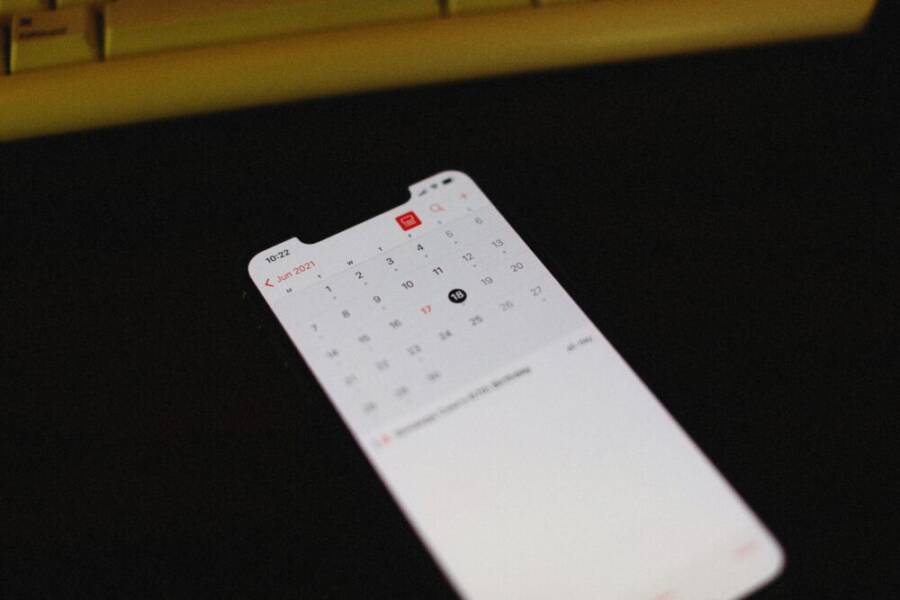
 Photo by Alexey Demidov
Connection and sync problems
Sync issues usually boil down to a spotty internet connection, incorrect app permissions, or a login snag. Start with the quickest checks and move step by step.
- Internet status: Confirm you’re online. Toggle Wi-Fi off and back on, or switch to mobile data to test if the problem is network related.
- App permissions: Ensure the scheduling app has access to media, notifications, and the account you’re posting from. On iPhone, check Settings > [App] > Photos/Media; on Android, go to Settings > Apps > [App] > Permissions.
- Login status: Make sure you’re signed in to the correct account. If you manage multiple profiles, log out and back in to refresh tokens.
- System alerts: Look for device OS updates or app updates. Pending updates can block syncing or cause weird delays.
- Time zones: Confirm the device time is accurate. A clock mismatch can shift planned publish times and create confusion.
If you still see delays or missing posts, re-authenticate your accounts in the scheduling app and retry a small test post to confirm the queue is syncing. For a quick reference on calendar and sync issues across platforms, see resources from Meta and calendar help guides:
- Schedule Facebook and Instagram content on Meta Business Suite mobile
- Schedule posts and stories in the Meta Business Suite mobile app
- Meta Community discussions about scheduling issues
Takeaway: A fast reboot of the connection and permissions often fixes most sync problems. Re-check login and time zone settings before digging deeper.
Fixing missing reminders or failed posts
When a reminder doesn’t fire or a post fails to publish, it breaks your rhythm. Use a simple retry approach and verify evidence of what happened.
- Retry the post: Open the scheduling tool, locate the failed item, and queue it again for the same time. If the network was the issue, a fresh attempt often succeeds.
- Reschedule with a buffer: If the original publish window passed, schedule for the next available peak time and add a short buffer in case of slow networks.
- Check for a record: Look for an event log or activity history in the app. This shows what happened and when, which helps you explain outcomes if you’re coordinating with a team.
- Confirm media and captions: Ensure the asset is accessible on your device or cloud storage, and that captions haven’t been cut off by character limits.
- Test after changes: Do a minimal test post to verify the flow from drafting to publishing remains intact.
If you’re using a cross platform tool, verify that the same post isn’t blocked by platform specific limits. You can also consult platform help centers for any ongoing outages. For a broader view of how to handle scheduling glitches, these resources can help:
- Buffer overview for multi platform posting
- Hootsuite mobile scheduling features and pricing
- Later visual content calendar and Instagram focus
Takeaway: When posts fail, reattempt with the smallest possible changes. Document the steps and output so you can spot patterns and adjust your workflow.
Keeping data safe on mobile
Security and data integrity go hand in hand with reliable scheduling. Protect your accounts while keeping your workflow efficient.
- Backups: Regularly back up captions, media, and asset libraries. Use cloud storage with automatic sync to guard against device loss.
- Device security: Enable a strong screen lock, automatic lock, and biometric unlock if available. These prevent accidental edits or posts from being published by others.
- App permissions: Limit permissions to what you actually need for posting. Revoke any that aren’t essential.
- Account hygiene: Rotate passwords periodically and review active sessions. Sign out from devices you no longer use.
In practice, combine device security with scheduling habits. For example, keep media assets organized in clearly labeled folders and use a single source of truth for captions. Links to further guidance on mobile security and scheduling best practices:
- Schedule Facebook and Instagram content on Meta Business Suite mobile
- Schedule posts and stories in the Meta Business Suite mobile app
- Meta Community discussions about scheduling issues
Takeaway: Strong authentication, selective permissions, and routine device hygiene protect your accounts without slowing you down.
External links
- Schedule Facebook and Instagram content on Meta Business Suite mobile
- Schedule posts and stories in the Meta Business Suite mobile app
- Meta Community discussions about scheduling issues
Images credit
- Photo by Alexey Demidov on Pexels
Conclusion
Scheduling posts from your smartphone is a practical, time saving skill you can use today. With in app tools, standalone schedulers, or cross platform solutions, you can plan, queue, and publish at peak times without a computer. Keep a small library of templates, batch create content, and set reminders to stay on track. Try the methods outlined here, note what works for your audience, and share your results to refine your approach.
Thousands of People Were Struggling With Money Until They Discovered This One Ancient Secret Hidden in Sound
>>> Unlock It Now <<<
