Thousands of People Were Struggling With Money Until They Discovered This One Ancient Secret Hidden in Sound
>>> Unlock It Now <<<

Juggling several social feeds on a single device can feel like a constant balancing act. If you wear multiple hats — work, personal, and side projects — keeping everything organized without clutter is key. This guide shows how to use app cloning and dual apps to streamline notifications and maintain clean separation between accounts, all on one smartphone.
In plain terms, the core idea is simple: separate spaces for each account while sharing the same hardware. You’ll learn how to set up multiple profiles, switch between them quickly, and protect your privacy with sensible permissions. By the end, you’ll know practical steps to manage content, messages, and timelines without cross posting or mix ups.
This approach helps you stay focused and productive. It reduces notification fatigue and makes account switching fast enough to keep pace with your social life. Whether you’re balancing a personal account with a creator page or handling different work codes, this guide lays out clear, actionable steps to keep everything tidy on one device.
Manage Multiple Social Accounts on One Phone: Choose the right setup for your social accounts
Setting up your phone to manage several social accounts should feel like a clean shortcut, not a cluttered chase. The right configuration makes it easy to post, respond, and monitor timelines without mixing personal and professional content. In this section, you’ll learn how to decide which apps to clone or separate, how to keep naming clear, and how to lock everything down with per account security. Let’s map out practical, ready-to-execute options that fit different devices and workflows.
There Is a Frequency That the Wealthiest Families Have Used for Generations and Most People Will Never Know It Exists
>>> Open the Door <<<

Decide which apps to clone or separate
Cloning apps on Android and iOS lets you run two versions of the same app side by side. This is ideal when you want to keep a personal profile and a work or creator account in parallel without signing out or juggling dozens of devices. Here are reliable methods and concrete steps you can follow today.
- Android native features for dual profiles
- Many Android phones include built-in support for app cloning or dual apps. Samsung devices, for example, offer a Dual Messenger feature that duplicates compatible apps so you can log in with two accounts simultaneously.
- How to enable on common Samsung devices:
- Open Settings
- Tap Advanced Features
- Select Dual Messenger
- Find the app you want to clone and toggle it on
- The original and clone appear as separate icons on the home screen
- If your device isn’t a Samsung, look for a similar option named Dual Apps, App Twin, or Parallel Apps in Settings. The location varies by manufacturer, but you’ll often find it under Settings > Apps or Settings > Advanced Features.
- Third-party cloning solutions
- Apps like Parallel Space or similar tools create a sandboxed environment where a second version of an app runs independently. They’re useful when your phone lacks a built-in duplicator or when you want a broader range of app compatibility.
- Quick start:
- Install the cloning app from the Play Store
- Add the apps you want to duplicate
- Sign in with your second account inside the cloned instance
- Use the separate icon that appears on your home screen
- iOS considerations
- iOS has more limited system-wide app cloning options compared with Android. Some apps offer in-app account switching, which keeps life simple if you don’t need a complete clone at the OS level.
- Focus modes and home screen organization can help here:
- Create separate Focus modes for work and personal use
- Use folders to group apps by account type
- Rename app icons or use different home screen pages to reduce cross posting risk
- Focus modes and notification controls
- Focus modes help you curtail distractions during important work blocks while still staying reachable for personal updates. Pair Focus modes with per-account notification settings to ensure you only see relevant alerts.
- Steps to set up Focus modes
- Open Settings
- Choose Focus (or Do Not Disturb/Notifications)
- Create a new Focus profile for work, personal, or niche accounts
- Customize allowed people and apps
- Schedule or enable manually as needed
- Folders and quick access on the home screen
- A simple, low-friction approach is to separate accounts by folders: “Work Accounts,” “Personal Accounts,” and “Creator Accounts.”
- Place each folder on a distinct home screen page or assign different wallpaper colors to each set. This helps you identify the right app quickly and reduces cross posting.
- Concrete decision framework
- If you post to two accounts daily and need instant switching, use built-in dual apps where available.
- If your device lacks a cloning feature or you need deeper separation, use a trusted cloning app with clear privacy controls.
- For light use or occasional cross-post avoidance, rely on Focus modes, folders, and careful notification management.
For further reading on setting up dual apps and their options, you can explore resources that explain how to enable these features on various devices and apps. For example, Parallel Space explains how to use two accounts on one phone, while guides for Samsung devices walk through Dual Messenger setup. See external references for setup nuances and device-specific steps:
- Dual App Explained: How to Use Two Accounts on One Phone — https://www.parallelspace-app.com/dual-app-explained/
- How to Clone Apps on Your Phone — https://www.airdroid.com/parent-control/how-to-clone-apps-on-phone/
- If you’re curious about broader cloning methods beyond one brand, third party tools offer a versatile path but always review permission requests and privacy terms before installing.
- Practical tip: test the clone with a non-critical account first. Confirm that notifications, posts, and messages are routed to the correct instance before committing to a full workflow.
Create a clear naming system for each account
Naming conventions are your first line of defense against cross posting and misfires. A strong, memorable naming system makes it easy to identify which account you’re using at a glance, whether you’re drafting a post, replying to a message, or scheduling content. Here’s a practical approach you can start using today, with examples you can adopt or adapt.
- Simple, memorable names
- Use a base identifier and a role or topic tag. For example:
- Personal: “Alex Smith Personal”
- Work: “Alex Smith Brand”
- Creator: “Alex Smith Travel”
- Shorter variants work when space is tight on icons:
- Personal: “Alex P”
- Brand: “Alex Biz”
- Travel: “Alex Trav”
- Use a base identifier and a role or topic tag. For example:
- Color cues and icon cues
- Assign a distinct color for each account in your app’s profile or on your launcher to improve rapid recognition.
- If the app allows, use a small emoji or custom profile picture that signals the account purpose at a glance.
- Work, personal, and niche examples
- Personal: “Alex Smith Personal” with a blue accent
- Work: “Alex Smith Brand” with a green accent
- Creator: “Alex Smith Travel” with a teal accent
- Niche: “Alex Smith Tech” with a purple accent
- Practical naming patterns
- Pattern A: [Your Name] [Primary Descriptor]
- Personal, Brand, Travel
- Pattern B: [Initials] [Project Tag]
- AS Personal, AS Brand, AS Travel
- Pattern C: [Role] [Topic]
- Personal, Brand, Travel, Tech
- Pattern A: [Your Name] [Primary Descriptor]
- Examples you can copy
- Personal: “Alex P Personal” (blue)
- Brand: “Alex Brand Pro” (green)
- Travel: “Alex Travel Log” (teal)
- Tech: “Alex Tech Talk” (purple)
- Consistency across platforms
- Use the same naming pattern across all social networks to reduce confusion for teammates and followers.
- If a platform has strict name limits, shorten while preserving clarity. For instance, “Alex T Travel” instead of “Alex Smith Travel Adventures.”
- Quick checks for your naming system
- Can you tell at a glance which account is active?
- Do you have a reserved naming room for new accounts?
- Are color cues consistent across devices and apps?
For more ideas on organizing accounts, you may want to see how other creators structure multi-account setups. Examples and explanations of naming strategies help you pick a system that scales as your presence grows.
- Related guidance on account naming and organization
- Naming conventions for multi-account workflows
- Color coding and icon strategies for quick recognition
Keep security strong with per account settings
Security must keep pace with convenience. When you run multiple social accounts from one device, you should treat each account as a separate entity with its own security posture. Here are practical steps to ensure strong protection without complicating access.
- Separate passwords and recovery options
- Treat each account as distinct. Use unique, strong passwords for every account.
- Activate a dedicated recovery email and phone number where available.
- Consider a reputable password manager to generate and store strong credentials.
- Enable two-factor authentication (2FA)
- Turn on 2FA for every account that supports it. Prefer authenticator apps over SMS codes for better resilience.
- If possible, store 2FA backups in a secure location and test recovery codes periodically.
- Review recovery options for each profile
- Regularly verify recovery questions, backup email addresses, and trusted device lists.
- Remove old recovery options you no longer control to minimize risk.
- Per-account privacy and permissions
- Review each account’s linked apps and permissions. Revoke access for any unfamiliar services.
- Limit app permissions to what’s absolutely necessary, especially for cloning tools and third-party integrations.
- Practical workflow tips
- Use a different unlock method or biometric for critical accounts if your device supports it.
- Maintain a small, secure note with emergency contact methods for each account, kept in a password-protected vault.
- Periodically audit active sessions and sign out from devices you no longer use.
- Quick security checks you can perform this week
- Confirm 2FA is enabled on all accounts.
- Update passwords and store them in a password manager.
- Review recovery options and remove outdated contact methods.
- When to consider a dedicated device or separate profiles
- If your work and personal life involve sensitive data or high audience expectations, consider using separate user profiles on your phone or even a secondary device for ultra-clean separation.
If you want deeper guidance on protecting multiple accounts across platforms, several reputable guides walk through per-account security best practices. For example, see sources that detail enabling 2FA, reviewing app permissions, and managing recovery options across popular social networks.
- How to enable 2FA and manage recovery options — https://www.dropbox.com/help/security/2fa
- Reviewing app permissions on major platforms — https://www.android.com/essentials/apps-permissions/
By adopting these practices, you can maintain a strong security posture without sacrificing the speed and simplicity that multi-account management on one phone requires. The goal is clear, protected access that feels invisible in everyday use, so you can focus on creating, sharing, and engaging with your audience.
How to use phone features to separate accounts
Managing multiple social accounts from a single device becomes simpler when you leverage built‑in features and smart layouts. This section explains Android and iPhone options to keep accounts clearly separated, with practical steps and quick tips. You’ll learn where to find these features, how to enable them, and how to organize cloned apps for fast, confident switching. A well-structured setup reduces cross posting and keeps notifications relevant.
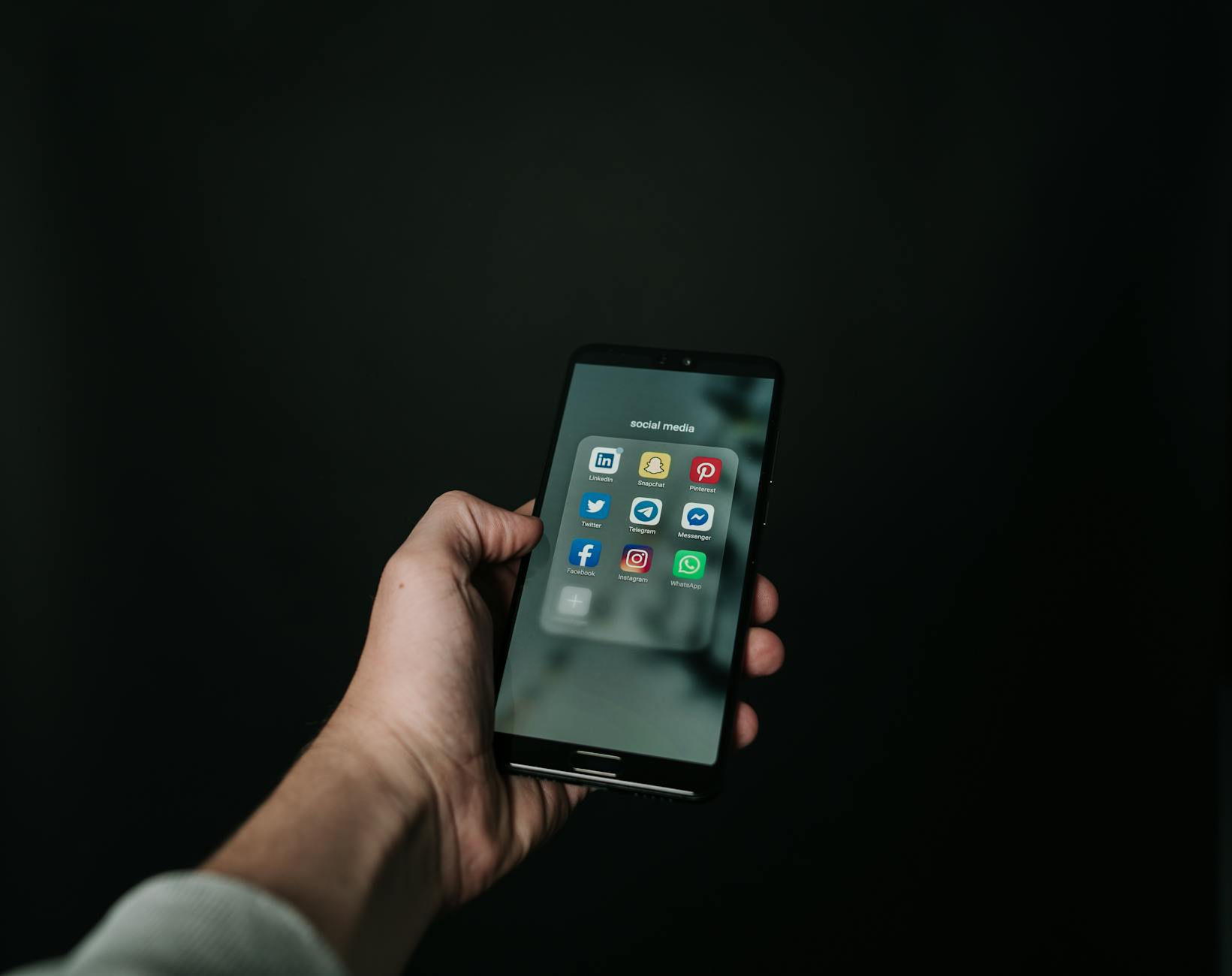 Photo by Magnus Mueller
There Is a Frequency That the Wealthiest Families Have Used for Generations and Most People Will Never Know It Exists
>>> Open the Door <<<
Android options: App Twin, Dual Apps, or Parallel Apps
Android devices offer several paths to run two versions of the same app side by side. The goal is the same: separate accounts without signing out each time. Here’s how to enable the most common options and keep things tidy.
- Where to look in Settings
- Many Android phones include a built‑in clone feature under Settings. Look for names like Dual Apps, App Twin, or Parallel Apps. The exact path varies by manufacturer, but you’ll often find it under Settings > Apps or Settings > Advanced Features.
- Example steps on popular devices:
- Open Settings
- Tap Advanced Features
- Select Dual Messenger or Dual Apps
- Pick the apps you want cloned and toggle on
- You’ll see a second icon on the home screen representing the clone
- How to enable on common devices
- Samsung devices commonly support Dual Messenger. If you don’t see it, search for a similar feature named Dual Apps or Parallel Apps in Settings.
- On other brands, the feature may live under a privacy or security subsection, sometimes labeled as App Cloning or App Twin.
- Quick tips for organizing cloned apps
- Keep the clones on a separate home screen page for quick access.
- Rename the launcher icons if your device allows it, so you can tell the clone from the original at a glance.
- Use distinct wallpapers or icon badges to reinforce account identity.
- When to choose built‑in cloning vs third‑party tools
- Use built‑in cloning for stronger privacy and system integration.
- If your device lacks a cloning feature or you need broader compatibility, third‑party solutions can help, but review permissions carefully.
- Quick start resources
- Parallel app explanations and setup steps offer a solid baseline for most devices. See the guide at Parallel Space to understand how cloning works across different apps: https://www.parallelspace-app.com/dual-app-explained/
- If you’re exploring cloning on other phones, a practical overview covers common steps and considerations: https://www.airdroid.com/parent-control/how-to-clone-apps-on-phone/
- Practical note
- Before you commit, test the clone with a non‑critical account first. Verify that pushes, messages, and post actions go to the right instance.
iPhone options: Focus modes and home screen layouts
iPhone users have fewer OS‑level cloning options, but Focus modes and thoughtful home screen arrangements deliver strong separation without extra apps. Use these strategies to keep feeds and notifications orderly.
- Focus modes for clean boundaries
- Create separate Focus profiles for work, personal use, and creator projects.
- Each Focus profile can filter which notifications come through, which apps are allowed, and when it activates.
- To set up:
- Open Settings > Focus
- Add a new Focus and name it (for example, Work or Personal)
- Choose allowed people and apps, and set a schedule if needed
- Custom home screens and folders
- Dedicate distinct pages to different account groups. For example, page 1 for personal, page 2 for work, page 3 for creator pages.
- Use folder naming like “Personal Apps,” “Work Apps,” and “Creator Apps” to keep visual cues clear.
- Consider different wallpaper hues for each page to speed recognition and cut down on mistakes.
- Simple folder setups to separate feeds
- Place related apps in the same folder to avoid hunting for the right tool.
- Inside each folder, keep a consistent icon order so you can locate the app by position, not name alone.
- Quick wins for notification hygiene
- Disable noncritical alerts in Focus to minimize cross‑talk between accounts.
- Use per‑app notification settings to ensure only the most relevant messages appear when Focus is active.
- Practical example
- Personal space on page 1 with blue accent icons
- Work space on page 2 with green accents
- Creator space on page 3 with teal accents
- External guidance
- If you want broader insights on Focus modes and iPhone organization, consider reputable walkthroughs for per‑account setups and notification control.
Efficiently switch between accounts with quick actions
Fast, reliable switching is essential when you juggle multiple accounts. Use widgets, shortcuts, and swipe gestures to move between spaces without mixing content. These techniques keep each account’s feed isolated while you stay productive.
- Widgets for at‑a‑glance access
- Add social media widgets to a dedicated screen or home area. Use widgets that show upcoming posts, recent messages, or account activity.
- Place widgets in a location you routinely check, so you can jump into the correct app or account instantly.
- Shortcuts for one‑tap actions
- Create app shortcuts for common tasks like posting, replying, or checking messages on each account.
- On iPhone, use the Shortcuts app to craft routines that open a specific account in a chosen app. On Android, many launchers support creating custom intents for fast access.
- Swipe gestures and quick navigation
- If your launcher supports gestures, assign a gesture to switch between a specific pair of accounts or apps.
- Keep a consistent gesture pattern across devices to reduce friction when you switch devices or share workflows with teammates.
- Quick checks to prevent cross posting
- Before posting, confirm you’re in the right app and account. A mental cue or visible label helps.
- When editing a post, double‑check the account name shown in the header or icon badge.
- Practical workflow example
- Have a main home screen with three clearly labeled zones: Personal, Work, Creator.
- Each zone uses its own set of icons, folders, and widgets to minimize misclicks.
- External reference for deeper setup
- For a broader view of multi‑account workflows and quick access methods, see guides that explore dual app configurations and shortcut strategies across platforms. For example, see Dual App Explained and related resources here: https://www.parallelspace-app.com/dual-app-explained/
- Bonus security reminder
- Quick actions are powerful, but always guard sensitive accounts with strong authentication and per‑account privacy checks. Use separate unlocking methods where supported and audit active sessions regularly.
By combining these Android and iPhone strategies, you get a robust framework for managing multiple social accounts on one device. The core idea is simple: create clear boundaries, keep the right tools at hand, and automate where it makes sense. This approach reduces confusion, speeds up posting, and helps you stay in control of what each account sees and does. For further reading on setup nuances and device specifics, explore the linked resources and practice with non‑critical accounts first to build confidence.
Organize notifications and feeds for clarity
Balancing multiple social accounts on one device works best when notifications and feeds stay cleanly separated. This section provides practical, ready-to-apply strategies to keep alerts organized, timelines distinct, and actions fast. You’ll learn how per account controls, quiet hours, and thoughtful layouts reduce noise and prevent cross posting. Implement these steps on your smartphone and you’ll gain clarity without slowing down your day.
Separate notifications by account
Clear, per account notification rules make important alerts stand out and prevent less critical updates from interrupting your flow. Start by configuring app level settings as well as account level preferences inside each clone or space you manage.
- Enable per account notifications
- For cloned apps, check if the cloned instance supports separate notification channels. When available, assign a dedicated notification category to each account so work alerts don’t get buried in personal chatter.
- If your device supports it, use a notification manager to filter by app instance. This keeps timelines tidy and helps you focus on urgent messages first.
- Design a simple rule set
- Important alerts: direct messages, demand responses, event reminders. Always audible, with a brief vibration.
- Medium priority: comments, mentions, routine checks. Visual alerts only, no sound if Focus or Do Not Disturb is active.
- Low priority: repetitive posts, background updates. Silent and non-intrusive, shown only when you open the app.
- Practical example
- Personal clone: alerts for DMs and mentions only, with sounds on.
- Work clone: DMs, client notifications, and schedule reminders with distinct vibration patterns.
- Quick reference resources
- For Android users, many devices offer built‑in controls that duplicate apps while keeping their notifications separate. See guidance on how to set dual apps and their notification options here: https://www.mi.com/global/support/faq/details/KA-536064/
- If you use a third‑party cloning tool, verify how it handles notification channels for each account to avoid cross talk. A broad overview is available here: https://nameisjayant.medium.com/app-cloning-in-android-how-dual-apps-and-parallel-apps-actually-work-c30b20742261
Set quiet hours and priority alerts
Silence the less important alerts while keeping the critical ones loud. This creates focused windows for deep work and prevents your smartphone from turning into a buzzing hub.
She Pressed Play on a Strange Audio Track and Within Days Her Financial Reality Started Shifting in Ways She Could Not Explain
>>> See How It Works <<<

- Use Focus or Do Not Disturb modes
- Create separate Focus profiles for work, personal life, and creator projects. Allow only the essential apps and people to break through.
- Schedule Focus shifts to align with your day. For example, block notifications from creator accounts during client calls, then re‑enable them after work hours.
- Tailor alert levels by account
- For urgent accounts, keep sounds and vibrations active during work blocks.
- For less critical accounts, push updates to banners or silent notifications so you see them when you check feeds intentionally.
- Quick setup steps
- iPhone: Settings > Focus, create profiles for Work and Personal, choose allowed apps and people, and set schedules.
- Android: Settings > Notifications > Focus or Do Not Disturb, then add rules for each account space.
- Practical tip
- Combine Focus with per app permissions to ensure sensitive accounts never ring through by mistake. This pairing is especially helpful when you have clones for both personal and client work.
- Helpful reference
- Learn how to tailor dual apps and notification settings on different devices to reduce noise: https://www.parallelspace-app.com/dual-app-explained/
Use folders and widgets for fast access
A tidy home screen speeds up account switching and reduces accidental posting to the wrong feed. Organize by account type and arm each group with at least one quick access control.
- Create labeled folders for quick navigation
- Personal Accounts, Work Accounts, Creator Accounts. Keep all related apps in their respective folders so you always know where you are.
- Use distinct color accents or names to reinforce identity at a glance.
- Leverage widgets for status at a glance
- Add widgets that show the latest post drafts, unread messages, or upcoming events for each account group.
- Place widgets in a dedicated area so a quick glance tells you which account needs attention first.
- Home screen layout tips
- Dedicate one page to each account group, with a consistent icon order inside each folder.
- Use different wallpaper hues per page to reinforce separation and speed up recognition.
- Quick examples
- Page 1: Personal Accounts with a blue theme
- Page 2: Work Accounts with a green theme
- Page 3: Creator Accounts with a teal theme
- External guidance
- For deeper setup guidance on multi‑account layouts and organized widgets, explore resources that cover dual app configurations and home screen workflows: https://www.parallelspace-app.com/dual-app-explained/
Optional note on naming and assets
- A clear naming system helps you stay accurate across feeds. Pair simple, memorable names with distinct color cues and tiny icon hints to avoid misfires when you post quickly.
- Consistency matters. Use the same naming pattern across apps and platforms to help teammates and followers recognize each account instantly.
Quick transition to the next steps
- After you set up notifications, focus modes, and home screen layouts, spend a short time testing with non‑critical posts. This practice helps you confirm that each account stays in its own lane and that content lands where you intend.
External reference for broader context
- If you’re curious about how cloning features differ across devices and apps, a concise overview explains how dual apps work and what to expect with notifications: https://www.airdroid.com/parent-control/how-to-clone-apps-on-phone/
By organizing notifications and feeds with these techniques, you create a predictable, low‑friction environment for managing multiple social accounts on one smartphone. The goal is to reduce cognitive load and speed up decision making, so you can post, engage, and respond with confidence. For readers ready to dive deeper, the next sections cover concrete naming strategies and per account security to maintain boundaries without sacrificing convenience.
Safety, privacy, and maintenance
Protecting each cloned or separated account on a single device is the backbone of a reliable multi‑account setup. This section outlines practical practices for securing passwords, guarding data, and keeping your device in top shape so you can post and respond with confidence. A thoughtful approach to safety pays off with less worry and more focus on your content.
Secure every account with unique passwords and two factor authentication
Your first line of defense is strong, unique passwords for every account. Pair those passwords with 2FA to add a second barrier that’s hard to breach. A password manager makes this approach practical rather than painful, generating long, unique keys and filling them automatically when you sign in.
- Why it matters
- Reusing a password across accounts is a common risk. A breach on one site can compromise others if you reuse credentials.
- 2FA adds a hurdle even if someone guesses or steals your password, because they’d also need a second factor to access the account.
- How to implement today
- Choose a reputable password manager to generate and store strong credentials securely.
- Turn on 2FA wherever the option is available. Prefer authenticator apps over SMS codes for better resilience.
- Regularly verify recovery options for each profile and keep backup codes in a safe place.
- Quick win example
- Use a password manager to create a unique 16 to 40 character passphrase for each account, then enable 2FA and store recovery codes offline.
For deeper understanding of password management and MFA, see resources like “15 Password Management Best Practices” and MFA guidance from security authorities.
- https://www.beyondtrust.com/blog/entry/top-15-password-management-best-practices
- https://www.cisa.gov/MFA
Review permissions and connected apps regularly
Periodic audits of permissions prevent creep and protect your data. Each account should have only the minimum access needed by the apps and services you use to clone or manage content.
- Why audits help
- Unchecked permissions can expose data or grant unwanted access to third parties.
- Cloned app environments can inherit permissions from the original app; regular checks ensure no stray access remains.
- Practical steps
- Go through each account and list connected apps; revoke access for anything unfamiliar or no longer in use.
- Limit permissions to what’s essential, especially for cloning tools and analytics services.
- Schedule quarterly reviews or align them with major platform changes.
- Quick win
- After installing a cloning app, perform an initial permission sweep and again after major updates to the apps you manage.
If you want broader guidance on safeguarding social media accounts, reputable resources discuss enabling MFA and reviewing app permissions across platforms.
- https://www.cisa.gov/MFA
- https://www.android.com/essentials/apps-permissions/
Back up data and keep your device updated
Regular backups and timely updates are simple, effective safety nets. They reduce the impact of device loss, app failures, or security gaps caused by outdated software.
- Backup best practices
- Schedule automatic backups of important data to a secure cloud or encrypted local storage.
- Include your camera roll, drafts, and any content queues from your cloning setup.
- Maintenance habits
- Keep the OS and all apps up to date. Updates often include security patches that close known vulnerabilities.
- Check for updates to the cloning tool and review its privacy terms during each major release.
- Why this matters
- Updates fix flaws that attackers could exploit. Backups ensure you can recover quickly from data loss without starting from scratch.
For further reading on protecting multi account setups and keeping data safe, consider general guidance on protecting social accounts and systems.
- https://www.cerby.com/resources/blog/how-to-manage-multiple-social-media-accounts
Practical maintenance checklist you can use weekly
- Verify you have up to date passwords stored in a password manager.
- Check that 2FA is enabled on all critical accounts and test recovery options.
- Review app permissions and revoke anything unnecessary.
- Run a quick backup of essential data and confirm it restores correctly.
- Confirm OS and app updates are installed on your device.
Keep this checklist handy as a quick ritual. It keeps your multi‑account environment stable and reduces the risk of surprises that disrupt your posting flow.
Security and privacy in day-to-day use
A well‑designed setup should feel invisible in daily use. You want strong protection without slowing you down. Use per account privacy controls, active session management, and careful handling of cloned environments to maintain clean separation. If you ever suspect a breach or unusual activity, treat it as urgent and audit all access points immediately.
- Per‑account privacy basics
- Revoke unfamiliar app permissions and review linked services regularly.
- Maintain separate recovery options for each profile when possible.
- Active sessions
- Sign out from devices you no longer own or use. Regularly review active sessions across all accounts.
- When to consider a dedicated device
- If privacy or compliance demands are high, a separate device or a dedicated user profile can offer clearer isolation.
For additional context on security practices for multi‑account setups, you can consult trusted sources that call out MFA, permissions, and recovery management.
- https://www.uschamber.com/co/grow/marketing/protect-businesss-social-media-accounts
By applying these safety, privacy, and maintenance practices, you keep your smartphone a reliable hub for multiple accounts. The goal is straightforward: strong protection that feels seamless so you can stay productive and focused on creating great content. If you’re ready, the next sections will help you tighten naming conventions and solidify per‑account security without adding friction to your workflow.
Conclusion
Managing multiple social accounts on one phone comes down to clear boundaries, smart organization, and steady practices. By choosing the right cloning approach, creating a simple naming system, and tuning notifications, you can post faster and stay in control. The goal is a lean, predictable workflow that makes each account feel like its own space on a shared smartphone. Keep your focus on security and consistency, and your content will travel farther with less friction. Thanks for reading, and start implementing these steps today to see decisive improvements.
Checklist to get started
- Decide which apps to clone or keep separate
- Create clear, consistent account names and color cues
- Set per account notifications and Focus rules
- Enable strong passwords and two factor authentication
- Review permissions and backup data regularly
- Test your setup with a non critical account before full use
If you try a small setup first, you’ll gain confidence quickly. How will you organize your next post to a new account on your phone?
What If the Only Thing Between You and the Life You Deserve Is a Hidden Wealth Code Waiting to Be Activated
>>> Open the Door <<<
