There Is a Frequency That the Wealthiest Families Have Used for Generations and Most People Will Never Know It Exists
>>> Open the Door <<<

If you’ve got an old phone sitting on a shelf, you can turn it into something useful instead of tossing it. This quick guide shows how to repurpose your old phone with practical ideas that save money and reduce waste.
Repurposing your device can cut daily costs, from replacing dedicated devices like a home security cam to a secondary GPS for road trips. It’s a simple way to extend the life of a device you already own, and it keeps a handy smartphone out of the junk pile.
In this post you’ll find clear steps to create a dedicated reader or music player, a kid-friendly tablet, or a remote camera for your home. By the end you’ll have a ready-made plan to give your old device a new purpose and breathe more life into it.
Why repurposing old phones matters
Repurposing old phones isn’t just about saving a few bucks. It reduces waste, conserves resources, and lessens the strain on landfills. When you reuse a device, you extend its life and delay adding another gadget to the trash pile. The global e-waste situation is serious: tens of millions of tonnes are discarded each year, and phones are a big part of that waste. By finding a new use for an old phone, you help shrink the volume of waste heading to landfills and support a more sustainable tech cycle. For context, the latest global reports highlight the scale of e-waste and its rapid growth. Global e-waste data and The Global E-waste Monitor 2024 provide detailed insights. Additionally, the World Health Organization notes e-waste as a fast growing waste stream, underscoring why responsible reuse matters. WHO fact sheet
He Was Drowning in Bills and Burnout Until a Simple Daily Ritual Rewired His Brain for Wealth in Less Than a Week
>>> Start Your Shift Today <<<

Environmental impact of keeping a phone out of the trash
Old phones sitting in landfills break down slowly and can leak harmful chemicals into soil and water. They also take up valuable space that could be used for more productive materials. When you repurpose instead of trashing, you cut demand for new mining, manufacturing, and packaging. Simple acts add up: keep a phone as a dedicated music player, a security camera, or a backup GPS, and you shrink the yearly flow of electronics waste. If you’re curious about the bigger picture, the latest data show how rapidly e-waste is growing and how much of it could have been reused or recycled with a bit of planning. For a deeper dive, see the Global E-waste Monitor sources above and related reports from health and environmental agencies.
Cost and convenience of reuse
Using an old phone for specific tasks can save real money. A second device eliminates the need for a separate gadget, and repurposing avoids the upfront cost of a new model. For instance, turning an old phone into a dedicated home security cam or a reader reduces monthly gadget costs and clutter. You also gain convenience: you always have a device nearby for emergencies, navigation, or offline music. The savings compound when you skip a new device upgrade cycle and keep your current plan or battery life in play. This is a practical, budget-friendly path that keeps tech useful longer.
Practical at home uses for your old phone
Your old phone can shine again right at home. With a few quick tweaks, it becomes a dedicated gadget that saves you money and reduces clutter. Think of it as a small, dependable companion that handles specific tasks without pulling resources from your main device. Below are practical uses you can implement today, each with simple setup ideas and reliable reference tips.
Dedicated media and control device
Turn your old phone into a dedicated media player or remote for smart devices. Remove unnecessary apps, factory reset if needed, then install just the essential apps for music, video playback, or remote control tasks. Keep the device on WiFi, pair it with portable speakers or a TV, and let it handle daily entertainment without touching your primary phone. For a straightforward guide on converting a phone into a portable media player, see this overview: Lifewire’s step by step instructions. You can also explore ideas from community tips, such as using a phone as a simple remote or media hub on Reddit. Read more at: https://www.lifewire.com/turn-smartphone-into-portable-media-player-4125165 and https://www.reddit.com/r/LifeProTips/comments/mxtvdy/lpt_dont_throw_your_old_phone_away_use_it_as_a/
Home security and monitoring
An old phone makes a reliable baby monitor or security camera. Install a lightweight camera app, position it where you need monitoring, and enable cloud or local storage for footage. Pair with a charging station and keep it on a stable network to ensure smooth feeds. This setup is especially handy for monitoring doorways, stairwells, or the nursery during nap times. For practical ideas and user experiences, you can browse clever reuse examples from shared guides and communities: https://computeruser.com/clever-ways-to-repurpose-your-old-android-phone and related discussions. A helpful starting point is to follow basic camera app tutorials that emphasize privacy and power management.
Travel companion and kid friendly device
Even when you travel, an old phone can be invaluable. Download offline maps and essential travel apps before you depart, then keep the device ready as a secondary navigator. It can serve as a kid friendly tablet for educational apps or offline games, reducing screen time on your main device. Keep the battery topped up with a portable charger and limit data usage to avoid roaming charges. For a broader look at repurposing ideas that include media and kid friendly uses, see practical discussions and user experiences in online guides: https://www.quora.com/How-can-I-use-an-old-smartphone-as-a-single-purpose-device-for-example-to-only-stream-music-They-feel-so-slow and https://www.facebook.com/groups/1135421134120761/posts/1357142628615276/
Smart home hub and diagnostics
Use your old phone as a smart home hub to coordinate IoT devices. Install your preferred hub app, connect smart lights, sensors, and plugs, and set up routine checks on a weekly basis. The device can also run quick diagnostics like battery health checks and app updates for your ecosystem without interfering with your primary phone. This approach helps you keep a clean, low maintenance control center in your living space. For further context on repurposing and home automation tips, explore related reading and community tips that share practical setups and troubleshooting ideas: https://www.lifewire.com/turn-smartphone-into-portable-media-player-4125165 and https://computeruser.com/clever-ways-to-repurpose-your-old-android-phone
Thousands of People Were Struggling With Money Until They Discovered This One Ancient Secret Hidden in Sound
>>> Unlock It Now <<<

Thousands of People Were Struggling With Money Until They Discovered This One Ancient Secret Hidden in Sound
>>> Unlock It Now <<<
Safety first: data wipe and privacy
Before you repurpose your old phone, lock in privacy and protect personal data. A clean handoff not only keeps your information safe, it also prevents old files from resurfacing later. Think of it as giving your device a fresh start, like wiping the slate clean before passing it on. The steps are straightforward for both iOS and Android, and following them carefully minimizes risk. Below are two focused subsections that guide you through backing up what you want to keep and then securely removing accounts and data.
Back up data and remove accounts
Start with a simple backup of what you want to keep, then sign out of accounts to prevent automatic re-synchronization. For Android, back up data through your Google account and confirm what gets saved, then remove Google and other cloud accounts from the device. This reduces the chance of data lingering after the reset. After backing up, delete or deactivate services tied to the device to prevent access to your information after you hand it over. For practical steps, see the Android backup guide and the reminder to remove accounts before wiping: https://support.google.com/android/answer/2819582?hl=en and https://www.compareandrecycle.co.uk/blog/how-to-remove-data-from-iphone-android. If you’re selling a device, a quick check of remaining apps and logged-in services helps ensure nothing important remains on the phone. For additional context, a community discussion highlights backing up with Google Drive as a seamless option: https://www.reddit.com/r/Pixel3a/comments/1446gii/best_way_to_backup_my_data_before_doing_a_factory/
Factory reset and secure removal
Perform resets on both major platforms and verify data is gone. On iOS, sign out of iCloud and iTunes, then erase all content and settings in Settings > General > Transfer or Reset iPhone. On Android, go to Settings > System > Reset options > Erase all data (factory reset). After the reset, physically inspect the device for any remaining storage indicators and ensure no accounts reappear during setup. For thorough guidance on wiping Android devices securely, refer to expert instructions here: https://www.comparitech.com/blog/vpn-privacy/wipe-android-phone-before-selling/ and for general clear-all-data steps across iPhone and Android, see: https://www.compareandrecycle.co.uk/blog/how-to-remove-data-from-iphone-android. A final sanity check is to confirm that you can’t log back into any previously linked services without reconfiguring the device. This step protects your privacy and lets you repurpose the phone with confidence. For a practical tip on selling or gifting, review user guidance here: https://support.google.com/android/thread/265622464/i-m-selling-my-android-phone-what-do-i-need-to-do-to-protect-my-data-and-google-a-c?hl=en
Donate, sell, or recycle responsibly
Giving your old phone a second life is a smart, simple way to save money and cut down on waste. Whether you choose to donate, sell, or recycle, there are clear steps to follow that protect your data and maximize the device’s value or impact. This section breaks down practical options, what to prepare before handing over the device, and how to find trustworthy programs in your area.
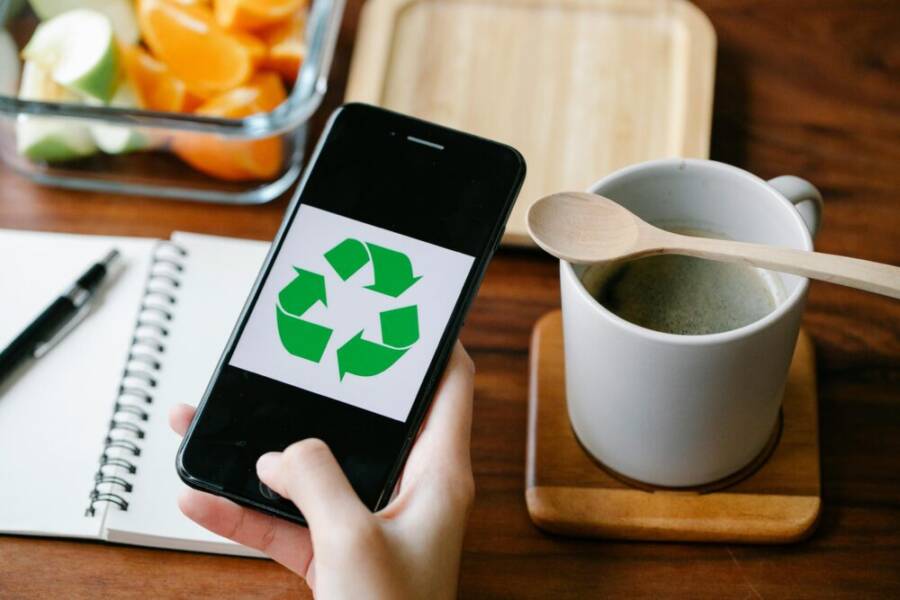
 Photo by Sarah Chai
Donating to schools or nonprofits
Donating is often the easiest way to keep a phone out of the trash while helping others. Look for local programs that accept old devices and ensure they refurbish them for reuse. Start by checking with local schools, libraries, or community centers, or search for national umbrella programs that partner with nonprofits. Before you donate, do a quick wipe to protect donor privacy: back up what you want to keep, then erase all content and factory reset. If you’re unsure which programs to trust, reputable options include organizations like Medic, TechSoup, and Human-I-T, which guide electronics donations to schools and nonprofits. For details on available programs, see Medic’s Phone Donations, TechSoup’s Mobile Beacon details, and Human-I-T’s technology donations.
- Key steps: locate a program, confirm device compatibility, wipe data, and provide any requested accessories or documentation.
- Quick tip: include chargers and a brief note about the device’s condition to speed up processing.
Useful references: Medic Phone Donations, Mobile Beacon for Nonprofits, Human-I-T
Sell or trade in for credit
Selling or trading in your old phone can net you real money or credit toward a new device. Check carrier and manufacturer trade-in programs for clear condition guidelines and estimated values. For the best return, wipe data, remove SIM cards, and photograph the device from multiple angles to document its condition. Keep the original box and accessories if possible, as they can boost value. If the device has minor wear, be upfront about it; honest descriptions build trust and prevent post-sale disputes. Popular programs often balance convenience with fair pricing, especially if the device boots and charges normally. See examples from major trade-in platforms and trusted retailers for current offers.
- Typical conditions: fully functional, cosmetic wear noted, screens intact, no water damage.
- How to maximize value: reset the device, include accessories, and shop around for the highest quote.
References: examples of trade-in and buyback options can be found with major providers and refurbishers.
Recycling and responsible disposal
If the device isn’t suitable for donation or sale, recycling is the responsible route. Choose certified e-waste recyclers that follow proper data destruction and environmental standards. Recyclers typically refurbish usable parts and responsibly handle hazardous materials. To locate a certified facility, search for programs that partner with reputable nonprofits or local governments. You’ll often find options that guarantee data destruction and offer a receipt for your records. For readers seeking verified programs, consider organizations like PCS for People and other nonprofit refurbishers that emphasize accountability and transparency.
- What happens to phones in recycling: components are sorted, metals recovered, and plastics properly processed.
- How to verify a recycler: look for R2 or e-Stewards certifications and clear data destruction policies.
Useful references: PCS for People Tech for Nonprofits, TechSoup Mobile Beacon Details, Global e-waste data resources
Conclusion
Repurposing an old phone gives you practical options that save money and cut waste. A single device can become a dedicated media player, a home security camera, a travel companion, or a smart home hub, keeping your main phone free for essential tasks. The key is to choose one clear path, set it up with minimal apps, and stick with it for efficiency and reliability.
Privacy and sustainability should stay at the front of your plan. Back up what matters, sign out of accounts, and perform a factory reset before handing the phone over. This small step protects your data and makes the repurposed device safer for a new owner or a donor program. Keeping electronics in use longer reduces demand for new manufacturing and lowers environmental impact.
If you’re ready to act, pick a path that fits your daily life and commit to it for a few weeks. You’ll likely notice lower gadget clutter and smaller bills. Share your results or ask for tips in the comments to help others start their own repurposing journey. It’s a simple move with lasting benefits for your wallet and the planet.
There Is a Frequency That the Wealthiest Families Have Used for Generations and Most People Will Never Know It Exists
>>> Open the Door <<<