She Pressed Play on a Strange Audio Track and Within Days Her Financial Reality Started Shifting in Ways She Could Not Explain
>>> See How It Works <<<

Picture your smartphone buzzing to connect to an old speaker instead of your new headphones. It happens when a long-forgotten Bluetooth device still haunts your menu. In this quick guide, you’ll learn simple, safe ways to clean up those connections and keep your phone running smoothly.
Why remove old devices matters. Fewer stray pairings mean faster pairing with new gear, fewer connection drops, and less battery drain. You’ll save time when you’re rushing out the door and want your music or calls to just work. This guide covers both Android and iPhone steps so you can take action right away.
What you’ll gain from these steps. We’ll show you a straightforward process to forget old devices, reset Bluetooth properly, and keep your lists tidy. You’ll also get tips to stay organized going forward, like regular reviews of paired devices. Expect practical, easy to follow instructions that fit into a busy smartphone routine.
Key Reasons to Clear Out Old Bluetooth Devices Right Now
A clean Bluetooth list helps your phone connect faster, stay secure, and run more efficiently. If you’ve got devices you never use or ones you no longer own, it’s time to prune. Below are the strongest reasons to tackle this today and how it pays off in real life.
Thousands of People Were Struggling With Money Until They Discovered This One Ancient Secret Hidden in Sound
>>> Unlock It Now <<<

1) Improve security and privacy
Old Bluetooth entries can expose your device to unnecessary risks. If a previously connected device still appears in your list, it might be able to trigger prompts or maintain a memory of past connections. Clearing out unused devices closes those doors and reduces the chance of accidental pairings. It also helps protect sensitive data that could be exposed if a device is lost or stolen. For a deeper look at Bluetooth security, see reputable guidance on safeguarding mobile devices.
- Clean lists minimize unseen access points.
- Reducing remembered devices lowers the chance of spoofed or unintended connections.
- Regular cleanup is a simple privacy hygiene habit.
External reference: Norton’s guidance on Bluetooth security and how to avoid common pitfalls.
2) Boost battery life and connection performance
Bluetooth scanning and maintaining connections use small amounts of energy. When you keep a long list of paired devices, your phone may work harder to manage them, especially in the background. Clearing out devices you don’t use can reduce background activity and help your battery last longer. You’ll also notice fewer drops or delays when you try to pair new gear.
- Fewer background checks mean steadier performance.
- More predictable battery life during the day.
- Easier, quicker pairing with your current devices.
If you’ve noticed lag or missed connections, cleaning up the device list is a quick, practical step to regain control.
3) Remove clutter and speed up the pairing process
A tidy Bluetooth list makes it easier to find the device you actually want to connect. When you regularly clean old entries, you’ll waste less time scrolling and guessing which device is which. This is especially helpful in crowded environments like offices or airports where you’re trying to pair new headphones or a car system.
- Clear naming clutter by removing duplicates or renamed devices.
- Make the obvious choice obvious again when you pair.
- Save seconds during the morning scramble to get music and calls working.
4) Prevent accidental reconnects in busy scenarios
Unwanted re-connections happen when a device in range automatically pairs with your phone. If a long-forgotten gadget triggers a cross‑connection at the worst possible moment, you’ll be glad you did a quick clean. This is common when multiple people around you use similar Bluetooth devices.
- Avoid interrupted calls due to an old headset reappearing.
- Keep your audio and hotspots stable when you’re on the move.
- Reduce the chance of cross‑device interference in shared spaces.
5) Prepare for new tech and updates
As new devices roll out, you’ll want a clear slate. A streamlined Bluetooth list means you can add new gear without hunting for a missing old device or re-pairing problems. It’s a small step that pays off when you upgrade your headphones, car system, or fitness trackers.
- Easier onboarding of new devices.
- Fewer steps required to re-pair after OS updates.
- Cleaner device management as your ecosystem grows.
Photo evidence and practical tips
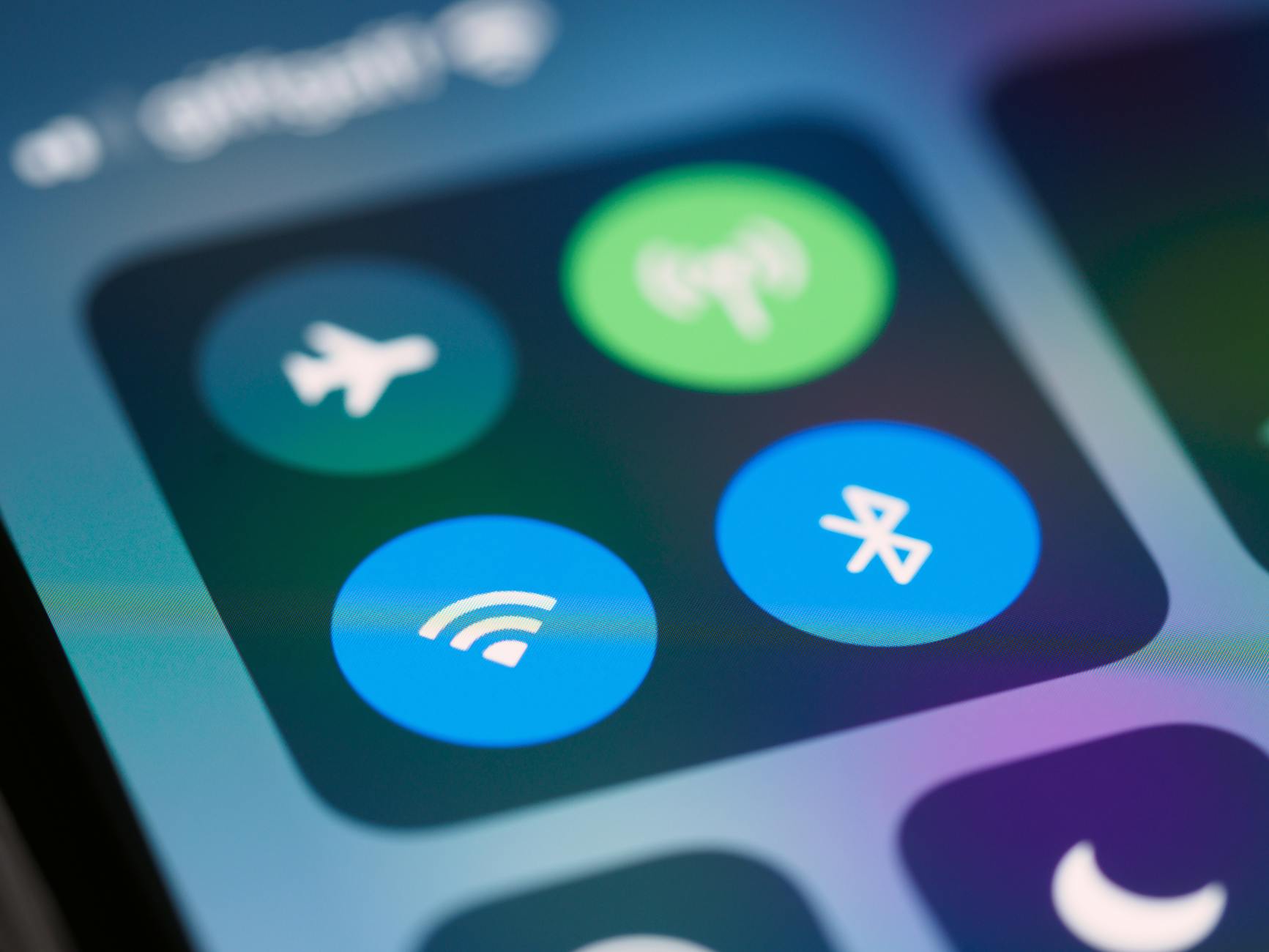
Photo by Brett Jordan
For further reading as you work through your cleanup, you can explore guides on how to remove paired Bluetooth devices on different Android phones and tips for maintaining Bluetooth health over time. You’ll also find practical steps to reset Bluetooth on your devices without impacting other settings. Here are a few reputable resources to deepen your understanding:
- How to remove paired Bluetooth devices on your Android phone — Android Police. https://www.androidpolice.com/remove-bluetooth-devices-android/
- How to delete Bluetooth information from a device — Sony Support. https://www.sony.com/electronics/support/articles/00204668
- Bluetooth security risks to know plus how to avoid them — Norton. https://us.norton.com/blog/mobile/bluetooth-security
This section keeps you focused on practical, repeatable actions. When you’re ready, the next sections will walk you through the exact steps to forget devices on Android and iPhone, plus tips to keep your Bluetooth list clean over time.
Step-by-Step: Remove Old Bluetooth Devices on Android Phones
Cleaning up your Bluetooth list keeps your phone snappy and ready for new gear. Whether you’re swapping headphones, car kits, or fitness trackers, the goal is the same: remove what you don’t use, minimize confusion, and prevent stray connections. The steps below cover a range of Android devices, including Samsung, Google Pixel, and other popular brands. As you follow along, picture your smartphone’s settings menu becoming a tidy, well-organized toolbox for wireless devices.
Basic Steps for Most Android Phones
Detail: Settings > Connected devices > Bluetooth > gear by device > Forget/Unpair. Confirm. Tip to disconnect only if needed. Screenshots in mind for markdown. Simple language.
- Open the Settings app on your Android phone.
- Tap Connected devices or a similar section, then select Bluetooth.
- Find the device you want to remove and tap the gear icon or the device name.
- Choose Forget or Unpair, then confirm the action.
- Repeat for any other old devices you no longer use.
If you’re frequently mispairing in busy places, consider temporarily turning off Bluetooth when you don’t need it. This reduces background scanning and helps your phone focus on the gear you actually want to connect. For broader Bluetooth health practices, you can explore popular guides like how to remove paired Bluetooth devices on Android for step by step visuals and quick fixes.
For more context on common Android Bluetooth issues and management, see helpful resources such as How to Remove Paired Bluetooth Devices on Android and related troubleshooting pages. You’ll find clear, device by device instructions to keep your list tidy and ready for action.
Samsung Galaxy Phones: Quick Unpair Guide
Settings > Connections > Bluetooth > gear > Unpair. Note reset option later.
- Open Settings on your Galaxy.
- Go to Connections and then Bluetooth.
- Tap the gear icon next to the device you want to remove.
- Select Unpair or Unbind. Confirm the action.
- If you plan to reconnect later, you can choose to forget and re‑pair from scratch.
Samsung users sometimes encounter small menu differences between One UI versions. If you ever see a “Reset” option after unpairing, you might be tempted to reset Bluetooth data. Save that for a later step if you’re cleaning up multiple devices or troubleshooting connectivity. For a deeper dive, Galaxy users benefit from official guides like Easy steps to unpair a Bluetooth device from your Samsung Galaxy and related community threads, which clarify the path for various firmware versions.
Google Pixel and Other Brands Like Xiaomi or OnePlus
Settings > Bluetooth > (i) or gear > Forget/Unpair. Note small menu differences.
- On Pixel, you’ll typically open Settings > Connected devices > Bluetooth, then tap the paired device and choose Forget.
- On Xiaomi or OnePlus phones, the route is often Settings > Bluetooth > gear icon or device row > Forget/Unpair.
- Confirm the action and confirm again if prompted.
Different brands use slightly different labels for the gear icon and the exact naming of the forget option. If you don’t see Forget right away, look for a gear, three dots, or an “i” information icon next to the device. A quick screenshot-like mental map helps you navigate faster during actual use.
To broaden your understanding, you can consult comprehensive guides that show step by step how to forget or unpair Bluetooth devices on Android across multiple brands. These resources walk you through brand-specific quirks and ensure you don’t miss a hidden menu.
Reset All Bluetooth Pairings on Android (For Major Cleanups)
Settings > General management (Samsung) or search ‘Reset network’. Warn it clears Wi-Fi too, re-pair needed. When to use: many old devices or glitches.
- If your device list has grown unwieldy or you’ve run into stubborn pairing problems, a full reset of Bluetooth pairings can be a practical move.
- On Samsung devices, go to Settings > General management and look for “Reset network” or similar. On other Android phones, you can use the built-in reset Bluetooth settings option from the Bluetooth settings menu or the system settings search.
- Be aware this will clear saved Wi‑Fi networks as well, so you’ll need to re‑connect to known Wi‑Fi networks after the reset.
- After the reset, pair only the devices you actively use. This makes future pairing smoother and faster.
Use this option when you’re dealing with many old devices, inconsistent behavior, or lingering glitches that simple unpairs haven’t resolved. It’s a reset for the Bluetooth subsystem, not a full device reset, but it’s still a big step. If you’re unsure, try the lighter unpair steps first and reserve this for a thorough cleanup.
Links and resources can help you decide if a full reset is right for you. For example, guides on how to reset network settings on Android phones provide context on when this approach makes sense and what to expect after the reset, particularly with re‑pairing essentials like headphones, cars, and wearables.
What to do after you clean up
- Re‑check your list: periodically review paired devices to catch old or renamed entries.
- Rename devices clearly when you pair them new. A simple naming convention helps you scan quickly next time.
- Keep a small routine: every few months, skim the Bluetooth list and remove anything you no longer own or use.
- Consider creating a quick checklist for outings where you rely on Bluetooth a lot, like car trips or gym sessions.
External references provide practical perspectives on Android Bluetooth management and common unpairing questions. A few trusted sources walk through the unpairing process, explain why resetting Bluetooth settings can help, and show how to handle brand-specific nuances. For instance, you can review how to remove paired Bluetooth devices on Android and the related how-to links for Samsung, Pixel, and other major brands.
Additional real‑world tips
- If a device keeps reappearing after unpairing, make sure it isn’t set to auto‑connect in its own app or on a secondary device. Sometimes a nearby device or car system can trigger a fresh connection.
- Names matter. If you have multiple similar devices (for example, several car systems or headsets), rename them to something distinctive. Short, memorable names save time when you’re in a hurry.
External links
- How to Remove Paired Bluetooth Devices on Android. https://www.howtogeek.com/how-to-remove-paired-bluetooth-devices-on-android/
- Easy steps to unpair a Bluetooth device from your Samsung Galaxy. https://www.samsung.com/ca/support/mobile-devices/unpair-a-bluetooth-device-from-your-samsung-galaxy/
- How to remove linked devices like Bluetooth earphones from fast pair Google account. https://support.google.com/android/thread/248476249/how-to-remove-linked-devices-like-bluetooth-earphones-from-fast-pair-google-account?hl=en
- How to remove paired Bluetooth devices on Android. https://www.androidpolice.com/remove-bluetooth-devices-android/
- Delete Paired Bluetooth Connection – Android. https://www.verizon.com/support/knowledge-base-201242/
This section stays practical and action‑oriented. It’s designed to fit into a broader guide that already helps readers understand why and when to clean up Bluetooth. The next sections will walk you through real‑world step by step screens and offer tips to keep your Bluetooth list tidy over time.
Simple Guide: Forget Old Bluetooth Devices on Your iPhone
If you’ve got a stack of old Bluetooth devices still showing up on your iPhone, you’re not alone. Those stray entries can cause mispairings, slower connections, and even minor security concerns. The good news is you can clean things up in a few straightforward steps. This section walks you through why it matters, how to forget devices on an iPhone, and how to keep your Bluetooth list tidy going forward. Think of it as a quick, practical reset for your wireless world.
Why removing old Bluetooth devices matters on iPhone
Old Bluetooth entries linger in memory and can pop up when you least expect it. Removing them helps your iPhone connect to the gear you actually use, without interference from forgotten devices.
- Faster and more reliable pairings when you need them.
- Fewer prompts from devices you no longer own.
- A small privacy hedge if a device goes missing and lands in someone else’s hands.
Keeping a lean list also reduces the chance of accidental connections in busy spaces like offices, airports, or gyms. It’s a simple habit that pays off in smoother everyday use.
What If the Only Thing Between You and the Life You Deserve Is a Hidden Wealth Code Waiting to Be Activated
>>> Open the Door <<<

There Is a Frequency That the Wealthiest Families Have Used for Generations and Most People Will Never Know It Exists
>>> Open the Door <<<

Quick checks before you start
Before you dive into unpairing, a couple of quick checks can save you time and avoid surprise issues.
- Confirm which devices you still actively use. If you haven’t touched a device in months, plan to remove it.
- Note the exact device names. If several devices share similar names, plan to rename the remaining ones after you clean up.
- Make sure Bluetooth is enabled or disabled as needed. A quick toggle off and on can fix minor quirks if you don’t want to commit to a full cleanup yet.
For a deeper dive into official guidance, you can review Apple’s guide on connecting Bluetooth accessories to iPhone, which covers the steps for most iOS versions and devices. This helps ensure you’re following the recommended flow for your specific iPhone model. Connect iPhone to Bluetooth accessories
Forgetting a device on iPhone: a step‑by‑step approach
The core action is simple: forget the device, then re‑pair only when you need it. Here’s a clean, reliable method.
- Open the Settings app on your iPhone.
- Tap on Bluetooth to view the list of paired and available devices.
- Find the device you want to remove and tap theInfo button (the small “i” or gear icon) next to it.
- Tap Forget This Device and confirm. If prompted, you may also choose to forget the device from all devices if you see that option.
- Repeat for any other old entries you no longer use.
Once you’ve forgotten a device, it won’t automatically reconnect in the future. If you ever want to use it again, you’ll need to pair it from scratch. This keeps your current gear front and center and avoids the confusion of a long, mixed list.
Tip: If a device keeps reappearing after you’ve removed it, check whether its companion app on the iPhone includes an auto‑connect setting. Turning off auto‑connect in that app can prevent reintroduction of the device into your Bluetooth list.
When a simple forget isn’t enough: troubleshooting common issues
If you run into stubborn devices that won’t disappear or if you’re dealing with unusual Bluetooth behavior, a few targeted moves can help.
- Restart Bluetooth: Toggle Bluetooth off, wait a moment, then turn it back on. This can refresh the list and clear stubborn entries.
- Restart the iPhone: A quick reboot can clear minor glitches and ensure changes take effect.
- Reset network settings (last resort): If you’re facing persistent cross‑connections or widespread connectivity trouble, resetting network settings can help. Be aware this will remove saved Wi‑Fi networks and passwords, so you’ll reconnect to known networks afterward. This step is best saved for when standard unpairing fails and you’re prepared to reconfigure connections.
For deeper guidance, Apple’s troubleshooting discussions and support pages often cover device‑specific quirks and steps to resolve stubborn unpairs. If you’re curious about user experiences and fixes, you can explore community discussions and official support threads for iPhone Bluetooth issues. For example, you can review how to delete a paired Bluetooth connection on iPhone through official and user‑driven resources. Apple discussions and support guidance
Keeping your Bluetooth list tidy over time
A little discipline goes a long way. Regular checks save you time and prevent clutter from building up again.
- Schedule a quarterly review: skim your Bluetooth list and remove anything you no longer own or use.
- Rename devices clearly after pairing new ones: a distinctive name makes it easy to spot the device at a glance.
- Limit active pairings to what you truly rely on: fewer devices in range means fewer prompts and less background activity.
If you want additional context on why a clean Bluetooth setup helps, there are practical guides that walk through common unpairing tasks across devices and provide brand‑specific tips. For example, resources on removing paired Bluetooth devices on Android can offer a broader view of how these processes compare, which can help you troubleshoot cross‑platform environments in a pinch. (Note that your focus here remains on iPhone, but cross‑device awareness can be useful when you own both platforms.)
A quick real‑world checklist
- Connect iPhone to Bluetooth accessories
- Forget the device from the Bluetooth list
- If needed, restart Bluetooth or the iPhone
- Rename remaining devices for quick identification
- Do a routine clean every few months
These steps keep your iPhone ready for the next smart gadget without the guesswork of hunting through a crowded list.
External resources you may find helpful include practical guides that detail the unpairing process for various devices and models. For instance, guides on how to remove paired Bluetooth devices on Android provide a cross‑reference that often clarifies common menu labels and options you’ll encounter on iPhone as well. How to remove paired Bluetooth devices on Android
If a device won’t disappear, or if you suspect a bug in the OS, reaching out to Apple Support or visiting Apple’s official troubleshooting articles can help you identify a model‑specific solution. The goal is a clean, reliable Bluetooth experience so your next podcast, call, or workout playlist stays in sync with the gear you actually use. For more on how to handle stubborn Bluetooth issues on iPhone, you can explore community threads and official guidance that address unpairing bottlenecks and safe workarounds.
Smart Tips to Manage Bluetooth and Fix Stubborn Issues
Bluetooth should feel invisible: you tap play and the sound just works. When it doesn’t, small, practical tweaks can restore smooth performance. This section packs quick diagnostics, proven fixes, and long-term habits to keep your wireless world tidy. Think of it as a smart maintenance routine for your smartphone.
Quick diagnostic checklist
Before you dive into fixes, run a fast check to narrow down the cause. Start with the basics and move to device-specific steps if needed.
- Confirm Bluetooth is on both ends. A quick toggle off and on can shake loose a stubborn connection.
- Verify the devices you want to use are paired and connected. If a device shows as paired but isn’t active, forget and re-pair.
- Check for interference. Move away from crowded networks, cars with dashboards, or dense pockets of Bluetooth devices.
- Inspect software versions. An OS update can fix known Bluetooth quirks; if you recently updated, re-test with a known-good accessory.
- Restart the phone. A clear restart solves many glitches that a simple toggle cannot.
If you want a structured walkthrough, Google’s Bluetooth fixes for Android cover the basics and then escalate to more advanced options. It’s a solid starting point when things feel off. Fix Bluetooth problems on Android
Common stubborn issues and how to address them
Some Bluetooth problems resist the usual forget and re-pair. Here are targeted tactics that quickly resolve the most stubborn cases.
- Device not appearing in the list: Ensure the accessory is in pairing mode, then try scanning again. If it still doesn’t appear, toggle airplane mode off and on, then re-check.
- Intermittent audio drops: Check for competing wireless signals or set the device to a dedicated profile (like media audio only). If drops persist, unpair and re-pair with the latest firmware on the accessory.
- Auto-connect reappears after unpairing: Some accessories have a companion app that enforces auto-connect. Disable auto-connect in the accessory app and re-pair from scratch.
- Slow or failed pairing in busy spaces: Turn off Bluetooth temporarily when not using it. In busy venues, a clean list helps the system focus on your current devices.
For deeper Android-specific guidance, reputable sources walk through brand nuances and step-by-step fixes. A solid starter is Android-focused Bluetooth cleanup and troubleshooting. How to remove paired Bluetooth devices on Android
On iPhone, stubborn behavior often ties to a mix of device firmware and iOS quirks. If standard forgetting fails, a broader reset of network settings can help, but be ready to reconnect Wi‑Fi afterward. iPhone Bluetooth not working? Here’s how to fix it
Cross-platform habits that prevent future headaches
A few simple routines keep Bluetooth clean across devices and ecosystems. These habits pay off in less fiddling when you need reliable wireless connections.
- Regular prune cadence. Schedule a quick quarterly review of paired items. Remove anything you no longer own or use.
- Clear naming conventions. Give devices distinctive names so you can spot them at a glance in a crowded list.
- Centralize re-pairing. When you add a new gadget, pair it directly from the accessory’s own app or from the Bluetooth menu to avoid duplicates.
- Limit auto‑connect behaviors. Disable auto-connect where possible to avoid unwanted re-pairing in busy environments.
If you run a mixed device setup, it helps to review cross-platform guides. They offer practical comparisons and tips that save time when you’re managing both Android and iPhone gear. For Android comparisons and broader strategies, this Android-focused guide is useful. Fix Bluetooth problems on Android
Privacy and security best practices for Bluetooth
A clean Bluetooth list reduces exposure to unknown devices and protects your data. Here are guardrails to keep your wireless interactions safer.
- Forget devices you no longer own. Each forgotten device reduces the chance of an unintended reconnect.
- Rename devices with clear labels. Short, unique names help you avoid mistakenly selecting the wrong gadget.
- Monitor auto-connect settings. Auto-connect can invite unwanted re-pairing in busy zones.
If you’re curious about broader Bluetooth security, reputable guides outline how attackers exploit Bluetooth and how to defend against it. Regular cleanup is a simple privacy hygiene habit.
When to reset vs when to forget
Sometimes a stubborn cluster demands a deeper reset. Here’s how to decide between a light cleanup and a full reset.
- Forget and re-pair first. This solves most issues without affecting other settings.
- Reset Bluetooth settings (Android). If many devices misbehave or mispair, a Bluetooth reset cleans the slate while preserving most data. Note that some Android brands require a broader network reset, which can affect Wi-Fi networks.
- Reset network settings (iPhone). Use this when cross‑connections persist across multiple devices. Be prepared to re-enter Wi‑Fi passwords afterward.
Use resets sparingly. They solve systemic problems but introduce the chore of reconfiguring known networks and connections. If you’re unsure, start with the lighter unpair steps and escalate only if problems persist.
A practical troubleshooting flow you can follow
- Step 1: Turn Bluetooth off, then on.
- Step 2: Forget the problematic device and re-pair.
- Step 3: If issues persist, reboot the phone.
- Step 4: Test with a different device to determine if the problem is device-wide.
- Step 5: If all else fails, consider a full network reset after backing up essential data.
This method keeps actions small and reversible, so you can climb out of a knot without risking more issues.
Quick reference resources
- For Android users, a reliable overview of common steps is available through Android support guides. Fix Bluetooth problems on Android
- If you’re troubleshooting iPhone, Apple’s guidance and active community discussions can help you identify model-specific quirks. Apple discussions and support guidance
- For broader iOS Bluetooth tips and fixes, trusted tech outlets offer practical steps you can follow. Is Your iPhone’s Bluetooth Not Working? 10 Easy Ways To Fix It
Images enhance scanning and retention
 Photo by Brett Jordan
This image fits the idea of a smartphone control center, a visual cue for readers navigating Bluetooth settings. It’s placed here to align with the practical, how-to tone of the section. Credit and licensing details are included for transparency.
Putting it all together
- Start with a quick diagnostic to identify the friction point.
- Apply targeted fixes for stubborn devices and consider brand-specific steps if needed.
- Build a lean, organized Bluetooth list you can rely on in daily life.
- Use resets only when regular unpairing fails and you’re prepared to reconfigure connections.
External references offer practical perspectives on both Android and iPhone Bluetooth management. They help you see how different devices handle similar tasks and where to find brand-specific remedies. For a cross‑platform view, explore guides that compare Android and iPhone cleanup workflows. How to remove paired Bluetooth devices on Android
Conclusion
Cleaning up old Bluetooth devices on your smartphone brings tangible benefits you’ll feel quickly. On Android, the quick cleanup is a matter of Settings > Connected devices > Bluetooth, then Forget or Unpair for each unused gadget. On iPhone, open Settings > Bluetooth, tap the Info button next to a device, and choose Forget This Device. Do this for every nuisance entry, then test with a known good accessory to confirm everything works smoothly.
A brisk Android and iPhone recap helps you act fast. Remove devices you no longer own or use, rename the remaining ones so they’re easy to identify, and keep the list lean. Regular checks prevent mispairs, reduce background scanning, and improve battery life. In crowded places, a tidy list keeps your smartphone connecting to the right gear with less effort.
Smartphone health comes from habit as well as happenstance. Set a simple routine: a quarterly review, quick renames after new pairings, and a brief reset only if stubborn items linger. If you depend on car systems, wireless speakers, or fitness wearables, a clean slate makes future setups faster and less frustrating.
Try these steps now and share your experience in the comments. A short note about what you removed or renamed helps others learn from your setup. Peace of mind comes from knowing your list stays focused on the gear you actually use, and regular cleanups keep things smooth.
He Was Drowning in Bills and Burnout Until a Simple Daily Ritual Rewired His Brain for Wealth in Less Than a Week
>>> Start Your Shift Today <<<
