He Was Drowning in Bills and Burnout Until a Simple Daily Ritual Rewired His Brain for Wealth in Less Than a Week
>>> Start Your Shift Today <<<

Ever had your smartphone start playing music through the car’s speaker while you were just trying to take a quick call? That annoying auto connection to the wrong Bluetooth device happens more often than you think, and it can ruin a drive or a quick workout. This introduction walks you through why it happens and shows simple fixes that work on both Android and iOS.
You’ll learn the common culprits behind this mix up, from lingering pairings to signal interference and overlapping device names. The goal is to reset what the phone remembers and set a clear priority for connections. You’ll get practical steps that don’t require technical skills, so you can fix most cases fast.
We cover quick wins first, like restarting devices and toggling Bluetooth, then move to more reliable fixes such as forgetting the wrong device and re pairing it correctly. You’ll see how to handle duplicate names, stale Bluetooth states, and the role of system updates. This guide applies to the latest smartphone software, with steps that fit both Android and iOS.
If you rely on a car system, wireless headphones, or a smartwatch, you’ll find tailored tips to prevent future mix ups. The tips are designed for everyday use and don’t demand special tools. By the end, you’ll have a clear, repeatable routine to keep your connections steady and your calls or music where you want them.
There Is a Frequency That the Wealthiest Families Have Used for Generations and Most People Will Never Know It Exists
>>> Open the Door <<<

Key takeaway: with a few deliberate steps, you can stop auto connections to the wrong device and restore a smooth, frustration free experience for your everyday smartphone tasks.
Why Does Your Phone Keep Connecting to the Wrong Bluetooth Device?
When your phone seems to have a mind of its own, connecting to the wrong Bluetooth device, it can feel like a game of musical chairs. The problem often isn’t the hardware failings of one device but the way Bluetooth devices remember each other and pick a preferred connection. In practice, your smartphone weighs previous pairings, signal strength, and nearby options to decide who gets the next auto connect. Understanding these factors helps you spot the root cause and fix the issue quickly.
- A quick reminder: Bluetooth is designed to simplify life by letting devices “forget” nothing and rebind when they meet again. That means your phone might still think a set of earbuds or a speaker is the best choice even after you’ve stopped using them. The result is auto connections to devices you don’t want to hear from in the moment.
- The right fix usually starts with a small reset: clear out stale pairings, adjust the connection priority, and re pair the devices you actually want to use.
Stored Pairings and Auto-Connect Habits
Phones don’t forget in a vacuum. After you pair a Bluetooth device once, your phone stores that bond as a reference for future connections. This streamlined memory makes everyday use fast—the phone automatically reconnects to the device it believes is the most recently used and most reliable. The goal is convenience, not always accuracy, which is why you may see an earbuds case or a car system connecting the moment you turn on Bluetooth.
A common scenario looks like this: you set up a pair of wireless earbuds for a workout, then switch to a different set or back to your phone’s built in speakers. Weeks later, when you enable Bluetooth, your device might instantly reconnect to the earbuds again, even if you’re not listening to music. The auto connection happens because the previously paired device still holds a “favorite” status in the Bluetooth cache. You can see this behavior on both Android and iOS, where the system prioritizes the most familiar device in the last known good state.
What to do right now:
- Review your paired devices list and remove anything you no longer use. On Android, go to Settings > Connections > Bluetooth, then expand the device list and choose Forget. On iOS, open Settings > Bluetooth, tap the “i” next to the device, then tap Forget This Device.
- If you still need a device but want to prevent it from auto reconnecting, forget it and re pair it as needed. Re pairing gives you a clean slate and lets you specify which device should take priority.
- Consider naming clarity. If several devices share a similar name, you may mistake one for another in a crowded Bluetooth environment. Renaming devices can help you distinguish them quickly.
For more about managing Bluetooth pairings on Android, you can explore guidance from Google’s support on finding and setting up Bluetooth devices near your Android device. This resource explains how connections are established after the first pairing and what to do when things go awry. You can read it here: https://support.google.com/android/answer/9417604?hl=en.
Additionally, practical perspectives from community forums offer real-world fixes when a device stubbornly re connects. For example, Android Stack Exchange discusses prioritizing or making Bluetooth connections sticky on an Android phone, which is essentially about forcing a preferred device through settings and workflow. Read more here: https://android.stackexchange.com/questions/257036/is-there-a-way-to-prioritize-or-make-bluetooth-device-connections-sticky-on-an.
Android and iOS both benefit from a methodical approach to clean up and re establish connections. If you want a developer’s view on auto connecting to already paired devices, the Stack Overflow thread on auto connect with already paired Bluetooth devices provides useful insights into how the system handles profiles and permissions. See the discussion here: https://stackoverflow.com/questions/47791709/auto-connect-with-already-paired-bt-device.
Signal Strength and Interference Problems
Beyond memory, the air around your devices matters. Bluetooth uses short range radio frequencies, and the strength of the signal plays a big role in who wins the connection contest. When you’re near multiple Bluetooth devices, the one with the strongest, clearest signal tends to claim the link first. If a weaker device stays in range, you may notice inconsistent behavior or occasional cross connections as the software negotiates the best possible link.
Interference is another common culprit. Household routers, microwave ovens, and even some wireless speakers operate on nearby frequencies. These signals can create noise in the same spectrum Bluetooth uses, causing your phone to switch or lock onto a nearby device that happens to broadcast a stronger signal at that moment. The result can be quick hiccups in audio playback, calls, or data transfers as the phone negotiates a new connection with a more responsive device.
A few practical steps can reduce interference and improve reliability:
- Move closer to the device you want to connect to, or reduce the distance between devices during pairing. A clear path helps the Bluetooth radio maintain a strong link.
- Keep other wireless devices out of the line of sight if possible. Turn off or relocate routers and microwaves during important sessions to minimize noise.
- Check the device’s firmware. Sometimes a simple update improves how the device handles connections and resists interference.
- If you’re in a crowded space with many Bluetooth devices, consider temporarily turning off Bluetooth on devices you aren’t using to reduce the number of potential connections the phone must evaluate.
If you’ve wondered how signals affect the connection, the idea of signal strength dominance is well described in consumer tech discussions. For example, explanations of why Bluetooth connections crack or cut out can shed light on the limitations of the technology and what users can do in everyday situations. A good starting point is a detailed explainer on why Bluetooth audio keeps cracking or cutting out, which covers both hardware and environment factors. You can read more at this resource: https://www.xda-developers.com/why-bluetooth-audio-keeps-cracking-or-cutting-out/.
In addition, it helps to understand how to prevent BLE pairing failures in the first place. Guidance from sidekick interactive outlines practical steps to minimize failures and recover quickly when they happen. Check out their overview here: https://www.sidekickinteractive.com/uncategorized/how-to-prevent-ble-pairing-failures-and-what-to-do-when-it-happens/.
If you’re troubleshooting on Android specifically, a straightforward reference from Make Tech Easier explains how to set priority for network and Bluetooth connections on Android. This can help you enforce the device you want to connect to first. Learn more at https://www.maketecheasier.com/set-network-bluetooth-priority-android/.
On iOS devices, proximity and signal behavior are closely watched by Apple’s community forums. A discussion about how interference can cause auto connect to unknown devices is a common concern among users, with practical tips for managing Bluetooth memory and device lists. See the conversation here: https://discussions.apple.com/thread/255957010.
Takeaway: when you address both stored pairings and signal environment, you’ll see a measurable improvement in staying with the device you choose. If your setup involves a car stereo or a dedicated wireless speaker, these adjustments pay off in everyday use and reduce the chance of stray connections during workouts or commutes.
- Be deliberate about which device is your primary target for automatic connection. The more you enforce a single, known device, the less the phone will wander to others.
- Use simple naming and a clean device list. When you have five or fewer devices in the memory, the chance of mis pairing drops dramatically.
- If you must work in a space with heavy interference, temporarily disabling nearby non essential Bluetooth devices can stabilize the connection.
External resources offer practical, real world context for these ideas. For Android users, Google’s official guidance on finding and setting up Bluetooth devices near your Android device gives a clear picture of how pairing becomes the default and what you can adjust when it goes wrong. Read more at https://support.google.com/android/answer/9417604?hl=en. For threads that explore the nuances of prioritizing or making Bluetooth connections sticky on Android devices, see https://android.stackexchange.com/questions/257036/is-there-a-way-to-prioritize-or-make-bluetooth-device-connections-sticky-on-an. If you want a broader take on auto connecting to devices you’ve already paired, check out https://stackoverflow.com/questions/47791709/auto-connect-with-already-paired-bt-device.
In the end, the combination of clean pairings and a well managed radio environment often resolves the issue. If you keep a single focus device as your primary Bluetooth target and remove the rest, your smartphone will behave more predictably. The result is a smoother daily routine—music in the right place, calls routed correctly, and fewer moments of confusion in crowded Bluetooth spaces.
Quick Fixes to Stop Wrong Connections Fast
When your phone keeps pairing with the wrong device, it can feel like a persistent mix up. These quick fixes are designed to break the loop fast and set a clean foundation for stable Bluetooth behavior. The goal is simple: make your phone forget the undesired connections, tighten the preferred option, and reduce interference from the surrounding tech noise. You’ll likely solve most cases with a handful of deliberate steps that work on both Android and iOS.
Toggle Bluetooth and Restart Devices
A lot of times, the fastest fix is also the simplest. Turning Bluetooth off and back on resets the local connection state. A quick restart of your phone and the accessory that keeps jumping in line can clear stubborn caches and reinitialize the link with a clean slate.
- Step-by-step: swipe into quick settings, toggle Bluetooth off, wait a few seconds, then turn it back on. If the problem persists, restart your phone. Do the same with the accessory—power it off for 10 seconds, then turn it back on.
- After reboot, try reconnecting to the device you actually want to use. This often resolves temporary misrouting caused by stale memory or momentary signal quirks.
Why this works: Bluetooth maintains a memory of recent connections. A fresh start flushes that memory and invites a new, correct handshake between devices. If you need a deeper dive, Google’s troubleshooting guide on Android Bluetooth basics is a solid reference for the basics and troubleshooting steps. Read more here: https://support.google.com/android/answer/9769184?hl=en.
If you’re using a wearable or car system, a quick restart can also help reestablish a clean state. This approach is especially effective when the wrong device seems to “stick” in the auto-connect queue after updates or a long period of idle Bluetooth activity.
Forget the Wrong Device on Your Phone
Forgetting the misbehaving device ensures your phone stops prioritizing it over more relevant connections. It’s a one-way reset that redefines which devices your phone considers for auto connection.
- On Android: Settings > Connections > Bluetooth, locate the problematic device, and choose Forget. If you want to be thorough, remove all devices you no longer use.
- On iOS: Settings > Bluetooth, tap the info icon next to the wrong device, then choose Forget This Device. If you’ve already forgotten it, restart Bluetooth and re-pair only the devices you need.
- After forgetting, re-pair the correct device. This creates a fresh bond with the target device and helps prevent reentry of the wrong one.
Why this matters: once the wrong device is removed from the memory, the phone can’t automatically reconnect to it. This is often enough to stop the stray connections that derail your calls or audio. It’s also worth naming clarity; if several devices share a similar name, renaming them helps you identify the right one quickly.
- For Android users, official guidance covers removing and re-pairing Bluetooth devices and can be a helpful step-by-step reference: https://www.androidpolice.com/remove-bluetooth-devices-android/.
- For iPhone users, Apple discussions highlight common friction points with forgetting devices and re-pairing, which can prevent future reoccurrence: https://discussions.apple.com/thread/5594622
If you want more context on managing Bluetooth memory across platforms, a helpful overview from Stack Exchange explains how to handle “sticky” connections and prioritize devices, which complements these forget-and-repair steps: https://android.stackexchange.com/questions/257036/is-there-a-way-to-prioritize-or-make-bluetooth-device-connections-sticky-on-an.
Clear Nearby Interference
Radio interference is a frequent culprit behind wrong or unstable Bluetooth behavior. When several devices share the same airwaves, the strongest signal often wins the connection lottery, which can result in your phone hopping to a nearby headset or speaker mid-use.
- Practical steps:
- Move closer to the device you want to use, or place obstacles between devices to improve signal integrity.
- Turn off other Bluetooth devices you aren’t actively using during important sessions.
- Keep the devices and your phone away from high-bandwidth sources like crowded Wi-Fi networks and dense electronics.
- Check for firmware updates on the target device; manufacturers often release fixes that improve stability and reduce interference.
If you’re curious about how signal strength shapes Bluetooth behavior, a good explainer delves into why connections crack or cut out and what that means for everyday usage. You can read more at this resource: https://www.xda-developers.com/why-bluetooth-audio-keeps-cracking-or-cutting-out/.
Understanding interference also helps you plan for tricky environments. For example, BLE pairing can fail more often in crowded spaces. A concise guide from Sidekick Interactive outlines practical steps to prevent BLE pairing failures and how to recover quickly when they happen: https://www.sidekickinteractive.com/uncategorized/how-to-prevent-ble-pairing-failures-and-what-to-do-when-it-happens/.
If you’re troubleshooting on Android, a Make Tech Easier article explains how to set priority for network and Bluetooth connections, which can reinforce the device you want to connect to first: https://www.maketecheasier.com/set-network-bluetooth-priority-android/.
On iOS, proximity and interference concerns are common in community forums. A discussion on how interference can trigger auto connect to unknown devices provides practical tips for managing memory and device lists: https://discussions.apple.com/thread/255957010.
Takeaways: combine a clean device list with a quieter radio environment, and you’ll see fewer stray connections and more reliable performance in daily use. When you’re in a car system or a dedicated wireless speaker setup, these adjustments pay off during commutes or workouts.
- Pro tip: designate a single primary Bluetooth device for automatic connections. The simpler your memory, the fewer chances the phone has to wander.
- Keep device names clear and distinct. A small naming tweak reduces misidentification in busy Bluetooth spaces.
- If you’re in a heavy interference zone, temporarily disabling nonessential Bluetooth devices can stabilize the connection.
External references offer practical context for these tips. For Android users, Google’s official guidance on finding and setting up Bluetooth devices near your Android device helps you understand how pairing becomes the default and what to adjust if it goes wrong: https://support.google.com/android/answer/9417604?hl=en. For broader discussions about prioritizing or making Bluetooth connections sticky, you can also explore community threads like this: https://android.stackexchange.com/questions/257036/is-there-a-way-to-prioritize-or-make-bluetooth-device-connections-sticky-on-an. And if you want a broader take on auto connecting to devices you’ve already paired, see this Stack Overflow discussion: https://stackoverflow.com/questions/47791709/auto-connect-with-already-paired-bt-device.
Key takeaway: a disciplined approach—clear pairings, a stable primary device, and a calmer RF environment—reduces the odds of wrong connections and keeps your daily smartphone tasks on track.
Note: In crowded spaces or with multiple car systems and headphones, repeating the above steps as a quick routine will help keep connections predictable. If you’d like, I can tailor these steps to your exact device mix (brand, model, OS version) to build a repeatable, time-saving routine.
Step-by-Step Fixes for Android Phones
If your Android phone keeps connecting to the wrong Bluetooth device, you’re not alone. The fix doesn’t have to be complicated. Think of it as cleaning up memory, narrowing your targets, and lighting a clear path for the right device to win the connection. Below are practical, step-by-step fixes that work on most Android hardware and software versions. You’ll move from quick wins to more thorough resets, and you’ll finish with a routine you can repeat anytime.
Clear Bluetooth Cache and Data
Over time, the Bluetooth stack can accumulate stale data. Clearing the cache and data for Bluetooth shared processes helps reset the system’s memory of past connections and can stop auto connections to the wrong device.
What to do:
- Show system apps, then find the Bluetooth-related entry (often labeled Bluetooth Share or Bluetooth) and clear its cache and data.
- If you’re unsure where to start, begin with Bluetooth settings, then clear Bluetooth data through the app settings for your device.
Why this helps: you’re forcing the OS to rebuild the trust with devices you actually pair, rather than relying on an old, possibly corrupted shortcut. After clearing, re-pair your preferred devices in a fresh session.
Helpful tips:
- If you see multiple devices with similar names, rename them to avoid confusion.
- After clearing, reboot the phone and re-establish connections with only the devices you want to use.
For deeper context and practical steps on Android, Google’s support on finding and setting up Bluetooth devices near your Android device explains how pairing becomes the default and what to adjust when things go wrong. Read more at https://support.google.com/android/answer/9417604?hl=en.
External perspectives provide real-world context as well. A common thread in Android communities focuses on clean, minimal device lists to prevent mis-pairing. See a representative discussion here: https://android.stackexchange.com/questions/257036/is-there-a-way-to-prioritize-or-make-bluetooth-device-connections-sticky-on-an.
If you want a broader take on how developers view auto connection behavior, a Stack Overflow discussion offers insights into how devices handle profiles and permissions during pairing. Check it out at https://stackoverflow.com/questions/47791709/auto-connect-with-already-paired-bt-device.
Reset Network and Bluetooth Settings
Resetting network and Bluetooth settings clears not just Bluetooth memory but all the network associations that might be pulling the wrong device into the foreground. This is especially helpful if your phone connects to a car system or a speaker automatically after a software update or a long idle period.
There Is a Frequency That the Wealthiest Families Have Used for Generations and Most People Will Never Know It Exists
>>> Open the Door <<<
What to do:
He Was Drowning in Bills and Burnout Until a Simple Daily Ritual Rewired His Brain for Wealth in Less Than a Week
>>> Start Your Shift Today <<<
- Path: System > Reset options > Reset Wi-Fi, mobile, Bluetooth.
- Confirm the reset and let the phone rebuild its network and Bluetooth profiles from scratch.
Why this helps: you remove hidden leftovers that can misroute connections, restoring a clean baseline for future pairings. After the reset, pair only the devices you need and test in a controlled environment, like a quiet room with one speaker or headset.
For a quick refresher on the Android reset flow, you can reference general guidance from Android support, which covers how to perform a network reset and what to expect after completion. See https://support.google.com/android/thread/213135073/reset-delete-data-and-clear-cache-for-bluetooth-or-for-settings?hl=en#hcfe-content.
A practical note from Android communities highlights relying on a clean slate after resets to avoid reintroducing stale favorites. You’ll find discussions and user experiences useful for calibrating your expectations here: https://android.stackexchange.com/questions/257036/is-there-a-way-to-prioritize-or-make-bluetooth-device-connections-sticky-on-an.
Update Software and Re-Pair Devices
Software updates often include fixes for Bluetooth reliability. After updating, re-pair your devices to ensure the system recognizes the correct device as the primary connection target.
What to do:
- Check for updates in the System settings and install any available updates.
- Forget all Bluetooth devices you no longer use, then re-pair the devices you want to keep.
- Pair new devices with other Bluetooth sources switched off to avoid cross-connections during the setup.
Why this helps: a fresh software baseline reduces compatibility quirks and improves how devices negotiate a stable connection. This approach is particularly effective after a major update or if you’ve added several new peripherals.
If you want more context on Android Bluetooth management, Google’s Bluetooth guidance offers a solid foundation for understanding how pairing becomes default and how to adjust when things go off course. Read it here: https://support.google.com/android/answer/9417604?hl=en.
To explore practical advice on how Android users prioritize and stabilize connections, a community thread provides real-world tips. See https://android.stackexchange.com/questions/257036/is-there-a-way-to-prioritize-or-make-bluetooth-device-connections-sticky-on-an.
For broader guidance on auto connecting to already-paired devices, a Stack Overflow discussion gives a developer’s view of how Bluetooth profiles and permissions affect the behavior: https://stackoverflow.com/questions/47791709/auto-connect-with-already-paired-bt-device.
Tips for smoother re-pairing:
- Name devices clearly to avoid confusion in crowded spaces.
- Test in short, controlled sessions before you rely on the connection in public or car environments.
Key takeaway: regular software updates paired with deliberate re-pairing create a predictable Bluetooth experience. When you test in real-world scenarios, you’ll notice fewer misfires and more reliable performance for calls and audio.
External sources provide practical context for Android users. For example, guidance on how to find and set up Bluetooth devices near your Android device helps you understand how pairing becomes the default behavior and what to adjust if it goes wrong: https://support.google.com/android/answer/9417604?hl=en. For deeper discussions about prioritizing or making Bluetooth connections sticky, explore https://android.stackexchange.com/questions/257036/is-there-a-way-to-prioritize-or-make-bluetooth-device-connections-sticky-on-an. If you want a broader take on auto connecting to devices you’ve already paired, see https://stackoverflow.com/questions/47791709/auto-connect-with-already-paired-bt-device.
Conclusion of this section: a clean software state plus fresh pairings dramatically reduce the chances of wrong connections. If you rely on a car system or a dedicated wireless speaker, these steps consistently pay off in daily use.
Update or Re-Pair as a Routine
If you frequently rotate devices or use several Bluetooth accessories, making a routine of updating and re-pairing can prevent stale connections from creeping back in. Treat this like a quick audit: once a month, review your linked devices, remove the ones you no longer use, and re-pair the ones you trust.
What to do:
- Run a quick check for OS updates.
- Forget outdated devices and re-pair the ones you rely on most.
- When re-pairing, keep other devices powered down to avoid accidental cross-connections.
Why this matters: a tidy, current device list minimizes the chance of misidentification in busy Bluetooth environments. It also helps you keep a consistent primary device for automatic connections.
If you’re curious about practical steps to manage Bluetooth memory and connections across platforms, the references above provide a solid starting point. For Android, explore the official guide on Bluetooth device setup, and for broader discussion on sticky connections, check the Stack Exchange thread mentioned earlier. These resources can help you craft a simple, repeatable routine tailored to your device mix.
Step-by-Step Fixes for iPhones
When your iPhone keeps connecting to the wrong Bluetooth device, it can ruin a workout, a drive, or a quiet moment with music. The fixes below are designed to be quick, repeatable, and effective for most iPhone users. Start with small resets and move to targeted re-pairing to reclaim reliable control over which device should win the connection.
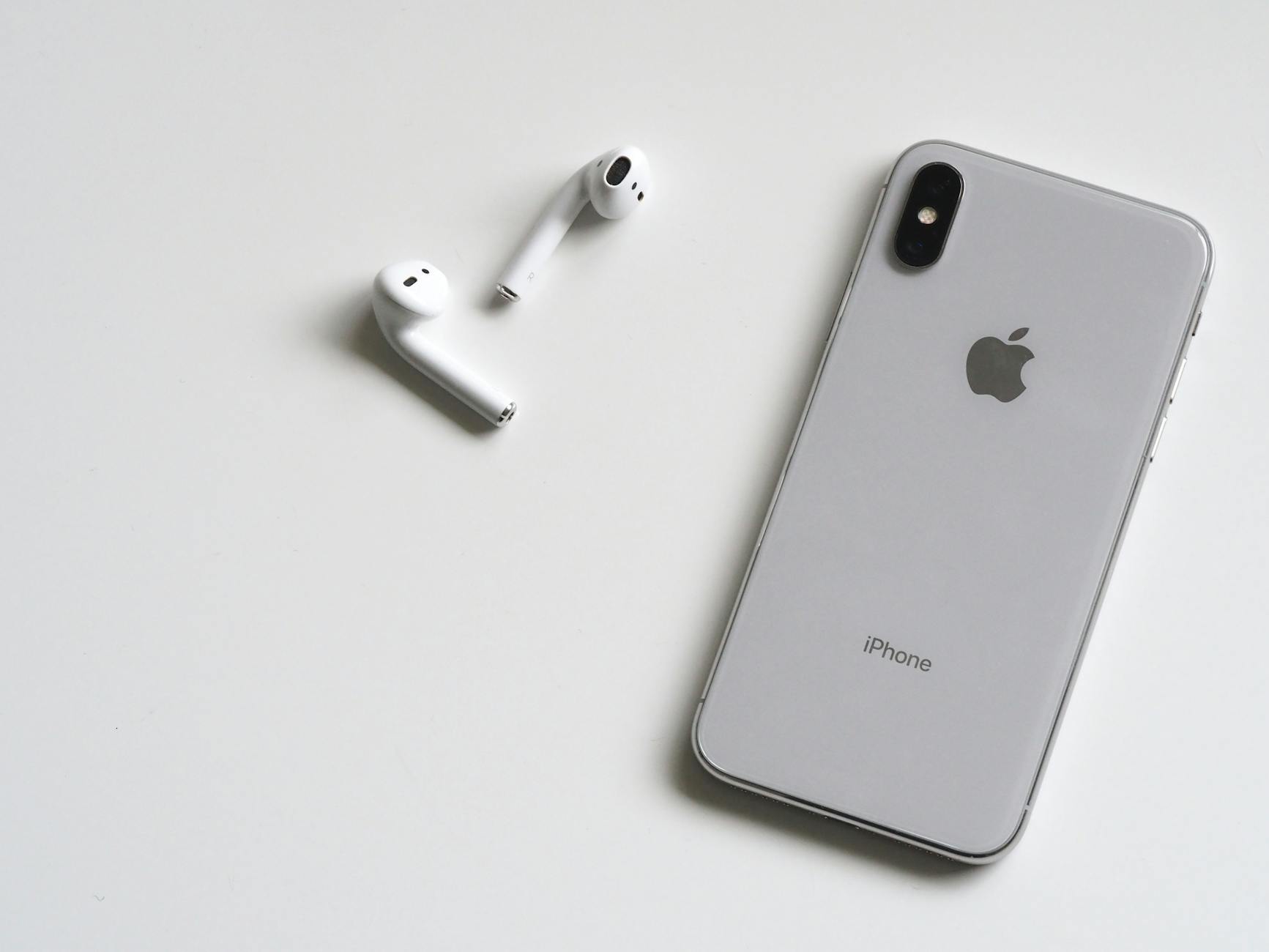 Photo by Jess Bailey Designs
Forget Device and Reset Network Settings
Forgetting the wrong device and resetting network settings wipes stale Bluetooth memory without touching your data. This is often all you need to stop the phone from auto-connecting to the wrong gadget.
- Steps to follow:
- Bluetooth settings > i > Forget the misbehaving device.
- Then go to General > Reset > Reset Network Settings.
- What you achieve: a clean slate for Bluetooth and network configurations, reducing the chance of automatic reverberations with the wrong device.
If you want to see a practical checklist from Apple for Bluetooth troubleshooting, you can review Apple’s guidance on disconnecting and reconnecting accessories. It walks through proximity checks, re-pairing, and ensuring the accessory is ready to pair: https://support.apple.com/en-us/111804.
If you’re curious about other perspectives on removing forgotten devices and re-pairing, the community has useful notes on managing memory and avoiding stale connections. One helpful discussion covers forgetting and re-pairing steps on iPhone: https://discussions.apple.com/thread/5594622.
A broader technical view on auto-connecting behavior can sometimes help. See a Stack Overflow discussion about how iOS handles Bluetooth profiles and permissions in the background: https://stackoverflow.com/questions/47791709/auto-connect-with-already-paired-bt-device.
Tip: after resetting, pair only the devices you actually use. Naming devices clearly also reduces misidentifications in crowded spaces.
External resources worth a quick glance:
- For how Android handles similar memory and pairing flows, this guide explains how to find and set up Bluetooth devices near your Android device: https://support.google.com/android/answer/9417604?hl=en.
- If you’ve ever wondered about sticky connections and prioritization on Android, this thread offers practical notes: https://android.stackexchange.com/questions/257036/is-there-a-way-to-prioritize-or-make-bluetooth-device-connections-sticky-on-an.
Takeaway: a focused forget plus a clean network state reduces the odds of the wrong device taking over the connection. It also primes your phone for a clean re-pair with the device you want to use.
Restart and Update iOS
A simple restart and a clean software update can fix a surprising number of Bluetooth quirks. When the device software aligns with the hardware you use daily, connections stay predictable and stable.
- Steps to follow:
- Restart iPhone: hold the side button and either volume button, then slide to power off. After it powers down, turn it back on.
- Check for updates: Settings > General > Software Update. If an update is available, install it.
Why this matters: software updates often include fixes for Bluetooth reliability and how the iPhone negotiates connections. A fresh start can fix glitches caused by short-lived software hiccups or recent changes in device memory. If you want a quick troubleshooting baseline, Apple and third-party guides commonly recommend this approach as a first pass.
If you’d like more context on iPhone Bluetooth troubleshooting, Asurion’s guide explains common steps to fix Bluetooth not working, including updating and re-pairing: https://www.asurion.com/connect/tech-tips/fix-bluetooth-not-working-on-iphone/.
For real-world experiences and ongoing discussions about Bluetooth behavior after updates, you can explore Apple Support discussions. One thread highlights intermittent Bluetooth issues after iOS updates and common remedies: https://discussions.apple.com/thread/255998252.
If you’re curious about deeper developer perspectives on iOS Bluetooth behavior, this Stack Overflow discussion covers how devices handle auto-connect and memory on iOS: https://stackoverflow.com/questions/47791709/auto-connect-with-already-paired-bt-device.
Practical tip: after updating, re-pair your target device in a quiet environment. Turn off other Bluetooth devices during setup to avoid cross-connections and confirm the correct device is the primary choice going forward.
External references for broader context:
- For a broader Android perspective on how to manage Bluetooth devices near your phone, Google’s guidance is a solid starting point: https://support.google.com/android/answer/9417604?hl=en.
- Community threads on prioritizing or sticky Bluetooth connections can provide additional strategies if you manage multiple devices: https://android.stackexchange.com/questions/257036/is-there-a-way-to-prioritize-or-make-bluetooth-device-connections-sticky-on-an.
Key takeaway: a quick reboot plus the latest iOS build often resolves stubborn Bluetooth misbehavior. If the issue persists, move to targeted re-pairing with the desired device to lock in the correct connection.
Images: When you’re ready for a quick visual cue, the image above shows a clean iPhone setup with wireless peripherals, a common scene for Bluetooth troubleshooting. Credit as noted.
External links are provided for deeper reads and user experiences across platforms. They complement the steps above, helping you build a reliable, repeatable routine for maintaining strong Bluetooth connections in daily life.
Tips for Cars, Speakers, and Multiple Devices
When you use Bluetooth across a car, a home speaker setup, and a handful of wearables, keeping the right device in the driver’s seat can be tricky. The goal here is to sharpen your Bluetooth habits so your phone connects to the device you actually want, every time. Below you’ll find two focused subsections that handle the most common trouble spots: car Bluetooth mix-ups and multi-device scenarios at home. Each section offers practical steps you can take today, plus quick references to trusted guidance.
Fix Car Bluetooth Mix-Ups
Car systems are notorious for hitching a ride with the wrong phone. The fix is simple in concept: clear the car from the phone’s memory, then set a clear priority in the head unit. Here’s a concise approach you can follow.
- Delete the phone from the car’s Bluetooth list
- In most head units, press the PHONE button, go to Phone settings, then Delete devices. Use the select and confirm actions to remove the misbehaving device.
- Removing the device prevents it from auto reconnecting during future drives and clears up the memory the car uses to identify allowed connections.
- Prioritize the correct device in the head unit
- After cleaning up, re-pair the desired phone and set it as the primary or preferred device in the car’s Bluetooth settings.
- Name or rename the phone’s entry on the head unit if possible to reduce confusion in busy car environments.
- Quick checks you should perform after the reset
- Reconnect your phone to the car, confirm that playback and hands-free calling route to the car correctly.
- Ensure other Bluetooth devices in the car (e.g., a passenger’s phone, a tethered headset) don’t auto take over when you start the vehicle.
For continued reliability, reference guidance from Google’s Android Bluetooth setup resources to understand how pairing becomes the default and what to adjust if it goes wrong. Read more at https://support.google.com/android/answer/9417604?hl=en. If you want real-world experiences on prioritizing or making Bluetooth connections sticky on Android, see discussions like this: https://android.stackexchange.com/questions/257036/is-there-a-way-to-prioritize-or-make-bluetooth-device-connections-sticky-on-an. And for broader context on auto connecting with already paired devices, this Stack Overflow discussion is informative: https://stackoverflow.com/questions/47791709/auto-connect-with-already-paired-bt-device.
If your car uses a dedicated system or you frequently swap devices, it helps to keep naming clear. A distinct name for your phone in the car’s memory reduces misidentification during entry and startup. For a practical read on how to handle multi-point and car Bluetooth issues, you can explore articles like 7 Bluetooth Audio Connection Issues and How to Fix Them: https://mobileaudioconcepts.com.au/seven-common-causes-of-bluetooth-audio-connection-issues-and-how-to-fix-them/.
Takeaway: a clean car pairing plus a clearly designated primary device minimizes cross-talk with other devices on the dash. When this routine is habitual, you’ll notice fewer moments where music or calls go to the wrong gadget.
Manage Multiple Devices at Home
At home, you’re likely juggling a phone, a speaker, a soundbar, and maybe a smartwatch or two. The trick is to reduce the number of active targets and give your phone a single reliable default. A few straightforward practices make this doable.
- Power off extras when you’re not using them
- Before streaming or taking a call, switch off Bluetooth on devices you aren’t actively using. This reduces the set of possible connections your phone must evaluate.
- If you don’t want to turn things off, at least disconnect devices you’re not currently using from the phone’s Bluetooth menu so they aren’t competing for a spot in the auto-connect queue.
- Use apps or built-in controls to manage auto-connect
- Many devices and platforms offer auto-connect management features. Apps from speaker manufacturers or platform settings can let you specify which device should auto-connect first or create a fixed order of connections.
- Some users find a dedicated Bluetooth manager or the manufacturer’s companion app helps enforce a primary device, especially when you have multiple speakers or headsets.
- Keep a lean, well-named device list
- Regularly review your paired devices and remove anything you no longer use. A smaller list reduces misidentifications and makes it easier to spot the one you want.
- Rename devices to be distinctive. A unique name helps you identify the right target at a glance in crowded Bluetooth environments.
- Establish a simple routine for home use
- Start with a quick check: confirm the primary device you want to connect to is powered on, then enable Bluetooth on your phone.
- If you’re setting up a new speaker system, pair it while other devices are off or disconnected to prevent cross-connections during setup.
For broader context on multi-device Bluetooth behavior and how to stop switching devices manually, see multipoint Bluetooth guidance from major outlets. A practical overview is offered in Stop Switching Devices Manually: Your Guide to Multipoint Bluetooth Audio: https://www.cnet.com/tech/mobile/stop-switching-devices-manually-your-guide-to-multipoint-bluetooth-audio/. If you’re curious about connecting multiple Bluetooth speakers to one device, this how-to article provides actionable steps: https://www.soundcore.com/blogs/speaker/how-to-connect-multiple-bluetooth-speakers-to-one-device. And for a practical Q&A on managing multiple headsets in Android, you can review How to connect 2 Bluetooth audio headsets to an Android phone: https://android.stackexchange.com/questions/218781/how-to-connect-2-bluetooth-audio-headsets-to-an-android-phone.
If you want more guidance on general home Bluetooth management, the Android community and Stack Exchange threads offer helpful perspectives on prioritizing or keeping connections stable across devices: https://android.stackexchange.com/questions/257036/is-there-a-way-to-prioritize-or-make-bluetooth-device-connections-sticky-on-an-an, and https://stackoverflow.com/questions/47791709/auto-connect-with-already-paired-bt-device. For iOS users, discussions around proximity and interference shed light on how memory and device lists influence auto-connect behavior: https://discussions.apple.com/thread/255957010.
Key takeaway: a lean device list, clear naming, and a simple home setup reduce cross-talk and make daily music, calls, and notifications predictable across car speakers and home devices. If you’re handling a mixed setup, a quick routine to refresh pairings and verify the primary device can save minutes every day.
Conclusion
Fixing a phone that keeps connecting to the wrong Bluetooth device comes down to three habits. Forget the forgotten, clear the memory, and keep software up to date. This simple sequence stops stale links from hijacking your calls, music, or workouts and makes connections more predictable every day.
Start with the basics and build up. First, remove the devices you no longer use from both Android and iPhone. This trims the memory the phone relies on for auto connections. Next, clear Bluetooth caches or reset network settings to wipe stale shortcuts. Finally, install any available updates and re-pair only your trusted devices.
As soon as you reset memories, set a single primary device for automatic connections. Clear naming and a tidy device list reduce misidentification in crowded spaces like cars or gyms. In noisy RF environments, minimize interference by turning off unused Bluetooth gear and keeping important devices close.
A quick routine you can reuse: forget, reset if needed, update, then re-pair the essential device. This keeps the smartphone behavior stable across daily activities. Regularly revisiting your paired devices helps prevent future mixups and saves time during commutes, workouts, and errands.
If you found this guide helpful, consider sharing your fix in the comments and subscribing for more smartphone tips. Your feedback helps others fix issues faster and keeps this space practical and up to date.
She Pressed Play on a Strange Audio Track and Within Days Her Financial Reality Started Shifting in Ways She Could Not Explain
>>> See How It Works <<<
