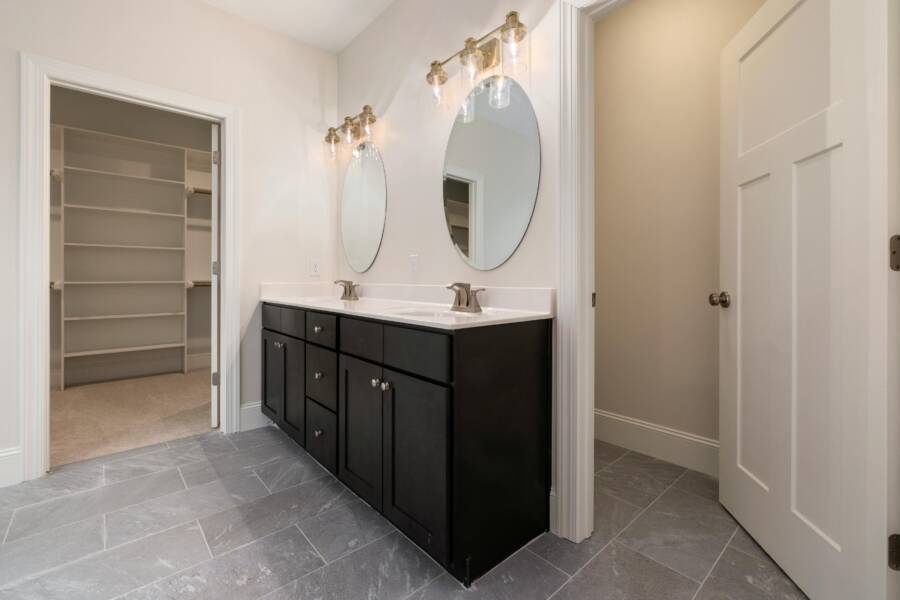
Getting ready to replace cabinets or install new countertops can feel overwhelming. The key to a smooth project is precise measurements. With the right approach, you’ll avoid wrong sizes, wasted time, and extra trips to the store. This guide walks you through measuring cabinets and countertops for Home Depot in clear, practical steps.
Begin with a plan that covers every corner of your space. Measure once, then measure again to confirm. The goal is to give Home Depot accurate numbers for stock or custom pieces, so the fit is seamless and the result looks built in.
Gather the right tools
Before you start, assemble what you need. A well stocked kit makes the process quick and accurate.
- Tape measure and a notebook or measurement sheet
- A laser measure (optional but helps with long spans)
- A pencil or marker and a straight edge
- Graph paper or a printable measurement form
- A small level for alignment checks
- A helper for holding doors or moving items if needed
With these on hand you’ll capture all necessary data without scrambling for tools mid task.
Measure base cabinets and their footprint
Base cabinets form the backbone of most kitchens. Accurate base cabinet measurements ensure everything lines up and doors swing properly.
- Width: Measure each base cabinet from outside edge to outside edge. Do this at the top, middle, and bottom if the wall is not perfectly flat. Note the smallest measurement as the practical width. If you’re replacing a run, count how many base units you have and their exact widths.
- Height: Standard base cabinet height is typically around 34.5 inches to the top of the cabinet, with a toe kick that adds a little extra height. If you have adjustable legs, record the range you can use.
- Depth: Most base cabinets are about 24 inches deep. If you plan an unusually shallow or deep setup, measure from the wall to the front edge at several places to catch any variation.
- Toe kicks and end panels: If you’re keeping toe kicks or adding end panels, measure their depth and width and note any trim that could affect fit or finish.
- End corners and fillers: When a cabinet ends at a wall, you may need fillers or corner pieces. Measure the gap width and the wall angle to choose the right fillers.
Take multiple measurements in case walls aren’t perfectly square. Mark each base cabinet with a simple label so you don’t mix them up during installation.
Measure wall space and layout
A clean layout requires precise space planning along every wall.
- Wall length and straight runs: Measure from wall corner to corner at three heights: near the top, middle, and floor. Record the smallest and largest lengths to identify any bowing or irregularities.
- Obstacles: Note outlets, switches, plumbing, or gas lines that may intrude on cabinet placement. Measure from the wall edge to the obstacle and plan cabinet positions around them.
- Doors and transitions: If you’re replacing cabinets around a doorway or a hallway, measure clearance at both ends of the doorway and the width available when doors swing open. Don’t assume existing clearance is still usable for new cabinets.
- Wall condition: Look for studs behind the drywall. If you’re mounting wall cabinets, mark stud locations so you can anchor securely.
A tidy plan reduces surprises in the store and helps you decide when you need fillers or a different cabinet width.
Measure upper cabinets and tall units
Upper and tall cabinets define the vertical look of the space and need careful planning, especially when ceilings vary.
- Ceiling height: Measure from the floor to the ceiling in several spots, especially in older homes where ceilings can slope. Use the smallest height to guide cabinet height choices.
- Cabinet height options: Standard upper cabinets generally range from 30 to 42 inches tall. If you have decorative molding or a soffit above, account for that space as well.
- Clearance: Check the distance between the bottom of upper cabinets and the countertop. Common gaps range from 1 to 2 inches but verify what’s needed for your hardware and any under-cabinet lighting.
- Crown molding and soffits: If you plan to keep crown molding or a soffit, measure its height and how it affects cabinet fit. Some designs require you to trim or adjust the cabinet height for a clean look.
Record each upper unit size with the same care you used for base cabinets. Consistency prevents mismatches later.
Measure countertops with care
Countertops bring the final face to your space. Precise countertop measurements help ensure you get the right cutouts, edge profiles, and backsplash integration.
- Length and width: Measure the entire run of countertops, counting every straight section and corner. Don’t guess where a corner might create a bend; map it out on your sheet.
- Depth and overhang: Typical countertop depth is around 25 inches. If you want an overhang, decide how much overhang you prefer, commonly 1.5 to 2 inches on islands and peninsulas and 0 to 1 inch on standard runs. Record the overhang if you plan to extend, especially around seating or islands.
- Sink and appliance cutouts: Mark the exact location of sinks, cooktops, and other openings. If you’re reusing plumbing fixtures, verify the size of the cutouts and any bevels around the sink.
- Backsplash: Decide whether you want a full backsplash, a partial one, or none. Measure height from the countertop up to the point where you want the backsplash to end and note any curves or wall tiles that affect the plan.
- Islands and corners: For islands, measure the entire island length, width, and the distance to the nearest wall or cabinet run. Corner transitions often require special shapes; document any radii or tight corners.
When you map countertops, include a note for each segment so the installer knows where to place seams and how to align edges with cabinet faces.
Record and verify your measurements
A clean, repeatable record saves time and reduces back and forth at the store.
- Create a measurement sheet: Use a simple table with location, width, height, depth, and notes for special features. Include a column for the measured unit and a place to sign off.
- Double check: Recheck critical numbers in a different order from your first pass. When you remeasure, you often catch a misread or a wall that runs out of square.
- Photo record: Take photos of each measurement with a visible tape measure for scale. Shoot both the overall layout and close ups of tricky corners or obstructions. Photos support your notes when you review them later.
- Consistency check: Ensure the sum of individual cabinet widths matches the overall wall length. If there is a mismatch, you may need to adjust by adding or removing fillers.
A careful record makes ordering simpler and improves the odds of a perfect fit.
Tips for ordering with Home Depot
Home Depot offers a mix of stock options and custom features. Knowing how measurements translate into orders helps you move from measurement to installation faster.
- Stock vs custom: Stock cabinets come in standard widths and heights, which makes the order quick. Custom options let you tailor widths, heights, and depths but require precise measurements and longer lead times.
- Online specs and in store: Check product pages for exact dimensions and add your measured values to the order. If you’re unsure, bring your measurement sheet to the store and have a pro review it.
- Professional measuring services: Home Depot may offer professional measuring services for a fee. If you have a complex layout with unusual angles, a pro can improve accuracy and save time on the install.
- Installation: If you plan installation through Home Depot, align your measurements with their installation teams. Confirm required prep work, such as removing old cabinets, leveling floors, and sealing edges.
Having clear measurements helps you avoid delays and ensures the project progresses smoothly from purchase to installation.
Common mistakes to avoid
Even careful measurements can miss the mark if you slip into a few familiar traps. Here are practical fixes.
- Rounding up measurements: Always record exact figures. Rounding can create gaps or interference with doors and drawers.
- Ignoring depth: Depth is crucial for wall clearance and appliance fit. Include the depth of cabinets and overhang when planning a run.
- Skipping corners: Walls are rarely perfectly square. Measure at multiple points to catch any irregularities.
- Forgetting the sink and appliances: Always mark openings for sinks, faucets, and appliances. Missing these can derail your layout at install time.
- Overlooking clearances: Don’t assume automatic space for doors to swing. Check clearance for every cabinet door and drawer in open position.
- Inaccurate wall references: Record wall angles and offsets. A wall that leans slightly can throw off a straight line run.
By planning for these issues, you avoid rework and keep the project moving.
A practical measurement example
A typical kitchen can be measured in a few focused steps. Start at one end of the base cabinet row. Mark the width of each cabinet by measuring from outside edge to outside edge, top to bottom. Note if a cabinet sits against a 90 degree corner or a curved wall. Move along the run, updating your sheet as you go. For countertops, run a separate line for each segment, noting the overall length and any change in depth along the run. For an island, measure length, width, and the distance to the nearest wall or cabinet run. In the end you’ll have a complete picture ready for Home Depot to translate into stock or custom pieces.
Quick measurement checklist
- All base cabinets measured for width, height, and depth
- End panels and fillers accounted for
- Upper and tall cabinets measured for height and clearance
- Ceiling and crown molding considerations documented
- Countertop length, width, and overhang captured
- Sinks, cooktops, and appliances cutouts marked
- Backsplash height and coverage planned
- Thorough notes and photos saved
Keep this checklist handy as you work. It helps maintain a clear, organized record that you can share with Home Depot or your installer.
Conclusion
Accurate measurements are the backbone of a successful cabinet and countertop project. By taking careful steps, documenting every dimension, and verifying your numbers, you set your project up for a clean fit and a polished result. Home Depot makes it easy to translate precise measurements into the right stock or customized options, and a well-documented plan speeds up delivery and installation.
If you’re preparing for a renovation, start with a simple room map. List each wall, the appliances that touch it, and any obstructions. Then measure once, then measure again. The extra time now pays off with fewer surprises later. Your updated kitchen or bath will look built-in and feel just right, from the first door swing to the last countertop edge.
Take pride in the details, and you’ll enjoy a space that works beautifully every day.