
A solid plan saves time and money when you tackle Home Depot projects. Rather than guessing how a new cabinet or sofa will fit, you can map out the space, mark doors and outlets, and estimate materials before you buy. This guide walks you through a straightforward way to draw a simple room plan that translates directly into a shopping list and a clear project path.
Creating a clean room plan helps you visualize traffic flow, scale measurements, and potential layout changes. It also reduces backtracking in the store, so you spend less time wandering aisles and more time turning ideas into reality. Let’s break down the process into practical steps you can apply this weekend.
Why a simple room plan matters for Home Depot projects
A room plan acts as your project roadmap. It reminds you of fixed features like windows, doors, and built-in elements, while letting you experiment with new layouts for furniture, storage, or counters. When you take measurements and draw a to-scale layout, you can:
- Compare different configurations quickly
- Calculate material needs with confidence
- Spot potential clashes early, such as a doorway hitting a cabinet
- Share a clear plan with family members or a contractor
A well-made plan also helps you stay honest about costs. If a layout requires extra trim, molding, or drywall patching, you’ll know before you buy. The goal is a practical blueprint that guides every shopping trip and every step of the install.
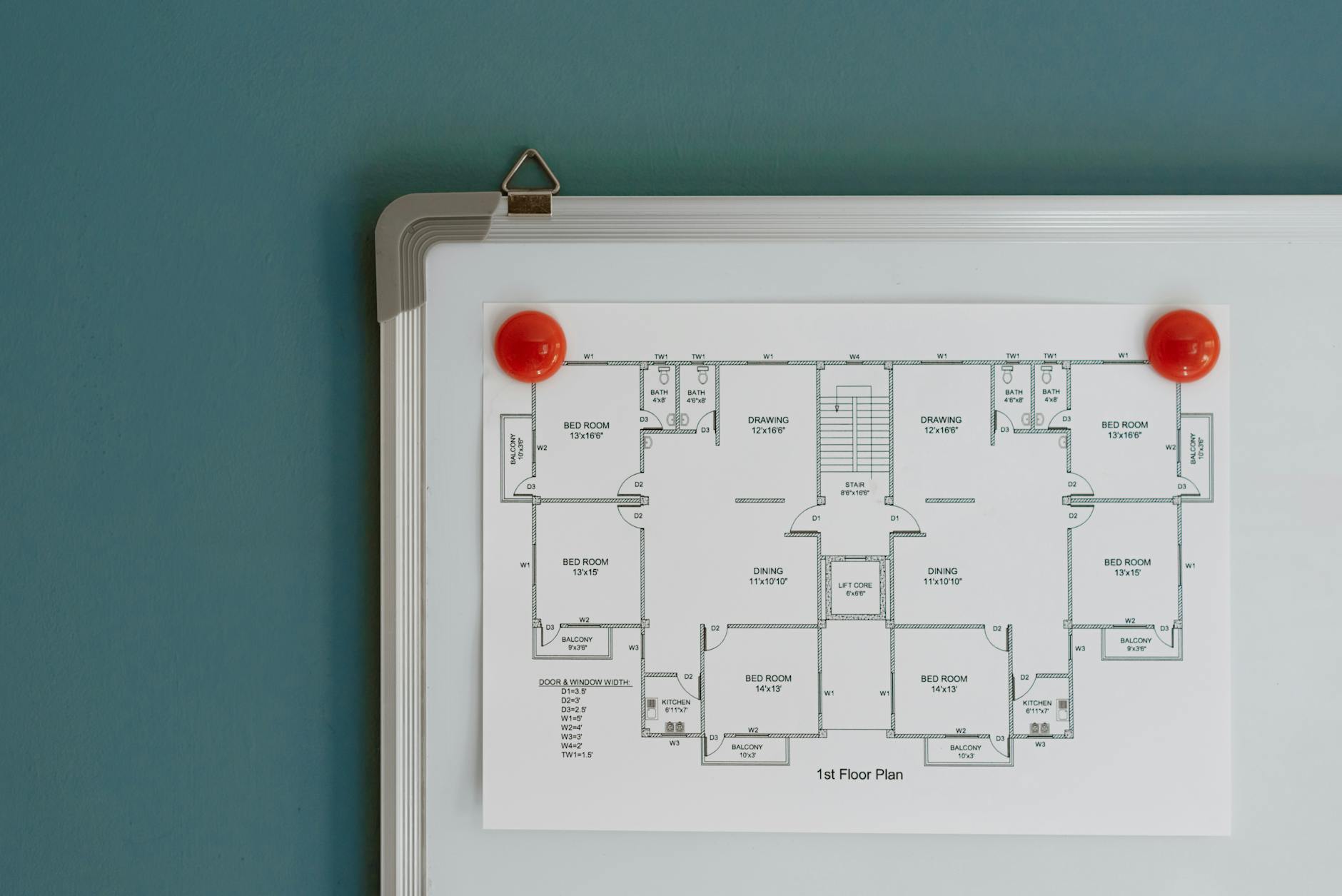
Photo by Anete Lusina
Tools you need to begin the room plan
Starting with the right tools makes the job faster and more accurate. Here’s a lean kit that covers most small to medium room projects.
- Measuring tape and a sturdy ruler. A 25-foot tape is plenty for typical rooms. A 6-inch ruler helps with small details.
- Graph paper or a simple grid notebook. If you prefer digital, a basic drawing app works, but keep a printout for quick checks.
- A pencil, an eraser, and a fine-tipped marker. These let you sketch a plan first and then annotate changes clearly.
- A clipboard or clipboard-style board. It keeps your measurements neat and portable.
- A calculator for quick material estimates, especially when calculating board feet or sheet quantities.
- Optional but handy: a laser measure for faster distance readings and a cardboard cutout of key items to test scale.
With these basics, you can capture room dimensions and start shaping layouts without getting lost in numbers. The aim is a clean, scalable drawing you can bring to Home Depot on your next shopping trip.
Step by step to draw a practical floor plan
A simple plan should be quick to produce yet precise enough to guide decisions. Here’s a straightforward workflow you can follow.
Take careful room measurements.
Measure length and width at multiple points to catch any bowing in walls. Note ceiling height if you’re planning tall or floating features. Record door widths, window openings, and the position of electrical outlets. Write down all measurements clearly, including inches and feet. Precision at this stage pays off when you build or install.Sketch walls to scale.
On graph paper, choose a convenient scale such as 1/4 inch equals 1 foot. For a 12 by 14 foot room, your drawing would use a 3 inch by 3.5 inch rectangle on the grid. If you’re using software, set the same scale for consistency. Keep walls straight and connect corners with clean lines.Add doors and windows.
Mark every door and window opening with exact locations and sizes. Show how doors swing if it affects furniture placement. This helps you avoid placing a cabinet where a door needs clearance.Include built-in features and fixed elements.
Note any fireplace, built-in shelves, or column lines. Indicate the thickness of walls if you plan to move them or hide them with trim. This stage prevents surprises when you buy drywall or framing supplies.Place moving elements and traffic paths.
Draft the positions of major furniture pieces like sofas, beds, and tables. Use light outlines to experiment with layout options. Draw pathways that are at least 32 inches wide for comfortable movement. If you’re reconfiguring a kitchen, map work zones and leg clearance as well.Mark electrical and lighting planning zones.
If you’re updating lighting or adding outlets, mark them on the plan. This helps you decide on fixture types and the quantity of wiring needed. It also guides where to place outlets near work surfaces and seating areas.Label and annotate.
Add a legend for furniture, doors, windows, and any changes you plan. Write down the date and your initials so you can revisit the plan later. A simple key reduces confusion when you compare ideas in the store.
This sequence keeps your plan focused and usable. The goal isn’t perfection but clarity so you can walk into Home Depot with confidence.
Translating measurements into a usable scale
Converting measurements into a consistent scale is the bridge between a sketch and a purchase order. The most common approach for DIY projects is a 1/4 inch equals 1 foot scale. Here’s how to apply it without fuss:
- Draw the outer walls on graph paper using the scale. If a wall is 12 feet long, it measures 3 inches on paper.
- Plot doors and windows to scale. For a 30-inch door, mark 1 1/4 inches on the plan.
- Use labeled dimensions on the drawing. Where space is tight, write the actual measurement next to the scaled line.
- If you’re unsure about scale, print a grid with known dimensions first to verify the feel of the space. Then adjust as needed.
If you prefer digital tools, many simple drawing apps let you set units and scale. A quick advantage of digital options is easy duplication of layouts and instant resizing when you relocate a sofa or cabinet. Whether you’re old school with graph paper or comfortable with software, the critical thing is consistency. A single, steady scale throughout stops misreads that cause costly mistakes.
Turning your plan into a Home Depot shopping list
With a clean layout in front of you, translating ideas into purchases becomes straightforward. Start with big-ticket items and then work down to smaller components. A practical approach:
- List major items first. Cabinets, countertops, and large furniture pieces define most of your space.
- Add accessories and finishes. Think about pulls, handles, trim, and hardware that finish the look.
- Calculate materials for back walls and shelves. If you’re adding a shelf or a new cabinet, note the wood or board requirements and the cut dimensions.
- Account for waste. Add a 10 percent buffer on plywood, tile, or flooring to cover cutting mistakes or mismeasurements.
- Prepare a rough order of operations. Decide what to install first to minimize rework, such as drywall before painting or cabinet installation before flooring.
A precise plan reduces back and forth at the store. You’ll know exactly what aisle to head to for a specific length of trim or a certain sheet of plywood. It also helps you compare prices across brands, so your budget stays intact.
Common pitfalls and fast fixes
A simple room plan is easy to mess up if you rush. Here are common errors and how to fix them quickly.
- Reading the wrong measurement. Double check each dimension on both walls in every corner. If a room isn’t square, use the longest distance for your scale, and note the discrepancy on the plan.
- Ignoring baseboard thickness. If you’re updating floors or installing cabinets, baseboards can steal space. Measure from the wall to the actual surface you’ll work on, not just the wall line.
- Forgetting door swing. A door that opens into a planned cabinet will clash. Mark doors on your plan and test the swing arc against furniture.
- Skipping electrical needs. If you’re upgrading lighting, map out every outlet and switch location. It saves a lot of late night running to the hardware store.
- Rushing the final copy. A neat plan with clear labels is more helpful than a perfect sketch that’s hard to read. Take a little extra time to tidy your lines and dimensions.
Simple tools and apps that boost your plan
You don’t need fancy software to create a solid room plan. A clean sheet of graph paper and a few markers can do the job well. If you want a digital option, try light, beginner-friendly programs that let you:
- Create scalable floor plans with drag-and-drop furniture
- Export PDFs to share with your partner or a contractor
- Print out plan pages for the car ride to Home Depot
Whichever method you choose, keep the process focused on one clear goal: a plan you can use in the store and on the job site.
A practical example to illustrate the approach
Let’s walk through a small living room that measures approximately 12 feet by 14 feet. The room has one door on the left wall, a window on the opposite wall, and a fireplace centered on the long wall. You want a new seating arrangement and a low-profile media console.
- Step 1: Measure. Record the door width at 32 inches, window size at 60 by 48 inches, and the fireplace width at 60 inches with a 18 inch deep mantle.
- Step 2: Draw the room to scale. On graph paper, lay out a 12 by 14 foot rectangle using the 1/4 inch scale. Mark walls precisely.
- Step 3: Add openings. Place the door and window where they sit, noting the swing direction of the door.
- Step 4: Insert fixed features. Draw the fireplace on the wall with a note about its depth.
- Step 5: Plan furniture. Sketch a sofa along the wall opposite the fireplace and a low media console beneath the window. Include a coffee table and two side chairs to balance the space.
- Step 6: Verify circulation. Ensure there is at least 3 feet of clear space around furniture for easy movement.
- Step 7: Translate to shopping. You’ll need a new sofa, a console, a coffee table, and perhaps a rug. Mark material types and approximate sizes so you can price them accurately.
This exercise turns a vague idea into a concrete plan. With a clear layout, you can determine the exact pieces to buy and where they’ll sit in the room.
How to keep your plan practical for real life
Your plan should support real world decisions. Keep these practical tips in mind:
- Be conservative with scale. It’s better to leave a little extra space than crowd a room.
- Use a single scale throughout. Inconsistent scaling creates confusion at the store.
- Include notes for future tasks. If you plan to paint, replace windows, or install new lighting, jot down the preferred finishes.
- Keep a shopping sheet handy. A single page that lists item names, sizes, quantities, and aisle indicators helps you stay organized.
- Review the plan with others. A second pair of eyes can spot issues you might miss.
This approach makes the planning process a useful habit for any Home Depot project, big or small.
When to bring the plan to Home Depot
The best time to bring your plan to the store is after you’ve finished the rough sketch but before you buy. You’ll want to confirm dimensions, aisle locations, and availability. Home Depot associates can help you translate your plan into an accurate shopping list, confirm cut quantities, and suggest alternatives if a selected item is out of stock. If you’re tackling a kitchen or bath remodel, scheduling a quick design consultation or a measurement check can keep the project on track.
Conclusion: start simple, finish strong
A clear room plan acts as your map from idea to finished space. It helps you visualize layout, confirm measurements, and price materials with confidence. With a few practical steps, you can draft a reliable plan that guides every purchase and every step of the project at Home Depot. Begin with a calm measurement session, draft walls and features on graph paper, and move toward a clean, scalable plan you can trust. Ready to turn your ideas into a real, tangible plan? Start today with a pencil, a sheet of graph paper, and a tape measure, and let the process unfold step by step. If you’d like, share a photo of your floor plan and a few details in the comments. Your experience could help someone else start strong too.