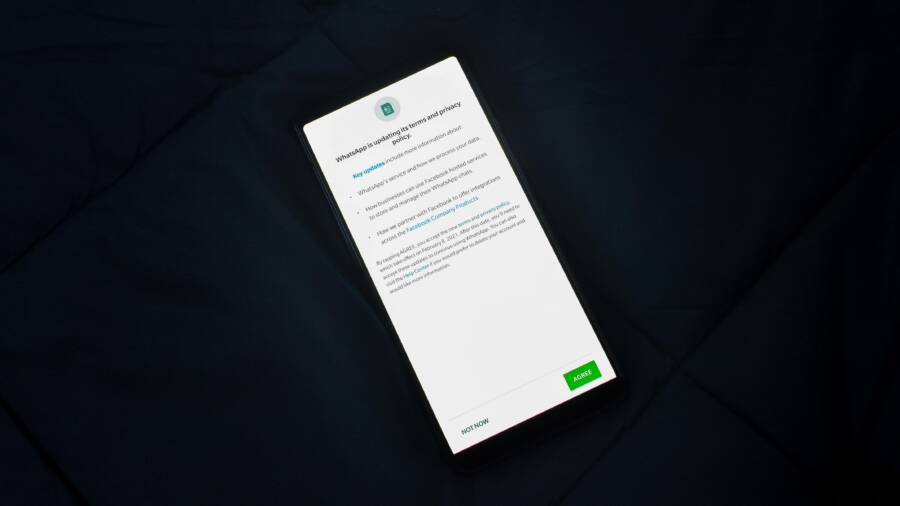
Have you ever spoken a casual phrase near your phone and heard a reply it shouldn’t have given? It happens more often than you might think, and it’s not just a scare story. Voice assistants on smartphones can pick up sensitive moments by mistake, and that reality can feel intrusive.
In this post we’ll break down why people worry about Siri, Google Assistant, and friends on their phones. You’ll see the common risks, from accidental listening to data sharing with apps and services. The goal is simple: give you practical steps to keep your conversations private while still getting hands free help when you need it.
You’ll learn concrete tips you can apply today, including how to limit what your voice assistant can access, adjust microphone settings, and review data histories. We’ll walk through how to manage permissions on both iPhone and Android, plus habits that reduce risk without sacrificing convenience. By the end, you’ll know how to tighten controls, protect personal information, and use your privacy tools with confidence on your smartphone.
Why Limit Voice Assistant Access on Your Phone
Voice assistants can be helpful, but they also open a window into personal moments on your smartphone. Limiting what they can access protects sensitive information, reduces surprise activations, and lowers the chance of data being shared without your clear consent. This section breaks down why tightening permissions matters, what kinds of data are at risk, and how you can stay in control without losing convenience.
What makes these assistants risky on a smartphone
- Accidental activations and recordings: The devices listen for wake words, but background noise can trigger them unintentionally. Those brief moments can capture private details from health information to bank talk.
- Data sent to servers: To answer questions or process speech, many tasks run in the cloud. If you haven’t reviewed what data is sent, you may be sharing more than you expect.
- Third-party integrations: Apps and services connected to your assistant can access contact lists, calendars, and more. Permissions drift over time as apps update.
- Long-term data retention: Voice histories can accumulate. Even after you delete a file, copies may exist in backups or logs, making continued privacy risk possible.
For a deeper dive into the security considerations around voice-activated assistants, see trusted guidance from cybersecurity authorities and consumer privacy resources. Learn more in security-focused materials like the Canadian Cyber Incident Response Centre guidance and FTC consumer tips on securing voice assistants. You can explore reliable resources here: Security considerations for voice-activated digital assistants, Securing Smart Speakers and Digital Assistants, How To Secure Your Voice Assistant and Protect Your Privacy.
How access is typically granted and why it compounds risk
- On-device vs cloud processing: Some tasks stay on the device, but many rely on cloud processing to improve accuracy. This means data leaves your phone and travels to external servers.
- Microphone permissions and app links: When you enable a voice assistant, apps may request voice-related permissions. If you approve broadly, you may be granting more than you realize.
- Modes and history: Some assistants offer a private or incognito mode, but such options may not cover all data paths. History data can backtrack through services, revealing patterns and preferences.
- Wake word and activation flows: Even with strict settings, the mere act of a wake word sometimes starts a data capture sequence. That can include contextual information from nearby apps or messages.
Recent incidents reflect how quickly hidden data can surface. In 2025, privacy risks include accidental recordings, data sent to servers without clear permission, and lawsuits tied to wiretapping concerns. These trends underscore why a cautious, selective approach to permissions matters for everyday smartphone use.
Practical steps to limit access without losing usefulness
- Review and prune permissions: Regularly audit mic, contacts, calendar, and location permissions for every voice assistant on your device. Revoke what isn’t essential.
- Turn on on-device processing where available: This keeps more data locally, reducing exposure to external servers.
- Disable automatic data sharing with third parties: Minimize connections to apps that request broad access. Favor apps with clear privacy controls.
- Limit data retention: Set auto-delete timers for voice history and review saved transcripts periodically.
- Enable confirmation for sensitive actions: Require a tap or passcode for purchases or changes to important settings.
- Use separate profiles or guest modes: If your device supports multiple users, keep a restricted profile for shared devices.
- Keep firmware and apps up to date: Security patches often fix unknown data-sharing gaps. Enable automatic updates if possible.
- Check the privacy policy and opt-out options: Read how data is used, stored, and shared. Use opt-out settings for ad personalization when available.
- Audit connected accounts: Review which accounts (email, messaging, cloud) are linked to your voice assistant and tighten those connections.
- Educate yourself on how to delete data: Know how to request deletion of voice recordings and understand when data is anonymized.
Quick-start checklist
- Open the voice assistant app and review permissions.
- Disable access to apps you don’t trust.
- Enable on-device processing if offered.
- Set a short automatic deletion window for voice history.
- Turn off wake word listening when not needed.
- Regularly review privacy settings after app updates.
When to consider a full reset of settings
If you notice unusual activity, unexplainable data transfers, or you’ve installed questionable third-party skills, start with a clean slate. Reset the voice assistant’s privacy settings, revoke all nonessential permissions, and reconfigure from scratch. A fresh setup helps ensure you’re only enabling what you truly need.
For readers seeking more guidance, credible resources provide step-by-step instructions for securing voice assistants on both iPhone and Android devices. For example, consumer privacy guidance and security-focused resources offer practical tips for tightening controls and understanding data flows. Explore articles and guides from authoritative sources to reinforce your privacy choices: How to Secure Your Voice Assistant and Protect Your Privacy, Securing Smart Speakers and Digital Assistants, Security considerations for voice-activated digital assistants.
Takeaways
- Your privacy on a smartphone hinges on careful permission management and mindful use of features.
- Limiting what voice assistants can access reduces exposure to sensitive information and potential data misuse.
- Regular checks and updates help maintain a strong privacy posture without sacrificing convenience.
Explore more about building a privacy-conscious routine for everyday devices and stay informed about evolving privacy practices from trusted sources. For practical, up-to-date guidance, keep an eye on reputable security and consumer privacy resources.
General Steps to Block Voice Assistant Listening Right Now
If you want to keep your conversations private without giving up the convenience of a voice assistant, these practical steps will help you tighten control today. Think of it as a quick privacy tune-up for your smartphone. You’ll reduce what the assistant can hear and where that data goes, while still keeping the features you actually use. Below are clear, action‑or‑action steps you can apply now.
 Photo by Rahul Shah
1) Limit wake word listening and microphone access
- Turn off wake words when you don’t need voice control. This stops the device from listening for commands in the background.
- Limit microphone permissions at the app level. Remove mic access from apps that don’t need it for core features.
- Use on‑device processing where available. Local processing keeps more data on your device and away from the cloud.
Tips:
- On iPhone, you can adjust Siri settings to reduce how often it listens. See guidance from Apple Support for changing Siri settings on iPhone. You can read it here: https://support.apple.com/guide/iphone/change-siri-settings-iphc28624b81abc/ios
- On Android, disable “Hey Google” or “OK Google” detection and limit how often apps can access the mic. For a step-by-step on how to turn off Google Assistant, How-To Geek has a practical guide: https://www.howtogeek.com/887077/how-to-turn-off-google-assistant-and-hey-google/
2) Trim data sharing with third party apps
- Revoke broad permissions for any app that asks for more data than it needs to function.
- Disconnect nonessential accounts that feed data to your voice assistant. Unlink email, messaging, and cloud services you rarely use with the assistant.
- Prefer apps with clear privacy controls and explicit opt‑outs for data sharing.
Why this matters: third party integrations can access contacts, calendars, and message metadata. Keeping a tight grip on these connections minimizes exposure.
3) Tame data retention and history
- Set automatic deletion for voice history after a short period. Regularly purge old transcripts and clips.
- Review saved transcripts periodically. Delete what you don’t need and anonymize what’s left when possible.
- If your device supports it, enable private or incognito modes for voice sessions. These modes reduce what gets saved.
For deeper context on data retention practices, see consumer privacy resources that explain how voice histories are stored and used. For example, you can explore security guidance from reputable sources like How-To Geek on turning off voice features and privacy tips from Norton’s coverage on phone listening. See: https://www.howtogeek.com/887077/how-to-turn-off-google-assistant-and-hey-google/ and https://us.norton.com/blog/how-to/is-my-phone-listening-to-me
4) Enable meaningful confirmations for sensitive actions
- Require a tap, Face ID, or passcode for purchases or major setting changes initiated by voice.
- Use a confirmation step for access to sensitive data, like messages or emails, when possible.
This small barrier can dramatically reduce accidental or unintended actions triggered by voice prompts.
5) Create restricted profiles or guest modes
- If your device supports multiple users, set up a guest or restricted profile for family members or coworkers.
- Limit which apps and data are accessible from the voice assistant within that profile.
This approach keeps your private apps and data out of reach on shared devices.
6) Keep devices and apps up to date
- Enable automatic updates so you receive the latest privacy patches.
- Regularly check for app updates that may reset or alter permissions. Re-audit after each update.
Security notices and patch notes often highlight fixes for data-sharing gaps that could affect voice features. Staying current helps close those holes.
7) Audit your connected accounts and services
- Review which accounts are linked to your voice assistant and tighten those connections.
- Remove old, unused accounts that might still feed data to the assistant.
- Check any cloud services that your voice assistant uses to process or store data.
If you want to dive deeper, Apple’s Siri settings guide and How-To Geek’s article on turning off voice features are solid starting points for iPhone and Android users respectively.
8) Learn how to delete data and understand opt-outs
- Know how to request deletion of voice recordings where available.
- Look for opt-out options for ad personalization and data sharing in the privacy settings of your devices and services.
- Read privacy policies with a practical eye. Look for how data is collected, stored, and shared.
Describing the data flow helps you decide which settings to tighten first and which data paths to disable.
Quick-start checklist
- Review and prune microphone and data permissions for all voice assistants on your device.
- Enable on‑device processing where possible.
- Turn off wake word listening when you don’t need it.
- Set a short auto‑delete window for voice history and review transcripts occasionally.
- Audit connected accounts and third‑party services.
When to consider a full reset of settings
If you notice odd data transfers, unfamiliar activity, or you’ve installed questionable third‑party skills, start fresh. Reset the voice assistant’s privacy settings, revoke nonessential permissions, and reconfigure from scratch. A clean setup helps ensure you’re only enabling what you truly need.
If you’re looking for more practical guidance, credible resources offer step-by-step instructions for securing voice assistants on iPhone and Android. For example, consumer privacy guides and security-focused articles provide actionable tips for tightening controls and understanding data flows. See sources such as Apple Support’s Siri guide and Norton’s privacy resources: https://support.apple.com/guide/iphone/change-siri-settings-iphc28624b81abc/ios and https://us.norton.com/blog/how-to/is-my-phone-listening-to-me
Takeaways
- Your privacy improves when you manage permissions with intention and inspect data paths regularly.
- Limiting what the assistant can access reduces exposure to sensitive information without sacrificing convenience.
- Consistent updates and routine reviews keep your privacy posture strong over time.
Additional reading and practical, up-to-date guidance from trusted privacy resources can help you stay informed as the tech around voice assistants evolves. For broader context on securing voice assistants, check the linked materials above and explore reputable security sites for the latest recommendations.
Restrict Siri Access on Your iPhone Step by Step
You rely on Siri for quick help, but you don’t have to trade privacy for convenience. This section shows a practical, hands-on approach to limiting what Siri can access on an iPhone. Follow these steps to tighten controls without losing the helpful, hands-free features you actually use. Think of it as a privacy tune-up for your smartphone that keeps the good parts intact.
1) Turn off wake word listening when not needed
Siri listens for the wake phrase, so turning off “Hey Siri” when you don’t need it is a fast win. This reduces accidental activations and the chance of unintentional data capture.
- Open Settings > Siri & Search.
- Disable “Listen for ‘Hey Siri’” and, if you want, also turn off “Press Side Button for Siri.”
- If you rarely use voice commands, consider leaving only manual activation enabled.
Tips:
- You can still access Siri by tapping the side button, which keeps commands within reach while cutting down on passive listening.
- If you ever need to re enable listening, return here and toggle the option back on.
For a detailed guide on adjusting Siri settings on iPhone, see Apple’s own instructions: Change Siri settings on iPhone. https://support.apple.com/guide/iphone/change-siri-settings-iphc28624b81abc/ios
2) Disable or limit on-device vs cloud processing
Apple supports both on-device processing and cloud-based processing for Siri. On-device processing keeps more data on your device, while cloud processing can improve accuracy but may expose more data.
- In Siri & Search, look for options related to Siri recordings and analytics. If available, choose on-device processing for more sensitive tasks.
- Consider turning off “Improve Siri & Dictation” in Privacy settings if you see it listed.
Why this matters: fewer data paths mean less data leaving your iPhone, which lowers exposure without removing the feature you use daily.
3) Manage app permissions tied to Siri
Apps sometimes request access to data that can be used in conjunction with Siri. Tighten these permissions to keep your data safer.
- Go to Settings > Privacy & Security > Microphone and review which apps have mic access.
- Revoke mic permissions for apps that don’t need voice input to function.
- In Settings > Siri & Search, review each app’s settings. Disable suggestions or access that you don’t want Siri to use.
These steps prevent apps from piggybacking on Siri to access contacts, calendars, or messages unless you explicitly allow it.
4) Review and delete Siri history regularly
Data from voice interactions can be stored by Apple to improve services. You can review and delete what Siri has heard.
- Open Settings > Siri & Search > Siri & Dictation History (or a similar path depending on iOS version).
- Delete your Siri history periodically. If the option exists, set auto delete after a short period.
- When you delete data, remember that some copies may remain in backups. For most people, periodic cleanups strike a good balance.
If you want more context on how data is stored and used, Apple’s privacy details explain how Siri recordings are handled and how to opt out where possible. See Legal – Improve Siri and Dictation & Privacy.https://www.apple.com/legal/privacy/data/en/improve-siri-dictation/
5) Use Screen Time to control access to Siri
Screen Time offers a way to limit what Siri can do on a shared device. You can restrict certain features or set up a separate profile for kids or guests.
- Open Settings > Screen Time.
- Set a passcode for Screen Time and adjust allowed apps and features.
- In Content & Privacy Restrictions, you can tailor which apps and services Siri can access, helping prevent overreach on a family phone.
Block access to Apple Intelligence features in Screen Time on iPhone can be useful to reduce background data flows. https://support.apple.com/en-ca/guide/iphone/block-access-to-apple-intelligence-features-iph3fed3f2c3/ios
6) Keep Siri up to date, but review privacy defaults after updates
Software updates often adjust privacy controls or introduce new options for data sharing. After any update, take 5–10 minutes to re check Siri settings and permissions.
- Install iOS updates promptly.
- Re run the permission audit after updates to confirm nothing re enabled unexpectedly.
- Revisit whether on-device processing remains enabled and whether any new data sharing options are turned on by default.
Apple’s official change notes can guide you through what to expect in new versions. See Change Siri settings on iPhone for baseline guidance. https://support.apple.com/guide/iphone/change-siri-settings-iphc28624b81abc/ios
7) Consider a quick reset if things feel off
If you notice unusual Siri behavior, unexpected data transfers, or you suspect a misconfiguration, a reset can help you start fresh.
- Revoke non essential permissions.
- Reconfigure Siri from scratch with a tighter baseline.
- Rebuild your preferred settings step by step to avoid re introducing gaps.
When a reset is necessary, official guidance from Apple can walk you through the process. For a formal reset approach, start with the basic changes in the steps above and only reset if problems persist.
Quick-start at a glance
- Turn off “Hey Siri” and, if desired, “Press Side Button for Siri.”
- Limit microphone access on a per-app basis.
- Review Siri & Dictation History and delete what you don’t need.
- Use Screen Time to create a restricted profile for shared devices.
- Keep iOS and apps up to date and audit permissions after updates.
Practical example: tightening privacy on a daily-use iPhone
Imagine you use Siri to set reminders while you’re driving. You’ll want it responsive, but you don’t want it to peek into messages or contacts. Start by disabling “Hey Siri” when you’re not driving, then prune app permissions that don’t need mic access. Next, review your history weekly and delete anything you don’t want stored. Finally, ensure Screen Time restrictions are in place for shared devices. This keeps convenience intact while limiting exposure.
Images to guide your setup
- A close-up image of an iPhone with the Settings app open helps readers recognize the path to the controls.
- Caption: Photo by Brett Jordan
Photo URL: https://images.pexels.com/photos/5437583/pexels-photo-5437583.jpeg?auto=compress&cs=tinysrgb&dpr=2&h=650&w=940 Photo Alt: Detailed view of the iPhone screen showing the settings app icon. Photo Photographer: Brett Jordan Photo Photographer URL: https://www.pexels.com/@brettjordan
Additional reading and trusted sources
- Change Siri settings on iPhone. https://support.apple.com/guide/iphone/change-siri-settings-iphc28624b81abc/ios
- Block access to Apple Intelligence features in Screen Time on iPhone. https://support.apple.com/en-ca/guide/iphone/block-access-to-apple-intelligence-features-iph3fed3f2c3/ios
- Stop Siri eavesdropping and turn off “Hey Siri” across devices. https://www.idropnews.com/giveaways/macbook-pro-giveaway-with-an-m4-chip/242416/
Takeaways
- You don’t have to give up convenience for privacy. Practical controls make Siri less invasive while keeping essential features.
- Regular permission audits, combined with on-device processing and memory minimization, reduce data exposure.
- Pair these settings with mindful usage habits for a more private smartphone experience.
Control Google Assistant and Bixby on Android Phones
Your Android device can be a powerful helper, but you don’t have to open every data path to keep it useful. This section shows practical, straightforward ways to limit how Google Assistant and Bixby access your information while keeping the hands‑free benefits intact. Think of it as tuning a smart phone to be helpful without being invasive.
Google Assistant on Android: tighten permissions and manage history
Google Assistant is a versatile tool, but its data trails can feel heavy. Start by cutting back on what it can hear and what gets stored.
- Deny microphone access for unneeded apps: Open Settings > Apps and notifications > Google or Google Assistant > Permissions > Microphone, and choose Deny for apps that don’t need voice input.
- Turn off sensitive features in the Google app: In the Google app, go to Settings > Google Assistant > Hey Google & Voice Match and switch off Hey Google if you don’t need always‑on listening.
- Manage data and activity: Deleting or auto‑deleting voice activity reduces how long your voice commands are kept. You can delete past activity from your Google account or set automatic deletion windows (3, 18, or 36 months). See How Google Assistant works with your data and Delete your Google Assistant activity for details. For direct steps, consult the official Google Assistant settings: Change Google Assistant settings on Android.
When you want to pause listening entirely, you can disable wake words and review which accounts are linked to Assistant. Google’s own guidance covers language options, Voice Match, and other preferences, helping you tailor how Assistant responds on your device. Learn more here: Change Google Assistant settings, Delete your Google Assistant activity, and How Google Assistant works with your data.
Tip: Regularly review privacy settings after updates. Android devices often ship with evolving permissions, so a quick audit every few months keeps data paths clear. For a quick reference, see Google’s official help on how Assistant handles data and your control options: How Google Assistant works with your data.
Helpful resource links:
- Change Google Assistant settings – Android
- Delete your Google Assistant activity – Android
- How Google Assistant works with your data
Bixby on Samsung Android devices: quiet, disable, or constrain listening
Bixby can be convenient, but it can also wake up unexpectedly. If you’d rather not have it constantly listening, you have practical options to suppress or disable it while keeping Google Assistant intact.
- Change the Side key behavior: Open Settings > Advanced features > Side key, and set it to Power off or map it to another app. This prevents Bixby from launching when you press the side key.
- Turn off Voice Wake Up: In Settings > Apps > Bixby Voice (or Bixby) > Bixby Voice settings, disable Voice wake up. This stops the phrase “Hi Bixby” from waking the assistant.
- Clear data or disable Bixby: Go to Settings > Apps > Bixby Voice (or Bixby) > Storage > Clear data and Clear cache, then Disable the app if your device allows it.
- Leave or unlink your Bixby account: If you don’t use Bixby, removing or unlinking your account reduces data paths feeding Bixby from your Samsung account.
If you prefer to keep an assistant handy, you can keep Google Assistant active and simply rebind the side key away from Bixby. Some Galaxy models let you reassign the side key to a different action while keeping Google Assistant available with a long press or quick access.
For model‑specific guidance, see practical how‑tos from Android‑focused outlets and Samsung support:
- Disable or Enable Bixby Voice – Samsung
- How to disable Bixby on your Samsung Galaxy phone – Android Authority
- How to disable Bixby on your Samsung Galaxy phone – PCMag
- How to disable Bixby on your Samsung Galaxy phone – TechWiser
Quick tips to stay in control:
- After making changes, test voice access by invoking the assistant with the new method. This confirms you still have handy help without surprise activations.
- If you rely on Google Assistant for certain tasks, keep it enabled and only mute Bixby when you’re not using the device in shared spaces.
Helpful resource links:
- Disable or Enable Bixby Voice – Samsung
- How to disable Bixby on your Samsung Galaxy phone – Android Authority
- How to disable Bixby on your Samsung Phone – PCMag
- 7 Ways to Disable Bixby on Your Samsung Galaxy Phone – TechWiser
Quick reference: official privacy settings and activity management
To stay aligned with official guidance, use the established privacy controls provided by Google and Samsung. They walk you through turning on or off features, deleting history, and restricting data sharing. For Google, the key pages cover how Google Assistant uses data and how to delete or manage activity. For Samsung and Bixby, the official and reputable review sites provide step‑by‑step paths to turn off wake words and disable features you don’t want.
External guidance you can consult:
- How Google Assistant works with your data
- Delete your Google Assistant activity
- Change Google Assistant settings – Android
- Disable or Enable Bixby Voice – Samsung
- How to disable Bixby on your Samsung Galaxy phone
Smartphone privacy is about small, repeatable actions. Make a habit of reviewing permissions every few months, especially after OS updates. This keeps your hands free and your data in front of you, not in the cloud by default.
Takeaways
- You can keep helpful voice tools while minimizing data exposure on Android phones.
- Disable wake words and thin mic permissions to cut back on listening paths.
- Regularly review and purge voice history for both Google Assistant and Bixby.
Handle Alexa and Extra Privacy Habits
Alexa can be a helpful companion on your smartphone, but it also creates extra data paths that you should manage. This section focuses on practical habits to keep Alexa private without losing the convenience you rely on. You’ll learn how to limit microphone access, tighten app permissions, and regularly audit data that travels through Alexa.
Limit wake word listening and microphone access for Alexa
- Turn off always‑on listening when you don’t need it. Disabling wake words reduces the chances of accidental activations and stray recordings.
- Manage microphone permissions at the device and app level. Revoke mic access for apps that don’t need voice input.
- Use the Echo or Alexa app’s on‑device options when available to minimize data sent to the cloud.
Tips:
- On iPhone or Android, you can disable “Hey Alexa” or adjust how often Alexa listens, then re enable only when you need it.
- If you’re unsure, test voice access after changes to confirm you still get quick help without constant listening.
For more concrete steps, see guidance like Turn Your Echo Device’s Microphones On or Off and Change Your Alexa Privacy Settings. These official resources walk you through disabling or enabling microphones and adjusting privacy paths: https://www.amazon.com/gp/help/customer/display.html?nodeId=GKA25FVYEV5PY8C9 and https://www.amazon.com/gp/help/customer/display.html?ref_=hp_bc_anchor&nodeId=G508510
Trim data sharing by the Alexa app and linked services
- Review which apps and services are linked to Alexa. Unlink accounts that aren’t essential to your routine.
- Revoke broad permissions for skills that seem overly invasive or don’t add real value.
- Prefer skills and devices with explicit privacy controls and opt outs for data sharing.
Why this matters: skills can access contact lists, calendars, and more. Keeping connections tight lowers exposure and helps you stay in control.
You can explore official privacy settings and related guidance to tailor these connections, including how to update privacy settings for Amazon devices: https://www.amazon.com/gp/help/customer/display.html?nodeId=GZD6R5LJWKAZDYHP
Audit Alexa history and data retention
- Regularly review your voice history in the Alexa app. Delete what you don’t need and set retention preferences if available.
- Understand how long transcripts and audio clips are kept. Auto delete windows help reduce long‑term data exposure.
- Be aware backups and logs may preserve copies even after you delete on the primary device.
The goal is to keep useful history for personalization while avoiding a data buildup you can’t manage. For more background on privacy controls, see official Alexa privacy guidance and related security resources: https://www.amazon.com/gp/help/customer/display.html?ref_=hp_bc_nav&nodeId=G200127470
Enable meaningful confirmations for sensitive actions
- Require a secondary step for purchases or changes made by voice. A tap or pin adds a barrier against accidental actions.
- Use voice or app‑level verification for access to sensitive data, when available.
This small hurdle often stops unintended charges or access to private information.
Create restricted profiles or guest modes for shared devices
- On devices that support multiple users, set up a restricted profile for guests or family members.
- Limit which Alexa features are accessible from that profile to reduce data exposure.
A shared device should still be useful but safer. It’s a straightforward way to keep your private data separate from public use.
Keep devices and skills up to date
- Enable automatic updates for the Alexa app and any connected devices.
- Re‑audit permissions after updates to catch any permission resets or new data paths.
- Check for new privacy options introduced in updates and adjust accordingly.
Software changes can affect data flows. Staying current helps you plug new gaps quickly.
Quick-start checklist for Alexa privacy
- Disable wake word listening when not needed.
- Revoke unnecessary microphone permissions.
- Review and prune linked accounts and skills.
- Set short retention limits for Alexa history.
- Enable confirmation for sensitive actions.
- Use restricted profiles for shared devices.
- Keep Alexa and device software up to date.
When to reset and reconfigure
If you notice unexpected activity or you’ve installed questionable skills, reset the privacy settings and reconfigure from scratch. A clean setup helps ensure you’re only enabling what you truly need.
For readers seeking more practical guidance, credible resources offer step-by-step instructions for securing Alexa on devices. See official privacy guidance from Amazon and trusted third‑party how‑tos linked in this section for deeper dives: https://www.amazon.com/gp/help/customer/display.html?nodeId=GZD6R5LJWKAZDYHP and https://www.amazon.com/gp/help/customer/display.html?ref_=hp_bc_anchor&nodeId=G508510
Takeaways
- Practical controls make Alexa less invasive while preserving useful features.
- Regular audits of history, permissions, and linked services reduce exposure.
- Pair these habits with cautious skill management to keep your smartphone privacy friendly.
Conclusion
Tightening voice assistant access on your phone is a smart move that pays off in privacy and peace of mind without sacrificing convenience. A few focused changes go a long way: limit wake word listening, trim mic permissions, and enable on device processing where available. Regularly review data retention and delete voice history you don’t need, then audit connected accounts and apps to minimize data paths.
These steps create meaningful boundaries. You still get hands free help when you need it, but you control what the device can hear and where that data goes. Keep security updates enabled, because patches often close gaps that matter for everyday use on your smartphone. A deliberate, repeatable routine is your best defense against creeping data exposure.
If you want a quick win, start with a three minute permission audit today. Disable unneeded microphone access, switch to on device processing for sensitive tasks, and set a short auto delete window for voice history. Small actions compound into a stronger privacy posture over time.
A final thought: privacy is not a barrier to usability, it is a smarter way to use your tools. With clear settings and regular checks, you keep control without losing the handy features you rely on every day.
Thanks for reading. If you have tips that worked for your phone type, share them in the comments or describe your smartphone model so others can compare setups.