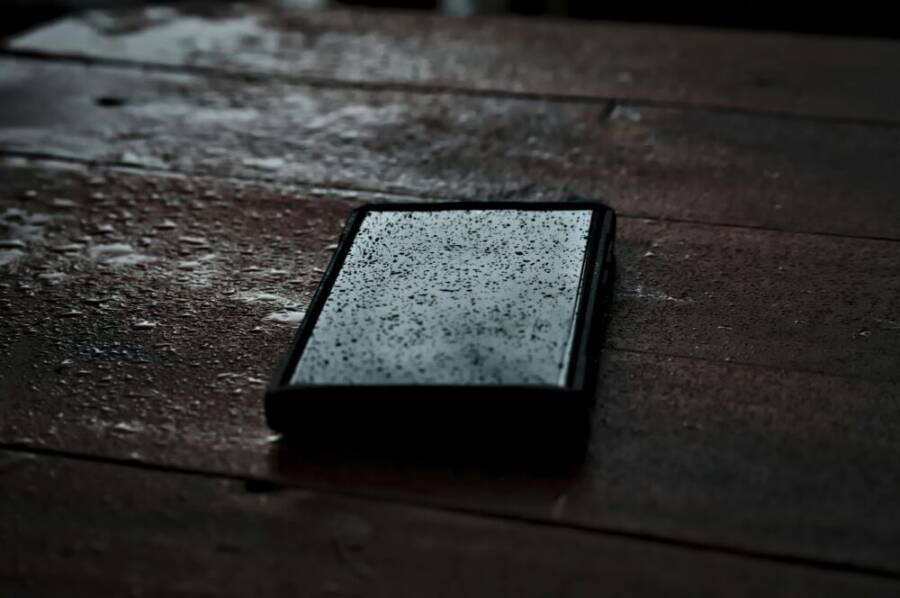
The sound of rain pelting the window just before a sudden downpour was enough to make Maria reach for her bag and pull out her phone. By the time she ducked under a storefront awning, water clung to the screen and shook loose with every tremor of her umbrella. That moment showed how quickly rain can threaten daily life when a simple call or map lookup is suddenly off limits.
Your phone is more than a device; it’s a lifeline for navigation, messaging, payments, and emergencies. A rainstorm can damage it in minutes, especially if water seeps into ports, speakers, or the charging socket. The goal here is simple: keep your smartphone dry when conditions turn heavy, without changing how you move through the day.
This guide covers practical steps you can take before you head out, during a storm, and after you get home. We’ll cover gear prep like protective cases and dry pouches, smart habits such as securing your bag and using voice prompts, quick fixes for a soaked device, and recovery steps if water does get in. You’ll also find product recommendations that balance reliability and price, so you can choose with confidence.
Think of this as a quick playbook you can reference on the go. Start with shield measures that fit your routine, then add habits that fit your environment. By keeping a few essentials handy and following simple steps, you can protect your smartphone from water damage and stay connected when rain forces you to move fast.
Pick Waterproof Gear to Shield Your Phone
Rain can spring up quickly, turning a routine commute into a frantic scramble. The right gear lets you keep using your phone without worrying about water damage. Below are practical options that cover protection, ease of use, and real-world testing. Start with a sturdy case, add water-friendly screen protection, and consider sealed pouches for especially wet outings.
Tough Waterproof Phone Cases
A rugged waterproof case is the backbone of reliable protection. Look for models with a tight rubber or hard shell, sealed ports, and grippy surfaces that don’t slip from your hand in a downpour. Key features to check:
- Full port covers and seals: Ensure every opening, including charging and headphone jacks, has a reliable seal. This is your first line of defense against rain intrusion.
- Grip and button access: A case with textured sides or a silicone grip helps you hold on tight when your hands are wet. Check that buttons remain easy to press without removing the case.
- Real-world testing: Seek cases that reviewers test in rain or under heavy splash. A case that passes submersion tests and still keeps usability intact is worth the investment.
When you’re ready to shop, it helps to read independent tests that compare how different cases stand up to rain, splashes, and incidental submersion. For a broader look at options that perform well in real-world conditions, see expert roundups like The Best Waterproof Phone Cases of 2025. These guides walk through fit, grip, and durability so you don’t waste time guessing. The Inertia: The Best Waterproof Phone Cases of 2025
Choosing the right case also means considering your phone’s size and your daily routines. If you frequently drop your phone or work in dusty or wet environments, a bulkier but more protective shell can pay off. For budget-conscious shoppers, there are solid options that balance protection with price; just be sure the design prioritizes seals and grip first.
Tips for quick and correct installation:
- Clean the phone surface before snapping on the case to prevent grit from compromising seals.
- Align all port covers and verify they sit flush against the case.
- Test the fit by gently pouring a small amount of water near the openings to confirm no leaks before you head outside.
For more context on what works and what doesn’t, expert reviews cover a range of brands and models so you can compare strengths and weaknesses side by side. Here’s a practical starting point: a well-rounded roundup that weighs protection, usability, and value. Beeasy Waterproof Case Reviews
Hydrophobic Screen Protectors and Skins
Water beading off the screen is more than a nice effect; it keeps your touch response predictable when rain makes the glass slick. Hydrophobic screen protectors reduce the chance of water films forming on the display, which can slow or misread touches. Consider full-body skins as well, especially if you want to keep the device clean and easy to wipe.
- Water beading action: Hydrophobic coatings cause water to bead up and roll away, maintaining screen clarity even in drizzle or mist.
- Full-body skins: A skin that covers the entire device adds another layer of moisture resistance and makes cleaning easy after wet use.
- Easy, affordable add-ons: Screens and skins are relatively inexpensive and quick to install, making them a smart upgrade for rainy seasons.
If you’re curious about effective, practical options, you can explore guides that critique what actually works for different devices. For an extensive breakdown of how these protectors perform and which ones hold up over time, check out Waterproof Case Guides that evaluate both screen protection and full-body skins.
A word on application: clean the screen with a microfiber cloth, dry the surface, and align the protector carefully to avoid air bubbles. Many hydrophobic protectors are self-adhesive and forgiving if you make a mistake during placement, making the process straightforward for beginners.
To compare real-world performance and uncover what users actually experience in rain, a widely cited resource reviews several models and their hydrophobic coatings. Hydrophobic films can transform your rainy-day experience by keeping the display readable when you need it most. Waterproof Case Guide: What Works, What Doesn’t
Sealed Pouches for Extra Safety
Sealed pouches and roll-top bags offer a simple, effective layer of protection for your phone during outdoor trips, especially in heavy rain or near bodies of water. They’re lightweight, affordable, and easy to swap between devices. Look for pouches that are clearly labeled IP-rated or at least water resistant and touch-friendly so you can operate your phone without removing it.
- Ziploc style pouches: Clear, easy to seal, and available in various sizes. They’re fast to deploy when you need a quick shield.
- Roll-top dry bags: A step up in rugged environments; these bags seal tightly and resist splashes from all directions.
- Touch-friendly designs: Modern sealed pouches let you use the touchscreen through the material, so you don’t have to expose the device.
How to use them without fogging: keep the pouch dry outside and avoid trapping moisture inside the seal. Before sealing, wipe the phone and the pouch interior with a dry cloth to prevent condensation. If fogging occurs, a quick air-out and reseal usually restores clarity.
For a sense of practical options, you can look at on-the-go protection that pairs with outdoor gear. Roll-top and Ziploc style bags are commonly recommended for quick trips, festivals, or market days when rain is uncertain but a phone needs to stay dry. If you want a trusted product that matches real-world use, see sealed pouch recommendations from active outdoor communities and reviews. For a concise overview, you can start with a guide that compares several seal types and their suitability for everyday carry. Cozycase Waterproof Case
Build Smart Habits Before Rain Starts
Rain can arrive with little warning, turning a quick errand into a soggy scramble. Building smart habits before a storm hits helps you stay connected without sacrificing your safety or your device. Below are practical steps you can adopt now, so you’re prepared when the clouds roll in.
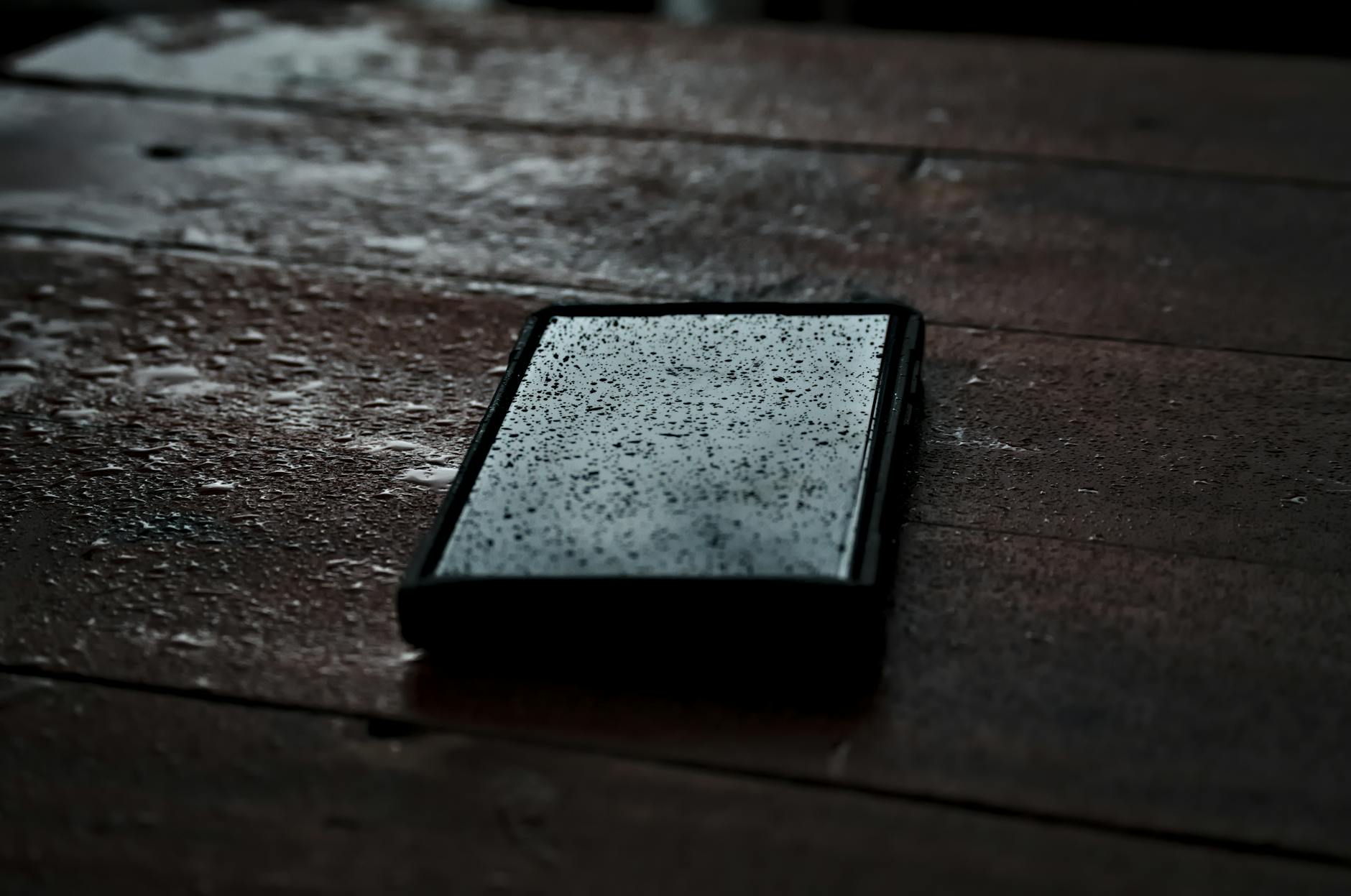 Photo by Linken Van Zyl
Check Weather and Plan Ahead
A little planning goes a long way. The best way to stay dry and connected is to pair real time rain alerts with a simple packing routine. Start with free weather apps that push timely rain notifications to your phone so you can adjust your route or timing before a downpour starts. You don’t want to be caught off guard while crossing a busy street or boarding a bus.
- Pick reliable rain alerts: Use well regarded weather apps that offer local rain radar and push notifications. For a comprehensive overview of top options, see the guide The Best Weather Apps We’ve Tested for 2025. It highlights free tools like The Weather Channel, AccuWeather, and others that fit everyday use. https://www.pcmag.com/picks/best-weather-apps
- Set up alerts in advance: Open the app before you head out and enable rain alerts for your destination. If you know you’ll be out in a storm, pre set alerts to avoid missing updates while your hands are full.
- Plan your route with rain in mind: Check radar maps to see where the worst weather will hit and time your travel to minimize exposure. RainViewer is a solid option for live radar and rain forecasts. https://www.rainviewer.com/
Packing early saves you from last minute frantic decisions. Place rain gear in a dedicated pocket or a small bag near the top of your backpack so you can grab it without digging through contents. A quick checklist helps you stay consistent:
- Light weight rain shell or umbrella
- Dry bag or pouch for your phone
- Extra microfiber cloth for wiping moisture
- Spare batteries or a power bank if you expect longer exposure
If you want a quick shield that fits into most commutes, hydrophobic screen protectors and compact pouches are worth trying. Hydrophobic protectors help your screen stay readable when droplets cling to the glass, and sealed pouches offer a backup barrier if you’re near water or caught in a flood risk zone. For more on these options, see Water proofing gear reviews that compare how well different setups handle rain and splashes. https://smartish.com/blogs/news/waterproof-case?srsltid=AfmBOopA-A8vOcIhfzUkyjY-LJciJRNRB58ly_S697AHcsUNAWgSzbn7
- Pro tip: test your plan. Do a quick dry run on a nearby walk to make sure you can reach your protection without exposing the phone to rain.
- Keep a reminder note in your bag with a tiny checklist. A few seconds can prevent a costly drop or water exposure.
In practice, your goal is to maintain access to essential features while keeping your device dry. If you want to learn more about the gear that stands up to wet days, see roundups of reliable cases and accessories from trusted outlets. For a broader sense of options, a good starting point is Rain Viewer and related reviews for practical insights. https://www.rainviewer.com/
Store Your Phone in the Right Spots
Where you carry your phone matters as much as how you protect it. Wet pockets or edge prone placements can turn a drizzle into a splash that slips past seals and fabrics. The trick is to minimize edge exposure and use storage zones that stay dry even when you move quickly.
- Inside the main bag, not the outer pocket: An inner compartment keeps moisture away from the outside, which often faces the elements first.
- Away from edges: Place the phone away from zippers, seams, and edges where rain can seep in or snag on fabric.
- Avoid pants pockets: Front or back pockets can fill with rainwater easily and flex when you sit. A dedicated dry pouch in your bag is a smarter choice.
- Use a small dry bag or protective sleeve: A compact roll top bag inside your backpack adds a fail safe should you encounter heavy rainfall.
- Keep cords and accessories dry: If you use a charging cable in public, store it in a separate dry pocket inside a protective case to avoid moisture creeping along the interface.
Think of your phone like a valuable map in a rainstorm. Keeping it tucked safely inside a dry zone reduces the chance of water finding its way into ports or speakers. If you’re shopping for storage solutions, look for ones that are clearly labeled dry, waterproof, or IP rated and that offer quick access when you need to grab the phone for a call or navigation.
- Quick access tip: designate one pocket for your phone and one for essential rain gear only. This reduces the risk of moisture transferring from wet items to the device.
- If you share bags, consider a small personal dry pouch that stays at the top of the bag so you can reach it without rummaging.
For further guidance on practical storage options, explore reviews that compare various dry pouches and sleeves and how they perform in daily use. These insights help you choose gear that fits your routine, whether you bike to work, hike in the rain, or navigate crowded city streets. https://www.amazon.com/Cozycase-Compatible-Waterproof-iPhone-11/dp/B07X9K5D1Y
Images and real world testing give you confidence that the setup you choose will stand up when rain gets serious. When in doubt, a simple, reliable route is to pair a protective case with a dry pouch and store it in an inner bag compartment. It’s a straightforward habit that pays off when you need to stay hands free and dry.
- Hydration and electricity balance: if you’re using a power bank, keep it in a separate dry pocket from the phone to minimize moisture exposure across devices.
- Regular checks: mid commute, take a quick moment to wipe down the phone surface and inspect the case seals. A proactive approach avoids surprises.
By building these small, repeatable routines, you gain confidence in any weather. When you combine smart weather tracking with careful storage practices, you preserve the phone’s functionality and your peace of mind.
Practical Takeaways
- Use rain alert apps to plan around precipitation and avoid being caught off guard.
- Pack gear early and keep it in a dedicated dry zone inside your bag.
- Store your phone in an inner pocket or dry pouch away from edges to minimize moisture exposure.
- Avoid keeping the phone in pants pockets during heavy rain to reduce condensation risk.
- Test your protection setup before you head out the door so you know it works when you need it.
References and further reading
- The Best Weather Apps We’ve Tested for 2025. https://www.pcmag.com/picks/best-weather-apps
- Rain Viewer: live radar for rain maps and alerts. https://www.rainviewer.com/
- The Weather Channel app on Google Play. https://play.google.com/store/apps/details?id=com.weather.Weather&hl=en_US
[Section image credit: Photo by Linken Van Zyl on Pexels]
Quick Tricks to Stay Dry in Sudden Downpours
Rain can move faster than you expect. When a sudden shower hits, you need fast, practical moves that keep your phone usable without slowing you down. These quick tricks combine everyday items, simple positioning, and smart habits to protect your device in the moment. Below are two focused approaches you can rely on during a downpour.
Use Everyday Items for Fast Protection
In a sudden downpour, you rarely have time to fuss with gear. The right everyday items can act as instant shields. Think of socks, plastic wraps, and even car visors as emergency rain barriers you can deploy with minimal effort.
- Socks or fabric sleeves: A dry sock or sleeve can be wrapped around the phone to seal the edges quickly. This is a temporary, grab-and-go solution when you can’t access a proper case. Be sure to remove moisture from the surface first to prevent trapped water.
- Plastic wraps and bags: A small square of plastic wrap or a thin Ziploc bag can cover the screen and ports in seconds. Smooth out air bubbles and press the edges to seal the gap. If you don’t have a full waterproof pouch, this is the fastest backup.
- Car visors: A compact sun visor or a similar shade in the car can shield the phone if you’re caught at a stoplight or under a storefront awning. Drape the visor over the device for a moment to block splashes while you move to shelter.
These quick tricks are about speed and practicality. They won’t replace a rugged waterproof case, but they give you a reliable, immediate layer of protection when minutes matter. For longer outings, pairing everyday items with purpose-built gear is a safer long-term plan. If you want a quick read on practical options, see guides that review affordable waterproof covers and on-the-go protection. For example, practical roundups compare cases by grip, seal, and ease of use in wet conditions: The Best Waterproof Phone Cases of 2025. The Inertia: The Best Waterproof Phone Cases of 2025
If you’re shopping for simple, ready-to-use solutions, consider lightweight protective pouches as a quick upgrade. A sealed pouch lets you keep the phone accessible while keeping moisture away. For quick comparisons of popular pouches, you can explore compact dry bag options and reviews. Cozycase Waterproof Case
Key takeaway: have one of these quick shields at hand, especially in a bag you grab on the go. They’re not permanent, but they buy you time to reach real protection and stay connected.
Body Position Hacks to Block Rain
Your body can be a shield when rain starts to pour. A few posture adjustments can reduce direct exposure while you pivot to safety. The goal is to keep water away from the ports and screen while you move from shelter to shelter.
- Angle the phone down: Tilt the device slightly downward so gravity helps keep water from pooling on the screen. This reduces drips that might migrate toward the charging port or speaker.
- Cup your hands around it: Create a small windbreak with your palms, especially when you’re crossing open spaces or stepping into wind-driven rain. Your hands can deflect spray and keep the top edge of the device drier.
- Use your body as a barrier: Turn slightly away from the rain’s direction when you can. A quick shoulder angle or side stance minimizes the direct hit on the screen and openings.
- Move with purpose: Short, deliberate steps toward shelter beat long stints in the rain. Focus on stopping under a doorway, umbrella, or awning as soon as you see heavier drops.
- Prioritize hands-free options: If you can, switch to voice prompts or quick taps that rely less on touch screen during the downpour. This reduces the chance of moisture on the glass affecting sensitivity.
These quick stance adjustments work well in the moment and can be practiced before you head out. The idea is to stay as visible and safe as possible while maintaining access to essential functions like GPS, messages, and calls. For a practical look at practical rain behavior and gear, you can consult real-world reviews that compare how different setups perform in wet conditions, including how devices fare when you’re in motion. For example, review guides on protective accessories help you pick gear that works under pressure. Waterproof Case Guide: What Works, What Doesn’t
If you’re navigating crowded streets or a busy transit hub, quick hands-free options can be a game changer. A lightweight pouch worn on the belt or a shallow chest bag allows you to shield the phone while keeping an eye on surroundings. This approach is especially useful when you’re juggling groceries, a backpack, or a child alongside rain gear.
Final tip: practice these moves in a dry environment first. Rehearse the angle and the cupping technique so you can apply them without thinking when rain starts. The more muscle memory you build, the faster you’ll react when the skies open up.
Links and further reading to support these quick tactics include reliable weather resources and practical gear guides. Check out radar tools and rain alerts to plan your moves in advance, helping you time your sprint to shelter. Rain Viewer: live radar for rain maps and alerts and a popular guide on weather apps for timely updates. The Best Weather Apps We’ve Tested for 2025
Images and testimonials often show how simple posture changes can reduce exposure in the moment. When your device is protected by fast actions and smart placement, you keep calling, messaging, and navigating even as the rain worsens.
Fix Your Phone If Water Sneaks In
Rain can catch you off guard and sneak into your pocket or bag. When moisture finds its way inside, quick, careful actions save your device. This section outlines the immediate steps to take after a phone gets wet and then the longer drying methods that actually move the needle. Follow these steps, and you’ll maximize your chances of bringing your phone back to life without further damage.
First Steps Right After It Gets Wet
The moment you notice water exposure, stop using the phone and power it off if it’s not already. Power and water together are a dangerous mix, so don’t try to turn it on or charge it to see if it still works. Next, remove any case, SIM card, and accessories. Air needs to circulate around the phone to dry it from the inside out.
Blot, don’t rub. Use a soft, lint-free cloth to remove surface moisture from the screen, ports, and exterior. Avoid pressing on buttons or ports, which can force liquid deeper into the device. After you’ve wiped it down, let the phone air dry in a dry, well-ventilated spot. Don’t use heat sources like a hair dryer, radiator, or oven; they can warp components or push moisture further inward.
Absorbents matter. Silica gel packets or other desiccants are a better choice than rice for pulling moisture from electronics. Place the phone in a breathable container with desiccants and leave it there for a minimum of 24 hours, longer if possible. Rice can wick moisture, but it’s slow and leaves dust that may clog openings. For practical guidance on what works and what doesn’t, check out credible how-to guides that cover the initial wet-to-dry transition. How to fix your water-damaged phone in 8 steps and a reliable explainer on why rice isn’t ideal. Phone wet and won’t turn on? Here’s what to do with water damage
If you can, remove the SIM tray and slide it back in after the device dries. This helps ensure the phone can boot once it’s ready. Do a careful exterior wipe again before attempting to power up. If you suspect liquid has reached the internal components despite your best efforts, it may be time to seek professional help. A technician can disassemble, dry, and clean the board if needed. For a step-by-step overview of surface drying and early recovery steps, see guides like the one from PhoneCheck. How to Fix a Wet Phone: A Step-by-Step Guide
Key takeaway: act fast, avoid power, and use desiccants to draw moisture out. Quick, calm actions give your device the best chance to survive.
Longer Dry-Out Methods That Work
After the initial drying window, you can employ methods that improve air flow and remove moisture from hard-to-reach places. The goal is steady, gradual drying without heating the device.
Ventilate and fan-assisted drying. Place the phone on a dry, flat surface in a room with good airflow. Use a small fan on a low setting to increase air movement around the device. Don’t point the fan directly at the speaker openings or ports; aim for the body and screen, letting air circulate around all sides. This helps moisture escape from nooks like around the charging port.
Humidity control helps too. If you have a dehumidifier, run it in the room where the device is stored. A dehumidifier lowers ambient moisture and speeds up evaporation from the device’s interior. Place the phone in a tray or shallow container with desiccants so the moisture drawn out can be absorbed more effectively. In most cases, patience pays off, as the desiccants work for several days if needed.
Avoid forcing moisture out with heat. A hot environment speeds up evaporation but can warp or damage components and battery chemistry. Instead, keep the environment cool and dry. If you’re in a warm climate, use a fan to move air rather than applying direct heat.
Check and repeat. After 24 hours, inspect the seals and openings for any sign of dampness. If you still see moisture on the screen or around ports, reapply desiccants and continue to air dry. If parts are submerged or there’s visible liquid inside, a professional service is the best route. You can find step-by-step recovery tips and cautions in guides that stress not powering on during the drying phase. For a trusted overview of longer drying practices, see credible references like The Inertia’s waterproof case roundups that also discuss how protection interacts with real-world use. The Inertia: The Best Waterproof Phone Cases of 2025
Real-world testing matters. When you have time, compare how different drying setups perform with your device model. This helps you tailor a routine that fits your climate and daily flow. If you want a concise guide to effective dry-out practices, the article from Asurion offers clear, practical steps that align with what you’re doing now. How to fix your water-damaged phone in 8 steps
A few practical tips to maximize success:
- Keep the device powered off during the entire drying process.
- Use silica gel or other desiccants; avoid rice as a primary method.
- Ensure airflow around the device from multiple angles.
- Do not use heat or power it on until you are sure it is dry.
If you still see issues after a thorough dry, consider a professional diagnostic. An expert can test the board, clean connectors, and inspect for corrosion. For more on professional recovery options, you can consult dedicated repair resources and consumer guides. How to Fix a Wet Phone: A Step-by-Step Guide
Evidence from real-world testing shows the value of a calm, structured approach. A short, controlled drying cycle with desiccants and airflow is far more reliable than panicking and trying quick cures. By following these steps, you reduce the risk of long-term corrosion and increase the likelihood that your phone remains usable after a rain event. For broader context on effective protective strategies, see credible case studies and gear roundups. The Best Waterproof Case Guide
If you want more guidance on how to handle a wet phone, you’ll find value in videos and articles that walk through the entire recovery process, from surface drying to board-level cleaning. The combination of careful drying and protective gear lowers the chance of a repeat incident. For a practical look at protective gear and test results, check out waterproof case reviews and trusted test results. Waterproof Case Guide: What Works, What Doesn’t
External links are included to provide credible, actionable guidance and real-world testing results. Use these resources as a reference, not a substitute for careful, patient drying.
Images and references cited in this guidance help illustrate best practices for the recovery path. When you combine air flow, desiccants, and patience, you give your device a fair chance to return to full functionality without unnecessary risk.
Best Products to Buy for Rain Protection
When a sudden downpour hits, the right gear can save your phone from soggy chaos and keep you moving. This section breaks down practical products that shield your device without slowing you down. Whether you want a quick, affordable fix or a complete windbreak setup with power on hand, these options help you stay connected in wet weather.
Affordable Universal Waterproof Pouches
Universal waterproof pouches are the fastest way to shield your phone in unpredictable rain. They’re light, inexpensive, and sized to fit most mainstream smartphones. The best models offer touchscreen compatibility, so you can tap, swipe, and call without exposing the device. Here’s what to look for and why these pouches earn their keep.
- Touchscreen compatibility: Choose pouches that clearly state they support touch input. You should be able to operate the screen, take photos, and answer calls through the material. This is essential when every second counts in a soggy commute.
- IP rating and sealing: While budget options often lack a formal IPX rating, look for a strong seal and a reliable closure system, like a robust zip or slide lock. The seal is your first line of defense against splashes and rain spray.
- Clear viewing window: A transparent front helps you read notifications and watch for incoming calls without unsealing the pouch.
- Easy access and portability: Slim designs that fit in a pocket or small bag are ideal for quick deployments during a sudden shower.
For shoppers seeking reliable, budget-friendly picks, several guides evaluate touch-screen pouches on real-world performance. If you want a quick sense of the market, these reviews compare fit, ease of use, and durability across popular models. For example, one widely cited roundup covers 5 to 10 options, focusing on how well each pouch balances protection with touchscreen usability. You can explore practical recommendations and get the full picture from industry roundups. The 5 Best Waterproof Phone Pouches of 2025, Tested
If you’re shopping with a specific phone in mind, verify that the pouch accommodates larger models. Many universal pouches list maximum dimensions and will still work with a slim case on your phone. A common mid-range choice combines a budget price with reliable sealing, making it a smart add-on for everyday rain risk. For a trusted family of pouches that holds up to touch screen use, see consumer guides that compare several universal designs side by side. The Waterproof Pouch I Trust to Keep My Phone Dry
How to use them effectively:
- Clean the phone and pouch interior before sealing to avoid trapped moisture.
- Align the seal and press out air; a tight seal minimizes fogging.
- Test with a small spray of water before you head out to confirm there are no leaks.
If you want a quick reference for good options at a glance, start with a practical guide that weighs touchscreen usability against price. These guides highlight both budget and midrange pouches so you can pick quickly. Best Waterproof Phone Pouches in 2025: IPX8 Rated Built
For those who want a tangible starter kit, a 2-pack or 3-pack of universal pouches can cover family use or multiple bags. The simplicity and low cost make them ideal for first-time rain protection or as a backup while you test more robust gear.
- Quick takeaway: universal pouches buy you time. They’re not a long-term solution in extreme weather, but they’re incredibly useful on busy commutes and small outdoor trips.
Full Kits with Chargers and More
If you frequently find yourself outdoors or traveling in wet climates, a complete rain protection kit is worth the upfront investment. These sets bundle a rugged case, a dry pouch, and often a compact power solution so you can charge on the road without exposing your phone to moisture. Here are the elements that make a kit genuinely useful.
- Outdoor-ready charging solutions: Look for a power bank or solar bank that comes with a moisture-resistant or rugged design. A kit that includes a water-resistant cable or a cable sleeve helps you stay charged without opening your bag to the rain.
- Integrated protection: Some kits pair a waterproof case with a dry pouch or a waterproof sleeve. The synergy here is simple: you protect the device and keep it accessible for navigation or calls in wet conditions.
- Portable organization: A kit that includes a small dry bag, liner, and interior pouches helps you keep cables, adapters, and emergency snacks dry as a package.
- Weather-tested durability: Seek products with independent testing or credible reviews. You want gear that holds up under wind, splashes, and repeated exposure to rain.
Travel sets designed for outdoor use are particularly valuable for hikers, cyclists, festival-goers, and travelers who encounter unpredictable rain. Rather than buying components separately, a full kit can save time and ensure everything works together. For in-depth comparisons of outdoor rain protection kits and what they include, explore outdoor gear roundups that test equipment in real weather. The Best Waterproof Phone Cases of 2025
If you’re planning a longer trip or a weekend of wet weather activities, a kit with a built-in power option reduces the risk of a dead phone during critical moments. Look for compact, high-density power banks and cables that fit neatly into the kit without adding bulk. A well-rounded kit often earns praise for reliability and value, especially when it helps you stay online for maps, emergency calls, and travel apps.
- Quick setup: A kit that you can grab from your bag with one hand saves time when rain starts.
- Clear labeling: Easy-to-understand labels help you identify what’s what in a downpour, so you don’t waste minutes digging for the right cable.
- Compatibility: Confirm that the included case and pouch fit your phone model, including any protective case you already use.
For a practical starting point, you can read trusted roundups that compare kits across protection level, weight, and price. These guides help you pick a kit that matches your typical weather and travel style. The Best Waterproof Case Guide
Tips to maximize kit value:
- Keep the kit in a dedicated outer pocket of your backpack for ready access.
- Dry-run the setup at home to ensure you can assemble and deploy quickly.
- Check battery health in advance; a rainy trip is not the time to find a dead power bank.
A practical takeaway is that full protection sets deliver both security and convenience. If you want a one-stop option for outdoor use, look for kits with an IP rating on the bag or pouch and compatibility with your phone’s size and case.
- Best practice: pair a rugged case with a dry pouch and keep the kit in a dedicated rain-ready compartment. This approach gives you both defense and speed when storms roll in.
Where to start your search:
- Look for official product pages that list IP ratings or waterproof certifications.
- Read real-world tests that show how kits perform during rain, wind, and splash.
- Compare prices across reputable retailers to find a balanced option for your budget.
External links to start comparing kits and gear:
- The 5 Best Waterproof Pouches of 2025, Tested: https://www.travelandleisure.com/style/travel-accessories/best-waterproof-phone-case
- The Waterproof Pouch I Trust to Keep My Phone Dry: https://www.cntraveler.com/story/best-waterproof-phone-pouches
One last note on selection: a full kit is a strong choice if you rely on your phone for navigation and safety in wet environments. It simplifies shopping and ensures compatibility across components, reducing the chance of buyer’s remorse. If you’re unsure where to begin, start with a trusted kit that includes a dry bag, a protective case, and a compact charger, then expand as needed.
- Quick decision rule: if you spend more than half your time in wet weather, a full kit pays for itself through reliability and ease of use.
Conclusion
Protecting your phone in heavy rain comes down to a few smart habits and reliable gear. Start with the basics like a sturdy waterproof case and a dry pouch, then pair them with practical storage habits and quick on the go tricks. A calm, methodical drying plan after exposure helps you recover faster.
Key takeaways
- Use reliable protective gear that seals ports and gives you a good grip.
- Keep your phone in a dry pouch or inner bag pocket away from edges.
- Check weather alerts in advance and plan routes to shelter.
- If water gets in, power off and dry surfaces first, then use desiccants for drying.
- Practice quick protection moves so you can act fast in a downpour.
Try one tip today
- Put a compact dry pouch in your bag and test how quickly you can access your phone while staying dry.
Share your stories
- Have you tested a rain kit or had to rescue a soaked phone after a storm? Tell us what worked for you in the comments.
A final note
- Staying prepared keeps you connected when rain hits. Wishing you safe, dry days ahead.