Thousands of People Were Struggling With Money Until They Discovered This One Ancient Secret Hidden in Sound
>>> Unlock It Now <<<

Have you ever had a call drop mid sentence because your phone froze, leaving you fumbling for options? It happens to the best of us, and the moment can feel frustrating. A quick, reliable fix is a simple button combo that reboots the device without deleting apps or data. This method works for both iPhone and Android, so you’re covered no matter which smartphone you use.
In this post you’ll find a clear look at what causes freezes, plus a practical, step by step guide for each type of phone. We’ll walk you through exactly what to press when the screen stops responding and you need results fast. You’ll also get tips to reduce future freezes and keep performance smooth.
We’ll preview what you’ll learn: common triggers like memory pressure, app issues, and OS quirks; a couple of proven restart sequences that preserve your data; and what to do if a restart doesn’t fix the problem. You’ll see how to handle hard resets safely on iPhones and Android flagships, with emphasis on real world scenarios you’re likely to face.
This guide keeps things simple and actionable. It’s designed to help you regain control quickly, with steps you can follow right away. If a restart doesn’t resolve the issue, we outline the next best moves so you stay productive rather than stranded.
What If the Only Thing Between You and the Life You Deserve Is a Hidden Wealth Code Waiting to Be Activated
>>> Open the Door <<<

Why Phones Freeze and Simple Ways to Prevent It
When your phone slows to a crawl or freezes, it disrupts your day. The good news is a lot of freezes come from avoidable causes and simple habits can prevent them. Below you’ll find quick, practical explanations and actionable steps you can take right away. For extra context, see reputable guides on common triggers and maintenance routines.
Common Freeze Triggers to Watch For
Phone freezes often stem from how you use it day to day. RAM overload happens when you keep many apps open at once or run heavy games and tabs, leaving little memory for background tasks. Low storage fills up space the system needs to swap data quickly, which can stall processes like photo saving or app updates. Buggy updates and misbehaving apps can introduce conflicts that make the UI laggy or unresponsive. And overheating in hot spots, such as while gaming in a sunlit car or charging in a warm room, can throttle performance to protect hardware. Simple examples include streaming while on multiple messaging apps, or gaming with several tabs open in a mobile browser. Regularly check storage and close unused apps to keep the system responsive. For deeper reading on common causes, see guides from trusted repair and tech sites. https://www.asurion.com/connect/tech-tips/why-phone-keeps-freezing/ and https://owlrepairs.com/phone-keeps-freezing-causes-fixes-professional-repair/.
Daily Habits to Keep Freezes Away
Tiny habits add up to steady performance. Start with a weekly restart to clear memory and refresh system processes, a practice recommended by security experts and tech guides. Delete old, unused files and photos that clog storage, then retry freeing space with a quick clean of caches in apps you use most. Keep apps up to date so you benefit from bug fixes and performance improvements. Run a malware scan if you notice odd battery drain or unexpected data usage. Finally, keep your phone in a cool environment when possible; heat is a major performance killer. Make this a quick, repeatable routine: weekly restart, tidy up storage, update apps, malware check, and store in a cool area. For additional tips on maintenance routines, see trusted sources such as PCMag and security guides. https://www.pcmag.com/news/the-nsa-says-you-should-restart-your-phone-weekly-heres-why and https://www.asurion.com/connect/tech-tips/why-phone-keeps-freezing/.
Force Restart iPhone: Steps for iPhone 8 and Newer
When your iPhone freezes, a quick forced restart can bring it back to life without data loss. This section covers the reliable button combo that works every time and a Siri-based alternative if hardware buttons aren’t responsive. Follow the steps exactly as written to avoid confusion and ensure a clean reboot.
Button Combo That Works Every Time
If the screen is unresponsive, use this precise sequence in rapid succession:
- Press and release the Volume Up button quickly.
- Press and release the Volume Down button quickly.
- Press and hold the Side button (also called the Power button) until the Apple logo appears, then release the button.
Key notes to ensure success:
He Was Drowning in Bills and Burnout Until a Simple Daily Ritual Rewired His Brain for Wealth in Less Than a Week
>>> Start Your Shift Today <<<

- Timing matters. Do steps 1 and 2 in rapid succession before you start holding the Side button.
- You may need to hold the Side button for several seconds after the volume steps for the logo to show.
- This method does not erase data or bypass passcodes; it simply forces a reboot to clear minor hiccups.
- If the device doesn’t respond after a few seconds, keep holding the Side button until the Apple logo shows.
Common pitfalls to avoid:
- Don’t skip the quick volume button taps; missing them can prevent the reset from triggering.
- If the screen remains unresponsive after the Apple logo, consider updating iOS or exploring recovery options on Apple’s support site.
For official guidance and model-specific notes, see Apple Support’s restart and force restart resources. https://support.apple.com/en-ca/118259
This approach is endorsed for iPhone 8 and newer models and is widely referenced in Apple’s support documents and tutorials. You can cross-check the steps with Apple’s official instructions to ensure you’re following current practices.
Quick Siri Trick If Buttons Fail
If hardware buttons aren’t responding, you can enlist Siri to restart your iPhone when voice control is available. Simply say, “Hey Siri, restart iPhone.” When Siri recognizes the request and the device can process commands, it will initiate a reboot sequence without touching the screen. This method can be especially handy if the touchscreen is entirely frozen.
Best results come when:
- Siri is enabled and the device is awake or on the lock screen where the assistant can respond to voice commands.
- The device has a stable voice recognition setup so it can interpret the command clearly.
- There are no background processes fighting a restart prompt; if Siri hesitates, try again once more with a clear prompt.
Keep in mind that voice-activated restarts aren’t always reliable in every scenario. If you rely on Siri regularly, ensure your device is updated to the latest iOS version and that Siri has permission to operate on the lock screen when needed. This quick option offers a hands-free path to regain control when the screen is frozen.
Force Restart Android: Samsung, Pixel, and More
When a phone freezes, a quick force restart can save you from a long wait or a lost moment. This section covers the reliable restart methods for Samsung Galaxy devices, Google Pixel phones, and a quick guide for other Android brands. Each path preserves your data while clearing the hiccup that caused the freeze. If you’re dealing with a screen that won’t respond, these steps give you back control fast and simply.
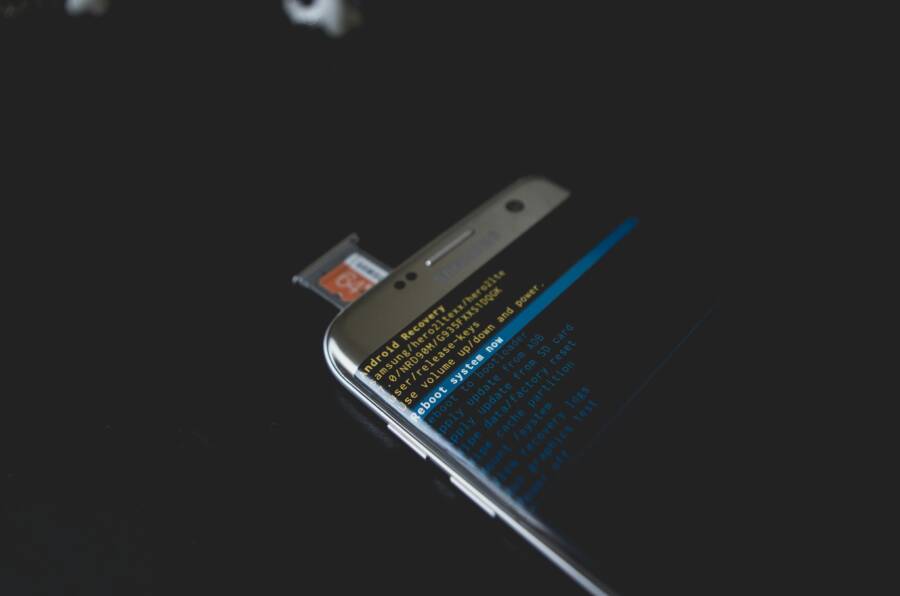
 Photo by Kelvin Valerio
Samsung Galaxy Quick Reboot Method
Samsung devices often respond to a straightforward force reboot when the screen goes unresponsive. The standard sequence is to press and hold the Power and Volume Down buttons together for about 7 to 20 seconds. Release once the Samsung logo appears, and the device should boot normally. This method doesn’t erase data, but it does interrupt processes that cause the freeze, letting the system reset its state.
Thousands of People Were Struggling With Money Until They Discovered This One Ancient Secret Hidden in Sound
>>> Unlock It Now <<<
Important notes for Samsung users:
- Make sure the battery isn’t critically low before attempting a force reboot, as a very low charge can prevent a restart.
- If the phone still doesn’t respond after the logo, try a longer hold or connect to a charger and retry.
- For model-specific nuances, consult Samsung’s official support article “Different ways to restart your Galaxy phone or tablet,” which outlines multiple restart options and tips. You can read it here: https://www.samsung.com/us/support/answer/ANS10001374/
For a visual cue, many Galaxy devices place the Power and Volume Down keys in accessible spots, though some models vary. If you’re unsure, use the quick reboot when the screen is still showing slight life, then proceed with the standard restart once the device responds.
Google Pixel and Similar Steps
Pixel users can usually rely on a similar button combo when the screen freezes. The recommended approach is to press and hold the Power and Volume Down buttons for roughly 10 to 15 seconds, then release. The phone should reboot, bringing you back to the home screen or the lock screen.
If you encounter boot issues after a force restart, here are simple checks:
- Ensure the Pixel runs the latest Android version. Go to Settings > System > System update.
- Try a normal restart if the device responds, and check for app conflicts that could trigger a freeze.
- If the device remains unresponsive, consult Google’s guidance on Fixing a Pixel that freezes for model-specific steps and troubleshooting: https://support.google.com/pixelphone/answer/6377386?hl=en
When buttons aren’t responsive or the screen stays black, waiting a brief moment and trying again can help. If more extensive issues appear, Google’s Pixel Help pages offer step-by-step recovery options. For Quick help, see Pixel Phone Help: https://support.google.com/pixelphone/?hl=en
Tips for Other Android Brands
If you own another Android brand such as OnePlus, Motorola, or Nokia, the same basic combo often works: press and hold Power plus Volume Down for about 10 to 20 seconds until the device restarts. If the phone finally responds but then freezes again, a longer-term fix may involve updating firmware, clearing cache, or checking for problematic apps.
Brand-specific guides provide extra reassurance. For Motorola users, a force reboot usually involves holding Power for 10 to 20 seconds. You can verify details here: How do I force my motorola phone to reboot or restart? https://en-us.support.motorola.com/app/answers/detail/a_id/166967/~/force-reboot-or-restart
If you’re unsure about your exact model, check the manufacturer’s support site or search for “force restart [your model]” to confirm the recommended sequence. A quick restart can save time and keep your data intact, making it the first move when a freeze strikes. For broader guidance on non-Samsung and non-Pixel devices, consult brand-specific support resources and the general Android help center.
Photo references and further reading:
- Samsung restart guidance: https://www.samsung.com/us/support/answer/ANS10001374/
- Pixel help and troubleshooting: https://support.google.com/pixelphone/answer/6377386?hl=en
- Motorola force reboot details: https://en-us.support.motorola.com/app/answers/detail/a_id/166967/~/force-reboot-or-restart
If you want more context on how restarts fit into overall maintenance, consider checking a few expert tips on preventing freezes through storage management and app hygiene. See trusted guides on routine maintenance and issues that commonly trigger freezes: Samsung restart overview and Google Pixel troubleshooting provide practical, model-specific steps, while Motorola’s guides cover a broader Android landscape.
Photo by Kelvin Valerio, credit: https://www.pexels.com/@kelvin809
Still Frozen After Restart? Next Troubleshooting Steps
If your phone remains unresponsive after a force restart, you’re not out of options. This section walks you through practical steps to push past the freeze without losing data. You’ll learn what to check first, how to proceed when the basics don’t fix it, and when to seek professional help. Think of this as a rescue ladder for a stubborn smartphone that won’t wake up.
Fast Software Fixes to Try First
Start with quick, non-destructive tweaks. These steps address common software hiccups that cause screens to stay frozen.
- Charge and check power stability. A low battery can mimic a freeze. Keep the device plugged in for at least 30 minutes and retry the restart.
- Update the OS and apps. After a thawed restart, go to Settings and install any pending updates. Updates often fix freezes caused by small software bugs.
- Uninstall or disable problematic apps. If a specific app seems to trigger the issue, remove it or limit its permissions to see if performance improves.
- Clear app caches. Clearing cached data for frequently used apps can free up memory and restore responsiveness.
- Clear storage if space is tight. Remove unused files, photos, or apps to free room for system operations.
- Run a basic malware check if you notice odd behavior beyond freezing. Malware can slow the OS and stall UI responses. For model-specific, step-by-step guidance, see Apple’s and Google’s official restart and recovery resources, plus guidance from trusted how-to sites such as wikiHow. Apple Support and Google Support offer streamlined paths to safe recovery if the device still struggles after these tweaks: https://support.apple.com/en-us/118259 and https://support.google.com/android/answer/7664998?hl=en
When to Reset or Get Help
If basic fixes don’t resolve the problem, you may need deeper recovery or a factory reset. This section covers safe options and what signs point to hardware issues.
- Recovery mode and software reinstallation. Put the device into recovery mode and choose Update first to reinstall the OS without erasing data. If Update fails, Restore will wipe the device, so back up first. Apple and Google provide clear recovery paths for iPhone and Android devices. See Apple’s guidance for recovery mode and reset options and Google’s recovery steps: https://support.apple.com/en-us/118106 and https://support.google.com/pixelphone/answer/6377386?hl=en
- Factory reset as a last resort. A factory reset erases all data. Back up everything you can, then perform the reset from recovery mode. Apple’s and Android’s official reset instructions outline the exact steps and cautions to avoid data loss: https://support.apple.com/en-us/108931 and https://support.google.com/android/answer/3094742
- Look for hardware signs. If the phone feels unusually hot, has screen artifacts, or won’t complete boot even after recovery attempts, it may signal hardware failure. In those cases, consult a repair shop or your device manufacturer’s service center.
If you want a quick, visual guide to these steps, you can reference practical how-to resources from reputable sites as you proceed. For a broad set of model-agnostic strategies, see wikiHow’s comprehensive guide to fixing a frozen mobile phone: https://www.wikihow.com/Fix-a-Frozen-Mobile-Phone.
Conclusion
A quick force restart clears the most stubborn freezes without risking your data. For iPhone 8 and newer, the reliable sequence is volume up, volume down, then press and hold the side button until the Apple logo appears. If buttons fail, a quick Siri restart can help when voice control is available. On Android devices, the go-to options are a long press of the power button or a hold of power plus volume down until the device reboots. In most cases, these steps restore normal behavior and let you resume work without a full reset.
Preventing freezes is easier than fixing them. Keep a healthy balance of active apps, free storage, and up to date software. Regular reboots, cache clears for frequently used apps, and a cool operating environment all help sustain smooth performance. If a device still freezes after a restart, check for OS updates and consider a safe recovery path rather than a full reset.
If you want fewer interruptions, turn maintenance into a habit. Schedule periodic restarts, tidy your storage, and monitor for apps that drain resources or behave oddly. These practices make a real difference and cut down on surprise freezes.
Have you faced a stubborn freeze lately? Share your experience, the device you use, and which method worked best for you. Bookmark this guide so you can revisit the steps quickly next time. Most issues can be solved at home with the right sequence and a calm approach.
There Is a Frequency That the Wealthiest Families Have Used for Generations and Most People Will Never Know It Exists
>>> Open the Door <<<
