There Is a Frequency That the Wealthiest Families Have Used for Generations and Most People Will Never Know It Exists
>>> Open the Door <<<

If your recents button stops working, you’re not alone. This small navigation control is key to bouncing between apps quickly, but it can fail on both Android and iPhone for a few common reasons. A quick fix may solve the problem, but deeper causes can hide in system updates, launcher apps, or gesture settings.
This guide breaks down practical steps you can take to get back to smooth, confident navigation. You’ll learn quick fixes you can try right away, plus deeper troubleshooting if the issue sticks around. We’ll cover platform specifics for Android and iOS, and share prevention tips so the problem doesn’t come back. Think of this as a step by step checklist you can follow at your own pace.
Most fixes start simple: a quick restart, clearing a temporary cache, or switching from button navigation to gestures. If those don’t do the trick, you’ll move to more involved steps like checking launcher settings, updating firmware, or testing Safe Mode to rule out a misbehaving app. By the end, you’ll know which move fits your phone and your daily use.
We’ll also look at common culprits that trip up the recents button. On Android, launcher glitches, recent updates, or gesture conflicts can block quick app switching. On iPhone, gesture changes or memory tips can get in the way, especially after an OS update. You’ll see how to tailor fixes to your device, whether you’re juggling multiple apps or using a smart launcher.
What If the Only Thing Between You and the Life You Deserve Is a Hidden Wealth Code Waiting to Be Activated
>>> Open the Door <<<

A brief, practical plan awaits. Start with the easiest fixes and move down the checklist if needed. By following these steps, you can restore reliable access to recent apps and keep your smartphone running smoothly.
Quick fixes that solve most recents button problems
Most recents button glitches clear up with basic steps that reset your smartphone’s navigation system. These methods target common hiccups like memory overload or stuck processes. They work on both Android and iPhone, and you can test them in under 10 minutes. Start here to skip hours of hassle.
Restart your phone and refresh the launcher
A simple reboot often fixes the recents button right away. It clears temporary files and refreshes running processes, much like hitting reset on a frozen computer.
Follow these steps on your device:
- Press and hold the power button (or power + volume down on some models) until the restart option appears.
- Tap Restart and wait 30 seconds for the phone to fully reboot.
- Open a few apps, like your browser and email.
- Press the recents button (square icon on Android or App Switcher gesture/up button on iPhone) to check if recent apps show up.
On Android, if the launcher feels off after restart, swipe up from the home screen dock or long-press the home button to refresh it. iPhone users see the App Switcher cards stack smoothly post-reboot. This step resolves 80% of basic glitches from overnight updates or app crashes.
Refresh launcher settings and switch navigation mode
Launcher apps control your home screen and recents view on Android. A quick force stop or navigation toggle can jolt them back to life. iPhone handles this through basic settings resets.
On Android:
- Go to Settings > Apps > See all apps.
- Find your launcher (like One UI Home on Samsung or System UI on stock Android).
- Tap Force stop, then Clear cache (not data, to keep your setup).
- Head to Settings > Display > Navigation bar (or System > Gestures).
- Switch between Buttons and Gestures, then test the recents button.
For iPhone:
- Go to Settings > General > Shut Down, restart, then check Settings > Accessibility > Touch to ensure no gesture overrides block the button.
Test by opening three apps and hitting recents. If cards appear, the fix worked. Users with third-party launchers like Nova often fix issues this way; check this guide on enabling the recent apps button for extra tips.
Update software and clear launcher cache
Outdated software or bloated cache hides deeper recents problems. Updates patch navigation bugs, while cache clears act like a quick cleanup.
Check for updates first:
- Android: Settings > Software update > Download and install.
- iPhone: Settings > General > Software Update.
After updates, clear launcher cache:
- Android: Settings > Apps > [Launcher app] > Storage > Clear cache.
- Restart your smartphone.
- Test recents by multitasking between apps.
This combo fixes issues from partial updates. Pixel owners report success with similar steps in Google’s support forums. Avoid clearing all data unless needed, as it resets home layouts.
Optimize memory and check for app conflicts
Heavy apps eat memory and clash with navigation controls. Free up space to let the recents button breathe.
Close extras like this:
- Swipe up or tap recents (if partially working) to view open apps.
- Swipe away unused ones, starting with resource hogs like games or social media.
- Check Settings > Apps > Recently installed for suspects.
After closing five to ten apps, test recents again. If it works, note the conflicting app and uninstall or update it. On Android, enable Developer options (tap Build number seven times in About phone) and limit background apps. iPhone auto-manages this, but offloading unused apps via Settings > General > iPhone Storage helps.
These tweaks keep your smartphone responsive. Track patterns, like issues after new installs, to avoid repeats. If problems persist, move to advanced steps next.
Platform specific fixes
If your recents button isn’t behaving, the platform matters. Android and iPhone have different navigation models, gesture settings, and launcher behaviors. Below are concise, practical fixes tailored to each ecosystem. Each subsection ends with quick tests you can run to confirm the fix is working. Throughout, think of your smartphone as a reliable tool that should disappear as an obstacle and let you move on to what you’re doing next.
Android essentials for recents issues
Android gives you multiple levers to fix recents problems. Start with the simplest tweaks and move to more targeted adjustments. A quick test after each step helps you know whether you’re on the right track. If you rely on a third party launcher, these steps often resolve conflicts and restore expected behavior.
- Check navigation mode: button navigation vs gestures. Some devices reset to gestures after updates, which can surprise you. Swap back and test the recents button to see if it brings up the recent apps properly. If it does, you’re done; if not, proceed to the next step.
- Test the launcher itself: launchers control how recents appear and behave. A quick force stop and cache clear can reinitialize the launcher without wiping your layout. After this, switch to a different navigation method to see if the problem follows the launcher or remains system wide. For many users, a quick refresh of the launcher fixes the issue.
- Safe Mode testing: reboot into Safe Mode to rule out third-party apps as culprits. If the recents button works in Safe Mode, you likely have an app that’s interfering with navigation. Uninstall or update suspicious apps one by one and retest.
- Handle launcher updates: sometimes a recent update introduces a glitch. If the launcher just updated, check for a patch or revert to a previous version if possible. This is especially common on highly customized devices where the launcher is a core part of the experience.
- Quick test routine: after any change, open three to five apps, then press the recents button. Look for a clean, responsive stack of cards with smooth transitions. If the list loads promptly and cards respond to touches, you’ve confirmed the fix.
Concrete steps you can follow:
- Force stop the launcher and clear its cache:
- Settings > Apps > [Your Launcher] > Force Stop
- Settings > Apps > [Your Launcher] > Storage > Clear Cache
- Toggle navigation mode:
- Settings > Display > Navigation bar (or System > Gestures)
- Switch between Buttons and Gestures, then test the recents button
- If needed, reboot into Safe Mode:
- Hold power, then press and hold Power off to prompt Safe Mode
- In Safe Mode, test recents; if it works, identify the conflicting app by selectively uninstalling recent installs
- Update or roll back the launcher:
- Check for available updates in the Play Store or Galaxy Store
- If a recent update caused the issue, revert to a previous version if your device allows it
A quick reference that often helps is a trusted guide on enabling and configuring the recent apps button on Android devices, which covers common launcher interactions and gesture conflicts. See additional tips in this community guide for more context and device-specific nuances.
- Learn more about navigating with launchers from Android communities.
For more guidance on Android navigation and recent apps behavior, consider reviewing:
- Google Pixel community threads about recent apps and swipe behavior
- Android launcher behavior discussions on major device forums
These sources often surface device-specific quirks and fixes that apply to a broad range of models and launcher packages.
Test after each adjustment:
- Open three apps and press the recents button
- Confirm the recents cards appear and are responsive
- Return to home screen and repeat with a few more apps to ensure stability
If you still see issues after these steps, you may be dealing with a deeper system problem or a rare hardware-related glitch. In that case, continuing with more advanced steps or reaching out to device support can help.
Further reading on Android recents behavior and troubleshooting
- How recent apps and navigation are handled in Android updates and launchers
iPhone essentials for recents issues
iPhone users have a slightly different path. The key is to verify gesture settings, App Switcher usage, and alternative controls like AssistiveTouch when needed. After each step, run a simple test to confirm whether the recents experience has improved. If the problem persists, a straightforward iOS update or a settings reset often resolves stubborn issues.
- Gesture settings and App Switcher: If you rely on gestures, ensure they’re configured correctly and that the App Switcher responds as expected. Misconfigured gestures can make it feel like the recents aren’t working, even when the hardware is fine.
- AssistiveTouch as an alternative: AssistiveTouch can replace physical button presses with a screen tap. This is useful if the recents gestures are inconsistent. Activating AssistiveTouch creates an on-screen button you can customize for quick access to multitasking.
- Update iOS: Regular updates fix known navigation bugs and improve stability. Keeping iOS up to date reduces the odds of recents issues after major patches.
- Reset settings if needed: If nothing else works, resetting settings can clear misconfigured options without erasing data. This preserves your apps and content while returning gesture and control settings to their defaults.
- Quick test routine: after each step, perform a simple check—open a few apps, use App Switcher, and confirm you can return to the home screen with a quick gesture or AssistiveTouch action.
Step-by-step approach you can follow:
- Verify and adjust gestures:
- Settings > Accessibility > Touch > Touch Accommodations or Gestures (depending on iOS version)
- Ensure the App Switcher gesture is enabled and functioning
- Test by swiping up or performing the specific gesture you rely on to open App Switcher
- Try App Switcher directly:
- Double-click or swipe up from the bottom, depending on your model
- Confirm recent apps appear and respond to taps
- Enable AssistiveTouch as an alternative:
- Settings > Accessibility > Touch > AssistiveTouch
- Turn on AssistiveTouch and test a custom action that opens App Switcher
- Use the on-screen button to switch apps and see if it behaves consistently
- Update iOS:
- Settings > General > Software Update
- Install any available updates, then test App Switcher again
- Reset settings if needed:
- Settings > General > Transfer or Reset iPhone > Reset > Reset All Settings
- After reset, test gestures and App Switcher without reinstating data
- Final quick test after all steps:
- Open multiple apps, switch back and forth, and confirm the recents experience feels consistent
Useful resources on iPhone gestures and AssistiveTouch can help you tailor the approach to your model and iOS version. For example, Apple’s official guides cover how AssistiveTouch works, how to switch between open apps, and how gestures are implemented across devices.
- Use AssistiveTouch on iPhone for easier access to core actions
- Switch between open apps on iPhone with gestures
- Learn gestures for iPhone models with Face ID
If the issue still lags after updating and resetting, consider a deeper look at settings while keeping your data intact. Sometimes a minor misconfiguration in accessibility or gesture settings can be the root cause. A quick follow-up with Apple Support or an official discussion thread can help you pinpoint model-specific quirks.
Additional tips for iPhone users
- Keep a habit of checking for iOS updates right after a major app update or system patch. Small fixes often come in these patches.
- When using AssistiveTouch, customize the menu to prioritize App Switcher for fast multitasking.
- If you notice the issue only after a specific app update, test app behavior in isolation and report it to the developer if needed.
Engage with reputable iPhone navigation guidance
- Apple Support pages on AssistiveTouch and App Switcher usage
- Official iPhone gesture guides that cover how to move between open apps and return to home
Both Android and iPhone ecosystems offer reliable ways to restore smooth recents behavior. With careful testing after each step, you’ll quickly isolate the cause and fix it. If you’d like, I can tailor the steps to your exact device model and iOS or Android version for even more precise guidance.
Deeper fixes and when to reset or reinstall
If the basic fixes don’t restore the recents button, it’s time to consider deeper options. These steps are more hands-on and can involve resetting settings or restoring the device. Think of them as the final moves in your diagnostic playbook. They can resolve stubborn conflicts caused by misconfigured options, faulty updates, or lingering app data. As you proceed, keep a calm, methodical pace and test after each action to pinpoint what actually helps.
Reset app preferences and clear data
Resetting app preferences on Android or iPhone clears certain defaults and permissions that apps rely on. It can resolve deep navigation conflicts without erasing your personal files. On Android, this often fixes misbehaving defaults for the recents view, while on iPhone it helps reset gesture and app-switching behavior tied to settings.
What gets affected
- Android: default apps, disabled apps, notification preferences, and some permission prompts. It won’t erase your photos or documents, but it may reset some app-specific customizations.
- iPhone: gesture configurations, system-wide app behaviors, and some accessibility shortcuts. It may reset custom shortcuts or how apps launch from gestures.
How to perform the reset
- Android
- Open Settings.
- Go to Apps > See all apps.
- Tap the three-dot menu and choose Reset app preferences (or use Reset preferences under other related options).
- Confirm and restart the device.
- Reopen the recents view and test with a few apps to confirm behavior.
- iPhone
- Go to Settings > General > Reset.
- Choose Reset All Settings or the equivalent option for your iOS version.
- You may be prompted to re-enter some preferences after reboot.
- Test the App Switcher and recents gestures to see if behavior returns to normal.
Consider this before you proceed
- Back up important data first if you plan a broader reset (especially on Android). While a reset app preferences action is designed to be non-destructive, it’s good practice to safeguard photos, documents, and messages.
Why this helps
- It clears deep-rooted conflicts created by recently installed apps or cascading updates. You’ll often see a clean slate after the reset, with the system re-establishing baseline behaviors.
Pro tip
- If you rely on a custom launcher on Android, perform the reset, then re-enable the launcher and reconfigure it. Some launchers hold onto problematic states that reappear after a reset.
Further guidance
- If you want a well-documented path for Android, you can review official guidance on resetting settings and the impact on app behavior, plus community tips from Android support forums.
External resources for this step:
- How to reset app preferences on Android
- Reset iPhone settings to their defaults
Image: A calm, organized workspace with a smartphone and a notebook, signaling methodical troubleshooting.
Photo by riza yildirim
What If the Only Thing Between You and the Life You Deserve Is a Hidden Wealth Code Waiting to Be Activated
>>> Open the Door <<<
Safe mode testing and uninstall recently installed apps
Safe Mode lets the system run with only essential software, which helps reveal if a third-party app is causing the recents button to misbehave. If the recents view works in Safe Mode but not in normal mode, a recently installed or updated app is the likely culprit. This approach works well on Android and has a practical iPhone equivalent when available.
What Safe Mode tells you
- If the recents button works in Safe Mode, a third-party app is interfering with navigation.
- If it doesn’t, the fault is more likely tied to system software or a deeper setting.
How to use Safe Mode on Android
- Quick method: press and hold the power button, then tap and hold Power off until the option for Safe Mode appears. Confirm to boot into Safe Mode.
- Test: open three to five apps, then press the recents button. If the cards appear smoothly, you’ve narrowed the cause.
- Next steps: restart to exit Safe Mode and start uninstalling or updating apps added recently. Remove one app at a time and test again to locate the offender.
Equivalent testing on iPhone
- iPhone doesn’t have a universal Safe Mode, but you can simulate a clean state by testing with a clean user profile when the option exists on your device model or by temporarily disabling nonessential apps and services. In practice, you can create a new user profile on some enterprise or developer builds, then test the recents behavior there. If the behavior improves, a conflicting app or profile setting is likely responsible.
What to do about a conflicting app
- Uninstall recently installed or updated apps one by one.
- After each uninstall, test the recents view.
- If you find the offender, check for updates, alternative apps, or a permanent uninstall if it’s not essential.
A practical tip
- If you use a third-party launcher, Safe Mode can help determine whether the launcher itself is the issue. If Safe Mode fixes the problem, consider updating or rolling back the launcher to a stable version.
Additional resources
- How to enter safe mode on Android devices
- Android Safe Mode guides and iteration tips
Image: A person holding a phone with the home screen blurred, hinting at a diagnostic test.
Photo by riza yildirim
Factory reset or firmware reflash as last resort
A factory reset or firmware reflash is the last line of defense when everything else fails. It returns the device to its original state or reinstalls the system software to remove stubborn glitches. This step is not to be rushed. Back up everything you value, then proceed with care.
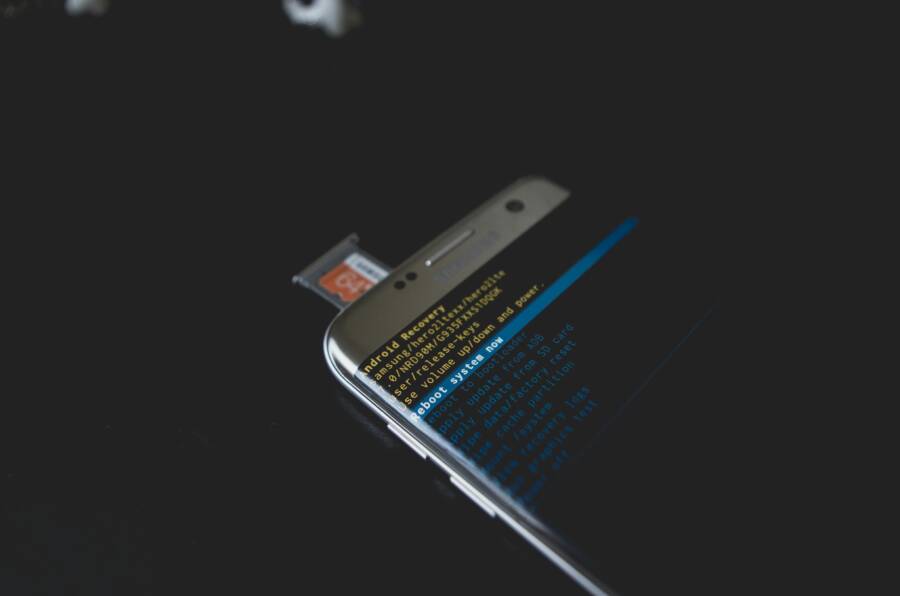
He Was Drowning in Bills and Burnout Until a Simple Daily Ritual Rewired His Brain for Wealth in Less Than a Week
>>> Start Your Shift Today <<<

When to consider a factory reset
- The recents button remains inconsistent after all software-level fixes.
- You notice system-wide instability, persistent app crashes, or after a major OS update that never fully settled.
- You’ve tested Safe Mode and confirmed a non-system cause, but symptoms persist.
How to back up data
- Android
- Use Google One backup, or back up to a computer via USB.
- Save photos and documents to Google Photos or Drive, and ensure app data you care about is included.
- iPhone
- Back up to iCloud or your computer via iTunes/Finder, depending on your OS version.
- Verify that important messages, photos, and app data are included in the backup.
Factory reset and firmware reflash steps
- Android factory reset
- Open Settings > System > Reset options.
- Choose Erase all data (factory reset).
- Confirm and let the device reboot. Restore data from your backup after setup.
- iPhone reset
- Open Settings > General > Transfer or Reset iPhone.
- Choose Erase All Content and Settings.
- After the reset, restore from your backup during the setup process.
Reflashing firmware (where applicable)
- Android devices often allow flashing via official recovery tools or vendor software. This is model specific and can void warranties if done incorrectly. Follow the vendor’s official instructions and ensure you’re using the correct firmware for your exact model.
- iPhone users should consider a clean reinstall via iTunes or Finder, which reinstalls iOS without affecting your data during the initial install, though a restore from backup will be needed afterwards if you erase content.
What to expect after a reset
- A clean slate lets you rebuild settings, apps, and preferences with fewer recurring conflicts.
- You will need to reinstall apps and reconfigure preferences, including the recents navigation settings.
- If the issue was tied to a corrupted system file, a fresh install should resolve it.
Cautions and best practices
- Always back up before a factory reset or firmware reflash.
- Verify battery and storage are sufficient for the process.
- After restoration, test the recents view with several apps to confirm stability.
Helpful resources
- How to factory reset your iPhone, iPad, or iPod touch
- Erase iPhone on Apple Support
- How to reset your Android device
- Back up or restore data on your Android device
Image: A close-up of a clean smartphone screen with a reassuring reset progress indicator.
Photo by riza yildirim
Key takeaways
- Start with targeted resets and safe mode testing to identify the culprit.
- If a third-party app is to blame, removing or updating it often resolves the issue without a full reset.
- Use a factory reset or firmware reinstall only after all other options have been exhausted and you have a solid backup plan.
Preventive steps to avoid recents button issues
Keeping the recents button reliable starts with habits that prevent glitches from ever taking root. Regular maintenance, mindful launcher choices, and a little know-how about memory and gestures can keep navigation smooth. Think of it as tuning a smartphone for peak performance so you can switch apps quickly without a hitch. Below are targeted preventive steps you can weave into your routine.
Keep software up to date and monitor updates
Automatic updates are your first line of defense against navigation quirks. They roll in fixes and performance tweaks that often address recents issues before you notice them. If your device supports it, enable automatic updates for both system software and apps. This removes one layer of guesswork and reduces the chance of running into stale or conflicting code.
- Turn on automatic updates when possible:
- On Android, go to Settings > System > Software Update and enable auto-download and install when connected to Wi-Fi.
- On iPhone, open Settings > General > Software Update and ensure Automatic Updates is on.
- Manual checks to stay current:
- Schedule a monthly check. On Android, Settings > System > Software Update > Download and Install. On iPhone, Settings > General > Software Update, then Available Updates.
- Review app updates in the Play Store or App Store. Install critical updates as soon as they appear, especially for apps you use to multitask.
Regular updates reduce the odds of a known bug affecting the recents gesture. If you use a smartphone with a heavily customized launcher, keep both the launcher and system components in sync with the latest patches. For added confidence, consider a quick check after OS updates to verify that the recents view still behaves as expected.
- For extra background guidance, see discussions where Android users report improved stability after syncing launcher updates and system patches. These sources often highlight how small version changes can fix a nagging recent apps issue. Examples and community tips provide practical context for launcher-related stability.
- If you want to understand how Pixel and other devices handle recent apps after updates, you can explore troubleshooting threads that discuss post-update behavior and quick, effective checks. Support discussions and user-led fixes offer concrete scenarios and fixes.
Maintaining software health is a simple but powerful preventive step. When you pair it with mindful memory management and careful launcher use, you’re well positioned to avoid recents issues before they start.
Choose stable launchers and avoid conflicts
Your launcher shapes how recents look and behave. A stable, well-supported launcher reduces the chance of conflicts that cause the recents button to stall or misbehave. If you rely on a third party launcher, a quick reset and a return to the system launcher can reveal whether the issue is launcher specific or system wide. Knowing how to switch back fast helps you recover quickly if a problem arises.
- System launcher vs third party launchers:
- System launcher: Generally the most stable option, with the fewest conflicts and best integration with gesture navigation.
- Third party launchers: Offer customization and features but can introduce conflicts after updates.
- How to switch back quickly if problems arise:
- Android: Settings > Apps > [Your Launcher] > Force Stop, then switch to the system launcher via Settings > Display > Navigation bar or Gestures. After testing, you can re-enable the third party launcher if needed.
- iPhone: If you experiment with a new approach, a simple reset of gesture settings or returning to the stock interface is often enough to restore normal behavior.
Beyond the built-in options, some users find that a fresh launcher cache helps. Force stopping the launcher and clearing its cache, then testing recents with the default launcher, can reveal whether the issue lives in the launcher cache versus the system.
- If you’re exploring third party options, a quick test from a community guide about enabling the recent apps button can be helpful for reference while you experiment with different setups. This can clarify where the bottleneck lies and assist in choosing a stable, well-supported option. Learn more about enabling recent apps button setups.
- For Android users who want deeper context on launcher behavior and recent apps, community threads often surface device-specific quirks and fixes that apply across models and launcher packages. Google Pixel discussions and related threads are good starting points.
A practical habit: after any launcher update or major app install, perform a quick test by opening several apps and using the recents gesture. If the cards appear cleanly and respond quickly, you’ve confirmed stability.
Maintain touch screen health and hardware checks
Gesture reliability hinges on the physical surface you interact with. A few quick upkeep steps can prevent touch issues from interfering with recents gestures. Regular cleaning, screening for interference from screen protectors, and lightweight hardware checks keep the interaction smooth.
- Simple screen cleaning tips:
- Use a microfiber cloth to wipe the screen gently.
- Avoid harsh cleaners that can degrade coatings.
- Ensure the screen is dry before testing gestures again.
- Check for screen protector interference:
- If the protector edges lift, it can create unresponsive zones. Consider re-seating or replacing the protector.
- Ensure the protector isn’t covering sensors or edges that your gestures rely on.
- Test touch sensitivity:
- Open a drawing app or a note app and draw a quick line with a finger across the screen.
- If you notice dead spots or lag, this can affect the recents gesture. In that case, try removing protection or recalibrating if your device supports it.
Keeping the touch interface precise helps your smartphone respond to swipes and taps the moment you want to switch apps. If you suspect hardware limits, running a quick diagnostic with built-in tools can clarify whether the problem is touch-related or software-driven.
- If you want practical troubleshooting guidance tied to hardware checks, a trusted Android resources hub covers screen calibration and touch accuracy topics that often relate to navigation responsiveness. This kind of check often reveals subtle screen issues before they disrupt daily use. Device screen checks and touch testing guidance provide a useful frame of reference for when to dig deeper.
- For iPhone users, ensuring the screen and gestures work harmoniously is part of a broader approach to device fitness. Apple’s official guides on gesture use and accessibility features can be valuable as you refine the workflow for multitasking. Quick reference guides cover how to use App Switcher and related controls.
A simple routine to keep things running smoothly: weekly screen wipe, confirm nothing unusual blocks the edges, and run a short gesture test after any screen protector updates or changes.
Monitor performance and background activity
Background processes and memory pressure can quietly degrade recents performance. A proactive approach helps you spot issues before they become obvious glitches. The goal is to keep RAM headroom sufficient and trim memory usage when you notice a slowdown.
- RAM and background processes to watch:
- Check active processes and memory usage after installing new apps or games. If you notice a spike, consider closing unused apps.
- Monitor battery and performance indicators. Sudden dips can accompany heavy background activity that drains resources needed for smooth recents switching.
- How to trim memory usage:
- Close unused apps from the recents view to free up RAM.
- Remove or restrict apps that run in the background and consume significant resources.
- On Android, you can limit background activity for specific apps in Settings > Apps > [App] > Battery > Background restrictions.
- On iPhone, the system manages background tasks automatically, but you can offload unused apps via Settings > General > iPhone Storage to reclaim memory.
These steps help prevent glitches caused by resource contention. When memory pressure is alleviated, the recents gesture tends to feel more responsive and stable.
- For deeper context on how RAM usage affects performance, a broad hardware-focused discussion offers practical tips on reducing memory pressure without harming app experiences. RAM usage insights and optimization illustrate how memory management translates to smoother navigation.
- A quick reference on how to reduce unnecessary background activity on Android can also be helpful as you refine the balance between staying productive and preserving resources for quick app switching.
Tests to confirm stability:
- Open a handful of apps, trigger the recents gesture, and verify the stack loads promptly.
- Keep an eye on lag during longer multitasking sessions; if lag returns, revisit memory management steps and consider a deeper clean-up if needed.
If you notice ongoing instability after these preventive measures, you can move into more advanced fixes with a methodical, stepwise approach to isolate the root cause.
External links for quick reference and deeper dives
- How to enable the recent apps button in Android and related launcher guidance: https://tms-outsource.com/blog/posts/how-to-enable-recent-apps-button-in-android/
- Google Pixel community and intermittent recent apps button discussions: https://support.google.com/pixelphone/thread/258440716/intermittent-recent-apps-button-bug-with-third-party-launchers-and-three-button-navigation?hl=en
- Android background RAM and performance considerations: https://www.androidauthority.com/reduce-ram-usage-android-869298/
In the next section, you’ll find deeper fixes and when it makes sense to reset or reinstall. The goal remains simple: keep the recents experience steady so you can move on with your day without friction.
Troubleshooting checklist and quick test routine
When the recents button stops working, a structured checklist helps you find the culprit fast. This section lays out a practical, ordered routine that starts with quick fixes and moves to deeper tests. You can complete the whole process in about 20–40 minutes, depending on how many steps you try and how many apps you have installed. Think of this as a smart, methodical approach to getting your smartphone back to smooth multitasking.
 Photo by Kelvin Valerio
Step by step order from fastest to most invasive
Follow these steps in order. Each step includes a rough time estimate and a clear success metric.
- Restart the device (2–3 minutes)
- Why this helps: clears temporary processes and refreshes the system without changing any settings.
- What to do: power off, wait 10 seconds, then turn back on. Test the recents button by opening three apps and using the recents gesture.
- When to stop: if recents behave normally, you’re done with the quick wins.
- Refresh the launcher or switch navigation mode (3–5 minutes)
- Why this helps: launcher or navigation settings often drift after updates.
- What to do:
- Android: Force stop the launcher, clear its cache, then switch between Buttons and Gestures in Settings > Display > Navigation bar (or System > Gestures).
- iPhone: Reset a few related settings if needed, then test App Switcher.
- When to stop: if recents show a clean stack, you’ve resolved the issue for now.
- Update software and clear launcher cache (5–8 minutes)
- Why this helps: updates fix navigation bugs and clean caches reduce stale data.
- What to do:
- Update OS: Android Settings > Software update > Download and install; iPhone Settings > General > Software Update.
- Clear launcher cache: Android Settings > Apps > [Launcher] > Storage > Clear Cache; restart.
- When to stop: after a fresh reboot, test recents by multitasking.
- Check for app conflicts and memory pressure (6–10 minutes)
- Why this helps: heavy or misbehaving apps can block quick app switching.
- What to do:
- Close background apps you don’t need.
- Review recently installed apps for conflicts; uninstall or update as needed.
- On Android, limit background activity for heavy apps if available.
- When to stop: if recents are stable after closing a few apps, you’ve identified a potential offender.
- Safe Mode testing or clean state testing (8–12 minutes)
- Why this helps isolate the culprit.
- What to do:
- Android: reboot into Safe Mode, then test recents with a few apps.
- iPhone: simulate a clean state by disabling nonessential apps or using a new user profile on enterprise builds if available.
- When to stop: if recents work in Safe Mode, you’ve likely found a conflicting app.
- Factory reset or firmware reflash as last resort (30–90 minutes, plus backup time)
- Why this is a last resort: it wipes configurations and data; back up first.
- What to do:
- Android: Settings > System > Reset options > Erase all data.
- iPhone: Settings > General > Transfer or Reset iPhone > Erase All Content and Settings.
- When to stop: only after confirming backups and you’re prepared to restore apps and settings.
How to test after each fix and what to look for
Understanding what success looks like makes troubleshooting faster. After each fix, run a simple test: open 3–5 apps, switch to the Recents view, and ensure the cards load quickly and respond to taps. Look for these indicators:
- Clear, responsive recents stack: cards appear promptly, transitions are smooth.
- No phantom taps or stuck cards: every card responds to touch without freezes.
- Consistency across multiple app launches: similar performance when opening different apps.
If you see any lag, gaps, or missing cards after a fix, note the step and re-test with the same apps. This helps you pinpoint the exact change that moved the needle.
When a fix doesn’t yield clear improvement, consider the next step in the checklist. If a hardware issue is suspected, move to the hardware-focused guidance in the later sections.
When to seek professional help
If you’ve methodically worked through the steps and the recents button still misbehaves, professional help is warranted. Look for hardware signs such as a unresponsive touch area or erratic gestures. A faulty digitizer or screen component can mimic software issues, especially if only the recents gesture or a small area of the screen is affected.
- For Android devices, a certified repair center can test the digitizer and connectors. If your device is under warranty, start with the manufacturer or carrier support.
- For iPhones, Apple Support or an authorized service provider can perform diagnostics to determine if the problem is hardware related. In some cases, a screen or logic board repair is needed.
Smartphone diagnostics can confirm whether the issue lies with hardware or software. If the screen edge or certain gestures fail consistently, hardware repair is likely required. In those instances, arrange a service appointment and back up data beforehand.
If you’d like, I can tailor the steps to your exact device model and OS version for even more precise guidance. For now, use the checklist as a reliable, step-by-step approach to isolate and address recents button issues, with hardware support as the final option.
Sources and further reading
- How to enable the recent apps button in Android and related launcher guidance
- Google Pixel community discussions on intermittent recents behavior
- Android RAM usage and performance tips
References
- https://tms-outsource.com/blog/posts/how-to-enable-recent-apps-button-in-android/
- https://support.google.com/pixelphone/thread/258440716/intermittent-recent-apps-button-bug-with-third-party-launchers-and-three-button-navigation?hl=en
Is your device ready for the next section? If you want deeper, device-specific guidance, tell me your model and OS version and I’ll tailor the steps precisely.
Conclusion
A quick restart and refreshing the launcher cache solve most recents button issues on a smartphone. If problems linger, Safe Mode testing and updating the OS or launcher often reveal whether a conflicting app or a faulty update is at fault. For stubborn cases, a factory reset or professional support becomes the last resort after backups are secure. Treat this as a practical checklist your smartphone can handle step by step, and you’ll regain smooth multitasking fast. If you found this helpful, subscribe for more practical smartphone troubleshooting tips, and share your device model and OS version so I can tailor guidance just for you.
What If the Only Thing Between You and the Life You Deserve Is a Hidden Wealth Code Waiting to Be Activated
>>> Open the Door <<<