She Pressed Play on a Strange Audio Track and Within Days Her Financial Reality Started Shifting in Ways She Could Not Explain
>>> See How It Works <<<

How to Fix Phone Not Connecting to Wireless Earbuds (Android & iPhone)
Ever have your phone refuse to connect to your wireless earbuds just when you need music or a quick call the most? It happens to Android and iPhone users alike, turning workouts, commutes, and hands free moments into small frustrations. This guide keeps things practical, with easy steps you can take in minutes.
First, the most common culprits are simple. Earbuds with low battery can prevent a stable connection, and interference from nearby Bluetooth devices can throw a wrench in the pairing process. Software bugs or a device already tied to another gadget can also block the link. If you’ve recently updated your phone or earbuds, a compatibility hiccup may be the culprit.
Start with quick resets you can do in a few minutes. Charge both the phone and earbuds fully, then turn Bluetooth off and back on to reset the connection. Put the earbuds into pairing mode correctly, usually by holding a button until the light blinks. Forget the earbuds on your phone and remove the phone from the earbuds’ paired list, then pair again from scratch.
If problems persist, try a few targeted tweaks. Keep devices close during pairing and turn off other nearby Bluetooth devices to reduce interference. Reset both earbuds to factory settings if a reset option is available. Check for available updates for your phone’s OS and the earbuds’ firmware and apply them. On Android devices, clearing the Bluetooth cache can also help resolve stubborn issues. In most cases these steps resolve the problem within a few minutes.
Thousands of People Were Struggling With Money Until They Discovered This One Ancient Secret Hidden in Sound
>>> Unlock It Now <<<

If you’re still stuck after trying these fixes, a quick check of compatibility notes from the manufacturer can reveal device-specific quirks. This approach works for most users, whether you’re using a smartphone or a dedicated set of wireless earbuds. With patience and method, you’ll get back to listening in no time.
Start with Basic Checks to Fix Connection Fast
When earbuds won’t connect, the simplest fixes often do the most work. Start with a quick sanity check of your devices and environment. A little battery, a little distance, and a quick reset can get you back to listening in minutes. Below are three practical steps that cover Android and iPhone users alike, plus quick notes on why these moves help.
Toggle Bluetooth On and Off
If you’re not sure where to start, this reset is a reliable first move. Access the quick settings on either device and toggle Bluetooth off for about 5 to 10 seconds, then turn it back on. If you’re in the full settings menu, you’ll find Bluetooth under the connections or wireless section. After you reenable Bluetooth, try reconnecting your earbuds.
Why this works: Bluetooth connections can stall when the radio path gets stuck in a busy state. A brief off/on cycle clears the radio, refreshes the device’s Bluetooth stack, and allows the pairing process to start fresh. It’s a light touch that resolves many minor interference or caching quirks.
Where to do it:
- Android: Swipe down from the top of the screen to open Quick Settings, long-press Bluetooth, switch it off, wait 5–10 seconds, then turn it back on.
- iPhone: Swipe down from the top-right to access Control Center (iPhone with Face ID) or swipe up from the bottom (older models) to reach Bluetooth controls, turn Bluetooth off, wait, then turn it back on.
Pro tip: If you’ve got several Bluetooth devices nearby, consider turning them off temporarily during the toggle. This reduces interference while you re-pair. For additional guidance, Apple’s and Google’s support pages provide step-by-step controls for Bluetooth in quick settings and Control Center. Use Bluetooth and Wi-Fi in Control Center – Apple Support | Find & set up Bluetooth devices near your Android device – Google Support
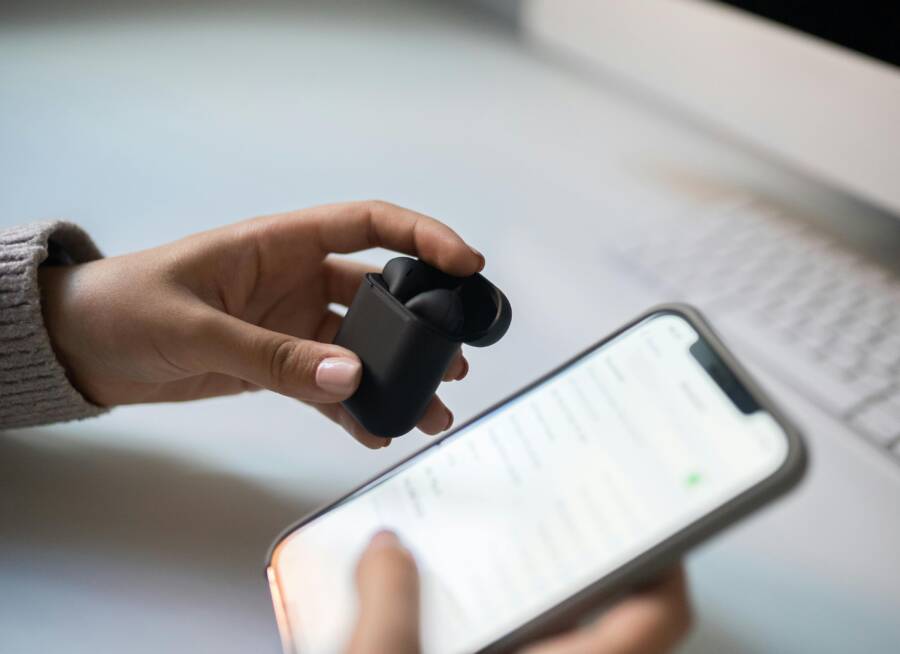
 Photo by Dario Fernandez Ruz
Put Earbuds in Pairing Mode
If a quick toggle doesn’t fix it, the earbuds may have slipped out of pairing mode. Most buds enter pairing mode by a simple press and hold on the earbud button or the case button until the indicator light blinks. The exact method can vary by brand, but the goal is the same: make the earbuds discoverable so your phone can see them again.
What to do:
- Ensure the earbuds are removed from any active connections on your phone first. Then trigger pairing mode on the buds.
- On AirPods or many generic brands, you’ll typically hold the button on the case or the earbud until the light flashes white or amber, signaling pairing mode is active.
- On the phone, go to Bluetooth settings and choose the earbuds from the list of available devices. If prompted, confirm any pairing requests and enter a PIN if required.
Brand notes: The steps are broadly similar for premium headphones and budget options. The light blink is the universal cue that tells you the device is ready to pair.
Helpful references: Apple’s guidance on connecting third-party Bluetooth accessories and general pairing steps for iPhone are a solid baseline. A quick review also helps if you’re pairing to a newer Android model. Connect a third-party Bluetooth accessory to your iPhone
Check Battery and Move Closer
A stubborn connection often hides in power or distance. Fully charge both the earbuds and their case. If the battery is low, performance can dip and the Bluetooth link can drop during use. While you recharging, keep your phone and earbuds close.
- Distance matters: Try keeping devices within 1–2 feet during the pairing attempt. The closer the better when you’re establishing the initial link.
- Avoid metal barriers and crowded spaces with many wireless devices. Metallic surfaces can reflect or absorb signals, and a crowded Bluetooth space can cause interference.
- If you keep seeing a find-and-connect loop, consider removing the earbuds from the phone’s paired list and re-pair from scratch after charging.
Practical note: If you’ve recently updated your OS or the earbuds’ firmware, a short recharge cycle helps ensure the new software has adequate power for stable connections. In many cases, restoring a solid battery state reduces dropouts and improves reliability.
Additional considerations: Keeping a clean connection path is important for lasting performance. If you’re in a busy environment, turn off nearby Bluetooth devices you aren’t using and re-check the pairing. For more on common interference and how to avoid it, you can consult JBL’s guidance on interference and keep Bluetooth clean in the setup. How to avoid Bluetooth Interference or Interruptions
Final thoughts for this section: Basic checks resolve the majority of quick-connect issues. If the problem persists after these steps, you’re ready to move into more targeted troubleshooting that addresses software, compatibility, and device-specific quirks. For broader context on troubleshooting Bluetooth at the system level, Apple and Google offer solid, practical resources that translate well to Android and iPhone pairing scenarios. Use Bluetooth and Wi-Fi in Control Center – Apple Support | Find & set up Bluetooth devices near your Android device – Google Support
Restart Phone and Earbuds for a Fresh Start
A clean reboot can clear lingering glitches that stall a wireless connection. Think of it as giving both devices a quick nap so they wake up ready to pair again. This section explains how to restart your phone and your earbuds in a way that minimizes re pairing hassles and sets you up for a stable link.
Restart the phone
Restarting the phone is often the simplest and most effective way to reset the Bluetooth stack and clear minor software hiccups. It can resolve issues that happen after a software update or when multiple apps try to access Bluetooth at the same time.
- Android users: Hold the power button, then select “Restart” from the menu. If the device is unresponsive, you can perform a force restart by holding the power and volume down buttons for about 10 seconds.
- iPhone users: For newer models, press and hold the side button and a volume button, then slide to power off. After the device powers down, press and hold the side button again to turn it back on.
Useful note: A normal restart is enough in most cases, but a force restart can help if the screen is frozen or the device isn’t responding. If you’re curious about more platform-specific steps, see Apple’s guide on force restarting iPhone and Google’s troubleshooting for Android devices. Force restart iPhone | Troubleshoot and fix Bluetooth issues
After the phone restarts, give it a moment to finish its background tasks. Then re enable Bluetooth and try pairing again with your earbuds. If you still don’t see the device, move to the next step in this section.
Restart the earbuds
Restarting the earbuds can clear a stuck Bluetooth state without removing them from the phone’s memory. Most earbuds have a quick reset path that returns them to a known-good state.
- AirPods and many true wireless buds: Place the buds in the charging case, then close the lid for about 15 seconds. Open the case, and press and hold the setup button on the case until the status light blinks white. This resets the connection and puts the buds into pairing mode.
- Samsung Galaxy Buds and similar models: You can restart the buds directly or reset them via the Galaxy Wearable app if you suspect the firmware may be misbehaving.
- Other brands: Check the exact method in the user manual. In most cases, you’ll press and hold a button on the earbuds or case until the indicator light blinks.
What to do next:
- After the reset, re connect the earbuds to the phone from the Bluetooth menu. If the device prompts for a pairing code, accept it and complete the pairing process.
- If your earbuds support a factory reset via the companion app, use that option only after a standard restart fails.
Brand notes: Restart methods are often similar across premium headphones and budget options. The blinking light usually confirms pairing mode is active and the device is ready to connect.
Helpful references: Apple’s guidance on connecting third-party Bluetooth accessories can be a good baseline, and Android pairing basics help when you’re switching between devices. Connect a third-party Bluetooth accessory to your iPhone | Fix Bluetooth problems on Android
Check battery and proximity after a restart
A fresh start does not fix everything if power is low or the signal path is blocked. After restarting, confirm both devices have adequate power and sit within easy reach during pairing.
- Ensure the earbuds and their case are charged fully. A weak battery can cause intermittent drops even after a restart.
- Keep devices nearby during pairing, ideally within a foot or two. Walls, metal objects, or crowded spaces can degrade the Bluetooth signal.
- Clear the pairing history if needed. If the phone keeps trying to reconnect to an old device, remove it from the list and pair anew.
Practical tip: A quick recharge cycle after any OS or firmware update helps the new software run smoothly. It reduces the chance of dropouts and improves reliability during initial pairing.
Reattempt pairing with a fresh slate
With both devices restarted, you should start from scratch to maximize the odds of a clean link.
- Put the earbuds in pairing mode. If your earbuds previously connected to another device, disconnect there first.
- On the phone, open Bluetooth settings and select the earbuds from the list of available devices. If prompted, approve the pairing request and enter any required code.
- Test with a short audio clip to confirm the connection is stable.
If the connection still stumbles after a restart, the issue might be deeper, involving software, firmware, or compatibility quirks. In that case, you’re ready to move into targeted troubleshooting that addresses settings, firmware, and known device-specific caveats.
Quick checks to avoid future restart fatigue
Restarting is a powerful first step, but a few proactive measures can keep future issues at bay.
- Keep devices up to date. Check for OS updates on the phone and firmware updates on the earbuds.
- Limit interference by turning off nearby Bluetooth devices during setup.
- Maintain a clean Bluetooth environment. Regularly forget unused devices from the phone’s Bluetooth list to prevent automatic reconnect attempts to the wrong gear.
For deeper guidance on keeping Bluetooth interference under control, see manufacturer resources that walk you through model-specific steps. For example, Samsung provides clear instructions on restarting or resetting Galaxy Buds, which can be a lifesaver if you frequently switch between devices. Restart or reset your Samsung earbuds
Bringing it together, a restart of both the phone and the earbuds is a simple, repeatable move that fixes many connection issues. It’s a practical way to reset the scene before you dive into more complex fixes. If you’ve completed these steps and still face trouble, the next sections explore software updates, compatibility notes, and device-specific quirks that can block the link.
Forget the Device and Re-Pair Step by Step
Sometimes the fastest fix is to start fresh with the device list. Forgetting the earbuds on both ends and then pairing them again can clear stubborn conflicts. This approach works whether you’re using Android or iPhone, and it helps prevent old connections from sneaking back in during the next attempt. Below you’ll find two focused subsections that walk you through the exact moves, plus practical tips to verify the reset.
Find and Forget in Bluetooth List
Sometimes the simplest fix is the most effective. If your earbuds have stubbornly refused to connect, removing them from the Bluetooth list on your phone clears old association data that can block a new pairing. The goal is to start with a clean slate so your phone sees the earbuds as a fresh device.
What to do:
- Android: Open Settings > Connected devices > Bluetooth. Locate your earbuds in the list, tap the gear icon or the info row, then choose “Forget” or “Unpair.” This clears the saved profile from the phone.
- iPhone: Open Settings > Bluetooth. Find your earbuds under My Devices, tap the (i) info button, then select “Forget This Device.” Confirm if prompted.
After you forget, power down Bluetooth for a moment and then re enable it. This helps ensure the device list clears entirely. When you’re ready to re pair, keep the earbuds close, and place them in pairing mode if needed. It’s common for phones to automatically wipe the old pairing cache once the device is forgotten, which minimizes the chance of immediate reconnection to the wrong gadget.
Why this step matters: Old profile data can linger in the phone’s Bluetooth stack. Forgetting the device eliminates stale credentials, reduces the risk of auto reconnects, and sets the stage for a clean pairing.
Tips and references:
- If you’re unsure of the exact steps for your model, Apple’s and Google’s support pages provide precise guides for Bluetooth management on iPhone and Android devices. Learn more about managing Bluetooth devices on iPhone and Android in their official docs for a quick refresher. Connect a third-party Bluetooth accessory to your iPhone | Find & set up Bluetooth devices near your Android device
- When you’re done, re pair from scratch. If the earbuds appear in the available devices list, select them and confirm the pairing request. If a code is required, enter it as shown on the earbud case or product guide.
Real-world hint: If you’ve connected to multiple gadgets recently, you may want to repeat this process for any device that your earbuds might try to reconnect with. It reduces the chance of cross pairing while you re establish a solid link.
Pair Fresh Without Old Data
With the old connection erased, pairing from scratch often resolves lingering hiccups. This approach ensures the phone and earbuds negotiate a new, clean link instead of attempting to reuse an old, possibly corrupted profile.
What to do:
- Initiate device discovery on the phone. On Android, go to Settings > Bluetooth and tap “Pair new device” or the scan icon. On iPhone, open Settings > Bluetooth and wait for new devices to appear.
- Put the earbuds into pairing mode. The exact method varies by brand, but most earbuds blink a light or show a steady indicator when in pairing mode. If the earbuds were just forgotten, this step will usually wake them up and make them detectable.
- On the phone, select the earbuds from the list of available devices. If prompted, confirm the connection and, if required, enter a pairing code. Some devices pair automatically without a code.
- Do a quick test. Play a short audio clip to ensure the connection is stable and the sound is clear.
Brand-agnostic guidance: AirPods and many true wireless earbuds follow a familiar pattern. The case button or a dedicated pairing button usually toggles pairing mode. Once connected, you should see a solid connection icon in the status bar and hear a short audio cue indicating a successful link.
Why this step works: The pairing negotiation involves exchanging security keys and profiles. Starting from a clean slate prevents mismatched or outdated credentials from blocking the handshake. It also confirms that both devices are using compatible Bluetooth profiles.
Practical checklists:
- Keep devices within a tight range during pairing, ideally 1–3 feet. This minimizes signal dropouts during the initial handshake.
- Ensure there are no other Bluetooth devices competing for the connection. Temporarily turning off nearby gadgets can reduce interference.
- If you still don’t see the earbuds, try a quick reset of the earbuds themselves after pairing fails. Many brands offer a factory reset path via the companion app or a button sequence.
Helpful notes: If you want to dive deeper into step-by-step pairing quirks for common models, Apple’s pairing guidance and Android Bluetooth setup resources are reliable references. Connect a third-party Bluetooth accessory to your iPhone | Find & set up Bluetooth devices near your Android device
When to move on: If the fresh pairing still doesn’t hold, the problem may lie with firmware, OS compatibility, or model-specific quirks that require targeted fixes. In that case, you’ll want to check for updates and perform device-specific restarts as a next step. For broader guidance on Bluetooth troubleshooting, Apple and Google offer practical resources that translate well to most earbuds and phones. Force restart iPhone | Troubleshoot and fix Bluetooth issues
Final note: Forgetting the device and re pairing from a clean slate is often all you need. It removes stale data, resets the handshake, and gives you a clear path to a reliable connection. If you’ve completed these steps and still face trouble, the next sections dive into targeted updates, firmware checks, and device-specific quirks that can block the link.
He Was Drowning in Bills and Burnout Until a Simple Daily Ritual Rewired His Brain for Wealth in Less Than a Week
>>> Start Your Shift Today <<<

Clear Cache or Reset Network Settings on Your Phone
When earbuds won’t connect, small moves can make a big difference. Clearing Bluetooth cache on Android or resetting network settings on iPhone can remove stubborn misconfigurations without diving into deep troubleshooting. This section provides clear, quick actions you can take to get back to listening with minimal disruption.
Android Clear Bluetooth Cache
Clearing the Bluetooth cache forces the system to rebuild its connection data, which can fix stuttering, dropouts, or failed pairings. It’s a lightweight step that often resolves stubborn Bluetooth quirks without affecting other apps or data. After clearing the cache, restart the device and re-pair your earbuds from scratch for a clean handshake.
What to do:
- Go to Settings > Apps > See all and find the Bluetooth app.
- Tap Storage, then choose Clear cache. If you’re still seeing issues, repeat and select Clear data as well.
- Restart your phone, then put the earbuds back in pairing mode and pair again.
Why it helps: The Bluetooth stack can accumulate stale metadata from past connections. Clearing this data resets the pairing state and clears conflicts that block a fresh link.
Notes and tips:
- If you notice ongoing interference, temporarily turn off other Bluetooth devices during pairing to reduce competition for the connection.
- After clearing cache, verify that both devices are charged. A power drop can cause similar symptoms during the initial handshake.
- For a broader set of Android Bluetooth fixes, see Google’s official guidance on Bluetooth problems. Fix Bluetooth problems on Android
Additional read: If you’re unsure about whether the cache clear resolved the issue, a quick test with a short audio clip confirms the stability of the link. If not, you’re ready to explore more targeted steps like restarting or re-pairing from scratch. For more context, Apple’s and Google’s support resources offer practical, device-agnostic guidance that translates well to most Android smartphones. Fix Bluetooth problems on Android
iPhone Reset Network Settings
Resetting network settings on an iPhone returns all Wi-Fi, Bluetooth, and cellular configurations to their defaults. This step removes problematic network profiles that can interfere with pairing, especially if you’ve recently changed networks, added new accessories, or performed a major iOS update. It is safe and strictly resets network-related data without erasing your apps or content.
What to do:
- Open Settings > General > Transfer or Reset iPhone > Reset > Reset Network Settings.
- Enter your passcode if prompted, then confirm. The device will restart automatically.
- After the reset, set up your Wi-Fi again and re-pair your earbuds from the Bluetooth menu.
Why it helps: Network settings conflicts can block the initial handshake between your iPhone and earbuds. A reset clears saved networks, VPNs, and pairing data that might be crisscrossing with the new connection attempt.
Notes and tips:
- If you rely on VPNs or custom network profiles, you’ll need to reconfigure them after the reset.
- After the reset, start with a fresh pairing. Keep the earbuds close and in pairing mode as you connect.
- For official steps and troubleshooting context, Apple’s guidance on resetting iPhone settings is a solid reference. Reset iPhone settings to their defaults
Update Software and Check for Firmware
After you’ve cleared the basics, keeping both your phone and your earbuds up to date is the surest way to prevent future disconnects. Software and firmware updates fix known bugs, improve compatibility, and tighten the handshakes between devices. This section walks you through updating your phone’s OS, updating the earbuds’ firmware, and verifying that everything stays in sync. Think of it as the maintenance phase that helps your wireless experience stay smooth over time.
Update Phone OS
Phone updates often include Bluetooth stack improvements, security fixes, and performance tweaks that directly impact wireless earbuds. Running on the latest OS reduces the chance of compatibility hiccups.
Thousands of People Were Struggling With Money Until They Discovered This One Ancient Secret Hidden in Sound
>>> Unlock It Now <<<
What to do:
- On Android: open Settings > System > Software Update. Check for updates, download, and install if available. If your device is part of a carrier program, you may see a carrier-verified update as well.
- On iPhone: open Settings > General > Software Update. If an update is available, download and install it. Keep your device plugged in during the process.
Why this matters: System updates fix known Bluetooth bugs and improve power management, which helps maintain a stable link with earbuds. Sometimes a seemingly small patch can eliminate a stubborn pairing issue that crops up after updates.
Practical tip: Before updating, back up important data. Updates can occasionally change settings. After the update, re-pair your earbuds to ensure the new software handshake is clean.
Helpful resources: Apple’s official guidance on Bluetooth accessory connectivity can help you align steps across iPhone devices. If a Bluetooth accessory won’t connect to your iPhone or iPad and Google’s Bluetooth problems guide for Android users provide solid baseline checks. Fix Bluetooth problems on Android
Update Earbud Firmware
Firmware updates fix deeper issues that aren’t touched by the phone’s OS. They can improve pairing reliability, fix audio hiccups, and enhance energy efficiency. AirPods, Galaxy Buds, and other true wireless models often receive updates that are easy to apply when you keep them within range of a connected phone.
What to do:
- Ensure earbuds are charged and in their case (if applicable) during the update.
- Use the official companion app or the manufacturer’s method to check for firmware updates. Follow on-screen prompts to install.
- If the update prompts you to reconnect, do so and test playback briefly to confirm the update took.
Why this matters: Firmware updates align the earbuds with the latest Bluetooth profiles and fix quirks that can cause drops or lag during use. Regular updates keep the device ecosystem healthy and predictable.
Guidance and examples: Apple’s AirPods firmware updates are typically applied automatically when certain conditions are met, but you can force an update by keeping AirPods near a paired iPhone and ensuring the iPhone has internet access. For model-specific steps, MacRumors and Macworld offer practical how-tos you can adapt to your brand. How to Update AirPods Firmware | How to update the firmware on your AirPods
Verify Compatibility After Updates
Updating both sides improves odds of a lasting connection, but compatibility can still show up in subtle ways. A quick check helps you catch issues before they affect daily use.
What to do:
- Re-pair after updates. Forget the device in Bluetooth settings, then pair again from scratch.
- Test with different audio apps and a short audio clip to confirm stable playback and latency.
- If you share earbuds with multiple devices, re-establish only one primary pairing to minimize cross-connection attempts.
Why this matters: Updates can reset or alter Bluetooth profiles in ways that require a fresh handshake. Verifying compatibility ensures you aren’t fighting a new misconfiguration as you listen.
Helpful note: If you run into persistent issues after updates, resetting network or Bluetooth settings on your phone can clear residual profiles that interfere with pairing. Apple provides guidance on resetting iPhone settings that can be relevant here. Reset iPhone settings to their defaults
Quick Troubleshooting After Updates
Even with updates, occasional hiccups creep in. A few targeted checks can save you time without rolling up sleeves for a deeper dive.
- Check for a second device interference. Turn off nearby Bluetooth devices during pairing to reduce contention.
- Confirm battery levels. Low power during boot or pairing can drain the handshake. Charge both devices fully before testing again.
- Reboot if needed. A restart after updates clears temporary caches that may linger and affect Bluetooth.
If issues persist, consult the manufacturer’s support page for model-specific guidance. For Android users, Google’s troubleshooting guide covers a broad set of scenarios and offers steps that apply to many earbuds models. Fix Bluetooth problems on Android
Takeaway: Regular software and firmware updates are your first line of defense. They reduce the odds of fresh issues and improve overall stability. When paired with a quick re-pair and a clean test, updates often restore a reliable wireless connection.
External references and further reading
- If you run into stubborn Bluetooth quirks after updates, Apple’s official Bluetooth connection guidance can help with iPhone behavior in everyday use. If a Bluetooth accessory won’t connect to your iPhone or iPad
- For Android users, Google’s step-by-step Bluetooth troubleshooting is a solid baseline to cover the most common after-update symptoms. Fix Bluetooth problems on Android
- AirPods and other AirPods-family firmware updates are typically automatic but can be manually triggered through your paired device. Learn more from reputable sources on how updates roll out and what to expect. How to Update AirPods Firmware | How to update the firmware on your AirPods
If you’ve followed these steps and your earbuds still won’t connect, the next sections tackle device-specific quirks and deeper settings. The goal is to deliver a stable, long-lasting link between your phone and your wireless audio gear so you can focus on what you love to do.
What to Do If Fixes Fail
If you’ve walked through the fixes above and your earbuds still won’t connect, it’s time to widen the lens. Sometimes the issue isn’t user error but a deeper hardware fault, firmware mismatch, or a device that simply needs professional help. This section walks you through practical next steps so you can decide whether to push further or seek support.
Revisit hardware health and general limits
When a connection refuses to behave, power and signal quality are often at fault. Recheck these basics with a fresh eye.
- Battery health on both devices matters. If either the phone or earbuds are running low, expect sporadic drops or failed pairings.
- Extreme physical environments can degrade Bluetooth. Metal walls, crowded spaces, and many active wireless devices in the area can cause interference.
- If you own multiple Bluetooth devices, one stubborn pair can block others. Limit active connections during a new pairing attempt.
If you notice consistent drops or delays during playback after a fresh pairing, consider testing the earbuds with another phone or trying a different model with your phone. This helps isolate whether the problem sits with the earbuds, the phone, or the combination. For guidance on model-specific quirks, manufacturer support pages are often the fastest route to a clear answer. If a Bluetooth accessory won’t connect to your iPhone or iPad
Check for obvious hardware defects
Some failures aren’t software related. Look for signs that a hardware defect could be the culprit.
- Damaged charging case or earbud shells can affect power delivery and pairing state.
- Bent or stuck firmware buttons can prevent proper pairing mode entry.
- Water or sweat exposure may have caused corrosion or short circuits in low-cost buds.
If you suspect a hardware fault, the best path is to consult the manufacturer’s troubleshooting and repair options. Many brands offer diagnostic steps online and, if needed, authorized repair or replacement. For premium lines, there are often faster service channels available through official support portals. For example, official support and service networks can be found here: Customer Service
Consider manufacturer diagnostics and warranty status
If basic fixes fail, you should verify whether your device is still covered by warranty and what the manufacturer suggests next. A short phone call or online chat can save hours of guessing.
- Gather your purchase proof and serial numbers before contacting support.
- Check whether the earbuds have active firmware issues that are known in a recall or a service program.
- If you own multiple devices, note whether the issue appears with only one phone or with all devices you test.
Warranties and service policies vary by brand. When you reach out, share a concise summary of what you tried and the exact symptoms (for example, “earbuds pair but drop after 15 seconds”). This helps the agent diagnose quickly. If you need official guidance, many brands provide step-by-step support paths on their sites or via their support lines. How to factory reset true wireless stereo earbuds
Use official repair or replacement options
If your device is out of warranty or the issue is clearly hardware related, you’ll want to explore repair or replacement options rather than generic troubleshooting. Most brands offer:
- Authorized repair centers that handle diagnostics and parts.
- Replacement programs for defective units, often at reduced cost or with a warranty upgrade.
- Replacements for accessories like charging cases if the issue centers there.
Before committing to a repair, request a quote and compare it with the cost of a new or refurbished model. This helps you decide whether a fix makes financial sense. You can start by visiting the brand’s support portal and looking for repair services or warranty terms. How to Factory Reset True Wireless Stereo Earbuds
Seek specialist help for stubborn or unique cases
Some connections are stubborn due to obscure compatibility quirks or hidden settings. In these cases, a human expert often finds the missing link faster than DIY steps.
- Phone or earbud models with limited compatibility notes may require an expert’s eye to interpret the fine print.
- If you’re using custom ROMs, enterprise devices, or carrier-locked hardware, standard guides might not apply. A support technician can guide you through model-specific steps or safe workarounds.
- For complex scenarios, consider a service visit or a remote diagnostic session offered by the manufacturer. This can save time and preserve your device integrity.
When you’re ready to escalate, reference the exact symptoms and a quick timeline of fixes you’ve attempted. This makes the process smoother and increases the chance of a favorable outcome. If you’re unsure where to start, many brands list official contact options on their support pages. Customer Service
When to consider replacement instead of repair
If the earbuds are several years old, or if the cost of repair approaches or exceeds the price of a new pair, replacement often makes sense. New models bring better battery life, improved Bluetooth stacks, and updated firmware that can resolve a host of incompatibilities that plague older hardware.
- Compare the total cost of repair versus a fresh unit, including any accessory upgrades that improve your setup.
- Look for models with longer battery life and stronger cross-device compatibility with iPhone and Android phones.
- Consider a bundle deal or refurbished options from reputable sellers to stretch your budget.
Even if you replace, you’ll still benefit from the same core troubleshooting approach. Keep firmware updates and pairing steps simple, and test with a single device first to confirm stability. For reliable guidance on common pairing patterns, see the basics of connecting wireless earbuds to your phone. How to Connect Wireless Earbuds to Your Phone
External support and next steps
If you’ve exhausted practical fixes and still face issues, the next best move is to lean on official support channels. Most brands publish a clear path to diagnostics, service options, and replacement policies. It’s not glamorous, but it saves time and protects your investment. For iPhone users, Apple’s guidance on Bluetooth accessory connectivity can still be a helpful reference when you’re navigating cross-platform quirks. If a Bluetooth accessory won’t connect to your iPhone or iPad
In summary, when fixes fail, act like a detective. Confirm power and proximity, rule out hardware faults, verify warranty status, and don’t hesitate to use official repair or replacement channels. With patience and a systematic approach, you’ll either get back to solid wireless audio or find a practical path forward with a newer, better-supported setup.
Conclusion
Most Bluetooth issues from headphones to earbuds come down to power, proximity, and clean handshakes between devices. Start with the basics, then move through the steps in order: quick resets, pairing mode checks, forgotten devices, fresh pairing, and finally software updates. In practice, about nine out of ten problems clear up with this sequence.
If you follow these moves, you’ll restore a stable link and enjoy reliable audio again. Keeping the phone and earbuds charged, minimizing interference, and applying a fresh pairing from scratch eliminates the common culprits that stall a connection. After updates, re-pairing is a smart habit to lock in compatibility.
If trouble persists, don’t rush to replace gear. A quick check of firmware, network settings, and warranty options can save time and money. Manufacturer guides and support portals provide targeted steps for model quirks that often stump a casual fix.
Have you tried these steps with success or hit a stubborn snag? Share your experience in the comments and subscribe for more smartphone tips. If you found this guide useful, tell a friend and follow for practical, no-nonsense help with everyday tech.
Thousands of People Were Struggling With Money Until They Discovered This One Ancient Secret Hidden in Sound
>>> Unlock It Now <<<