Thousands of People Were Struggling With Money Until They Discovered This One Ancient Secret Hidden in Sound
>>> Unlock It Now <<<

Are you watching emails pile up while Gmail sits silent on your phone? Frustration grows when new messages don’t show up fast or at all, and you start guessing whether something has changed behind the scenes.
There Is a Frequency That the Wealthiest Families Have Used for Generations and Most People Will Never Know It Exists
>>> Open the Door <<<

This guide explains Gmail not syncing in simple steps you can trust. You’ll see clear checks you can do right away, then device specific fixes for Android and iPhone. By the end, you’ll have a straightforward plan to get mail moving again and keep it that way.
First, start with quick, smart checks. Confirm you have a stable internet connection, that notifications are enabled, and the correct account is set as default. Clearing the app cache or reloading Gmail can fix many sync hiccups without a big time sink.
If you use Android, we cover common culprits like background data limits, battery optimization, and sync settings inside the Gmail app and system settings. For iPhone users, you’ll learn to review mail settings, calendar permissions, and cross device syncing that sometimes trips up Gmail. The steps are practical and easy to follow, with plain language and concrete actions.
She Pressed Play on a Strange Audio Track and Within Days Her Financial Reality Started Shifting in Ways She Could Not Explain
>>> See How It Works <<<

Finally, we’ll share simple habits to prevent future gaps. Regular app updates, a quick check of storage space, and a lightweight troubleshooting routine can save you headaches. Follow along for a reliable, repeatable plan that keeps your inbox in sync across all devices.
Common Causes of Gmail Sync Problems on Phones
When Gmail on your phone stops syncing, it can feel like your inbox is frozen. Understanding the most common culprits helps you fix the issue quickly and keep it from popping up again. This section covers two frequent causes and how to confirm them on your device. If you’re persistent, you’ll get back to a reliable, fed inbox in no time.
Poor Internet or Airplane Mode On
A weak connection or being in airplane mode is the simplest and most common reason Gmail stops syncing. Without a solid data or Wi‑Fi link, the app cannot fetch new messages or push notifications, so your inbox appears stale even though new mail is waiting.
- How it happens: When signal strength drops, the Gmail app may pause background sync to save battery or data. If you toggle airplane mode, cellular data may be disabled entirely, halting all network activity until you reconnect.
- Signs to check:
- The status bar shows no data connection or a fluctuating signal.
- You don’t receive new mail or push notifications after several minutes.
- Gmail seems to load slowly or only updates when you open the app manually.
- Quick checks you can perform:
- Turn off airplane mode if it’s on, and reconnect to your Wi‑Fi or mobile data.
- Test other apps that rely on the internet to confirm the connection is stable.
- Open Gmail and perform a manual refresh to see if new messages appear.
- Practical tip: If you’re frequently in low-signal areas, consider enabling “Data saver” or limiting background activity for apps that don’t need constant updates. This reduces data strain while keeping Gmail responsive when you have a signal.
If you want a deeper look at why Gmail may stop syncing on mobile, this practical guide explains the same issues with clear steps you can apply on both Android and iPhone devices. It also covers how connectivity changes can impact push and background sync. https://hackmd.io/@VeZd7WLKSNimxK_Val9mFA/why-is-gmail-not-syncing-on-my-android-or-iPhone
Another solid resource walks you through quick checks to confirm whether the problem lies with your connection or the app. It provides a straightforward path to restore mail flow without a lot of guesswork. https://lifewire.com/what-to-do-gmail-not-syncing-4177194
If you’re troubleshooting on an iPhone, you can also consult Google’s official help for sync status messages and related tips. This page covers common symptoms and fixes for syncing issues across devices. https://support.google.com/mail/thread/301792472/why-is-my-gmail-not-syncing-with-my-mobile-app?hl=en
Outdated Gmail App or Phone Software
Outdated software is another frequent cause of Gmail not syncing. When either the Gmail app or the phone’s operating system misses important bug fixes or compatibility updates, you may notice delayed or missing mail delivery, odd notification behavior, or complete sync failures.
- Why updates matter: App and system updates close security gaps, fix known bugs, and improve battery and data management. If your device can run the latest version, you’re less likely to run into stubborn sync issues.
- How to verify for Gmail:
- Check the Gmail app’s version and compare it with the latest available in the app store.
- Review the phone’s OS version and see if it’s eligible for the newest updates.
- How to update:
- On Android: Open Google Play, search for Gmail, and tap Update if available. For system updates, go to Settings > System > Software Update.
- On iPhone: Open the App Store, find Gmail, and tap Update. Check for iOS updates in Settings > General > Software Update.
- Why you should act now: Bug fixes often address specific syncing quirks, such as delayed push notifications or misaligned account settings. Keeping both apps and the OS current reduces the chance of repeat problems.
- Quick test after updating: Send a test email to your account from another device, then wait a minute or two to see if the new message arrives on your phone. If it does, you’ve likely closed the gap caused by the older software.
For readers who want a concise, actionable path to fix outdated software issues, this guide outlines step-by-step checks and fixes, including what to look for if updates fail to install or require a restart. https://www.getinboxzero.com/blog/post/gmail-not-syncing-with-iphone-android
If you prefer official guidance, Google’s support page explains how to resolve common Gmail sync problems on iOS. It covers signs of trouble, how to refresh the sync status, and how to reconfigure accounts as needed. https://support.google.com/mail/answer/6383854?hl=en&co=GENIE.Platform%3DiOS
Tips for staying current without slowing down your day:
- Enable automatic updates for both Gmail and your device OS when you’re connected to a reliable Wi‑Fi network.
- Schedule a lightweight monthly check to confirm the app and OS are up to date.
- Keep a small list of quick tests you can perform after each update (send a test email, check notifications, and verify new messages appear within a minute).
By staying on current versions and keeping your phone in good health, you minimize the chance of future sync gaps. If you want more context on how updates influence Gmail syncing specifically, the linked resources offer practical examples and tested steps.
Basic Troubleshooting Steps for Any Phone
When Gmail on your phone isn’t syncing, it can feel like the inbox is on pause. The good news is that most syncing issues come from a few common causes and can be fixed with a straightforward checklist. Use these steps as a quick, practical guide you can follow in minutes. The goal is to restore timely delivery of new messages and push notifications without digging into complex settings.
Restart Your Phone and Force Sync
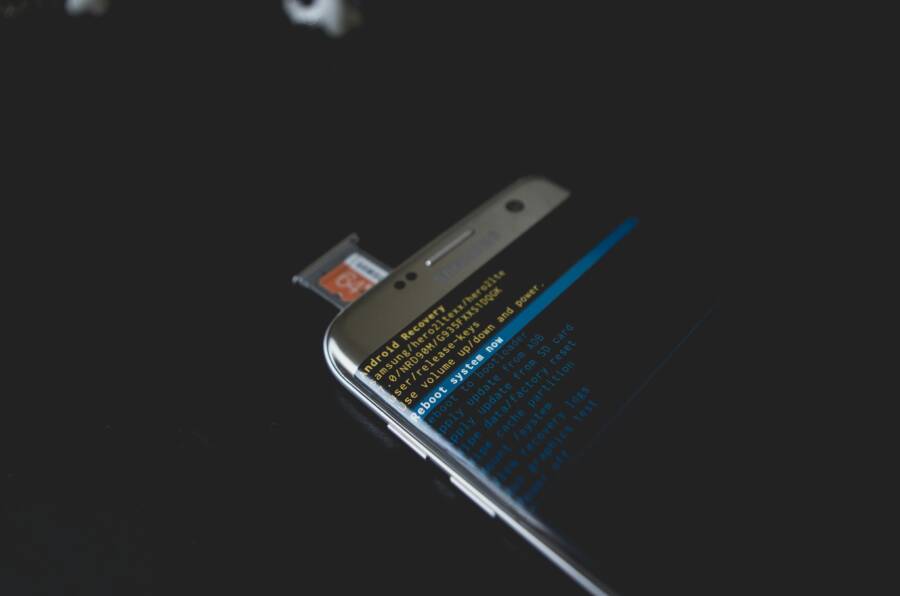
A fresh start often clears glitches that block Gmail from syncing. Start with a simple restart, then pull down to force a sync in the Gmail app.
- How to restart: Hold the power button, then choose Restart. If your device doesn’t show a restart option, power it off completely, wait 10 seconds, and turn it back on.
- After reboot, force a sync: Open Gmail, pull down from the top of the screen to refresh. You should see the refresh indicator and new messages appear if the connection and account are in good shape.
- Quick checks after restart:
- Ensure you’re connected to Wi-Fi or mobile data.
- Check that you can load other online apps to confirm network health.
- Send a test email from another account and verify it lands on your phone after a short delay.
Image:  Photo by Kelvin Valerio
Check Date, Time, and Storage Space
Incorrect date and time settings can throw off how Gmail handles server communication, while low storage can prevent new data from being saved or displayed. Verify these critical settings and adjust if needed.
- Date and time:
- On Android: Settings > System > Date & time. Enable Automatic date & time or set the correct time zone manually.
- On iPhone: Settings > General > Date & Time. Turn on Set Automatically.
- Storage space:
- Check available space in Settings > Storage (Android) or Settings > General > iPhone Storage (iOS).
- If space is tight, free up a few apps or files. After freeing space, open Gmail and wait a minute to see if new mail arrives.
- Impact and quick tests:
- After correcting the date, time, and space, open Gmail and perform a manual refresh.
- Verify that new messages show up within a minute of sending from another device.
- Pro tip: Low storage or mismatched time can also affect notifications. Keep these basics in check as part of a monthly maintenance routine.
For more context on why these settings matter, see guidance on Gmail sync issues and how connectivity interacts with push and background sync. You can review practical steps in related resources here:
- Why Gmail may not sync on Android or iPhone: https://hackmd.io/@VeZd7WLKSNimxK_Val9mFA/why-is-gmail-not-syncing-on-my-android-or-iPhone
- Quick connection checks to confirm you’re online: https://lifewire.com/what-to-do-gmail-not-syncing-4177194
- Official iOS Gmail sync help: https://support.google.com/mail/answer/6383854?hl=en&co=GENIE.Platform%3DiOS
Image: Not required for this subsection
For a concise, official path to fix sync issues on iOS, Google’s support page offers direct steps you can follow. See: https://support.google.com/mail/answer/6383854?hl=en&co=GENIE.Platform%3DiOS
End of this subsection.
Fix Gmail Sync on Android Phones
If Gmail isn’t syncing properly on your Android device, you’re not alone. This section provides targeted, practical steps to get your inbox moving again. Each sub-section tackles a specific fix, with clear actions you can complete in minutes. By following these, you’ll restore timely delivery of new messages and push notifications without a lot of guesswork.
Clear Gmail Cache and Data
Cache and data can become corrupted over time, causing syncing hiccups. Clearing them resets the app’s internal state without affecting your actual Gmail account content. Be aware that you’ll need to sign back in after this step.
- Open Settings on your Android phone.
- Go to Apps or App Management, then locate Gmail.
- Tap Storage & cache, then choose Clear cache.
- If issues persist, select Clear storage (this clears app data). You’ll need to re-enter your Gmail credentials.
- Reopen Gmail and let it reload. If prompted, sign back in with your Google account.
- After signing in, perform a quick test: send a message from another account and check if it arrives within a minute.
Note: Clearing data may require you to reconfigure some Gmail settings and re-download offline data. If you rely on custom labels or offline mail, re-apply those preferences after you sign back in.
Image:  Photo by BM Amaro
For additional context on why cache clearing helps, explore practical guides that explain how app data can affect Gmail syncing on Android and iPhone.
- Why Gmail may not sync on Android or iPhone: https://hackmd.io/@VeZd7WLKSNimxK_Val9mFA/why-is-gmail-not-syncing-on-my-android-or-iPhone
- Official iOS Gmail sync help: https://support.google.com/mail/answer/6383854?hl=en&co=GENIE.Platform%3DiOS
Adjust Battery Optimization and Permissions
Battery optimization can throttle background processes, including Gmail’s sync. Ensuring Gmail has permission to run in the background and isn’t restricted by power-saving features can fix missed messages and delayed notifications.
- Navigate to Settings > Battery or Battery optimization.
- Find Gmail in the list and set it to “Not optimized” or “Allow background activity.”
- Also check App permissions: Settings > Apps > Gmail > Permissions. Ensure Calendar, Contacts, and Storage permissions align with how you use Gmail.
- In addition, confirm background data is allowed: Settings > Network & internet > Data usage > Gmail, ensure background data is enabled.
- Open Gmail and perform a manual refresh to verify new messages appear promptly.
Tip: If you use a device with a custom battery saver or a manufacturer skin, look for any “Power saving” or “Sleep mode” exclusions and add Gmail to the exceptions list. This keeps Gmail responsive even when the screen is off.
If you want more details on how Android handles background activity, this guide offers a clear overview and practical steps to manage background processes across apps.
What If the Only Thing Between You and the Life You Deserve Is a Hidden Wealth Code Waiting to Be Activated
>>> Open the Door <<<

- Android background data and power management basics: https://lifewire.com/what-to-do-gmail-not-syncing-4177194
Re-Add Your Gmail Account
Sometimes the easiest path back to normal syncing is to remove the Gmail account from your device and add it again. This forces a fresh handshake between the device and Google’s servers.
- Before you start, back up any locally stored data you don’t want to lose.
- Remove the Gmail account:
- Open Settings > Accounts or Users & accounts.
- Tap Google and select the account you’re troubleshooting.
- Choose Remove account. If this is your primary account, you may need to enter your device PIN or password.
- Add the account back:
- Go to Settings > Accounts > Add account > Google.
- Sign in with your Gmail credentials and complete any two-factor prompts.
- Open Gmail, allow it to sync, and check for new messages after a short wait.
Safety note: Removing and re-adding a Gmail account is common and safe. If you have multiple apps tied to the same Google account, you may need to reauthorize them after the re-add.
By re-establishing the connection, you often clear out configuration quirks that block sync. It is a reliable, one-time fix that works in many cases.
For further guidance on re-adding accounts and ensuring proper sync, see Google’s support resources:
- Google account setup and re-sync tips: https://support.google.com/mail/answer/12574?hl=en
- Gmail sync troubleshooting for Android devices: https://support.google.com/mail/answer/53790?hl=en
If you’d like more practical examples of when re-adding helps, this quick read explains common scenarios and outcomes you can expect after the reset.
End of this section.
Fix Gmail Sync on iPhone
If Gmail isn’t syncing on your iPhone, you’re not alone. The fix often comes down to a couple of precise settings and a clean reinstall. This section walks you through two practical steps you can complete quickly: refining fetch and push behavior, and reloading the Gmail app to reset connections. Think of these as a quick tune-up for your smartphone that restores timely mail delivery without a full reset of your device.
Update Fetch and Push Settings
Understanding how your iPhone pulls or pushes new mail helps you choose the right approach for notifications. There are two main methods: Push and Fetch. Push means Gmail pushes new messages to your device as soon as they arrive on the server. Fetch means your iPhone checks the server at regular intervals. Push is faster and generally more reliable for real-time alerts, whereas Fetch can save battery when you don’t need instant reminders.
- Why the difference matters: If Push is available, it minimizes the delay between a new message arriving and you seeing it on your screen. If Push is off or not supported by the Gmail app, you might see delays or miss push notifications entirely.
- How to set it correctly on iPhone:
- Open the Settings app and navigate to Mail, then Accounts.
- Tap Fetch New Data. Ensure Push is enabled at the top of the screen.
- In the “Fetch” section, choose a reasonable interval such as Every 15 Minutes or Every 30 Minutes for apps you don’t need in real time.
- For Gmail specifically, ensure the Gmail account is set to Push if available. If Push isn’t listed for Gmail, set it to Fetch and pick a short interval.
- Practical tips to improve reliability:
- Keep your device connected to a stable WiFi network or strong cellular data.
- Disable battery-saver modes during the day when you expect timely notifications.
- Check that you haven’t turned off background refresh for Gmail in Settings > General > Background App Refresh.
- Quick validation: After you adjust these settings, send a test email to your account from another device and wait a minute or two to confirm it appears on your iPhone promptly.
- Extra resource: If you want a formal walkthrough from Apple and Google, Google’s help article covers common sync symptoms and how to refresh the sync status on iOS. See: https://support.google.com/mail/answer/6383854?hl=en&co=GENIE.Platform%3DiOS
A few quick checks can confirm this step has the desired effect. First, confirm your iPhone’s time is correct and that you have reliable network access. Then perform a manual refresh in the Gmail app by pulling down on the inbox screen. If new mail arrives within a minute, you’ve likely fixed the delay at the fetch/push layer. For deeper guidance on how connectivity affects Gmail sync, these resources can help you diagnose whether the issue is network or app related:
- “Why Gmail may not sync on Android or iPhone” provides cross‑platform steps you can apply on iPhone as well. https://hackmd.io/@VeZd7WLKSNimxK_Val9mFA/why-is-gmail-not-syncing-on-my-android-or-iPhone
- A practical quick-check guide to confirm connectivity and data flow. https://lifewire.com/what-to-do-gmail-not-syncing-4177194
In addition, if you prefer an official starting point, Google’s iOS sync help lays out symptoms and the refresh process for iPhone users. https://support.google.com/mail/answer/6383854?hl=en&co=GENIE.Platform%3DiOS
Key takeaway: Prioritize Push if the option is available for Gmail on iPhone. If Push isn’t offered, set a short Fetch interval and keep Background App Refresh enabled for Gmail. This approach reduces the lag between new mail arriving on the server and showing up on your device, keeping your workflow smooth as you bounce between apps and messages.
Reinstall the Gmail App
Sometimes a clean slate is the fastest path back to steady syncing. Reinstalling Gmail resets permissions, reestablishes the data handshake with Google, and can clear stubborn cache issues that block new mail from arriving promptly.
- Before you start, consider backing up any offline mail or labels you’ve configured, just in case.
- Delete the Gmail app:
- On your iPhone, press and hold the Gmail app icon until the options appear.
- Tap Remove App, then Delete App to remove it completely from your device.
- Reinstall from the App Store:
- Open the App Store, search for “Gmail,” and tap Get or the download icon.
- Install and sign in with your Google account. If you use two‑factor authentication, complete the prompt to finish signing in.
- After reinstall, give Gmail a moment to sync and then perform a quick test:
- Send an email from another account and wait for a new message to appear on the iPhone within a minute.
- Open Gmail, pull down to refresh, and verify new messages populate as expected.
- Reauthorization notes:
- Some preferences may reset after reinstall. Reapply any necessary settings, such as notification preferences or offline access options you rely on for work.
- Additional context: If you need an official, step-by-step reference on reconfiguring Gmail after reinstalling, Google’s iOS sync help offers practical guidance. https://support.google.com/mail/answer/6383854?hl=en&co=GENIE.Platform%3DiOS
Why this approach works: A fresh install clears corrupted app data and refreshes the link to Google servers. It’s a reliable remedy when subtle misconfigurations pile up after updates or mixed device states. If you’ve tried other fixes without success, reinstalling Gmail is worth a quick try.
What to watch for after reinstalling:
- Ensure you’ve granted necessary permissions, especially for notifications and background refresh.
- Confirm the account you restored is the one you used before. If you manage multiple Google accounts, double-check which one is set as default in the Gmail app.
- Monitor performance for a few days. If the problem reappears, it may indicate an issue with the account itself or a broader device setting outside Gmail.
If you’d like more context on when a reinstall helps, these guides explore common scenarios and outcomes after resetting app state on iPhone:
- How to fix Gmail not updating on iPhone from TheITBros: https://theitbros.com/gmail-not-updating-on-iphone/
- Apple Discussions thread discussing cross-device sync issues and how to approach them: https://discussions.apple.com/thread/254552980
End of this section.
When Fixes Fail: Next Steps and Prevention
Even with a solid troubleshooting sequence, you’ll encounter moments when Gmail still won’t sync. That’s when a calm, methodical approach saves time and frustration. This section outlines what to do next, how to escalate when needed, and simple habits that prevent future gaps. Think of it as a repeatable playbook you can rely on without guesswork. To help you move faster, I’ve included practical steps, real‑world checks, and trusted resources you can revisit anytime. You’ll stay productive even when the unexpected pops up on your smartphone.
Reassess the Problem and Gather Details
When the usual fixes don’t work, it helps to reframe the issue and collect specifics. This approach narrows down the root cause and guides you toward the most effective next steps.
- Confirm the scope: Are all accounts affected or just one Gmail account? Is the issue limited to notifications, or do new messages fail to appear in the app at all?
- Note timing and patterns: Did the problem start after a update, a device change, or a network switch? Does it happen in a particular location or on a specific network?
- Check device context: Which smartphone model, OS version, and Gmail app version are in use? If you have multiple devices, compare behavior across them.
- Record symptoms: Delays in delivery, missed push notifications, error messages, or incomplete synchronization after reboot. Jot these down; they help when you search for a fix or contact support.
- Quick validation tests: Share a test email from another account and confirm whether it lands on your phone within a minute. Try pulling to refresh and observe any changes in the inbox status.
If you need a quick, broad view of common root causes and cross‑platform tips, the guidance in this section references dependable resources that cover both Android and iPhone behavior. For a deeper dive, see the cross‑platform overview at HackMD and practical maintenance tips from LifeWire. You can also review Google’s official guidance for syncing on iOS and Android when you’re ready to escalate.
- Cross‑platform overview and deeper explanations: https://hackmd.io/@VeZd7WLKSNimxK_Val9mFA/why-is-gmail-not-syncing-on-my-android-or-iPhone
- Practical checks to confirm connectivity and data flow: https://lifewire.com/what-to-do-gmail-not-syncing-4177194
- Official iOS sync help from Google: https://support.google.com/mail/answer/6383854?hl=en&co=GENIE.Platform%3DiOS
Escalation Paths: When to Seek Help
If a section of the problem remains stubborn after you’ve exhausted the standard steps, it’s time to escalate. The right help depends on the symptoms and where you are in the process.
- Official support channels: Start with Google’s help pages for Gmail sync issues. They offer device‑specific guidance and step‑by‑step refresh paths that apply across Android and iOS.
- Example: Google’s Android account sync fixes and iOS sync assistance provide instructions for rechecking account sync and refreshing status. https://support.google.com/android/answer/9455149?hl=en
- Community and professional support: When the issue seems isolated to a device or a specific account behavior, consider posting a detailed description in reputable forums or reaching out to your organization’s IT support if you’re on a work account.
- Community discussions and cross‑device insights can reveal edge cases you haven’t encountered yet.
- If all else fails, a fresh start can help: Reinstalling Gmail on iPhone or clearing Gmail data on Android often resolves stubborn sync quirks by resetting the handshake with Google’s servers. If you pursue this path, follow up with a few test emails to confirm the fix took effect.
Reliable sources you may find useful during escalation:
- Android Help: Fix account sync issues and learn what to do if sync is temporarily unavailable. https://support.google.com/android/answer/9455149?hl=en
- Gmail sync troubleshooting for Android devices: https://support.google.com/mail/answer/53790?hl=en
- iOS specific sync guidance and refresh steps: https://support.google.com/mail/answer/6383854?hl=en&co=GENIE.Platform%3DiOS
Prevention Playbook: Habits that Keep Gmail in Sync
Prevention beats emergency fixes. A few steady habits reduce the chance of future gaps and keep you productive across devices.
- Schedule light maintenance: Set a monthly quick check for app and OS updates, storage space, and a fast test email. A short routine saves hours later.
- Favor automatic updates on reliable networks: Enable automatic updates for both Gmail and the device OS when connected to Wi‑Fi. This minimizes the chance of incompatibilities that break sync.
- Monitor storage and time settings: Keep an eye on available storage and ensure date/time are correct. Time drift can disrupt server communication and push timings.
- Minimize background friction: Allow Gmail to run in the background and avoid aggressive battery saving on the apps you rely on for messages. If you use a manufacturer’s power saver, add Gmail as an exception.
- Maintain cross‑device consistency: If you use Gmail on multiple devices, verify default account settings and ensure each device has the same login and sync configuration. This reduces conflicts that can block updates.
- Test after changes: After any update or setting change, run a quick test: send an email from another account, then wait a minute to confirm it lands on your phone.
For readers who want official grounding on best practices, Google’s support resources emphasize keeping the app and OS current and rechecking sync status after changes. See: https://support.google.com/mail/answer/6383854?hl=en&co=GENIE.Platform%3DiOS
If you’d like additional reading on preventing Gmail sync problems, check cross‑platform guidance and practical tips from trusted tech sites:
- Practical guide with cross‑platform steps: https://hackmd.io/@VeZd7WLKSNimxK_Val9mFA/why-is-gmail-not-syncing-on-my-android-or-iPhone
- Quick checks and connectivity reminders: https://lifewire.com/what-to-do-gmail-not-syncing-4177194
Documentation and Quick Reference: Your Personal Troubleshooting Log
Create a simple log you can reference later. Document what you did, the results, and any ongoing patterns. This helps you spot recurring issues and provides a handy history if you need to escalate.
- What to log:
- Device model, OS version, Gmail app version
- Date and time of each fix attempt
- Symptoms observed (delayed mail, missing notifications, etc.)
- Steps taken and their outcome
- Any changes that fixed or did not fix the issue
- How to store it:
- Keep a small notes file in a note app or a dedicated troubleshooting document in the cloud so you can share with support if needed.
- Include a short checklist you can follow again next time. A ready‑to‑go checklist saves minutes when you’re under pressure.
If you want a framed reference from Google on account and sync status, you can review the official guidelines and common symptoms here:
- Gmail sync troubleshooting for Android devices: https://support.google.com/mail/answer/53790?hl=en
- Official iOS sync help: https://support.google.com/mail/answer/6383854?hl=en&co=GENIE.Platform%3DiOS
End of this section.
Conclusion
If Gmail still stalls on your smartphone, a calm, methodical approach works best. You’ve seen quick checks, device specific fixes, and steps that reset settings without wiping your account. By sticking to the proven sequence, you can fix most sync gaps and keep your inbox moving.
Key actions to remember include confirming a solid internet connection, updating apps and OS, and clearing cache or data when needed. Re-adding your account or reinstalling Gmail on iPhone often resolves stubborn quirks. On Android, adjust battery and background data settings so Gmail can run in the background. These steps are practical and time efficient for busy days.
A simple final checklist helps prevent future gaps. Keep a lightweight monthly routine to review storage, date and time, and app updates. Enable automatic updates on a trusted network. Verify cross‑device harmony so all devices mirror the same Gmail settings. After any change, run a quick test by sending a message from another account and checking for delivery within a minute.
Try these steps now and see if your emails land promptly. If you find this quick guide helpful, share it with friends or teammates who might benefit. A small update today can keep your smartphone inbox reliably in sync.
There Is a Frequency That the Wealthiest Families Have Used for Generations and Most People Will Never Know It Exists
>>> Open the Door <<<